
AI In Medical Diagnostics Market Report 2026
Global Outlook – By Component (Software, Services), By Technology (Natural Language Processing, Computer Vision, Machine Learning, Context-Aware Computing, Other Technologies), By Specialty (Brain And Neurological, Oncology, Cardiac And Vascular, Chest And Lung, Obstetrics And Gynecology, Other Specialties), By Application (Computer-Aided Detection, Computer-Aided Diagnosis, Quantitative Analysis Tools, Clinical Decision Support), By End User (Hospitals, Diagnostics Imaging Centers, Diagnostics Laboratories, Other End Users) – Market Size, Trends, Strategies, and Forecast to 2030
AI In Medical Diagnostics Market Overview
• AI In Medical Diagnostics market size has reached to $2.66 billion in 2025 • Expected to grow to $14.03 billion in 2030 at a compound annual growth rate (CAGR) of 38.7% • Growth Driver: Rising Investments In Healthcare Sector To Drive Market Growth • Market Trend: AI-Driven Primary Care Innovations Transforming Speed and Efficiency in Patient Diagnosis • North America was the largest region in 2025 and Asia-Pacific is the fastest growing region.Market Gains By 2030 – Top Opportunities By Segment
Market Gain identifies the most promising market opportunities by highlighting the segments or products expected to generate the highest incremental revenue growth over the next five years.
What Is Covered Under AI In Medical Diagnostics Market?
AI in medical diagnostics refers to the use of artificial intelligence in the treatment and medical diagnostics. AI in medical diagnostics is used for medical imaging data including X-rays, MRIs, ultrasounds, CT scans, and DXAs to help doctors discover and diagnose diseases more precisely and rapidly. The main components of AI in medical diagnostics are software and services. Software used in medical diagnostics may detect a variety of signs, such as the unexpected proliferation of molecules in cells that may be a sign of a disease, using picture processing. The technologies used in this process are natural language processing, computer vision, machine learning, context-aware computing, and others, that are used in special diagnostics cases such as brain and neurological, oncology, cardiac and vascular, chest and lung, obstetrics and gynecology, and others. These are applied through computer-aided detection, computer-aided diagnosis, quantitative analysis tools, and clinical decision, used by hospitals, diagnostics imaging centers, diagnostics laboratories, and others.
What Is The AI In Medical Diagnostics Market Size and Share 2026?
The AI in medical diagnostics market size has grown exponentially in recent years. It will grow from $2.66 billion in 2025 to $3.79 billion in 2026 at a compound annual growth rate (CAGR) of 42.7%. The growth in the historic period can be attributed to growth in diagnostic imaging volumes, shortage of skilled radiologists, need for early disease detection, expansion of digital diagnostics, increasing healthcare data availability.What Is The AI In Medical Diagnostics Market Growth Forecast?
The AI in medical diagnostics market size is expected to see exponential growth in the next few years. It will grow to $14.03 billion in 2030 at a compound annual growth rate (CAGR) of 38.7%. The growth in the forecast period can be attributed to rising adoption of AI imaging tools, increasing demand for faster diagnostics, growth of precision medicine, integration of AI with clinical systems, expansion of cloud-based diagnostics. Major trends in the forecast period include ai-based disease detection, computer-aided diagnostic systems, predictive diagnostic analytics, automation of diagnostic workflows, data-driven clinical insights.
Global AI In Medical Diagnostics Market Segmentation
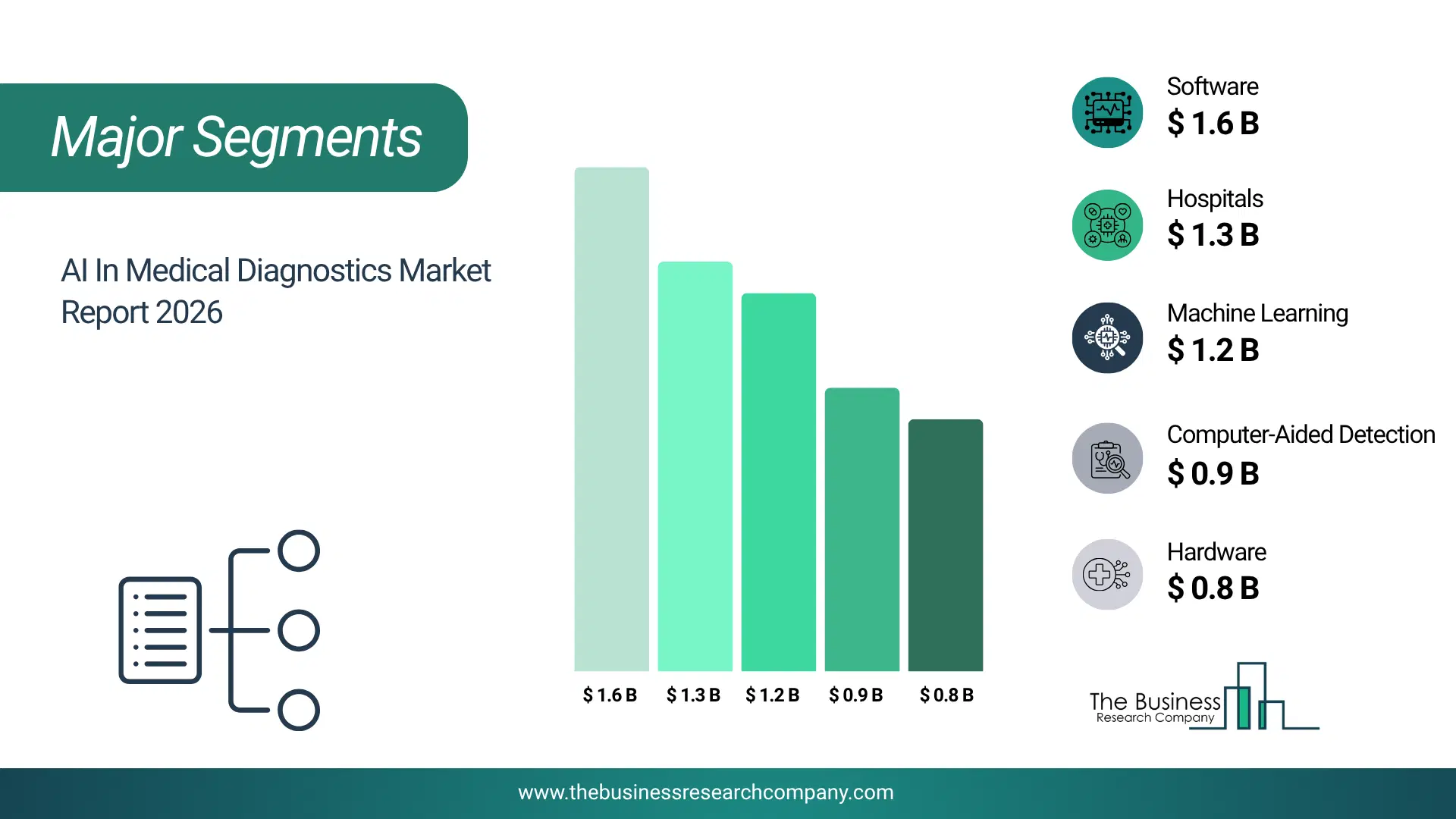
1) By Component: Software, Services 2) By Technology: Natural Language Processing, Computer Vision, Machine Learning, Context-Aware Computing, Other Technologies 3) By Specialty: Brain And Neurological, Oncology, Cardiac And Vascular, Chest And Lung, Obstetrics And Gynecology, Other Specialties 4) By Application: Computer-Aided Detection, Computer-Aided Diagnosis, Quantitative Analysis Tools, Clinical Decision Support 5) By End User: Hospitals, Diagnostics Imaging Centers, Diagnostics Laboratories, Other End Users Subsegments: 1) By Software: Diagnostic Imaging Software, Disease Identification Software, Predictive Analytics Software, Data Management Software, Clinical Decision Support Software 2) By Services: Consulting Services, Implementation Services, Training Services, Maintenance And Support Services, Managed Services The top segments in the ai in medical diagnostics market will be: • Software will reach $1604.96 Million by 2025. • Hospitals will reach $1317.62 Million by 2025. • Machine Learning will reach $1282.43 Million by 2025. • Computer-Aided Detection will reach $967.08 Million by 2025. • Hardware will reach $803.23 Million by 2025.What Is The Driver Of The AI In Medical Diagnostics Market?
The increasing investment in healthcare is expected to propel the growth of the AI in medical diagnostics market going forward. Health expenditure refers to the portion of total revenue that is spent by the public and private sectors for healthcare services. It provides employment for healthcare professionals, boosts earnings for healthcare employees, expands municipal tax revenues, and stimulates demand for associated goods and services that will support AI technology's application in healthcare. For instance, in November 2023, according to the Canadian Institute for Health Information, a Canada-based non-profit organization, total health expenditure is projected to reach $344 billion in 2023, reflecting a modest growth of 2.8% compared to the previous year. Therefore, the increasing investment in healthcare is driving the growth of the AI in medical diagnostics industry.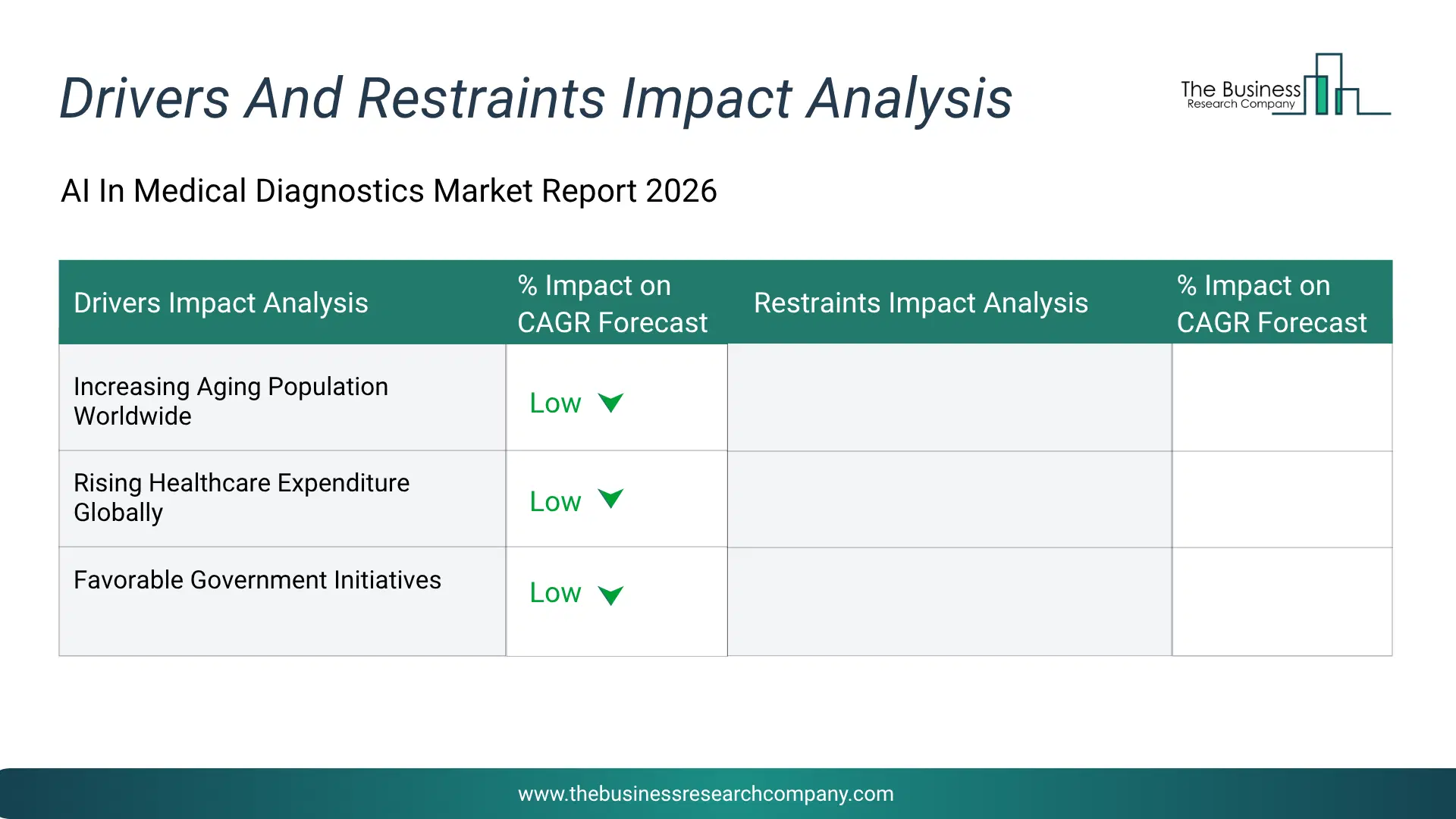
Infographic Chart Showing Key Market Drivers Analysis And Restraints For Ai In Medical Diagnostics Market
The chart presents an impact analysis of key drivers and restraints, quantifying their relative influence on the market's growth rate and helping assess the balance between growth enablers and limiting factors. This chart offers a high-level perspective; the full report contains more detailed insights.
How Will The Drivers Impact Growth In The Global AI In Medical Diagnostics Market?
• Increasing Aging Population Worldwide (Low) – The increasing aging population worldwide will become a key driver of growth in the AI in medical diagnostics market by 2030. AI in medical diagnostics reduces healthcare costs by minimizing invasive procedures and lengthy processes. Early, accurate diagnoses decrease hospital stays and facility burdens, making healthcare more affordable and accessible for the elderly. Advances in AI, including machine learning and big data, enhance diagnostic tool capabilities, integrating seamlessly into healthcare systems. Continuous monitoring features in AI tools provide real-time data, enabling timely interventions for better chronic disease management. As a result, the increasing aging population worldwide is anticipated to contributing to annual growth in the market. • Rising Healthcare Expenditure Globally (Low) – The rising healthcare expenditure globally will emerge as a major factor driving the expansion of the AI in medical diagnostics market by 2030. Demand for affordable solutions is rising in tandem with rising healthcare expenses. Artificial intelligence (AI) simplifies procedures, minimizes pointless testing and maximizes resource utilization in medical diagnostics and improves decision-making and automating processes for effective healthcare delivery. Consequently, the rising healthcare expenditure globally is projected to contributing to annual growth in the market. • Favorable Government Initiatives (Low) – The favorable government initiatives within digital manufacturing processes will serve as a key growth catalyst for the AI in medical diagnostics market by 2030. Governments globally are developing policies to enhance AI integration in healthcare, positively impacting AI in medical diagnostics industry. Additionally, countries are streamlining regulatory processes and fostering public-private partnerships to promote innovation. Therefore, this favorable government initiatives is projected to supporting to annual growth in the market. • Shortage Of Skilled Healthcare Professionals (Low) – The shortage of skilled healthcare professionals will become a significant driver contributing to the growth of the AI in medical diagnostics market by 2030. AI-driven diagnostic tools automate routine tasks, allowing healthcare professionals to focus on complex cases and provide timely care. Artificial intelligence (AI) algorithms aid clinical decision-making by interpreting complex data and enhancing efficiency and accuracy. Leveraging machine learning, AI improves diagnostic accuracy, reducing errors and unnecessary follow-ups, especially in resource-scarce settings. Consequently, the shortage of skilled healthcare professionals is projected to contributing to annual growth in the market.How Will The Restraints Impact Growth In The Global AI In Medical Diagnostics Market?
• High Procurement Cost Of AI Systems (Low) – High Procurement Cost Of AI Systems will restrict the growth of the AI In Medical Diagnostics market during the forecast period. AI diagnostic systems involve significant costs for software, hardware, integration, and training. The high upfront investment and ongoing maintenance costs create financial barriers for smaller healthcare facilities and those in developing regions. Cost constraints can limit the adoption of AI diagnostic solutions, particularly in budget-constrained healthcare systems.Key Players In The Global AI In Medical Diagnostics Market
Major companies operating in the AI in medical diagnostics market are International Business Machines Corporation; Siemens Healthineers AG; GE HealthCare Technologies Inc.; Digital Diagnostics Inc.; Heartflow Inc.; Aidoc Medical Ltd.; Koninklijke Philips N.V.; Nanox Imaging Ltd.; Enlitic Inc.; Aidence B.V.; Butterfly Network Inc.; Day Zero Diagnostics Inc.; Arterys Inc.; PathAI Inc.; Zebra Medical Vision Inc.; Caption Health Inc.; Proscia Inc.; AliveCor Corporation; ResApp Health Limited; Volpara Health Technologies Limited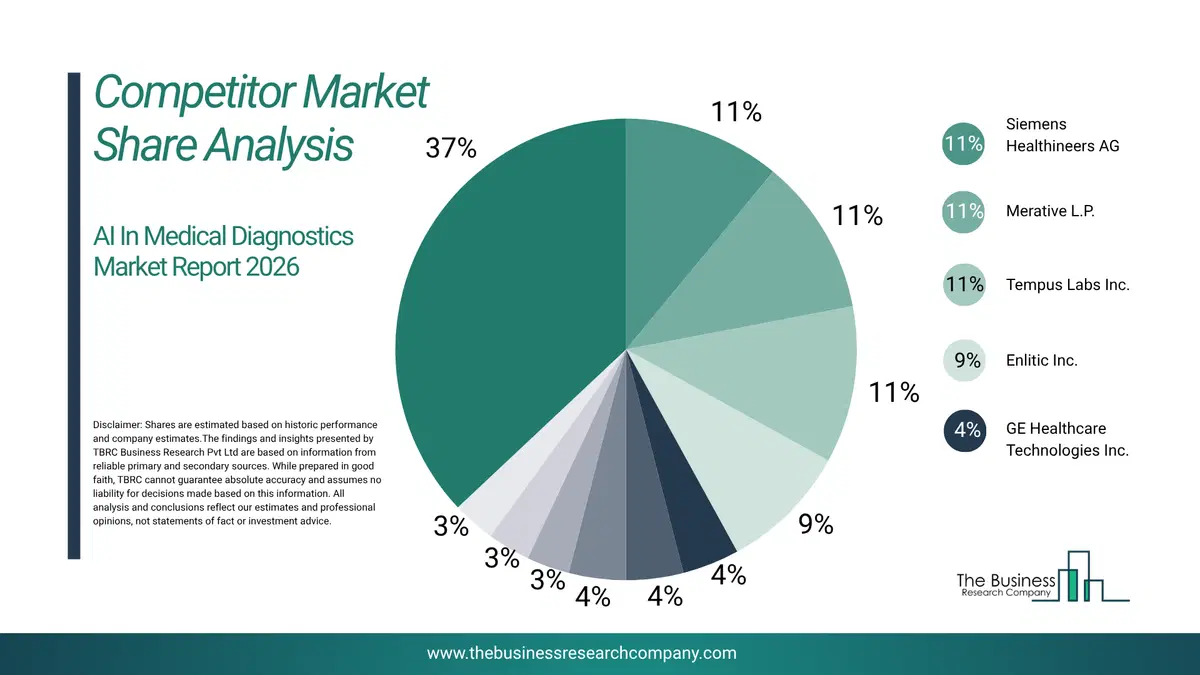
This chart is for illustrative purposes; the full report includes a detailed competitor analysis and comprehensive overview of the top 10 companies in the market.
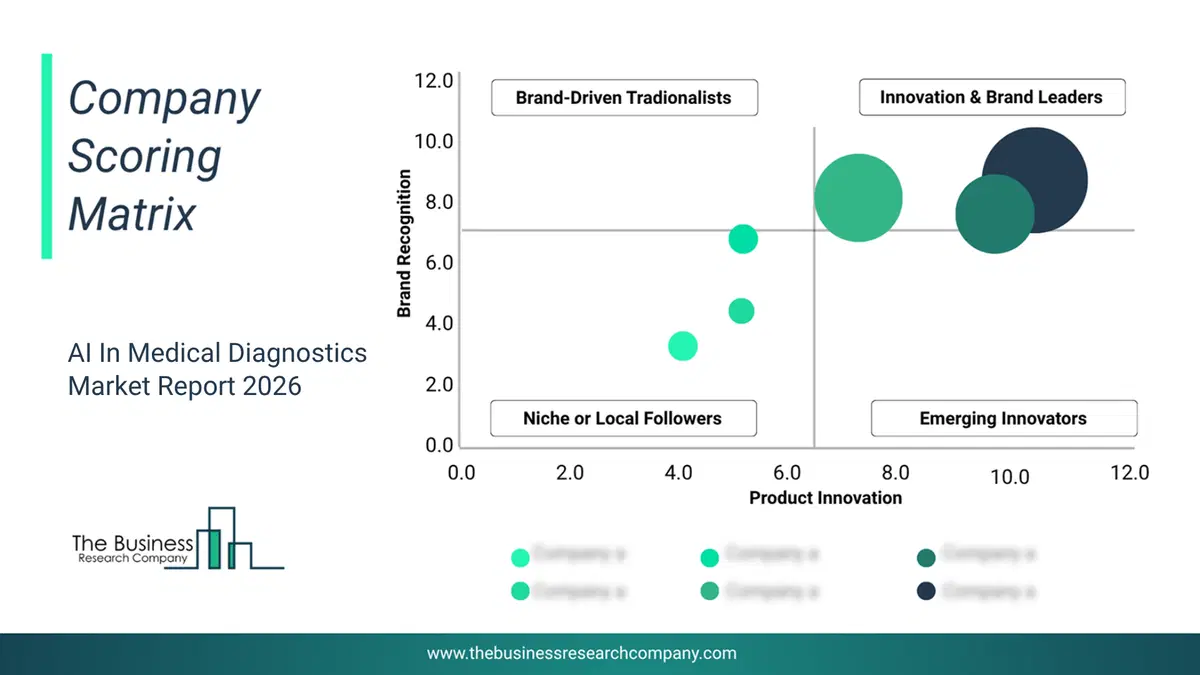
This chart maps companies by product innovation and brand strength, with bubble size indicating relative revenue, helping identify market leaders, challengers, and niche players. This is an illustrative chart; the full report provides a complete and accurate competitive analysis.
Global AI In Medical Diagnostics Market Trends and Insights
Major companies operating in the AI in medical diagnostics market are focusing on developing advanced solutions such as digital pod-based primary care platforms to enhance patient experience and operational efficiency. Digital pod-based primary care platforms are modular clinics that integrate AI-driven consultations, diagnostics, testing, and medication dispensing into a seamless workflow delivering rapid care. For instance, in November 2024, Forte Healthcare, a UAE-based healthcare company, launched MediBAY, featuring an AI-powered clinic model that enables patients to complete their entire healthcare journey in under 30 minutes. Key features of the launched product include AI-based consultations, testing, diagnostics and medication dispensing through digital pods tailored for immediate care demand; multilingual live tele-consultations with physicians and trained nurses supporting streamlined patient flow; blockchain-enabled safety and compliance alongside integration of patient records diagnostics and prescriptions into a unified system; a design that reduces load on general practitioners and hospital facilities by improving access and quality of primary care; and advanced AI, robotics and automation developed in collaboration with academic and industry experts to set new digital healthcare standards.What Are Latest Mergers And Acquisitions In The AI In Medical Diagnostics Market?
In October 2024, GE HealthCare Technologies Inc., a US-based medical technology company, acquired Intelligent Ultrasound Group PLC for approximately $53 million. With this acquisition, GE HealthCare aims to integrate Intelligent Ultrasound's AI-driven tools into its ultrasound portfolio to enhance workflow efficiency, reduce repetitive tasks, and simplify ultrasound exams for clinicians. Intelligent Ultrasound Group PLC is a UK-based diagnostics company that specializes in AI-driven ultrasound software and training tools for medical diagnostics.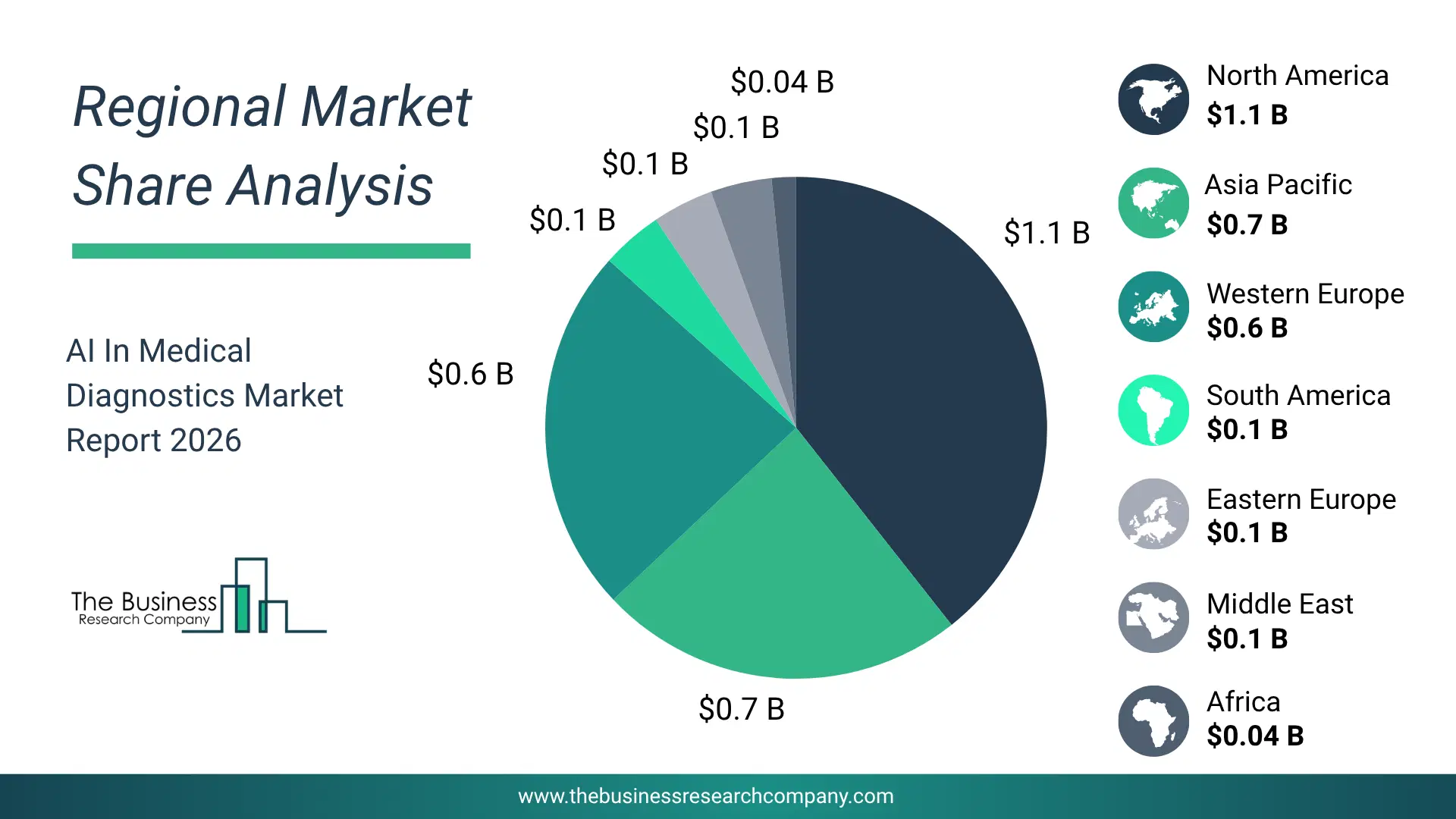
Regional Insights
North America was the largest region in the AI in medical diagnostics market in 2025.Asia-Pacific is expected to be the fastest-growing region in the global AI in medical diagnostics market report during the forecast period. The regions covered in this market report are Asia-Pacific, South East Asia, Western Europe, Eastern Europe, North America, South America, Middle East, Africa. The countries covered in this market report are Australia, Brazil, China, France, Germany, India, Indonesia, Japan, Taiwan, Russia, South Korea, UK, USA, Canada, Italy, SpainWhat Defines the AI In Medical Diagnostics Market?
The AI in medical diagnostics market consists of revenues earned by entities by providing services such as magnetic resonance imaging (MRI), ultrasound, and computed tomography scans, robotic process automation, machine learning, natural language processing, and rule-based expert systems. The market value includes the value of related goods sold by the service provider or included within the service offering. AI in the medical diagnostics market also includes sales of dental devices, diabetes care devices, nephrology and urology devices, neurology devices, and physical robots which are used in providing AI in medical diagnostics services. Values in this market are ‘factory gate’ values, that is the value of goods sold by the manufacturers or creators of the goods, whether to other entities (including downstream manufacturers, wholesalers, distributors and retailers) or directly to end customers. The value of goods in this market includes related services sold by the creators of the goods.How is Market Value Defined and Measured?
The market value is defined as the revenues that enterprises gain from the sale of goods and/or services within the specified market and geography through sales, grants, or donations in terms of the currency (in USD unless otherwise specified). The revenues for a specified geography are consumption values that are revenues generated by organizations in the specified geography within the market, irrespective of where they are produced. It does not include revenues from resales along the supply chain, either further along the supply chain or as part of other products.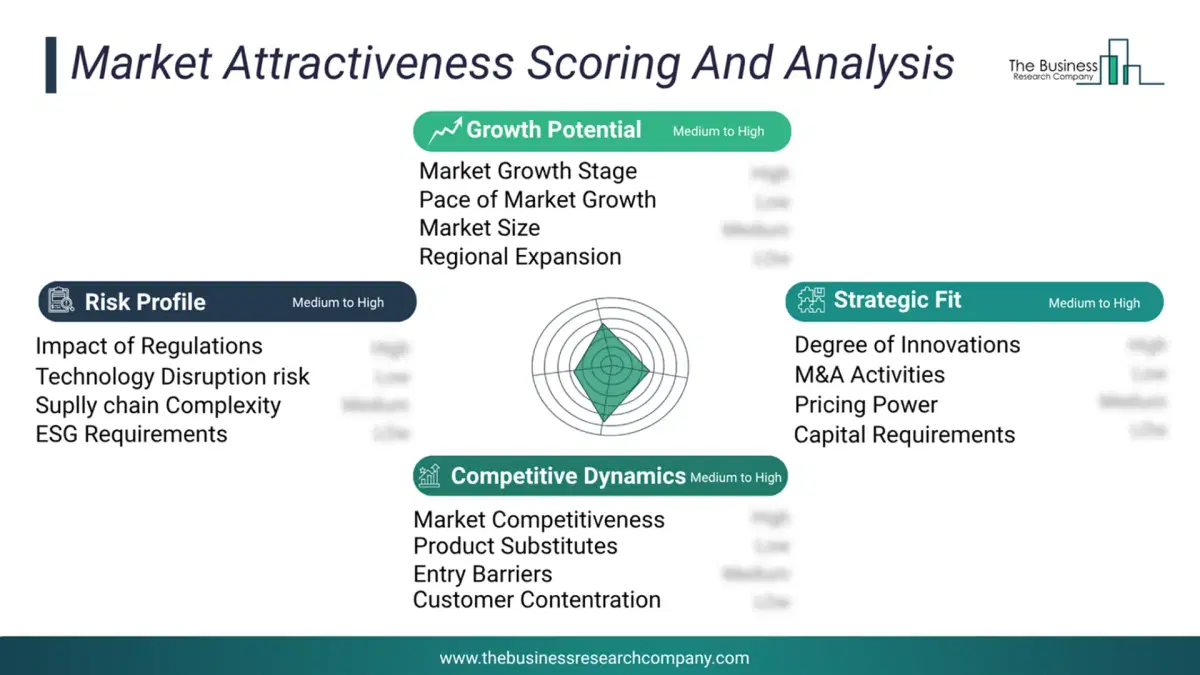
This chart presents market attractiveness based on a quantitative evaluation of growth, competition, strategic alignment, and risk, offering a clear view of opportunity areas for decision-making. This chart is for illustrative purposes; the full report contains the complete analysis.
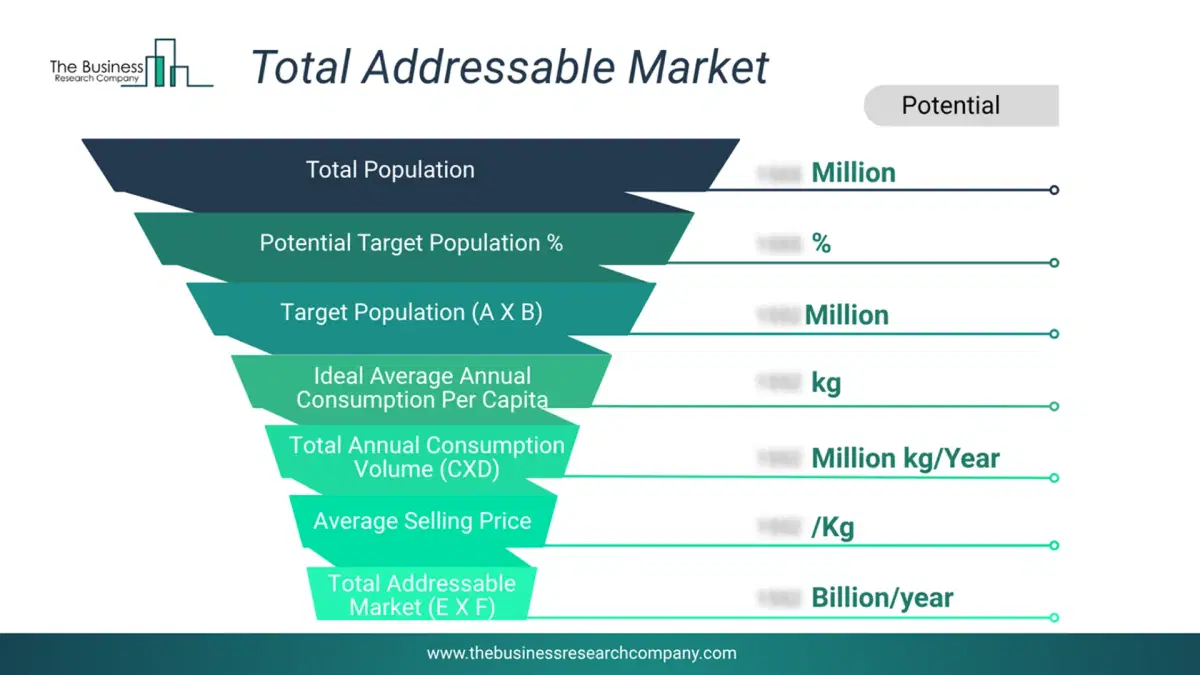
This chart highlights the Total Addressable Market (TAM) by estimating the maximum revenue opportunity using an assumption-driven approach, supporting strategic planning and opportunity sizing across markets. The chart is illustrative; the full report provides a more comprehensive analysis.
What Key Data and Analysis Are Included in the AI In Medical Diagnostics Market Report 2026?
The ai in medical diagnostics market research report is one of a series of new reports from The Business Research Company that provides market statistics, including industry global market size, regional shares, competitors with the market share, detailed market segments, market trends and opportunities, and any further data you may need to thrive in the ai in medical diagnostics industry. The market research report delivers a complete perspective of everything you need, with an in-depth analysis of the current and future state of the industry.AI In Medical Diagnostics Market Report Forecast Analysis
| Report Attribute | Details |
|---|---|
| Market Size Value In 2026 | $3.79 billion |
| Revenue Forecast In 2030 | $14.03 billion |
| Growth Rate | CAGR of 42.7% from 2026 to 2030 |
| Base Year For Estimation | 2025 |
| Actual Estimates/Historical Data | 2020-2025 |
| Forecast Period | 2026 - 2030 |
| Market Representation | Revenue in USD Billion and CAGR from 2026 to 2030 |
| Segments Covered | Component, Technology, Specialty, Application, End User |
| Regional Scope | Asia-Pacific, Western Europe, Eastern Europe, North America, South America, Middle East, Africa |
| Country Scope | The countries covered in the report are Australia, Brazil, China, France, Germany, India, Indonesia, Japan, Taiwan, Russia, South Korea, UK, USA, Canada, Italy, Spain. |
| Key Companies Profiled | International Business Machines Corporation; Siemens Healthineers AG; GE HealthCare Technologies Inc.; Digital Diagnostics Inc.; Heartflow Inc.; Aidoc Medical Ltd.; Koninklijke Philips N.V.; Nanox Imaging Ltd.; Enlitic Inc.; Aidence B.V.; Butterfly Network Inc.; Day Zero Diagnostics Inc.; Arterys Inc.; PathAI Inc.; Zebra Medical Vision Inc.; Caption Health Inc.; Proscia Inc.; AliveCor Corporation; ResApp Health Limited; Volpara Health Technologies Limited |
| Customization Scope | Request for Customization |
| Pricing And Purchase Options | Explore Purchase Options |