
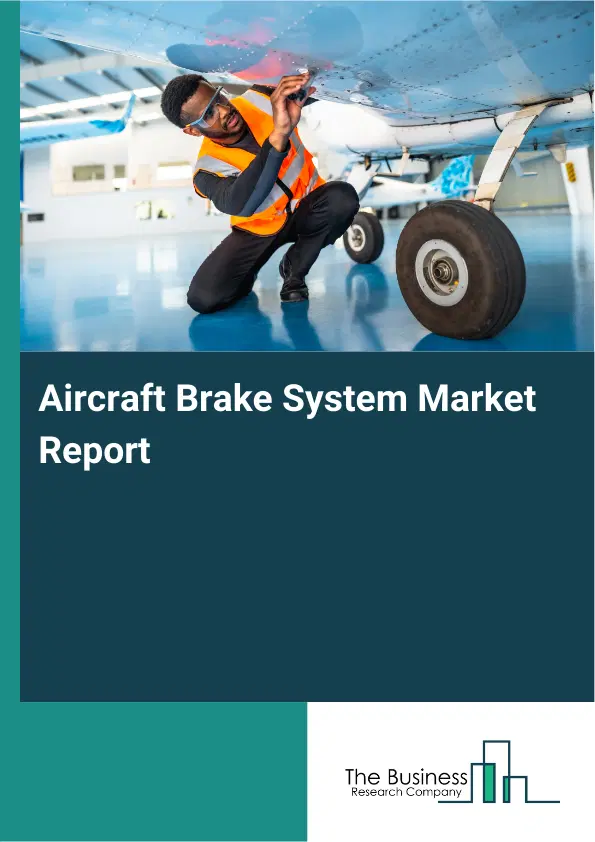
Aircraft Brake System Market Report 2026
Global Outlook – By Component (Braking System Components, Brakes, Wheels ), By Actuation (Power Brake, Boosted Brake, Independent Brake ), By Brake Type (Carbon Breaks, Steel Breaks, Others), By Aircraft Type (Fixed Wing, Rotary Wing, Unmanned Aerial Vehicles), By End-User (Commercial Aircraft, Defense Aircraft) – Market Size, Trends, Strategies, and Forecast to 2030
Aircraft Brake System Market Overview
• Aircraft Brake System market size has reached to $11.11 billion in 2025 • Expected to grow to $16.19 billion in 2030 at a compound annual growth rate (CAGR) of 7.6% • Growth Driver: Expansion Of Airport Infrastructure Fueling The Growth Of The Market Due To Increasing Demand For Safe And Efficient Aircraft Operations • Market Trend: Safran Announces $523 Million Carbon Brake Facility In France To Support Sustainable Aviation • North America was the largest region and fastest growing region.Market Gains By 2030 – Top Opportunities By Segment
Market Gain identifies the most promising market opportunities by highlighting the segments or products expected to generate the highest incremental revenue growth over the next five years.
What Is Covered Under Aircraft Brake System Market?
The aircraft brake system is a system used to stop a moving aircraft by converting kinetic energy to heat energy through friction between discs located in brake systems in the wheels. The aircraft brake system provides this critical function during take-off, landing, and taxiing to stop the airplanes within the specified length of the runway. The main components in an aircraft brake system are braking system components, brakes, and wheels. The wheels support the entire weight of the aircraft during takeoff and landing. The brake systems of an aircraft are attached to the wheels. There are single-piece and two-piece aircraft wheels with a removable rim which allows the installation access for the tire. The different actuation types include power brake, boosted brake, independent brake and involve various aircraft types such as fixed-wing, rotary wing, unmanned aerial vehicles aircraft. The several break types include carbon breaks, steel breaks, others and are used by various end-users such as commercial aircraft and defense aircraft.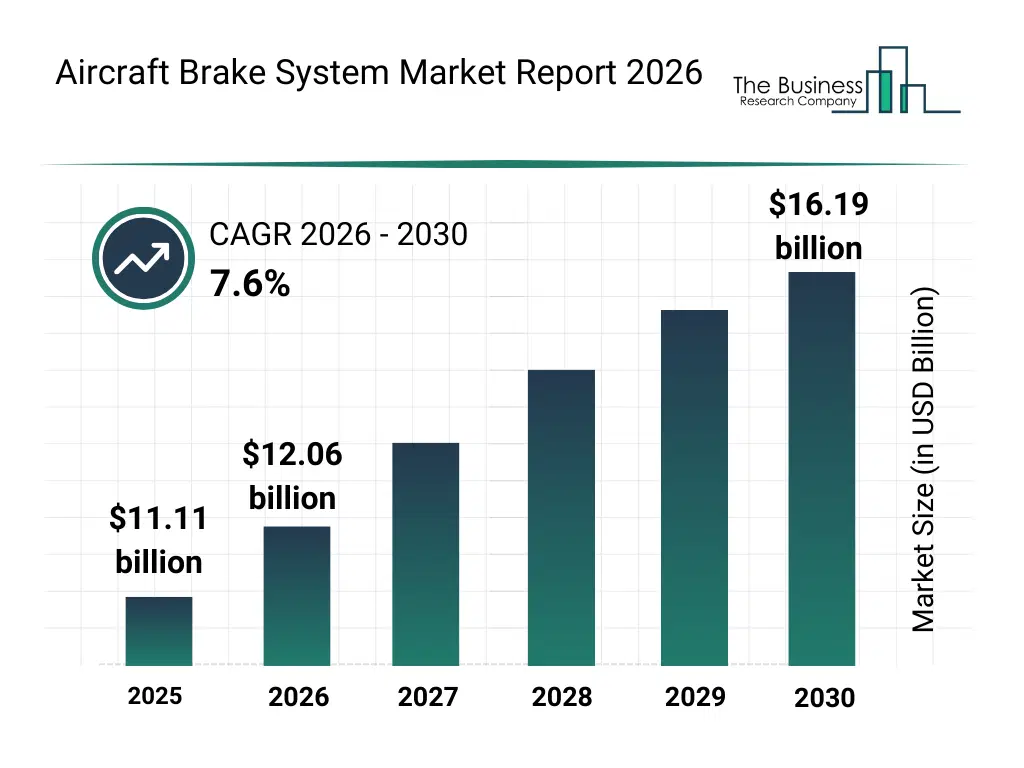
What Is The Aircraft Brake System Market Size and Share 2026?
The aircraft brake system market size has grown strongly in recent years. It will grow from $11.11 billion in 2025 to $12.06 billion in 2026 at a compound annual growth rate (CAGR) of 8.6%. The growth in the historic period can be attributed to growth in global aircraft production increasing demand for reliable brake systems, rising adoption of multi-disc brake configurations to improve braking efficiency, expansion of commercial aviation driving higher consumption of brake components, increased focus on enhancing runway safety through advanced braking technologies, adoption of carbon brakes to reduce weight and improve heat dissipation.What Is The Aircraft Brake System Market Growth Forecast?
The aircraft brake system market size is expected to see strong growth in the next few years. It will grow to $16.19 billion in 2030 at a compound annual growth rate (CAGR) of 7.6%. The growth in the forecast period can be attributed to anticipated rise in next-generation aircraft platforms requiring higher-performance brake systems, growing demand for lightweight and durable brake materials to improve operational efficiency, increasing integration of brake-by-wire technologies for enhanced control and responsiveness, expanding fleet renewal and mro activities boosting replacement of aircraft brake systems, technological advancements enabling improved heat management and extended brake life. Major trends in the forecast period include rising adoption of carbon composite braking materials, increasing integration of advanced anti-skid brake control units, growing demand for lightweight wheel and brake assemblies, rising usage of high-performance heat-dissipation technologies, increasing development of multi-disc brake configurations for large aircraft.
Global Aircraft Brake System Market Segmentation
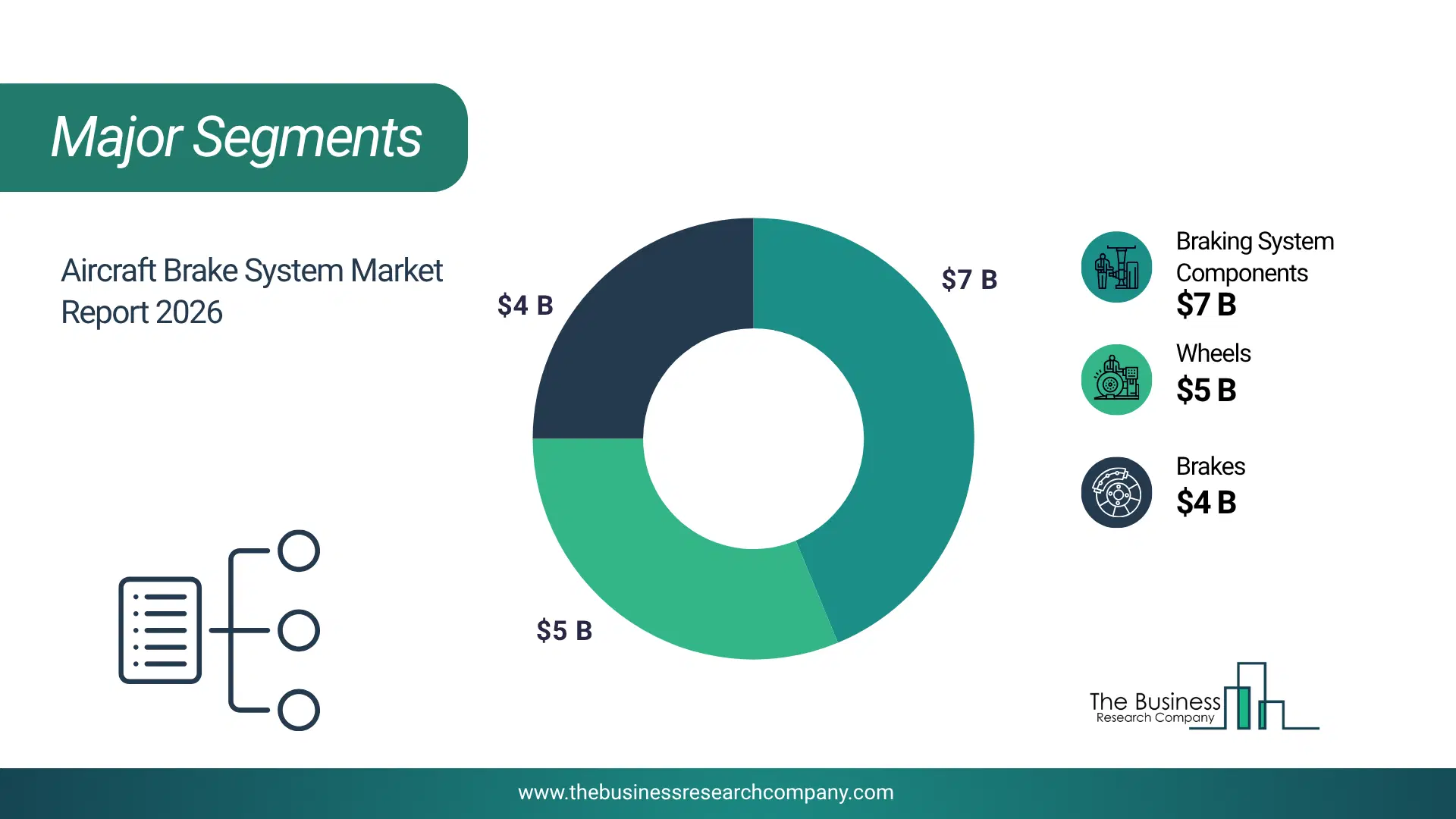
1) By Component: Braking System Components, Brakes, Wheels 2) By Actuation: Power Brake, Boosted Brake, Independent Brake 3) By Brake Type: Carbon Breaks, Steel Breaks, Others 4) By Aircraft Type: Fixed Wing, Rotary Wing, Unmanned Aerial Vehicles 5) By End-User: Commercial Aircraft, Defense Aircraft Subsegments: 1) By Braking System Components: Brake Control Systems, Anti-Skid Control Units, Brake Actuators, Hydraulic Lines and Fittings, Sensors and Monitoring Systems 2) By Brakes: Disc Brakes, Drum Brakes, Carbon Brake Systems, Steel Brake Systems, Emergency Brakes 3) By Wheels: Main Wheels, Nose Wheels, Wheel Assembly Components The top segments in the aircraft brake system market will be: • Braking System Components will reach $7 Billion by 2030. • Wheels will reach $5 Billion by 2030. • Brakes will reach $4 Billion by 2030.What Is Driver Of The Aircraft Brake System Market?
The expansion of airport infrastructure is expected to propel the growth of the aircraft brake system market going forward. Expansion of airport infrastructure refers to the development and upgrade of airport facilities, including runways, terminals, hangars, and associated support systems to accommodate increased air traffic and larger aircraft. The expansion of airport infrastructure is increasing due to rising air travel demand, prompting governments and private operators to upgrade facilities and add new terminals. Aircraft brake systems support the expansion of airport infrastructure by ensuring safe and efficient aircraft landings and ground operations, enabling airports to handle higher traffic volumes and larger aircraft. For instance, in March 2023, according to Airports Council International-North America (ACI-NA), a US-based government organization, the total U.S. airport infrastructure needs for the 2023-2027 period were estimated at $151 billion, a 30.9% increase from the previous period, demonstrating a strong push for airport capacity expansion and modernization. Therefore, the expansion of airport infrastructure is driving the growth of the aircraft brake system industry.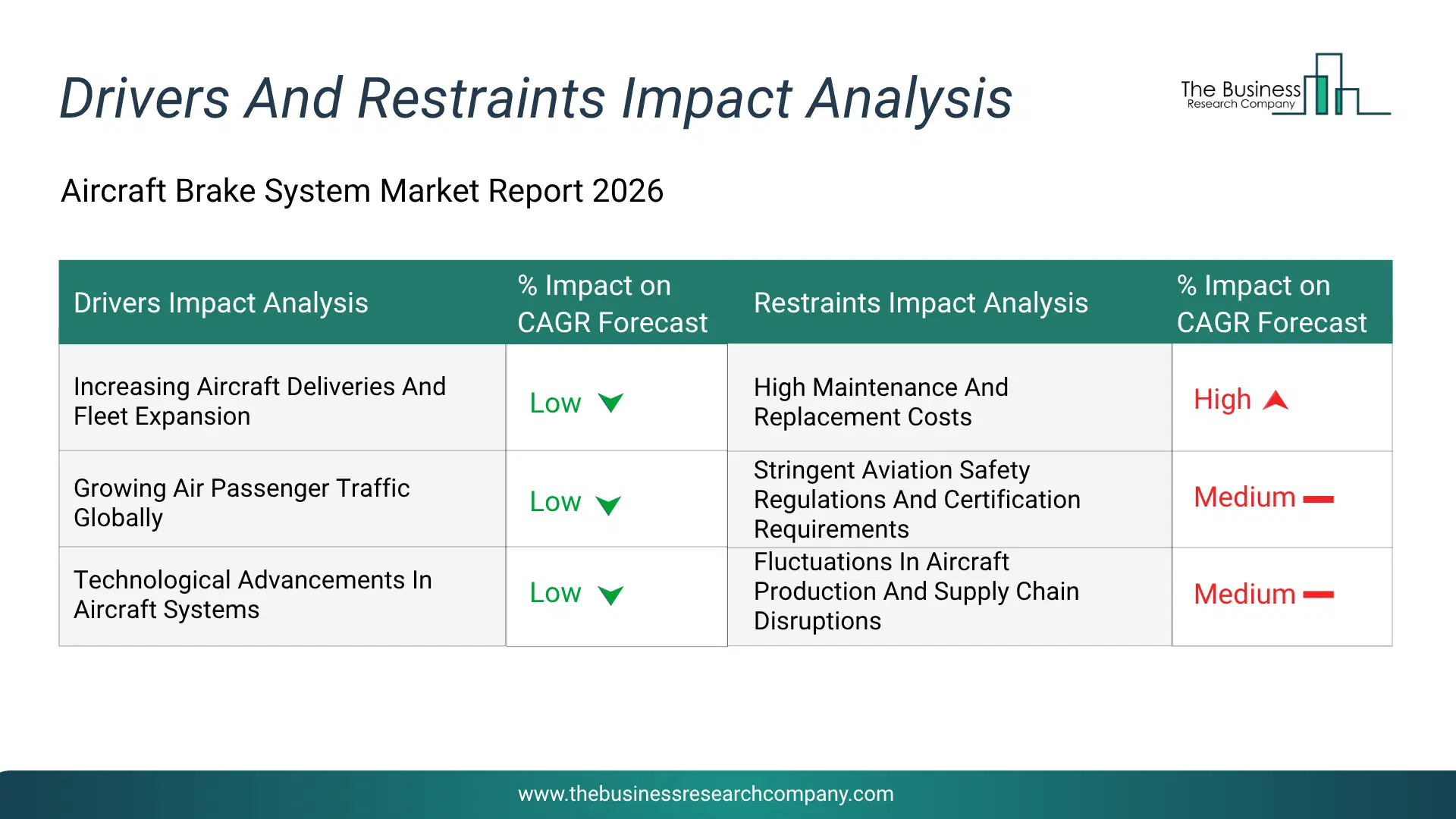
Infographic Chart Showing Key Market Drivers Analysis And Restraints For Aircraft Brake System Market
The chart presents an impact analysis of key drivers and restraints, quantifying their relative influence on the market's growth rate and helping assess the balance between growth enablers and limiting factors. This chart offers a high-level perspective; the full report contains more detailed insights.
How Will The Drivers Impact Growth In The Global Aircraft Brake System Market?
• Increasing Aircraft Deliveries And Fleet Expansion (Low) – During the forecast period, the increasing aircraft deliveries and fleet expansion is expected to become a key growth driver for the aircraft brake system market by 2030. Increasing aircraft deliveries and fleet expansion act as a major driver for the aircraft braking system market, as rising demand for commercial and military aviation leads to higher aircraft production. Each new aircraft requires advanced braking systems to ensure safe landing, taxiing, and overall operational performance. Airlines expanding their fleets to meet growing passenger and cargo demand further increase the need for reliable braking components. Additionally, expanding fleets require ongoing maintenance and replacement of braking systems over time. As a result, continuous growth in aircraft deliveries significantly drives demand for aircraft braking systems. • Growing Air Passenger Traffic Globally (Low) – During the forecast period, the growing air passenger traffic globally is expected to emerge as a major factor driving the expansion of the aircraft brake system market by 2030. The growing air passenger traffic globally acts as a major driver for the aircraft braking system market, as increasing travel demand pushes airlines to expand flight operations and fleet size. Higher flight frequency leads to more frequent use of braking systems, increasing wear and the need for maintenance and replacement. Airlines also invest in new aircraft to accommodate rising passenger volumes, further boosting demand for braking components. Additionally, increased air traffic requires enhanced safety and performance standards, driving adoption of advanced braking technologies. As a result, rising passenger traffic significantly fuels the demand for aircraft braking systems. • Technological Advancements In Aircraft Systems (Low) – During the forecast period, the technological advancements in aircraft systems are expected to act as a key growth catalyst for the aircraft brake system market by 2030. Technological advancements in aircraft systems act as a major driver for the aircraft brake system market, as aircraft manufacturers increasingly adopt advanced braking technologies to improve safety, performance, and operational efficiency. Innovations such as brake-by-wire systems, carbon composite brakes, electronic braking controls, and integrated health monitoring systems enhance braking precision, reduce aircraft weight, and lower maintenance requirements. These advanced systems also improve reliability, shorten landing distances, and support the development of more-electric and next-generation aircraft. As airlines and OEMs continue investing in technologically advanced aircraft platforms, demand for high-performance aircraft brake systems is expected to increase significantly.How Will The Restraints Impact Growth In The Global Aircraft Brake System Market?
• High Maintenance And Replacement Costs (Low) – During the forecast period, the high maintenance and replacement costs act as a major restraint on the aircraft braking system market, as these systems undergo frequent wear due to repeated takeoffs and landings. Airlines must conduct regular inspections, servicing, and timely replacement of brake components to ensure safety and compliance. This increases operational and lifecycle costs, especially for high-utilization aircraft. The use of advanced materials and technologies further raises the cost of maintenance and spare parts. As a result, these expenses can limit cost efficiency and act as a constraint on market growth. • Stringent Aviation Safety Regulations And Certification Requirements (Low) – During the forecast period, the stringent aviation safety regulations and certification requirements act as a significant restraint on the aircraft braking system market, as manufacturers must comply with rigorous standards set by aviation authorities. The certification process involves extensive testing, validation, and documentation to ensure system reliability and passenger safety. This increases development time and costs, delaying product launches and innovation cycles. Additionally, any modification or upgrade to braking systems requires re-certification, adding further complexity. As a result, strict regulatory requirements can slow down market growth and limit rapid adoption of new technologies. • Fluctuations In Aircraft Production And Supply Chain Disruptions (Low) – During the forecast period, the fluctuations in aircraft production and supply chain disruptions act as a significant restraint on the aircraft braking system market, as demand for braking systems is directly tied to aircraft manufacturing rates. Any slowdown in aircraft production reduces the need for new braking system installations. Additionally, supply chain disruptions, such as shortages of raw materials or critical components, can delay manufacturing and delivery timelines. These challenges increase costs and create uncertainty for suppliers and manufacturers. As a result, inconsistent production and supply issues hinder steady market growth.Key Players In The Global Aircraft Brake System Market
Major companies operating in the aircraft brake system market are Honeywell International Inc., Safran Landing Systems, Raytheon Technologies Corporation, Parker-Hannifin Corporation, Crane Aerospace & Electronics., Beringer Aero a subsidiary of Beringer SAS, MATCO Manufacturing Inc., Grove Aircraft Landing Gear Systems Inc., Jay-Em Aerospace & Machine Inc., Bauer Inc., Nasco Aircraft Brake Inc., AAR Corp., Lufthansa Technik AG, UTC Aerospace Systems, Dunlop Aircraft Tyres Ltd., Goodyear Aviation., Michelin Aircraft Tire Company LLC., Aircraft Braking Systems Corporation., Carlisle Companies Incorporated, Rapco Fleet Support Inc., SGL Carbon SE, Wilwood Engineering Inc., Brembo S.p.A., Hindustan Aeronautics Limited, Magellan Aerospace Corporation, Meggitt Aircraft Braking Systems Corporation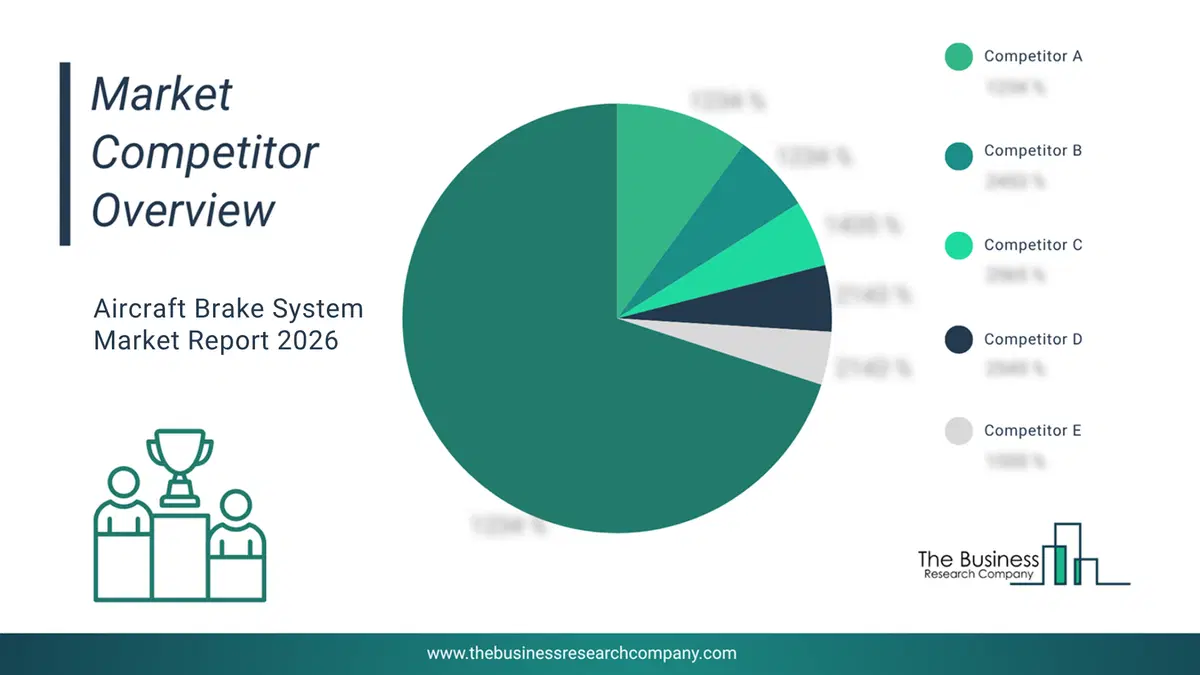
This chart is for illustrative purposes; the full report includes a detailed competitor analysis and comprehensive overview of the top 10 companies in the market.
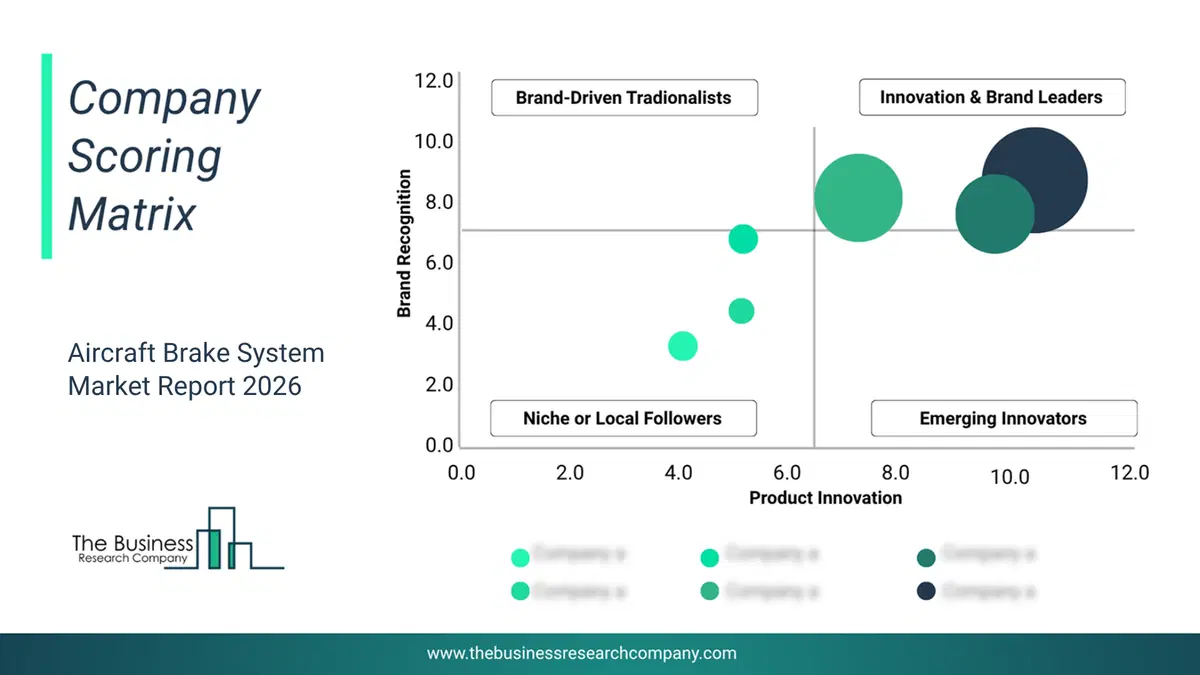
This chart maps companies by product innovation and brand strength, with bubble size indicating relative revenue, helping identify market leaders, challengers, and niche players. This is an illustrative chart; the full report provides a complete and accurate competitive analysis.
Global Aircraft Brake System Market Trends and Insights
Major companies operating in the aircraft braking systems market are focusing on leveraging innovative solutions, such as carbon brake technologies, to enhance performance, reduce weight, and support sustainability goals. Carbon brake technology, which uses high-performance carbon composites, helps aircraft achieve greater braking efficiency, lower wear and tear, and reduced environmental impact by minimizing emissions and energy loss during operations. For instance, in August 2025, Safran S.A., a France-based aerospace and defense company, announced a new $523 million (€450 million) carbon brake facility in France, set to open in 2030. Developed to meet the growing global demand for sustainable and high-performance aircraft braking solutions, the facility is designed to advance manufacturing capabilities and operational readiness for commercial and military aviation. The facility leverages Safran’s expertise in carbon composite materials and advanced production techniques, enabling the production of lighter, more durable, and environmentally friendly brakes, making aircraft operations safer, more efficient, and more sustainable than existing alternatives.What Are Latest Mergers And Acquisitions In The Aircraft Brake System Market? National Machine Company Acquires Matco Manufacturing To Expand Aerospace Capabilities
In January 2023, National Machine Company, a US-based aerospace and defense company, acquired Matco Manufacturing for an undisclosed amount. With this acquisition National Machine Company aims to expand its aerospace capabilities into the growing experimental, light sport, and advanced air mobility markets by integrating Matco's specialized wheel and brake expertise with its own design, manufacturing, and testing strengths to better serve new and existing aerospace customers. Matco Manufacturing is a US-based company that manufactures aircraft brake systems.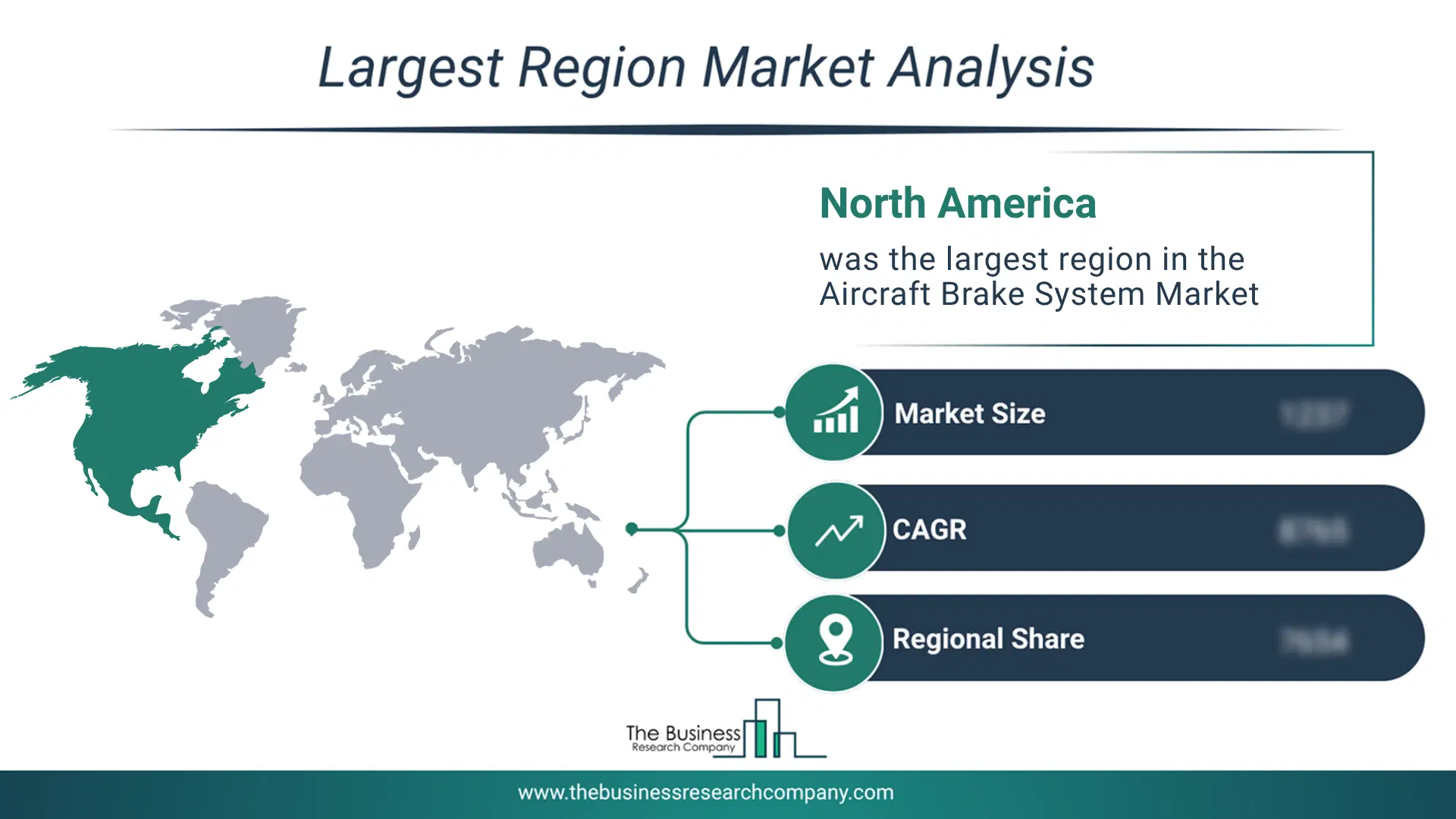
Regional Insights
North America was the largest region in the aircraft brake system market in 2025. North America is expected to be the fastest-growing region in the forecast period. The regions covered in this market report are Asia-Pacific, South East Asia, Western Europe, Eastern Europe, North America, South America, Middle East, Africa. The countries covered in this market report are Australia, Brazil, China, France, Germany, India, Indonesia, Japan, Taiwan, Russia, South Korea, UK, USA, Canada, Italy, SpainWhat Defines the Aircraft Brake System Market?
The aircraft brake system market consists of sales of single, dual, and multiple disc brake systems. Values in this market are ‘factory gate’ values, that is the value of goods sold by the manufacturers or creators of the goods, whether to other entities (including downstream manufacturers, wholesalers, distributors, and retailers) or directly to end customers. The value of goods in this market includes related services sold by the creators of the goods.How is Market Value Defined and Measured?
The market value is defined as the revenues that enterprises gain from the sale of goods and/or services within the specified market and geography through sales, grants, or donations in terms of the currency (in USD unless otherwise specified). The revenues for a specified geography are consumption values that are revenues generated by organizations in the specified geography within the market, irrespective of where they are produced. It does not include revenues from resales along the supply chain, either further along the supply chain or as part of other products.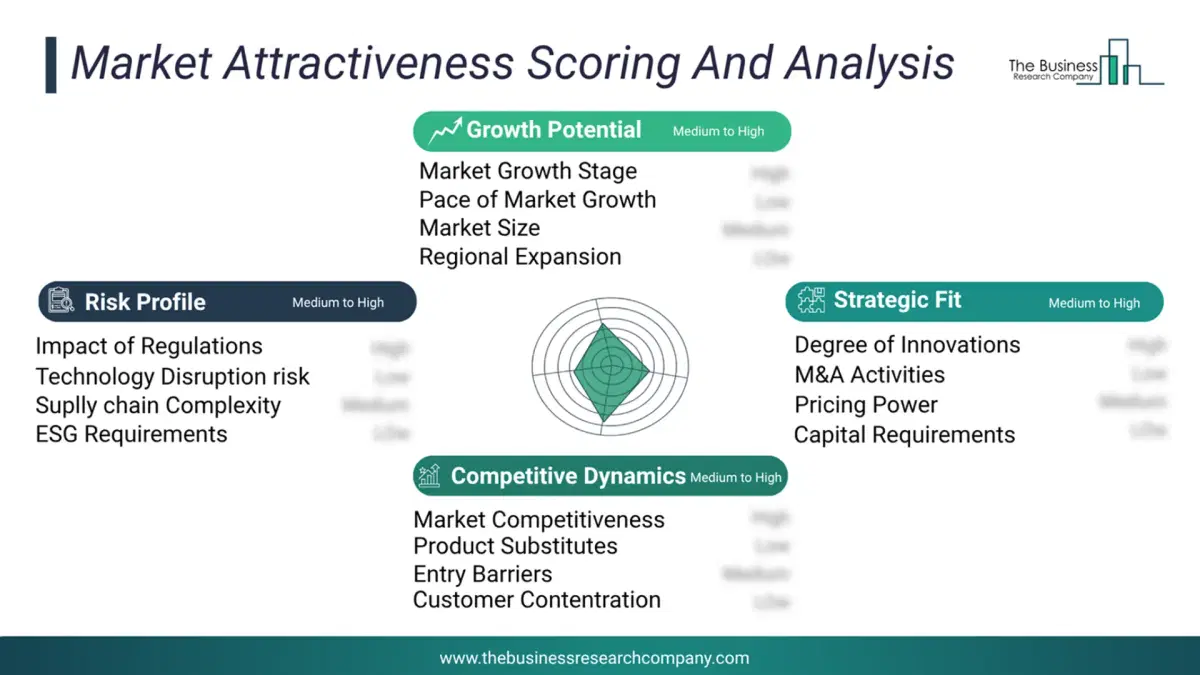
This chart presents market attractiveness based on a quantitative evaluation of growth, competition, strategic alignment, and risk, offering a clear view of opportunity areas for decision-making. This chart is for illustrative purposes; the full report contains the complete analysis.
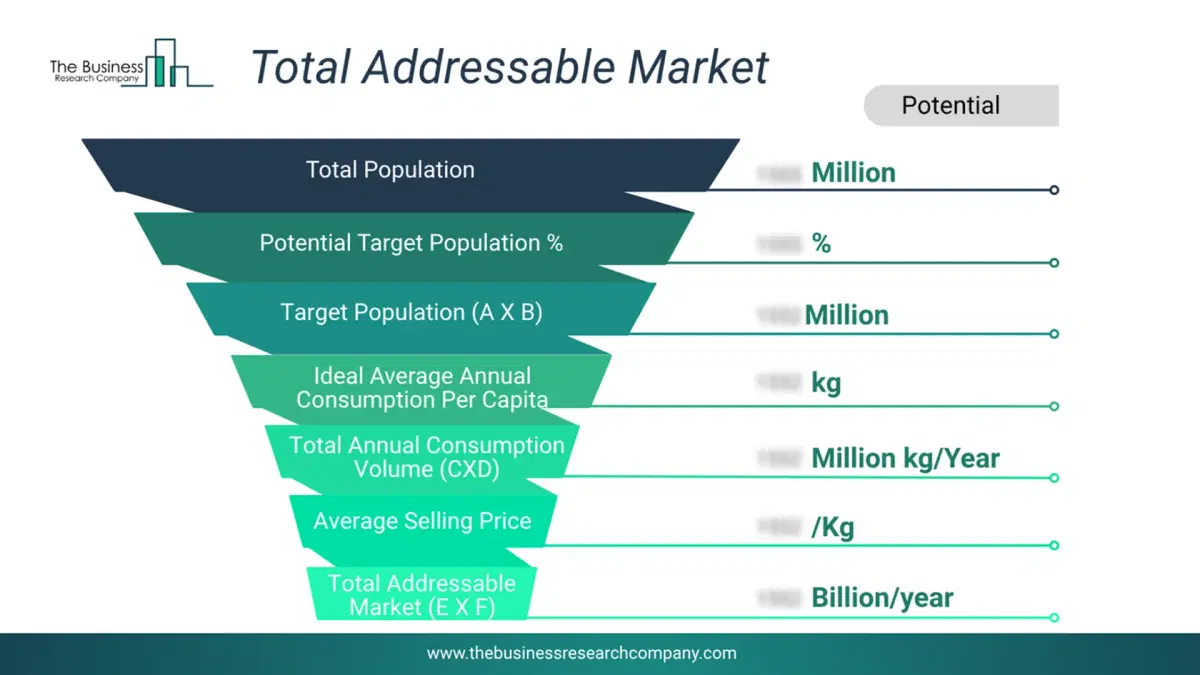
This chart highlights the Total Addressable Market (TAM) by estimating the maximum revenue opportunity using an assumption-driven approach, supporting strategic planning and opportunity sizing across markets. The chart is illustrative; the full report provides a more comprehensive analysis.
What Key Data and Analysis Are Included in the Aircraft Brake System Market Report 2026?
The aircraft brake system market research report is one of a series of new reports from The Business Research Company that provides market statistics, including industry global market size, regional shares, competitors with the market share, detailed market segments, market trends and opportunities, and any further data you may need to thrive in the aircraft brake system industry. The market research report delivers a complete perspective of everything you need, with an in-depth analysis of the current and future state of the industry.Aircraft Brake System Market Report Forecast Analysis
| Report Attribute | Details |
|---|---|
| Market Size Value In 2026 | $12.06 billion |
| Revenue Forecast In 2030 | $16.19 billion |
| Growth Rate | CAGR of 7.6% from 2026 to 2030 |
| Base Year For Estimation | 2025 |
| Actual Estimates/Historical Data | 2020-2025 |
| Forecast Period | 2026 - 2030 |
| Market Representation | Revenue in USD Billion and CAGR from 2026 to 2030 |
| Segments Covered | Component, Actuation, Brake Type, Aircraft Type, End-User |
| Regional Scope | Asia-Pacific, Western Europe, Eastern Europe, North America, South America, Middle East, Africa |
| Country Scope | The countries covered in the report are Australia, Brazil, China, France, Germany, India, Indonesia, Japan, Taiwan, Russia, South Korea, UK, USA, Canada, Italy, Spain. |
| Key Companies Profiled | Honeywell International Inc., Safran Landing Systems, Raytheon Technologies Corporation, Parker-Hannifin Corporation, Crane Aerospace & Electronics., Beringer Aero a subsidiary of Beringer SAS, MATCO Manufacturing Inc., Grove Aircraft Landing Gear Systems Inc., Jay-Em Aerospace & Machine Inc., Bauer Inc., Nasco Aircraft Brake Inc., AAR Corp., Lufthansa Technik AG, UTC Aerospace Systems, Dunlop Aircraft Tyres Ltd., Goodyear Aviation., Michelin Aircraft Tire Company LLC., Aircraft Braking Systems Corporation., Carlisle Companies Incorporated, Rapco Fleet Support Inc., SGL Carbon SE, Wilwood Engineering Inc., Brembo S.p.A., Hindustan Aeronautics Limited, Magellan Aerospace Corporation, Meggitt Aircraft Braking Systems Corporation |
| Customization Scope | Request for Customization |
| Pricing And Purchase Options | Explore Purchase Options |