
Brain Tumor Drugs Market Report 2026
Global Outlook – By Drugs (Temozolomide, Bevacizumab, Other Drugs), By End User (Hospital Pharmacies, Retail Pharmacies Or Drug Stores, Other End-Users), By Mechanism of Action (Chemotherapy Agents, Targeted Therapy, Hormone Therapy) – Market Size, Trends, Strategies, and Forecast to 2030
Brain Tumor Drugs Market Overview
• Brain Tumor Drugs market size has reached to $4.03 billion in 2025 • Expected to grow to $5.5 billion in 2030 at a compound annual growth rate (CAGR) of 6.6% • Growth Driver: Surge In Patients Opting For Chemotherapy Fuels Market Growth • Market Trend: Precision RAF Kinase Inhibition Transforming Genetically Guided Therapy For Pediatric Brain Tumors • North America was the largest region in 2025 and Middle East is the fastest growing region.What Is Covered Under Brain Tumor Drugs Market?
Brain tumor drugs refer to the drugs or medications that are used to treat brain tumors. Chemotherapy, hormone therapies, anticonvulsants, and painkillers are among the drugs used to treat brain tumors. While other prescription drugs are used to manage symptoms while the tumor is being treated, chemotherapy works to reduce or destroy brain tumors. The main types of drugs in brain tumors drugs are temozolomide, carmustine, cisplatin, bevacizumab, gefitinib, and erlotinib. Temozolomide is a drug that is intended to treat some types of brain cancer (e.g., glioblastomamultiforme, anaplastic astrocytoma) in individuals who have had tumors return or who have recently been diagnosed with tumors. It’s one of a class of drugs called antineoplastics (cancer medicines). The different types include medulloblastoma, astrocytoma, oligodendroglioma, primitive neuroectodermal (PNET), and others (glioma, acoustic neuroma, meningioma) and are used in various sectors such as hospital pharmacies, clinics, and others.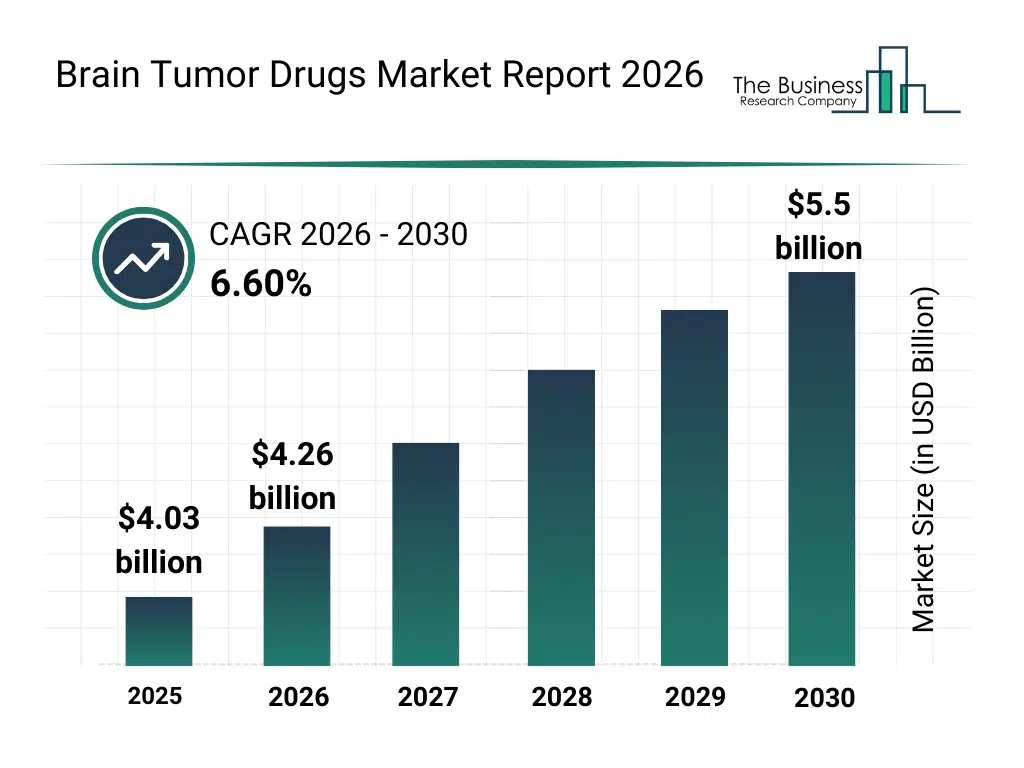
What Is The Brain Tumor Drugs Market Size and Share 2026?
The brain tumor drugs market size has grown strongly in recent years. It will grow from $4.03 billion in 2025 to $4.26 billion in 2026 at a compound annual growth rate (CAGR) of 5.7%. The growth in the historic period can be attributed to increasing prevalence of brain tumors, advancements in chemotherapy drugs, rising awareness about symptom management, development of hormone therapies, introduction of novel anticonvulsants.What Is The Brain Tumor Drugs Market Growth Forecast?
The brain tumor drugs market size is expected to see strong growth in the next few years. It will grow to $5.5 billion in 2030 at a compound annual growth rate (CAGR) of 6.6%. The growth in the forecast period can be attributed to growth of precision medicine, integration of ai in drug discovery, expansion of r&d in oncology, increased healthcare expenditure, rising adoption of targeted therapies. Major trends in the forecast period include personalized chemotherapy treatments, growth in hormone therapy applications, advanced pain management drugs, rising use of anticonvulsants in symptom control, expansion of brain tumor drug pipelines.
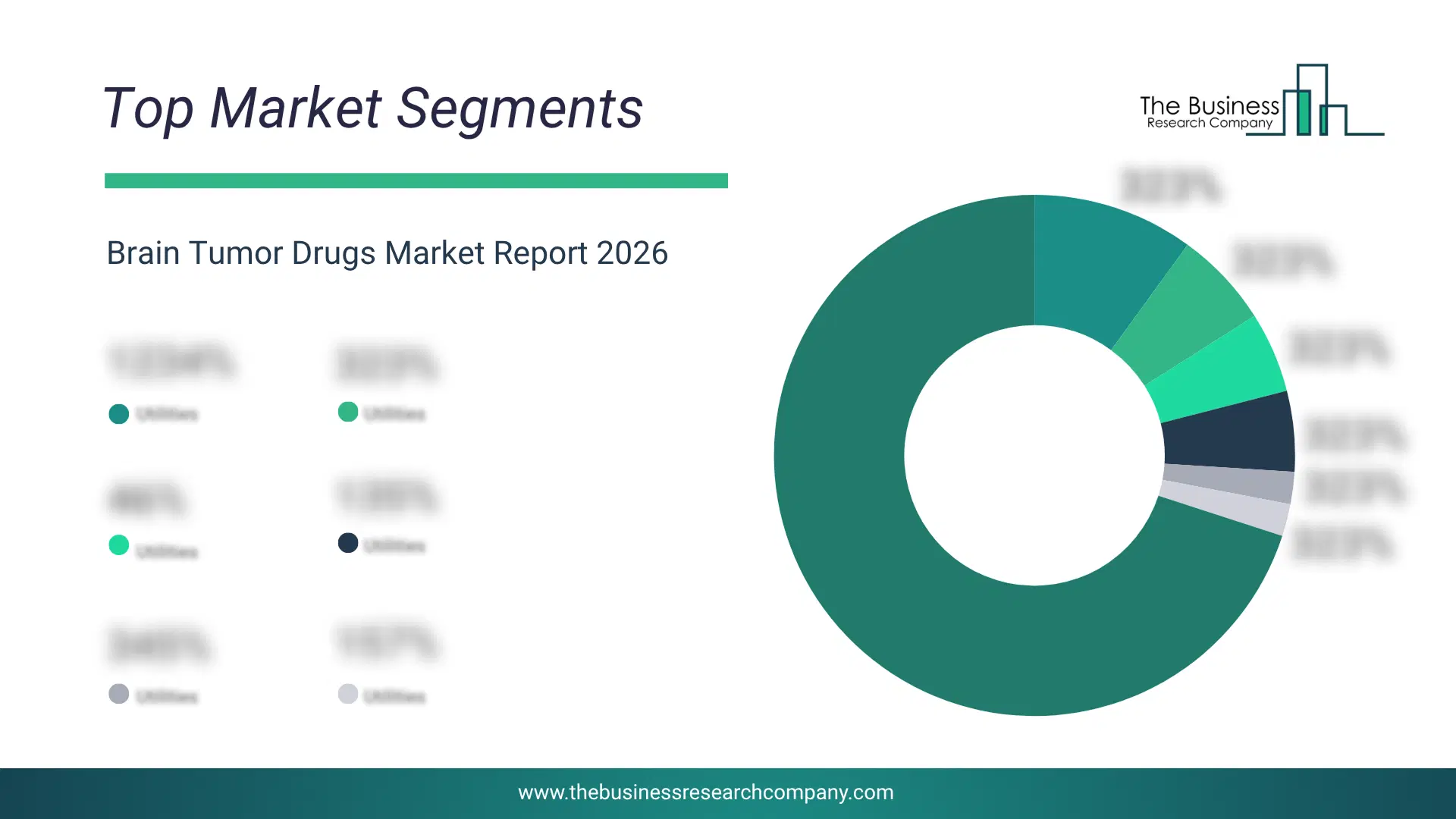
Global Brain Tumor Drugs Market Segmentation
1) By Drugs: Temozolomide, Bevacizumab, Other Drugs 2) By End User: Hospital Pharmacies, Retail Pharmacies Or Drug Stores, Other End-Users 3) By Mechanism of Action: Chemotherapy Agents, Targeted Therapy, Hormone Therapy Subsegments: 1) By Temozolomide: Oral Formulation, Injectable Formulation 2) By Bevacizumab: Monoclonal Antibody Therapy, Combination Therapy With Chemotherapy 3) By Other Drugs: Carmustine, Lomustine, Etoposide, Irinotecan, Novantrone (Mitoxantrone)What Is The Driver Of The Brain Tumor Drugs Market?
The increasing number of patients undergoing chemotherapy is expected to propel the growth of brain tumor drugs going forward. Chemotherapy is a medical treatment method that uses powerful drugs to target and destroy rapidly dividing cells, such as cancer cells. Chemotherapy serves as a primary treatment modality for brain tumors, with the development and availability of effective chemotherapy drugs significantly impacting the overall success of treatments. The efficacy of chemotherapy plays a crucial role in extending patient survival and improving their quality of life, thus shaping the market’s evolution. For instance, in July 2023, according to the Centers for Disease Control and Prevention, a US-based government agency, in the United States, more than 1 million cancer patients receive chemotherapy or radiation each year. Therefore, the increasing number of patients undergoing chemotherapy is driving the growth of the brain tumor drug industry.Key Players In The Global Brain Tumor Drugs Market
Major companies operating in the brain tumor drugs market are F. Hoffmann-La Roche Ltd, Novartis AG, Amgen Inc., Pfizer Inc., Merck & Co. Inc., CordenPharma, Eisai Co. Ltd., Emcure Pharmaceuticals Limited, Y-mAbs Therapeutics, Roche India, Novartis Oncology, Arlak Biotech, Healthkind Labs Pvt. Ltd., SwisscheM Healthcare Pvt.Ltd, Apikos Pharma, Kolaz Biotech, CStone Pharma, CARsgen Therapeutics, JW Therapeutics, BeiGene, Astellas Pharma Inc, Otsuka Pharmaceutical Co. Ltd, Daiichi Pharmaceutical and Sankyo, AQVIDA GmbH, Baxter International Inc. (UK), AstraZeneca plc, GlaxoSmithKline plc, Veropharm, Biocad, Bristol-Myers Squibb, Celon Pharma, Celgene Corporation, Johnson & Johnson, Eli Lilly and Company, Sandoz AG, Eurofarma Laboratórios S.A., TUTEUR Argentina, The Takeda Pharmaceutical Company Limited, Pierre Fabre Group, Celnova Pharma, Pfizer S.R.L., Teva Pharmaceutical Industries Ltd., BIOPHARMA-MEA, NeoTX, AID Genomics Limited, Julphar, Sanofi, Novo Nordisk A/S, Bayer, Kitov Pharma Limited, CureTech Ltd., Neopharma, Eurolab, Aspen, Adcock Ingram.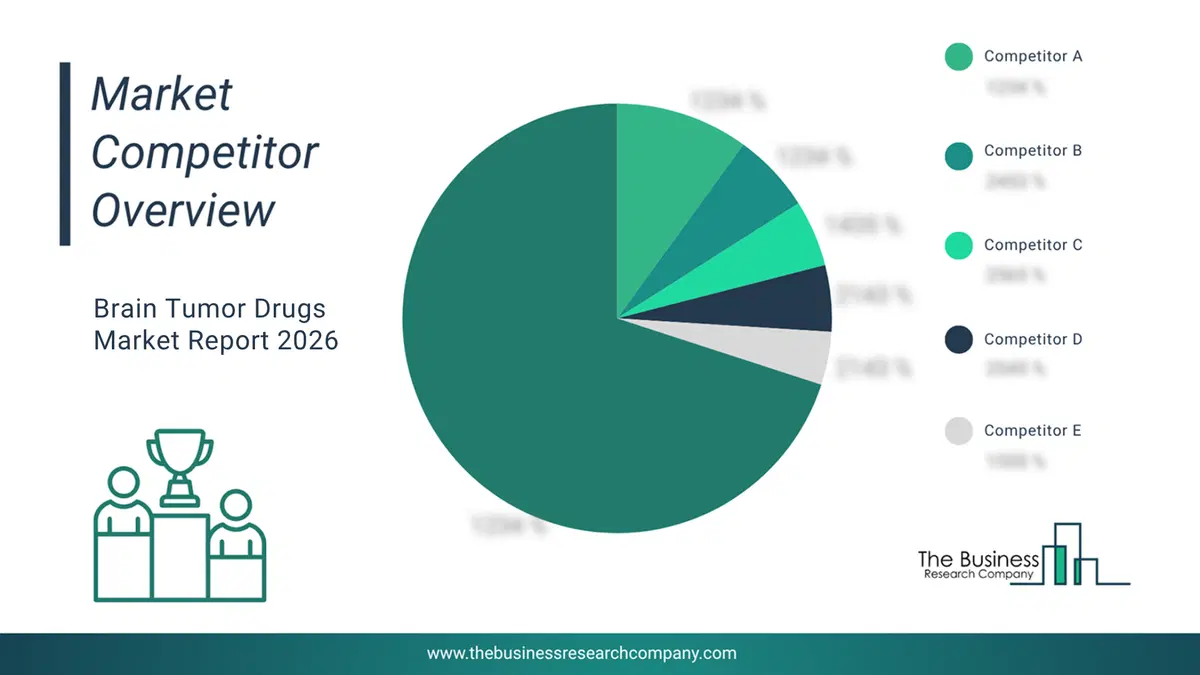
This chart is for illustrative purposes; the full report includes a detailed competitor analysis and comprehensive overview of the top 10 companies in the market.
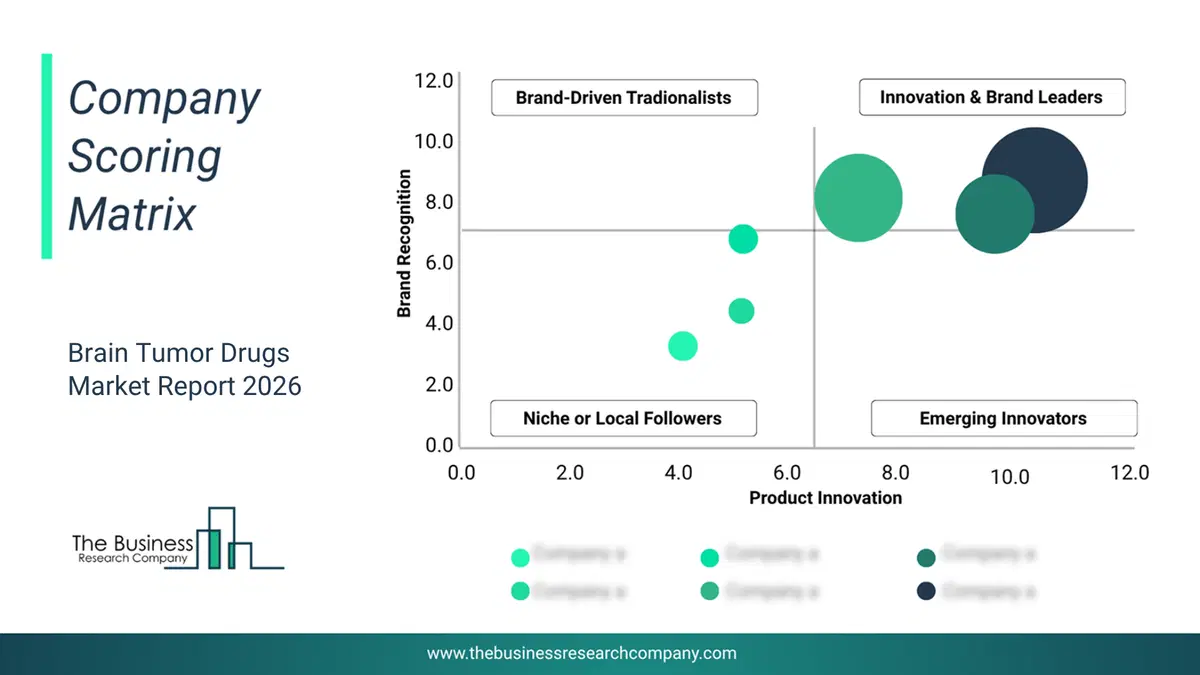
This chart maps companies by product innovation and brand strength, with bubble size indicating relative revenue, helping identify market leaders, challengers, and niche players. This is an illustrative chart; the full report provides a complete and accurate competitive analysis.
Global Brain Tumor Drugs Market Trends and Insights
Major companies operating in the brain tumor drugs market are focusing on technological advancements, such as targeted RAF kinase inhibitors, to meet the rising demand for precision oncology treatments that target specific genetic mutations in brain tumors, reducing systemic toxicity and improving patient outcomes. A RAF kinase inhibitor is a drug designed to selectively block the activity of RAF proteins, which are part of the MAPK signaling pathway, thereby inhibiting tumor cell proliferation; this approach contrasts with traditional chemotherapies that non-specifically kill rapidly dividing cells and often cause broader systemic side effects. For instance, in November 2025, Day One Biopharmaceuticals, a US-based biotechnology company, launched OJEMDA (tovorafenib), an innovative therapy for pediatric patients with relapsed or refractory low-grade gliomas harboring BRAF fusions or V600 mutations. Tovorafenib is an orally administered, once-weekly, brain-penetrant inhibitor that precisely targets mutant RAF proteins, offering strong central nervous system exposure and a mechanism tailored to the tumor’s molecular driver. Its unique features include high selectivity, reduced systemic toxicity compared with traditional chemotherapy, and suitability for pediatric patients. This product represents a significant advancement in genetically guided therapy for childhood brain tumors.What Are Latest Mergers And Acquisitions In The Brain Tumor Drugs Market?
In September 2024, Stryker Corporation, a US-based medical technology company, acquired NICO Corporation for an undisclosed amount. With this acquisition, Stryker Corporation aims to enhance its minimally invasive neurosurgical solutions, particularly for brain tumor removal and intracerebral hemorrhage treatment, ultimately improving patient outcomes and driving growth in its neurotechnology portfolio. NICO Corporation is a US-based medical device company that specializes in developing minimally invasive neurosurgical technologies, particularly for brain tumor removal.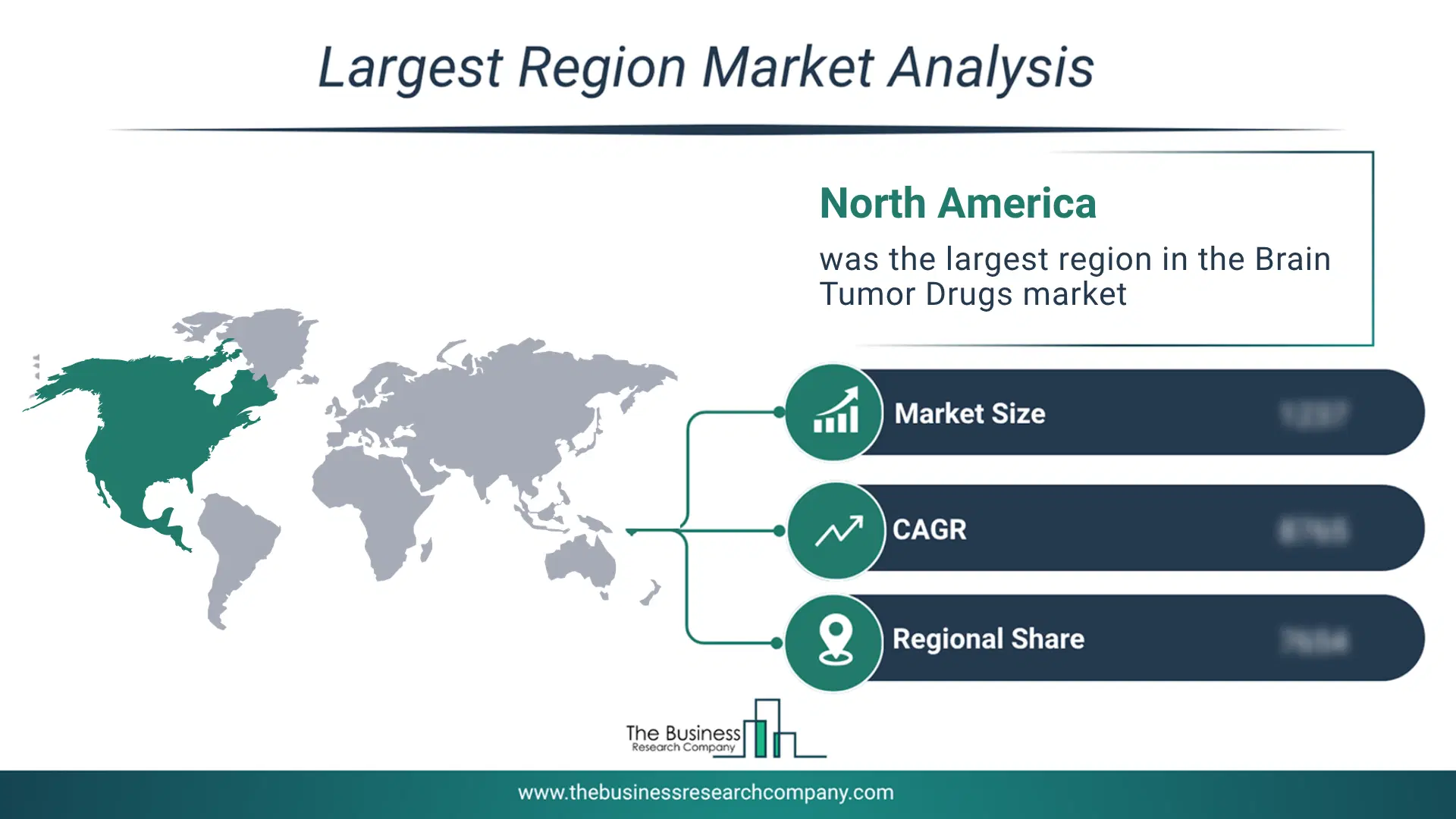
Regional Insights
North America was the largest region in the brain tumor drugs market in 2025. Middle East is expected to be the fastest-growing region in the global brain tumor drugs market share during the forecast period. The regions covered in this market report are Asia-Pacific, South East Asia, Western Europe, Eastern Europe, North America, South America, Middle East, Africa. The countries covered in this market report are Australia, Brazil, China, France, Germany, India, Indonesia, Japan, Taiwan, Russia, South Korea, UK, USA, Canada, Italy, Spain.What Defines the Brain Tumor Drugs Market?
The brain tumor drugs market consists of sales of Afinitor (Everolimus), Afinitor Disperz (Everolimus), Belzutifan, and Bevacizumab. Values in this market are factory gate values, that is the value of goods sold by the manufacturers or creators of the goods, whether to other entities (including downstream manufacturers, wholesalers, distributors and retailers) or directly to end customers. The value of goods in this market includes related services sold by the creators of the goods.How is Market Value Defined and Measured?
The market value is defined as the revenues that enterprises gain from the sale of goods and/or services within the specified market and geography through sales, grants, or donations in terms of the currency (in USD unless otherwise specified). The revenues for a specified geography are consumption values that are revenues generated by organizations in the specified geography within the market, irrespective of where they are produced. It does not include revenues from resales along the supply chain, either further along the supply chain or as part of other products.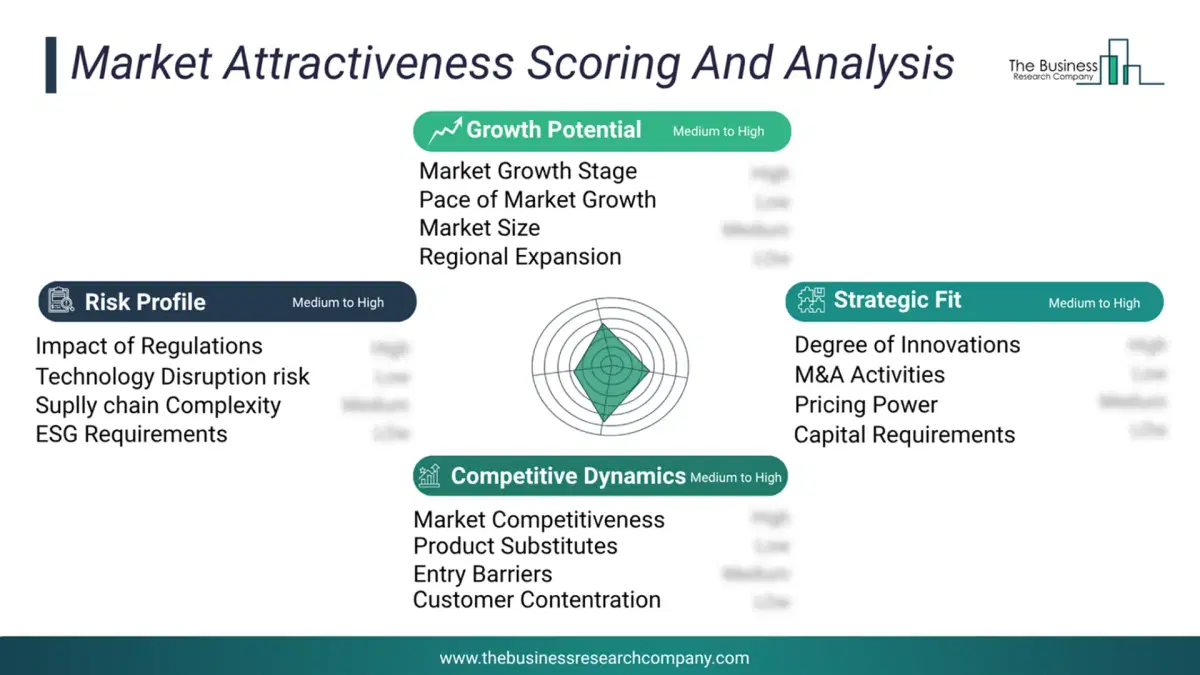
This chart presents market attractiveness based on a quantitative evaluation of growth, competition, strategic alignment, and risk, offering a clear view of opportunity areas for decision-making. This chart is for illustrative purposes; the full report contains the complete analysis.
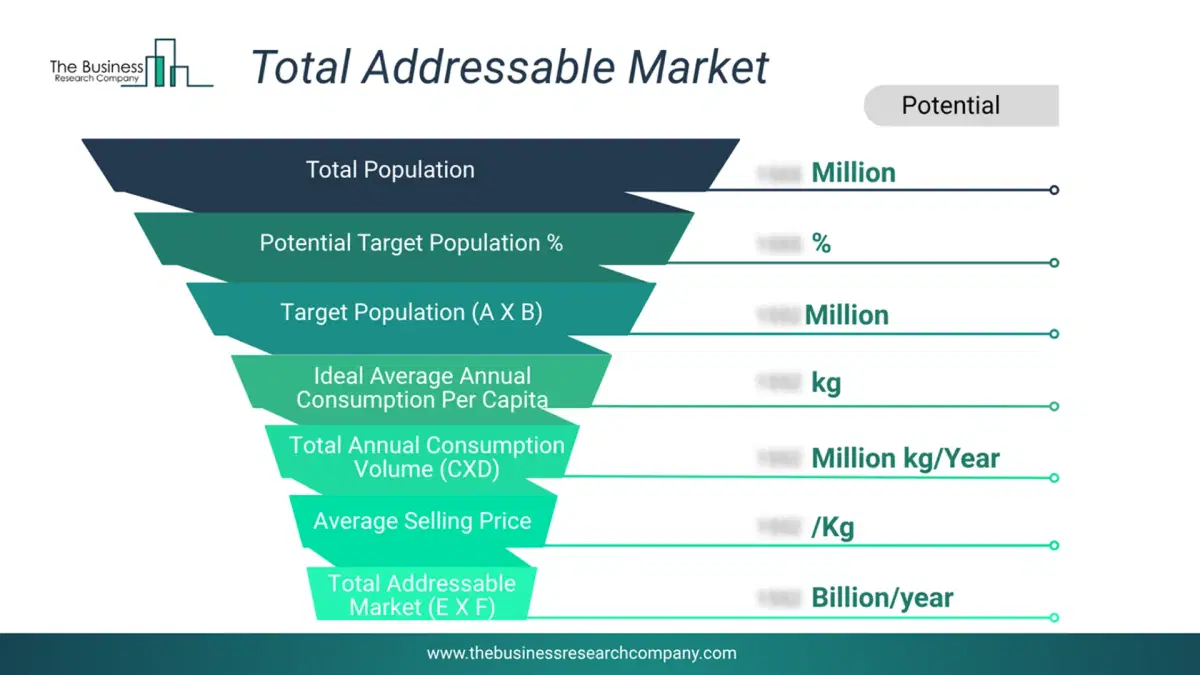
This chart highlights the Total Addressable Market (TAM) by estimating the maximum revenue opportunity using an assumption-driven approach, supporting strategic planning and opportunity sizing across markets. The chart is illustrative; the full report provides a more comprehensive analysis.
What Key Data and Analysis Are Included in the Brain Tumor Drugs Market Report 2026?
The brain tumor drugs market research report is one of a series of new reports from The Business Research Company that provides market statistics, including industry global market size, regional shares, competitors with the market share, detailed market segments, market trends and opportunities, and any further data you may need to thrive in the brain tumor drugs industry. The market research report delivers a complete perspective of everything you need, with an in-depth analysis of the current and future state of the industry.Brain Tumor Drugs Market Report Forecast Analysis
| Report Attribute | Details |
|---|---|
| Market Size Value In 2026 | $4.26 billion |
| Revenue Forecast In 2030 | $5.5 billion |
| Growth Rate | CAGR of 5.7% from 2026 to 2030 |
| Base Year For Estimation | 2025 |
| Actual Estimates/Historical Data | 2020-2025 |
| Forecast Period | 2026 - 2030 |
| Market Representation | Revenue in USD Billion and CAGR from 2026 to 2030 |
| Segments Covered | Drugs, End User, Mechanism of Action |
| Regional Scope | Asia-Pacific, Western Europe, Eastern Europe, North America, South America, Middle East, Africa |
| Country Scope | The countries covered in the report are Australia, Brazil, China, France, Germany, India, Indonesia, Japan, Taiwan, Russia, South Korea, UK, USA, Canada, Italy, Spain. |
| Key Companies Profiled | Major companies operating in the brain tumor drugs market are <b> F. Hoffmann-La Roche Ltd, Novartis AG, Amgen Inc., Pfizer Inc., Merck & Co. Inc., CordenPharma, Eisai Co. Ltd., Emcure Pharmaceuticals Limited, Y-mAbs Therapeutics, Roche India, Novartis Oncology, Arlak Biotech, Healthkind Labs Pvt. Ltd., SwisscheM Healthcare Pvt.Ltd, Apikos Pharma, Kolaz Biotech, CStone Pharma, CARsgen Therapeutics, JW Therapeutics, BeiGene, Astellas Pharma Inc, Otsuka Pharmaceutical Co. Ltd, Daiichi Pharmaceutical and Sankyo, AQVIDA GmbH, Baxter International Inc. (UK), AstraZeneca plc, GlaxoSmithKline plc, Veropharm, Biocad, Bristol-Myers Squibb, Celon Pharma, Celgene Corporation, Johnson & Johnson, Eli Lilly and Company, Sandoz AG, Eurofarma Laboratórios S.A., TUTEUR Argentina, The Takeda Pharmaceutical Company Limited, Pierre Fabre Group, Celnova Pharma, Pfizer S.R.L., Teva Pharmaceutical Industries Ltd., BIOPHARMA-MEA, NeoTX, AID Genomics Limited, Julphar, Sanofi, Novo Nordisk A/S, Bayer, Kitov Pharma Limited, CureTech Ltd., Neopharma, Eurolab, Aspen, Adcock Ingram. </b> |
| Customization Scope | Request for Customization |
| Pricing And Purchase Options | Explore Purchase Options |