
Cannabidiol Market Report 2026
Global Outlook – By Product (Oil, Tinctures, Suppository, Transdermal Patches, Vape Oil, Isolates, Creams and Roll-on, Capsules, Tablet, Other Products ), By Source (Marijuana, Hemp), By Distribution Channel (Hospital Pharmacies, Retail Pharmacies, Online Stores, Other Distribution Channels), By Application (Medical, Personal Use, Pharmaceuticals, Wellness ) – Market Size, Trends, Strategies, and Forecast to 2030
Cannabidiol Market Overview
• Cannabidiol market size has reached to $15.44 billion in 2025 • Expected to grow to $62.61 billion in 2030 at a compound annual growth rate (CAGR) of 32.5% • Growth Driver: Rise In Neurological Disorders • Market Trend: Innovative Launch Of Non-Psychotropic Cannabidiol For Epilepsy Treatment • North America was the largest region in 2025 and Asia-Pacific is the fastest growing region.Market Gains By 2030 – Top Opportunities By Segment
Market Gain identifies the most promising market opportunities by highlighting the segments or products expected to generate the highest incremental revenue growth over the next five years.
What Is Covered Under Cannabidiol Market?
The cannabidiol is defined as a chemical compound found in hemp or marijuana. Cannabidiol or CBD is derived from the Cannabis Sativa plant that is also known as hemp or cannabis. Cannabidiol is used to treat epilepsy, anxiety, dystonia, pain, Parkinson's disease, Crohn's disease, and various other health problems. Its other applications include coffee products, skincare products, and pet treats. The main product types of cannabidiol are oil, tinctures, suppository, transdermal patches, vape oil, isolates, creams and roll-on, capsules, tablets, and other products. CBD oil is created by extracting CBD from cannabis plants and diluting it with a carrier oil such as coconut or hemp seed oil. The source of these is marijuana and hemp used as CBD oil and supplements. The applications of these are medical, personal use, pharmaceuticals, and wellness and can be distributed across various channels such as hospital pharmacies, retail pharmacies, online stores, and other distribution channels.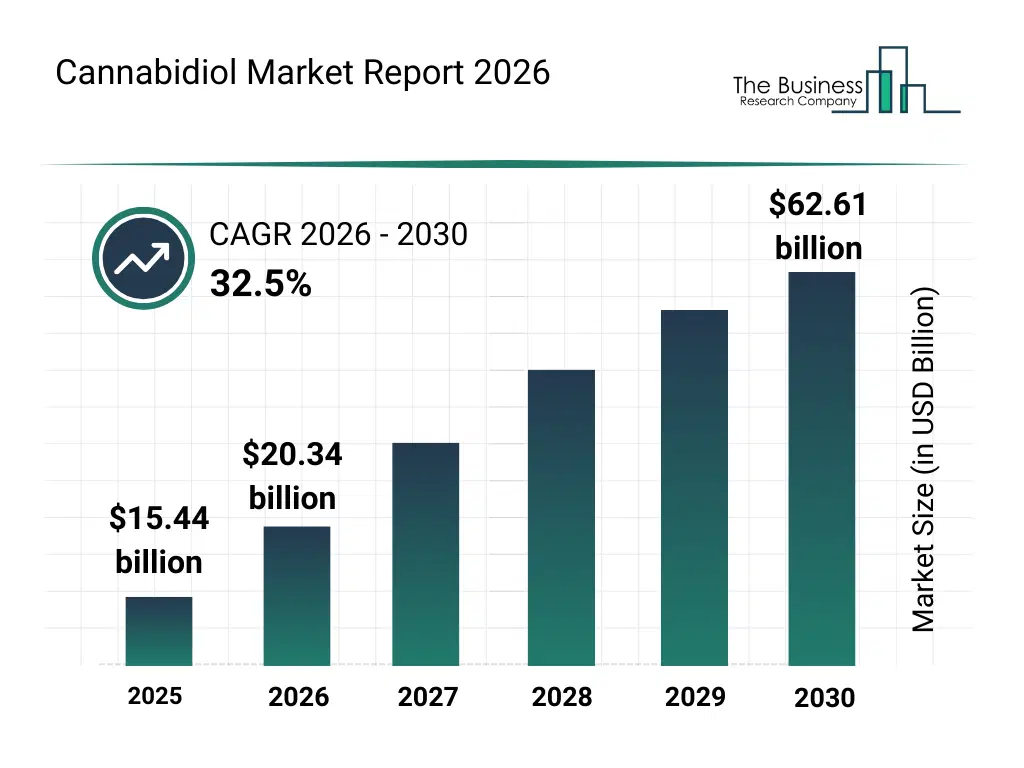
What Is The Cannabidiol Market Size and Share 2026?
The cannabidiol market size has grown exponentially in recent years. It will grow from $15.44 billion in 2025 to $20.34 billion in 2026 at a compound annual growth rate (CAGR) of 31.7%. The growth in the historic period can be attributed to legalization of medical cannabis in key regions, growth of alternative medicine usage, rising consumer awareness of cbd benefits, expansion of hemp cultivation, availability of cbd extraction technologies.What Is The Cannabidiol Market Growth Forecast?
The cannabidiol market size is expected to see exponential growth in the next few years. It will grow to $62.61 billion in 2030 at a compound annual growth rate (CAGR) of 32.5%. The growth in the forecast period can be attributed to increasing acceptance of cbd in healthcare, rising investments in cannabinoid research, expansion of regulated cbd retail channels, growing demand for plant-based therapeutics, increasing standardization of cbd formulations. Major trends in the forecast period include increasing adoption of cbd-based therapeutics, rising demand for wellness and nutraceutical products, growing use in personal care formulations, expansion of pharmaceutical-grade cbd products, enhanced focus on regulatory compliance.
Global Cannabidiol Market Segmentation
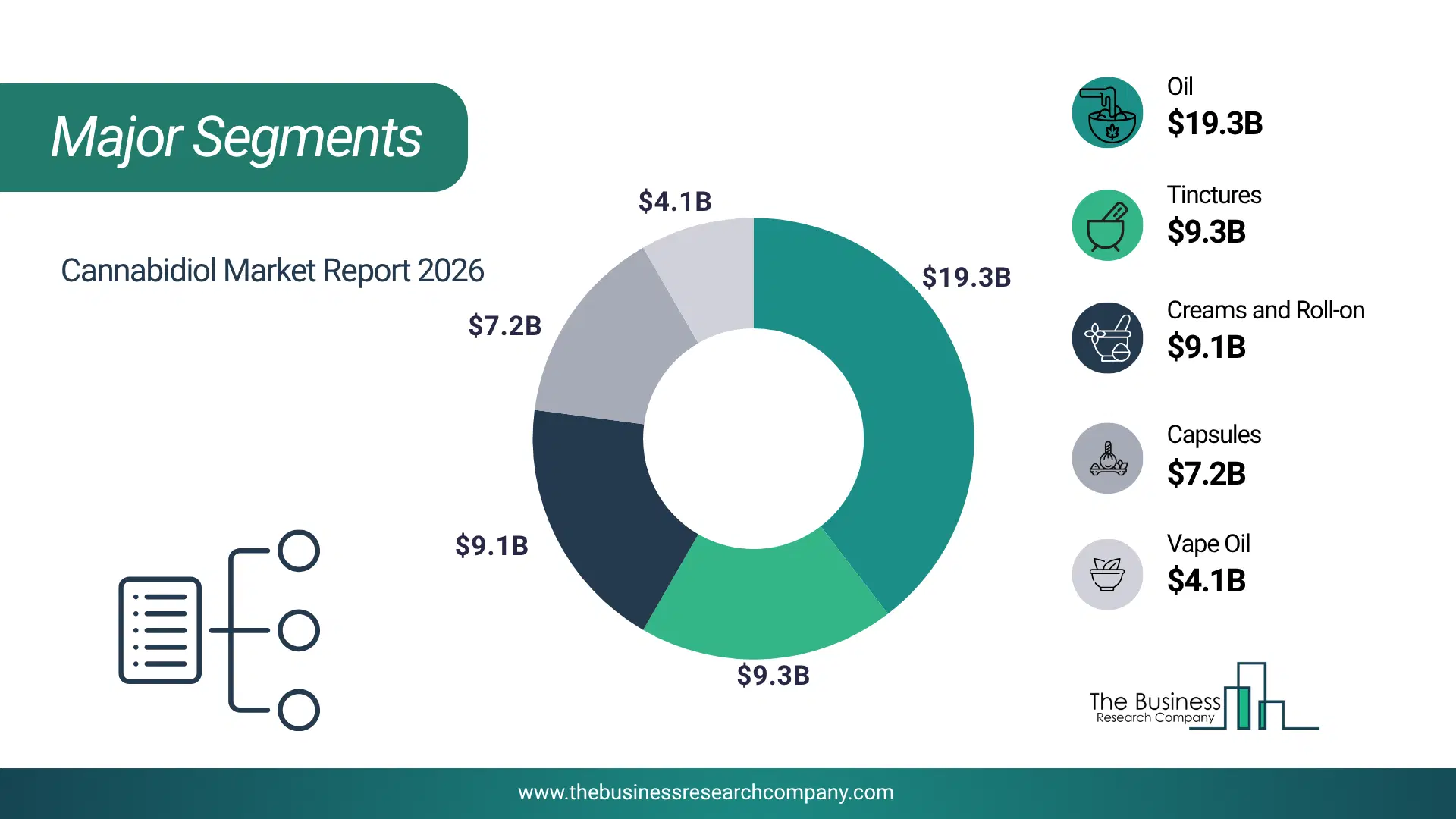
1) By Product: Oil, Tinctures, Suppository, Transdermal Patches, Vape Oil, Isolates, Creams and Roll-on, Capsules, Tablet, Other Products 2) By Source: Marijuana, Hemp 3) By Distribution Channel: Hospital Pharmacies, Retail Pharmacies, Online Stores, Other Distribution Channels 4) By Application: Medical, Personal Use, Pharmaceuticals, Wellness Subsegments: 1) By Oil: Full-Spectrum CBD Oil, Broad-Spectrum CBD Oil, CBD Isolate Oil 2) By Tinctures: CBD Tinctures with Flavoring, Unflavored CBD Tinctures 3) By Suppository: Rectal Suppositories, Vaginal Suppositories 4) By Transdermal Patches: CBD Patches for Pain Relief, CBD Patches for Sleep 5) By Vape Oil: CBD Vape Cartridges, CBD Vape Juice 6) By Isolates: CBD Powder, CBD Crystals 7) By Creams and Roll-on: Topical CBD Creams, CBD Roll-on Gels 8) By Capsules: Softgel Capsules, Hard Capsules 9) By Tablet: CBD Tablets, CBD Chewable Tablets 10) By Other Products: Gummies, Beverages, Edibles The top segments in the cannabidiol market will be: • Oil will reach $19.29 billion by 2030. • Tinctures will reach $9.29 billion by 2030. • Creams and Roll-on will reach $9.05 billion by 2030. • Capsules will reach $7.14 billion by 2030. • Vape Oil will reach $4.04 billion by 2030.What Is The Driver Of The Cannabidiol Market?
The increasing prevalence of neurological disorders is expected to propel the growth of the cannabidiol market going forward. The neurological disorder is a medical condition affecting the central and peripheral nervous systems. It involves the spinal cord, the body's nerves, and the brain. These conditions of neuro are cured by cannabis, which helps in treating neurological conditions by controlling calcium homeostasis and lessening neuroinflammation. For instance, in March 2023, according to the Alzheimer's Association, a US-based nonprofit voluntary health organization, in 2023, approximately 6.7 million Americans aged 65 and older are living with Alzheimer's dementia, and this number is projected to rise to 13.8 million by 2060. Therefore, the increasing prevalence of neurological disorders is driving the growth of the cannabidiol industry.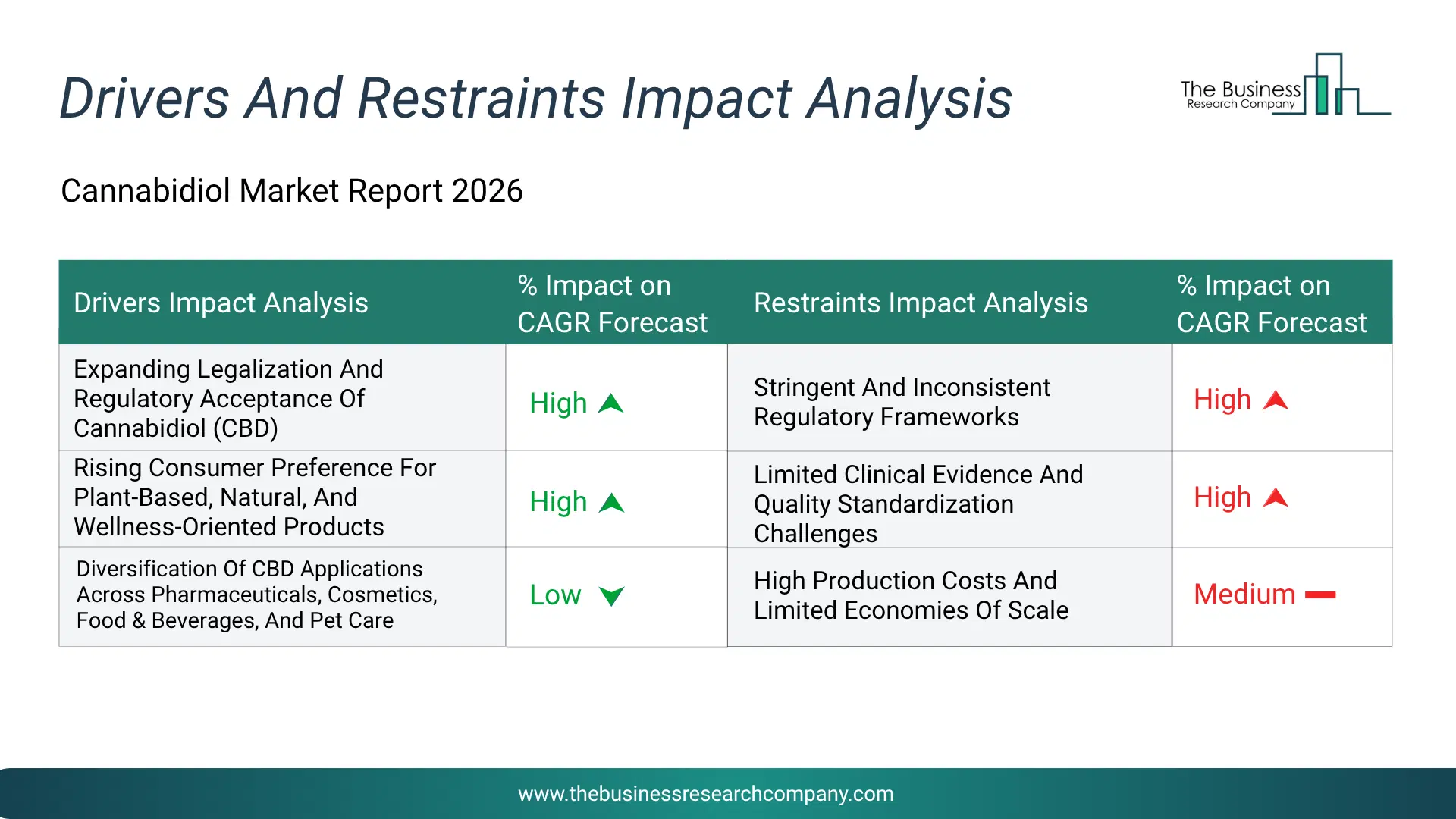
Infographic Chart Showing Key Market Drivers Analysis And Restraints For Cannabidiol Market
The chart presents an impact analysis of key drivers and restraints, quantifying their relative influence on the market's growth rate and helping assess the balance between growth enablers and limiting factors. This chart offers a high-level perspective; the full report contains more detailed insights.
How Will The Drivers Impact Growth In The Global Cannabidiol Market?
• Expanding Legalization And Regulatory Acceptance Of Cannabidiol (CBD) (High) – During the forecast period, the expanding legalization and regulatory acceptance of cannabidiol (cbd) is expected to become a key growth driver for the cannabidiol market by 2030. Governments in north america, europe, and parts of asia -pacific are increasingly permitting cbd use in pharmaceuticals, nutraceuticals, cosmetics, and food supplements, provided thc limits are maintained. This regulatory clarity enhances investor confidence, supports product innovation, and accelerates retail penetration across both online and offline channels. As compliance frameworks mature and standardization improves, companies are able to scale operations more effectively. Consequently, progressive legalization continues to significantly stimulate global cbd market growth. • Rising Consumer Preference For Plant-Based, Natural, And Wellness-Oriented Products (High) – During the forecast period, the rising consumer preference for plant-based, natural, and wellness-oriented products is expected to emerge as a major factor driving the expansion of the cannabidiol market by 2030. Increasing awareness regarding stress management, sleep disorders, chronic pain, and mental well-being has encouraged consumers to seek alternative therapies, including cbd-infused oils, edibles, beverages, and topicals. The shift toward preventive healthcare and self-care trends, especially among millennials and aging populations, is strengthening product demand. Additionally, the expansion of e-commerce platforms enhances product accessibility and brand visibility. This growing health-conscious consumer base continues to drive sustained cbd adoption globally. • Diversification Of CBD Applications Across Pharmaceuticals, Cosmetics, Food & Beverages, And Pet Care (Low) – During the forecast period, the diversification of cbd applications across pharmaceuticals, cosmetics, food & beverages, and pet care is expected to act as a key growth catalyst for the cannabidiol market by 2030. Companies are investing in r&d to develop innovative formulations such as nano-emulsified cbd, water-soluble variants, and functional wellness blends that enhance bioavailability and efficacy. Strategic partnerships between cannabis cultivators, biotech firms, and consumer goods companies further accelerate commercialization. As product portfolios expand into premium and specialized segments, revenue streams broaden across multiple industries. This continuous innovation and cross-industry integration substantially support long-term cannabidiol market growth.How Will The Restraints Impact Growth In The Global Cannabidiol Market?
• Stringent And Inconsistent Regulatory Frameworks (High) – During the forecast period, the variations in thc thresholds, labeling standards, import-export restrictions, and advertising limitations create operational complexities for manufacturers and distributors. Regulatory uncertainty in emerging markets delays product approvals and discourages foreign investments. Frequent policy revisions and compliance costs further increase financial risk for small and mid-sized players. As a result, regulatory fragmentation restricts seamless global expansion and moderates overall market growth potential • Limited Clinical Evidence And Quality Standardization Challenges (High) – During the forecast period, the while consumer adoption is rising, inconsistent product quality, dosage variations, and lack of universally accepted testing protocols raise credibility concerns. Healthcare professionals remain cautious in recommending cbd due to insufficient large-scale clinical trials validating efficacy and safety across medical conditions. This skepticism can limit pharmaceutical integration and insurance coverage. Consequently, the absence of standardized clinical validation may slow broader institutional acceptance and large-scale commercialization • High Production Costs And Limited Economies Of Scale (Medium) – During the forecast period, the high production costs and limited economies of scale act as a restraint for the cannabidiol market by increasing the overall cost of extraction, purification, and formulation processes. Advanced techniques such as co2 extraction and pharmaceutical-grade processing require significant capital investment and specialized equipment. Smaller producers often struggle to achieve cost efficiency compared to large established players. Additionally, fluctuating raw material availability and stringent quality control requirements further add to operational expenses. As a result, higher product pricing limits affordability and slows mass-market adoption.Key Players In The Global Cannabidiol Market
Major companies operating in the cannabidiol market are Endoca BV, Cannoid LLC, Medical Marijuana Inc., Folium Biosciences, Elixinol Global Limited, NuLeaf Naturals LLC, Isodiol International Inc., Pharmahemp d.o.o., Canopy Growth Corp., CV Sciences Inc., Medterra LLC, Cronos Group, CBD American Shaman LLC, Aphria Inc., Maricann Inc., Tilray Inc., Organigram Holding Inc., CannTrust Holdings Company, Charlotte's Web Holdings Inc., Aurora Cannabis Inc., GW Pharmaceuticals PLC, Green Roads, HempMeds PX LLC, Eco Sciences, Bluebird Botanicals, HempFusion Inc., Kannaway LLC, Lazarus Naturals, Kazmira LLC, HempLife Today LLC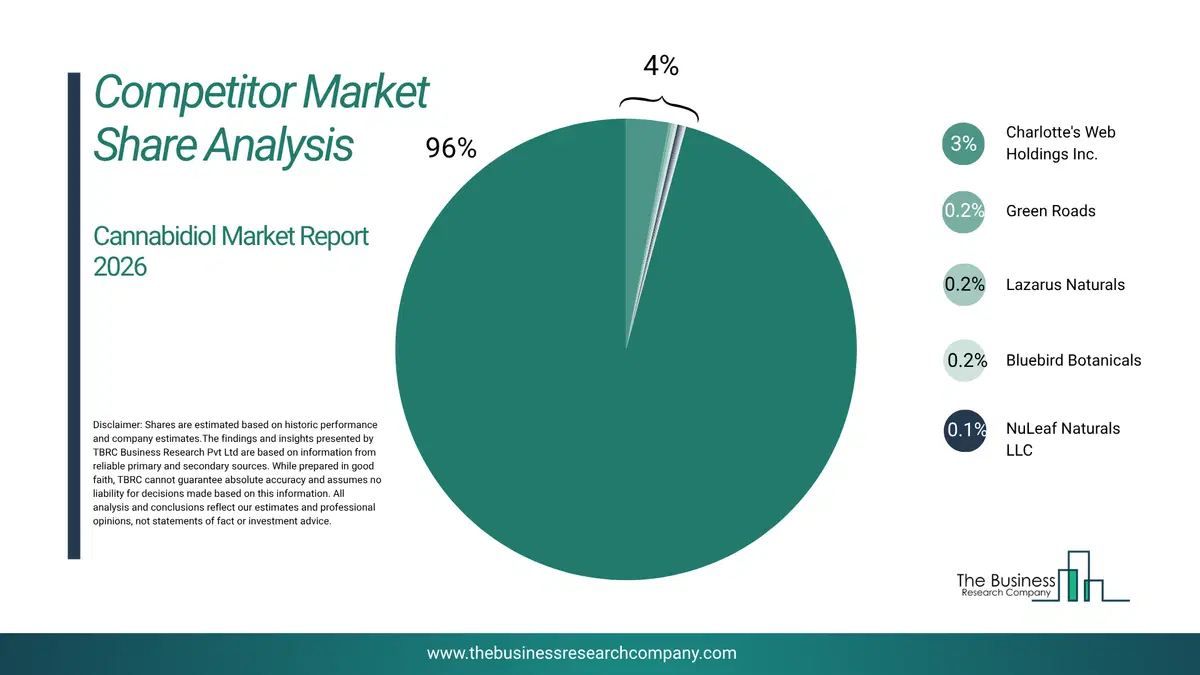
This chart is for illustrative purposes; the full report includes a detailed competitor analysis and comprehensive overview of the top 10 companies in the market.
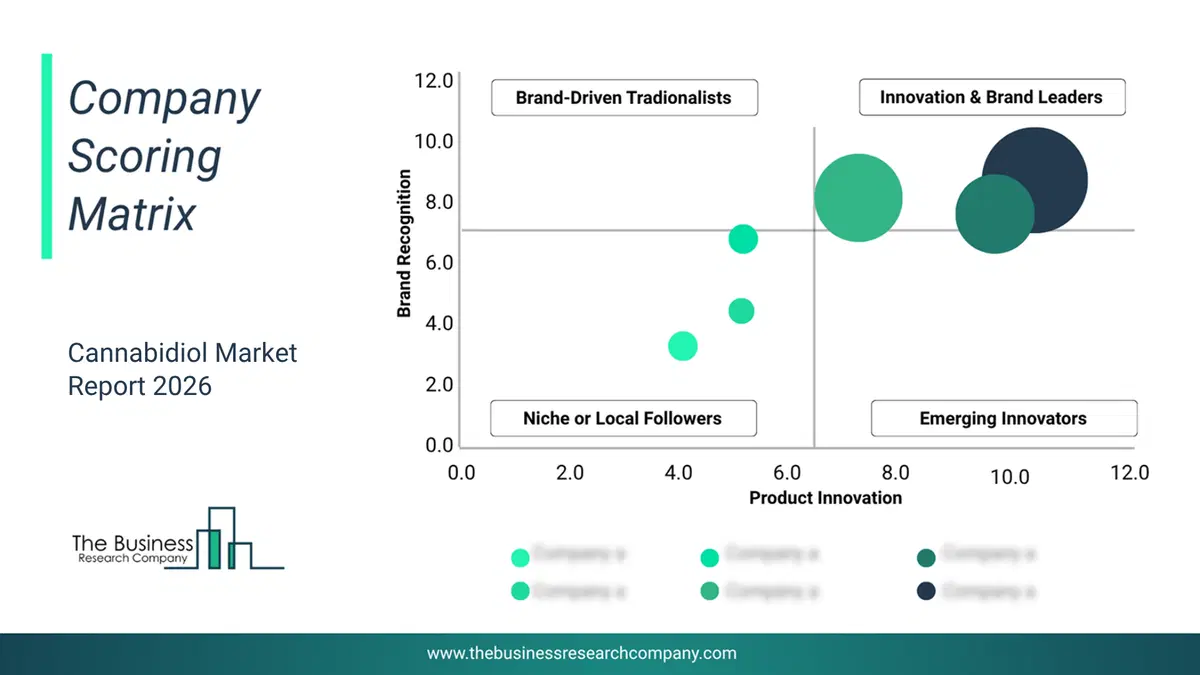
This chart maps companies by product innovation and brand strength, with bubble size indicating relative revenue, helping identify market leaders, challengers, and niche players. This is an illustrative chart; the full report provides a complete and accurate competitive analysis.
Global Cannabidiol Market Trends and Insights
Major companies operating in the cannabidiol market are focusing on developing product innovation, such as epilepsy therapeutic launch to enhance seizure management. Epilepsy therapeutic launch refers to the official introduction or market entry of a pharmaceutical drug specifically developed to prevent, control, or treat epilepsy, aiming to improve seizure management and patient outcomes. For instance, in January 2024, Akumentis Healthcare Ltd., an India-based pharmaceutical manufacturing company, launched Clasepi for the treatment of epilepsy. A new DCGI-approved prescription cannabidiol has been launched in India to help manage seizures associated with Lennox-Gastaut syndrome, Dravet syndrome, and Tuberous Sclerosis Complex in patients aged one year and older. This synthetic CBD product contains less than 0.1% THC, ensuring its non-psychotropic nature. Clinical studies indicate its effectiveness in reducing seizures, particularly when traditional antiseizure medications are ineffective.What Are Latest Mergers And Acquisitions In The Cannabidiol Market?
In April 2025, Xebra Brands Ltd., a Canada‑based CBD products company, acquired a 100% stake in BSK Holdings Inc. for an undisclosed amount. With this acquisition, Xebra aimed to expand its footprint into the U.S. CBD market and accelerate entry into North America’s largest hemp/CBD market. BSK Holdings Inc. is a US-based CBD company specializing in e-commerce sales of premium CBD products, including top-selling brands like Keoni and AMMA in the US market.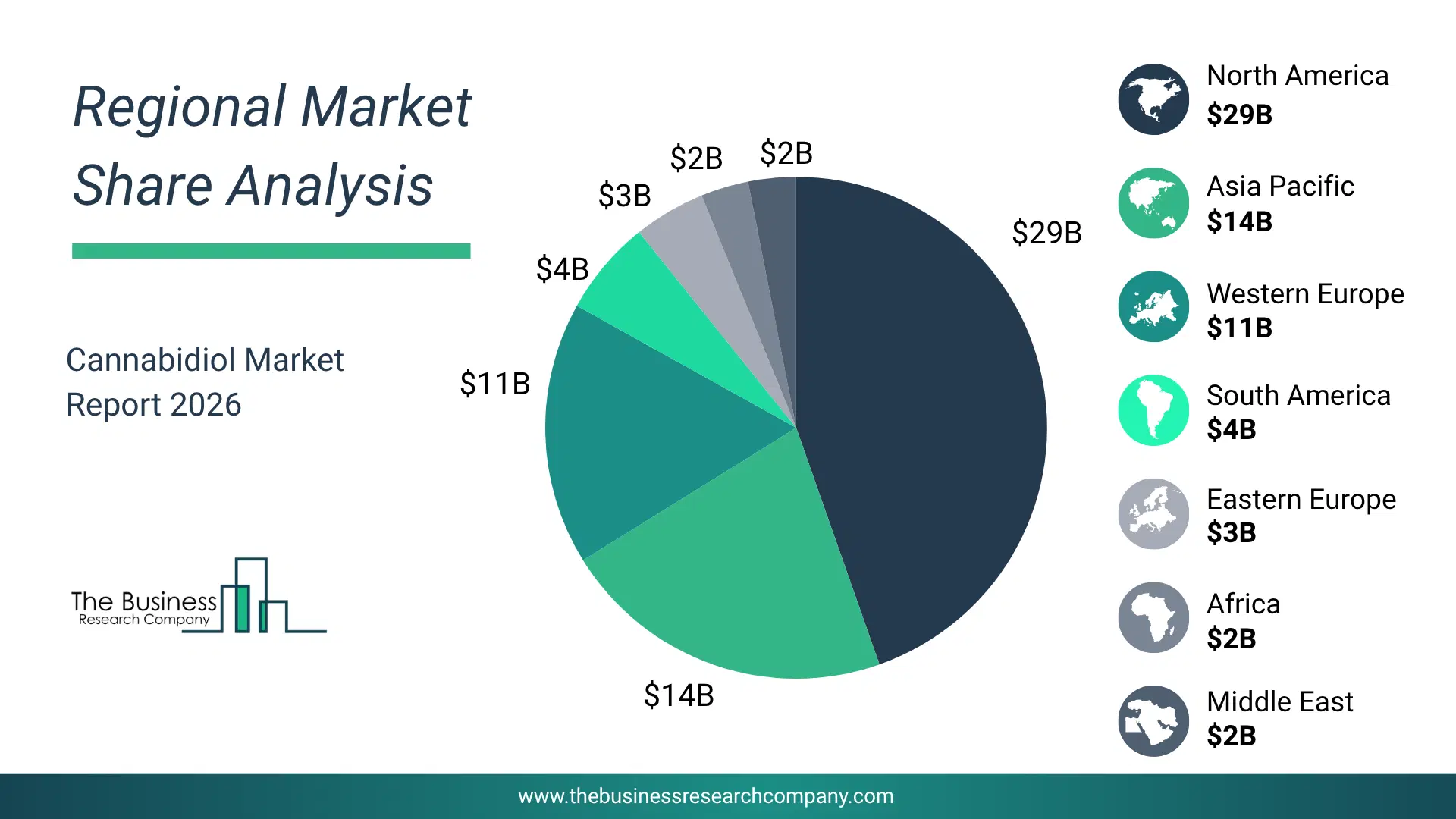
Regional Insights
North America was the largest region in the cannabidiol market in 2025. Asia-Pacific is expected to be the fastest-growing region in the forecast period. The regions covered in this market report are Asia-Pacific, South East Asia, Western Europe, Eastern Europe, North America, South America, Middle East, Africa The countries covered in this market report are Australia, Brazil, China, France, Germany, India, Indonesia, Japan, Taiwan, Russia, South Korea, UK, USA, Canada, Italy, SpainWhat Defines the Cannabidiol Market?
The cannabidiol market consists of sales of full spectrum CBD, broad spectrum CBD and CBD isolate forms of cannabidiol products. Values in this market are ‘factory gate’ values, that is the value of goods sold by the manufacturers or creators of the goods, whether to other entities (including downstream manufacturers, wholesalers, distributors, and retailers) or directly to end customers. The value of goods in this market includes related services sold by the creators of the goods.How is Market Value Defined and Measured?
The market value is defined as the revenues that enterprises gain from the sale of goods and/or services within the specified market and geography through sales, grants, or donations in terms of the currency (in USD unless otherwise specified). The revenues for a specified geography are consumption values that are revenues generated by organizations in the specified geography within the market, irrespective of where they are produced. It does not include revenues from resales along the supply chain, either further along the supply chain or as part of other products.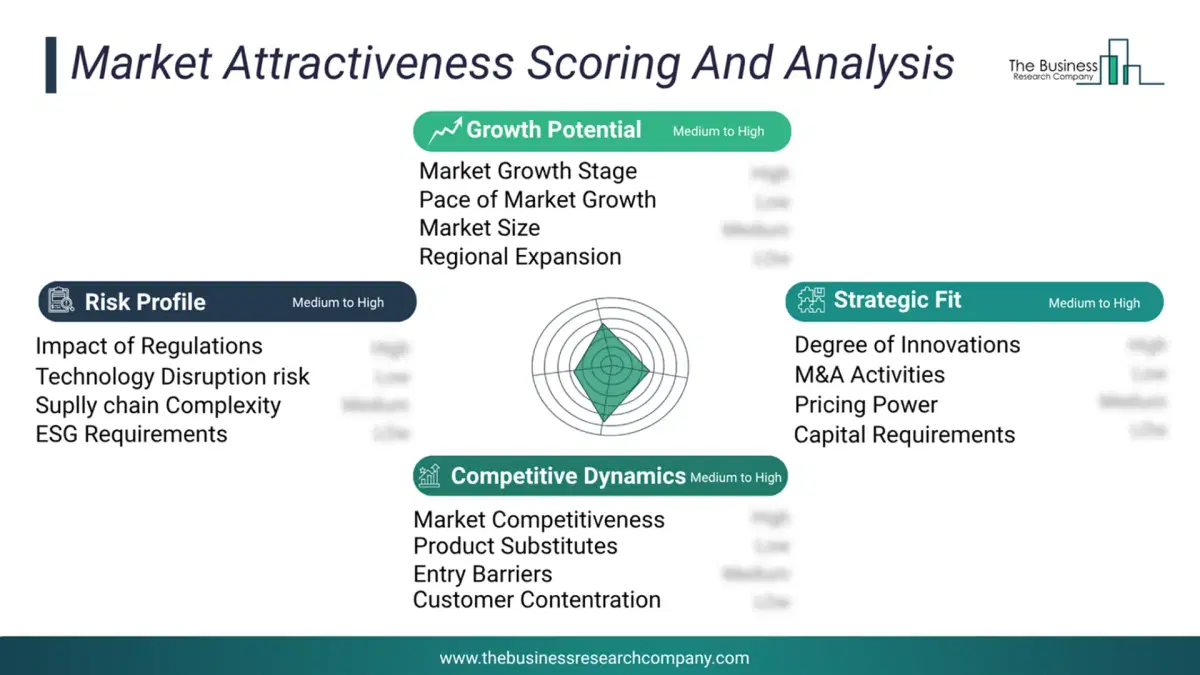
This chart presents market attractiveness based on a quantitative evaluation of growth, competition, strategic alignment, and risk, offering a clear view of opportunity areas for decision-making. This chart is for illustrative purposes; the full report contains the complete analysis.
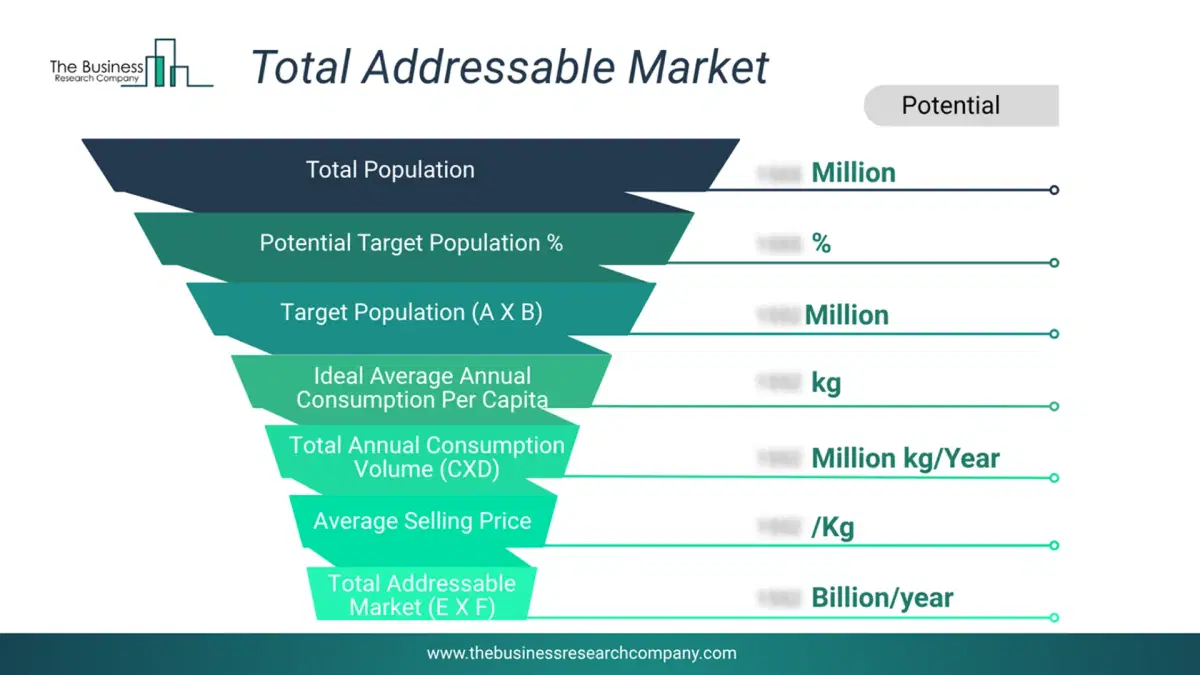
This chart highlights the Total Addressable Market (TAM) by estimating the maximum revenue opportunity using an assumption-driven approach, supporting strategic planning and opportunity sizing across markets. The chart is illustrative; the full report provides a more comprehensive analysis.
What Key Data and Analysis Are Included in the Cannabidiol Market Report 2026?
The cannabidiol market research report is one of a series of new reports from The Business Research Company that provides market statistics, including industry global market size, regional shares, competitors with the market share, detailed market segments, market trends and opportunities, and any further data you may need to thrive in the cannabidiol industry. The market research report delivers a complete perspective of everything you need, with an in-depth analysis of the current and future state of the industry.Cannabidiol Market Report Forecast Analysis
| Report Attribute | Details |
|---|---|
| Market Size Value In 2026 | $20.34 billion |
| Revenue Forecast In 2030 | $62.61 billion |
| Growth Rate | CAGR of 32.5% from 2026 to 2030 |
| Base Year For Estimation | 2025 |
| Actual Estimates/Historical Data | 2020-2025 |
| Forecast Period | 2026 - 2030 |
| Market Representation | Revenue in USD Billion and CAGR from 2026 to 2030 |
| Segments Covered | Product, Source, Distribution Channel, Application |
| Regional Scope | Asia-Pacific, Western Europe, Eastern Europe, North America, South America, Middle East, Africa |
| Country Scope | The countries covered in the report are Australia, Brazil, China, France, Germany, India, ... |
| Key Companies Profiled | Endoca BV, Cannoid LLC, Medical Marijuana Inc., Folium Biosciences, Elixinol Global Limited, NuLeaf Naturals LLC, Isodiol International Inc., Pharmahemp d.o.o., Canopy Growth Corp., CV Sciences Inc., Medterra LLC, Cronos Group, CBD American Shaman LLC, Aphria Inc., Maricann Inc., Tilray Inc., Organigram Holding Inc., CannTrust Holdings Company, Charlotte's Web Holdings Inc., Aurora Cannabis Inc., GW Pharmaceuticals PLC, Green Roads, HempMeds PX LLC, Eco Sciences, Bluebird Botanicals, HempFusion Inc., Kannaway LLC, Lazarus Naturals, Kazmira LLC, HempLife Today LLC |
| Customization Scope | Request for Customization |
| Pricing And Purchase Options | Explore Purchase Options |