

Cervical Cancer Diagnostics Market Report 2026
Global Outlook – By Diagnostic Test (Pap Smear Test, HPV Test, Colposcopy, Biopsy and Endocervical Curettage, Other Diagnostic Tests), By Age Group (Below 21, Age between 21 to 29, Age between 30 to 65, Above 65), By End User (Hospitals, Specialty Clinics, Cancer And Radiation Therapy Centers, Diagnostic Centers) – Market Size, Trends, Strategies, and Forecast to 2030
Cervical Cancer Diagnostics Market Overview
• Cervical Cancer Diagnostics market size has reached to $9.76 billion in 2025 • Expected to grow to $12.89 billion in 2030 at a compound annual growth rate (CAGR) of 5.6% • Growth Driver: Elevating Demand For Cervical Cancer Diagnostics Responding To The Rising Prevalence • Market Trend: Technologically Innovative Digital Diagnostic Systems Enhancing Cervical Cancer Screenin • North America was the largest region in 2025 and Asia-Pacific is the fastest growing region.Market Gains By 2030 – Top Opportunities By Segment
Market Gain identifies the most promising market opportunities by highlighting the segments or products expected to generate the highest incremental revenue growth over the next five years.
What Is Covered Under Cervical Cancer Diagnostics Market?
Cervical cancer is a type of squamous cell carcinoma that occurs in the cervix (the lower part of the uterus). The cervix cancer diagnostic devices are used to diagnose cancer that occurs in the cervix. The main types of cervical cancer diagnostics are pap smear tests, HPV tests, colposcopy, biopsy, endocervical curettage, and other diagnostic tests. The pap smear test is the process of testing for cervical cancer in women. The age groups involved are those under 21, those between 21 and 29, those between 30 and 65, and those over 65. The end-users involved are hospitals, specialty clinics, cancer and radiation therapy centers, and diagnostic centers.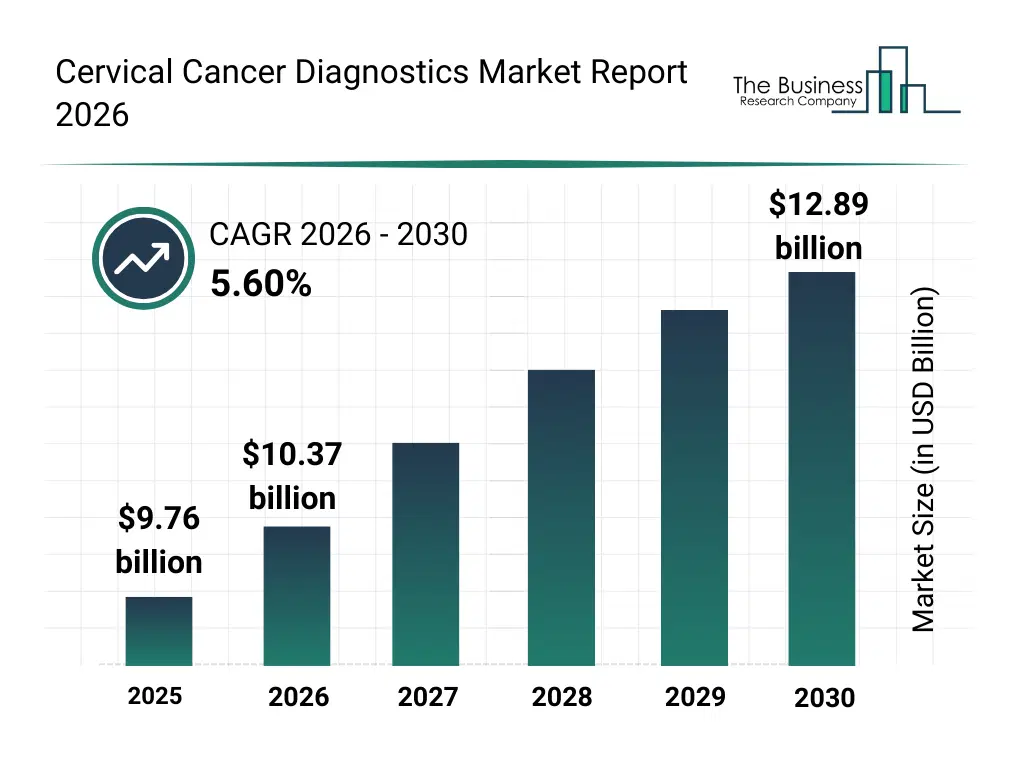
What Is The Cervical Cancer Diagnostics Market Size and Share 2026?
The cervical cancer diagnostics market size has grown strongly in recent years. It will grow from $9.76 billion in 2025 to $10.37 billion in 2026 at a compound annual growth rate (CAGR) of 6.3%. The growth in the historic period can be attributed to expansion of cervical cancer screening programs, increased awareness of women’s health, availability of pap smear testing technologies, growth in diagnostic laboratory networks, rising incidence of cervical cancer.What Is The Cervical Cancer Diagnostics Market Growth Forecast?
The cervical cancer diagnostics market size is expected to see strong growth in the next few years. It will grow to $12.89 billion in 2030 at a compound annual growth rate (CAGR) of 5.6%. The growth in the forecast period can be attributed to increasing adoption of molecular diagnostic tests, rising investments in cancer prevention programs, expansion of digital pathology adoption, growing focus on early-stage cancer diagnosis, continuous innovation in diagnostic technologies. Major trends in the forecast period include increasing adoption of hpv-based screening programs, rising use of digital and optical colposcopy systems, growing integration of ai-assisted diagnostic tools, expansion of population-based screening initiatives, enhanced focus on early cancer detection.
Global Cervical Cancer Diagnostics Market Segmentation
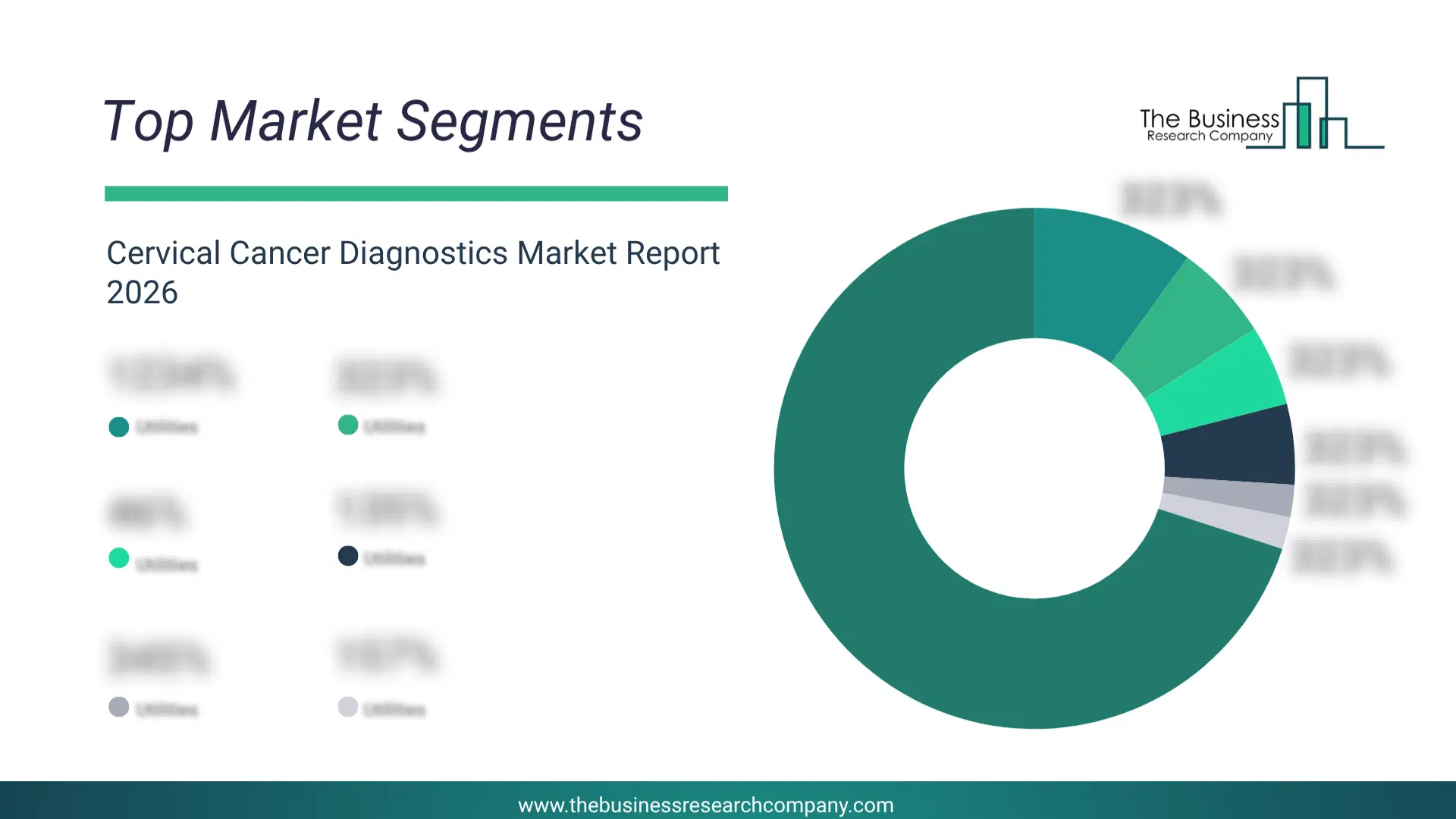
1) By Diagnostic Test: Pap Smear Test, HPV Test, Colposcopy, Biopsy and Endocervical Curettage, Other Diagnostic Tests 2) By Age Group: Below 21, Age between 21 to 29, Age between 30 to 65, Above 65 3) By End User: Hospitals, Specialty Clinics, Cancer And Radiation Therapy Centers, Diagnostic Centers Subsegments: 1) By Pap Smear Test: Conventional Pap Smear, Liquid-Based Pap Smear 2) By HPV Test: DNA-Based HPV Test, RNA-Based HPV Test, Hybrid Capture HPV Test, Other HPV Tests 3) By Colposcopy: Standard Colposcopy, Digital Colposcopy, Optical Colposcopy 4) By Biopsy And Endocervical Curettage: Punch Biopsy, Endocervical Curettage (ECC), Cone Biopsy, Colposcopic Biopsy 5) By Other Diagnostic Tests: Visual Inspection With Acetic Acid (VIA), Cervical Cytology Testing, Molecular Cervical Cancer Screening Tests, Other Specialty Tests The top segments in the cervical cancer diagnostics market will be: • Pap Smear Test will reach $4 Billion by 2030. • HPV Test will reach $4 Billion by 2030. • Colposcopy will reach $2 Billion by 2030. • Other Diagnostic Tests will reach $2 Billion by 2030. • Biopsy and Endocervical Curettage will reach $1 Billion by 2030.What Is The Driver Of The Cervical Cancer Diagnostics Market?
The increasing prevalence of cervical cancer is expected to propel the growth of the cervical cancer diagnostics market going forward. Cervical cancer is a type of cancer that begins in the cells of the cervix, which is the narrow, lower part of the uterus (womb) that connects to the top of the vagina. Cervical cancer diagnostics are invaluable for the early detection, accurate diagnosis, and successful treatment of cervical cancer. For instance, in February 2023, according to Cancer.net is the patient information website of the American Society of Clinical Oncology (ASCO), an estimated 13,960 women in the United States are diagnosed with invasive cervical cancer. Therefore, the Increasing prevalence of cervical cancer is expected to drive the cervical cancer diagnostic industry growth.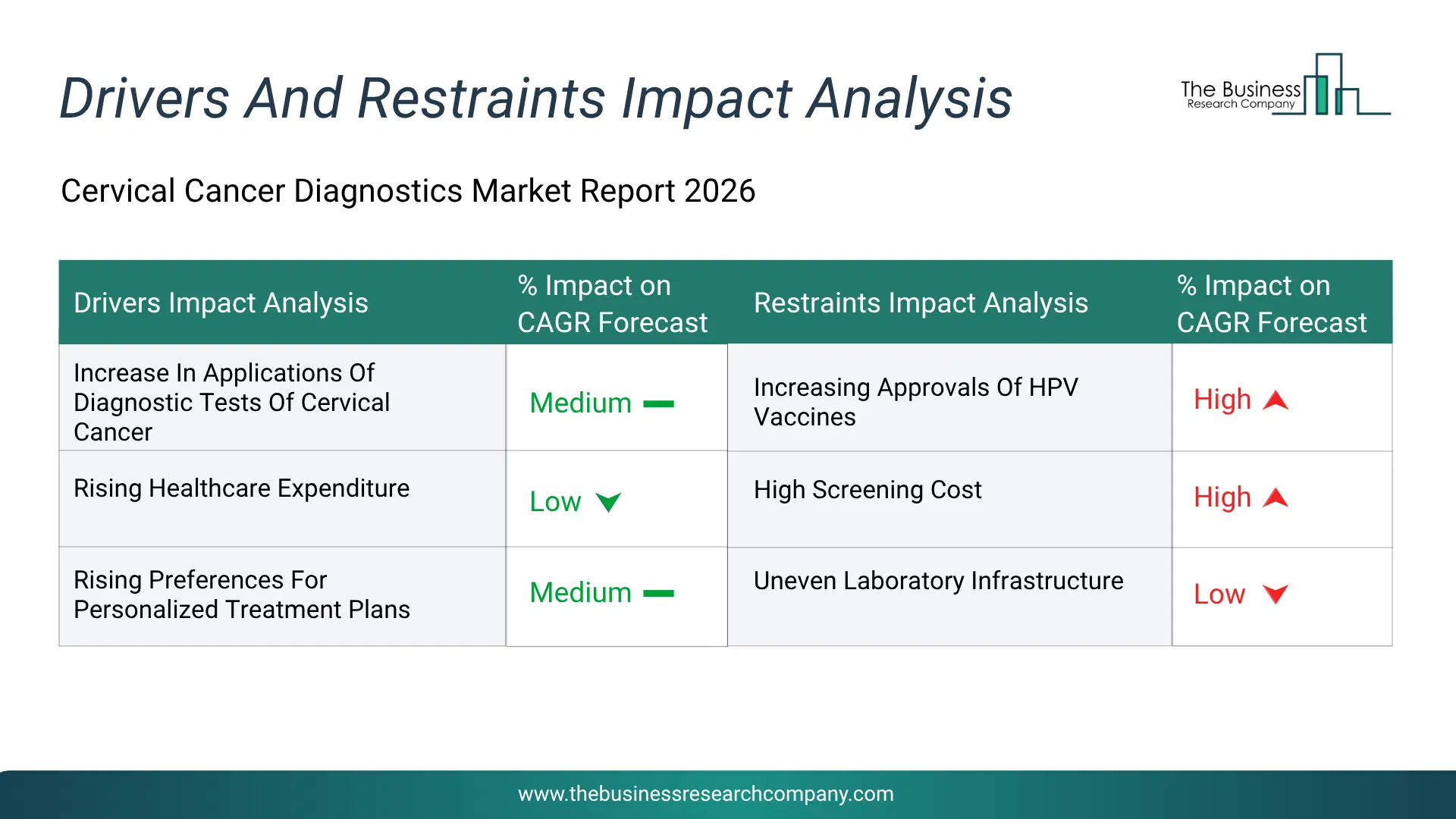
Infographic Chart Showing Key Market Drivers Analysis And Restraints For Cervical Cancer Diagnostics Market
The chart presents an impact analysis of key drivers and restraints, quantifying their relative influence on the market's growth rate and helping assess the balance between growth enablers and limiting factors. This chart offers a high-level perspective; the full report contains more detailed insights.
How Will The Drivers Impact Growth In The Global Cervical Cancer Diagnostics Market?
• Increase In Applications Of Diagnostic Tests Of Cervical Cancer (Medium) – During the forecast period, the increase in applications of diagnostic tests of cervical cancer is expected to become a key growth driver for the cervical cancer diagnostics market by 2030. This is because it expands the number of women undergoing routine screening and early disease detection. Growing awareness campaigns and national screening initiatives encourage regular testing through Pap tests, HPV testing, and molecular diagnostic methods. Healthcare providers are increasingly recommending preventive screening to identify precancerous lesions before they progress into invasive cancer. Advances in diagnostic technologies have also improved test accuracy, sensitivity, and patient convenience, supporting wider clinical adoption. As screening becomes more accessible across hospitals, diagnostic laboratories, and community healthcare centers, testing volumes continue to rise steadily. Early diagnosis enables timely treatment, reduces disease burden, and improves survival outcomes, further reinforcing the long-term demand for cervical cancer diagnostic solutions worldwide. • Rising Healthcare Expenditure (Low) – During the forecast period, the rising healthcare expenditure is expected to emerge as a major factor driving the expansion of the cervical cancer diagnostics market by 2030. The rising healthcare expenditure is driving the market by enabling greater investments in advanced diagnostic technologies, healthcare infrastructure, and preventive screening programs. Governments and private healthcare organizations are allocating larger budgets to improve cancer detection services and expand access to quality diagnostics. Increased spending supports the procurement of modern laboratory equipment, automated testing platforms, and high-precision molecular diagnostic systems. Better funding also strengthens healthcare facilities, allowing more women to receive regular cervical cancer screening and follow-up testing. Higher healthcare investments encourage innovation, improve diagnostic accuracy, and enhance service availability in both developed and emerging economies. As healthcare systems prioritize early cancer detection to reduce long-term treatment costs, the demand for cervical cancer diagnostic products and services continues to grow. • Rising Preferences For Personalized Treatment Plans (Medium) – During the forecast period, the rising preferences for personalized treatment plans is expected to act as a key growth catalyst for the cervical cancer diagnostics market by 2030. These are significantly driving the market by increasing the demand for precise and comprehensive diagnostic testing. Modern cancer management relies on accurate identification of HPV strains, genetic biomarkers, and disease characteristics to guide individualized treatment decisions. Advanced diagnostic tools provide clinicians with detailed clinical information that supports selecting the most effective therapies for each patient. Personalized treatment approaches also require continuous diagnostic monitoring to evaluate treatment response and detect disease recurrence at an early stage. The growing adoption of precision medicine encourages healthcare providers to utilize molecular diagnostics and biomarker-based testing more frequently. As personalized oncology becomes a standard approach in cancer care, the need for advanced cervical cancer diagnostic solutions continues to expand across global healthcare systems.How Will The Restraints Impact Growth In The Global Cervical Cancer Diagnostics Market?
• Increasing Approvals Of HPV Vaccines (Medium) – During the forecast period, the increasing approvals and adoption of HPV vaccines act as a restraint on the cervical cancer diagnostics market by reducing the future incidence of HPV infections that are responsible for most cervical cancer cases. As more countries expand immunization programs and regulatory agencies approve broader vaccine coverage, the number of individuals at risk of developing cervical cancer gradually declines. Widespread vaccination lowers the prevalence of high-risk HPV strains, decreasing the occurrence of precancerous cervical lesions over time. This reduction ultimately leads to fewer women requiring extensive diagnostic testing for disease detection. Public health initiatives promoting vaccination further strengthen long-term disease prevention, reducing the overall burden on diagnostic services. Although screening remains essential, the growing effectiveness of HPV vaccination programs is expected to moderate the long-term growth potential of the cervical cancer diagnostics market. • High Screening Cost (Low) – During the forecast period, the high screening cost is a significant restraint for the cervical cancer diagnostics market because it limits access to routine cervical cancer testing, particularly in low- and middle-income countries. Advanced diagnostic procedures such as HPV DNA testing, molecular diagnostics, and colposcopy often involve substantial costs that many individuals cannot afford without adequate insurance coverage. Healthcare providers may also face financial constraints in adopting sophisticated diagnostic technologies and maintaining specialized laboratory facilities. The high cost discourages regular screening participation, resulting in delayed diagnosis and reduced testing volumes. Limited affordability is particularly challenging in underserved and rural regions where healthcare resources are already constrained. Consequently, elevated screening expenses restrict market expansion by reducing the overall utilization of cervical cancer diagnostic services. • Uneven Laboratory Infrastructure (Medium) – During the forecast period, the uneven laboratory infrastructure restrains the cervical cancer diagnostics market by creating disparities in the availability and quality of diagnostic services across different regions. Many developing and remote areas lack well-equipped laboratories, advanced diagnostic instruments, and trained healthcare professionals required for accurate cervical cancer testing. Inadequate laboratory capacity often results in delayed sample processing, longer turnaround times, and reduced diagnostic accuracy. Limited access to standardized testing facilities also restricts the implementation of advanced molecular and HPV-based diagnostic methods. These infrastructure gaps reduce screening coverage and prevent many women from receiving timely and reliable diagnostic services. As a result, uneven laboratory infrastructure slows market growth by limiting the widespread adoption of cervical cancer diagnostic technologies.Key Players In The Global Cervical Cancer Diagnostics Market
Major companies operating in the cervical cancer diagnostics market are Abbott Laboratories, Becton Dickinson and Company, Bio-Rad Laboratories Inc., F. Hoffmann-La Roche Ltd., Hologic Inc., QIAGEN N.V., Quest Diagnostics Incorporated, Siemens Healthineers AG, Zilico Ltd., Guided Therapeutics Inc., Thermo Fisher Scientific Inc., Carl Zeiss AG, Arbor Vita Corporation, Micromedic Technologies Ltd., Roche Diagnostics, Nucleix Ltd., BGI Genomics Co. Ltd., Cepheid, Exact Sciences Corporation, Invitae Corporation, NeoGenomics Laboratories Inc., PerkinElmer Inc., Sysmex Corporation, Veracyte Inc., Zymo Research Corporation
This chart is for illustrative purposes; the full report includes a detailed competitor analysis and comprehensive overview of the top 10 companies in the market.
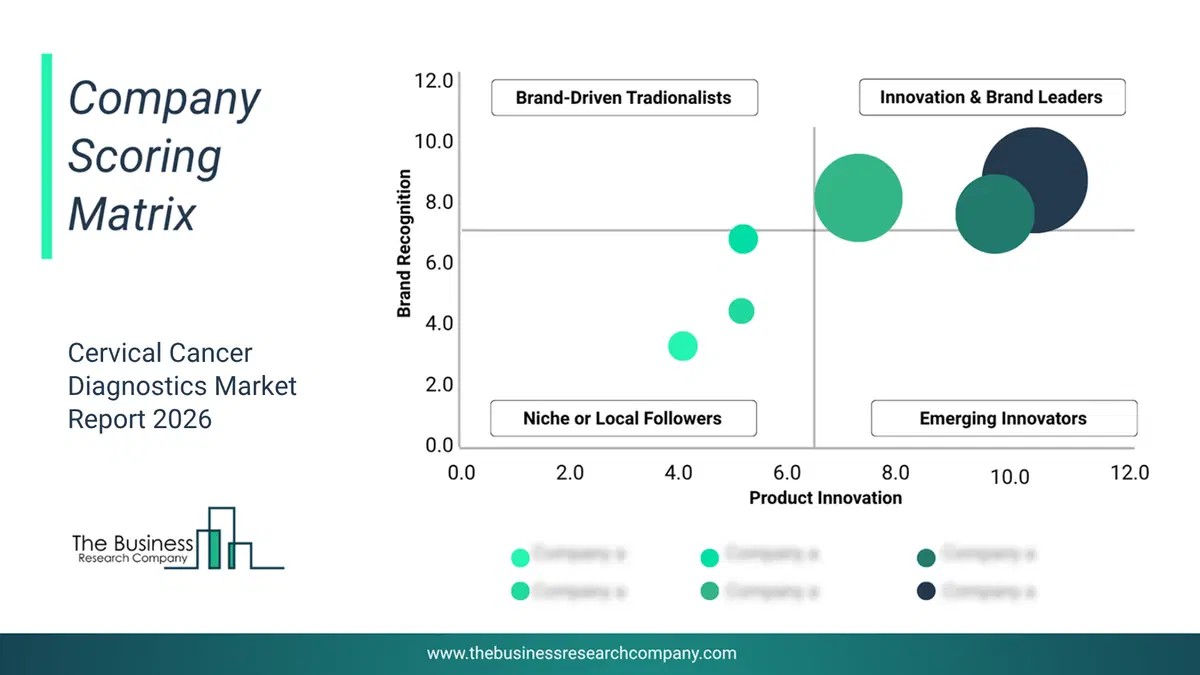
This chart maps companies by product innovation and brand strength, with bubble size indicating relative revenue, helping identify market leaders, challengers, and niche players. This is an illustrative chart; the full report provides a complete and accurate competitive analysis.
Global Cervical Cancer Diagnostics Market Trends and Insights
Major companies operating in the cervical cancer diagnostics market are focusing on developing technologically innovative solutions, such as a digital diagnostic system for cervical cancer, to increase accessibility to screening and enhance early detection rates. A digital diagnostic system for cervical cancer refers to an advanced technology that leverages digital tools and artificial intelligence (AI) to assist in the detection, diagnosis, and management of cervical cancer. For instance, in February 2024, Hologic, Inc., a US-based health technology company, received FDA clearance for its Genius Digital Diagnostics System, which incorporates the Genius Cervical AI algorithm for cervical cancer screening. This innovative system is the first of its kind to combine deep-learning artificial intelligence with advanced volumetric imaging technology, significantly enhancing the detection of pre-cancerous lesions and cervical cancer cells. It boasts a 28% reduction in false negatives compared to traditional methods, improving early detection and patient outcomes. The system digitizes cytology slides and utilizes AI to assist cytologists and pathologists in identifying areas that require further review, thereby streamlining the workflow and enabling remote collaboration among healthcare professionals.What Are Latest Mergers And Acquisitions In The Cervical Cancer Diagnostics Market?
In March 2024, Halma plc, a UK-based life-saving technology company, acquired Rovers Medical Devices B.V. for an undisclosed amount. This acquisition strengthens Halma’s healthcare portfolio by integrating Rovers’ cervical cancer screening technologies, including its globally used Cervex-Brush sample-collection device. It further enhances Halma’s position in women’s health diagnostics by expanding its offerings in cervical cancer prevention and screening consumables across international markets. Rovers Medical Devices B.V. is a Netherlands-based designer and manufacturer of cervical sample-collection devices used in cancer diagnostics.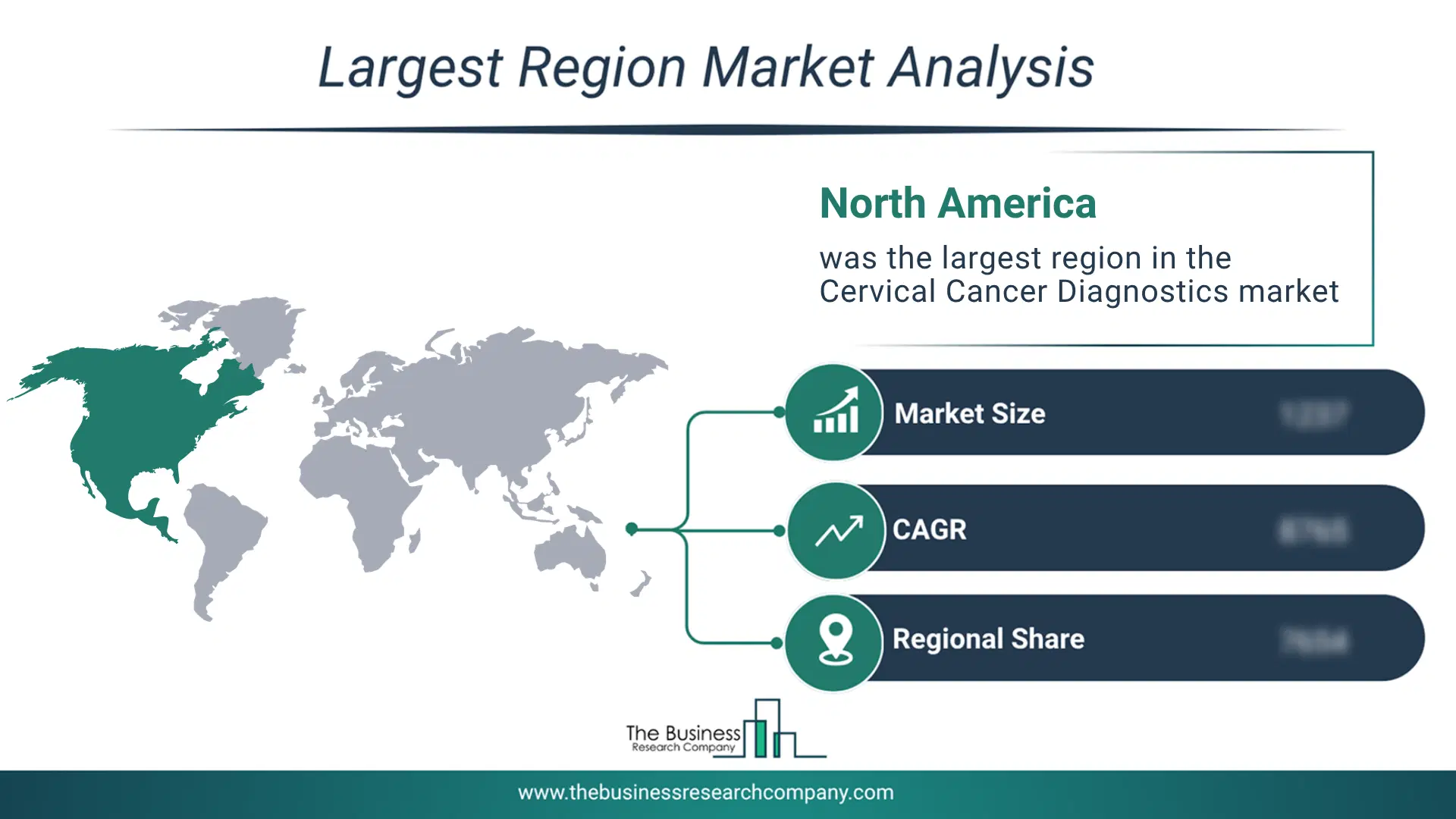
Regional Outlook
North America was the largest region in the cervical cancer diagnostics market in 2025. Asia-Pacific was the second largest region in the cervical cancer diagnostics market. The regions covered in this market report are Asia-Pacific, South East Asia, Western Europe, Eastern Europe, North America, South America, Middle East, Africa. The countries covered in this market report are Australia, Brazil, China, France, Germany, India, Indonesia, Japan, Taiwan, Russia, South Korea, UK, USA, Canada, Italy, SpainWhat Defines the Cervical Cancer Diagnostics Market?
The cervical cancer diagnostics market consists of sales of analyzer, reagents, and others that are used for the diagnosis of cervical cancer. The market value includes the value of related goods sold by the service provider or included within the service offering. Only goods and services traded between entities or sold to end consumers are included.How is Market Value Defined and Measured?
The market value is defined as the revenues that enterprises gain from the sale of goods and/or services within the specified market and geography through sales, grants, or donations in terms of the currency (in USD unless otherwise specified). The revenues for a specified geography are consumption values that are revenues generated by organizations in the specified geography within the market, irrespective of where they are produced. It does not include revenues from resales along the supply chain, either further along the supply chain or as part of other products.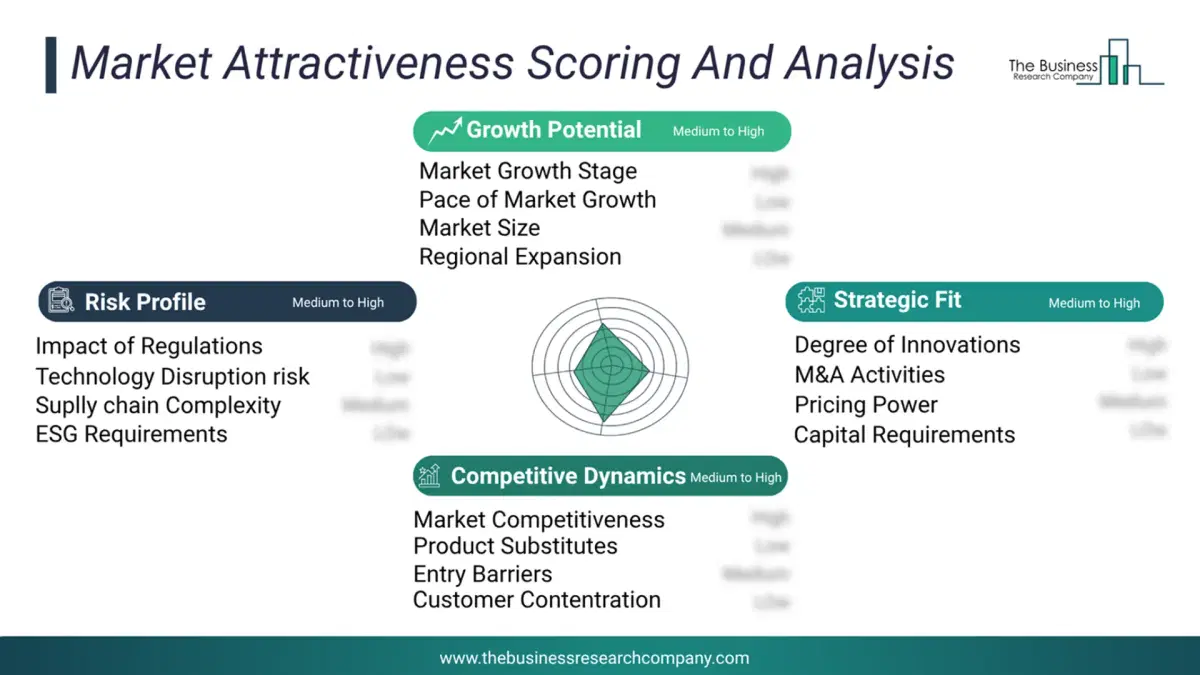
This chart presents market attractiveness based on a quantitative evaluation of growth, competition, strategic alignment, and risk, offering a clear view of opportunity areas for decision-making. This chart is for illustrative purposes; the full report contains the complete analysis.
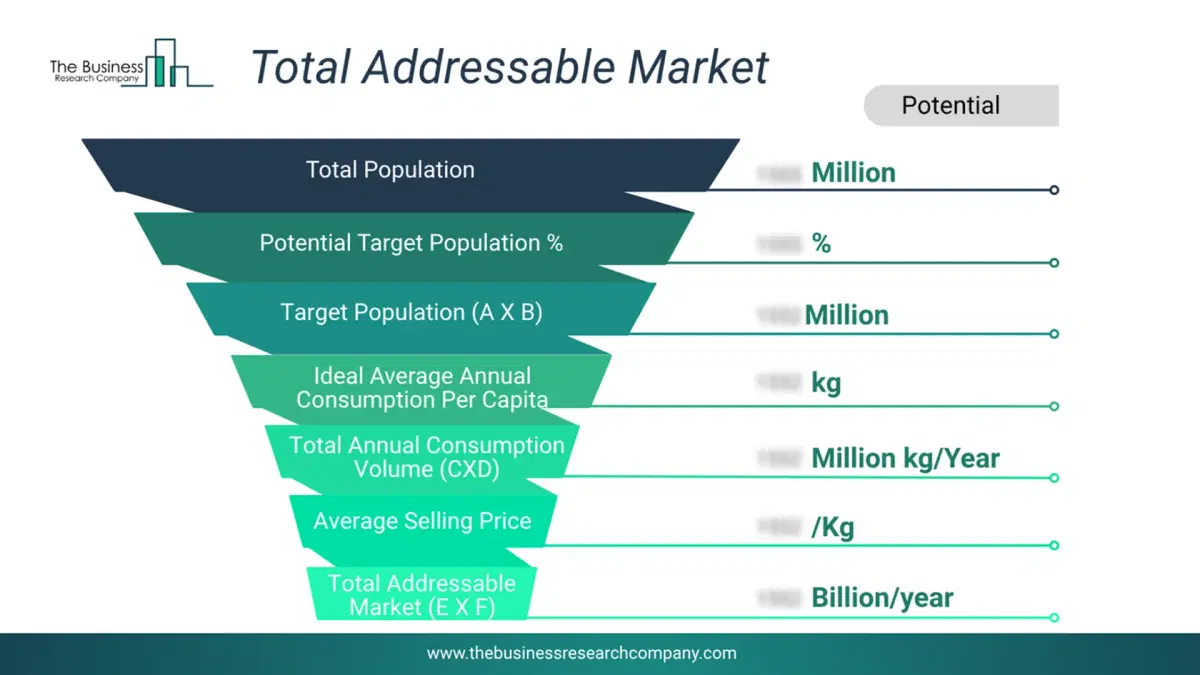
This chart highlights the Total Addressable Market (TAM) by estimating the maximum revenue opportunity using an assumption-driven approach, supporting strategic planning and opportunity sizing across markets. The chart is illustrative; the full report provides a more comprehensive analysis.
What Key Data and Analysis Are Included in the Cervical Cancer Diagnostics Market Report 2026?
The cervical cancer diagnostics market research report is one of a series of new reports from The Business Research Company that provides market statistics, including industry global market size, regional shares, competitors with the market share, detailed market segments, market trends and opportunities, and any further data you may need to thrive in the cervical cancer diagnostics industry. The market research report delivers a complete perspective of everything you need, with an in-depth analysis of the current and future state of the industry.Cervical Cancer Diagnostics Market Report Forecast Analysis
| Report Attribute | Details |
|---|---|
| Market Size Value In 2026 | $10.37 billion |
| Revenue Forecast In 2030 | $12.89 billion |
| Growth Rate | CAGR of 5.6% from 2026 to 2030 |
| Base Year For Estimation | 2025 |
| Actual Estimates/Historical Data | 2020-2025 |
| Forecast Period | 2026 - 2030 |
| Market Representation | Revenue in USD Billion and CAGR from 2026 to 2030 |
| Segments Covered | Diagnostic Test, Age Group, End User |
| Regional Scope | Asia-Pacific, Western Europe, Eastern Europe, North America, South America, Middle East, Africa |
| Country Scope | The countries covered in the report are Australia, Brazil, China, France, Germany, India, Indonesia, Japan, Taiwan, Russia, South Korea, UK, USA, Canada, Italy, Spain. |
| Key Companies Profiled | Abbott Laboratories, Becton Dickinson and Company, Bio-Rad Laboratories Inc., F. Hoffmann-La Roche Ltd., Hologic Inc., QIAGEN N.V., Quest Diagnostics Incorporated, Siemens Healthineers AG, Zilico Ltd., Guided Therapeutics Inc., Thermo Fisher Scientific Inc., Carl Zeiss AG, Arbor Vita Corporation, Micromedic Technologies Ltd., Roche Diagnostics, Nucleix Ltd., BGI Genomics Co. Ltd., Cepheid, Exact Sciences Corporation, Invitae Corporation, NeoGenomics Laboratories Inc., PerkinElmer Inc., Sysmex Corporation, Veracyte Inc., Zymo Research Corporation |
| Customization Scope | Request for Customization |
| Pricing And Purchase Options | Explore Purchase Options |