

Chemotherapy Induced Peripheral Neuropathy Treatment Market Report 2026
Global Outlook – By Drug Class (Nerve Protective Therapy, Anti-Inflammatory Therapy, Neurotransmitter Based Therapy, Antioxidant, Other Drug Classes), By Treatment (Medication, Therapy, Other Treatments), By Drug Type (Branded, Generic), By Distribution Channel (Hospital Pharmacy, Retail Pharmacy, Online Pharmacies, Other Distribution Channels), By End-User (Hospitals, Research Institutes, Specialty Clinics) - Market Size, Trends, And Global Forecast 2026-2030
Chemotherapy Induced Peripheral Neuropathy Treatment Market Overview
• Chemotherapy Induced Peripheral Neuropathy Treatment market size has reached to $1.75 billion in 2025 • Expected to grow to $2.37 billion in 2030 at a compound annual growth rate (CAGR) of 6.2% • Growth Driver: Rising Cancer Prevalence Boosts Chemotherapy-Induced Peripheral Neuropathy Treatment Market • Market Trend: Innovation In Chemotherapy-Induced Peripheral Neuropathy Treatment Market • North America was the largest region in 2025 and Asia Pacific is the fastest growing region.Market Gains By 2030 – Top Opportunities By Segment
Market Gain identifies the most promising market opportunities by highlighting the segments or products expected to generate the highest incremental revenue growth over the next five years.
What Is Covered Under Chemotherapy Induced Peripheral Neuropathy Treatment Market?
Chemotherapy induced peripheral neuropathy (CIPN) refers to a set of symptoms and complications that can develop because of certain chemotherapy drugs used in the treatment of cancer. It is a type of peripheral neuropathy, which involves damage or dysfunction of the peripheral nerves that connect the brain and spinal cord to the rest of the body. The main drug classes of chemotherapy induced peripheral neuropathy treatment are nerve protective therapy, anti-inflammatory therapy, neurotransmitter-based therapy, antioxidant, and others. Nerve protective therapy refers to treatments or interventions aimed at preserving or safeguarding the health and function of nerves. Nerve protective therapy is utilized in the management of chemotherapy-induced peripheral neuropathy to help preserve nerve function and alleviate symptoms. The various treatments include medication, therapy, and others and the types of drugs are branded and generic. The chemotherapy induced peripheral neuropathy treatment drugs are sold at hospital pharmacies, retail pharmacies, online pharmacies, and others and the end-users include hospitals, research institutes, and specialty clinics.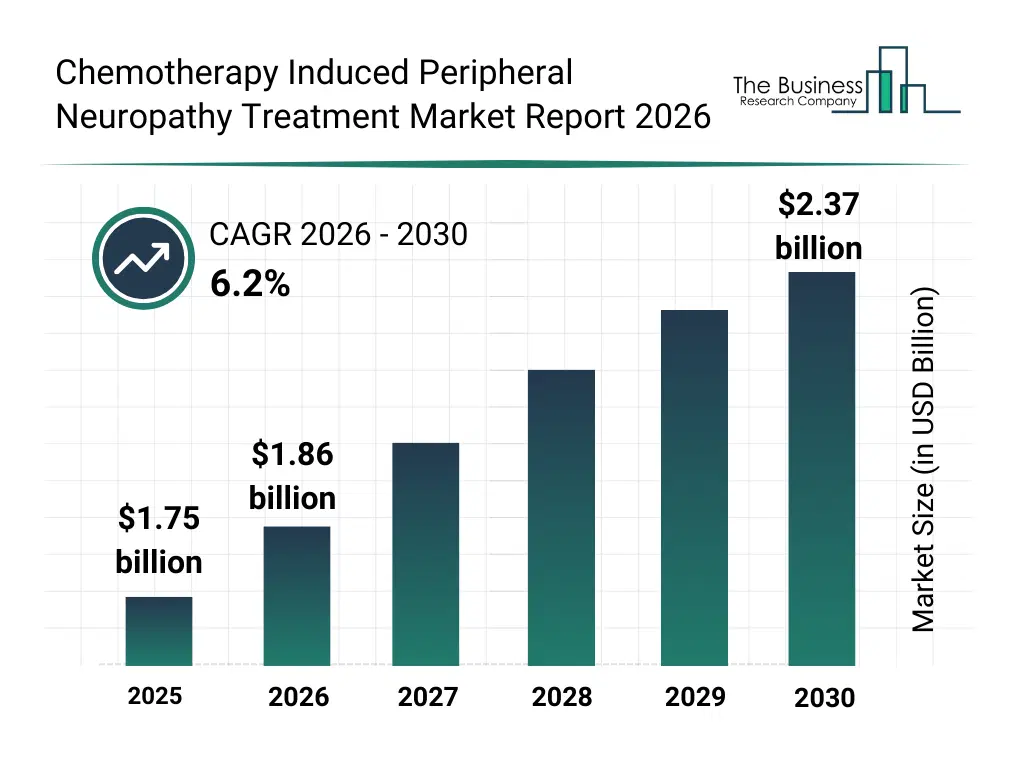
What Is The Chemotherapy Induced Peripheral Neuropathy Treatment Market Size and Share 2026?
The chemotherapy induced peripheral neuropathy treatment market size has grown strongly in recent years. It will grow from $1.75 billion in 2025 to $1.86 billion in 2026 at a compound annual growth rate (CAGR) of 6.2%. The growth in the historic period can be attributed to increasing use of neurotoxic chemotherapy agents, rising cancer survival rates, growing recognition of chemotherapy side effects, availability of symptomatic treatment options, expansion of oncology care infrastructure.What Is The Chemotherapy Induced Peripheral Neuropathy Treatment Market Growth Forecast?
The chemotherapy induced peripheral neuropathy treatment market size is expected to see strong growth in the next few years. It will grow to $2.37 billion in 2030 at a compound annual growth rate (CAGR) of 6.2%. The growth in the forecast period can be attributed to increasing investment in targeted neuropathy therapies, rising focus on personalized oncology supportive care, expansion of clinical trials for cipn drugs, growing demand for quality-of-life improving treatments, advancements in biomarker-based diagnosis. Major trends in the forecast period include increasing focus on neuroprotective drug development, rising adoption of combination therapy approaches, growing emphasis on early diagnosis and symptom management, expansion of personalized treatment protocols, increasing clinical research on cipn management.
Global Chemotherapy Induced Peripheral Neuropathy Treatment Market Segmentation
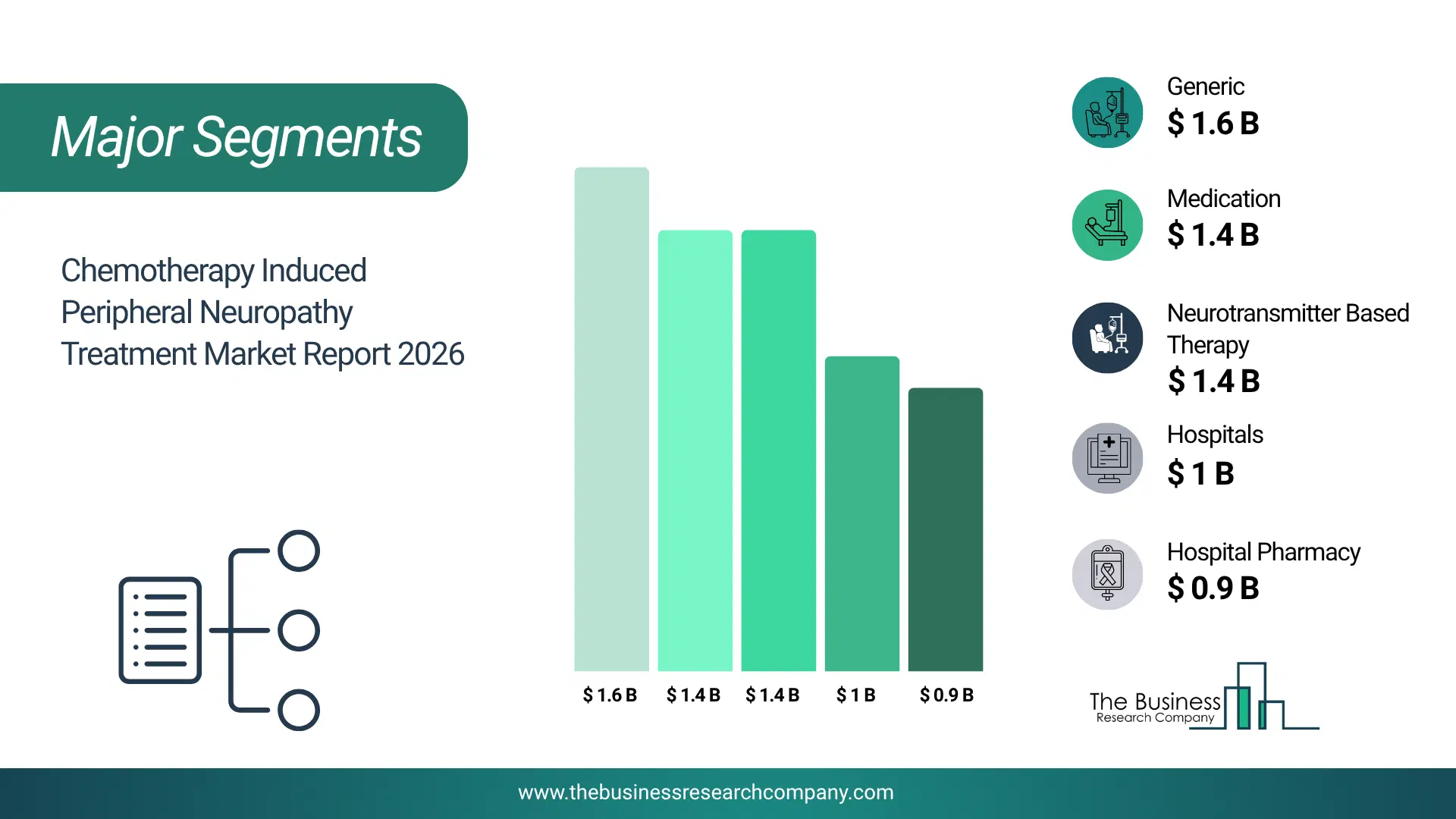
1) By Drug Class: Nerve Protective Therapy, Anti-Inflammatory Therapy, Neurotransmitter Based Therapy, Antioxidant, Other Drug Classes 2) By Treatment: Medication, Therapy, Other Treatments 3) By Drug Type: Branded, Generic 4) By Distribution Channel: Hospital Pharmacy, Retail Pharmacy, Online Pharmacies, Other Distribution Channels 5) By End-User: Hospitals, Research Institutes, Specialty Clinics Subsegments: 1) By Nerve Protective Therapy: Vitamin B Complex, Alpha-Lipoic Acid, Acetyl-L-Carnitine 2) By Anti-Inflammatory Therapy: Corticosteroids, Non-Steroidal Anti-Inflammatory Drugs (NSAIDs) 3) By Neurotransmitter Based Therapy: Gabapentin, Pregabalin, Duloxetine 4) By Antioxidant: N-acetylcysteine, Glutathione, Coenzyme Q10 5) By Other Drug Classes: Topical Treatments, Opioids, Herbal Remedies The top segments in the chemotherapy induced peripheral neuropathy treatment market will be: • Generic will reach $1641.94 Million by 2025. • Medication will reach $1483.98 Million by 2025. • Neurotransmitter Based Therapy will reach $1405.72 Million by 2025. • Hospitals will reach $1094.39 Million by 2025. • Hospital Pharmacy will reach $928.63 Million by 2025.What Is The Driver Of The Chemotherapy Induced Peripheral Neuropathy Treatment Market?
The increasing prevalence of cancer is expected to propel the growth of the chemotherapy-induced peripheral neuropathy treatment market going forward. Cancer is a disease characterized by the uncontrolled growth and spread of abnormal cells in the body. Chemotherapy-induced peripheral neuropathy is a potential side effect of certain chemotherapy drugs used in the treatment of cancer. The chemotherapy-induced peripheral neuropathy treatment market is subjected to grow as there is a rise of cancer cases globally. For instance, in July 2024, according to the Australian Institute of Health and Welfare, an Australia-based government agency, In 2023, an estimated 165,000 Australians were newly diagnosed with cancer, which equates to over 450 cases each day, and males represented about 55% of these diagnoses. Therefore, the increasing prevalence of cancers driving the growth of the chemotherapy-induced peripheral neuropathy treatment market.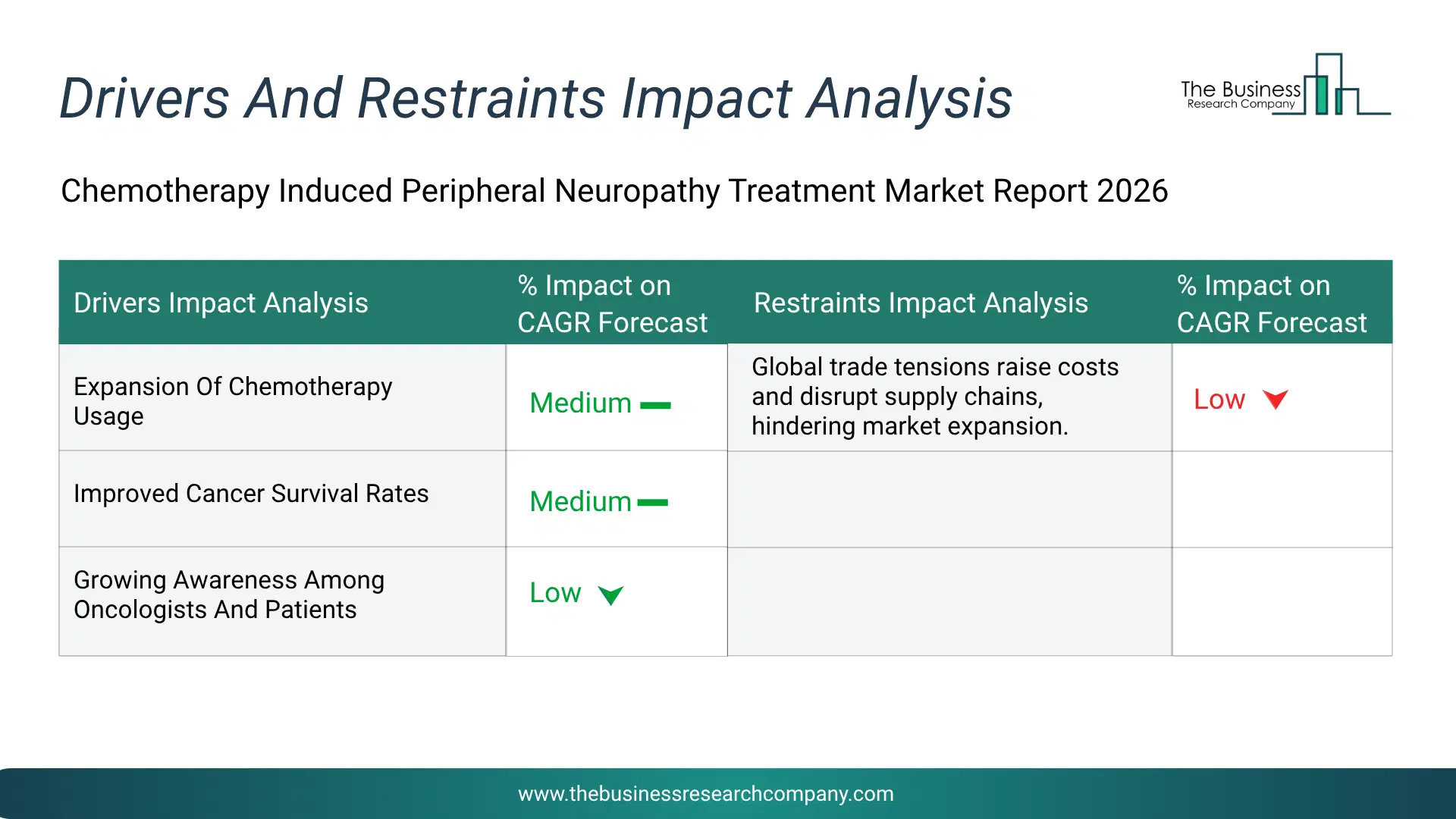
Infographic Chart Showing Key Market Drivers Analysis And Restraints For Chemotherapy Induced Peripheral Neuropathy Treatment Market
The chart presents an impact analysis of key drivers and restraints, quantifying their relative influence on the market's growth rate and helping assess the balance between growth enablers and limiting factors. This chart offers a high-level perspective; the full report contains more detailed insights.
How Will The Drivers Impact Growth In The Global Chemotherapy Induced Peripheral Neuropathy Treatment Market?
• Expansion Of Chemotherapy Usage (Medium) – The expansion of chemotherapy usage will become a key driver of growth in the chemotherapy induced peripheral neuropathy treatment market by 2030. As the use of chemotherapy expands—driven by increasing cancer incidence and broader treatment protocols—the prevalence of patients experiencing chemotherapy induced peripheral neuropathy (CIPN) correspondingly rises. The expanding patient population with chemotherapy induced peripheral neuropathy (CIPN) symptoms such as numbness, tingling and pain in the extremities creates a substantial demand for effective therapeutic interventions. With more patients experiencing chemotherapy induced peripheral neuropathy (CIPN), healthcare providers are more alert to the condition and diagnose it more often. This leads to higher use of treatments specifically targeting (CIPN). As a result, the expansion of chemotherapy usage is anticipated to contributing to a 1.5% annual growth in the market. • Improved Cancer Survival Rates (Medium) – The improved cancer survival rates will emerge as a major factor driving the expansion of the market by 2030. As cancer survival rates improve, the growing population of long-term survivors is driving increased prevalence of chronic chemotherapy induced peripheral neuropathy (CIPN), creating sustained demand for effective treatments. This shift has heightened the focus on quality of life, prompting patients and healthcare providers to seek therapies that alleviate persistent symptoms. Extended follow-up care further contributes to more frequent diagnosis and management of chemotherapy induced peripheral neuropathy (CIPN). Together, these factors expand the treatment market and encourage pharmaceutical and medical device companies to accelerate innovation, developing safer and more effective chemotherapy induced peripheral neuropathy (CIPN) therapies to address the needs of this expanding patient base. Consequently, the improved cancer survival rates is projected to contributing to a 1.2% annual growth in the market. • Growing Awareness Among Oncologists And Patients (Low) – The growing awareness among oncologists and patients will serve as a key growth catalyst for the market by 2030. Increased awareness of chemotherapy induced peripheral neuropathy (CIPN) symptoms among oncologists and patients leads to earlier diagnosis and timely treatment initiation, boosting demand for therapies. Educated patients are more likely to report symptoms and seek care, driving higher utilization of available treatments. Meanwhile, oncologists equipped with enhanced knowledge are more proactive in monitoring chemotherapy induced peripheral neuropathy (CIPN) during chemotherapy and incorporating appropriate treatments into patient care plans, thereby expanding the adoption of these therapies. This heightened awareness also improves patient adherence to treatment plans, enhancing outcomes and sustaining long-term demand for chemotherapy induced peripheral neuropathy (CIPN) solutions. Therefore, this growing awareness among oncologists and patients is projected to supporting to a 1.0% annual growth in the market. • Supportive Government Initiatives And Funding (High) – The supportive government initiatives and funding will become a significant driver contributing to the growth of the market by 2030. Governments play a crucial role in advancing chemotherapy induced peripheral neuropathy (CIPN) treatment by funding clinical research and supporting expedited regulatory approvals, accelerating the development of innovative therapies through the support of clinical trials and scientific investigations. Public initiatives raise awareness among healthcare providers and patients, leading to earlier diagnosis and higher treatment adoption. Investments in healthcare infrastructure and specialist training improve diagnosis and management capabilities. Additionally, the implementation of subsidies and improved reimbursement policies alleviates patient financial burdens, promoting greater accessibility and demand for chemotherapy induced peripheral neuropathy (CIPN) therapies. Consequently, the supportive government initiatives and funding is projected to contributing to a 0.5% annual growth in the market.How Will The Restraints Impact Growth In The Global Chemotherapy Induced Peripheral Neuropathy Treatment Market?
• Lack of approved treatments limits physician options and slows market adoption. (Medium) – Lack of approved treatments limits physician options and slows market adoption will restrict the growth of the Chemotherapy Induced Peripheral Neuropathy Treatment market during the forecast period. The limited availability of FDA-approved treatments specifically for CIPN restricts physician prescribing options and patient access to effective therapies. Healthcare providers often rely on off-label medications with limited evidence, affecting treatment outcomes and confidence in available options. The lack of approved treatments slows market growth and innovation. • Regulatory Uncertainty (Medium) – Regulatory uncertainty can delay the approval of novel therapies for Chemotherapy-Induced Peripheral Neuropathy (CIPN), limiting market entry for innovative treatments will restrict the growth of the Chemotherapy Induced Peripheral Neuropathy Treatment market during the forecast period. Unclear regulatory pathways and evolving approval requirements create challenges for drug developers seeking to bring new CIPN treatments to market. Regulatory delays and uncertainty about compliance requirements may discourage investment in R&D and slow the introduction of innovative therapies. • Global trade tensions raise costs and disrupt supply chains, hindering market expansion. (Low) – Global trade tensions raise costs and disrupt supply chains, hindering market expansion will restrict the growth of the Chemotherapy Induced Peripheral Neuropathy Treatment market during the forecast period. Trade disputes and tariffs affect the cost and availability of pharmaceutical ingredients and manufacturing equipment. Supply chain disruptions can lead to medicine shortages and increased treatment costs. Trade barriers may also affect the international distribution of CIPN therapies, limiting patient access and market growth.Key Players In The Global Chemotherapy Induced Peripheral Neuropathy Treatment Market
Major companies operating in the chemotherapy induced peripheral neuropathy treatment market are Midatech Pharma PLC, Novartis AG, Hoffmann-La Roche Ltd., Lee's Pharmaceutical Holdings Limited, RELIEF THERAPEUTICS Holding SA, WEX Pharmaceuticals Inc., MediciNova Inc., Solasia Pharma K.K., ESTEVE, Novaremed AG, MAKScientific LLC, Sova Pharmaceuticals Inc., Kineta Inc., Aptinyx Inc., Apexian Pharmaceuticals Inc., Alexion Pharmaceuticals Inc., Sanofi, Takeda Pharmaceutical Company Limited, Vertex Pharmaceuticals Incorporated, Abbott Laboratories, Acorda Therapeutics Inc., Galena Biopharma Inc., Incyte Corporation, ChromaDex Inc., Eurofins Advinus, Asahi Kasei Corporation, WinSanTor Inc., Apollo Endosurgery Inc.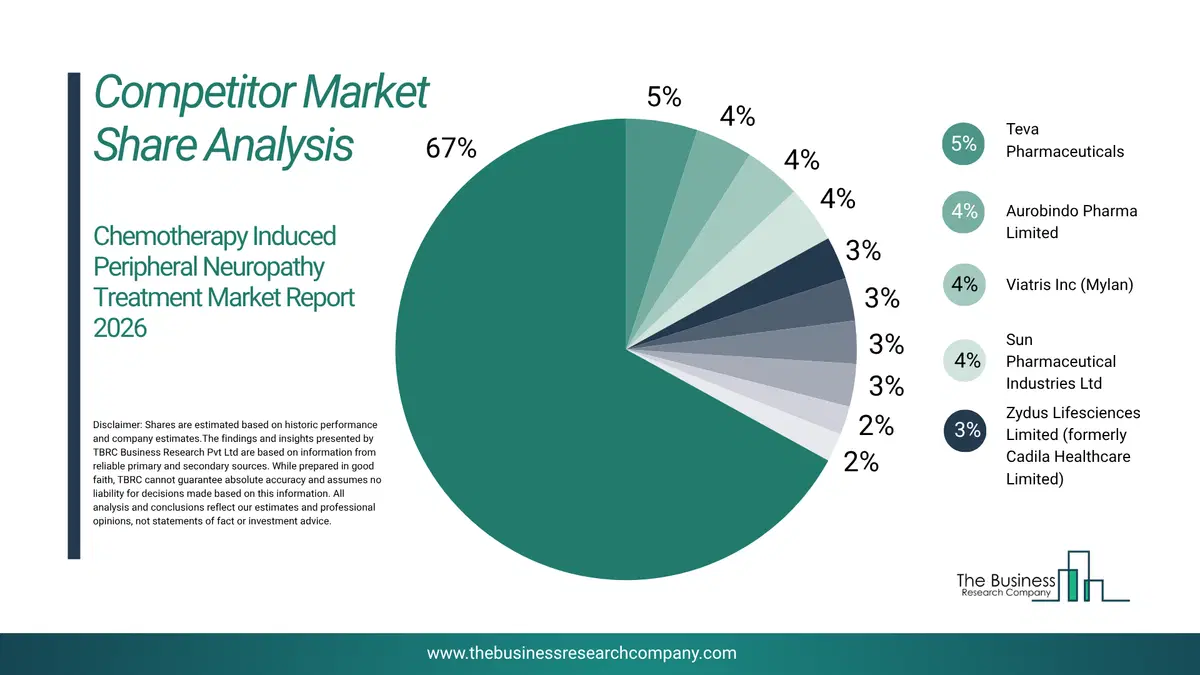
This chart is for illustrative purposes; the full report includes a detailed competitor analysis and comprehensive overview of the top 10 companies in the market.
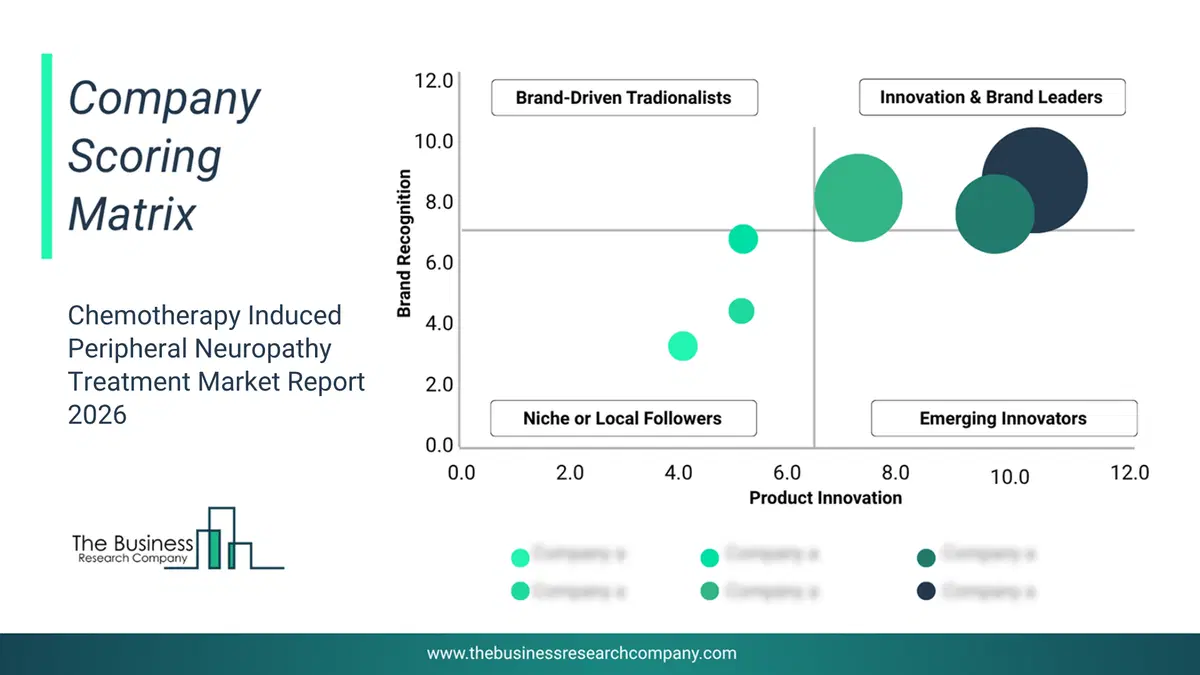
This chart maps companies by product innovation and brand strength, with bubble size indicating relative revenue, helping identify market leaders, challengers, and niche players. This is an illustrative chart; the full report provides a complete and accurate competitive analysis.
Global Chemotherapy Induced Peripheral Neuropathy Treatment Market Trends and Insights
Major companies involved in the chemotherapy-induced peripheral neuropathy treatment market are focused on innovating new products to improve their observation power and sustain their position in the market. For instance, in March 2023, AlgoTx, a clinical-stage company specializing in complex pain management, disclosed the FDA's approval of the Investigational New Drug Application (IND) for ATX01, their Phase 2 first-in-class candidate. This innovative treatment is intended for individuals with erythromelalgia. Meanwhile, the first patients in the ATX01 for the Pain of Chemotherapy (ACT) study of chemotherapy-induced peripheral neuropathy (CIPN) have been randomized. The FDA has given both programs fast-track designation.What Are Latest Mergers And Acquisitions In The Chemotherapy Induced Peripheral Neuropathy Treatment Market?
In August 2024, Pharmacosmos Group, a Denmark-based international healthcare company, acquired G1 Therapeutics for $405 million. This acquisition of Pharmacosmos Group aim is to expand and accelerate the availability of COSELA (trilaciclib), a treatment designed to reduce chemotherapy-induced myelosuppression in patients with extensive-stage small cell lung cancer (ES-SCLC). G1 Therapeutics is a US-based biopharmaceutical company, specializes in developing and commercializing small molecule therapeutics for the treatment of patients with cancer.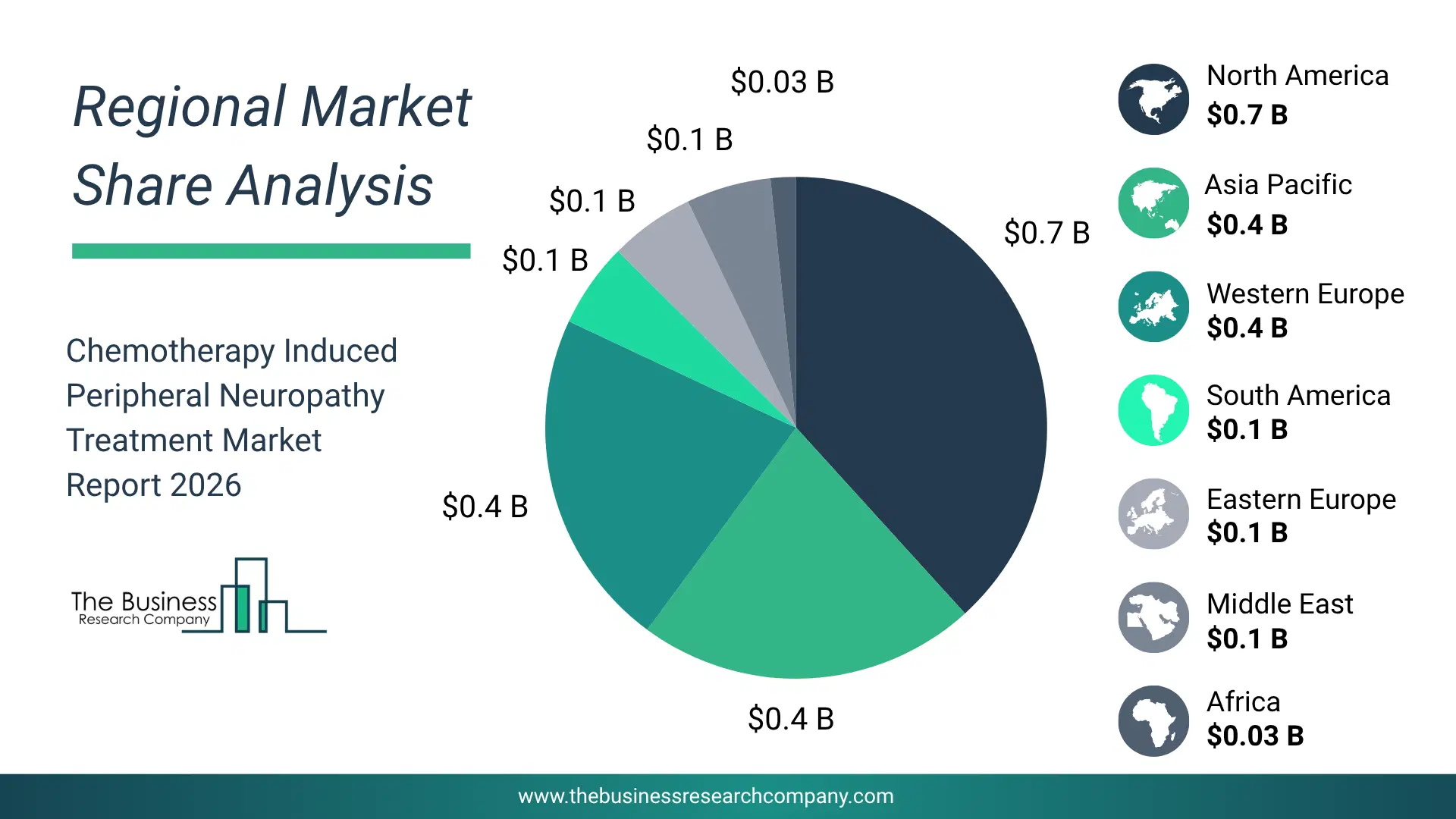
Regional Outlook
North America was the largest region in the chemotherapy induced peripheral neuropathy treatment market in 2025. Asia-Pacific and Europe are expected to be the fastest-growing regions in the forecast period. The regions covered in this market report are Asia-Pacific, South East Asia, Western Europe, Eastern Europe, North America, South America, Middle East, Africa. The countries covered in this market report are Australia, Brazil, China, France, Germany, India, Indonesia, Japan, Taiwan, Russia, South Korea, UK, USA, Canada, Italy, Spain.What Defines the Chemotherapy Induced Peripheral Neuropathy Treatment Market?
The chemotherapy induced peripheral neuropathy treatment market consists of sales of pharmaceutical drugs prescribed to alleviate chemotherapy-induced peripheral neuropathy symptoms. These drugs include pain relievers, antidepressants, anticonvulsants, and topical creams. Values in this market are ‘factory gate’ values, that is the value of goods sold by the manufacturers or creators of the goods, whether to other entities (including downstream manufacturers, wholesalers, distributors, and retailers) or directly to end customers. The value of goods in this market includes related services sold by the creators of the goods.How is Market Value Defined and Measured?
The market value is defined as the revenues that enterprises gain from the sale of goods and/or services within the specified market and geography through sales, grants, or donations in terms of the currency (in USD unless otherwise specified). The revenues for a specified geography are consumption values that are revenues generated by organizations in the specified geography within the market, irrespective of where they are produced. It does not include revenues from resales along the supply chain, either further along the supply chain or as part of other products.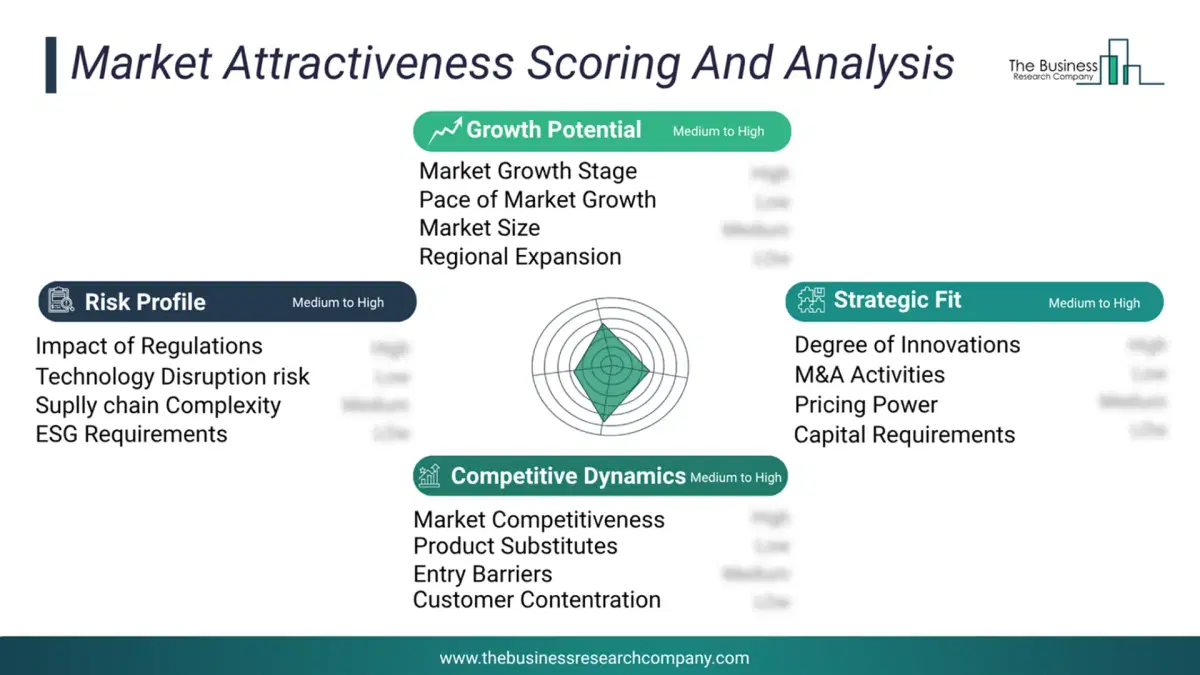
This chart presents market attractiveness based on a quantitative evaluation of growth, competition, strategic alignment, and risk, offering a clear view of opportunity areas for decision-making. This chart is for illustrative purposes; the full report contains the complete analysis.
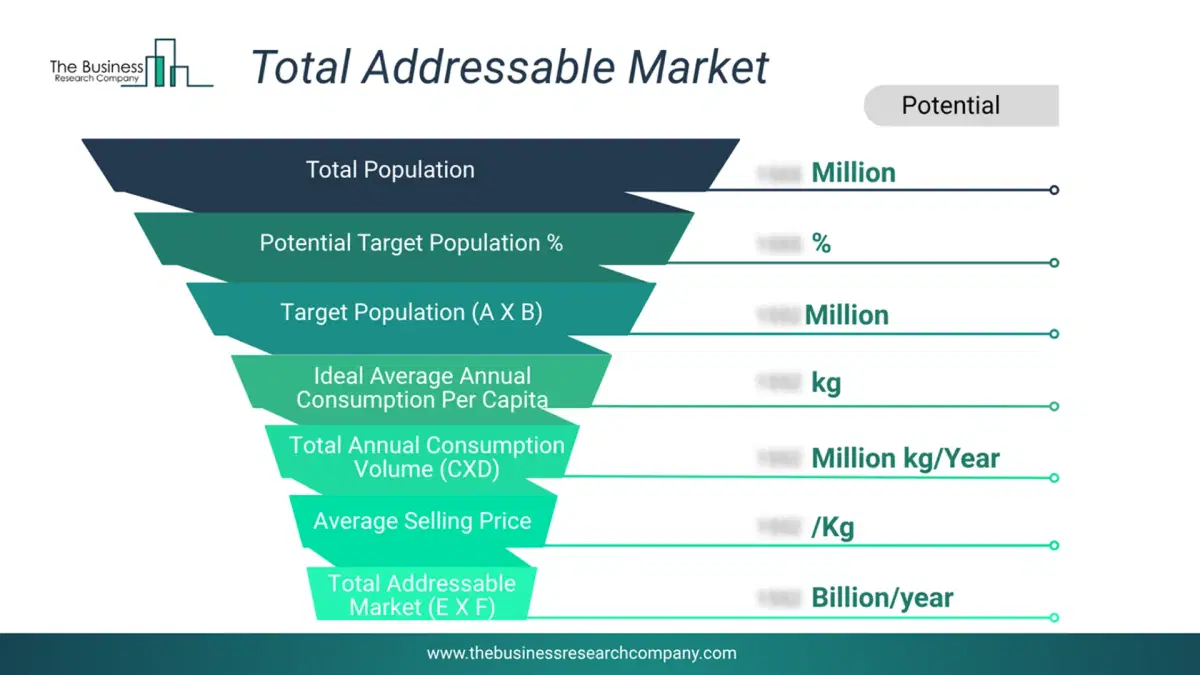
This chart highlights the Total Addressable Market (TAM) by estimating the maximum revenue opportunity using an assumption-driven approach, supporting strategic planning and opportunity sizing across markets. The chart is illustrative; the full report provides a more comprehensive analysis.
What Key Data and Analysis Are Included in the Chemotherapy Induced Peripheral Neuropathy Treatment Market Report 2026?
The chemotherapy induced peripheral neuropathy treatment market research report is one of a series of new reports from The Business Research Company that provides market statistics, including industry global market size, regional shares, competitors with the market share, detailed market segments, market trends and opportunities, and any further data you may need to thrive in the chemotherapy induced peripheral neuropathy treatment industry. The market research report delivers a complete perspective of everything you need, with an in-depth analysis of the current and future state of the industry.Chemotherapy Induced Peripheral Neuropathy Treatment Market Report Forecast Analysis
| Report Attribute | Details |
|---|---|
| Market Size Value In 2026 | $1.86 billion |
| Revenue Forecast In 2030 | $2.37 billion |
| Growth Rate | CAGR of 6.2% from 2026 to 2030 |
| Base Year For Estimation | 2025 |
| Actual Estimates/Historical Data | 2020-2025 |
| Forecast Period | 2026 - 2030 |
| Market Representation | Revenue in USD Billion and CAGR from 2026 to 2030 |
| Segments Covered | Drug Class, Treatment, Drug Type, Distribution Channel, End-User |
| Regional Scope | Asia-Pacific, Western Europe, Eastern Europe, North America, South America, Middle East, Africa |
| Country Scope | The countries covered in the report are Australia, Brazil, China, France, Germany, India, Indonesia, Japan, Taiwan, Russia, South Korea, UK, USA, Canada, Italy, Spain. |
| Key Companies Profiled | Midatech Pharma PLC, Novartis AG, Hoffmann-La Roche Ltd., Lee's Pharmaceutical Holdings Limited, RELIEF THERAPEUTICS Holding SA, WEX Pharmaceuticals Inc., MediciNova Inc., Solasia Pharma K.K., ESTEVE, Novaremed AG, MAKScientific LLC, Sova Pharmaceuticals Inc., Kineta Inc., Aptinyx Inc., Apexian Pharmaceuticals Inc., Alexion Pharmaceuticals Inc., Sanofi, Takeda Pharmaceutical Company Limited, Vertex Pharmaceuticals Incorporated, Abbott Laboratories, Acorda Therapeutics Inc., Galena Biopharma Inc., Incyte Corporation, ChromaDex Inc., Eurofins Advinus, Asahi Kasei Corporation, WinSanTor Inc., Apollo Endosurgery Inc. |
| Customization Scope | Request for Customization |
| Pricing And Purchase Options | Explore Purchase Options |