

Consumer Healthcare Market Report 2026
Global Outlook – By Product (OTC Pharmaceuticals, Dietary Supplements ), By Application (Retail, Online, Hospitals), By End-User (Children, Adults, Seniors) - Market Size, Trends, Strategies, and Forecast to 2030
Consumer Healthcare Market Overview
• Consumer Healthcare market size has reached to $818.63 billion in 2025 • Expected to grow to $2174.31 billion in 2030 at a compound annual growth rate (CAGR) of 21.4% • Growth Driver: Escalating Cardiovascular Disease Rates Set To Fuel Consumer Healthcare Market Growth • Market Trend: Companies Respond To Rising Demand For Consumer Healthcare Services With Innovative Solutions Like Cedars-Sinai Connect • North America was the largest region in 2025 and Asia-Pacific is the fastest growing region.Market Gains By 2030 – Top Opportunities By Segment
Market Gain identifies the most promising market opportunities by highlighting the segments or products expected to generate the highest incremental revenue growth over the next five years.
What Is Covered Under Consumer Healthcare Market?
The consumer healthcare provides personal healthcare products that are sold directly to a consumer without a prescription from a healthcare professional. Consumer healthcare products generally include over-the-counter (OTC) drugs, health supplements, cosmetics, disinfectants, and consumer medical devices. The main products in the consumer healthcare market are OTC pharmaceuticals and dietary supplements. Over the counter (OTC) drugs or non-prescription medicines can be purchased directly from a drug store without a prescription. Dietary supplements are products that are used to add nutrients to a diet. The market is also segmented by application into retail, online, and hospitals.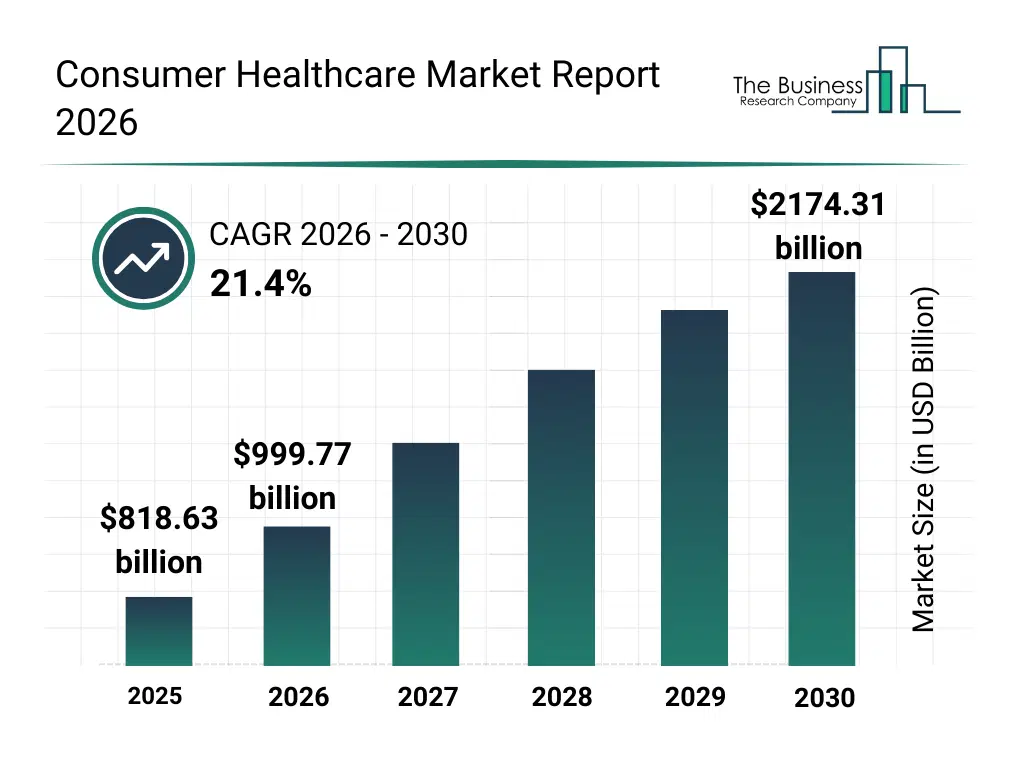
What Is The Consumer Healthcare Market Size and Share 2026?
The consumer healthcare market size has grown exponentially in recent years. It will grow from $818.63 billion in 2025 to $999.77 billion in 2026 at a compound annual growth rate (CAGR) of 22.1%. The growth in the historic period can be attributed to increasing self-medication practices, rising healthcare costs, widespread retail pharmacy presence, strong brand recognition, urban lifestyle changes.What Is The Consumer Healthcare Market Growth Forecast?
The consumer healthcare market size is expected to see exponential growth in the next few years. It will grow to $2174.31 billion in 2030 at a compound annual growth rate (CAGR) of 21.4%. The growth in the forecast period can be attributed to growing consumer health awareness, expansion of e-commerce channels, rising preventive healthcare focus, innovation in otc formulations, demand for sustainable packaging. Major trends in the forecast period include rising demand for over-the-counter medications, growth of preventive and self-care products, increased adoption of health supplements, expansion of online consumer healthcare sales, focus on clean-label and natural ingredients.
Global Consumer Healthcare Market Segmentation
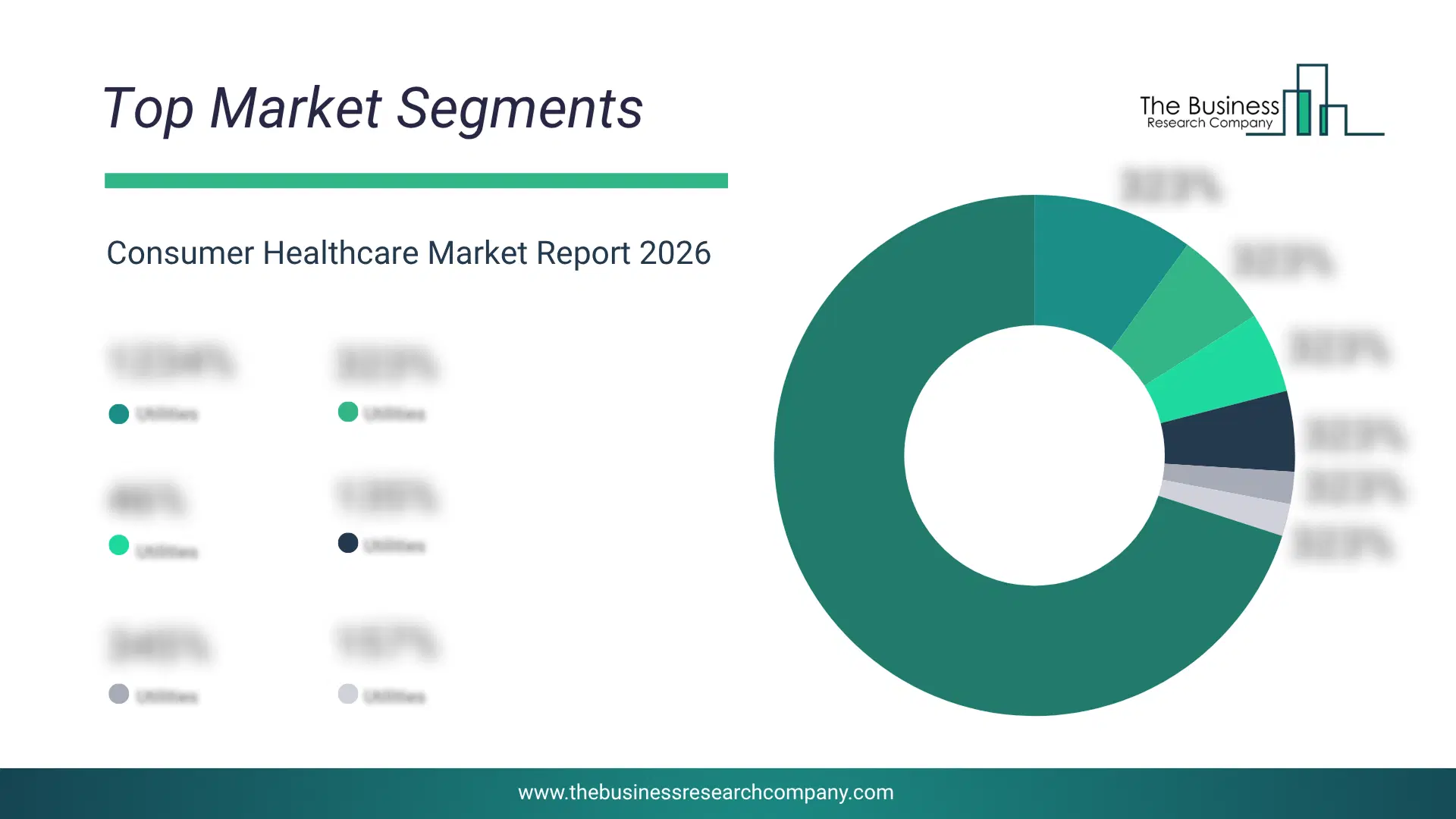
1) By Product: OTC Pharmaceuticals, Dietary Supplements 2) By Application: Retail, Online, Hospitals 3) By End-User: Children, Adults, Seniors Subsegments: 1) By Over-The-Counter (OTC) Pharmaceuticals: Analgesics (Pain Relief), Cold and Cough Remedies, Allergy Medications, Digestive Health Products, Topical Treatments 2) By Dietary Supplements: Vitamins and Minerals, Herbal Supplements, Protein Supplements, Omega Fatty Acids, Probiotics, Meal Replacement Products The top segments in the consumer healthcare market will be: • Over-The-Counter (OTC) Pharmaceuticals will reach $1247 Billion by 2030. • Dietary Supplements will reach $919 Billion by 2030.What Is The Driver Of The Consumer Healthcare Market?
The rising prevalence of cardiovascular diseases in expected to drive the consumer healthcare market growth. Cardiovascular disease (CVD) is a broad term that refers to a condition that affects the heart or blood vessels. Consumer healthcare services are used in cardiovascular disease management because they can be a convenient and affordable way to manage the disease, and proper diagnosis, medication management, and lifestyle changes are essential components of CVD management. For instance, in March 2024, according to the report published by the National Heart Foundation of Australia, in Australia, 1 in 6 people self-report living with cardiovascular disease (CVD), totaling over 4.5 million individuals. Therefore, the rising prevalence of cardiovascular diseases is expected to propel the growth of consumer healthcare industry growth going forward.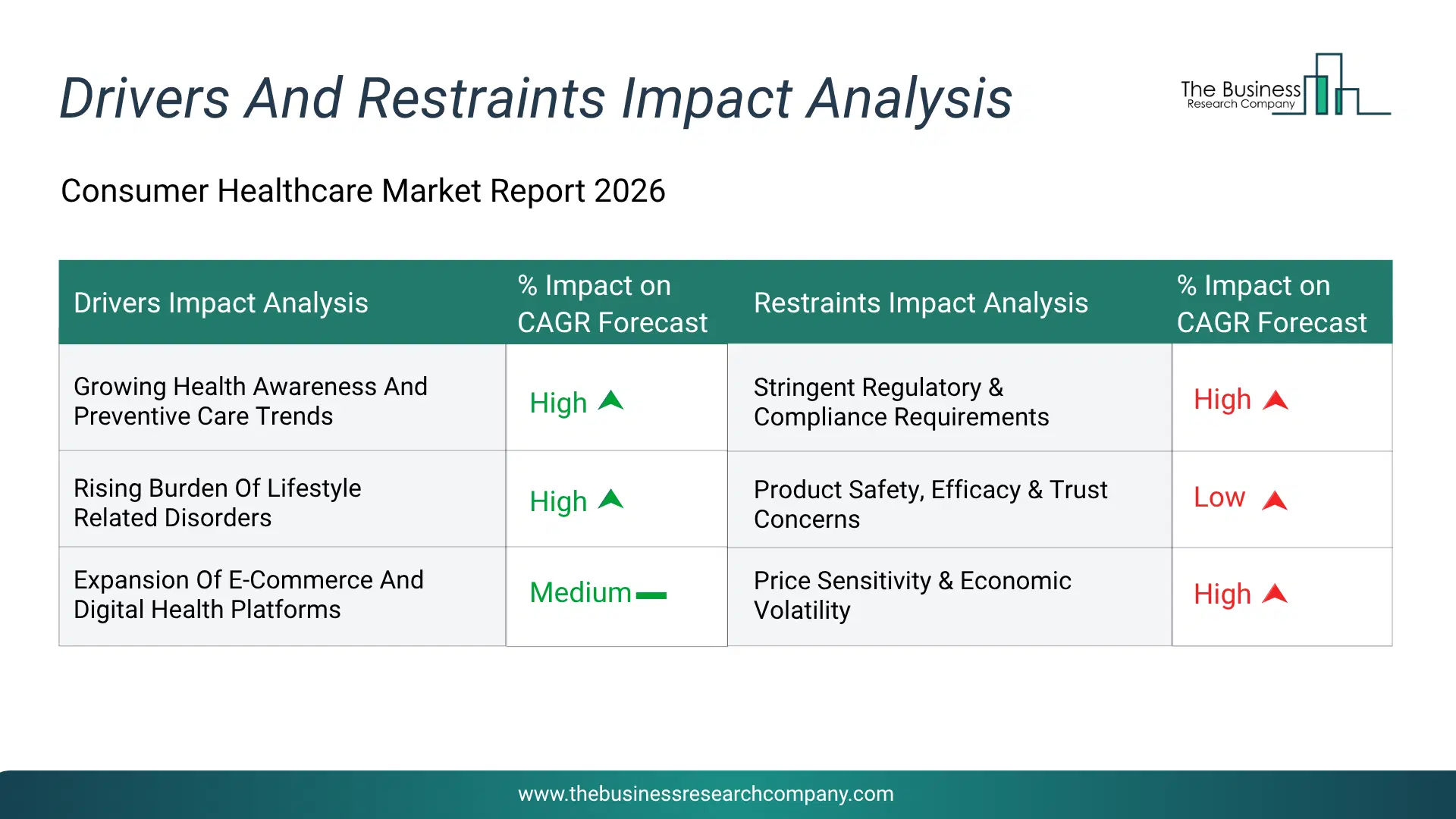
Infographic Chart Showing Key Market Drivers Analysis And Restraints For Consumer Healthcare Market
The chart presents an impact analysis of key drivers and restraints, quantifying their relative influence on the market's growth rate and helping assess the balance between growth enablers and limiting factors. This chart offers a high-level perspective; the full report contains more detailed insights.
How Will The Drivers Impact Growth In The Global Consumer Healthcare Market?
• Growing Health Awareness And Preventive Care Trends (High) – During the forecast period, the growing health awareness and preventive care trends is expected to become a key growth driver for the consumer healthcare market by 2030. Growing health awareness and preventive care trends are significantly driving the consumer healthcare market as consumers increasingly prioritize maintaining their health rather than treating illnesses after they occur. Rising awareness about nutrition, immunity, fitness, and overall wellness encourages the regular use of OTC medicines, dietary supplements, and personal healthcare products. Preventive healthcare campaigns and easy access to health information have improved consumer understanding of self-care practices. Individuals are also investing more in vitamins, probiotics, and wellness products to reduce long-term health risks. Aging populations and increasing focus on healthy lifestyles further strengthen demand for preventive healthcare solutions. • Rising Burden Of Lifestyle Related Disorders (High) – During the forecast period, the rising burden of lifestyle related disorders is expected to emerge as a major factor driving the expansion of the consumer healthcare market by 2030. Rising burden of lifestyle related disorders is a major driver for the consumer healthcare market because conditions such as obesity, diabetes, hypertension, digestive disorders, and stress-related illnesses are becoming increasingly common worldwide. Consumers are actively seeking accessible healthcare products that help manage these conditions without frequent hospital visits. This trend boosts demand for OTC medications, nutritional supplements, weight management products, and wellness solutions. Busy lifestyles also encourage greater reliance on self-care products that provide convenience and quick symptom relief. Increasing awareness about long-term disease management further promotes consistent use of consumer healthcare products. • Expansion Of E-Commerce And Digital Health Platforms (Medium) – During the forecast period, the expansion of e-commerce and digital health platforms is expected to act as a key growth catalyst for the consumer healthcare market by 2030. Expansion of e-commerce and digital health platforms is accelerating the growth of the consumer healthcare Market by making healthcare products more accessible to consumers worldwide. Online pharmacies, health marketplaces, and digital retail platforms enable customers to compare products, read reviews, and purchase healthcare solutions conveniently from home. Digital health applications also provide personalized recommendations, wellness tracking, and educational content that encourage preventive healthcare practices. Subscription models and home delivery services improve product availability and customer convenience. Manufacturers benefit from broader market reach and direct consumer engagement through digital channels.How Will The Restraints Impact Growth In The Global Consumer Healthcare Market?
• Stringent Regulatory & Compliance Requirements (High) – During the forecast period, the stringent regulatory & compliance requirements act as a significant restraint on the consumer healthcare market because manufacturers must comply with rigorous standards related to product formulation, labeling, advertising, safety, and quality. Regulatory approvals often require extensive testing, documentation, and continuous monitoring, increasing both development time and operational costs. Compliance with different regulations across countries further complicates global product launches and market expansion. Frequent updates to regulatory frameworks also require companies to modify products and packaging, creating additional expenses. Smaller manufacturers often struggle to meet these complex requirements due to limited financial and technical resources. As a result, regulatory challenges can delay product commercialization and limit the pace of market growth. • Product Safety, Efficacy & Trust Concerns (High) – During the forecast period, the product safety, efficacy & trust concerns restrain the consumer healthcare market by influencing consumer confidence and purchasing decisions. Consumers increasingly expect healthcare products to deliver proven benefits without adverse side effects, making product quality and transparency essential. Reports of counterfeit products, misleading health claims, or inconsistent product performance can damage brand reputation and reduce market demand. Manufacturers must invest heavily in clinical validation, quality assurance, and post-market surveillance to maintain consumer trust. Negative publicity surrounding product recalls or safety issues can significantly affect sales across multiple product categories. These concerns create barriers to adoption and slow the expansion of the consumer healthcare market. • Price Sensitivity & Economic Volatility (Medium) – During the forecast period, the price sensitivity & economic volatility limit the growth of the consumer healthcare market by affecting consumers' willingness to spend on non-essential healthcare and wellness products. During periods of inflation, economic uncertainty, or reduced disposable income, consumers often prioritize essential medicines while reducing purchases of premium supplements, personal care products, and preventive healthcare solutions. Rising production, packaging, and distribution costs also place pressure on manufacturers to increase product prices, which may reduce affordability. Intense competition further restricts companies' ability to pass higher costs on to consumers. These economic pressures can lower overall demand and reduce profit margins, creating challenges for sustained market expansion.Key Players In The Global Consumer Healthcare Market
Major companies operating in the consumer healthcare market are Johnson & Johnson, Procter & Gamble, GlaxoSmithKline, Pfizer Inc., Bayer AG, Merck & Co. Inc., Reckitt Benckiser Group plc, Sanofi S.A., AbbVie Inc., Amgen Inc., Nestlé Health Science, Church & Dwight Co. Inc., Colgate-Palmolive Company, Herbalife Nutrition Ltd., DSM (Dutch State Mines), Boiron, Perrigo Company plc, Meda Pharmaceuticals, Astellas Pharma Inc., Bausch Health Companies Inc., Ipsen S.A., HRA Pharma, Omega Pharma, Canopy Growth Corporation, Nature's Way, Oriflame Cosmetics S.A., Softel, Unilever PLC, Nature's Bounty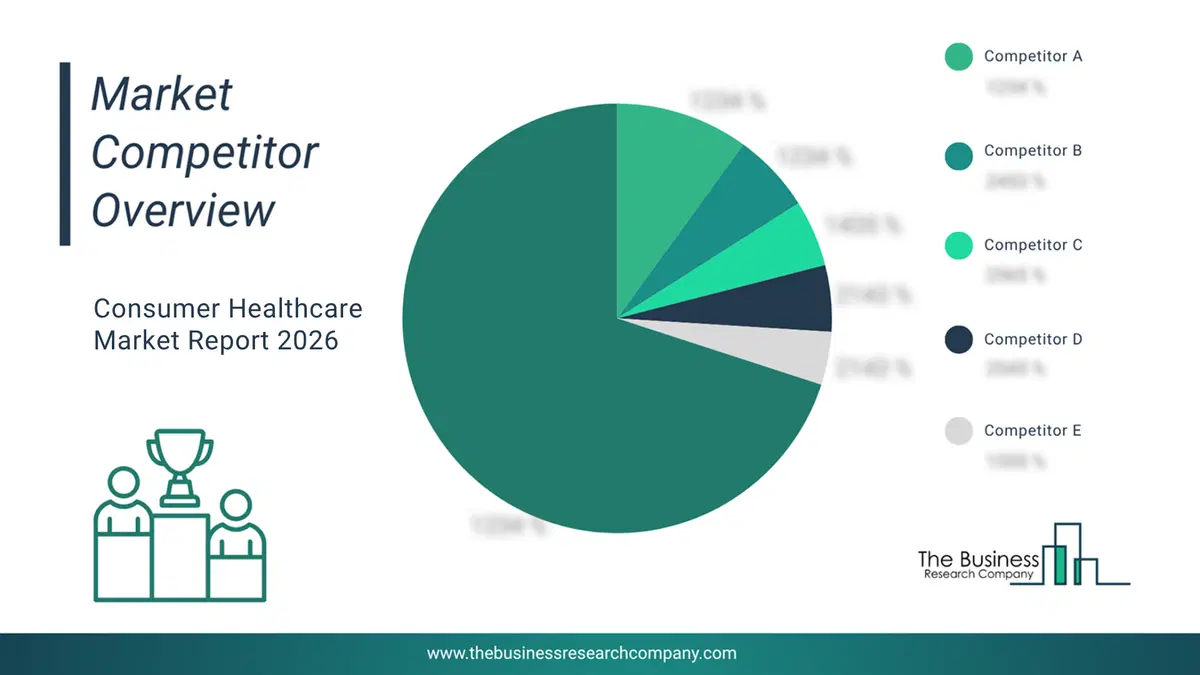
This chart is for illustrative purposes; the full report includes a detailed competitor analysis and comprehensive overview of the top 10 companies in the market.
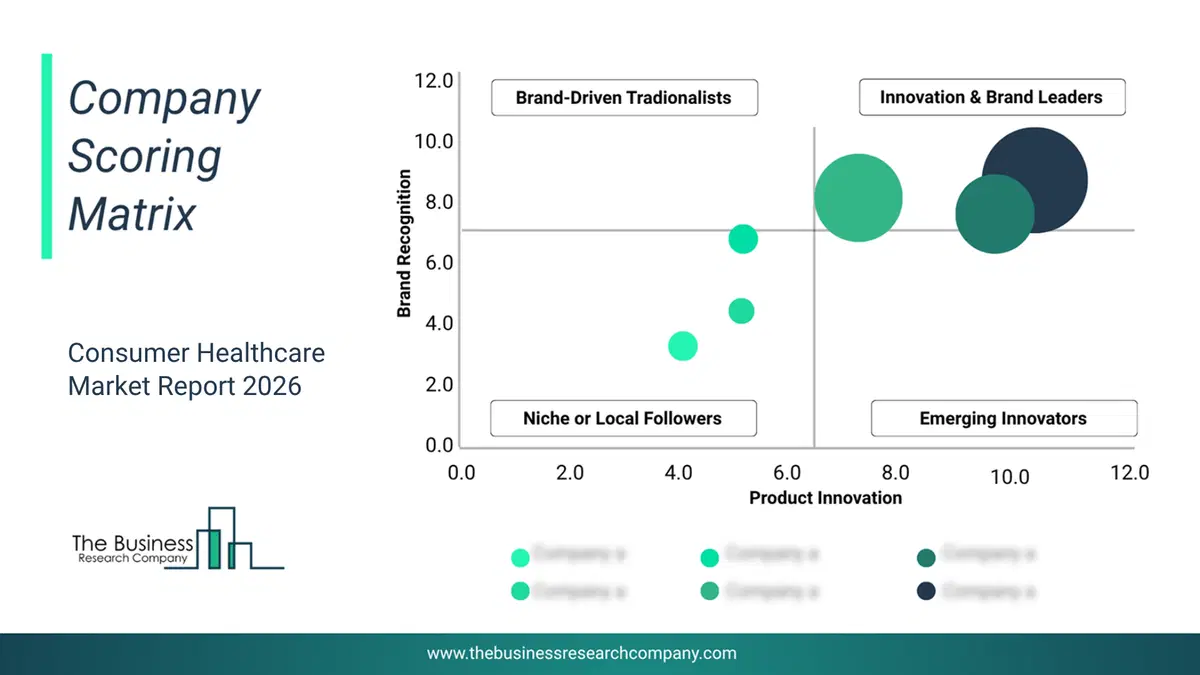
This chart maps companies by product innovation and brand strength, with bubble size indicating relative revenue, helping identify market leaders, challengers, and niche players. This is an illustrative chart; the full report provides a complete and accurate competitive analysis.
Global Consumer Healthcare Market Trends and Insights
Major companies operating in the consumer healthcare market are focusing on product launches such as Cedars-Sinai Connect to meet the growing demand for consumer healthcare services. Cedars-Sinai Connect is an AI-powered virtual healthcare application that provides patients with convenient and swift access to Cedars-Sinai specialists for a wide range of health needs, including acute illness, chronic conditions, and preventive care. For instance, in October 2023 Cedars-Sinai, a US-based non-profit hospital along with K Health Inc., a US-based clinical AI-powered primary care company announce the launch of Cedars-Sinai Connect. The application is accessible to both new and current patients located in California. It provides continuous access to virtual healthcare providers for immediate assistance with urgent matters and facilitates same-day scheduling for primary care appointments.What Are Latest Mergers And Acquisitions In The Consumer Healthcare Market?
In October 2023, Bristol Myers Squibb, a US-based biopharmaceutical company acquired Mirati Therapeutics for a total equity value of $4.8 billion. This acquisition aims to enhance Bristol Myers Squibb’s oncology portfolio, which includes KRAZATI (adagrasib) for treating non-small cell lung cancer. Mirati Therapeutics is a US-based biopharmaceutical company dedicated to developing innovative medicines for cancer treatment.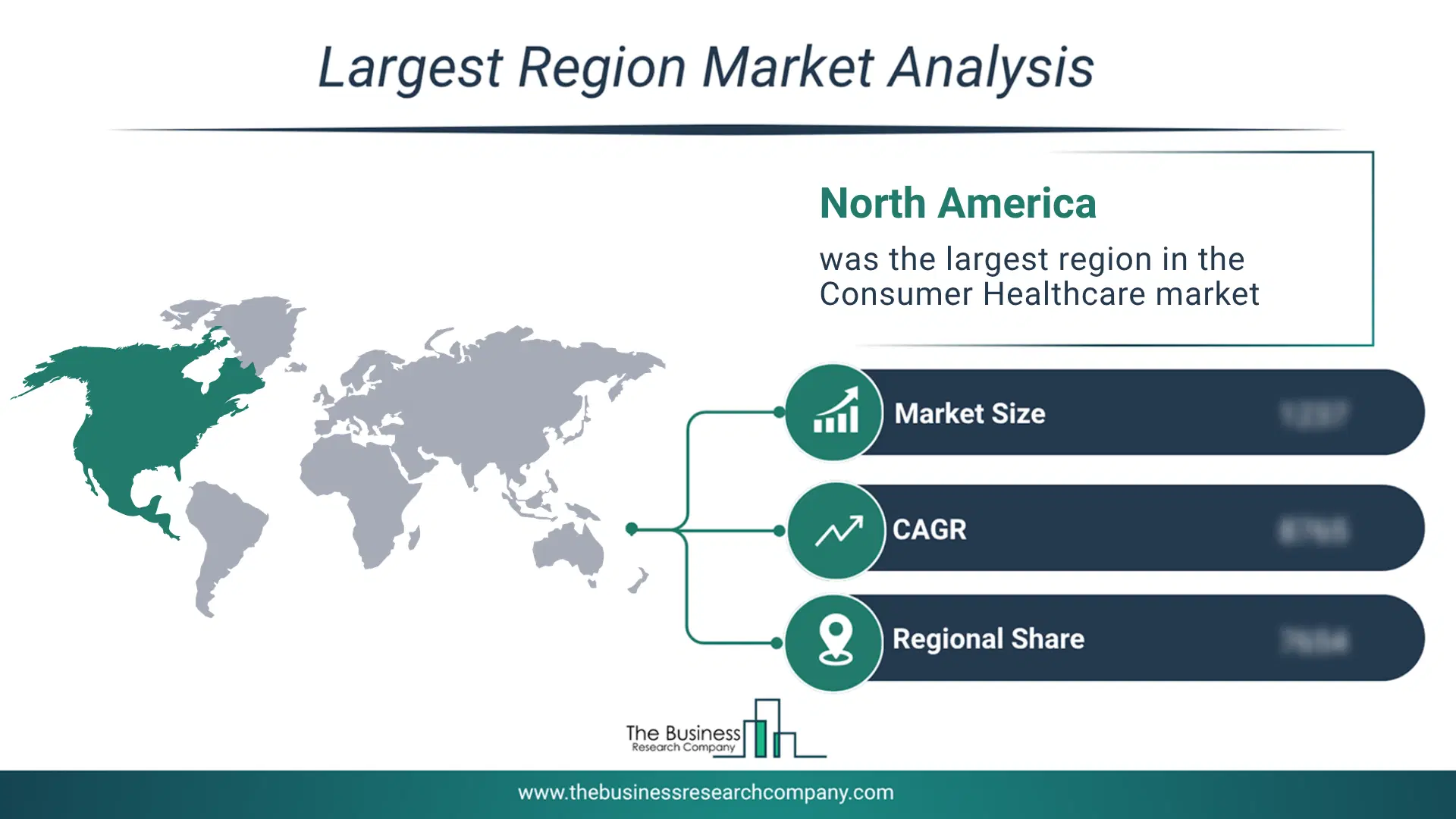
Regional Outlook
North America was the largest region in the consumer healthcare market in 2025. Asia-Pacific is expected to be the fastest-growing region in the forecast period. The regions covered in this market report are Asia-Pacific, South East Asia, Western Europe, Eastern Europe, North America, South America, Middle East, Africa. The countries covered in this market report are Australia, Brazil, China, France, Germany, India, Indonesia, Japan, Taiwan, Russia, South Korea, UK, USA, Canada, Italy, Spain.What Defines the Consumer Healthcare Market?
The consumer healthcare market consists of sales of medicated and non-medicated solutions. Values in this market are ‘factory gate’ values, that is the value of goods sold by the manufacturers or creators of the goods, whether to other entities (including downstream manufacturers, wholesalers, distributors and retailers) or directly to end customers. The value of goods in this market includes related services sold by the creators of the goods.How is Market Value Defined and Measured?
The market value is defined as the revenues that enterprises gain from the sale of goods and/or services within the specified market and geography through sales, grants, or donations in terms of the currency (in USD unless otherwise specified). The revenues for a specified geography are consumption values that are revenues generated by organizations in the specified geography within the market, irrespective of where they are produced. It does not include revenues from resales along the supply chain, either further along the supply chain or as part of other products.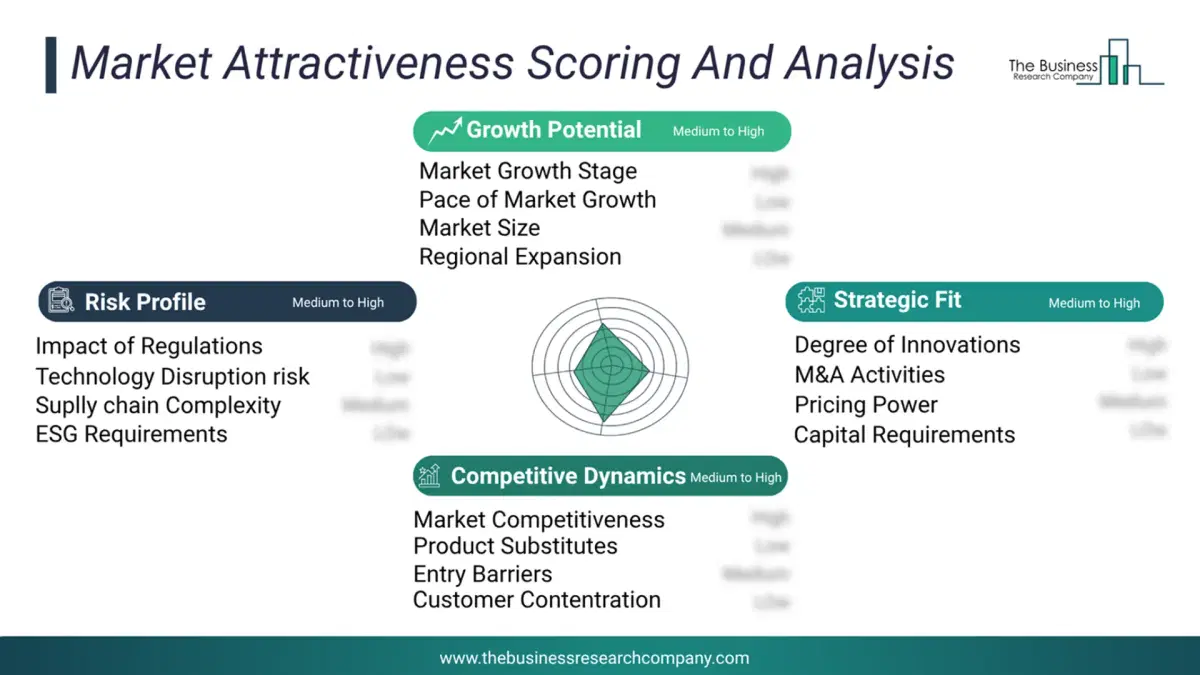
This chart presents market attractiveness based on a quantitative evaluation of growth, competition, strategic alignment, and risk, offering a clear view of opportunity areas for decision-making. This chart is for illustrative purposes; the full report contains the complete analysis.
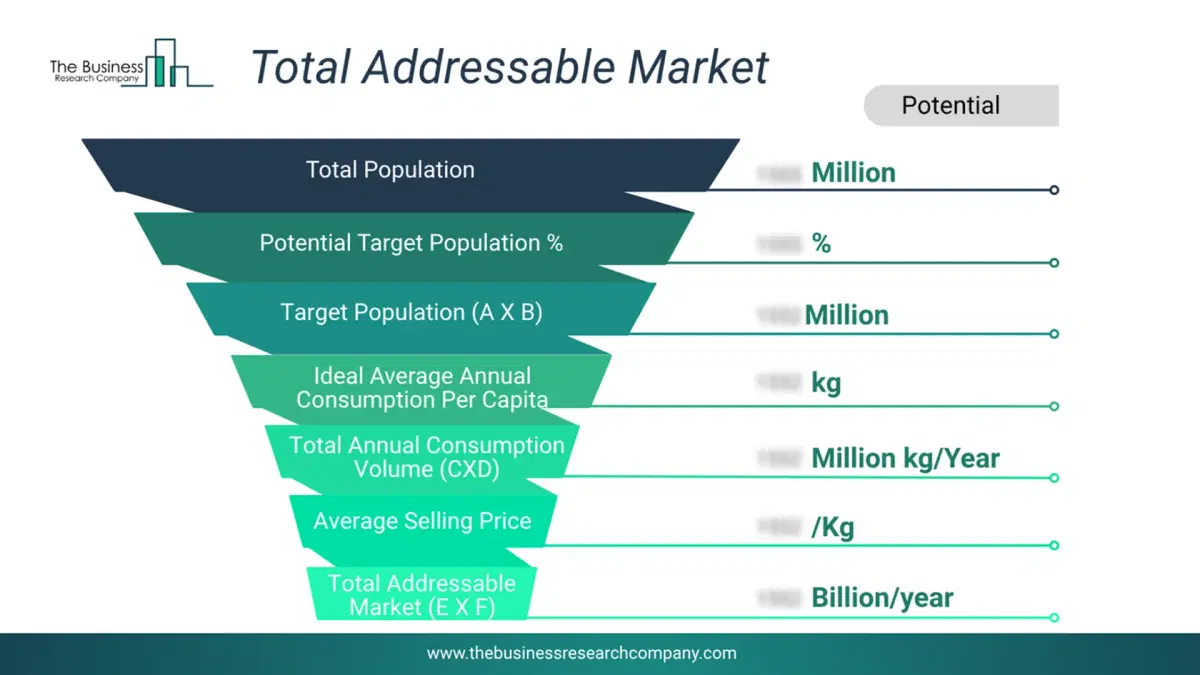
This chart highlights the Total Addressable Market (TAM) by estimating the maximum revenue opportunity using an assumption-driven approach, supporting strategic planning and opportunity sizing across markets. The chart is illustrative; the full report provides a more comprehensive analysis.
What Key Data and Analysis Are Included in the Consumer Healthcare Market Report 2026?
The consumer healthcare market research report is one of a series of new reports from The Business Research Company that provides market statistics, including industry global market size, regional shares, competitors with the market share, detailed market segments, market trends and opportunities, and any further data you may need to thrive in the consumer healthcare industry. The market research report delivers a complete perspective of everything you need, with an in-depth analysis of the current and future state of the industry.Consumer Healthcare Market Report Forecast Analysis
| Report Attribute | Details |
|---|---|
| Market Size Value In 2026 | $999.77 billion |
| Revenue Forecast In 2030 | $2174.31 billion |
| Growth Rate | CAGR of 21.4% from 2026 to 2030 |
| Base Year For Estimation | 2025 |
| Actual Estimates/Historical Data | 2020-2025 |
| Forecast Period | 2026 - 2030 |
| Market Representation | Revenue in USD Billion and CAGR from 2026 to 2030 |
| Segments Covered | Product, Application, End-User |
| Regional Scope | Asia-Pacific, Western Europe, Eastern Europe, North America, South America, Middle East, Africa |
| Country Scope | The countries covered in the report are Australia, Brazil, China, France, Germany, India, Indonesia, Japan, Taiwan, Russia, South Korea, UK, USA, Canada, Italy, Spain. |
| Key Companies Profiled | Johnson & Johnson, Procter & Gamble, GlaxoSmithKline, Pfizer Inc., Bayer AG, Merck & Co. Inc., Reckitt Benckiser Group plc, Sanofi S.A., AbbVie Inc., Amgen Inc., Nestlé Health Science, Church & Dwight Co. Inc., Colgate-Palmolive Company, Herbalife Nutrition Ltd., DSM (Dutch State Mines), Boiron, Perrigo Company plc, Meda Pharmaceuticals, Astellas Pharma Inc., Bausch Health Companies Inc., Ipsen S.A., HRA Pharma, Omega Pharma, Canopy Growth Corporation, Nature's Way, Oriflame Cosmetics S.A., Softel, Unilever PLC, Nature's Bounty |
| Customization Scope | Request for Customization |
| Pricing And Purchase Options | Explore Purchase Options |