
Deception Technology Market Report 2026
Global Outlook – By Deception Stack (Application Security, Data Security, Endpoint Security, Network Security), By Component (Solutions, Services), By Organization Size (Small And Medium Enterprises (SMEs), Large Enterprises), By Deployment Mode (On-Premise, Cloud-Based), By Vertical (Banking, Financial Services, And Insurance (BFSI), Energy And Utilities, Government, Healthcare, Telecom And IT, Manufacturing, Retail, Other Verticals) – Market Size, Trends, Strategies, and Forecast to 2030
Deception Technology Market Overview
• Deception Technology market size has reached to $3.3 billion in 2025 • Expected to grow to $7.02 billion in 2030 at a compound annual growth rate (CAGR) of 16.2% • Growth Driver: Growing Cybersecurity Concerns Drives The Deception Technology Market • Market Trend: Innovative Solutions In Deception Technology • North America was the largest region in 2025 and Asia-Pacific is the fastest growing region.Market Gains By 2030 – Top Opportunities By Segment
Market Gain identifies the most promising market opportunities by highlighting the segments or products expected to generate the highest incremental revenue growth over the next five years.
What Is Covered Under Deception Technology Market?
Deception technology refers to a collective term for tools and software used in cyber security of infrastructure to deceive cybercriminals by trapping and monitoring their activity. The deception technology is used to identify and monitor suspicious activities of cyberattacks, provide insights into cybercriminals, reduce alert fatigue, collect traps and decoys across the system of organizational infrastructure to protect information and used in various sectors such as banking, healthcare, military operations, and communication industry. The main types of deception technology are application security, data security, endpoint security, and network security. Application security refers to security precautions used at the application level to prevent the theft or hijacking of data or code within the application. The components are solutions and services that are used in small and medium enterprises (SMEs) and large enterprises, which are deployed on-premise and in the cloud-based. The various verticals involved were banking, financial services, and insurance (BFSI), energy and utilities, government, healthcare, telecom and IT, manufacturing, retail, and other verticals (education, defense, and others).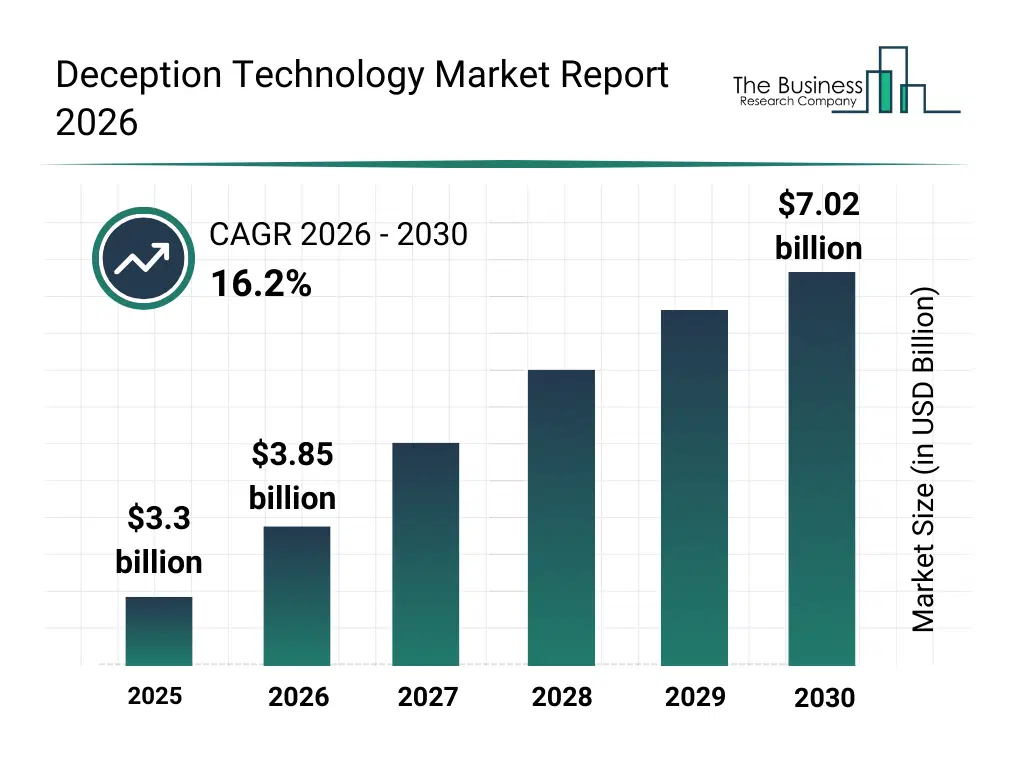
What Is The Deception Technology Market Size and Share 2026?
The deception technology market size has grown rapidly in recent years. It will grow from $3.3 billion in 2025 to $3.85 billion in 2026 at a compound annual growth rate (CAGR) of 16.8%. The growth in the historic period can be attributed to increasing sophistication of cyberattacks, expansion of enterprise IT infrastructure, rising need for proactive threat detection, adoption of advanced security monitoring tools, growth of networked digital assets.What Is The Deception Technology Market Growth Forecast?
The deception technology market size is expected to see rapid growth in the next few years. It will grow to $7.02 billion in 2030 at a compound annual growth rate (CAGR) of 16.2%. The growth in the forecast period can be attributed to increasing investments in proactive cyber defense, rising demand for zero-day attack detection, expansion of cloud security deployments, growing focus on reducing alert fatigue, increasing adoption of autonomous security response systems. Major trends in the forecast period include increasing adoption of ai-driven deception platforms, rising deployment of adaptive honeypot networks, growing integration with soc and siem systems, expansion of cloud-based deception solutions, enhanced focus on threat intelligence generation.
Global Deception Technology Market Segmentation
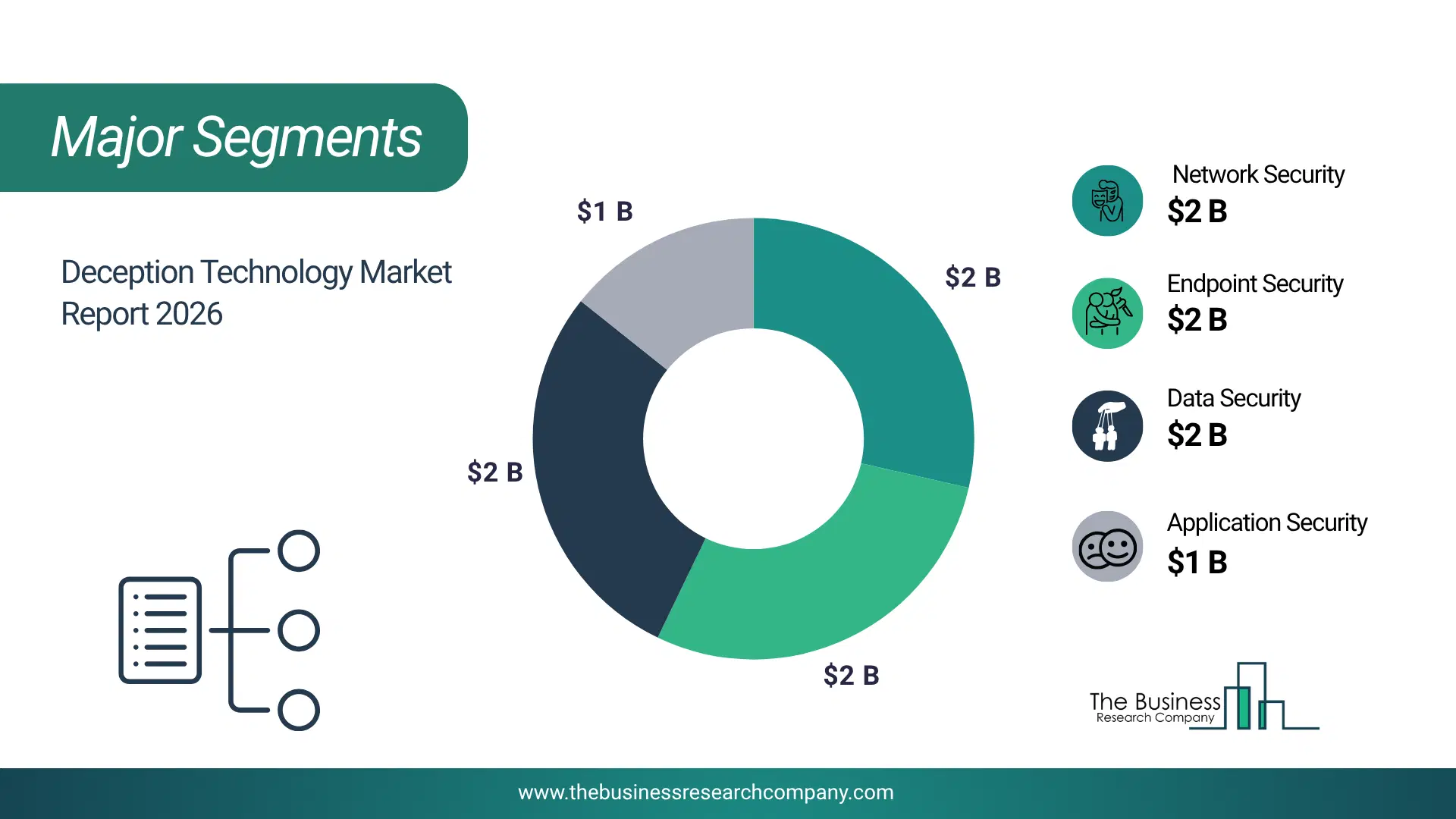
1) By Deception Stack: Application Security, Data Security, Endpoint Security, Network Security 2) By Component: Solutions, Services 3) By Organization Size: Small And Medium Enterprises (SMEs), Large Enterprises 4) By Deployment Mode: On-Premise, Cloud-Based 5) By Vertical: Banking, Financial Services, And Insurance (BFSI), Energy And Utilities, Government, Healthcare, Telecom And IT, Manufacturing, Retail, Other Verticals Subsegments: 1) By Application Security: Deceptive Applications, Honeypots For Web Applications 2) By Data Security: Deceptive Data Stores, Data Enticement Techniques 3) By Endpoint Security: Deceptive Endpoints, Endpoint Detection And Response (EDR) Techniques 4) By Network Security: Network Honeypots, Deceptive Network Segmentation The top segments in the deception technology market will be: • Network Security will reach $2.33 Billion by 2030. • Endpoint Security will reach $2.06 Billion by 2030. • Data Security will reach $1.59 Billion by 2030. • Application Security will reach $1 Billion by 2030.What Is The Driver Of The Deception Technology Market?
Growing cybersecurity concerns are expected to propel the growth of the deception technology market going forward. Cybersecurity refers to the protection against the assault performed by cybercriminals to steal data and sensitive information by sending and hacking a computer system using malicious information and committing a security violation in which sensitive information can be stolen from a computer system without the prior permission of the owner of the system. Deception technology is used in the current time to prevent any unauthorized access to information from the system of the company of employees’ database. For instance, in January 2024, according to the Identity Theft Resource Center (ITRC), a US-based non-profit organization, there were 3,205 data breaches in 2023, exposures, leaks, and unspecified events, affecting approximately 353,027,892 victims, including those impacted by multiple incidents, reflecting a 78% increase from 2022. Therefore, the growing cybersecurity concerns are driving the growth of the deception technology industry.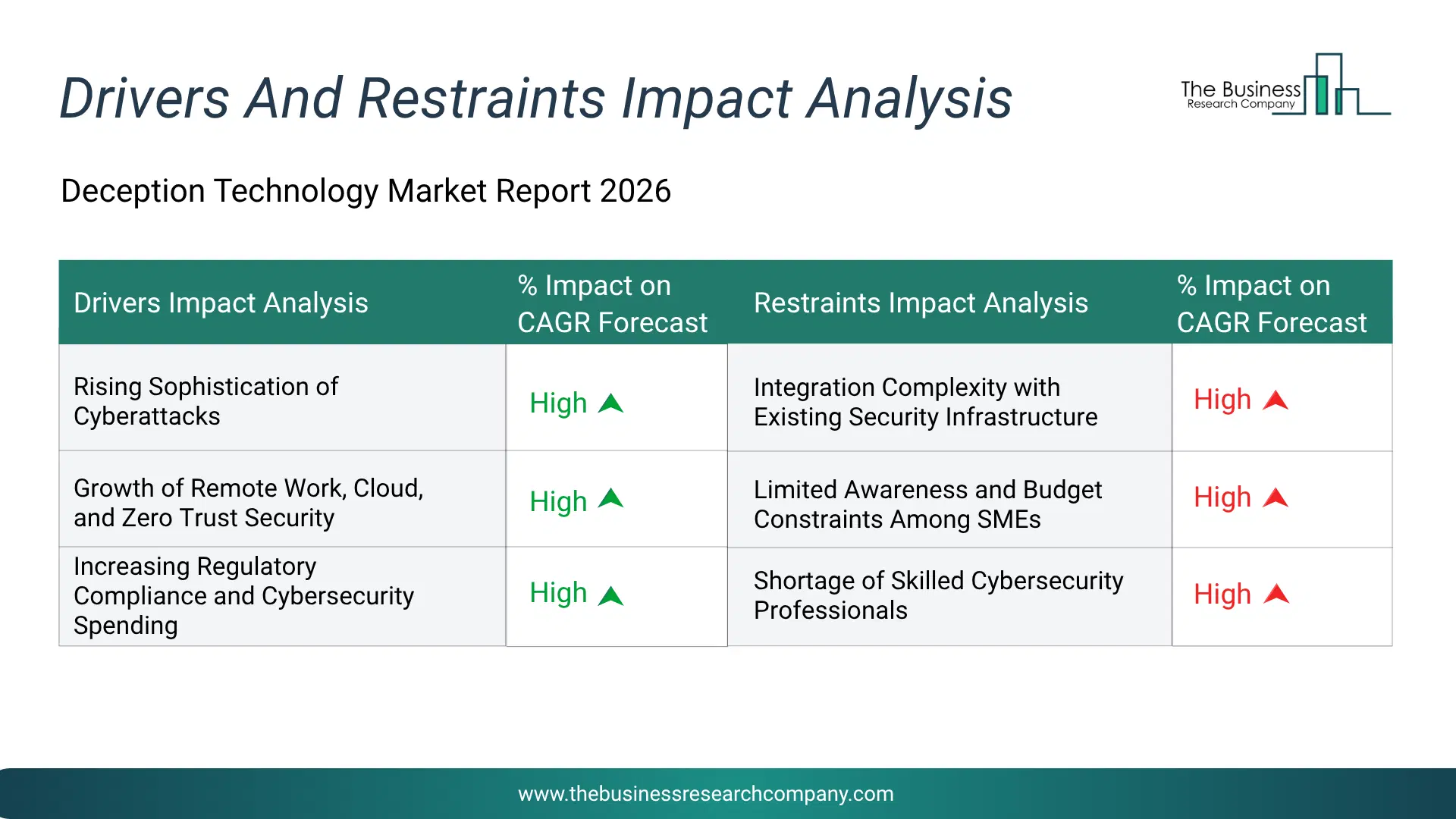
Infographic Chart Showing Key Market Drivers Analysis And Restraints For Deception Technology Market
The chart presents an impact analysis of key drivers and restraints, quantifying their relative influence on the market's growth rate and helping assess the balance between growth enablers and limiting factors. This chart offers a high-level perspective; the full report contains more detailed insights.
How Will The Drivers Impact Growth In The Global Deception Technology Market?
• Rising Sophistication of Cyberattacks (High) – During the forecast period, the rising sophistication of cyberattacks is expected to become a key growth driver for the deception technology market by 2030. The growing frequency of ransomware, zero-day exploits, phishing, insider threats, and advanced persistent threats (APTs) is a major driver for deception technology adoption. Organizations increasingly deploy decoys, fake credentials, deceptive assets, and trap-based monitoring systems to detect attackers before critical damage occurs. Traditional perimeter defenses are becoming less effective against lateral movement and stealth attacks, making deception-based proactive defense more attractive. BFSI, healthcare, telecom, and government sectors are major adopters due to their high exposure to targeted attacks. This trend is consistently highlighted across major industry reports. • Growth of Remote Work, Cloud, and Zero Trust Security (High) – During the forecast period, the growth of remote work, cloud, and zero trust security is expected to emerge as a major factor driving the expansion of the deception technology market by 2030. Hybrid work environments, cloud migration, and Zero Trust architectures have expanded enterprise attack surfaces significantly. Deception technology helps organizations monitor distributed users, endpoints, credentials, and cloud workloads through deceptive environments and behavioral detection mechanisms. Enterprises are integrating deception tools into Zero Trust frameworks to identify unauthorized access and credential misuse in real time. Increased cloud-native infrastructure and remote access dependency after COVID-19 accelerated demand for scalable deception platforms. Vendors are increasingly embedding AI-powered deception into cloud and identity-security ecosystems. • Increasing Regulatory Compliance and Cybersecurity Spending (High) – During the forecast period, the increasing regulatory compliance and cybersecurity spending is expected to act as a key growth catalyst for the deception technology market by 2030. Governments and regulatory bodies worldwide are enforcing stricter data protection and cybersecurity regulations such as GDPR, CCPA, and sector-specific compliance mandates. Enterprises are increasing cybersecurity budgets to avoid financial losses, legal penalties, and reputational damage associated with breaches. Deception technology supports compliance by improving threat detection, reducing dwell time, and strengthening monitoring capabilities across enterprise infrastructure. Industry reports indicate rising enterprise investment in advanced cybersecurity solutions, particularly in finance, healthcare, and critical infrastructure sectors. Increasing cyber-insurance requirements for proactive threat monitoring are also contributing to adoption.How Will The Restraints Impact Growth In The Global Deception Technology Market?
• Integration Complexity with Existing Security Infrastructure (High) – During the forecast period, the one of the largest restraints in the deception technology market is the complexity of integrating deception platforms with existing SOC, SIEM, XDR, cloud, and endpoint security ecosystems. Large enterprises often operate fragmented cybersecurity environments with legacy infrastructure, making deployment and orchestration difficult. Improper integration can increase operational overhead and alert management complexity for security teams. Organizations may require additional customization, consulting, and skilled cybersecurity personnel to ensure smooth deployment. These integration barriers slow adoption, especially among traditional enterprises with older IT systems. • Limited Awareness and Budget Constraints Among SMEs (High) – During the forecast period, the small and medium-sized enterprises (SMEs) often lack awareness of deception technology capabilities and continue relying on conventional antivirus, firewall, and endpoint protection solutions. Many SMEs perceive deception platforms as advanced enterprise-grade tools with high implementation complexity and uncertain ROI. Budget limitations and cybersecurity skill shortages further reduce adoption among smaller organizations. While cloud-based deployment is improving affordability, penetration in the SME segment remains relatively limited compared with large enterprises. This slows broader market expansion in developing economies and price-sensitive sectors. • Shortage of Skilled Cybersecurity Professionals (High) – During the forecast period, the effective deployment and management of deception technology requires specialized expertise in threat intelligence, security operations, attack simulation, and behavioral analysis. Many organizations face difficulty hiring and retaining experienced cybersecurity professionals capable of managing deception environments effectively. A lack of trained personnel can reduce deployment efficiency and delay incident response optimization. Enterprises may also struggle to interpret deception-generated alerts and integrate them into broader security workflows. This talent gap remains a major challenge across the broader cybersecurity industry and directly affects deception technology adoption.Key Players In The Global Deception Technology Market
Major companies operating in the deception technology market are Illusive Networks Inc.; Rapid7 Inc.; Fidelis Cybersecurity Inc.; Allure Security Technology Inc.; CyberTrap Software GmbH; Acalvio Technologies Inc.; CounterCraft Security; Cymmetria Inc.; PacketViper LLC; Ridgeback Network Defense Inc.; Fortinet Inc.; RevBits LLC; Attivo Networks; Guardicore Ltd; Minerva Labs Ltd.; Darktrace Limited; Smokescreen Technologies Private Limited; TopSpin Security Ltd.; TrapX Security Inc.; FireEye Inc.; ARIA Cybersecurity Solutions LLC; Awake Security Inc.; Cynet Ltd.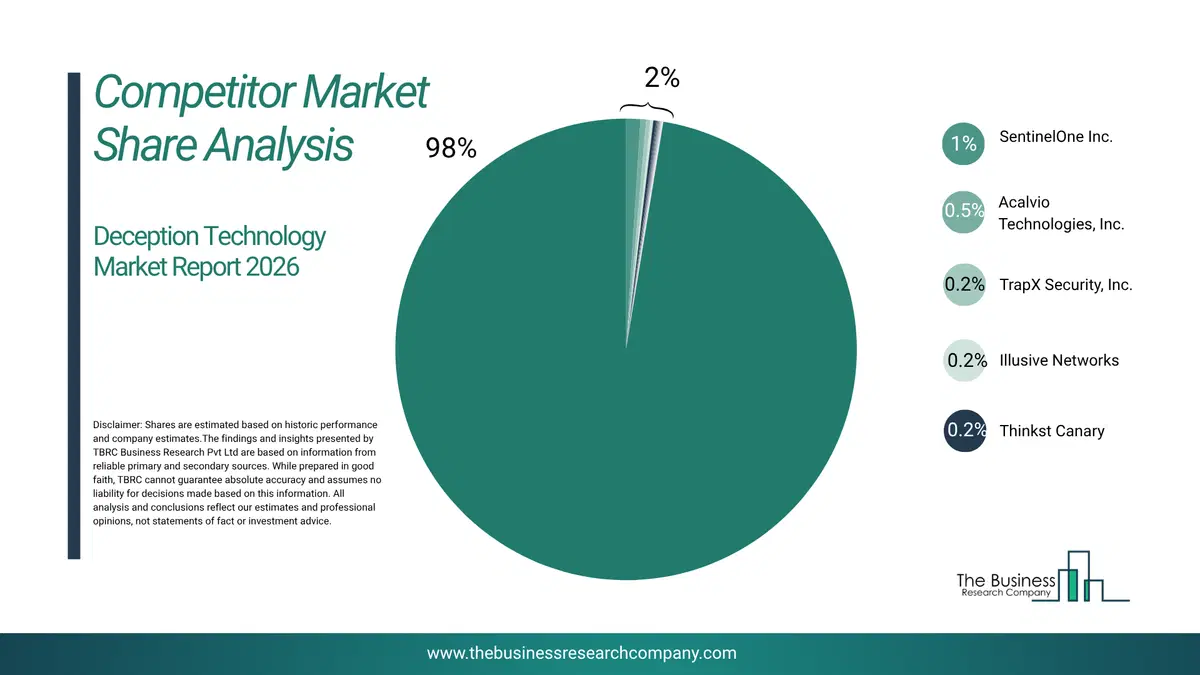
This chart is for illustrative purposes; the full report includes a detailed competitor analysis and comprehensive overview of the top 10 companies in the market.
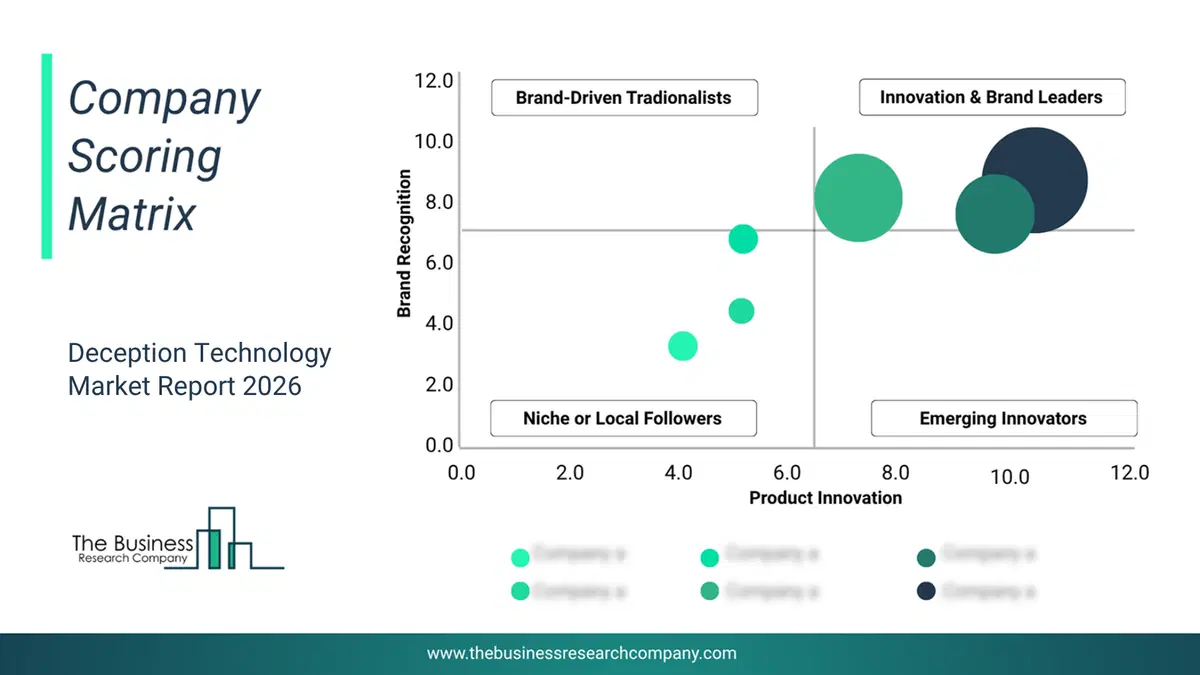
This chart maps companies by product innovation and brand strength, with bubble size indicating relative revenue, helping identify market leaders, challengers, and niche players. This is an illustrative chart; the full report provides a complete and accurate competitive analysis.
Global Deception Technology Market Trends and Insights
Major companies in the deception technology market are launching innovative solutions to sustain their position in the market, such as the Identity Threat Detection and Response (ITDR) solution. The Identity Threat Detection and Response (ITDR) solution is a solution that uniquely changes the environment to not only catch and counter cyber-attacks, but also gather threat intelligence to learn more about the attacker and better prepare defenders for the future. For instance, in February 2023, Acalvio Technologies, a US-based software company launched the Identity Threat Detection and Response (ITDR) solution which is an innovative and unique offering that addresses identity exploits. The solution integrates with existing EDR, SIEM, SOAR, NAC and other security solutions deployed at an enterprise to understand the assets in the environment, to automatically deploy deception across the enterprise, to detect usage of decoy credentials and to enable a variety of automated real-time responses. Customers can use this solution to strengthen identity security and fight against identity theft.What Are Latest Mergers And Acquisitions In The Deception Technology Market?
In March 2023, Rapid7, a US-based provider of cybersecurity solutions, acquired Minerva Labs Ltd. for an undisclosed amount. With this acquisition, Rapid7 aimed to enhance its deception technology capabilities and strengthen its portfolio in advanced threat detection to better protect customers against sophisticated cyberattacks. Minerva Labs Ltd. is an Israel-based provider of deception technology.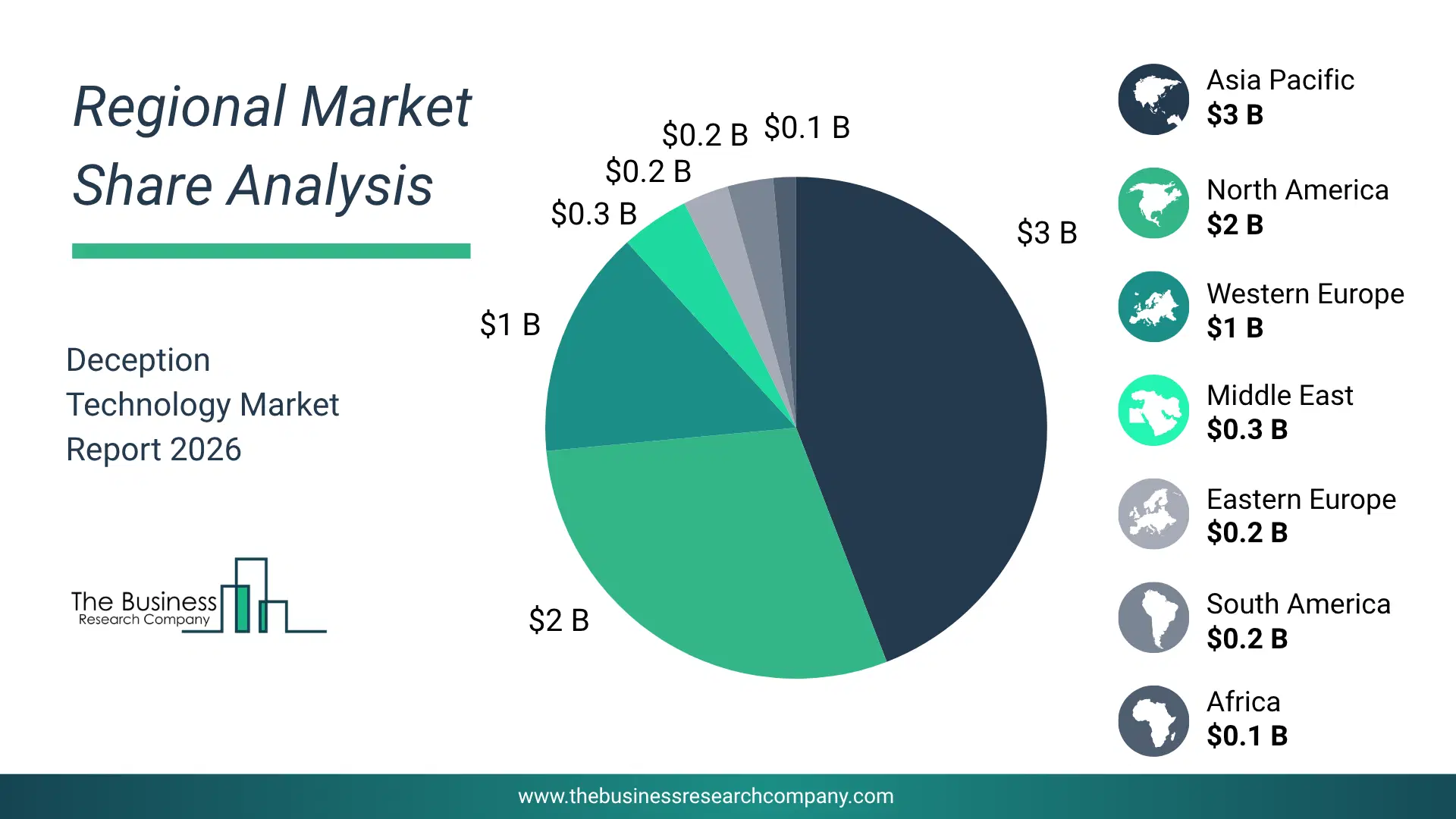
Regional Insights
North America was the largest region in the deception technology market in 2025. Asia-Pacific is expected to be the fastest-growing region in the deception technology market report during the forecast period. The regions covered in this market report are Asia-Pacific, South East Asia, Western Europe, Eastern Europe, North America, South America, Middle East, Africa. The countries covered in this market report are Australia, Brazil, China, France, Germany, India, Indonesia, Japan, Taiwan, Russia, South Korea, UK, USA, Canada, Italy, SpainWhat Defines the Deception Technology Market?
The deception technology market includes revenues earned by entities through consulting services, training and education, design and integration, and support and maintenance. The market value includes the value of related goods sold by the service provider or included within the service offering. The deception technology market also includes sales of domains, databases, directories, servers, apps, files, credentials, and breadcrumbs for providing deception technology services. Values in this market are ‘factory gate’ values, that is, the value of goods sold by the manufacturers or creators of the goods, whether to other entities (including downstream manufacturers, wholesalers, distributors, and retailers) or directly to end customers. The value of goods in this market includes related services sold by the creators of the goods.How is Market Value Defined and Measured?
The market value is defined as the revenues that enterprises gain from the sale of goods and/or services within the specified market and geography through sales, grants, or donations in terms of the currency (in USD unless otherwise specified). The revenues for a specified geography are consumption values that are revenues generated by organizations in the specified geography within the market, irrespective of where they are produced. It does not include revenues from resales along the supply chain, either further along the supply chain or as part of other products.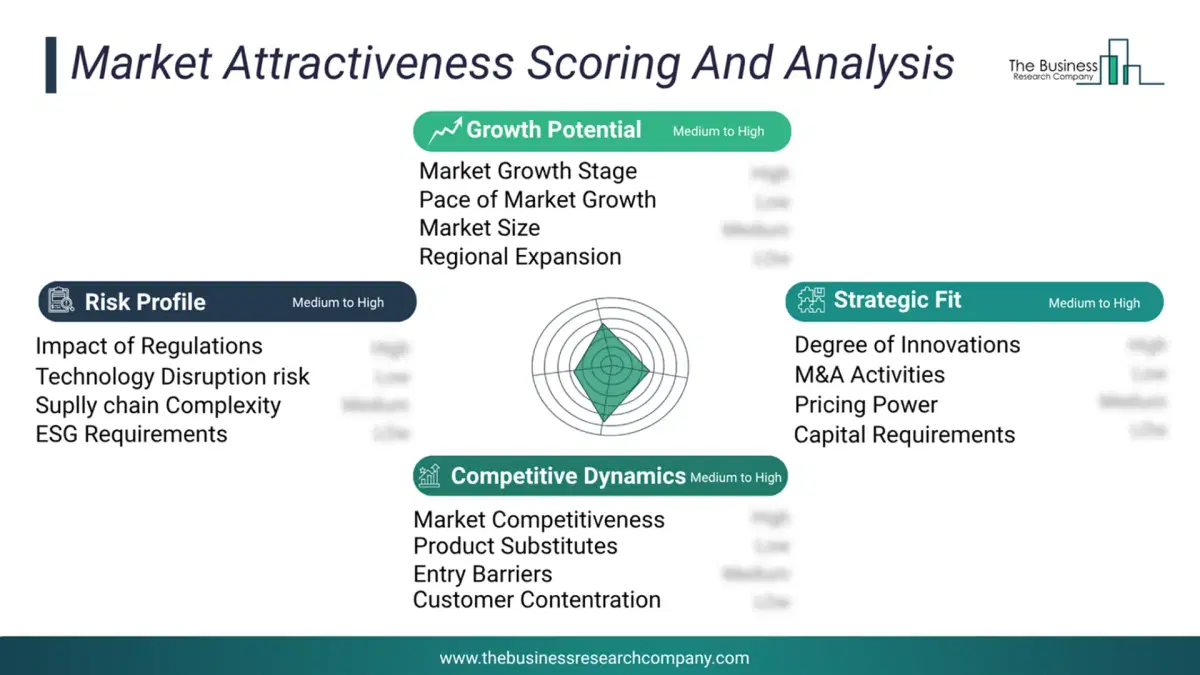
This chart presents market attractiveness based on a quantitative evaluation of growth, competition, strategic alignment, and risk, offering a clear view of opportunity areas for decision-making. This chart is for illustrative purposes; the full report contains the complete analysis.
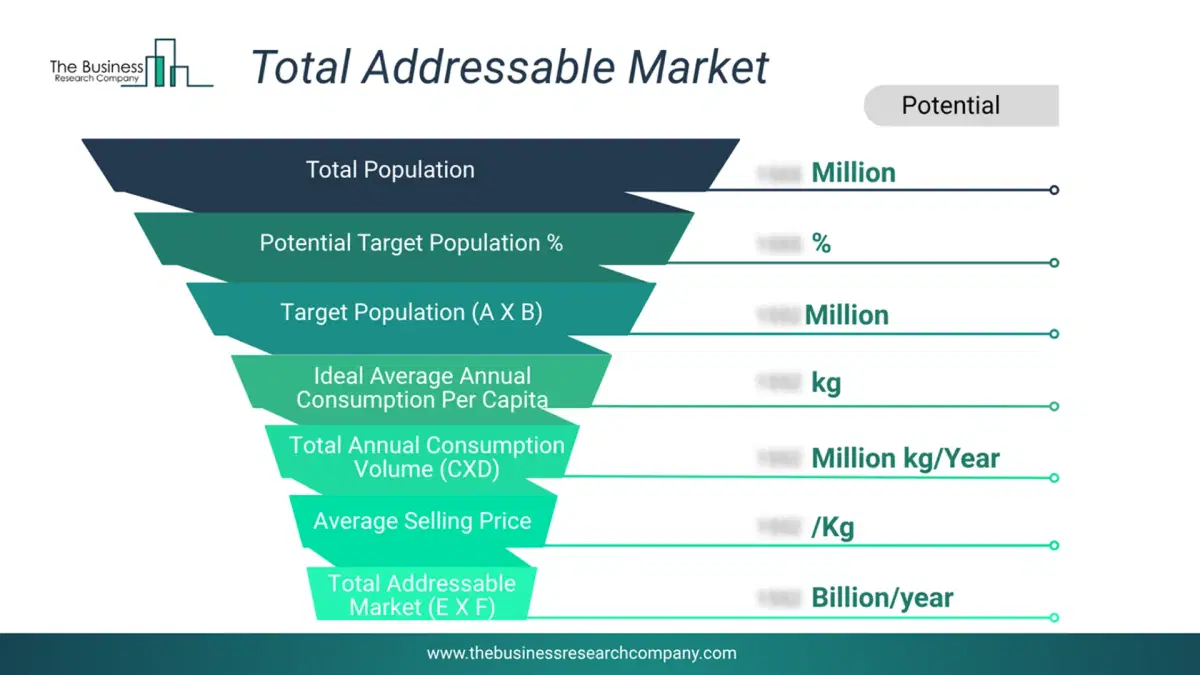
This chart highlights the Total Addressable Market (TAM) by estimating the maximum revenue opportunity using an assumption-driven approach, supporting strategic planning and opportunity sizing across markets. The chart is illustrative; the full report provides a more comprehensive analysis.
What Key Data and Analysis Are Included in the Deception Technology Market Report 2026?
The deception technology market research report is one of a series of new reports from The Business Research Company that provides market statistics, including industry global market size, regional shares, competitors with the market share, detailed market segments, market trends and opportunities, and any further data you may need to thrive in the deception technology industry. The market research report delivers a complete perspective of everything you need, with an in-depth analysis of the current and future state of the industry.Deception Technology Market Report Forecast Analysis
| Report Attribute | Details |
|---|---|
| Market Size Value In 2026 | $3.85 billion |
| Revenue Forecast In 2030 | $7.02 billion |
| Growth Rate | CAGR of 16.8% from 2026 to 2030 |
| Base Year For Estimation | 2025 |
| Actual Estimates/Historical Data | 2020-2025 |
| Forecast Period | 2026 - 2030 |
| Market Representation | Revenue in USD Billion and CAGR from 2026 to 2030 |
| Segments Covered | Deception Stack, Component, Organization Size, Deployment Mode, Vertical |
| Regional Scope | Asia-Pacific, Western Europe, Eastern Europe, North America, South America, Middle East, Africa |
| Country Scope | The countries covered in the report are Australia, Brazil, China, France, Germany, India, Indonesia, Japan, Taiwan, Russia, South Korea, UK, USA, Canada, Italy, Spain. |
| Key Companies Profiled | Illusive Networks Inc.; Rapid7 Inc.; Fidelis Cybersecurity Inc.; Allure Security Technology Inc.; CyberTrap Software GmbH; Acalvio Technologies Inc.; CounterCraft Security; Cymmetria Inc.; PacketViper LLC; Ridgeback Network Defense Inc.; Fortinet Inc.; RevBits LLC; Attivo Networks; Guardicore Ltd; Minerva Labs Ltd.; Darktrace Limited; Smokescreen Technologies Private Limited; TopSpin Security Ltd.; TrapX Security Inc.; FireEye Inc.; ARIA Cybersecurity Solutions LLC; Awake Security Inc.; Cynet Ltd. |
| Customization Scope | Request for Customization |
| Pricing And Purchase Options | Explore Purchase Options |