

Exocrine Pancreatic Insufficiency (EPI) Therapeutics And Diagnostics Market Report 2026
Global Outlook – By Therapies (Nutritional Management, Pancreatic Enzyme Replacement Therapy (PERT), Lifestyle Modifications Approach), By Diagnostics (Blood Tests, Magnetic Resonance Imaging (MRI), Endoscopic Ultra-Sonography (EUS), Computerized Tomography (CT) Scanning), By Drug Type (Generic, Branded), By Distribution Channel (Direct Tender, Retail Pharmacy , Third-Party Distributor, Other Distribution Channels), By End User (Hospitals, Specialty Clinics, Homecare, Diagnostic Center, Research And Academic Institutes, Other End Users) – Market Size, Trends, Strategies, and Forecast to 2030
Exocrine Pancreatic Insufficiency (EPI) Therapeutics And Diagnostics Market Overview
• Exocrine Pancreatic Insufficiency (EPI) Therapeutics And Diagnostics market size has reached to $6.11 billion in 2025 • Expected to grow to $8.97 billion in 2030 at a compound annual growth rate (CAGR) of 8.2% • Growth Driver: Rising Diabetes Prevalence Fuels Exocrine Pancreatic Insufficiency (EPI) Therapeutics And Diagnostics Market • Market Trend: Strategic Partnerships Drive Innovation In Exocrine Pancreatic Insufficiency (EPI) • North America was the largest region in 2025.Market Gains By 2030 – Top Opportunities By Segment
Market Gain identifies the most promising market opportunities by highlighting the segments or products expected to generate the highest incremental revenue growth over the next five years.
What Is Covered Under Exocrine Pancreatic Insufficiency (EPI) Therapeutics And Diagnostics Market?
Exocrine pancreatic insufficiency (EPI) therapeutics and diagnostics refer to treating a condition in which the pancreas does not produce enough digestive enzymes required for the proper breakdown and absorption of nutrients from food in the small intestine. EPI diagnostics and therapeutics play a crucial role in diagnosing and managing exocrine pancreatic insufficiency, helping individuals with EPI achieve better nutrient absorption and overall well-being. The main types of therapies included in exocrine pancreatic insufficiency (EPI) therapeutics and diagnostics are nutritional management, pancreatic enzyme replacement therapy (PERT) and lifestyle modifications approach. Nutritional management is a specialized approach to healthcare that involves the use of nutrition and diet to treat and manage various medical and health conditions. Various types of diagnostics are involved, including blood tests, magnetic resonance imaging (MRI), endoscopic ultrasonography (EUS) and computerized tomography (CT) scanning. Several types of drugs are used, such as generic and branded, which are sold through various distribution channels, including direct tender, retail pharmacy, third-party distributor and others and are used by various end users, such as hospitals, specialty clinics, homecare, diagnostic centers, research and academic institutes and others.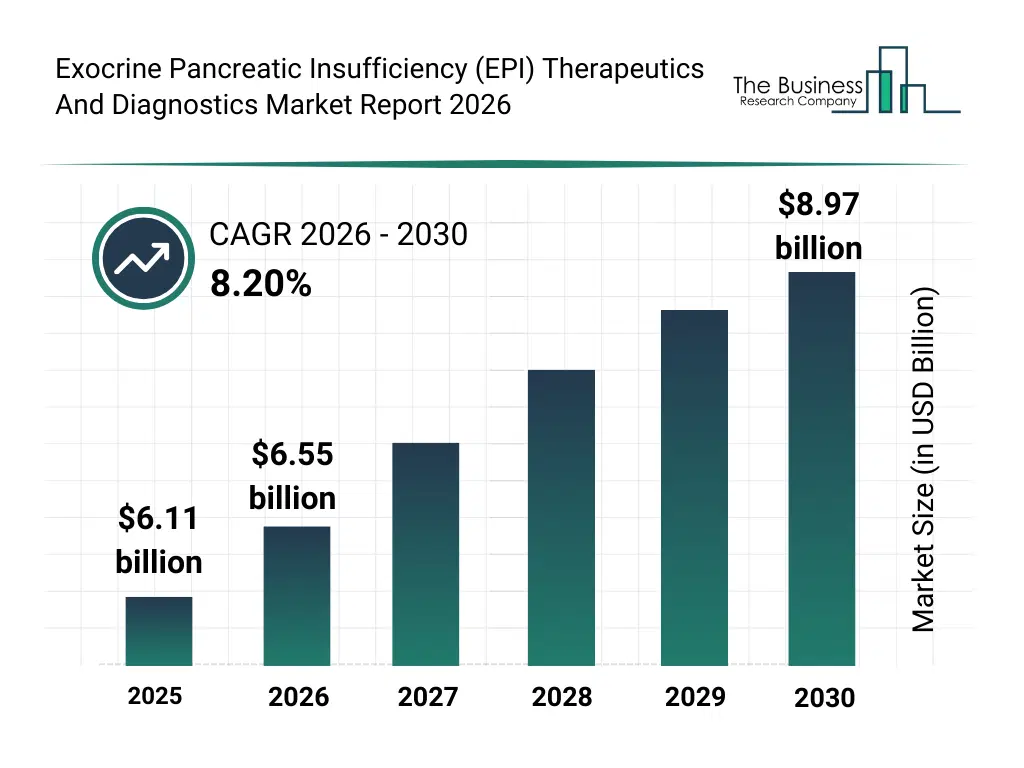
What Is The Exocrine Pancreatic Insufficiency (EPI) Therapeutics And Diagnostics Market Size and Share 2026?
The exocrine pancreatic insufficiency (epi) therapeutics and diagnostics market size has grown strongly in recent years. It will grow from $6.11 billion in 2025 to $6.55 billion in 2026 at a compound annual growth rate (CAGR) of 7.1%. The growth in the historic period can be attributed to increasing prevalence of chronic pancreatitis, rising awareness about digestive disorders, limited access to specialized diagnostics, adoption of nutritional supplements, growth in home healthcare services.What Is The Exocrine Pancreatic Insufficiency (EPI) Therapeutics And Diagnostics Market Growth Forecast?
The exocrine pancreatic insufficiency (epi) therapeutics and diagnostics market size is expected to see strong growth in the next few years. It will grow to $8.97 billion in 2030 at a compound annual growth rate (CAGR) of 8.2%. The growth in the forecast period can be attributed to advancements in personalized enzyme therapies, integration of ai in diagnostics, rising demand for non-invasive imaging, expansion of telehealth services, growing focus on patient-centric nutritional management. Major trends in the forecast period include advanced pancreatic enzyme replacement therapies, point-of-care diagnostic solutions, personalized nutritional management programs, non-invasive imaging techniques for epi, integration of telehealth in epi management.
Global Exocrine Pancreatic Insufficiency (EPI) Therapeutics And Diagnostics Market Segmentation
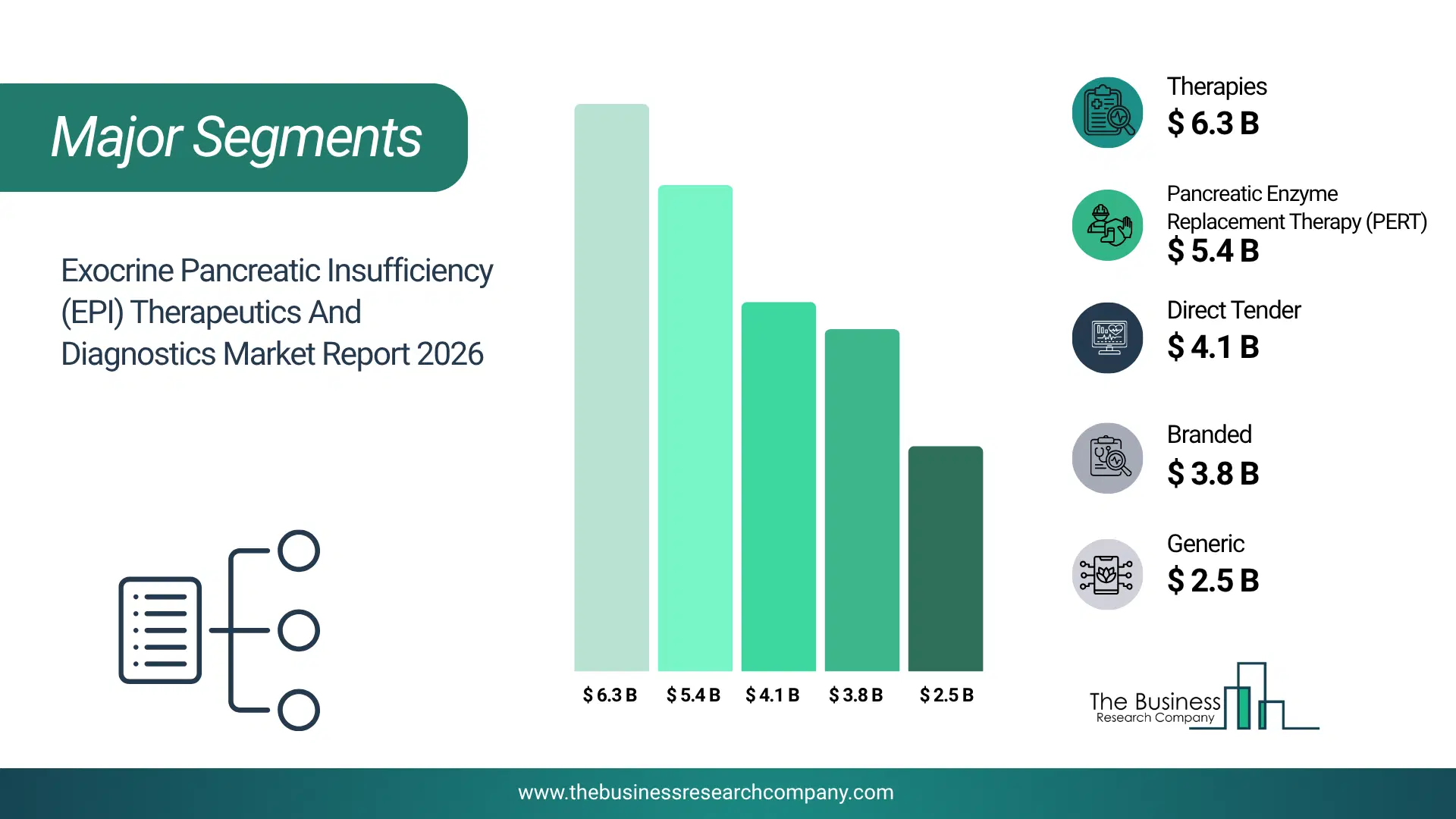
1) By Therapies: Nutritional Management, Pancreatic Enzyme Replacement Therapy (PERT), Lifestyle Modifications Approach 2) By Diagnostics: Blood Tests, Magnetic Resonance Imaging (MRI), Endoscopic Ultra-Sonography (EUS), Computerized Tomography (CT) Scanning 3) By Drug Type: Generic, Branded 4) By Distribution Channel: Direct Tender, Retail Pharmacy , Third-Party Distributor, Other Distribution Channels 5) By End User: Hospitals, Specialty Clinics, Homecare, Diagnostic Center, Research And Academic Institutes, Other End Users Subsegments: 1) By Nutritional Management: Dietary Modifications, Nutritional Supplements 2) By Pancreatic Enzyme Replacement Therapy (PERT): Capsule Formulations, Tablet Formulations, Powder Formulations 3) By Lifestyle Modifications Approach: Weight Management, Physical Activity Recommendations, Smoking Cessation Programs The top segments in the exocrine pancreatic insufficiency (epi) therapeutics and diagnostics market will be: • Therapies will reach $6384.67 Million by 2030. • Pancreatic Enzyme Replacement Therapy (PERT) will reach $5458.08 Million by 2030. • Direct Tender will reach $4135.26 Million by 2030. • Branded will reach $3821.68 Million by 2030. • Generic will reach $2562.99 Million by 2030.What Are The Drivers Of The Exocrine Pancreatic Insufficiency (EPI) Therapeutics And Diagnostics Market?
The increasing number of people with diabetes is expected to propel the growth of the exocrine pancreatic insufficiency (EPI) therapeutics and diagnostics market going forward. Diabetes refers to a chronic metabolic disorder characterized by high blood sugar levels (hyperglycemia) over a prolonged period. This condition results from the body's inability to produce enough insulin or effectively use the insulin it produces. EPI therapy, which involves pancreatic enzyme replacement therapy (PERT), can help improve nutrient absorption in people with diabetes and EPI. It can also help improve glycemic control in people with diabetes. For instance, in June 2024, according to The National Health Service (NHS England), a UK-based publicly funded healthcare system, in 2023, the number of individuals identified by the NHS in England as having pre-diabetes rose to 3,615,330, marking an 18% increase from 3,065,825 in 2022. Additionally, among those under 40, cases surged nearly 25%, growing from 173,166 in 2022 to 216,440 in 2023. Therefore, the increasing number of people with diabetes is driving the growth of the exocrine pancreatic insufficiency (EPI) therapeutics and diagnostics industry. The increasing incidence of gastrointestinal diseases is expected to propel the growth of the exocrine pancreatic insufficiency (EPI) therapeutics and diagnostics market going forward. Gastrointestinal diseases refer to a group of medical conditions that affect the gastrointestinal tract, which includes the organs responsible for digestion. Exocrine pancreatic insufficiency (EPI) therapeutics and diagnostics play a crucial role in managing gastrointestinal diseases by addressing the underlying enzyme deficiency and aiding in the proper digestion of nutrients. Exocrine pancreatic insufficiency (EPI) therapeutics and diagnostics play a crucial role in the management of gastrointestinal diseases, as they address the underlying enzyme deficiency and assist in digestion. For instance, in June 2023, according to Crohn's and Colitis Canada, a Canada-based non-profit organization, over 322,600 Canadians were estimated to be living with inflammatory bowel diseases (IBD) in 2023, accounting for approximately 0.82% of the population. As the prevalence of IBD continues, it is estimated that around 470,000 Canadians will be living with IBD by 2035, approximately 1.1% of the population, or 1 in every 91 people in the country. Therefore, the increasing incidence of gastrointestinal diseases is expected to propel the growth of the exocrine pancreatic insufficiency (EPI) therapeutics and diagnostics industry.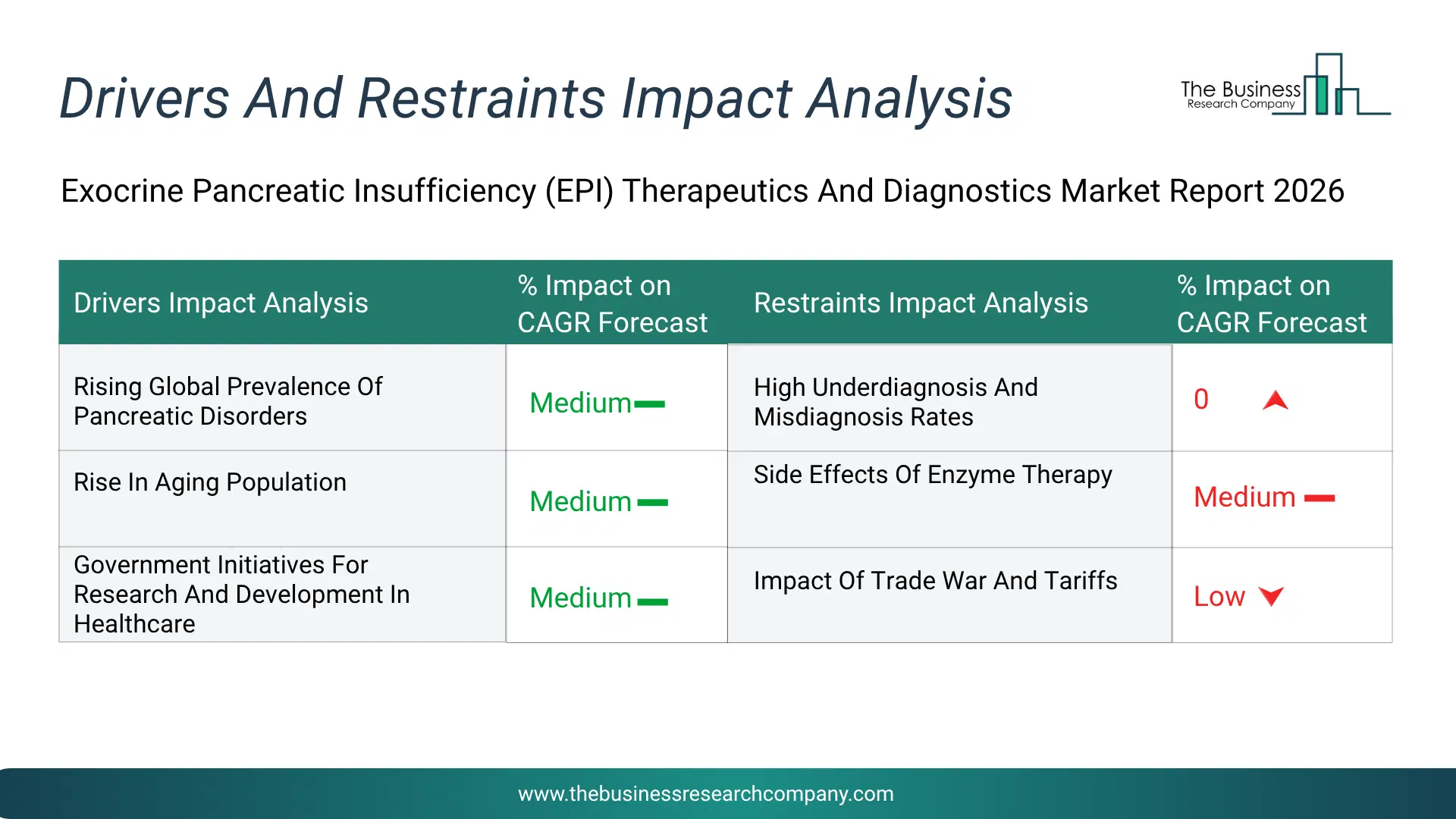
Infographic Chart Showing Key Market Drivers Analysis And Restraints For Exocrine Pancreatic Insufficiency (Epi) Therapeutics And Diagnostics Market
The chart presents an impact analysis of key drivers and restraints, quantifying their relative influence on the market's growth rate and helping assess the balance between growth enablers and limiting factors. This chart offers a high-level perspective; the full report contains more detailed insights.
How Will The Drivers Impact Growth In The Global Exocrine Pancreatic Insufficiency (EPI) Therapeutics And Diagnostics Market?
• Rising Global Prevalence Of Pancreatic Disorders (Medium) – During the forecast period, the rising global prevalence of pancreatic disorders is expected to be a key driver propelling growth in the exocrine pancreatic insufficiency (EPI) therapeutics and diagnostics market. As pancreatic diseases such as pancreatic cancer and chronic pancreatitis become increasingly common worldwide, healthcare systems are witnessing a growing number of patients experiencing impaired pancreatic function and digestive enzyme deficiencies. The growing burden of pancreatic diseases is expanding the number of patients requiring clinical diagnosis, enzyme replacement therapy, and ongoing medical management. The growth in rising global prevalence of pancreatic disorders growth during the forecast period in 2025 is 1.8%. • Rise In Aging Population (Medium) – During the forecast period, the rise in the aging population is expected to be a key driver propelling growth in the exocrine pancreatic insufficiency (EPI) therapeutics and diagnostics market. As global life expectancy increases and fertility rates decline, the proportion of elderly individuals within the global population continues to expand significantly. The growing aging population is increasing the number of individuals susceptible to age-related digestive disorders and pancreatic dysfunction that can impair enzyme production and nutrient absorption. The growth in rise in the aging population growth contribution during the forecast period in 2025 is 1.5%. • Government Initiatives For Research And Development In Healthcare (Medium) – During the forecast period, government initiatives for research and development in healthcare are expected to be a key driver propelling growth in the exocrine pancreatic insufficiency (EPI) therapeutics and diagnostics market. As governments increasingly prioritize strengthening healthcare systems and expanding biomedical research capabilities, greater public funding is being allocated to support scientific studies and innovation in disease diagnosis and treatment. The growing investment in healthcare research programs is expanding scientific exploration of gastrointestinal and pancreatic disorders across research institutions and healthcare systems. The expansion of publicly funded healthcare research initiatives increases clinical understanding and medical advancements, driving demand for improved therapies and diagnostic solutions in the exocrine pancreatic insufficiency (EPI) therapeutics and diagnostics market. The growth in government initiatives for research and development in healthcare growth contribution during the forecast period in 2025 is 1.0%. • Increasing Prevalence Of Diabetes (Low) – During the forecast period, the increasing prevalence of diabetes is expected to be a key driver propelling growth in the exocrine pancreatic insufficiency (EPI) therapeutics and diagnostics market. As the global burden of diabetes continues to rise due to changing lifestyles, increasing obesity rates, and aging populations, healthcare systems are witnessing a growing number of patients affected by metabolic and pancreatic disorders. The growing prevalence of diabetes is expanding the number of individuals experiencing pancreatic dysfunction and digestive enzyme insufficiency. The expansion of the diabetic patient population increases pancreatic complications and digestive disorders, driving demand for effective treatment and diagnostic solutions in the exocrine pancreatic insufficiency (EPI) therapeutics and diagnostics market. The growth in increasing prevalence of diabetes growth contribution during the forecast period in 2025 is 0.5%.How Will The Restraints Impact Growth In The Global Exocrine Pancreatic Insufficiency (EPI) Therapeutics And Diagnostics Market?
• High Underdiagnosis And Misdiagnosis Rates (Medium) – During the forecast period, high underdiagnosis and misdiagnosis rates are expected to restrict the growth of the exocrine pancreatic insufficiency (EPI) therapeutics and diagnostics market. As the symptoms of EPI, including diarrhea, weight loss, bloating, and malnutrition, often overlap with other gastrointestinal disorders, accurate identification of the condition becomes challenging in routine clinical practice. The similarity of symptoms with diseases such as irritable bowel syndrome and celiac disease increases the likelihood that many patients remain undiagnosed or incorrectly diagnosed for extended periods. The presence of high underdiagnosis and misdiagnosis rates can delay appropriate treatment and limit patient access to pancreatic enzyme therapies and diagnostic testing. Growth affected by high underdiagnosis and misdiagnosis rates during the forecast period in 2025 is -1.5%. • Side Effects Of Enzyme Therapy (Medium) – During the forecast period, side effects of enzyme therapy are expected to restrict the growth of the exocrine pancreatic insufficiency (EPI) therapeutics and diagnostics market. As pancreatic enzyme replacement therapy is increasingly used to manage digestive enzyme deficiencies in patients with pancreatic disorders, some individuals may experience gastrointestinal complications associated with the treatment. The use of pancreatic enzyme supplements can lead to symptoms such as abdominal pain, nausea, diarrhea, constipation, bloating, and vomiting in certain patients. The presence of treatment-related side effects and gastrointestinal discomfort can reduce patient adherence and treatment effectiveness, thereby slowing the large-scale adoption of therapies in the exocrine pancreatic insufficiency (EPI) therapeutics and diagnostics market. Growth affected by side effects of enzyme therapy during the forecast period in 2025 is -1.0%. • Impact Of Trade War And Tariffs (Medium) – During the forecast period, the impact of trade wars and tariffs is expected to restrict the growth of the exocrine pancreatic insufficiency (EPI) therapeutics and diagnostics market. As governments increasingly impose tariffs on pharmaceutical imports and raw materials to strengthen domestic manufacturing and address geopolitical trade tensions, global pharmaceutical supply chains face rising uncertainty and cost pressures. The growing reliance of the pharmaceutical industry on internationally sourced active pharmaceutical ingredients and manufacturing inputs increases vulnerability to tariff-related disruptions and price increases. Growth affected by impact of trade wars and tariffs during the forecast period in 2025 is -0.3%.Key Players In The Global Exocrine Pancreatic Insufficiency (EPI) Therapeutics And Diagnostics Market
Major companies operating in the exocrine pancreatic insufficiency (epi) therapeutics and diagnostics market are Abbott Laboratories, Metagenics LLC, Chiesi Farmaceutici S.p.A., Nordmark Arzneimittel GmbH & Co. KG, Digestive Care Inc., Bioserv Diagnostics Gmbh, Aptalis Pharma Inc., EagleBiosciences Inc., ScheBo Biotech AG, Solvay S.A., Codexis Inc., ChiRhoClin Inc., Alcresta Therapeutics Inc., Cilian AG, First Wave BioPharma Inc., Laboratory Corporation of America Holdings, Organon, Vivus Inc., Anthera Pharmaceuticals Inc., Teva Pharmaceutical Industries Ltd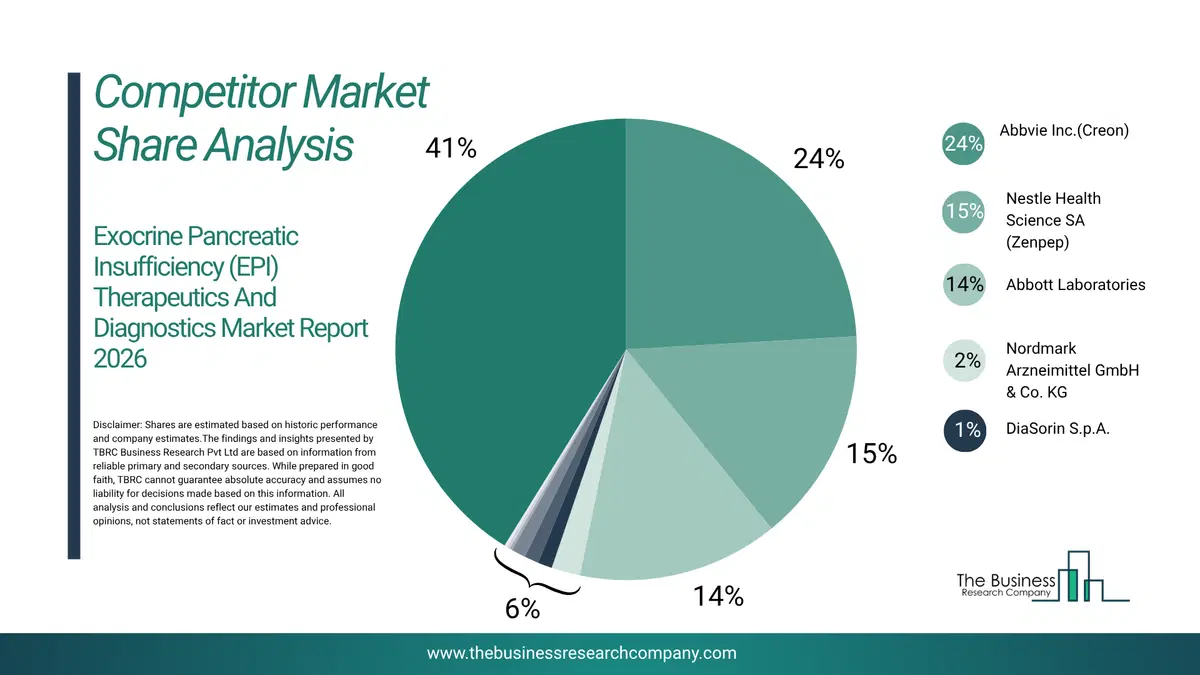
This chart is for illustrative purposes; the full report includes a detailed competitor analysis and comprehensive overview of the top 10 companies in the market.
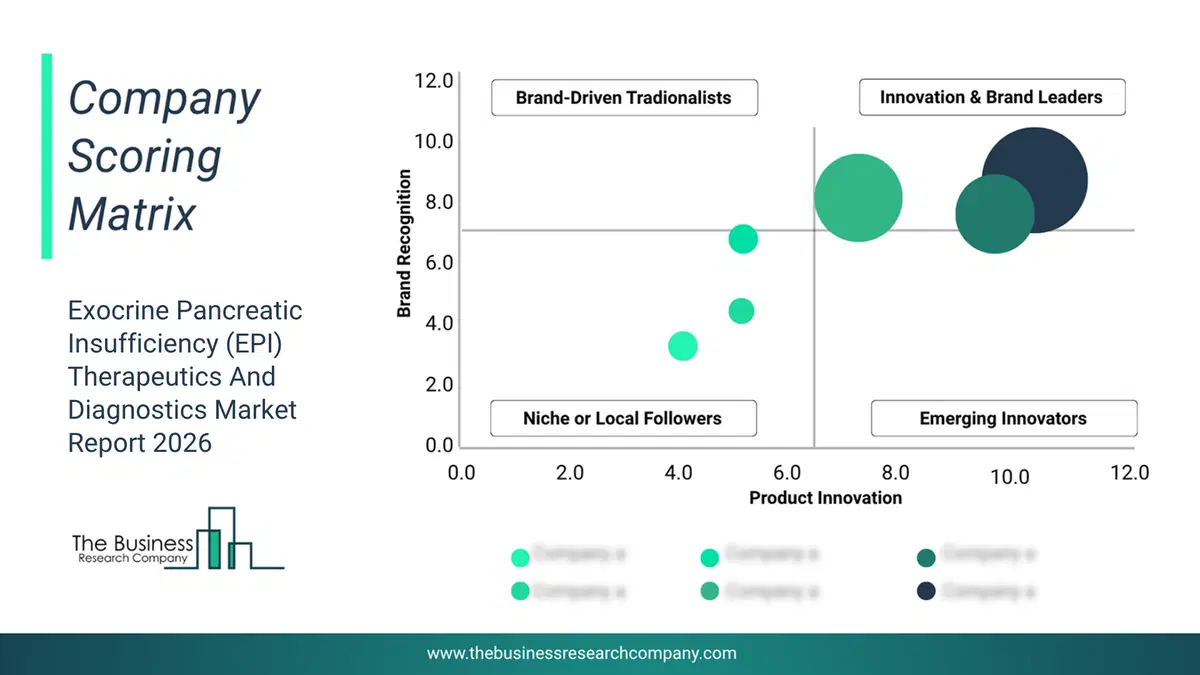
This chart maps companies by product innovation and brand strength, with bubble size indicating relative revenue, helping identify market leaders, challengers, and niche players. This is an illustrative chart; the full report provides a complete and accurate competitive analysis.
Global Exocrine Pancreatic Insufficiency (EPI) Therapeutics And Diagnostics Market Trends and Insights
Major companies operating in the exocrine pancreatic insufficiency (EPI) therapeutics and diagnostics market are adopting a strategic partnership approach to enhance technology integration and expand market reach. A strategic partnership typically refers to a collaborative relationship between two or more organizations where they combine their resources, expertise, and efforts to achieve common goals or objectives. For instance, in February 2023, Codexis, Inc., a US-based protein engineering company, and Nestlé Health Science, a Switzerland-based science of nutrition, announced interim results from their Phase 1 clinical trial of CDX-7108, an investigational therapy aimed at treating exocrine pancreatic insufficiency (EPI). The results from this Phase 1 trial pave the way for further studies that could significantly improve treatment options for patients suffering from EPI.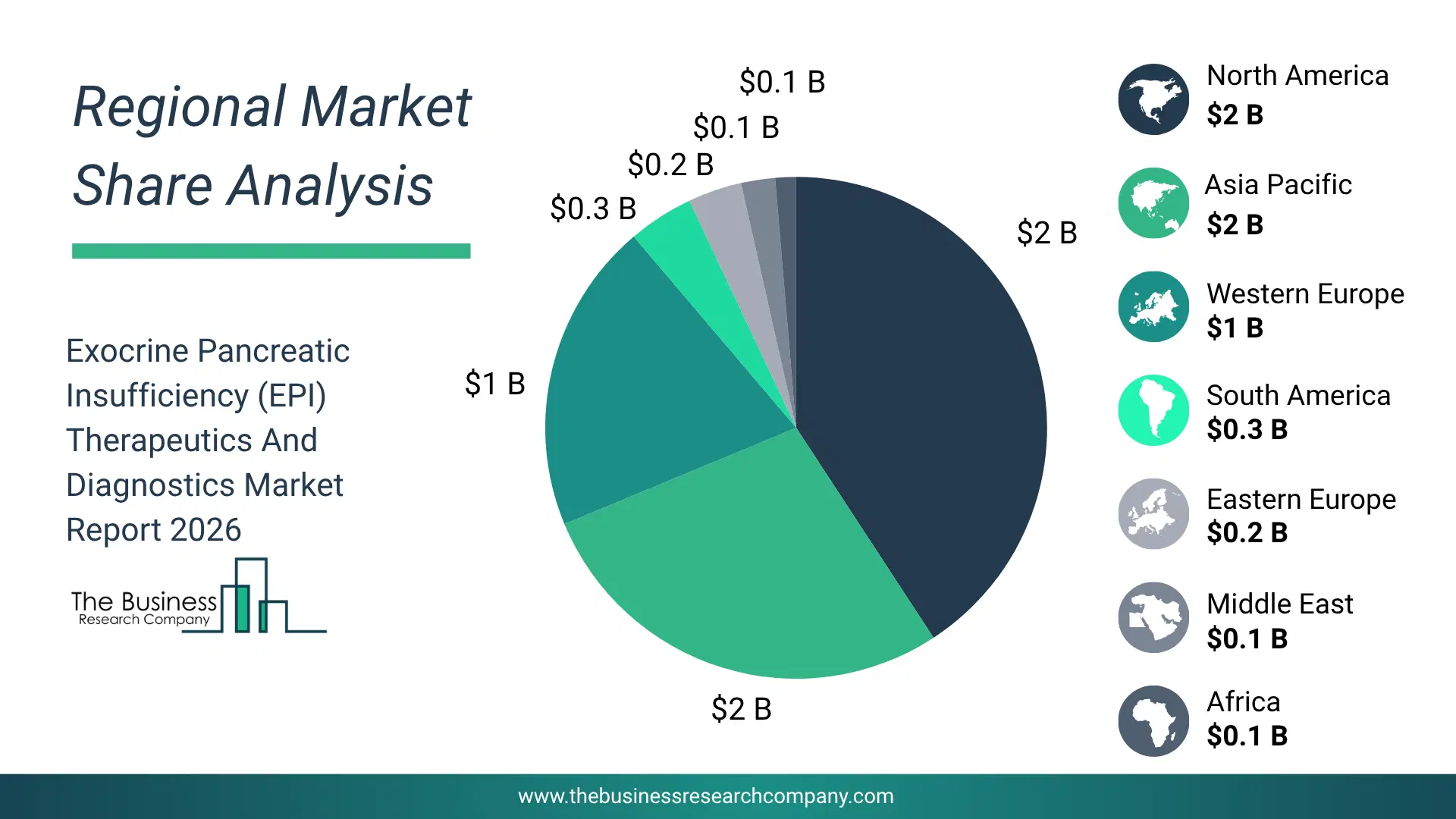
Regional Insights
North America was the largest region in the exocrine pancreatic insufficiency (EPI) therapeutics and diagnostics market in 2025. The regions covered in this market report are Asia-Pacific, South East Asia, Western Europe, Eastern Europe, North America, South America, Middle East, Africa. The countries covered in this market report are Australia, Brazil, China, France, Germany, India, Indonesia, Japan, Taiwan, Russia, South Korea, UK, USA, Canada, Italy, Spain.What Defines the Exocrine Pancreatic Insufficiency (EPI) Therapeutics And Diagnostics Market?
The exocrine pancreatic insufficiency (EPI) therapeutics and diagnostics market consists of revenues earned by entities by providing dietary interventions and bile acid replacement therapy (BAR). The market value includes the value of related goods sold by the service provider or included within the service offering. The exocrine pancreatic insufficiency (EPI) therapeutics and diagnostics market also includes sales of Creon, Zenpep and Ultresa. Values in this market are ‘factory gate’ values, that is the value of goods sold by the manufacturers or creators of the goods, whether to other entities (including downstream manufacturers, wholesalers, distributors and retailers) or directly to end customers. The value of goods in this market includes related services sold by the creators of the goods.How is Market Value Defined and Measured?
The market value is defined as the revenues that enterprises gain from the sale of goods and/or services within the specified market and geography through sales, grants, or donations in terms of the currency (in USD unless otherwise specified). The revenues for a specified geography are consumption values that are revenues generated by organizations in the specified geography within the market, irrespective of where they are produced. It does not include revenues from resales along the supply chain, either further along the supply chain or as part of other products.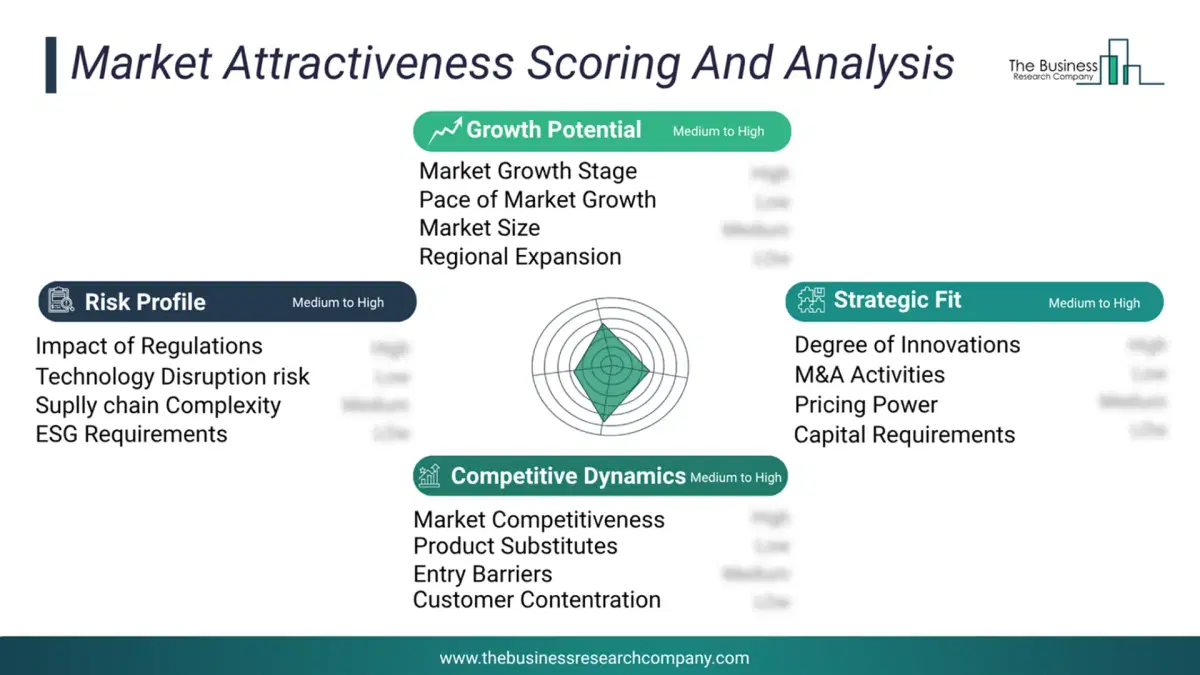
This chart presents market attractiveness based on a quantitative evaluation of growth, competition, strategic alignment, and risk, offering a clear view of opportunity areas for decision-making. This chart is for illustrative purposes; the full report contains the complete analysis.
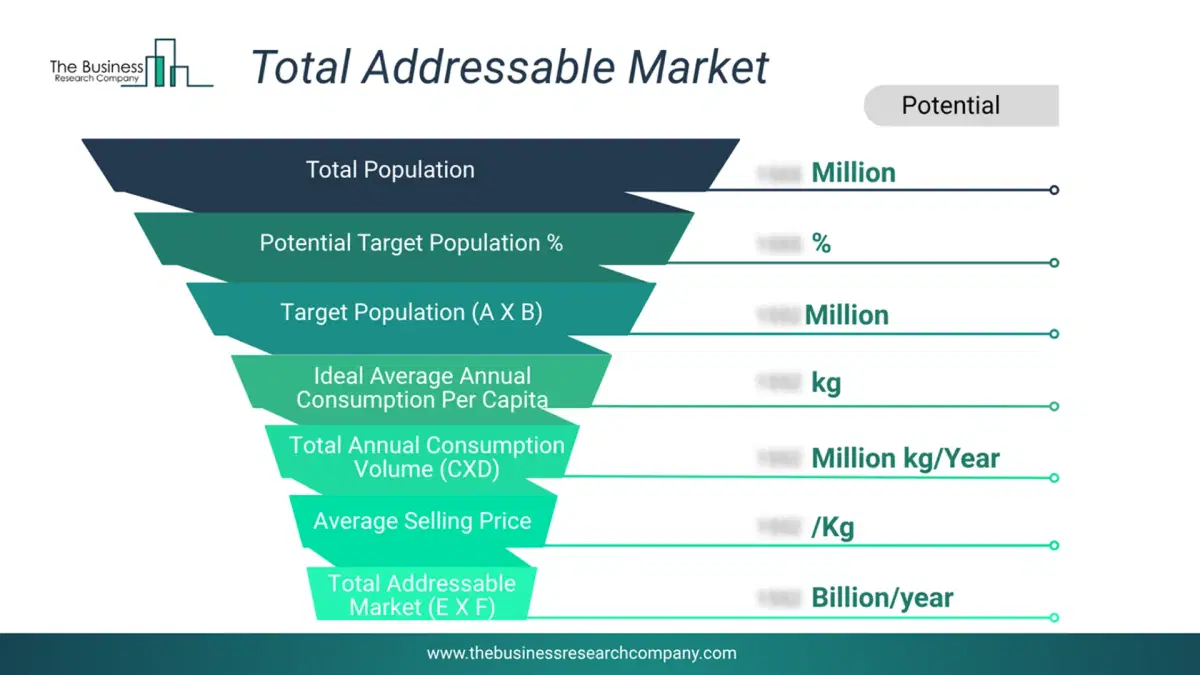
This chart highlights the Total Addressable Market (TAM) by estimating the maximum revenue opportunity using an assumption-driven approach, supporting strategic planning and opportunity sizing across markets. The chart is illustrative; the full report provides a more comprehensive analysis.
What Key Data and Analysis Are Included in the Exocrine Pancreatic Insufficiency (EPI) Therapeutics And Diagnostics Market Report 2026?
The exocrine pancreatic insufficiency (epi) therapeutics and diagnostics market research report is one of a series of new reports from The Business Research Company that provides market statistics, including industry global market size, regional shares, competitors with the market share, detailed market segments, market trends and opportunities, and any further data you may need to thrive in the exocrine pancreatic insufficiency (epi) therapeutics and diagnostics industry. The market research report delivers a complete perspective of everything you need, with an in-depth analysis of the current and future state of the industry.Exocrine Pancreatic Insufficiency (EPI) Therapeutics And Diagnostics Market Report Forecast Analysis
| Report Attribute | Details |
|---|---|
| Market Size Value In 2026 | $6.55 billion |
| Revenue Forecast In 2030 | $8.97 billion |
| Growth Rate | CAGR of 7.1% from 2026 to 2030 |
| Base Year For Estimation | 2025 |
| Actual Estimates/Historical Data | 2020-2025 |
| Forecast Period | 2026 - 2030 - 2035 |
| Market Representation | Revenue in USD Billion and CAGR from 2026 to 2030 |
| Segments Covered | Therapies, Diagnostics, Drug Type, Distribution Channel, End User |
| Regional Scope | Asia-Pacific, Western Europe, Eastern Europe, North America, South America, Middle East, Africa |
| Country Scope | The countries covered in the report are Australia, Brazil, China, France, Germany, India, Indonesia, Japan, Taiwan, Russia, South Korea, UK, USA, Canada, Italy, Spain. |
| Key Companies Profiled | Abbott Laboratories, Metagenics LLC, Chiesi Farmaceutici S.p.A., Nordmark Arzneimittel GmbH & Co. KG, Digestive Care Inc., Bioserv Diagnostics Gmbh, Aptalis Pharma Inc., EagleBiosciences Inc., ScheBo Biotech AG, Solvay S.A., Codexis Inc., ChiRhoClin Inc., Alcresta Therapeutics Inc., Cilian AG, First Wave BioPharma Inc., Laboratory Corporation of America Holdings, Organon, Vivus Inc., Anthera Pharmaceuticals Inc., Teva Pharmaceutical Industries Ltd |
| Customization Scope | Request for Customization |
| Pricing And Purchase Options | Explore Purchase Options |