
Herbal Supplements Market Report 2026
Global Outlook – By Form (Tablets, Capsules, Liquid, Powder And Granules, Soft Gels), By Sources (Leaves, Fruits, Roots, Vegetables, Barks), By Application (Food And Beverages, Pharmaceuticals, Personal Care), By Distribution (Store Based, Non-Store Based) – Market Size, Trends, Strategies, and Forecast to 2030
Herbal Supplements Market Overview
• Herbal Supplements market size has reached to $53.25 billion in 2025 • Expected to grow to $74.26 billion in 2030 at a compound annual growth rate (CAGR) of 6.9% • Growth Driver: Geriatric Population Surge Spurs Growth In The Herbal Supplement Market • Market Trend: Innovative Solutions Embraces Natural Ingredient Supplements For Holistic Health • North America was the largest region in 2025 and Asia-Pacific is the fastest growing region.Market Gains By 2030 – Top Opportunities By Segment
Market Gain identifies the most promising market opportunities by highlighting the segments or products expected to generate the highest incremental revenue growth over the next five years.
What Is Covered Under Herbal Supplements Market?
Herbal supplements refer to a plant-based substance that is believed to be helpful in maintaining or treating health. It aids in strengthening immunity without causing adverse effects and is more successful in relieving symptoms, particularly when treating allergies. The main forms of herbal supplements are tablets, capsules, liquids, powders, granules, and soft gels. Herbal tablet supplements are derived from plants, oils, roots, seeds, berries, or flowers and are sold in tablet form to maintain health or treat health problems. Herbal supplements are sourced from leaves, fruits, roots, vegetables, and barks. The different applications of herbal supplements include food and beverages, pharmaceuticals, and personal care products, which are distributed through store-based and non-store-based channels.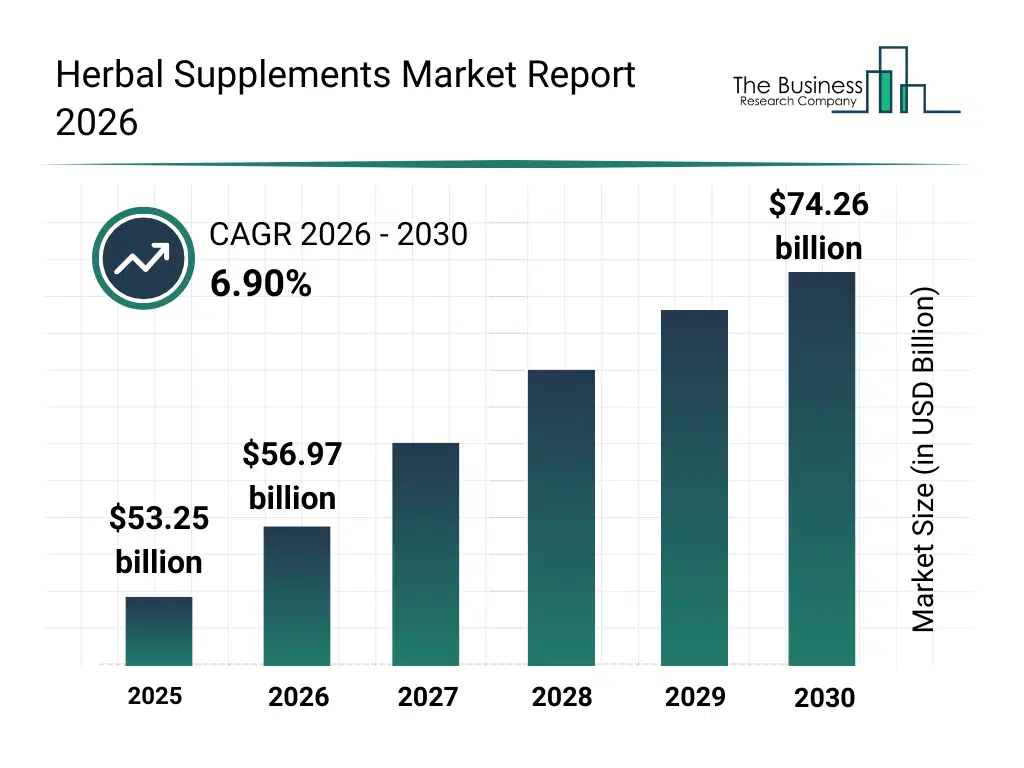
What Is The Herbal Supplements Market Size and Share 2026?
The herbal supplements market size has grown strongly in recent years. It will grow from $53.25 billion in 2025 to $56.97 billion in 2026 at a compound annual growth rate (CAGR) of 7.0%. The growth in the historic period can be attributed to increased consumer awareness about natural remedies, growing prevalence of lifestyle diseases, rise in self-medication trends, traditional medicine adoption in asia, early investments in herbal supplement r&d.What Is The Herbal Supplements Market Growth Forecast?
The herbal supplements market size is expected to see strong growth in the next few years. It will grow to $74.26 billion in 2030 at a compound annual growth rate (CAGR) of 6.9%. The growth in the forecast period can be attributed to expansion in e-commerce distribution channels, growing demand for immunity-boosting supplements, advancements in herbal extraction technologies, rise in preventive healthcare, increasing partnerships between pharma and herbal brands. Major trends in the forecast period include immunity-boosting formulations, natural allergy relief solutions, plant-based wellness supplements, functional herbal ingredients, herbal supplement personalization.
Global Herbal Supplements Market Segmentation
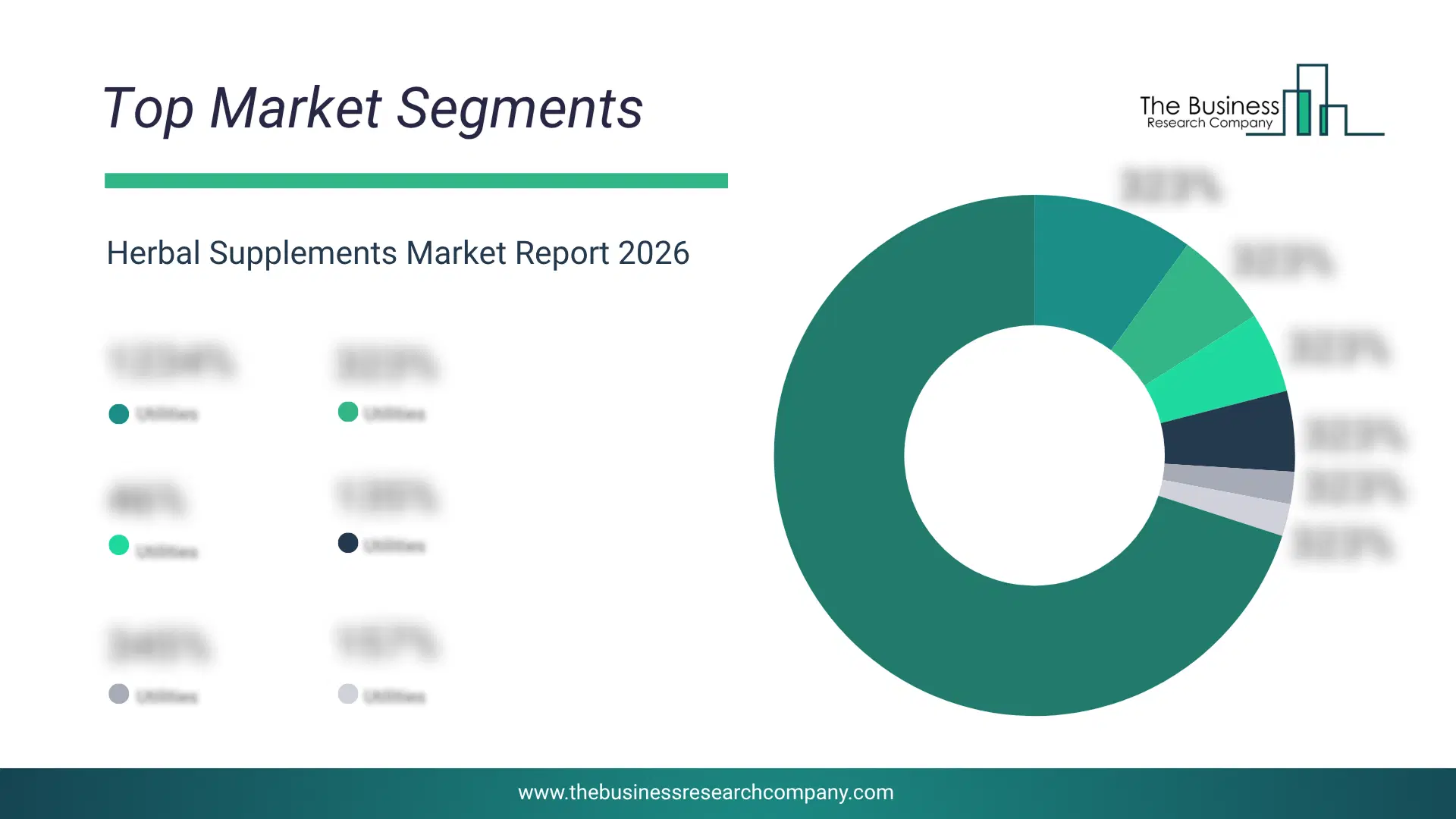
1) By Form: Tablets, Capsules, Liquid, Powder And Granules, Soft Gels 2) By Sources: Leaves, Fruits, Roots, Vegetables, Barks 3) By Application: Food And Beverages, Pharmaceuticals, Personal Care 4) By Distribution: Store Based, Non-Store Based Subsegments: 1) By Tablets: Compressed Herbal Tablets, Coated Herbal Tablets 2) By Capsules: Hard-Shell Capsules, Soft-Shell Capsules 3) By Liquid: Herbal Extracts, Herbal Tinctures 4) By Powder And Granules: Herbal Powders, Granulated Herbal Supplements 5) By Soft Gels: Herbal Soft Gel Capsules, Gelatin-Based Herbal Soft Gels The top segments in the herbal supplements market will be: • Tablets will reach $21 Billion by 2030. • Capsules will reach $19 Billion by 2030. • Liquid will reach $13 Billion by 2030. • Powder and Granules will reach $12 Billion by 2030. • Soft Gels will reach $9 Billion by 2030.What Is The Driver Of The Herbal Supplements Market?
The rising geriatric population is expected to propel the growth of the herbal supplement market going forward. The geriatric population is the segment of the population that consists of older adults, typically defined as individuals who are 65 or older. Geriatric populations often utilize herbal supplements to address various health concerns, aiming for potential relief from age-related issues or to complement conventional treatments, although caution is advised due to potential interactions with medications and varying efficacy. For instance, in October 2025, according to the World Health Organization, a US-based specialized health agency, by 2050, the global population of individuals aged 60 and above is projected to double, reaching 2.1 billion. Therefore, the rising geriatric population is driving the growth of the herbal supplement industry.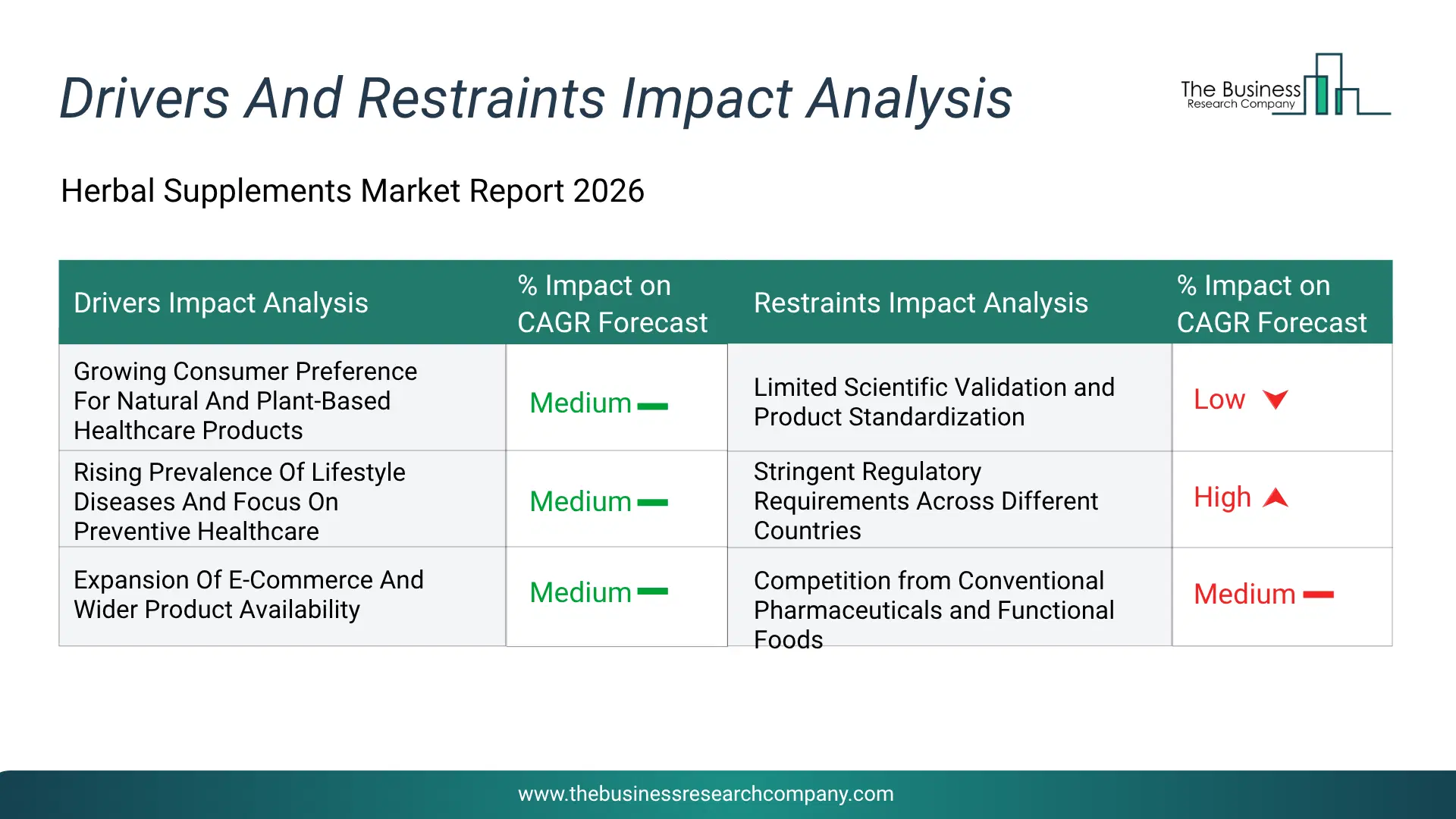
Infographic Chart Showing Key Market Drivers Analysis And Restraints For Herbal Supplements Market
The chart presents an impact analysis of key drivers and restraints, quantifying their relative influence on the market's growth rate and helping assess the balance between growth enablers and limiting factors. This chart offers a high-level perspective; the full report contains more detailed insights.
How Will The Drivers Impact Growth In The Global Herbal Supplements Market?
• Growing Consumer Preference For Natural And Plant-Based Healthcare Products (Medium) – During the forecast period, the growing consumer preference for natural and plant-based healthcare products is expected to emerge as a major factor driving the expansion of the herbal supplements market by 2030. consumers are increasingly choosing herbal formulations over synthetic alternatives due to concerns regarding artificial ingredients and long-term health effects. the growing popularity of clean-label products, plant-based lifestyles, and holistic wellness approaches is further encouraging the adoption of herbal supplements across multiple age groups. • Rising Prevalence Of Lifestyle Diseases And Focus On Preventive Healthcare (Medium) – During the forecast period, the rising prevalence of lifestyle diseases and focus on preventive healthcare are expected to emerge as a major factor driving the expansion of the herbal supplements market by 2030. increasing incidences of obesity, diabetes, cardiovascular disorders, digestive conditions, and stress-related illnesses are encouraging consumers to incorporate herbal supplements into their daily wellness routines. in addition, growing emphasis on disease prevention, healthy aging, and long-term nutritional support is expanding the market across both younger and older populations. • Expansion Of E-Commerce And Wider Product Availability (Medium) – During the forecast period, the expansion of e-commerce and wider product availability are expected to act as a key growth catalyst for the herbal supplements market by 2030. online retail channels are improving consumer access to a wide variety of herbal products while enabling convenient product comparisons, personalized recommendations, subscription services, and direct-to-consumer purchasing. digital marketing initiatives and expanding online distribution networks are further increasing product visibility and customer engagement worldwide.How Will The Restraints Impact Growth In The Global Herbal Supplements Market?
• Limited Scientific Validation and Product Standardization (Medium) – During the forecast period, many herbal supplements lack large-scale clinical studies that conclusively establish their efficacy and safety. Variability in plant sources, extraction methods, and ingredient concentrations creates inconsistent product quality. Consumers and healthcare professionals may hesitate to recommend products with limited scientific evidence. Differences in manufacturing standards across regions further increase uncertainty. These factors can slow market adoption and consumer trust. • Stringent Regulatory Requirements Across Different Countries (Medium) – During the forecast period, herbal supplement regulations differ significantly between regions regarding labeling, health claims, ingredient approvals, and manufacturing practices. Companies must invest substantial resources to comply with multiple regulatory frameworks. Delays in product approvals and changing regulations increase operational complexity. Smaller manufacturers often struggle with compliance costs. Regulatory uncertainty can limit international expansion and product launches. • Competition from Conventional Pharmaceuticals and Functional Foods (Medium) – During the forecast period, consumers have a wide range of alternatives, including prescription medicines, over-the-counter supplements, fortified foods, and functional beverages. Many conventional products offer stronger clinical evidence and physician recommendations. Functional foods provide similar health benefits while fitting into daily diets. Price competition from mass-market nutritional products also affects herbal supplement sales. This competitive landscape can restrict market growth in certain consumer segments.Key Players In The Global Herbal Supplements Market
Major companies operating in the herbal supplements market are Archer Daniels Midland Company, Herbalife Nutrition International of America Inc., NBTY Inc., Dabur India Ltd., Blackmores Limited, Swanson Health Products, Weleda AG, Now Health Group, Nutraceutical International Corporation, Dr. Willmar Schwabe GmbH & Co. KG, Jarrow Formulas Inc., Gaia Herbs, Arizona Natural Products LLC, Bio-Botanica Inc., Sunfood Nutraceuticals, Solgar Inc., Nature's Bounty Co., Ancient Greenfields Pvt. Ltd., NaturaLife Asia Co. Ltd., Herbochem Sdn. Bhd., Third Coast Herb Co., Wellness Origin Indy, Herbal Africa, Rainbow Light Nutritional Systems Inc., MegaFood, NutriGold Inc., Premier Health Products Ltd., Z Natural Foods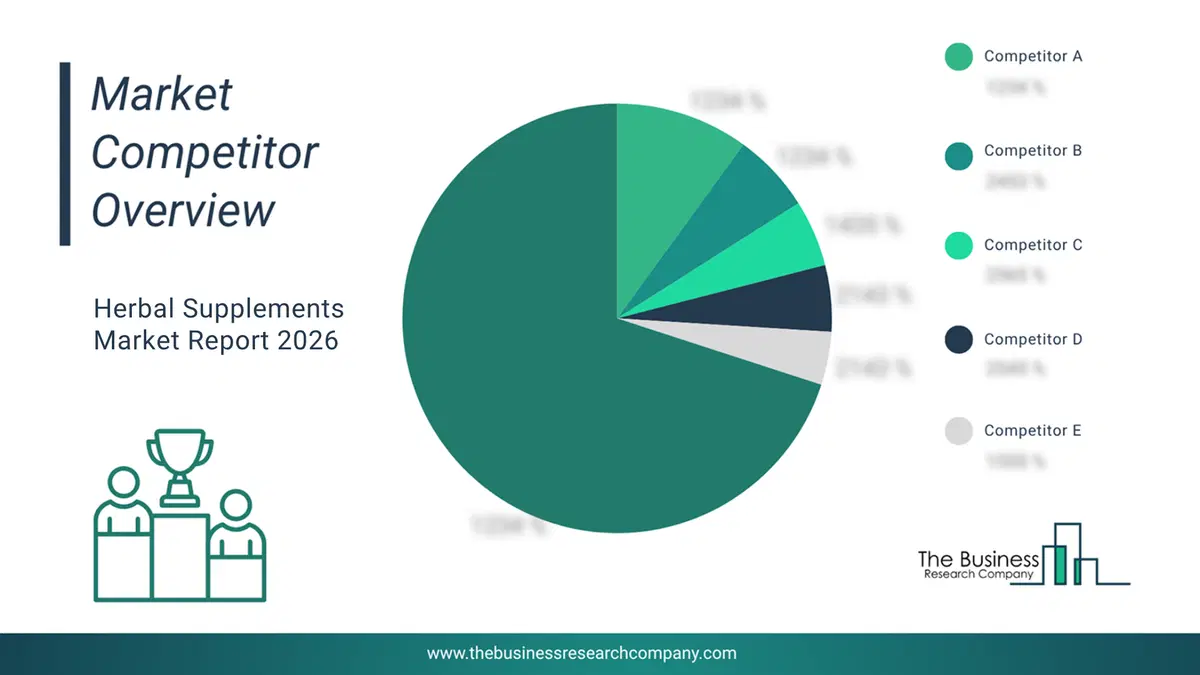
This chart is for illustrative purposes; the full report includes a detailed competitor analysis and comprehensive overview of the top 10 companies in the market.
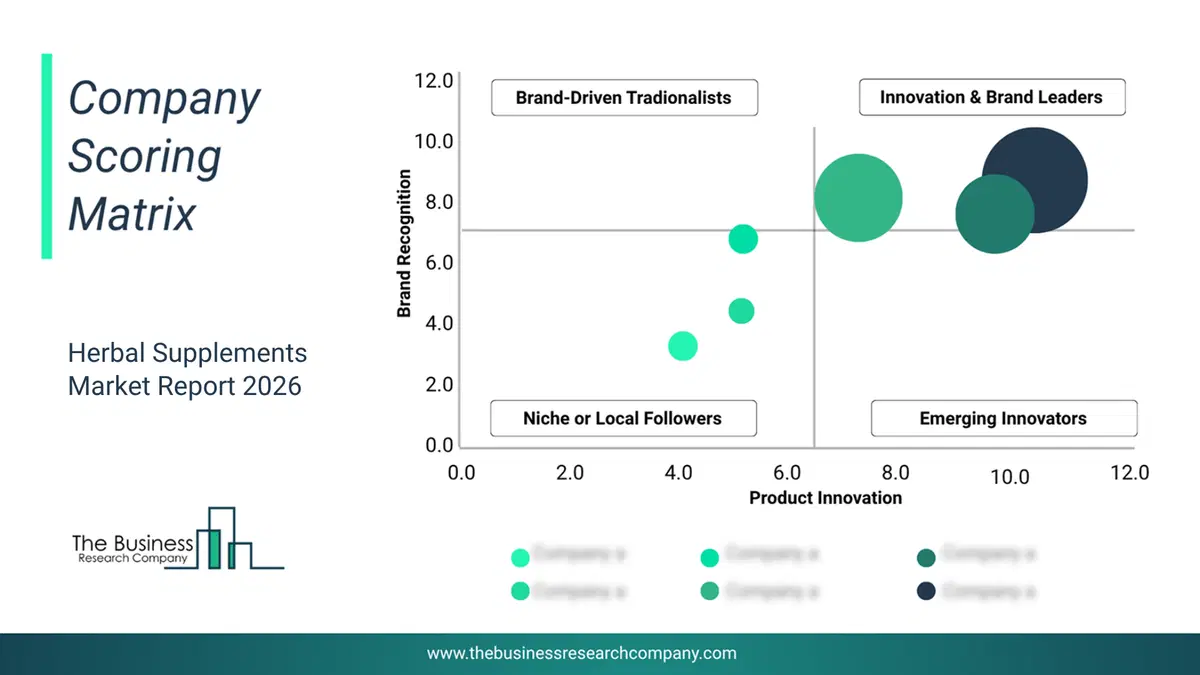
This chart maps companies by product innovation and brand strength, with bubble size indicating relative revenue, helping identify market leaders, challengers, and niche players. This is an illustrative chart; the full report provides a complete and accurate competitive analysis.
Global Herbal Supplements Market Trends and Insights
Major companies operating in the herbal supplements market are focusing on development of innovative products such as natural ingredient supplements to meet growing consumer demand for holistic health solutions. Natural ingredient supplements are dietary products derived from naturally occurring sources such as herbs, plants, or minerals, used to support health and well-being. For instance, in August 2023, Innov Healthcare Technologies, an India-based healthcare supplement company, launched Purobest, a cutting-edge supplement brand, that embodies the potency of natural elements, emphasizing a dedication to combat chronic ailments. Through meticulous crafting and utilizing premium, pure natural extracts, it extends hope and aid to numerous individuals. Its range is meticulously formulated from top-tier natural sources, such as turmeric for curcumin, Sophora Japonica bark for quercetin, green tea for EGCG, Boswellia serrata for AKBA, and Berberis aristata for berberine. These ingredients, extensively researched, target crucial genes and pathways linked to diverse diseases.What Are Latest Mergers And Acquisitions In The Herbal Supplements Market?
In April 2025, Celsius Holdings, Inc., a US-based beverage company, acquired Alani Nutrition, LLC, for $1.8 billion. With this acquisition, Celsius Holdings aims to expand its product portfolio in the energy and nutritional supplements segment, strengthen its market presence in the lifestyle and wellness category, and drive growth across its functional beverage offerings. Alani Nutrition, LLC, is a US-based health and wellness company that offers herbal supplements.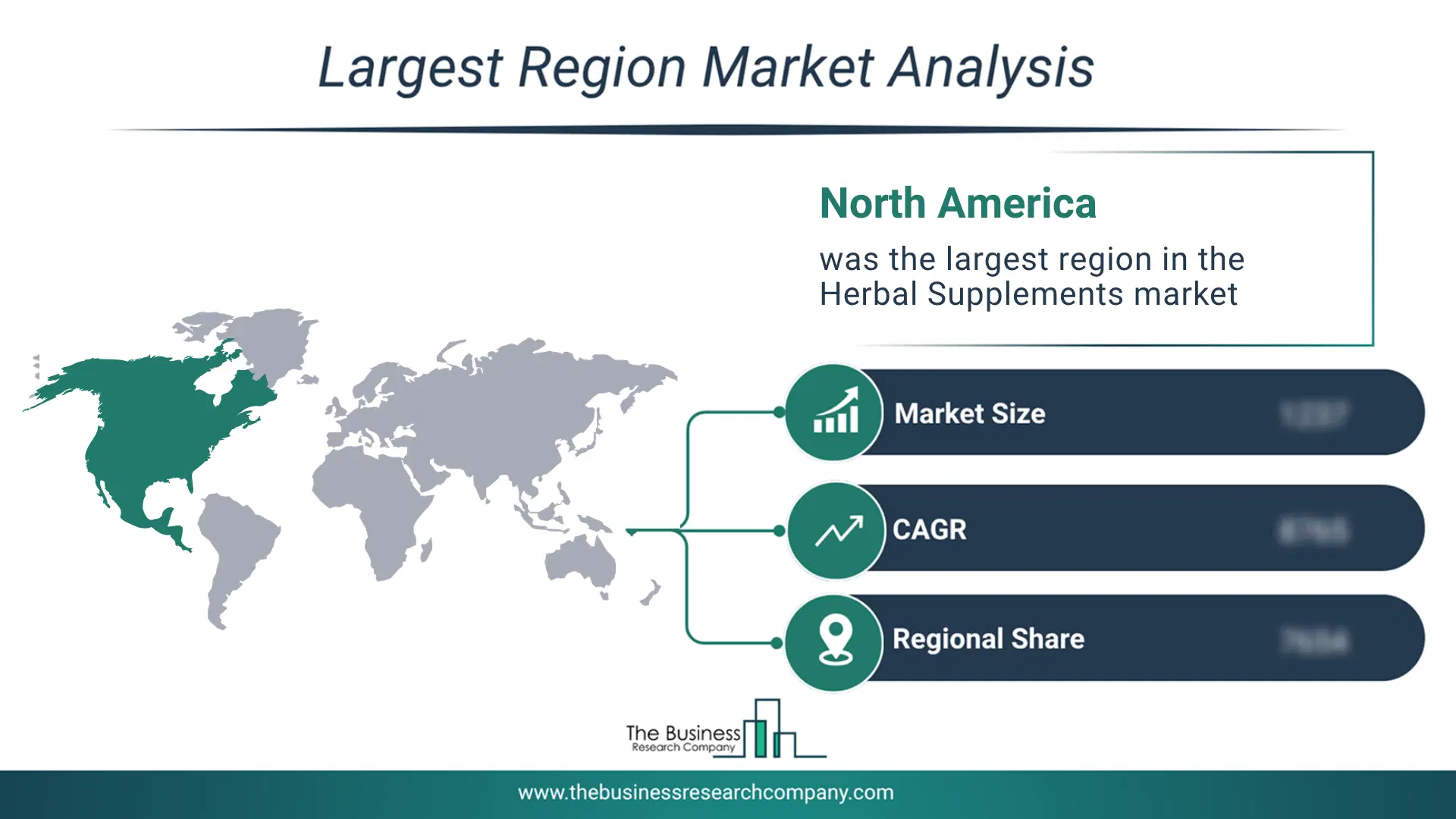
Regional Insights
North America will be the largest region in the herbal supplement market in 2025. Asia-Pacific is expected to be the fastest-growing region in the forecast period. The regions covered in this market report are Asia-Pacific, South East Asia, Western Europe, Eastern Europe, North America, South America, Middle East, Africa. The countries covered in this market report are Australia, Brazil, China, France, Germany, India, Indonesia, Japan, Taiwan, Russia, South Korea, UK, USA, Canada, Italy, Spain.What Defines the Herbal Supplements Market?
The herbal supplements market consists of sales of liquid extracts, teas, bath salts, and ointments. Values in this market are ‘factory gate’ values, that is the value of goods sold by the manufacturers or creators of the goods, whether to other entities (including downstream manufacturers, wholesalers, distributors and retailers) or directly to end customers. The value of goods in this market includes related services sold by the creators of the goods.How is Market Value Defined and Measured?
The market value is defined as the revenues that enterprises gain from the sale of goods and/or services within the specified market and geography through sales, grants, or donations in terms of the currency (in USD unless otherwise specified). The revenues for a specified geography are consumption values that are revenues generated by organizations in the specified geography within the market, irrespective of where they are produced. It does not include revenues from resales along the supply chain, either further along the supply chain or as part of other products.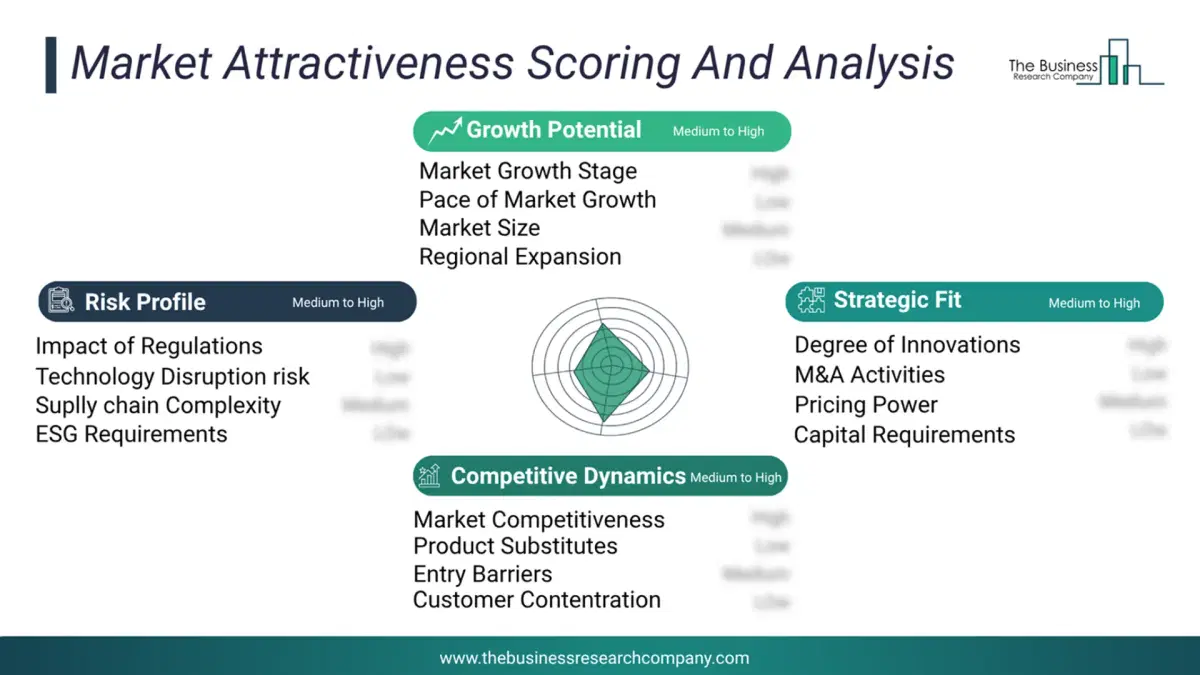
This chart presents market attractiveness based on a quantitative evaluation of growth, competition, strategic alignment, and risk, offering a clear view of opportunity areas for decision-making. This chart is for illustrative purposes; the full report contains the complete analysis.
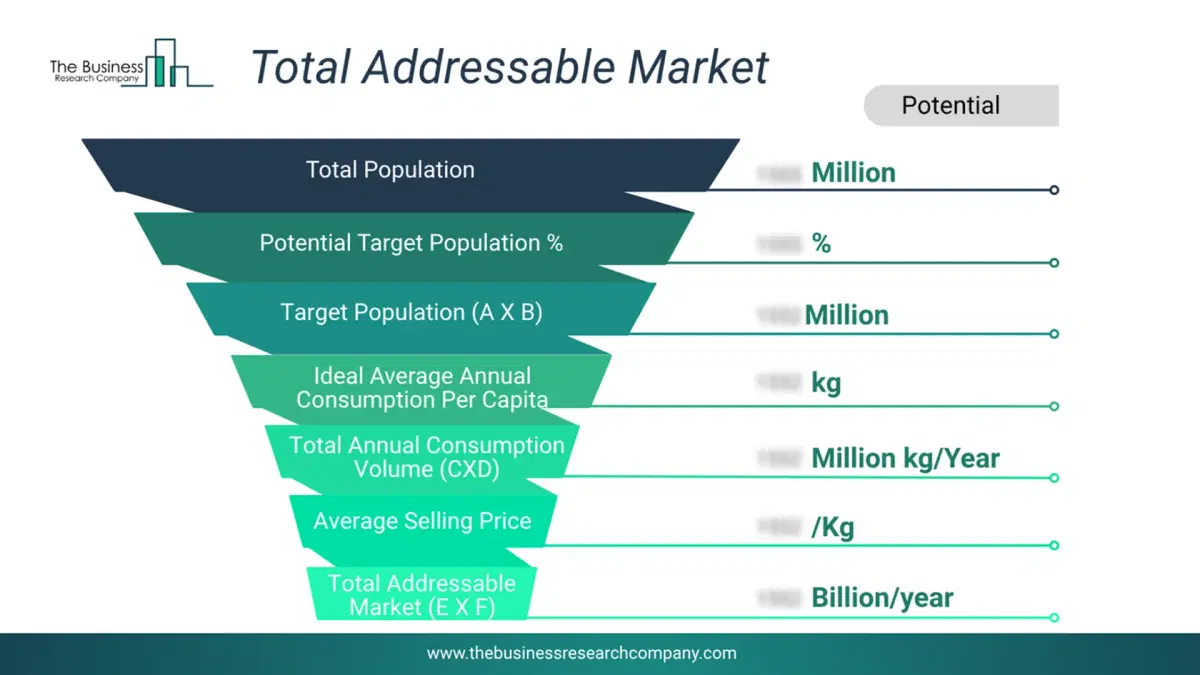
This chart highlights the Total Addressable Market (TAM) by estimating the maximum revenue opportunity using an assumption-driven approach, supporting strategic planning and opportunity sizing across markets. The chart is illustrative; the full report provides a more comprehensive analysis.
What Key Data and Analysis Are Included in the Herbal Supplements Market Report 2026?
The herbal supplements market research report is one of a series of new reports from The Business Research Company that provides market statistics, including industry global market size, regional shares, competitors with the market share, detailed market segments, market trends and opportunities, and any further data you may need to thrive in the herbal supplements industry. The market research report delivers a complete perspective of everything you need, with an in-depth analysis of the current and future state of the industry.Herbal Supplements Market Report Forecast Analysis
| Report Attribute | Details |
|---|---|
| Market Size Value In 2026 | $56.97 billion |
| Revenue Forecast In 2030 | $74.26 billion |
| Growth Rate | CAGR of 6.9% from 2026 to 2030 |
| Base Year For Estimation | 2025 |
| Actual Estimates/Historical Data | 2020-2025 |
| Forecast Period | 2026 - 2030 |
| Market Representation | Revenue in USD Billion and CAGR from 2026 to 2030 |
| Segments Covered | Form, Sources, Application, Distribution |
| Regional Scope | Asia-Pacific, Western Europe, Eastern Europe, North America, South America, Middle East, Africa |
| Country Scope | The countries covered in the report are Australia, Brazil, China, France, Germany, India, Indonesia, Japan, Taiwan, Russia, South Korea, UK, USA, Canada, Italy, Spain. |
| Key Companies Profiled | Archer Daniels Midland Company, Herbalife Nutrition International of America Inc., NBTY Inc., Dabur India Ltd., Blackmores Limited, Swanson Health Products, Weleda AG, Now Health Group, Nutraceutical International Corporation, Dr. Willmar Schwabe GmbH & Co. KG, Jarrow Formulas Inc., Gaia Herbs, Arizona Natural Products LLC, Bio-Botanica Inc., Sunfood Nutraceuticals, Solgar Inc., Nature's Bounty Co., Ancient Greenfields Pvt. Ltd., NaturaLife Asia Co. Ltd., Herbochem Sdn. Bhd., Third Coast Herb Co., Wellness Origin Indy, Herbal Africa, Rainbow Light Nutritional Systems Inc., MegaFood, NutriGold Inc., Premier Health Products Ltd., Z Natural Foods |
| Customization Scope | Request for Customization |
| Pricing And Purchase Options | Explore Purchase Options |