

Liver Diseases Therapeutics Market Report 2026
Global Outlook – By Disease Type (Hepatitis, Non-Alcoholic Fatty Liver Disease, Alcohol-Induced, Liver Cancer ), By Treatment (Antiviral, Chemotherapy, Immunosuppressive Agents, Corticosteroids ), By End User (Hospitals, Ambulatory Surgery Centers) - Market Size, Trends, And Global Forecast 2026-2030
Liver Diseases Therapeutics Market Overview
• Liver Diseases Therapeutics market size has reached to $15.18 billion in 2025 • Expected to grow to $24.27 billion in 2030 at a compound annual growth rate (CAGR) of 9.9% • Growth Driver: Elevating Prevalence Of Liver Diseases Fuels Growth In Liver Disease Therapeutics Market • Market Trend: Revolutionizing Liver Disease Therapeutics With Ai-Powered Technology • North America was the largest region in 2025 and Asia-Pacific is the fastest growing region.Market Gains By 2030 – Top Opportunities By Segment
Market Gain identifies the most promising market opportunities by highlighting the segments or products expected to generate the highest incremental revenue growth over the next five years.
What Is Covered Under Liver Diseases Therapeutics Market?
Liver disease therapeutics refers to the treatment of numerous types of liver illnesses, diseases brought on by viruses, including hepatitis A, B, and C. Liver disease therapeutics are essential for enhancing the quality of life for those impacted by liver conditions and alleviating the overall strain of liver disease on healthcare systems. The main disease types of liver disease therapeutics are hepatitis, non-alcoholic fatty liver disease, alcohol-induced, and liver cancer. Hepatitis refers to an inflammation of the liver that is caused by a variety of infectious viruses and noninfectious agents leading to a range of health problems, some of which can be fatal. The treatment is antiviral, vaccines, chemotherapy, immunosuppressive agents, and corticosteroids. The end-users included hospitals, ambulatory surgery centers, and other end-users.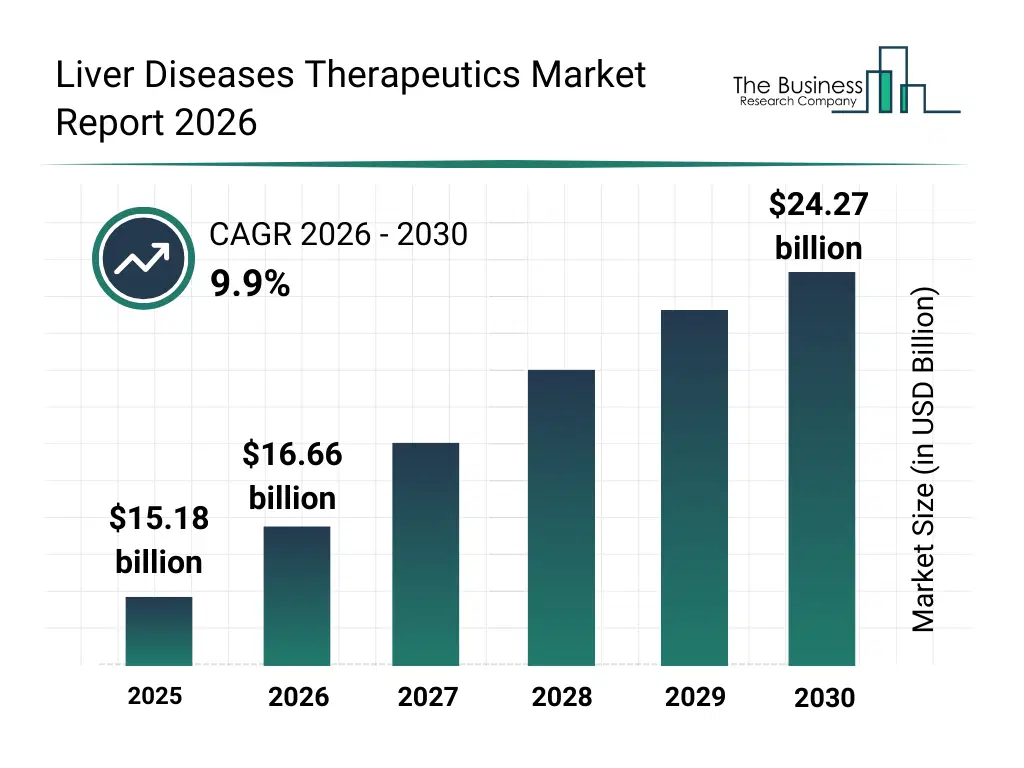
What Is The Liver Diseases Therapeutics Market Size and Share 2026?
The liver diseases therapeutics market size has grown strongly in recent years. It will grow from $15.18 billion in 2025 to $16.66 billion in 2026 at a compound annual growth rate (CAGR) of 9.8%. The growth in the historic period can be attributed to high prevalence of viral hepatitis infections, increasing alcohol-induced liver disease cases, early reliance on antiviral and supportive therapies, limited treatment options for chronic liver conditions, growing hospital-based liver care.What Is The Liver Diseases Therapeutics Market Growth Forecast?
The liver diseases therapeutics market size is expected to see strong growth in the next few years. It will grow to $24.27 billion in 2030 at a compound annual growth rate (CAGR) of 9.9%. The growth in the forecast period can be attributed to rising burden of metabolic liver diseases, increasing adoption of immunosuppressive and targeted therapies, expanding liver cancer treatment pipelines, growing awareness of early treatment benefits, higher healthcare spending on chronic liver diseases. Major trends in the forecast period include rising demand for antiviral therapies in hepatitis treatment, growing focus on nafld and nash management, increasing adoption of immunotherapy in liver cancer, expansion of combination drug therapies, rising emphasis on long-term disease management.
Global Liver Diseases Therapeutics Market Segmentation
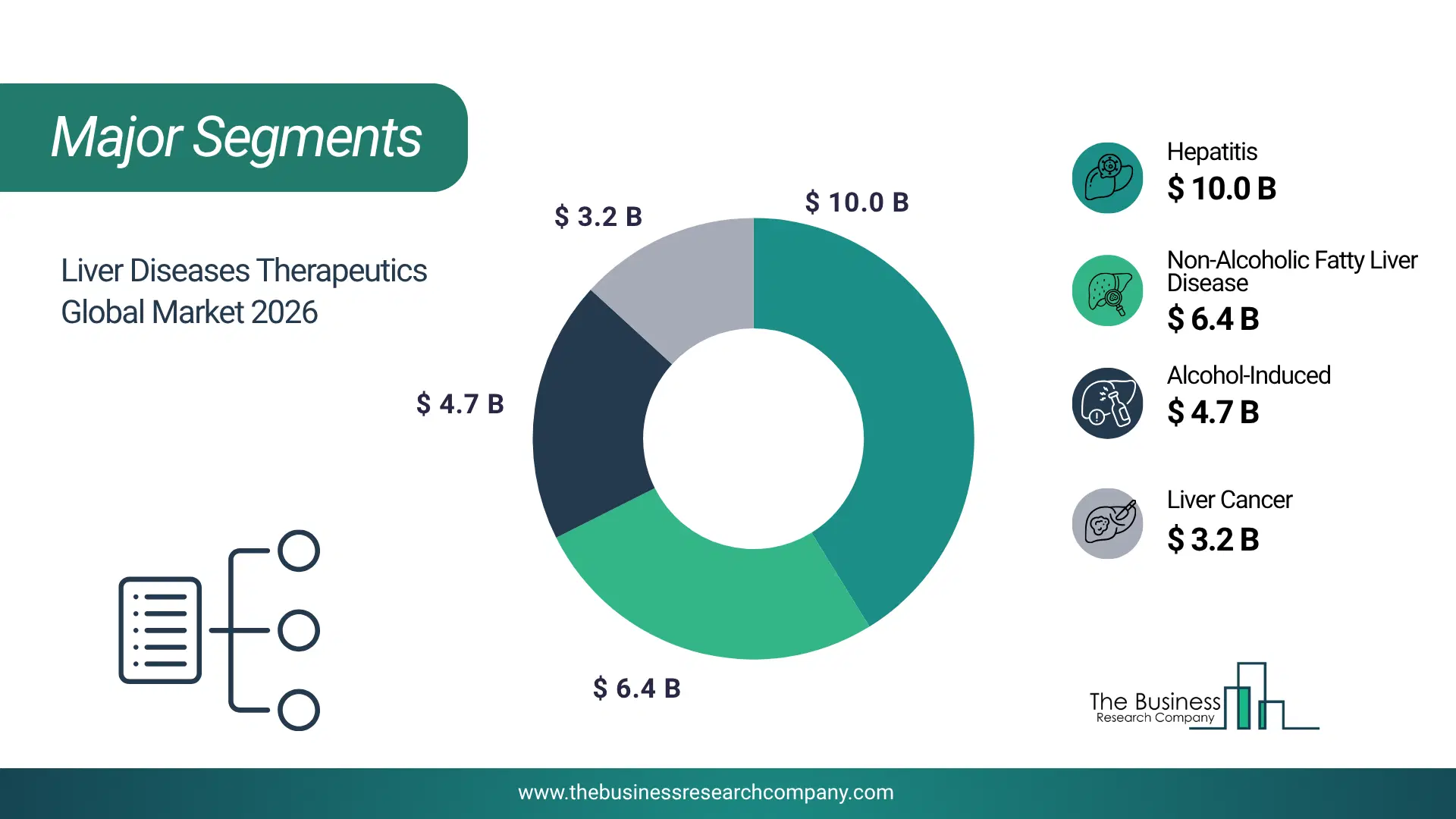
1) By Disease Type: Hepatitis, Non-Alcoholic Fatty Liver Disease, Alcohol-Induced, Liver Cancer 2) By Treatment: Antiviral, Chemotherapy, Immunosuppressive Agents, Corticosteroids 3) By End User: Hospitals, Ambulatory Surgery Centers Subsegments: 1) By Hepatitis: Hepatitis A, Hepatitis B, Hepatitis C, Hepatitis D 2) By Non-Alcoholic Fatty Liver Disease (NAFLD): Non-Alcoholic Steatohepatitis (NASH), Simple Fatty Liver 3) By Alcohol-Induced: Alcoholic Hepatitis, Alcoholic Cirrhosis 4) By Liver Cancer: Hepatocellular Carcinoma (HCC), Cholangiocarcinoma The top segments in the liver diseases therapeutics market will be: • Hepatitis will reach $10.01 billion by 2030. • Non-Alcoholic Fatty Liver Disease will reach $6.4 billion by 2030. • Alcohol-Induced will reach $4.67 billion by 2030. • Liver Cancer will reach $3.2 billion by 2030.What Is The Driver Of The Liver Diseases Therapeutics Market?
The rising prevalence of liver diseases is expected to propel the growth of the liver disease therapeutics market going forward. Liver disease refers to any condition that has been affecting the liver. Liver disease therapeutics help in treating liver diseases through various treatments. For instance, in December 2024, according to the Office for Health Improvement and Disparities, a UK-based government department, reported that in 2023, the number of premature deaths from alcoholic liver disease increased by 3.6%, reaching 5,984, up from 5,776 in 2022. Therefore, the rising prevalence of liver diseases drives the growth of the liver disease therapeutics market.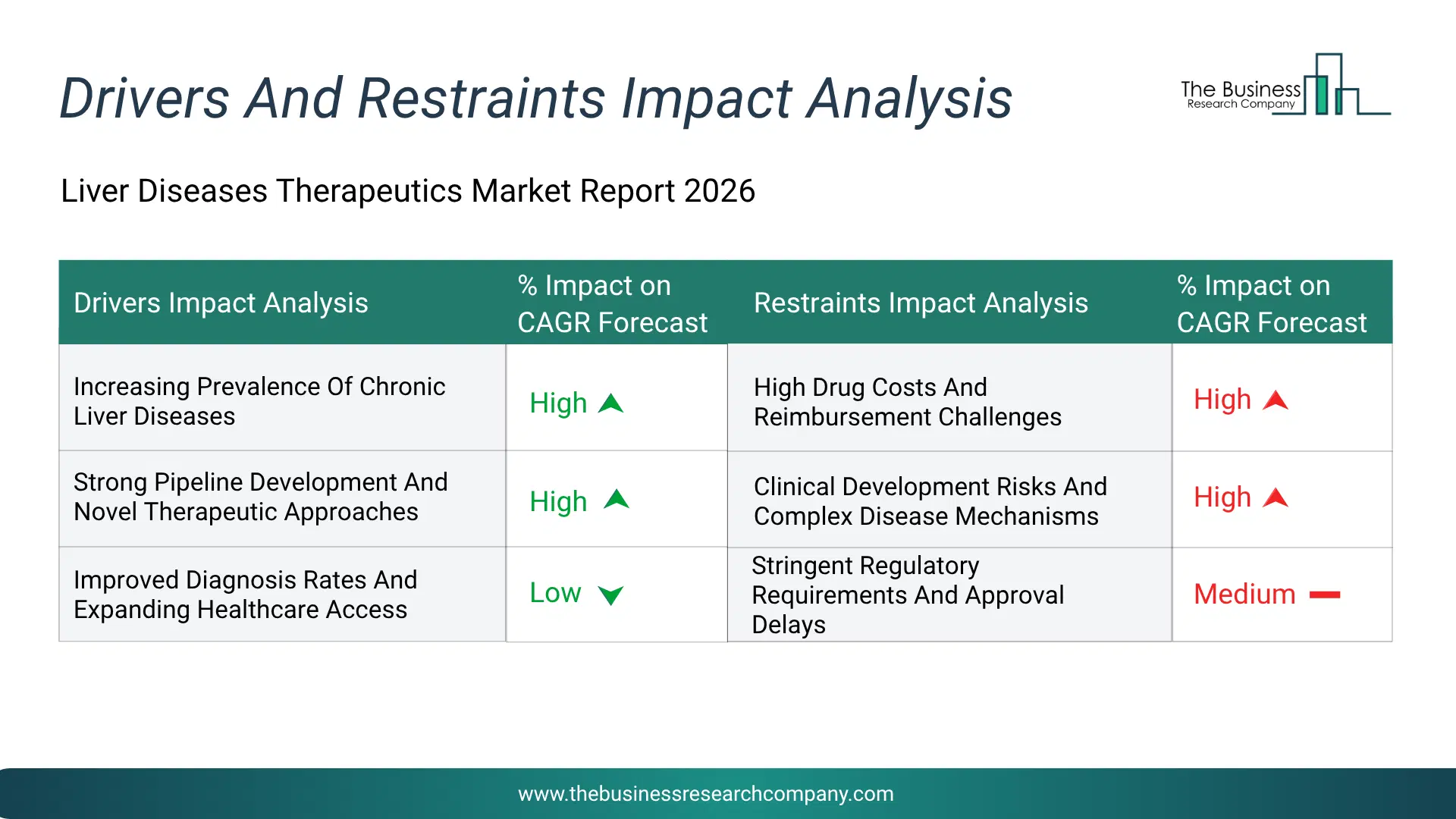
Infographic Chart Showing Key Market Drivers Analysis And Restraints For Liver Diseases Therapeutics Market
The chart presents an impact analysis of key drivers and restraints, quantifying their relative influence on the market's growth rate and helping assess the balance between growth enablers and limiting factors. This chart offers a high-level perspective; the full report contains more detailed insights.
How Will The Drivers Impact Growth In The Global Liver Diseases Therapeutics Market?
• Increasing Prevalence Of Chronic Liver Diseases (High) – During the forecast period, the increasing prevalence of chronic liver diseases is expected to become a key growth driver for the liver disease therapeutics market by 2030. The rising global prevalence of chronic liver diseases, including nafld/nash, hepatitis b & c, alcoholic liver disease, and cirrhosis, is a primary driver for the liver disease therapeutics market. Sedentary lifestyles, obesity, diabetes, and excessive alcohol consumption are significantly increasing liver -related morbidity worldwide. Early diagnosis initiatives and improved screening programs are expanding the patient pool eligible for pharmacological treatment. As disease burden continues to grow across both developed and emerging markets, demand for effective therapeutics is expected to increase steadily. • Strong Pipeline Development And Novel Therapeutic Approaches (High) – During the forecast period, the strong pipeline development and novel therapeutic approaches is expected to emerge as a major factor driving the expansion of the liver disease therapeutics market by 2030. Advancements in drug development and expanding clinical pipelines significantly contribute to market growth. Biopharmaceutical companies are investing heavily in novel mechanisms of action targeting fibrosis, inflammation, and metabolic pathways associated with liver disorders. Emerging therapies, including biologics, rna-based drugs, and combination treatments, are improving treatment outcomes. Regulatory approvals of new agents and breakthrough therapies are expected to expand available treatment options over the forecast period. • Improved Diagnosis Rates And Expanding Healthcare Access (Low) – During the forecast period, the improved diagnosis rates and expanding healthcare access is expected to act as a key growth catalyst for the liver disease therapeutics market by 2030. Growing awareness, government screening programs, and improved healthcare access further accelerate market expansion. Public health campaigns focused on hepatitis elimination and metabolic disease management are increasing treatment uptake. Expansion of healthcare infrastructure in emerging economies is improving access to antiviral and specialty liver therapies. As healthcare systems prioritize early intervention and chronic disease management, therapeutic adoption is expected to rise consistently.How Will The Restraints Impact Growth In The Global Liver Diseases Therapeutics Market?
• High Drug Costs And Reimbursement Challenges (High) – During the forecast period, the high treatment costs and limited reimbursement coverage act as major restraints in the liver disease therapeutics market. Advanced biologics and novel therapies can be expensive, limiting accessibility in low- and middle-income regions. Budget constraints within public healthcare systems may restrict widespread adoption. Price sensitivity and cost-effectiveness concerns can delay uptake of premium therapies. • Clinical Development Risks And Complex Disease Mechanisms (High) – During the forecast period, the clinical trial failures and complex disease pathophysiology also restrain market growth. Liver diseases, particularly nash, involve multifactorial mechanisms, making drug development challenging. Several late-stage clinical setbacks have slowed regulatory approvals in certain segments. High r&d risks and long development timelines may limit the speed of innovation and commercialization. • Stringent Regulatory Requirements And Approval Delays (Medium) – During the forecast period, the stringent regulatory requirements and approval delays act as a restraint for the liver diseases therapeutics market by increasing the time and complexity involved in bringing new drugs to market. Extensive clinical validation, safety assessments, and efficacy data requirements slow down approval timelines for innovative therapies. This delays patient access to new treatment options and increases development costs for pharmaceutical companies. Smaller firms often face greater challenges in navigating regulatory pathways, limiting their ability to compete. Overall, regulatory hurdles reduce the speed of innovation and commercialization in the market.Key Players In The Global Liver Diseases Therapeutics Market
Major companies operating in the liver diseases therapeutics market are Astellas Pharma Inc., Bristol-Myers Squibb Company, F. Hoffmann-La Roche AG, Merck & Co. Inc., Novartis AG, GlaxoSmithKline PLC, Abbott Laboratories Inc., Pfizer Inc., Sanofi SA, Johnson & Johnson Services Inc., Bayer AG, AbbVie Inc., Takeda Pharmaceutical Company Limited, AstraZeneca PLC, Gilead Sciences Inc., Alnylam Pharmaceuticals Inc., Intercept Pharmaceuticals Inc., Conatus Pharmaceuticals Inc., CymaBay Therapeutics Inc., Viking Therapeutics Inc., Madrigal Pharmaceuticals Inc., NGM Biopharmaceuticals Inc., Arrowhead Pharmaceuticals Inc., Dicerna Pharmaceuticals Inc., Ionis Pharmaceuticals Inc., Enanta Pharmaceuticals Inc.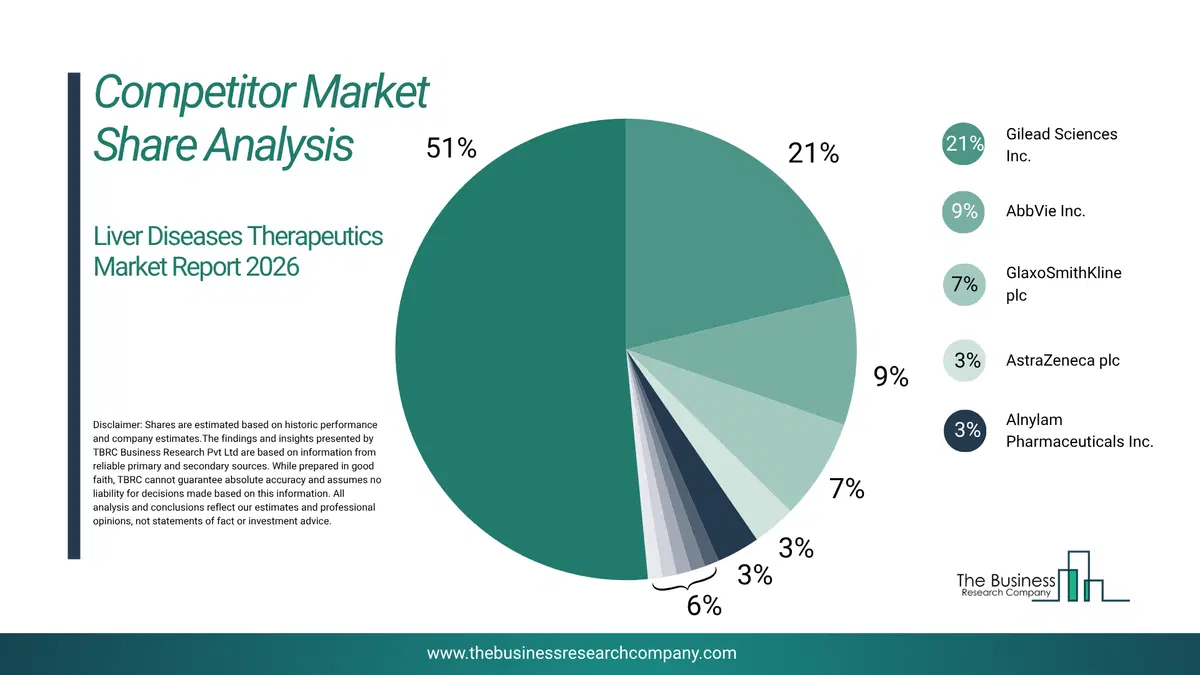
This chart is for illustrative purposes; the full report includes a detailed competitor analysis and comprehensive overview of the top 10 companies in the market.
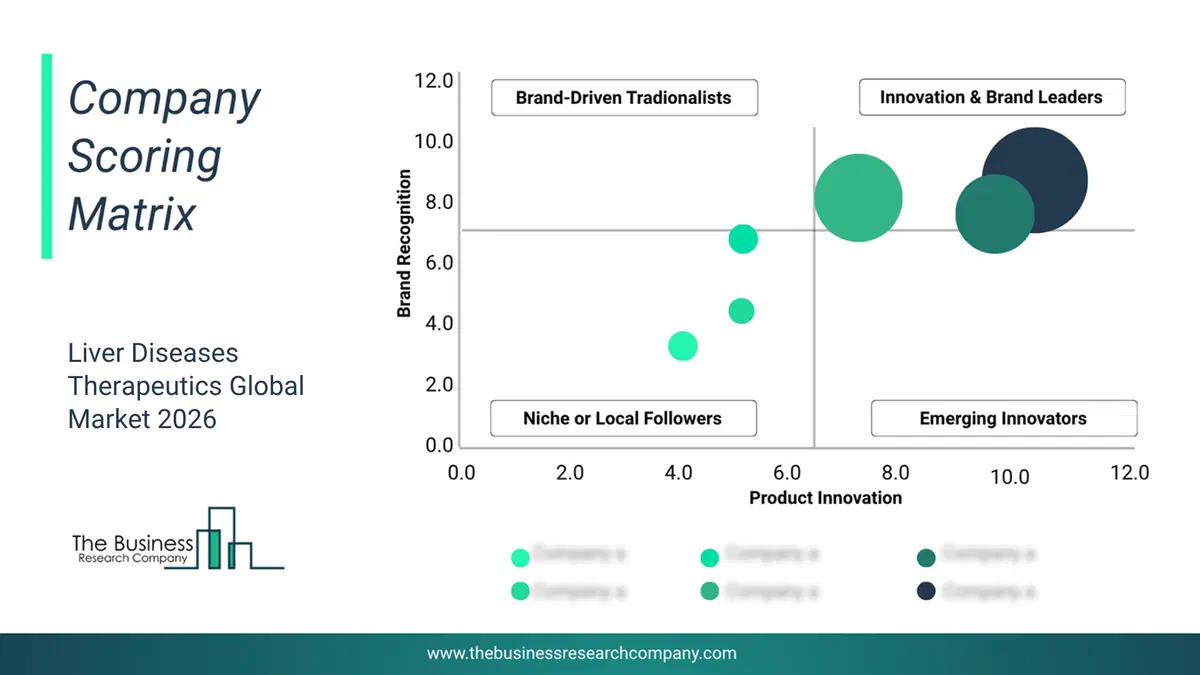
This chart maps companies by product innovation and brand strength, with bubble size indicating relative revenue, helping identify market leaders, challengers, and niche players. This is an illustrative chart; the full report provides a complete and accurate competitive analysis.
Global Liver Diseases Therapeutics Market Trends and Insights
Major companies operating in the liver disease therapeutics market are focusing on innovative technologies, such as artificial intelligence, to help clinicians identify patients with liver fibrosis early in their disease progression. Artificial intelligence in liver disease therapeutics refers to the application of advanced computational algorithms and machine learning techniques to analyze medical data, aiding in early detection, diagnosis, and personalized treatment strategies for liver diseases. For instance, in February 2023, Predictive Health Intelligence, a UK-based healthcare information management company, launched the hepatoSIGHT. hepatoSIGHT, an innovative AI-powered tool that can predict liver fibrosis in patients with chronic liver disease. It is a case-finding and cohort mapping tool designed to identify patients at risk of chronic liver disease (CLD). It is a secure, intuitive, and easy-to-use system that can review millions of lines of data within seconds to identify patients who meet specified criteria. Moreover, it has features such as comprehensive data analysis, machine learning algorithms, real-time risk stratification, and an easy-to-use interface.What Are Latest Mergers And Acquisitions In The Liver Diseases Therapeutics Market?
In September 2025, Bausch Health Companies Inc., a Canada-based pharmaceutical/healthcare company, acquired DURECT Corporation for an undisclosed amount. With this acquisition, Bausch Health aimed to strengthen and accelerate its hepatology pipeline by adding an advanced-stage therapy for alcohol-associated hepatitis and expand its late-stage liver-disease R&D capabilities. DURECT Corporation is a US-based late-stage biopharmaceutical company that specializes in developing epigenetic therapies that target dysregulated DNA methylation, with its lead asset larsucosterol in clinical development for alcohol-associated hepatitis.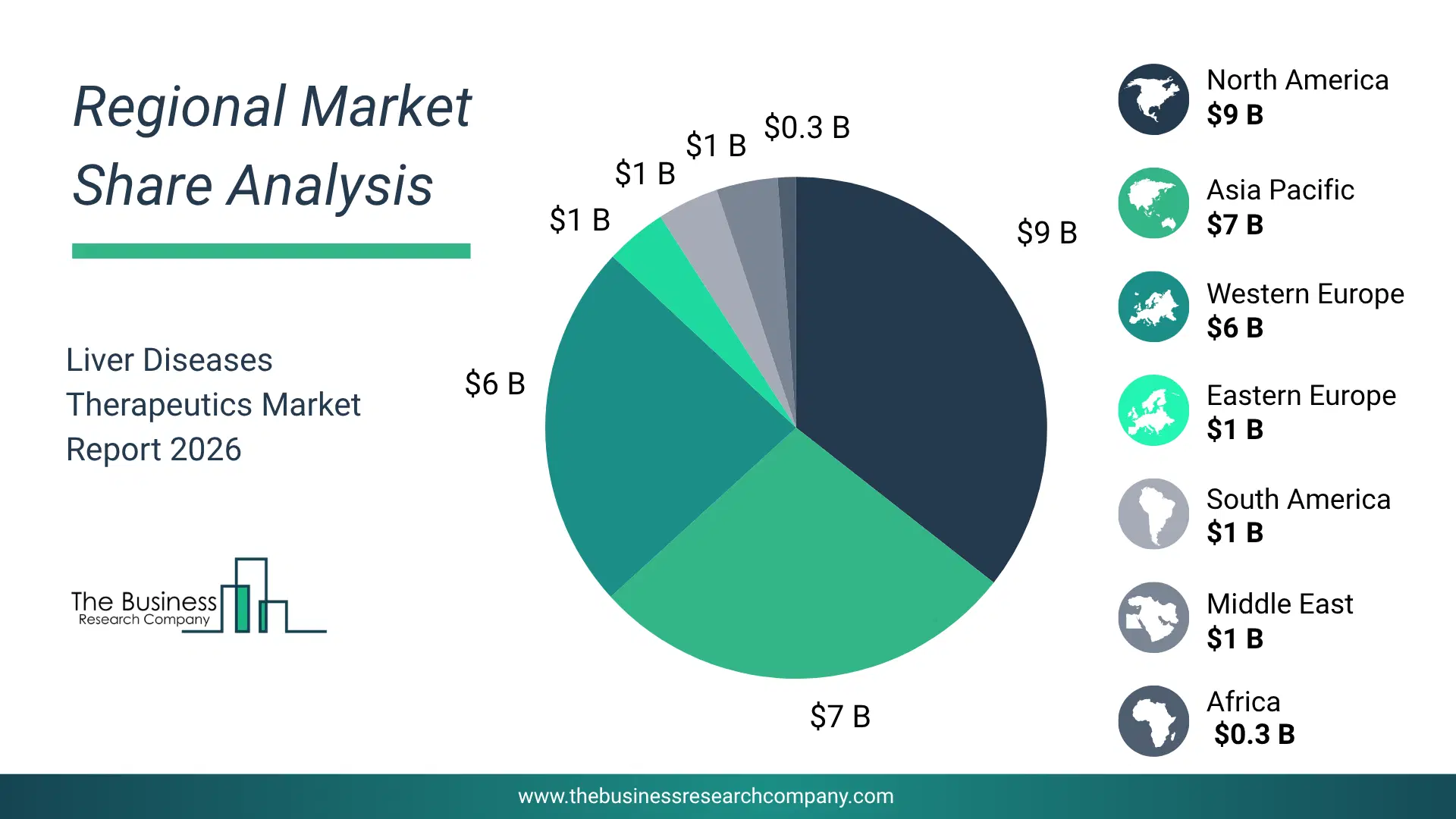
Regional Outlook
North America was the largest region in the liver diseases therapeutics market in 2025. Asia-Pacific is expected to be the fastest-growing region in the liver diseases therapeutics market report during the forecast period. The regions covered in this market report are Asia-Pacific, South East Asia, Western Europe, Eastern Europe, North America, South America, Middle East, Africa. The countries covered in this market report are Australia, Brazil, China, France, Germany, India, Indonesia, Japan, Taiwan, Russia, South Korea, UK, USA, Canada, Italy, Spain.What Defines the Liver Diseases Therapeutics Market?
The liver diseases therapeutics market includes revenues earned by entities by diagnosis such as imaging, laboratory tests, endoscopy, and biopsy. The market value includes the value of related goods sold by the service provider or included within the service offering. Only goods and services traded between entities or sold to end consumers are included.How is Market Value Defined and Measured?
The market value is defined as the revenues that enterprises gain from the sale of goods and/or services within the specified market and geography through sales, grants, or donations in terms of the currency (in USD unless otherwise specified). The revenues for a specified geography are consumption values that are revenues generated by organizations in the specified geography within the market, irrespective of where they are produced. It does not include revenues from resales along the supply chain, either further along the supply chain or as part of other products.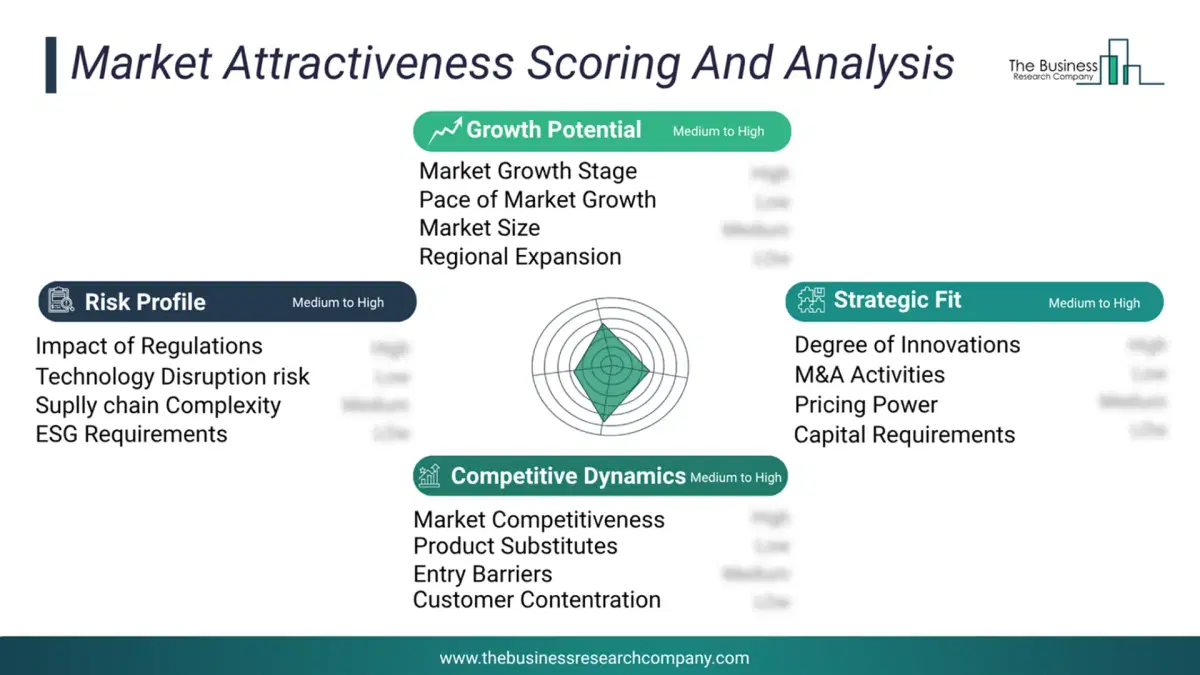
This chart presents market attractiveness based on a quantitative evaluation of growth, competition, strategic alignment, and risk, offering a clear view of opportunity areas for decision-making. This chart is for illustrative purposes; the full report contains the complete analysis.
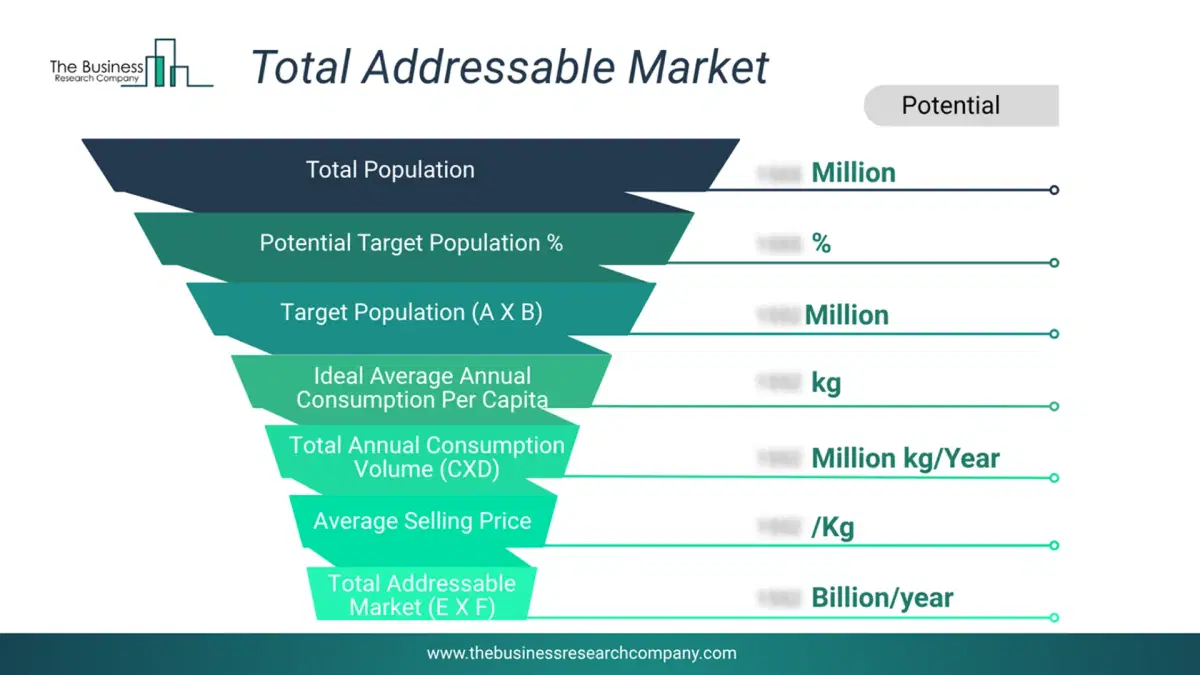
This chart highlights the Total Addressable Market (TAM) by estimating the maximum revenue opportunity using an assumption-driven approach, supporting strategic planning and opportunity sizing across markets. The chart is illustrative; the full report provides a more comprehensive analysis.
What Key Data and Analysis Are Included in the Liver Diseases Therapeutics Market Report 2026?
The liver diseases therapeutics market research report is one of a series of new reports from The Business Research Company that provides market statistics, including industry global market size, regional shares, competitors with the market share, detailed market segments, market trends and opportunities, and any further data you may need to thrive in the liver diseases therapeutics industry. The market research report delivers a complete perspective of everything you need, with an in-depth analysis of the current and future state of the industry.Liver Diseases Therapeutics Market Report Forecast Analysis
| Report Attribute | Details |
|---|---|
| Market Size Value In 2026 | $16.66 billion |
| Revenue Forecast In 2030 | $24.27 billion |
| Growth Rate | CAGR of 9.8% from 2026 to 2030 |
| Base Year For Estimation | 2025 |
| Actual Estimates/Historical Data | 2020-2025 |
| Forecast Period | 2026 - 2030 |
| Market Representation | Revenue in USD Billion and CAGR from 2026 to 2030 |
| Segments Covered | Disease Type, Treatment, End User |
| Regional Scope | Asia-Pacific, Western Europe, Eastern Europe, North America, South America, Middle East, Africa |
| Country Scope | The countries covered in the report are Australia, Brazil, China, France, Germany, India, Indonesia, Japan, Taiwan, Russia, South Korea, UK, USA, Canada, Italy, Spain. |
| Key Companies Profiled | Astellas Pharma Inc., Bristol-Myers Squibb Company, F. Hoffmann-La Roche AG, Merck & Co. Inc., Novartis AG, GlaxoSmithKline PLC, Abbott Laboratories Inc., Pfizer Inc., Sanofi SA, Johnson & Johnson Services Inc., Bayer AG, AbbVie Inc., Takeda Pharmaceutical Company Limited, AstraZeneca PLC, Gilead Sciences Inc., Alnylam Pharmaceuticals Inc., Intercept Pharmaceuticals Inc., Conatus Pharmaceuticals Inc., CymaBay Therapeutics Inc., Viking Therapeutics Inc., Madrigal Pharmaceuticals Inc., NGM Biopharmaceuticals Inc., Arrowhead Pharmaceuticals Inc., Dicerna Pharmaceuticals Inc., Ionis Pharmaceuticals Inc., Enanta Pharmaceuticals Inc. |
| Customization Scope | Request for Customization |
| Pricing And Purchase Options | Explore Purchase Options |