

Macrolide Antibiotics Market Report 2026
Global Outlook – By Drugs (Azithromycin, Clarithromycin, Erythromycin, Fidaxomicin, Telithromycin), By Indication (Respiratory Tract Infections, Skin Infections, Sexually Transmitted Infections, Gastrointestinal Infections, Other Indications), By Route Of Administration (Oral, Parenteral, Other Routes Of Administrations), By Distribution Channel (Hospital Pharmacies, Drug Stores And Retail Pharmacies, Online Providers), By End User (Hospital, Dermatology Clinic, Clinic, Ambulatory Centre) - Market Size, Trends, Strategies, and Forecast to 2030
Macrolide Antibiotics Market Overview
• Macrolide Antibiotics market size has reached to $65.42 billion in 2025 • Expected to grow to $106.7 billion in 2030 at a compound annual growth rate (CAGR) of 10% • Growth Driver: Rising Prevalence Of Skin Infections Fuels Growth In The Macrolide Antibiotics Market • Market Trend: Advancements In Next-Generation Macrolide Therapies Driving Market Innovation • North America was the largest region in 2025.Market Gains By 2030 – Top Opportunities By Segment
Market Gain identifies the most promising market opportunities by highlighting the segments or products expected to generate the highest incremental revenue growth over the next five years.
What Is Covered Under Macrolide Antibiotics Market?
Macrolide antibiotics are a class of antibiotics characterized by a macrocyclic lactone ring with one or more sugars attached. They inhibit bacterial protein synthesis by binding to the 50S ribosomal subunit, making them effective against various Gram-positive and some Gram-negative bacteria. The main drug types of macrolide antibiotics are azithromycin, clarithromycin, erythromycin, fidaxomicin, and telithromycin. Azithromycin is an antibiotic belonging to the macrolide class and works by inhibiting the growth of bacteria by interfering with their protein synthesis. The indication includes respiratory tract infections, skin infections, sexually transmitted infections, gastrointestinal infections, and others and the route of administration are oral, parenteral, and others. The distribution channels used are hospital pharmacies, drug stores retail pharmacies, and online providers and it is used by various end users such as hospitals, dermatology clinics, clinics, ambulatory centers, and research laboratories.
What Is The Macrolide Antibiotics Market Size and Share 2026?
The macrolide antibiotics market size has grown rapidly in recent years. It will grow from $65.42 billion in 2025 to $72.74 billion in 2026 at a compound annual growth rate (CAGR) of 11.2%. The growth in the historic period can be attributed to widespread prevalence of bacterial respiratory infections, long-standing clinical use of erythromycin and azithromycin, broad physician familiarity with macrolides, expansion of hospital and outpatient antibiotic use, strong efficacy against gram-positive pathogens.What Is The Macrolide Antibiotics Market Growth Forecast?
The macrolide antibiotics market size is expected to see rapid growth in the next few years. It will grow to $106.7 billion in 2030 at a compound annual growth rate (CAGR) of 10.0%. The growth in the forecast period can be attributed to rising incidence of community-acquired infections, increasing outpatient and ambulatory care treatment, growing demand for cost-effective generic antibiotics, heightened focus on antimicrobial resistance management, expanding healthcare access in emerging economies. Major trends in the forecast period include continued demand for broad-spectrum antibiotics, growing use in respiratory tract infections, rising preference for oral antibiotic formulations, expansion of generic macrolide antibiotics, increasing focus on antibiotic stewardship programs.

Global Macrolide Antibiotics Market Segmentation
1) By Drugs: Azithromycin, Clarithromycin, Erythromycin, Fidaxomicin, Telithromycin 2) By Indication: Respiratory Tract Infections, Skin Infections, Sexually Transmitted Infections, Gastrointestinal Infections, Other Indications 3) By Route Of Administration: Oral, Parenteral, Other Routes Of Administrations 4) By Distribution Channel: Hospital Pharmacies, Drug Stores And Retail Pharmacies, Online Providers 5) By End User: Hospital, Dermatology Clinic, Clinic, Ambulatory Centre Subsegments: 1) By Azithromycin: Oral Tablets, Oral Suspension, Injection 2) By Clarithromycin: Immediate-Release Tablets, Extended-Release Tablets, Oral Suspension 3) By Erythromycin: Tablets, Capsules, Topical Solution, Injection 4) By Fidaxomicin: Oral Tablets, Oral Suspension 5) By Telithromycin: Oral Tablets, Oral Film-Coated Tablets The top segments in the macrolide antibiotics market will be: • Azithromycin will reach $3 Billion by 2030. • Clarithromycin will reach $2 Billion by 2030. • Erythromycin will reach $1 Billion by 2030. • Fidaxomicin will reach $0.92 Billion by 2030. • Telithromycin will reach $0.24 Billion by 2030.What Is The Driver Of The Macrolide Antibiotics Market?
The increasing prevalence of skin infections is expected to propel the growth of the macrolide antibiotics market going forward. A skin infection is a condition caused by the invasion of harmful microorganisms into the skin, leading to inflammation and often accompanied by symptoms such as redness, swelling, and pain. Growing skin infections may result from factors such as poor hygiene practices, compromised immune systems, exposure to environmental pollutants, antibiotic resistance, and inadequate wound care. Macrolide antibiotics are often prescribed for treating skin infections caused by bacteria such as Staphylococcus aureus or Streptococcus pyogenes, particularly in cases of penicillin allergy or resistance. For instance, in August 2023, Skin Health Institute Inc., an Australia-based non-profit organization, in Australia, psoriasis affects an estimated 2–3% of the population, highlighting it as a fairly common skin condition. Therefore, the increasing prevalence of skin infections is driving the growth of the macrolide antibiotics industry.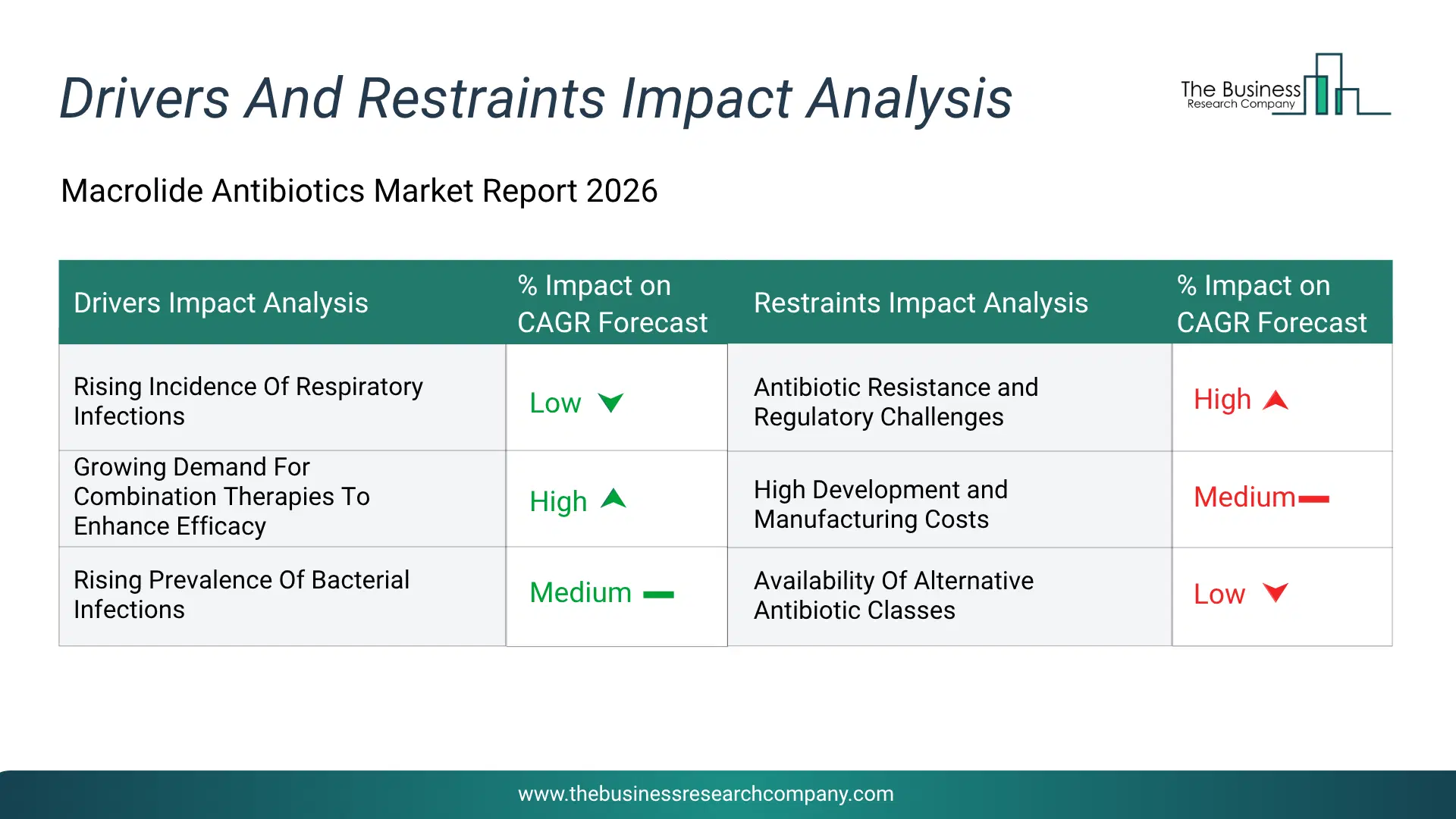
Infographic Chart Showing Key Market Drivers Analysis And Restraints For Macrolide Antibiotics Market
The chart presents an impact analysis of key drivers and restraints, quantifying their relative influence on the market's growth rate and helping assess the balance between growth enablers and limiting factors. This chart offers a high-level perspective; the full report contains more detailed insights.
How Will The Drivers Impact Growth In The Global Macrolide Antibiotics Market?
• Rising Incidence Of Respiratory Infections (Low) – During the forecast period, the increasing incidence of respiratory infections is expected to become a key growth driver for the macrolide antibiotics market by 2030. Respiratory diseases such as pneumonia, bronchitis, sinusitis, and pharyngitis continue to place a significant burden on healthcare systems worldwide, increasing the need for effective antibacterial therapies. Macrolide antibiotics remain widely prescribed because of their broad-spectrum activity, favorable safety profile, and effectiveness against common respiratory pathogens. The growing number of outpatient visits and hospital admissions associated with respiratory infections is further supporting sustained product demand. • Growing Demand For Combination Therapies To Enhance Efficacy (High) – During the forecast period, the growing demand for combination therapies to enhance efficacy is expected to emerge as a major factor driving the expansion of the macrolide antibiotics market by 2030. Healthcare providers are increasingly combining macrolides with other antimicrobial agents to improve clinical outcomes, expand antimicrobial coverage, and optimize treatment for complicated bacterial infections. Combination regimens are also supporting more targeted therapeutic approaches across diverse healthcare settings while improving overall treatment effectiveness. The increasing adoption of evidence-based combination therapies is therefore reinforcing demand for macrolide antibiotics. • Rising Prevalence Of Bacterial Infections (Medium) – During the forecast period, the rising prevalence of bacterial infections is expected to act as a key growth catalyst for the macrolide antibiotics market by 2030. Increasing cases of respiratory, skin, soft tissue, gastrointestinal, and sexually transmitted bacterial infections are expanding the utilization of macrolide antibiotics across hospitals, clinics, and community healthcare settings. Improved disease diagnosis, greater healthcare accessibility, and continued reliance on established antibacterial therapies are further supporting prescription volumes. As the global burden of bacterial infections continues to increase, demand for macrolide antibiotics is expected to remain strong.How Will The Restraints Impact Growth In The Global Macrolide Antibiotics Market?
• Antibiotic Resistance and Regulatory Challenges (Low) – During the forecast period, the antibiotic resistance and regulatory challenges act as a significant restraint on the macrolide antibiotics market because the widespread and inappropriate use of macrolide antibiotics has contributed to the emergence of resistant bacterial strains, reducing the clinical effectiveness of these drugs. Healthcare authorities increasingly promote antimicrobial stewardship programs that encourage the appropriate use of antibiotics and restrict unnecessary prescriptions. In addition, regulatory agencies impose stringent requirements for the approval of new antibiotics, including extensive clinical trials, safety evaluations, and post-marketing surveillance. These regulatory obligations increase development timelines and compliance costs for pharmaceutical manufacturers. As a result, antibiotic resistance and strict regulatory requirements limit market growth and reduce the commercial potential of macrolide antibiotics. • High Development and Manufacturing Costs (High) – During the forecast period, the high development and manufacturing costs act as a major restraint on the macrolide antibiotics market because developing new antibiotic formulations requires substantial investments in research and development, clinical trials, regulatory approvals, and quality assurance. Manufacturing macrolide antibiotics also involves complex production processes, specialized fermentation technologies, and stringent quality control measures to ensure product safety and efficacy. Rising raw material prices, compliance with good manufacturing practice standards, and increasing operational expenses further elevate production costs. These financial challenges can reduce profit margins and discourage investment in new antibiotic development. Consequently, high development and manufacturing costs restrain the growth of the macrolide antibiotics market. • Availability Of Alternative Antibiotic Classes (Medium) – During the forecast period, the availability of alternative antibiotic classes acts as a significant restraint on the macrolide antibiotics market because healthcare providers have access to a wide range of alternative antibiotics, including penicillins, cephalosporins, fluoroquinolones, tetracyclines, and other broad-spectrum antimicrobial agents. Physicians often select alternative therapies based on bacterial susceptibility, clinical guidelines, patient history, and local resistance patterns. The introduction of newer antimicrobial agents with improved efficacy or broader activity further intensifies competition for macrolide antibiotics. In some cases, alternative antibiotics may offer better treatment outcomes or lower resistance rates for specific infections. As a result, the availability of multiple substitute antibiotic classes limits the demand for macrolide antibiotics and restrains overall market growth.Key Players In The Global Macrolide Antibiotics Market
Major companies operating in the macrolide antibiotics market are Pfizer Inc., AbbVie Inc., Bayer AG, Sanofi S.A., Abbott Laboratories, Novartis AG, GlaxoSmithKline plc, Teva Pharmaceutical Industries Limited, Viatris Inc., Daiichi Sankyo Company Limited, Sun Pharmaceutical Industries Limited, Cipla Limited, Lupin Limited, Zydus Lifesciences Limited, Alkem Laboratories Limited, Aurobindo Pharma Limited, Dr Reddys Laboratories Limited, Wockhardt Limited, Hikma Pharmaceuticals PLC, Sandoz Group AG
This chart is for illustrative purposes; the full report includes a detailed competitor analysis and comprehensive overview of the top 10 companies in the market.
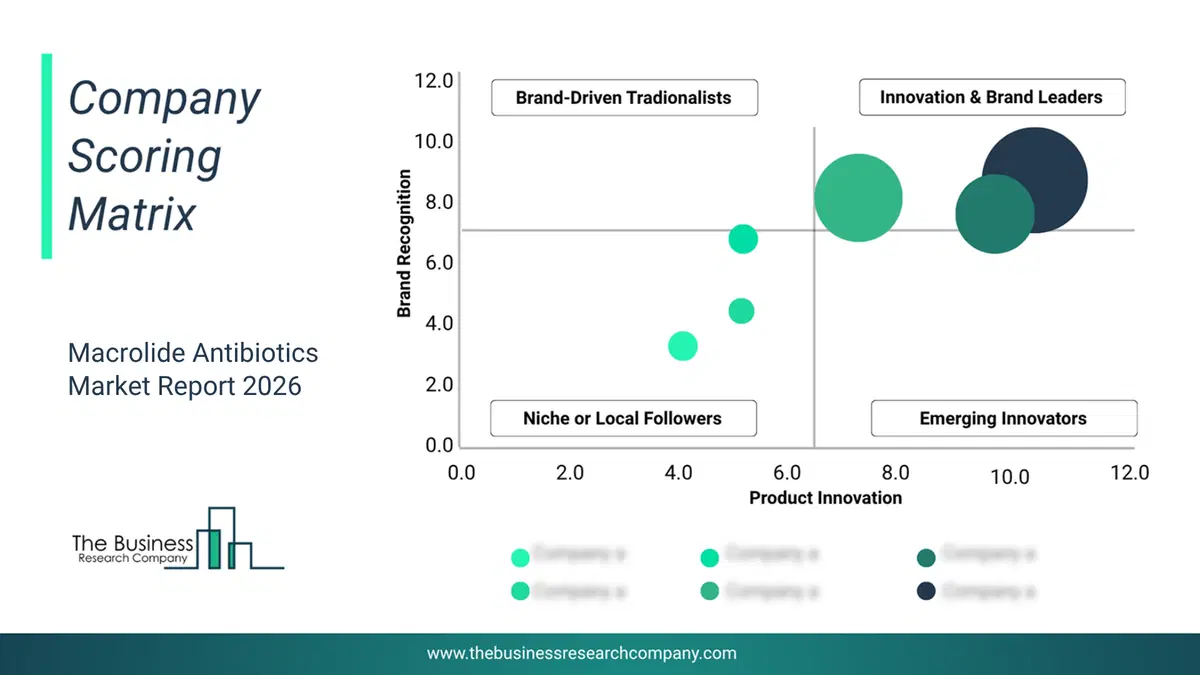
This chart maps companies by product innovation and brand strength, with bubble size indicating relative revenue, helping identify market leaders, challengers, and niche players. This is an illustrative chart; the full report provides a complete and accurate competitive analysis.
Global Macrolide Antibiotics Market Trends and Insights
Major companies operating in the macrolide antibiotics market are focusing on developing innovative products such as ketolide antibiotics designed to overcome antimicrobial resistance and shorten treatment duration to improve adherence and lower healthcare burden. Ketolide antibiotics are a class of antibiotics derived from macrolides that are designed to treat bacterial infections, including those resistant to standard macrolides, by inhibiting bacterial protein synthesis, helping combat resistant strains and improve treatment efficacy. For instance, in November 2024, Wockhardt Ltd., an India-based pharmaceutical company, soft-launched Nafithromycin, marketed under the brand name Miqnaf, an innovative lactone-ketolide macrolide antibiotic to address drug-resistant community-acquired bacterial pneumonia. The product is a novel small-molecule macrolide/ketolide (nafithromycin) formulated for oral dosing as an ultra-short, once-daily, three-day course; it was developed to concentrate highly in lung tissue, show greater in vitro potency versus some azithromycin-resistant strains, and provide a simplified regimen that can improve compliance and reduce overall antibiotic exposure.What Are Latest Mergers And Acquisitions In The Macrolide Antibiotics Market?
In April 2024, Aztiq, an Iceland-based long-term investment fund, acquired Alvogen Emerging Markets Holdings Limited, the parent company of Adalvo for an undisclosed amount. The deal aims to accelerate Adalvo's growth and expansion, leveraging the combined strengths of Aztiq and Innobic (Asia), a wholly-owned Life Science arm of PTT. Adalvo is a US-based pharmaceutical company that provides macrolide antibiotics.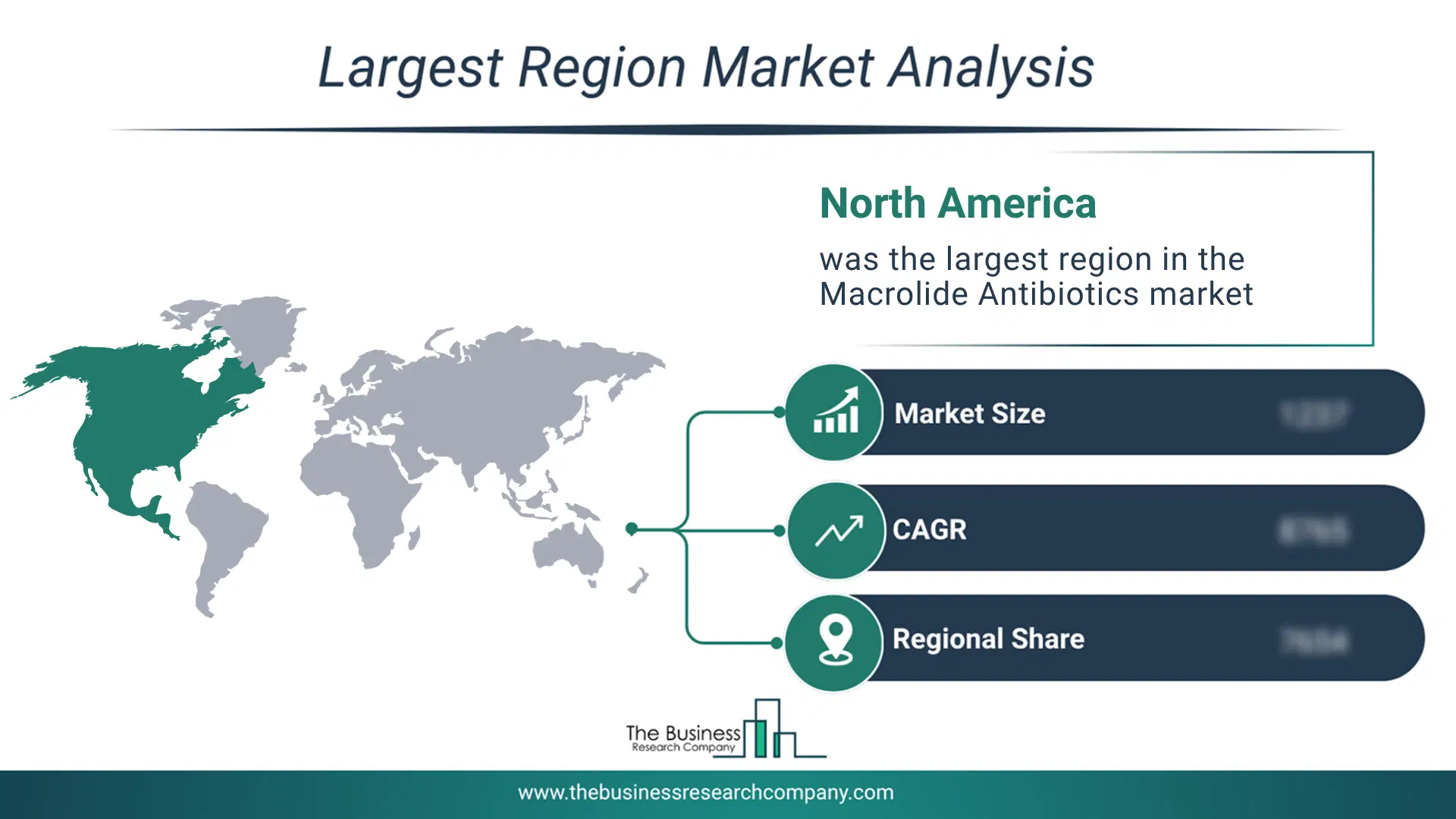
Regional Outlook
North America was the largest region in the macrolide antibiotics market in 2025. The regions covered in this market report are Asia-Pacific, South East Asia, Western Europe, Eastern Europe, North America, South America, Middle East, Africa. The countries covered in this market report are Australia, Brazil, China, France, Germany, India, Indonesia, Japan, Taiwan, Russia, South Korea, UK, USA, Canada, Italy, Spain.What Defines the Macrolide Antibiotics Market?
The macrolide antibiotics market consists of sales of oral tablets and capsules such as dirithromycin, josamycin, spiramycin, and roxithromycin. Values in this market are ‘factory gate’ values, that is the value of goods sold by the manufacturers or creators of the goods, whether to other entities (including downstream manufacturers, wholesalers, distributors, and retailers) or directly to end customers. The value of goods in this market includes related services sold by the creators of the goods.How is Market Value Defined and Measured?
The market value is defined as the revenues that enterprises gain from the sale of goods and/or services within the specified market and geography through sales, grants, or donations in terms of the currency (in USD unless otherwise specified). The revenues for a specified geography are consumption values that are revenues generated by organizations in the specified geography within the market, irrespective of where they are produced. It does not include revenues from resales along the supply chain, either further along the supply chain or as part of other products.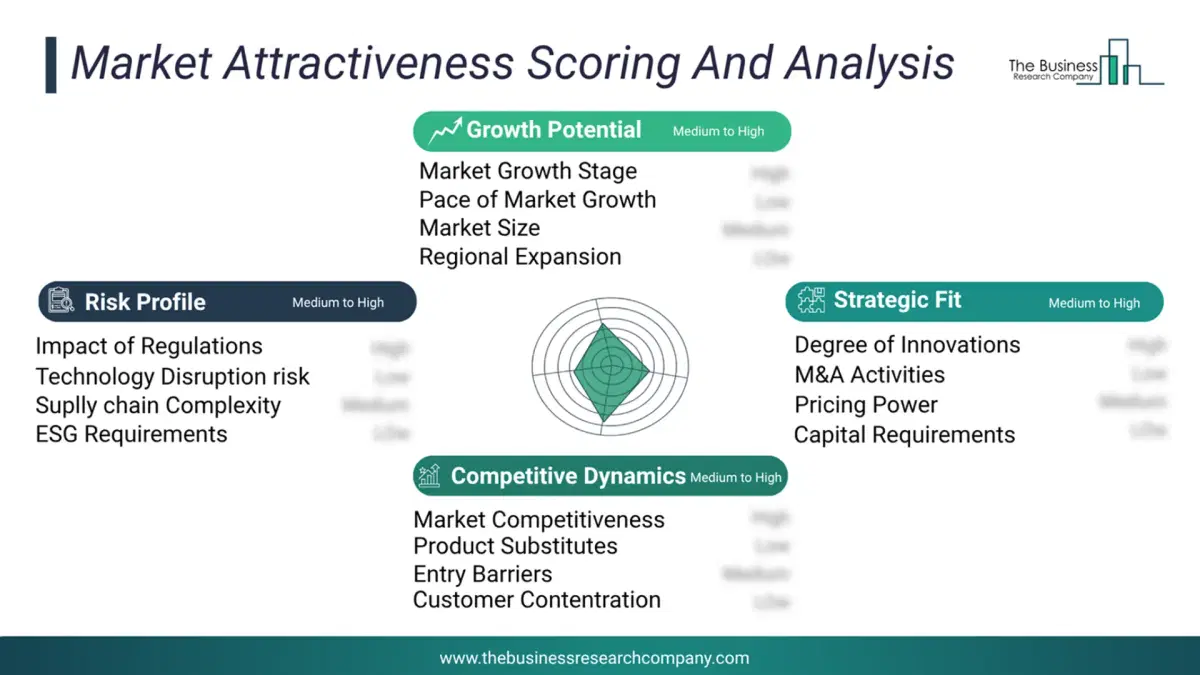
This chart presents market attractiveness based on a quantitative evaluation of growth, competition, strategic alignment, and risk, offering a clear view of opportunity areas for decision-making. This chart is for illustrative purposes; the full report contains the complete analysis.
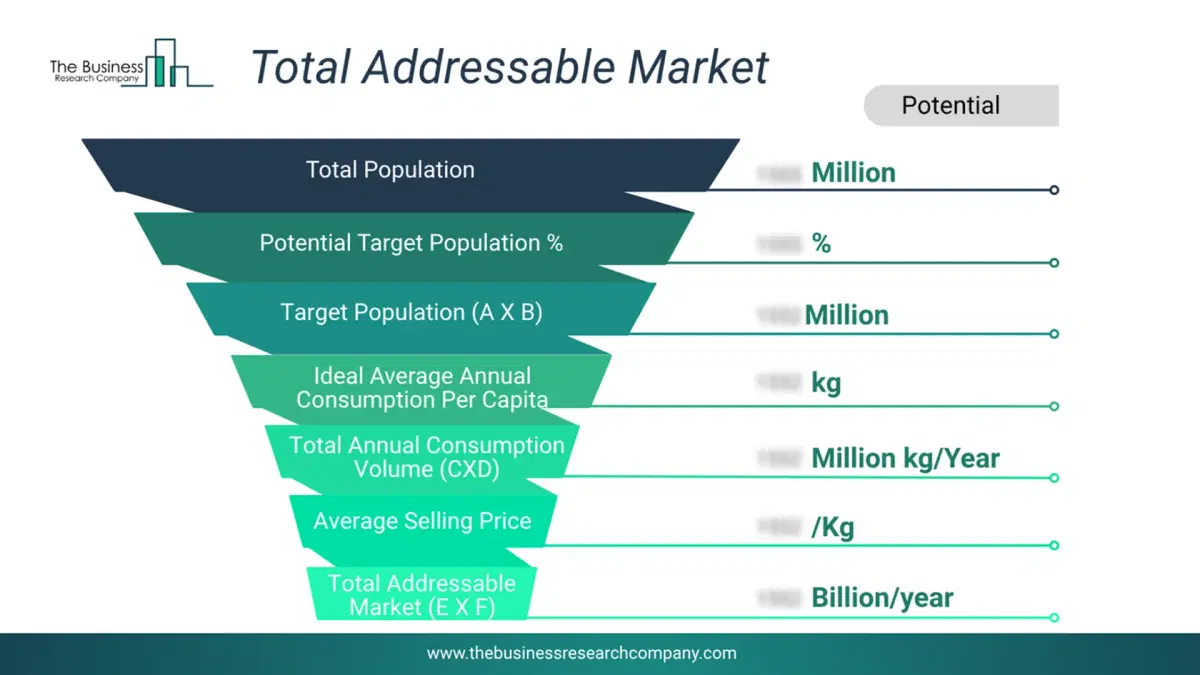
This chart highlights the Total Addressable Market (TAM) by estimating the maximum revenue opportunity using an assumption-driven approach, supporting strategic planning and opportunity sizing across markets. The chart is illustrative; the full report provides a more comprehensive analysis.
What Key Data and Analysis Are Included in the Macrolide Antibiotics Market Report 2026?
The macrolide antibiotics market research report is one of a series of new reports from The Business Research Company that provides market statistics, including industry global market size, regional shares, competitors with the market share, detailed market segments, market trends and opportunities, and any further data you may need to thrive in the macrolide antibiotics industry. The market research report delivers a complete perspective of everything you need, with an in-depth analysis of the current and future state of the industry.Macrolide Antibiotics Market Report Forecast Analysis
| Report Attribute | Details |
|---|---|
| Market Size Value In 2026 | $72.74 billion |
| Revenue Forecast In 2030 | $106.7 billion |
| Growth Rate | CAGR of 10% from 2026 to 2030 |
| Base Year For Estimation | 2025 |
| Actual Estimates/Historical Data | 2020-2025 |
| Forecast Period | 2026 - 2030 |
| Market Representation | Revenue in USD Billion and CAGR from 2026 to 2030 |
| Segments Covered | Drugs, Indication, Route Of Administration, Distribution Channel, End User |
| Regional Scope | Asia-Pacific, Western Europe, Eastern Europe, North America, South America, Middle East, Africa |
| Country Scope | The countries covered in the report are Australia, Brazil, China, France, Germany, India, Indonesia, Japan, Taiwan, Russia, South Korea, UK, USA, Canada, Italy, Spain. |
| Key Companies Profiled | Pfizer Inc., AbbVie Inc., Bayer AG, Sanofi S.A., Abbott Laboratories, Novartis AG, GlaxoSmithKline plc, Teva Pharmaceutical Industries Limited, Viatris Inc., Daiichi Sankyo Company Limited, Sun Pharmaceutical Industries Limited, Cipla Limited, Lupin Limited, Zydus Lifesciences Limited, Alkem Laboratories Limited, Aurobindo Pharma Limited, Dr Reddys Laboratories Limited, Wockhardt Limited, Hikma Pharmaceuticals PLC, Sandoz Group AG |
| Customization Scope | Request for Customization |
| Pricing And Purchase Options | Explore Purchase Options |