
Maritime Digitization Market Report 2026
Global Outlook – By Technology (Internet Of Things (IoT), (Artificial Intelligence), Blockchain, Other Technologies), By Application (Fleet Management, Vessel Tracking, Energy Management, Inventory Management, Predictive Maintenance, Other Applications), By End User (Ports And Terminals, Shipping Companies, Maritime Freight Forwarders, Other End Users) – Market Size, Trends, Strategies, and Forecast to 2035
Maritime Digitization Market Overview
• Maritime Digitization market size has reached to $218.47 billion in 2025 • Expected to grow to $372.24 billion in 2030 at a compound annual growth rate (CAGR) of 11.5% • Growth Driver: Increasing Emphasis On Environmental Sustainability To Influence The Growth Of Maritime Digitization Market • Market Trend: Advancements in Transformative Connectivity Driving the Maritime Digitization Revolution • North America was the largest region in 2025.Market Gains By 2030 – Top Opportunities By Segment
Market Gain identifies the most promising market opportunities by highlighting the segments or products expected to generate the highest incremental revenue growth over the next five years.
What Is Covered Under Maritime Digitization Market?
Maritime digitization refers to the process of incorporating digital technologies and data-driven solutions into various aspects of the maritime industry, including logistics, shipping, port activities, and maritime management. It aims to enhance effectiveness, security, and sustainability in maritime activities through the use of digital technology and tools. The main technologies of maritime digitisation are Internet of Things (IoT), artificial intelligence, blockchain, and others. The Internet of Things (IoT) refers to a network of physical objects or things that are embedded with sensors, software, and other technologies to connect and exchange data over the internet. The various applications include fleet management, vessel tracking, energy management, inventory management, predictive maintenance, and others, which are used by several end users, such as ports and terminals, shipping companies, maritime freight forwarders, and others.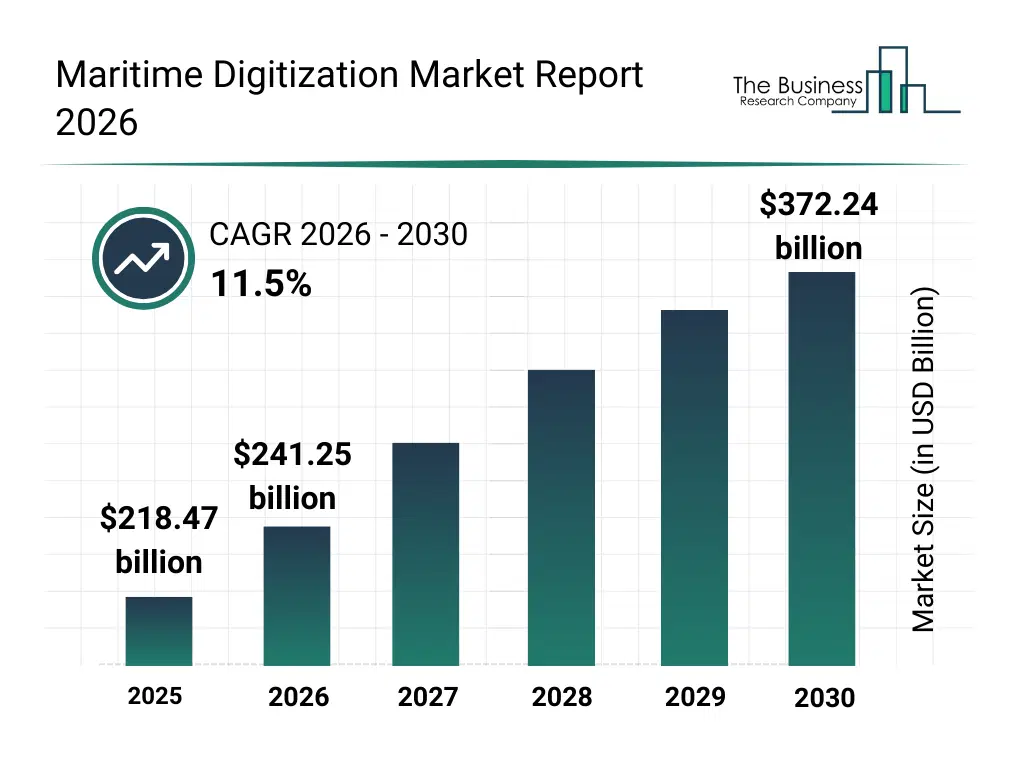
What Is The Maritime Digitization Market Size and Share 2026?
The maritime digitization market size has grown rapidly in recent years. It will grow from $218.47 billion in 2025 to $241.25 billion in 2026 at a compound annual growth rate (CAGR) of 10.4%. The growth in the historic period can be attributed to growth in global maritime trade, early adoption of vessel tracking systems, increasing port congestion challenges, rising demand for operational transparency, expansion of maritime logistics networks.What Is The Maritime Digitization Market Growth Forecast?
The maritime digitization market size is expected to see rapid growth in the next few years. It will grow to $372.24 billion in 2030 at a compound annual growth rate (CAGR) of 11.5%. The growth in the forecast period can be attributed to increasing investment in smart ports, demand for real-time maritime data visibility, adoption of ai-driven maritime analytics, focus on emission reduction technologies, expansion of connected vessel ecosystems. Major trends in the forecast period include integrated digital fleet platforms, smart port operations management, data-driven maritime decision making, digital vessel performance monitoring, end-to-end maritime process automation.
Global Maritime Digitization Market Segmentation
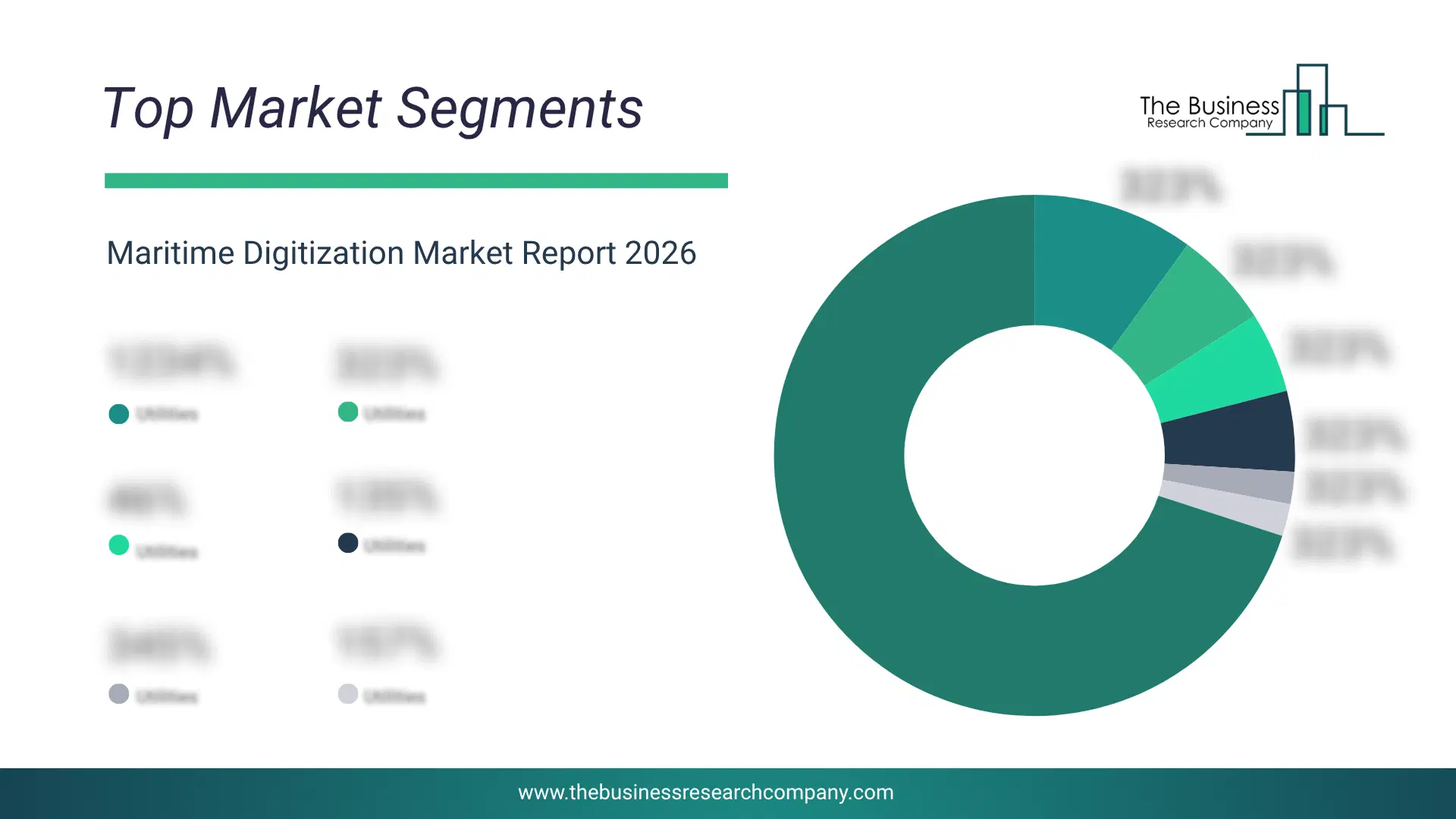
1) By Technology: Internet Of Things (IoT), (Artificial Intelligence), Blockchain, Other Technologies 2) By Application: Fleet Management, Vessel Tracking, Energy Management, Inventory Management, Predictive Maintenance, Other Applications 3) By End User: Ports And Terminals, Shipping Companies, Maritime Freight Forwarders, Other End Users Subsegments: 1) By Internet Of Things (IoT): Vessel Monitoring Systems, Cargo Tracking Solutions, Predictive Maintenance Applications, Environmental Monitoring Systems 2) By Artificial Intelligence (AI): Machine Learning For Navigation, AI-Powered Analytics, Autonomous Vessel Technologies, AI For Supply Chain Optimization 3) By Blockchain: Smart Contracts For Shipping, Secure Document Management, Traceability Solutions, Decentralized Logistics Platforms 4) By Other Technologies: Cloud Computing Solutions, Big Data Analytics, Augmented Reality (AR) For Training, Cybersecurity Solutions The top segments in the maritime digitization market will be: • Ports And Terminals will reach $86124 Million by 2025. • Shipping Companies will reach $69562.3 Million by 2025. • Internet Of Things (IoT) will reach $68024.2 Million by 2025. • Artificial Intelligence will reach $61550.3 Million by 2025. • Fleet Management will reach $59261.2 Million by 2025.What Is The Driver Of The Maritime Digitization Market?
The increasing emphasis on environmental sustainability is expected to propel the growth of the maritime digitisation market going forward. Environmental sustainability is the responsible use of natural resources and the protection of ecosystems to meet current needs without compromising the ability of future generations to meet their own needs. Environmental sustainability promotes the growth of maritime digitisation through efficient resource management, emissions reduction, data-driven decision-making, renewable energy integration, compliance with environmental regulations, reduced paper usage, the development of eco-friendly technologies, and improved safety, all of which align with eco-friendly initiatives and industry practices. For instance, in July 2023, according to the European Maritime Safety Agency, a UK-based, European regulatory agency, limits were set on the greenhouse gas intensity of fuels used by large ships, aiming for reductions of 2% from 2025 and up to 80% by 2050. Therefore, the increasing emphasis on environmental sustainability is driving the growth of the maritime digitisation market.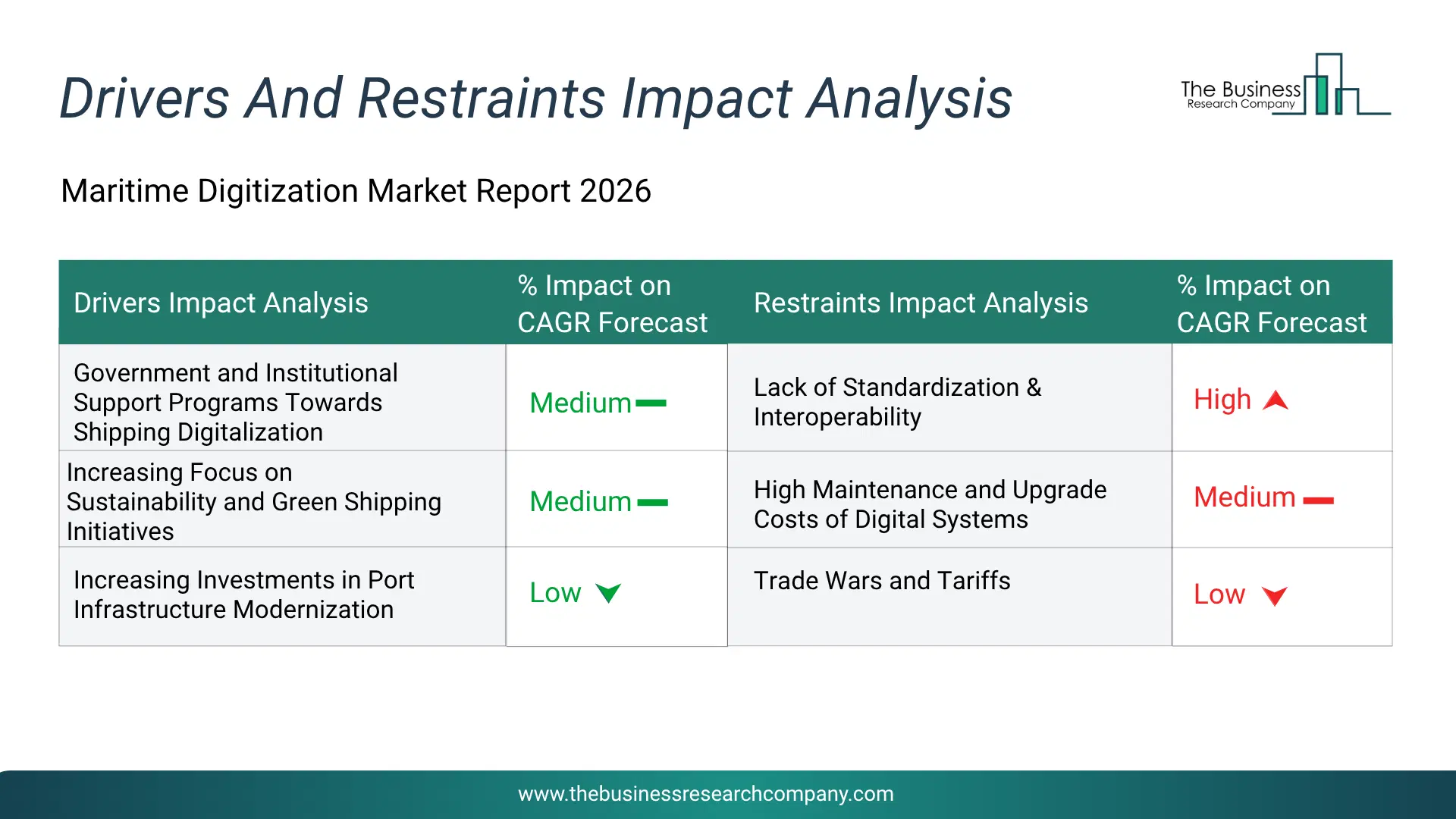
Infographic Chart Showing Key Market Drivers Analysis And Restraints For Maritime Digitization Market
The chart presents an impact analysis of key drivers and restraints, quantifying their relative influence on the market's growth rate and helping assess the balance between growth enablers and limiting factors. This chart offers a high-level perspective; the full report contains more detailed insights.
How Will The Drivers Impact Growth In The Global Maritime Digitization Market?
• Government and Institutional Support Programs Towards Shipping Digitalization (Medium) – The government and institutional support programs towards shipping digitalization will become a key driver of growth in the maritime digitization market by 2030. Many governments, port authorities, and international organizations are investing in digital infrastructure, smart port initiatives, and data-sharing platforms to improve operational efficiency and transparency across the maritime value chain. Funding programs, regulatory frameworks, and public–private partnerships are also encouraging shipping companies to adopt advanced technologies such as IoT, AI, blockchain, and digital documentation systems. In addition, training initiatives and innovation grants are helping maritime stakeholders modernize legacy systems. These supportive measures are strengthening industry confidence and enabling wider adoption of digital solutions across global shipping operations. As a result, the government and institutional support programs towards shipping digitalization is anticipated to contributing to a 1.5% annual growth in the market. • Increasing Focus on Sustainability and Green Shipping Initiatives (Medium) – The increasing focus on sustainability and green shipping initiatives will emerge as a major factor driving the expansion of the maritime digitization market by 2030. Governments, shipping companies, and port operators are prioritizing environmentally responsible operations to reduce carbon emissions and improve energy efficiency. Digital technologies such as smart monitoring systems, AI-driven route optimization, and real-time fuel consumption analytics enable shipping companies to minimize environmental impact while enhancing operational performance. In addition, regulatory pressures and global climate commitments are encouraging the adoption of digital solutions that support emission tracking, compliance management, and efficient resource utilization. Consequently, the increasing focus on sustainability and green shipping initiatives is projected to contributing to a 1.0% annual growth in the market. • Increasing Investments in Port Infrastructure Modernization (Low) – The increasing investments in port infrastructure modernization will serve as a key growth catalyst for the maritime digitization market by 2030. Governments and private stakeholders are allocating significant funds to upgrade port facilities with advanced digital systems, automated equipment, and smart logistics platforms. Modern ports are increasingly adopting technologies such as IoT-enabled sensors, digital twin systems, automated cargo handling, and integrated data management solutions to improve operational efficiency and reduce turnaround times. These upgrades also enhance cargo visibility, security, and coordination across supply chains. Therefore, this increasing investments in port infrastructure modernization is projected to supporting to a 0.8% annual growth in the market. • Increasing Labor Costs and Workforce Shortage (Low) – The increasing labor costs and workforce shortage will become a significant driver contributing to the growth of the maritime digitization market by 2030. Shipping companies and port operators are facing rising operational expenses and difficulties in recruiting and retaining skilled maritime professionals. As a result, organizations are increasingly adopting digital technologies such as automation systems, remote monitoring tools, and AI-driven operational platforms to reduce dependency on manual labor and improve efficiency. Digitization also enables better workforce management, predictive maintenance, and streamlined port and vessel operations. By improving productivity and lowering long-term operating costs, digital solutions are becoming essential for maritime companies seeking to remain competitive in a challenging labor environment. Consequently, the increasing labor costs and workforce shortage is projected to contributing to a 0.5% annual growth in the market.How Will The Restraints Impact Growth In The Global Maritime Digitization Market?
• Lack of Standardization & Interoperability (Medium) – Lack of standardization & interoperability is expected to restrain market growth during the forecast period. It creates operational, financial, regulatory, or commercial challenges that can increase costs, delay projects, reduce investments, or discourage purchasing decisions depending on the market. These challenges can reduce product adoption, affect business confidence, and limit the ability of companies to expand efficiently across key regions. This can disrupt long-term growth strategies and reduce the ability of companies to capitalize on emerging market opportunities. • High Maintenance and Upgrade Costs of Digital Systems (Medium) – During the forecast period, high maintenance and upgrade costs of digital systems is likely to limit market expansion. It creates operational, financial, regulatory, or commercial challenges that can increase costs, delay projects, reduce investments, or discourage purchasing decisions depending on the market. These challenges can reduce product adoption, affect business confidence, and limit the ability of companies to expand efficiently across key regions. As a result, organizations may postpone purchasing decisions, limiting demand across both established and emerging markets. • Trade Wars and Tariffs (Low) – The market is expected to face challenges due to trade wars and tariffs over the forecast period. It creates operational, financial, regulatory, or commercial challenges that can increase costs, delay projects, reduce investments, or discourage purchasing decisions depending on the market. These challenges can reduce product adoption, affect business confidence, and limit the ability of companies to expand efficiently across key regions. This may reduce production efficiency, extend project timelines, and create challenges in meeting evolving customer requirements.Key Players In The Global Maritime Digitization Market
Major companies operating in the maritime digitization market are Microsoft Corporation; Huawei Technologies Co. Ltd.; Siemens AG; Lockheed Martin Corporation; Intel Corporation; The International Business Machines Corporation; Cisco Systems Inc.; Oracle Corporation; Schneider Electric SE; Honeywell International Inc.; SAP SE; ABB Ltd.; Telefonaktiebolaget LM Ericsson; Det Norske Veritas; Wärtsilä Oyj Abp; Kongsberg Gruppen ASA; Prime Marine Management Inc.; Inmarsat Global Limited; American Bureau of Shipping; Iridium Communications Inc.; Spire Global Inc.; MariApps Marine Solutions Pte Ltd.; SparkCognition Inc.; Envision Enterprise Solutions Pvt Ltd.; Orbcomm Inc.; Windward Ltd.; Marine Solutionz Ship Management Pvt Ltd.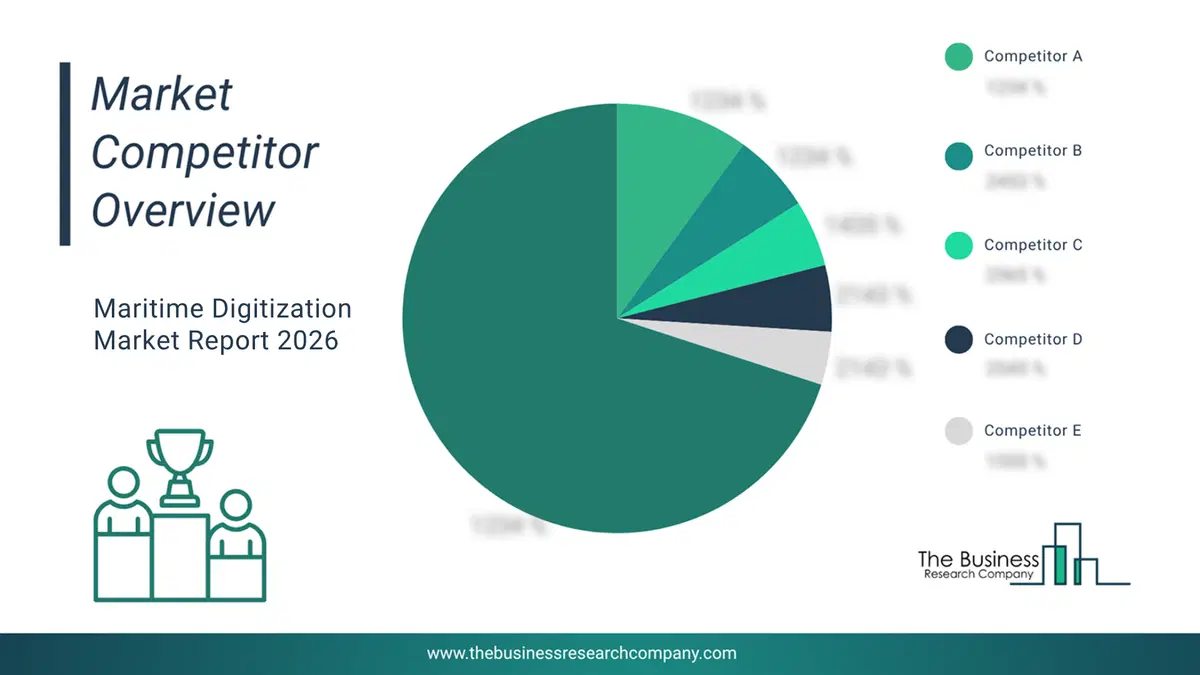
This chart is for illustrative purposes; the full report includes a detailed competitor analysis and comprehensive overview of the top 10 companies in the market.
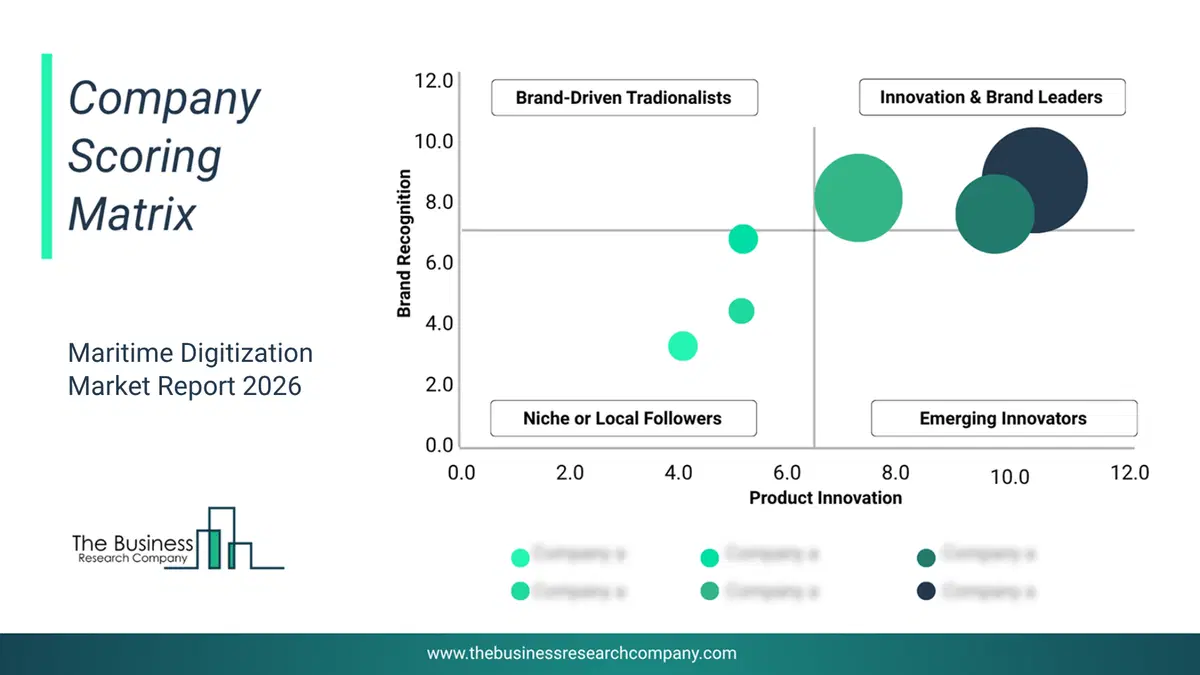
This chart maps companies by product innovation and brand strength, with bubble size indicating relative revenue, helping identify market leaders, challengers, and niche players. This is an illustrative chart; the full report provides a complete and accurate competitive analysis.
Global Maritime Digitization Market Trends and Insights
Major companies operating in the maritime digitisation market are focusing on developing advanced solutions, such as transformative connectivity technologies, to enhance fleet operations, improve efficiency, and strengthen competitiveness. Transformative connectivity refers to the deployment of high-speed, reliable digital communication networks that enable seamless data exchange between vessels, ports, and offshore facilities, supporting real-time monitoring, automation, and decision-making. For instance, in March 2024, Inmarsat Maritime, a UK-based satellite telecommunications company now part of Viasat Inc., partnered with Aramco, a Saudi Arabia-based energy and chemicals company, to trial a world-first 5G mesh network for maritime operations. Designed to extend high-speed connectivity to remote offshore sites, this initiative aims to advance digital transformation for vessels at sea and demonstrates how enhanced connectivity solutions form a central pillar of maritime digitisation.What Are Latest Mergers And Acquisitions In The Maritime Digitization Market?
In May 2023, Wartsila Corporation, a Finland-based provider of technologies and solutions for the marine and energy markets, partnered with DNV's (Det Norske Veritas) cloud platform Veracity. This partnership creates a secure and seamless connectivity between Wartsila’s Fleet Optimisation Solution (FOS) and Veracity, that is expected to send real-time operational data with customer consent to Veracity. DNV (Det Norske Veritas) is a Norway-based provider of advanced automation and digitisation solutions in the maritime sector.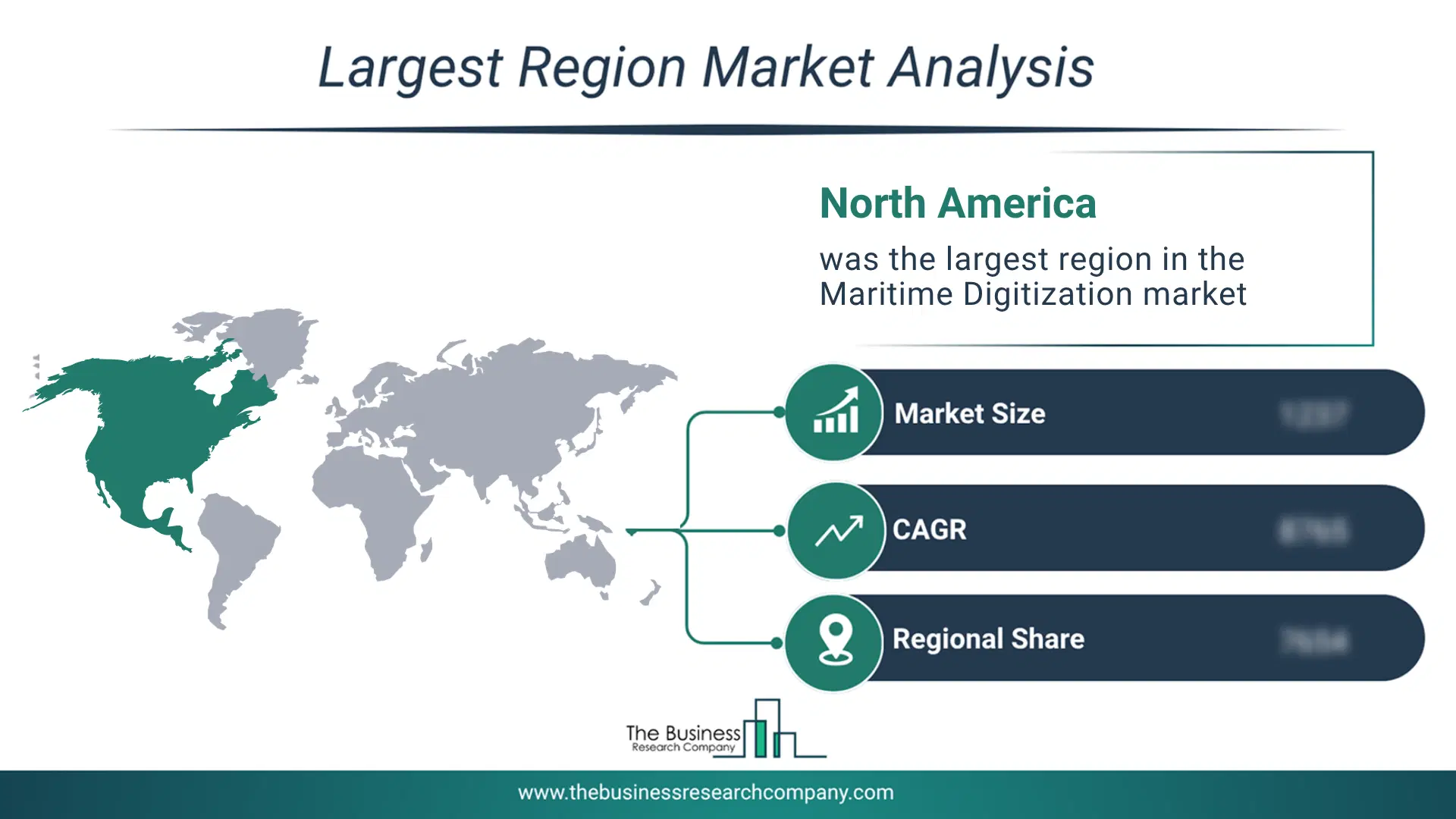
Regional Insights
North America was the largest region in the maritime digitisation market in 2025. The regions covered in this market report are Asia-Pacific, South East Asia, Western Europe, Eastern Europe, North America, South America, Middle East, Africa. The countries covered in this market report are Australia, Brazil, China, France, Germany, India, Indonesia, Japan, Taiwan, Russia, South Korea, UK, USA, Canada, Italy, SpainWhat Defines the Maritime Digitization Market?
The maritime digitisation market consists of revenues earned by entities by providing services such as safety and security services, vessel performance monitoring, digital navigation, and maritime cybersecurity services. The market value includes the value of related goods sold by the service provider or included within the service offering. The maritime digitisation market also includes sales of satellite communication systems, environmental monitoring systems, and digital cargo tracking devices. Values in this market are ‘factory gate’ values, that is, the value of goods sold by the manufacturers or creators of the goods, whether to other entities (including downstream manufacturers, wholesalers, distributors, and retailers) or directly to end customers. The value of goods in this market includes related services sold by the creators of the goods.How is Market Value Defined and Measured?
The market value is defined as the revenues that enterprises gain from the sale of goods and/or services within the specified market and geography through sales, grants, or donations in terms of the currency (in USD unless otherwise specified). The revenues for a specified geography are consumption values that are revenues generated by organizations in the specified geography within the market, irrespective of where they are produced. It does not include revenues from resales along the supply chain, either further along the supply chain or as part of other products.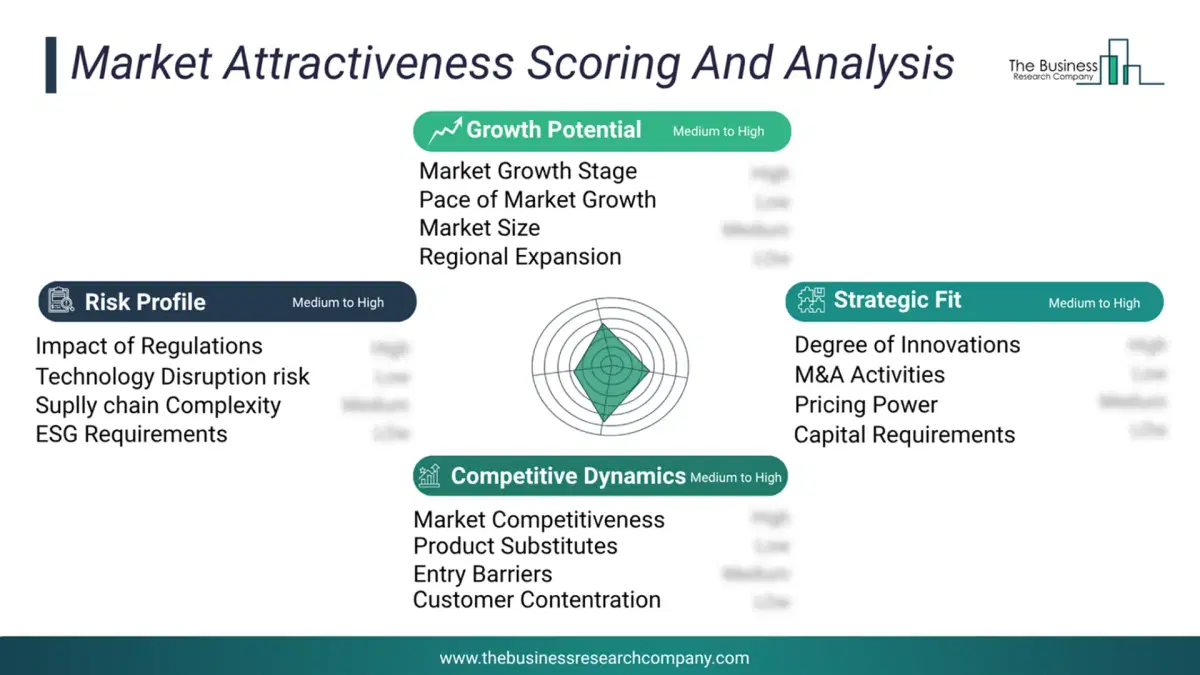
This chart presents market attractiveness based on a quantitative evaluation of growth, competition, strategic alignment, and risk, offering a clear view of opportunity areas for decision-making. This chart is for illustrative purposes; the full report contains the complete analysis.
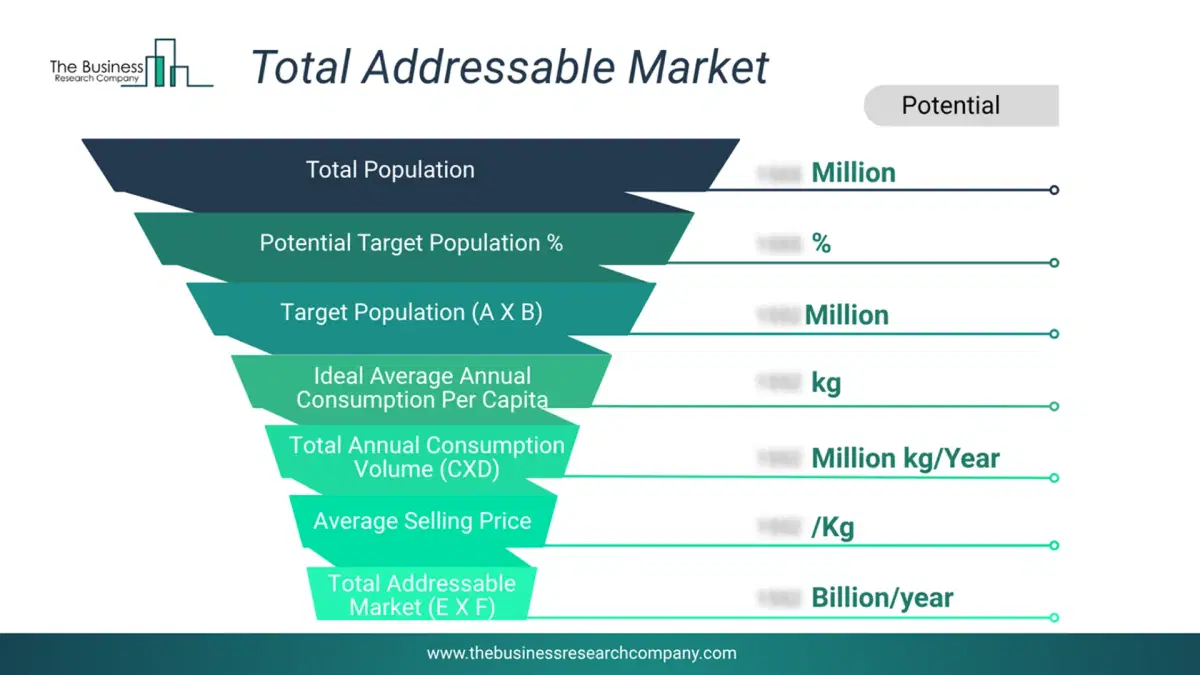
This chart highlights the Total Addressable Market (TAM) by estimating the maximum revenue opportunity using an assumption-driven approach, supporting strategic planning and opportunity sizing across markets. The chart is illustrative; the full report provides a more comprehensive analysis.
What Key Data and Analysis Are Included in the Maritime Digitization Market Report 2026?
The maritime digitization market research report is one of a series of new reports from The Business Research Company that provides market statistics, including industry global market size, regional shares, competitors with the market share, detailed market segments, market trends and opportunities, and any further data you may need to thrive in the maritime digitization industry. The market research report delivers a complete perspective of everything you need, with an in-depth analysis of the current and future state of the industry.Maritime Digitization Market Report Forecast Analysis
| Report Attribute | Details |
|---|---|
| Market Size Value In 2026 | $241.25 billion |
| Revenue Forecast In 2035 | $372.24 billion |
| Growth Rate | CAGR of 10.4% from 2026 to 2035 |
| Base Year For Estimation | 2025 |
| Actual Estimates/Historical Data | 2020-2025 |
| Forecast Period | 2026 - 2030 - 2035 |
| Market Representation | Revenue in USD Billion and CAGR from 2026 to 2035 |
| Segments Covered | Technology, Application, End User |
| Regional Scope | Asia-Pacific, Western Europe, Eastern Europe, North America, South America, Middle East, Africa |
| Country Scope | The countries covered in the report are Australia, Brazil, China, France, Germany, India, ... |
| Key Companies Profiled | Microsoft Corporation; Huawei Technologies Co. Ltd.; Siemens AG; Lockheed Martin Corporation; Intel Corporation; The International Business Machines Corporation; Cisco Systems Inc.; Oracle Corporation; Schneider Electric SE; Honeywell International Inc.; SAP SE; ABB Ltd.; Telefonaktiebolaget LM Ericsson; Det Norske Veritas; Wärtsilä Oyj Abp; Kongsberg Gruppen ASA; Prime Marine Management Inc.; Inmarsat Global Limited; American Bureau of Shipping; Iridium Communications Inc.; Spire Global Inc.; MariApps Marine Solutions Pte Ltd.; SparkCognition Inc.; Envision Enterprise Solutions Pvt Ltd.; Orbcomm Inc.; Windward Ltd.; Marine Solutionz Ship Management Pvt Ltd. |
| Customization Scope | Request for Customization |
| Pricing And Purchase Options | Explore Purchase Options |