
Medical Imaging Displays And Post Processing Software Market Report 2026
Global Outlook – By Type (Medical Imaging Displays, Post-Processing Software), By Technology (X-ray, Computed Tomography (CT), Ultrasound, Magnetic Resonance Imaging (MRI), Single-Photon Emission Computed Tomography (SPECT), Positron Emission Tomography (PET)), By Image (2D, 3D, 4D) – Market Size, Trends, Strategies, and Forecast to 2030
Medical Imaging Displays And Post Processing Software Market Overview
• Medical Imaging Displays And Post Processing Software market size has reached to $6.39 billion in 2025 • Expected to grow to $13.02 billion in 2030 at a compound annual growth rate (CAGR) of 15.2% • Growth Driver: Digital Transformation In Medical Imaging • Market Trend: Advancements in Diagnostic Monitors • North America was the largest region in 2025 and Asia-Pacific is the fastest growing region.Market Gains By 2030 – Top Opportunities By Segment
Market Gain identifies the most promising market opportunities by highlighting the segments or products expected to generate the highest incremental revenue growth over the next five years.
What Is Covered Under Medical Imaging Displays And Post Processing Software Market?
Medical imaging displays and post-processing software refer to specialized systems used in healthcare for visualizing, analyzing, and enhancing medical images obtained from diagnostic tools. Medical imaging displays are high-resolution monitors designed to accurately present detailed images with clarity and precision, ensuring that radiologists and physicians can detect subtle abnormalities or issues. Post-processing software complements these displays by enabling advanced image manipulation, which helps in more accurate diagnoses and treatment planning. These technologies are essential in improving diagnostic accuracy, speeding up analysis, and enhancing patient care across various medical fields. The main types of medical imaging displays and post-processing software are medical imaging displays and post-processing software. Medical imaging displays are used during surgery to transport, process, store, and show medical images. Medical display monitors serve a critical role in the medical imaging process by enabling radiologists and surgeons to study and assess the images generated by imaging modalities such as CT and MRI. The medical imaging displays and post-processing software uses various technology including x-ray, CT, ultrasound, MRI, SPECT, and PET. The medical imaging displays and post-processing software gives different types of images, such as 2D, 3D, and 4D. Medical imaging displays and post-processing software are applied in medical, commercial, and academic fields.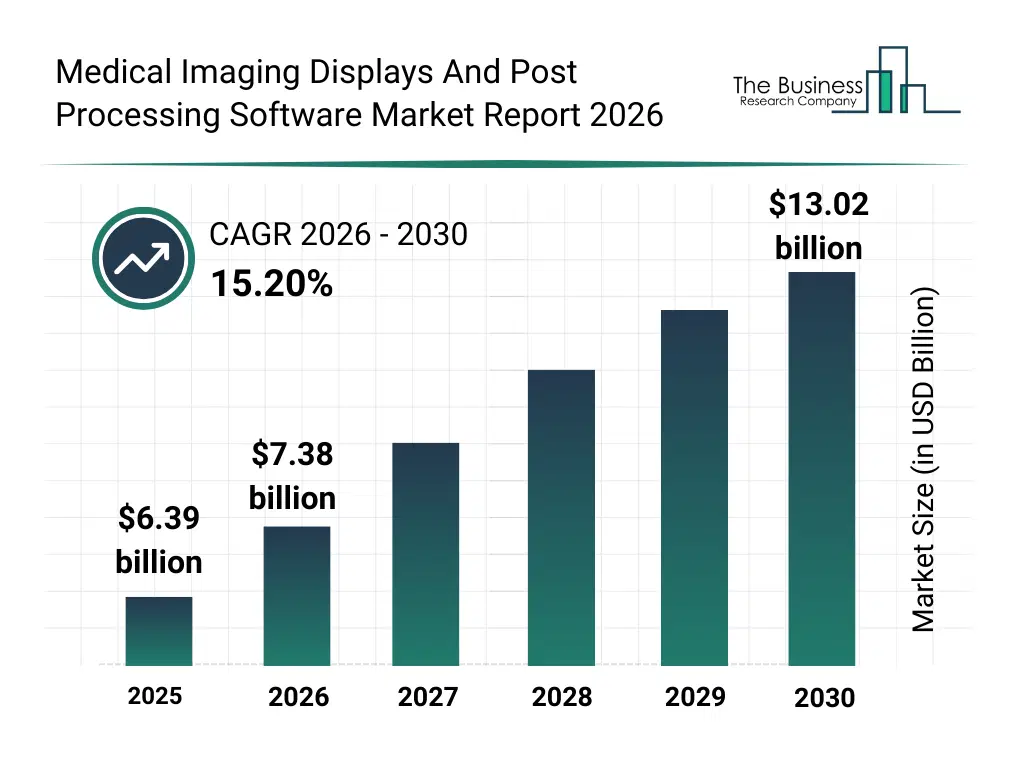
What Is The Medical Imaging Displays And Post Processing Software Market Size and Share 2026?
The medical imaging displays and post processing software market size has grown rapidly in recent years. It will grow from $6.39 billion in 2025 to $7.38 billion in 2026 at a compound annual growth rate (CAGR) of 15.5%. The growth in the historic period can be attributed to expansion of diagnostic imaging procedures, rising prevalence of chronic diseases, adoption of digital imaging technologies, increasing use of advanced radiology workflows, growth in hospital imaging departments.What Is The Medical Imaging Displays And Post Processing Software Market Growth Forecast?
The medical imaging displays and post processing software market size is expected to see rapid growth in the next few years. It will grow to $13.02 billion in 2030 at a compound annual growth rate (CAGR) of 15.2%. The growth in the forecast period can be attributed to increasing investments in ai-driven diagnostics, rising demand for precision imaging tools, expansion of tele-radiology services, growing integration of imaging software with hospital IT systems, increasing adoption of cloud-based image processing. Major trends in the forecast period include increasing adoption of ai-enhanced image processing software, rising demand for high-resolution diagnostic displays, growing use of 3D and 4d imaging visualization, expansion of workflow-integrated imaging platforms, enhanced focus on diagnostic accuracy and speed.
Global Medical Imaging Displays And Post Processing Software Market Segmentation
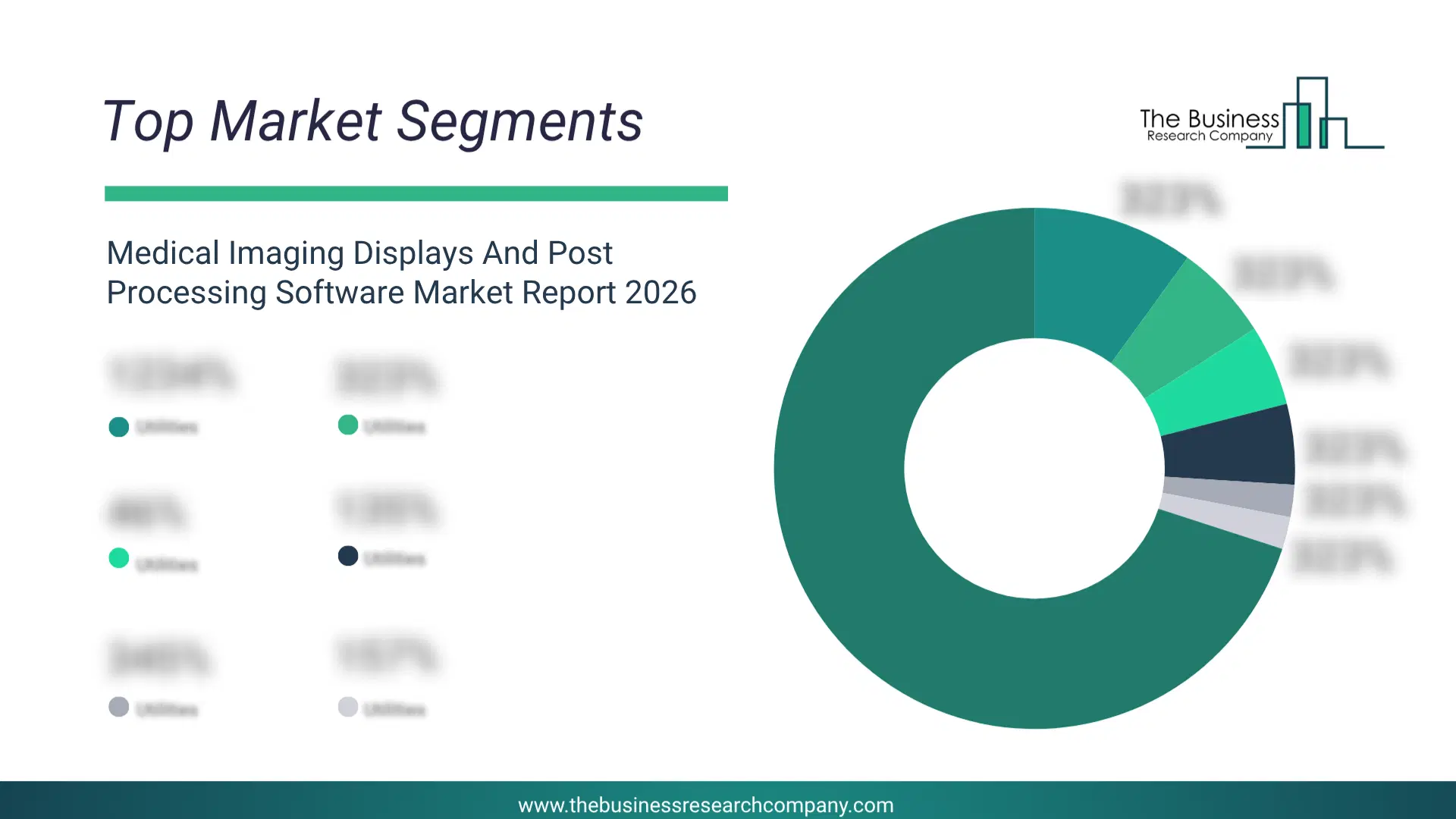
1) By Type: Medical Imaging Displays, Post-Processing Software 2) By Technology: X-ray, Computed Tomography (CT), Ultrasound, Magnetic Resonance Imaging (MRI), Single-Photon Emission Computed Tomography (SPECT), Positron Emission Tomography (PET) 3) By Image: 2D, 3D, 4D Subsegments: 1) By Medical Imaging Displays: LCD Displays, LED Displays, OLED Displays, Monochrome Displays, Color Displays, Multi-Head Displays 2) By Post-Processing Software: 2D Image Processing Software, 3D Image Reconstruction Software, Image Analysis Software, Visualization Software, Workflow Management Software, AI-Enhanced Post-Processing Software The top segments in the medical imaging displays and post processing software market will be: • Medical Imaging Displays will reach $7 Billion by 2030. • Post-Processing Software will reach $6 Billion by 2030.What Is The Driver Of The Medical Imaging Displays And Post Processing Software Market?
The increase in digitization of medical imaging is expected to propel the growth of the medical imaging displays and post-processing software market. Digitization involves transforming analogue signals or information in any form into a digital format understandable by computer systems or other electronic devices. Large amounts of data can be transformed into insights using medical imaging displays and post-processing software, resulting in more accurate diagnoses, tailored treatments, and happier patients. For instance, in March 2025, according to the National Health Service (NHS) England, a UK-based government department, in the 12-month period from December 2023 to November 2024, the number of imaging tests increased to 48.4?million, with 3.75?million tests conducted in November 2024, marking a notable rise in diagnostic imaging activity compared to the previous year. Therefore, the increase in digitization of medical imaging is driving the growth of the medical imaging displays and post-processing software market.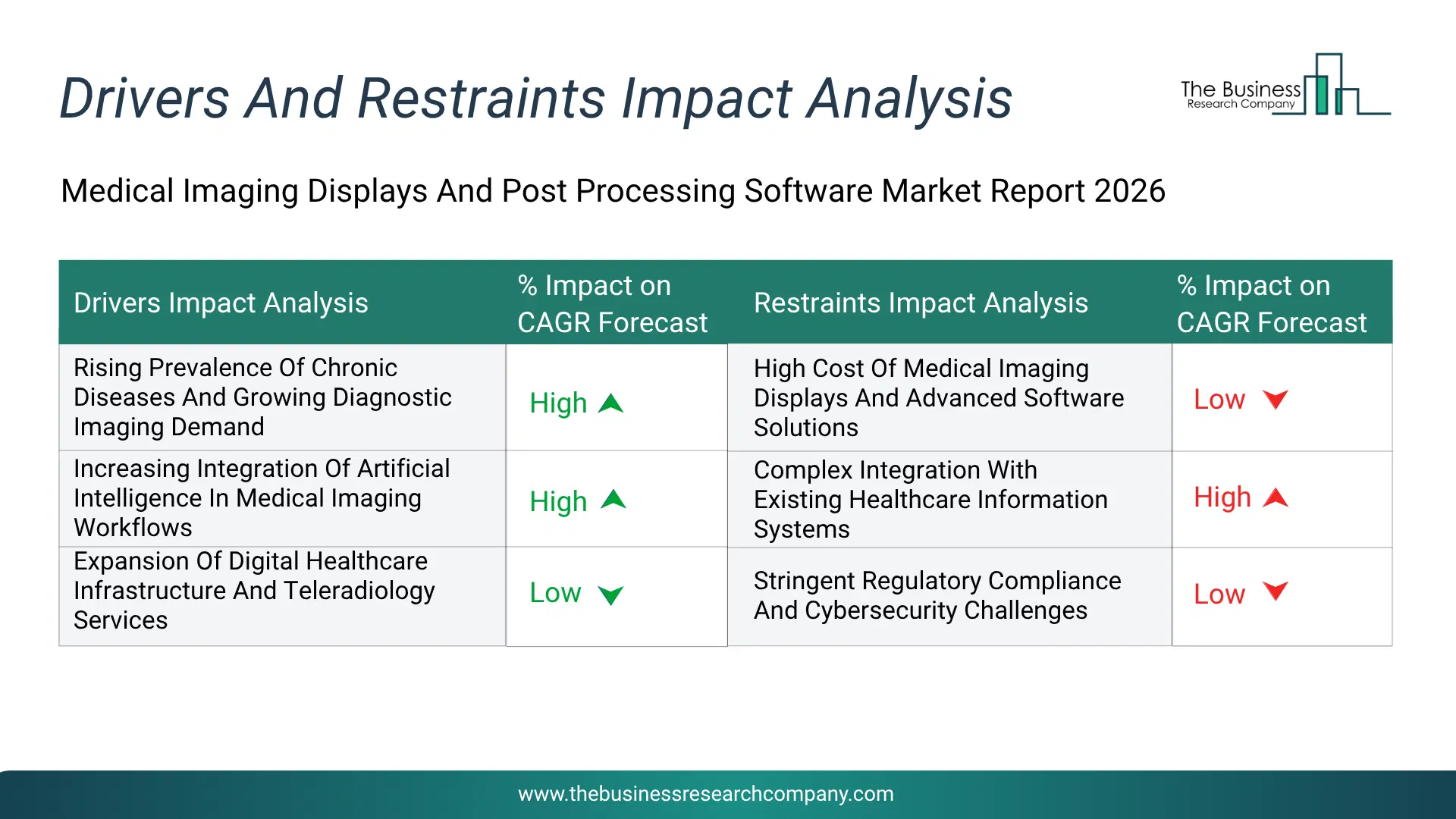
Infographic Chart Showing Key Market Drivers Analysis And Restraints For Medical Imaging Displays And Post Processing Software Market
The chart presents an impact analysis of key drivers and restraints, quantifying their relative influence on the market's growth rate and helping assess the balance between growth enablers and limiting factors. This chart offers a high-level perspective; the full report contains more detailed insights.
How Will The Drivers Impact Growth In The Global Medical Imaging Displays And Post Processing Software Market?
• Rising Prevalence Of Chronic Diseases And Growing Diagnostic Imaging Demand (High) – During the forecast period, the rising prevalence of chronic diseases and growing diagnostic imaging demand is expected to become a key growth driver for the medical imaging displays and post processing software market by 2030. Rising prevalence of chronic diseases and growing diagnostic imaging demand is a major driver of the Medical Imaging Displays And Post Processing Software market because the increasing incidence of cancer, cardiovascular disorders, neurological diseases, and orthopedic conditions has significantly raised the need for advanced diagnostic imaging. Hospitals and diagnostic centers are performing a higher number of CT, MRI, PET, ultrasound, and X-ray examinations, creating strong demand for high-resolution medical displays and advanced post-processing software. These solutions enable radiologists to visualize complex anatomical structures with greater precision, improve diagnostic confidence, and support faster clinical decision-making. • Increasing Integration Of Artificial Intelligence In Medical Imaging Workflows (High) – During the forecast period, the increasing integration of artificial intelligence in medical imaging workflows is expected to emerge as a major factor driving the expansion of the medical imaging displays and post processing software market by 2030. Increasing integration of artificial intelligence in medical imaging workflows is significantly driving market growth by improving the speed, accuracy, and efficiency of image interpretation. AI-powered post-processing software assists healthcare professionals in automated image segmentation, lesion detection, organ measurement, and clinical decision support, reducing manual workload while enhancing diagnostic precision. Advanced AI algorithms also help prioritize critical cases and streamline radiology workflows, improving patient outcomes and operational efficiency. As healthcare organizations increasingly adopt intelligent imaging platforms to enhance productivity and reduce reporting time, demand for sophisticated medical displays and AI-enabled software solutions continues to rise across hospitals and diagnostic imaging facilities. • Expansion Of Digital Healthcare Infrastructure And Teleradiology Services (Low) – During the forecast period, the expansion of digital healthcare infrastructure and teleradiology services is expected to act as a key growth catalyst for the medical imaging displays and post processing software market by 2030. Expansion of digital healthcare infrastructure and teleradiology services is fueling the medical imaging displays and post processing software market by enabling remote access to diagnostic imaging across geographically dispersed healthcare facilities. The widespread adoption of picture archiving and communication systems (PACS), cloud-based imaging platforms, electronic health records, and telemedicine has increased the need for high-performance diagnostic displays and advanced visualization software. These technologies allow radiologists to securely review, process, and share medical images from remote locations while maintaining diagnostic quality. Continuous investments in healthcare digitization, hospital modernization, and remote diagnostic capabilities are creating sustained demand for integrated imaging solutions worldwide.How Will The Restraints Impact Growth In The Global Medical Imaging Displays And Post Processing Software Market?
• High Cost Of Medical Imaging Displays And Advanced Software Solutions (High) – During the forecast period, the high cost of medical imaging displays and advanced software solutions remains one of the primary restraints limiting market adoption. Medical-grade displays require specialized calibration, high-resolution panels, regulatory compliance, and continuous quality assurance, making them substantially more expensive than conventional monitors. Similarly, advanced post-processing software involves licensing fees, maintenance costs, periodic upgrades, and staff training expenses. Small hospitals, diagnostic centers, and healthcare providers in developing regions often face budget constraints that delay or limit investments in these technologies. The high overall cost of ownership slows widespread adoption despite the long-term clinical benefits offered by advanced imaging solutions. • Complex Integration With Existing Healthcare Information Systems (High) – During the forecast period, the complex integration with existing healthcare information systems acts as a significant barrier because new imaging software and display systems must seamlessly connect with existing PACS, radiology information systems (RIS), hospital information systems (HIS), and electronic health records (EHR). Integration often requires software customization, interoperability testing, infrastructure upgrades, and specialized technical expertise. Compatibility issues can increase deployment time, operational complexity, and implementation costs, discouraging healthcare providers from rapidly upgrading their imaging infrastructure. These challenges can delay digital transformation initiatives and reduce the pace of market growth. • Stringent Regulatory Compliance And Cybersecurity Challenges (Low) – During the forecast period, the stringent regulatory compliance and cybersecurity challenges continue to restrain market expansion as medical imaging software increasingly incorporates AI, cloud connectivity, and network-based data sharing. Manufacturers must comply with evolving regulatory requirements governing software as a medical device (SaMD), data privacy, cybersecurity, and clinical validation before introducing new products. Additionally, healthcare organizations remain vulnerable to ransomware attacks and data breaches involving sensitive patient imaging data, requiring substantial investments in cybersecurity infrastructure. The lengthy approval processes, regulatory complexities, and rising security concerns increase development costs and slow the commercialization of innovative imaging technologies.Key Players In The Global Medical Imaging Displays And Post Processing Software Market
Major companies operating in the medical imaging displays and post processing software market are Carestream Health, Esaote SpA, General Electric Company, Softneta, mediCAD Hectec GmbH, Siemens Medical Solutions USA Inc., Hitachi Ltd., Koninklijke Philips NV, Shimadzu Corporation, 3dMD, Alma Medical Imaging, Barco NV, EDDA Technology Inc., Hologic Inc., MEDIAN Technologies, Nemotec Medical Imaging Inc., Owandy Radiology, Emedica Health Inc., Medecom Medical Systems Inc., Vieworks Co. Ltd., Planmed Oy, Accuray Incorporated, Agfa Healthcare NV, Canon Medical Systems Corporation, Fujifilm Holdings Corporation, Merge Healthcare Inc., Sectra AB, Toshiba Medical Systems Corporation, Vital Images Inc., NEC Corporation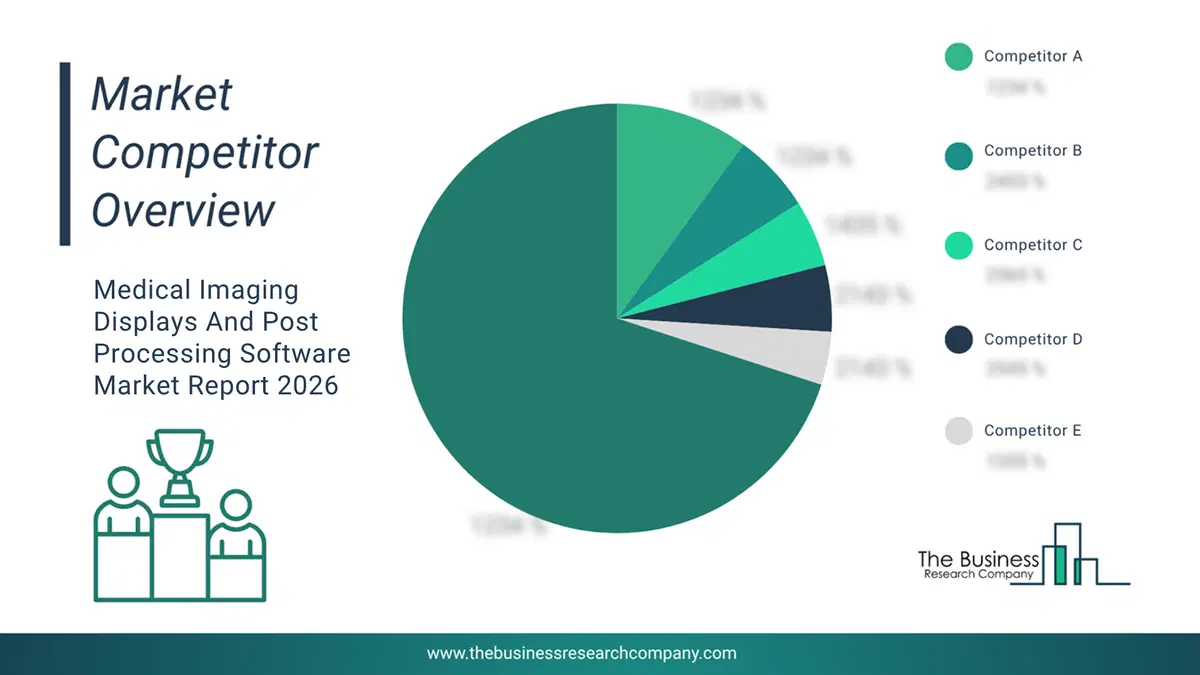
This chart is for illustrative purposes; the full report includes a detailed competitor analysis and comprehensive overview of the top 10 companies in the market.
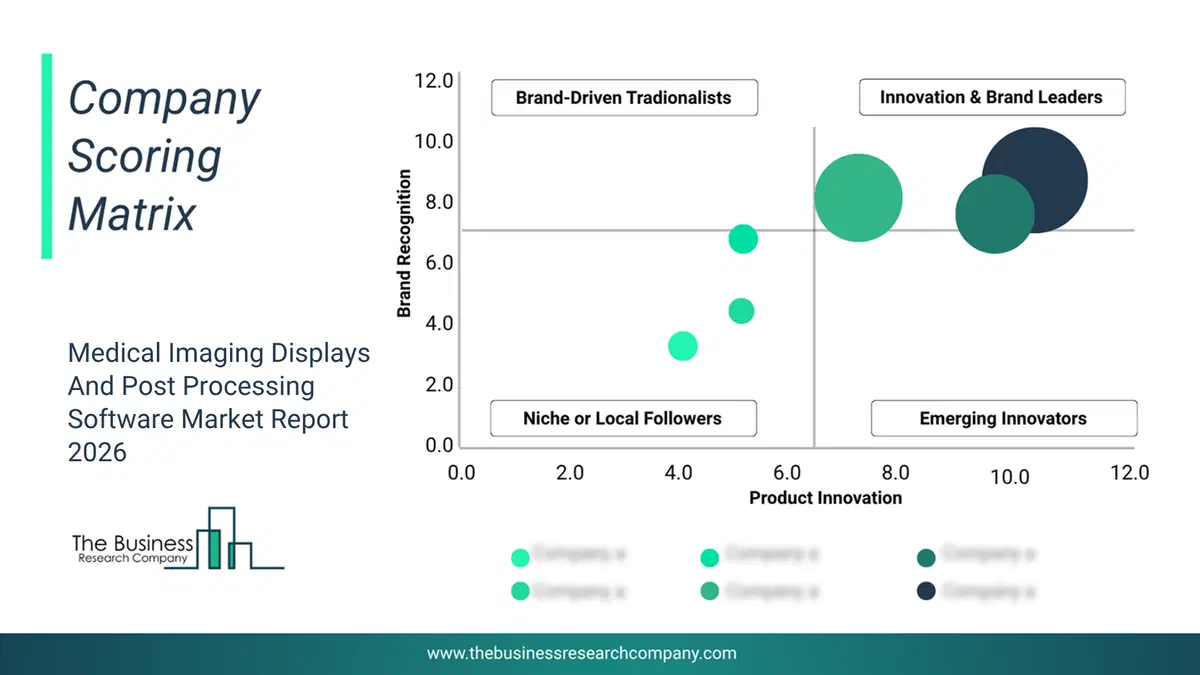
This chart maps companies by product innovation and brand strength, with bubble size indicating relative revenue, helping identify market leaders, challengers, and niche players. This is an illustrative chart; the full report provides a complete and accurate competitive analysis.
Global Medical Imaging Displays And Post Processing Software Market Trends and Insights
Major companies in the medical imaging displays and post-processing software market are focused on developing advanced diagnostic monitors to enhance image clarity, accuracy, and overall diagnostic capabilities. Diagnostic monitors refer to specialized display devices used in medical settings for the accurate visualization and interpretation of medical images. For instance, in May 2023, LG Electronics, a South Korea-based electronics company, launched 31.5-inch IPS Black diagnostic monitor (model 32HQ713D), which features an impressive 8MP resolution and a brightness of 1000 cd/m². This monitor is designed specifically for medical imaging applications, providing enhanced clarity and detail essential for diagnostic purposes.What Are Latest Mergers And Acquisitions In The Medical Imaging Displays And Post Processing Software Market?
In February 2023, Bayer, a Germany-based pharmaceutical company, acqured Blackford Analysis Ltd. for an undisclosed amount. This acquisition is aimed at bolstering Bayer's position in digital medical imaging and advancing innovation in radiology through the integration of AI technologies into clinical workflows. Blackford Analysis Ltd. is a Scotland-based company, providing AI-driven solutions for radiology.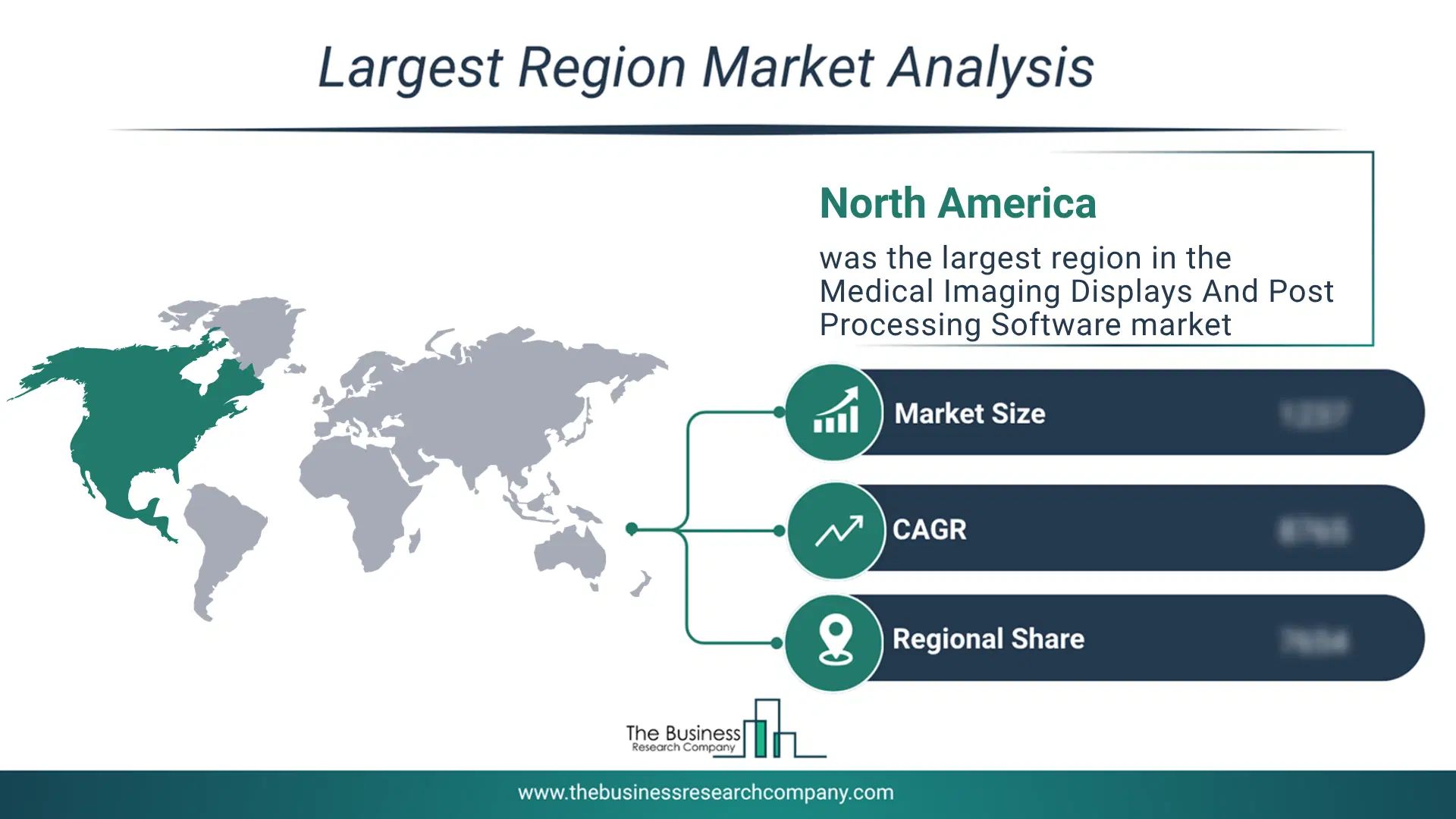
Regional Outlook
North America was the largest region in the medical imaging displays and post processing software market in 2025. Asia-Pacific is expected to be the fastest-growing region in the forecast period. The regions covered in this market report are Asia-Pacific, South East Asia, Western Europe, Eastern Europe, North America, South America, Middle East, Africa. The countries covered in this market report are Australia, Brazil, China, France, Germany, India, Indonesia, Japan, Taiwan, Russia, South Korea, UK, USA, Canada, Italy, SpainWhat Defines the Medical Imaging Displays And Post Processing Software Market?
The medical imaging displays and post-processing software market includes revenues earned by entities by CAD Software and 3D CAD software. The market value includes the value of related goods sold by the service provider or included within the service offering. Only goods and services traded between entities or sold to end consumers are included.How is Market Value Defined and Measured?
The market value is defined as the revenues that enterprises gain from the sale of goods and/or services within the specified market and geography through sales, grants, or donations in terms of the currency (in USD unless otherwise specified). The revenues for a specified geography are consumption values that are revenues generated by organizations in the specified geography within the market, irrespective of where they are produced. It does not include revenues from resales along the supply chain, either further along the supply chain or as part of other products.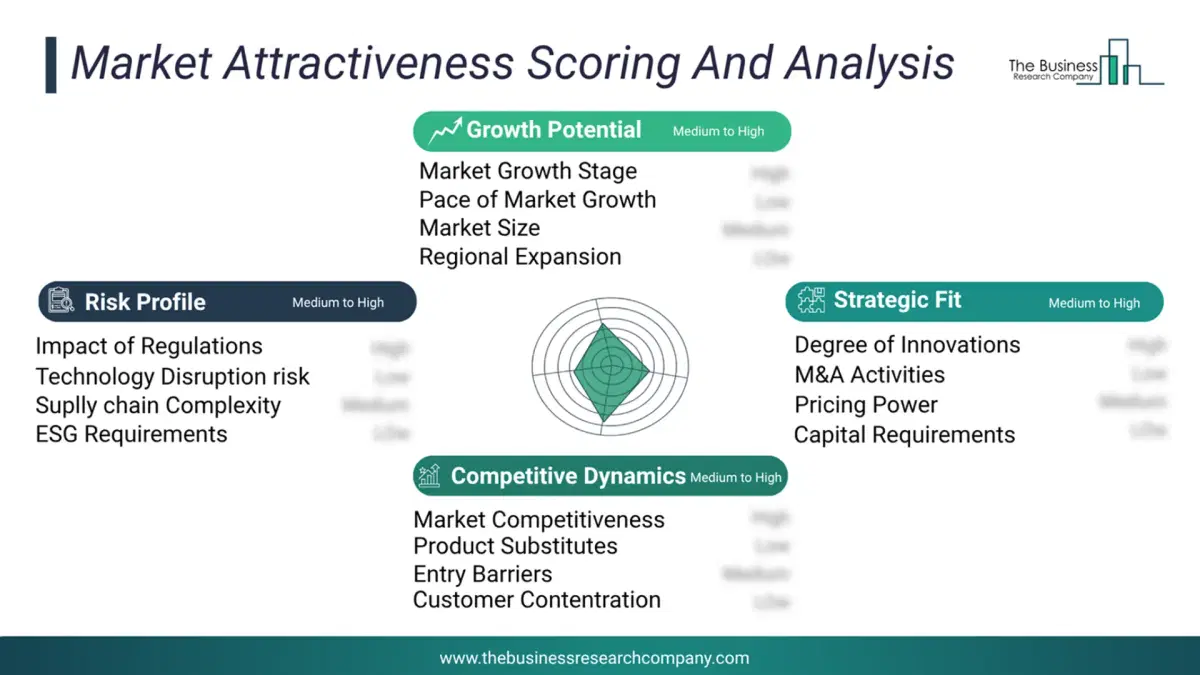
This chart presents market attractiveness based on a quantitative evaluation of growth, competition, strategic alignment, and risk, offering a clear view of opportunity areas for decision-making. This chart is for illustrative purposes; the full report contains the complete analysis.
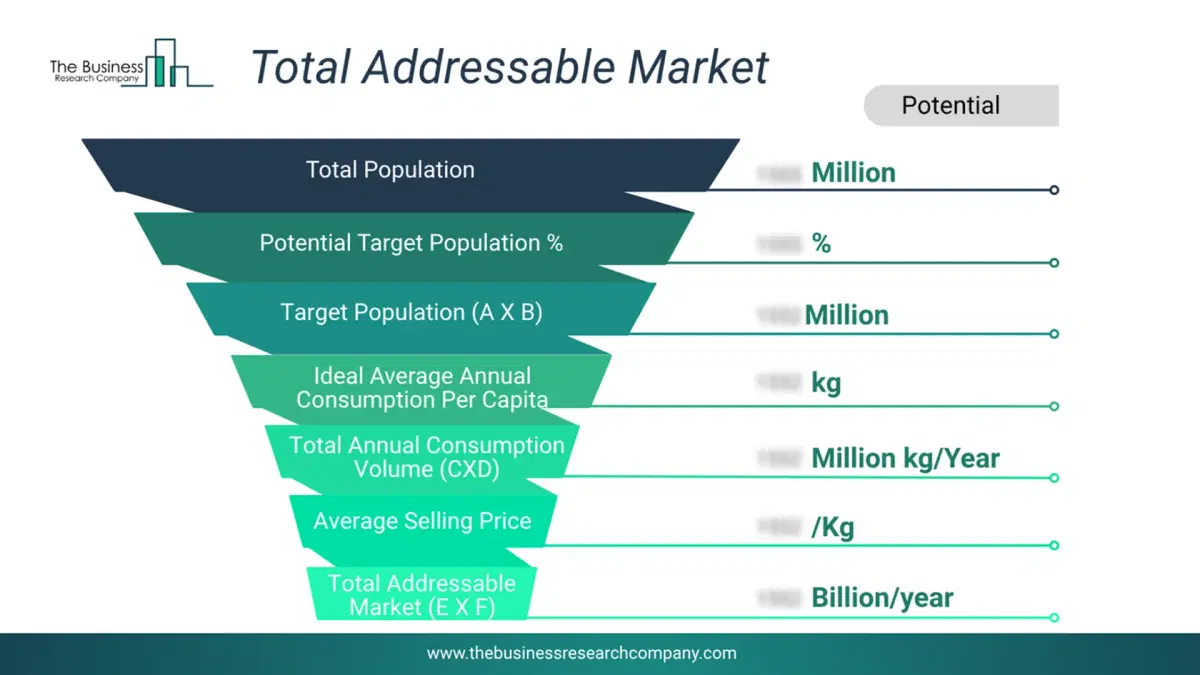
This chart highlights the Total Addressable Market (TAM) by estimating the maximum revenue opportunity using an assumption-driven approach, supporting strategic planning and opportunity sizing across markets. The chart is illustrative; the full report provides a more comprehensive analysis.
What Key Data and Analysis Are Included in the Medical Imaging Displays And Post Processing Software Market Report 2026?
The medical imaging displays and post processing software market research report is one of a series of new reports from The Business Research Company that provides market statistics, including industry global market size, regional shares, competitors with the market share, detailed market segments, market trends and opportunities, and any further data you may need to thrive in the medical imaging displays and post processing software industry. The market research report delivers a complete perspective of everything you need, with an in-depth analysis of the current and future state of the industry.Medical Imaging Displays And Post Processing Software Market Report Forecast Analysis
| Report Attribute | Details |
|---|---|
| Market Size Value In 2026 | $7.38 billion |
| Revenue Forecast In 2030 | $13.02 billion |
| Growth Rate | CAGR of 15.2% from 2026 to 2030 |
| Base Year For Estimation | 2025 |
| Actual Estimates/Historical Data | 2020-2025 |
| Forecast Period | 2026 - 2030 |
| Market Representation | Revenue in USD Billion and CAGR from 2026 to 2030 |
| Segments Covered | Type, Technology, Image |
| Regional Scope | Asia-Pacific, Western Europe, Eastern Europe, North America, South America, Middle East, Africa |
| Country Scope | The countries covered in the report are Australia, Brazil, China, France, Germany, India, Indonesia, Japan, Taiwan, Russia, South Korea, UK, USA, Canada, Italy, Spain. |
| Key Companies Profiled | Carestream Health, Esaote SpA, General Electric Company, Softneta, mediCAD Hectec GmbH, Siemens Medical Solutions USA Inc., Hitachi Ltd., Koninklijke Philips NV, Shimadzu Corporation, 3dMD, Alma Medical Imaging, Barco NV, EDDA Technology Inc., Hologic Inc., MEDIAN Technologies, Nemotec Medical Imaging Inc., Owandy Radiology, Emedica Health Inc., Medecom Medical Systems Inc., Vieworks Co. Ltd., Planmed Oy, Accuray Incorporated, Agfa Healthcare NV, Canon Medical Systems Corporation, Fujifilm Holdings Corporation, Merge Healthcare Inc., Sectra AB, Toshiba Medical Systems Corporation, Vital Images Inc., NEC Corporation |
| Customization Scope | Request for Customization |
| Pricing And Purchase Options | Explore Purchase Options |