
Microbial Fermentation Technology Market Report 2026
Global Outlook – By Type (Medical, Industrial, Alcohol Beverages, Food And Feed Products), By Application (Antibiotics, Probiotics Supplements, Recombinant Proteins, Vaccines, Enzymes), By End User (Bio-Pharmaceutical Companies, Contract Research Organizations (CROs), Contract Manufacturing Organization (CMOs) And Contract Development And Manufacturing Organization (CDMOs), Academic And Research Institutes) – Market Size, Trends, Strategies, and Forecast to 2030
Microbial Fermentation Technology Market Overview
• Microbial Fermentation Technology market size has reached to $40.76 billion in 2025 • Expected to grow to $59.63 billion in 2030 at a compound annual growth rate (CAGR) of 7.7% • Growth Driver: The Increasing Demand For Alcoholic Beverages Fueling The Growth Of The Market Due To Changing Lifestyles And Rising Preference For Health-Focused Alcohol Options • Market Trend: Strategic Partnerships Accelerate Innovation And Commercialization In Microbial Fermentation Technologies • Asia-Pacific was the largest region in 2025.Market Gains By 2030 – Top Opportunities By Segment
Market Gain identifies the most promising market opportunities by highlighting the segments or products expected to generate the highest incremental revenue growth over the next five years.
What Is Covered Under Microbial Fermentation Technology Market?
Microbial fermentation technology refers to the process of utilizing microorganisms such as bacteria, yeast, or fungi to produce various valuable substances through controlled fermentation reactions. The technology involves creating optimal conditions for the growth and metabolism of specific microorganisms, including providing suitable nutrients, temperature, pH, and oxygen levels. The main types of microbial fermentation technology are medical, industrial, alcoholic beverages, food, and feed products. Medical microbial fermentation involves the use of microorganisms such as bacteria, yeast, and fungi to produce medical and pharmaceutical products through the process of fermentation. These are used in various applications such as antibiotics, probiotics supplements, monoclonal antibodies, recombinant proteins, biosimilars, vaccines, enzymes, and small molecules and also by various end users such as bio-pharmaceutical companies, contract research organizations (CROs), contract manufacturing organizations (CMOs) and contract development and manufacturing organization (DEMOs), academic and research institutes.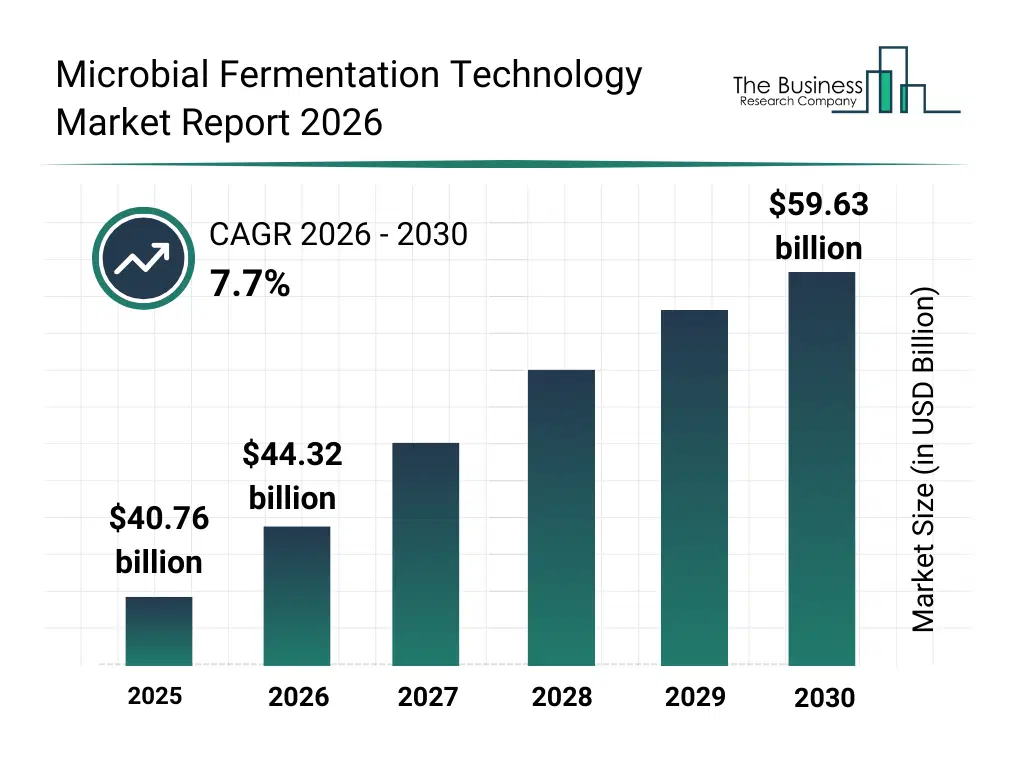
What Is The Microbial Fermentation Technology Market Size and Share 2026?
The microbial fermentation technology market size has grown strongly in recent years. It will grow from $40.76 billion in 2025 to $44.32 billion in 2026 at a compound annual growth rate (CAGR) of 8.7%. The growth in the historic period can be attributed to growth of pharmaceutical and biotech manufacturing, increasing demand for antibiotics and vaccines, expansion of industrial biotechnology applications, availability of fermentation infrastructure, rising research activity in microbiology.What Is The Microbial Fermentation Technology Market Growth Forecast?
The microbial fermentation technology market size is expected to see strong growth in the next few years. It will grow to $59.63 billion in 2030 at a compound annual growth rate (CAGR) of 7.7%. The growth in the forecast period can be attributed to increasing demand for biologics and biosimilars, rising investments in sustainable bio-based production, expansion of precision fermentation applications, growing focus on process automation, increasing adoption of digital bioprocessing tools. Major trends in the forecast period include increasing adoption of high-efficiency bioreactors, rising focus on scalable fermentation processes, growing use of advanced microbial strain engineering, expansion of continuous fermentation techniques, enhanced process monitoring and control.
Global Microbial Fermentation Technology Market Segmentation
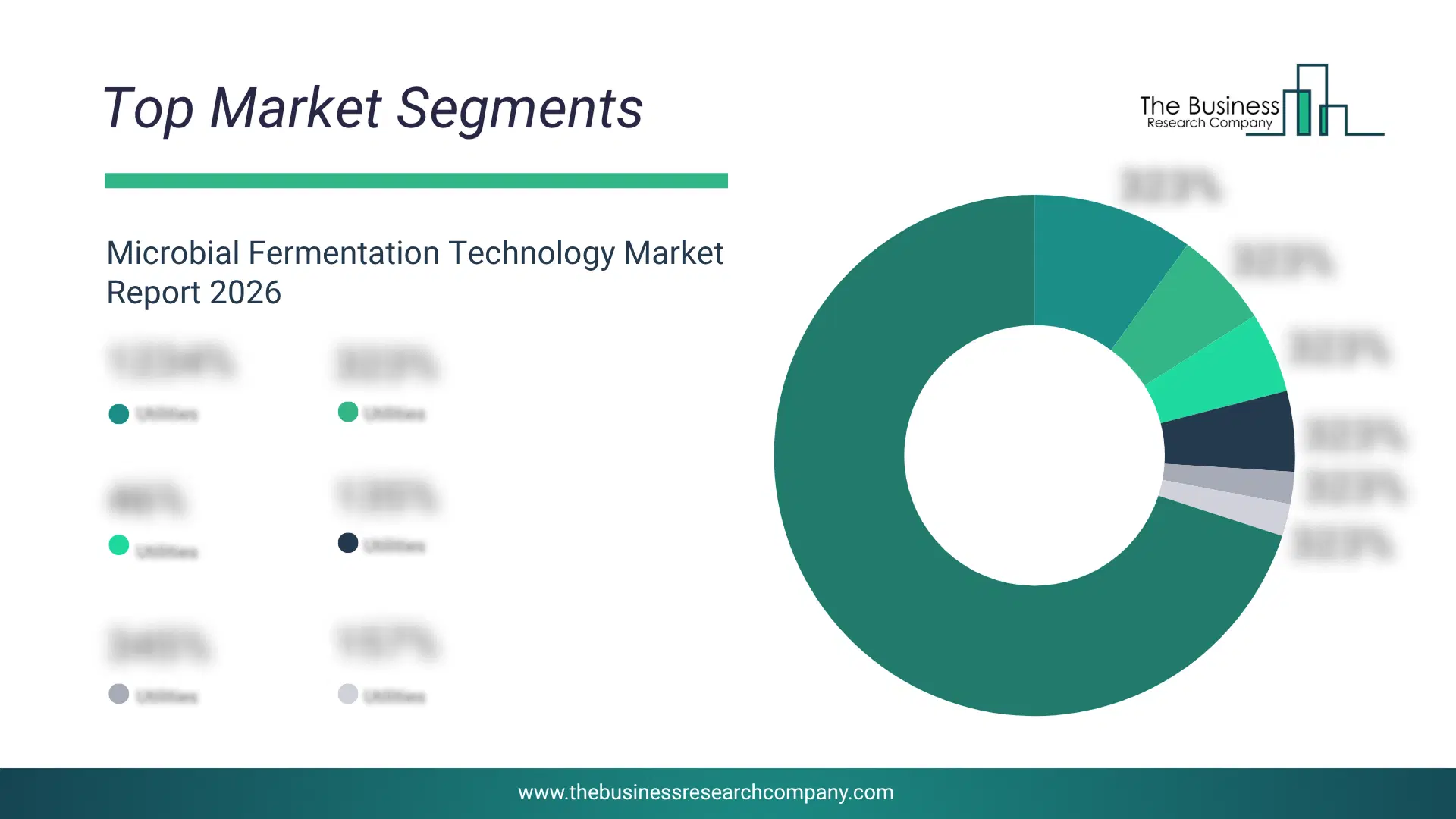
1) By Type: Medical, Industrial, Alcohol Beverages, Food And Feed Products 2) By Application: Antibiotics, Probiotics Supplements, Recombinant Proteins, Vaccines, Enzymes 3) By End User: Bio-Pharmaceutical Companies, Contract Research Organizations (CROs), Contract Manufacturing Organization (CMOs) And Contract Development And Manufacturing Organization (CDMOs), Academic And Research Institutes Subsegments: 1) By Medical: Antibiotics Production, Therapeutic Proteins Production, Vaccines Production 2) By Industrial: Biofuels Production, Biochemicals Production 3) By Alcohol Beverages: Beer Production, Wine Production, Spirits Production 4) By Food And Feed Products: Probiotics, Food Additives The top segments in the microbial fermentation technology market will be: • Medical will reach $35893.88 Million by 2030. • Bio-Pharmaceutical Companies will reach $18182.34 Million by 2030. • Antibiotics will reach $16071.1 Million by 2030. • Contract Research Organizations (CROs) will reach $13113.12 Million by 2030. • Food And Feed Products will reach $11506.86 Million by 2030.What Is The Driver Of The Microbial Fermentation Technology Market?
The increasing demand for alcoholic beverages is expected to propel the growth of the microbial fermentation technology market going forward. Alcoholic beverages are fermented liquors containing ethyl alcohol or ethanol, produced from sugars in fruits, grains, plant saps, honey, tubers, and other natural sources. The rise in demand for alcoholic beverages is driven by shifting lifestyles and the growing popularity of healthier alcoholic options, such as low-calorie, low-alcohol, and organic beverages. Microbial fermentation technology plays a crucial role in alcohol production by enabling precise control, customization, scalability, and environmentally sustainable fermentation processes. For instance, in February 2023, according to the Distilled Spirits Council of the United States, Inc. (DISCUS), a US-based is the national trade association, spirits sector recorded supplier sales of US $37.7 billion, with volumes reaching $0.3088 billion (308.8 million) 9-litre cases (a 1.2% increase), while maintaining over 42% of the total U.S. beverage alcohol market share. Therefore, the increasing demand for alcoholic beverages is driving the growth of the microbial fermentation technology industry.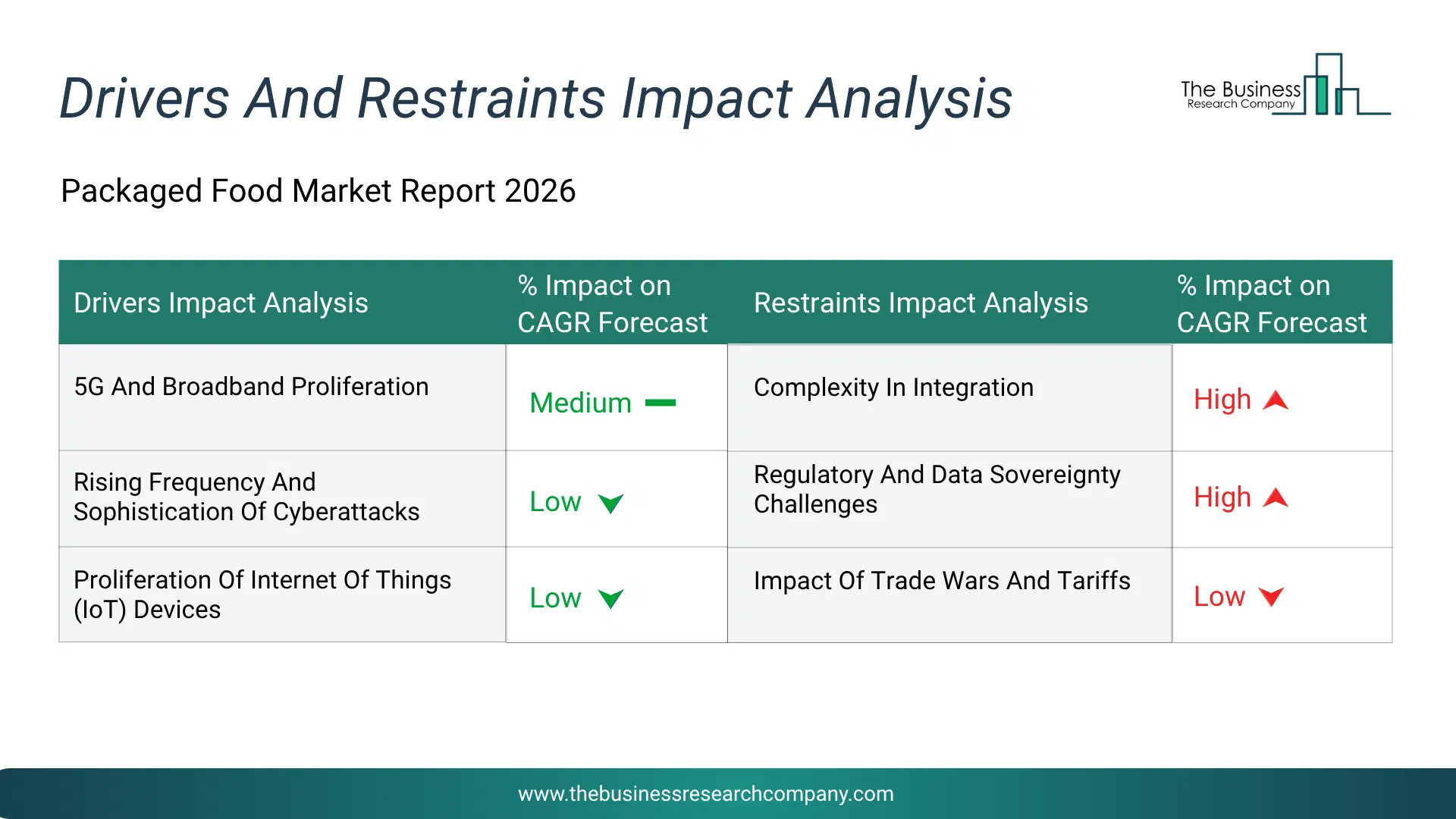
Infographic Chart Showing Key Market Drivers Analysis And Restraints For Microbial Fermentation Technology Market
The chart presents an impact analysis of key drivers and restraints, quantifying their relative influence on the market's growth rate and helping assess the balance between growth enablers and limiting factors. This chart offers a high-level perspective; the full report contains more detailed insights.
How Will The Drivers Impact Growth In The Global Microbial Fermentation Technology Market?
• Rising Demand for Biopharmaceuticals (Medium) – During the forecast period, the rising demand for biopharmaceuticals within digital manufacturing processes will serve as a key growth catalyst for the microbial fermentation technology market by 2030. biopharmaceutical products such as recombinant proteins, biosimilars, vaccines, enzymes, and fermentation-derived small molecules increasingly form the backbone of modern therapeutic pipelines. microbial fermentation offers a scalable and economically viable production route for many of these biologics, particularly where rapid growth rates, high expression yields, and process robustness are required. as pharmaceutical companies expand biologics portfolios and seek flexible manufacturing solutions, demand for fermentation equipment, media, process development services, and commercial-scale production capabilities is expected to rise. therefore, this rising demand for biopharmaceuticals projected to supporting to a 0.8% annual growth in the market. • Expansion of Chronic and Infectious Diseases (Medium) – During the forecast period, the expansion of chronic and infectious diseases will become a key driver of growth in the microbial fermentation technology market by 2030. chronic conditions such as metabolic disorders, autoimmune diseases, and long-term infections require continuous access to biologically derived therapeutics, including antibiotics, vaccines, recombinant proteins, and biosimilars, many of which are produced through microbial fermentation. infectious disease management further relies on rapid, scalable, and cost-effective production platforms to meet fluctuating demand for antimicrobial agents and preventive solutions. microbial fermentation enables high-volume, consistent manufacturing of these biologics while supporting process scalability and regulatory compliance. as a result, the expansion of chronic and infectious diseases is anticipated to contributing to a 1.5% annual growth in the market. • Advancements in Bioprocess Automation (Low) – During the forecast period, the advancements in bioprocess automation will emerge as a major factor driving the expansion of the microbial fermentation technology market by 2030. automation technologies enhance real-time monitoring, process control, and data-driven optimization of microbial growth, metabolite production, and downstream recovery. these improvements reduce batch variability, minimize manual intervention, and enable consistent product quality across multiple production scales. automated fermentation systems also shorten development timelines and facilitate faster transition from pilot-scale to commercial manufacturing. as biopharmaceutical, industrial biotechnology, and food fermentation producers seek to reduce operational complexity and improve throughput, the adoption of automated fermentation platforms and digitally integrated bioprocess systems is expected to accelerate market expansion. consequently, the advancements in bioprocess automation is projected to contributing to a 1.3% annual growth in the market. • Expanding Use of Probiotics, Postbiotics, and Functional Microbiome (Low) – During the forecast period, the expanding use of probiotics, postbiotics, and functional microbiome will propel the growth of the microbial fermentation technology market. These products rely on controlled microbial cultivation, fermentation optimization, and precise downstream processing to ensure functional efficacy, stability, and safety. Growing interest in gut health, immune support, and preventative nutrition has increased demand for fermentation-derived microbial strains and metabolites across food, feed, and healthcare applications. Microbial fermentation enables standardized production of live and non-viable microbial components at scale, supporting consistent quality and regulatory compliance. The expanding use of probiotics, postbiotics, and functional microbiome growth contribution during the forecast period in 2025 is 0.5%.How Will The Restraints Impact Growth In The Global Microbial Fermentation Technology Market?
• High Production Costs (Medium) – During the forecast period, high production costs are restricting the growth of the microbial fermentation technology market during the forecast period. microbial fermentation processes require substantial capital investment in bioreactors, sterilization systems, process automation, and downstream purification infrastructure. in addition, ongoing operational expenses related to energy consumption, fermentation media, microbial strain maintenance, quality control, and waste management increase overall production costs. maintaining sterile environments and ensuring batch consistency further add to operational complexity. these cost pressures can restrict adoption among small and mid-sized manufacturers and slow capacity expansion, particularly in cost-sensitive applications such as food, feed, and industrial biotechnology. growth affected by the high production costs during the forecast period in 2025 is -2.0%. • Difficulty in Scaling Up Production (Medium) – During the forecast period, difficulty in scaling up production is restricting the growth of the microbial fermentation technology market during the forecast period. scaling fermentation systems introduces challenges in maintaining uniform mixing, oxygen transfer, temperature control, and nutrient distribution across large bioreactor volumes. these scale-dependent changes can negatively impact microbial performance, yield stability, and product quality. process variability during scale-up often requires extensive optimization, validation, and engineering adjustments, extending development timelines and increasing technical risk. as a result, companies may face delays in commercialization and higher capital requirements, limiting the pace of market expansion. growth affected by the difficulty in scaling up production during the forecast period in 2025 is -1.5%. • Impact of Trade War and Tariff (Low) – During the forecast period, the impact of the trade war and tariffs is restricting the growth of the microbial fermentation technology market during the forecast period. fermentation processes rely on globally sourced raw materials, specialized bioprocess equipment, and consumables, making the market sensitive to cross-border trade policies. tariffs on fermentation equipment, chemicals, or biological inputs can raise capital and operating costs for manufacturers, while trade restrictions may delay equipment procurement or limit market access. ongoing trade uncertainties can discourage long-term investment in fermentation infrastructure and slow international expansion, particularly for companies operating across multiple regions. growth affected by the impact of the trade war and tariffs during the forecast period in 2025 is -0.2%.Key Players In The Global Microbial Fermentation Technology Market
Major companies operating in the microbial fermentation technology market are Cargill Inc., Archer Daniels Midland Company, BASF SE, Evonik Industries AG, Royal DSM NV, Ajinomoto Co Inc., Lonza Group, Novozymes A/S, Ginkgo Bioworks Inc., Amyris Inc., Biovectra Inc., BIOZEEN, MycoTechnology Inc., Unibio A/S, Locus Fermentation Solutions, Lygos Inc., Amano Enzyme Inc., ZymoChem Inc., Conagen Inc., NovoNutrients, F. Hoffmann-La Roche AG, AGC Group, Givaudan SA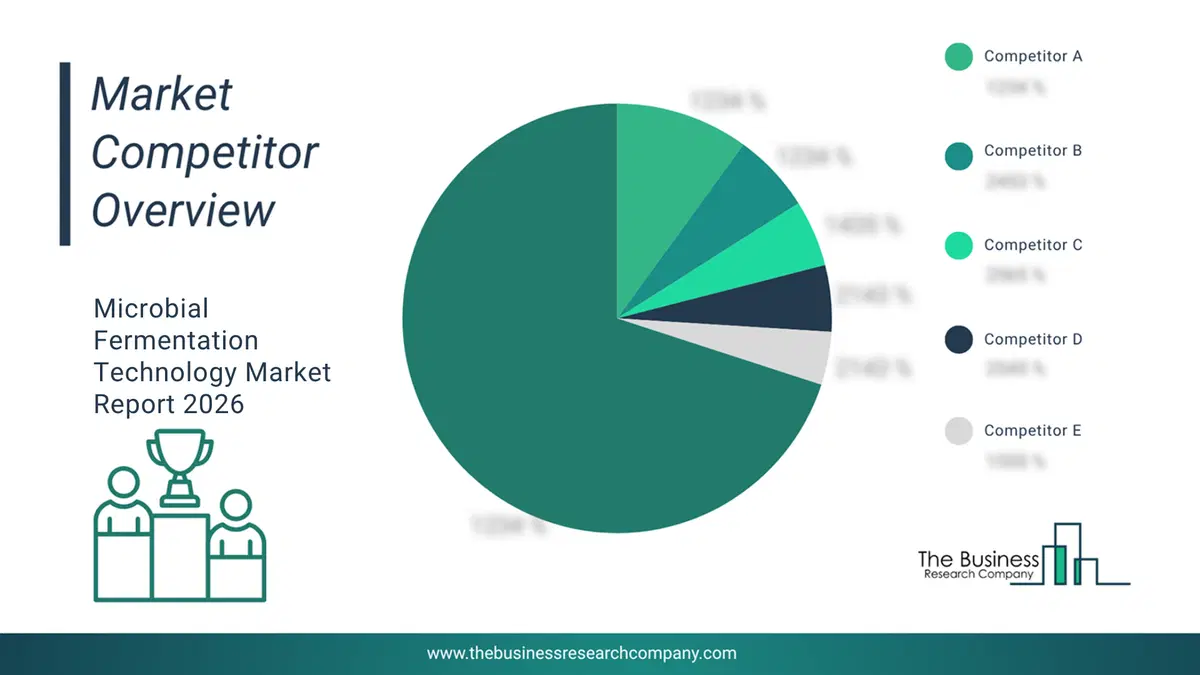
This chart is for illustrative purposes; the full report includes a detailed competitor analysis and comprehensive overview of the top 10 companies in the market.
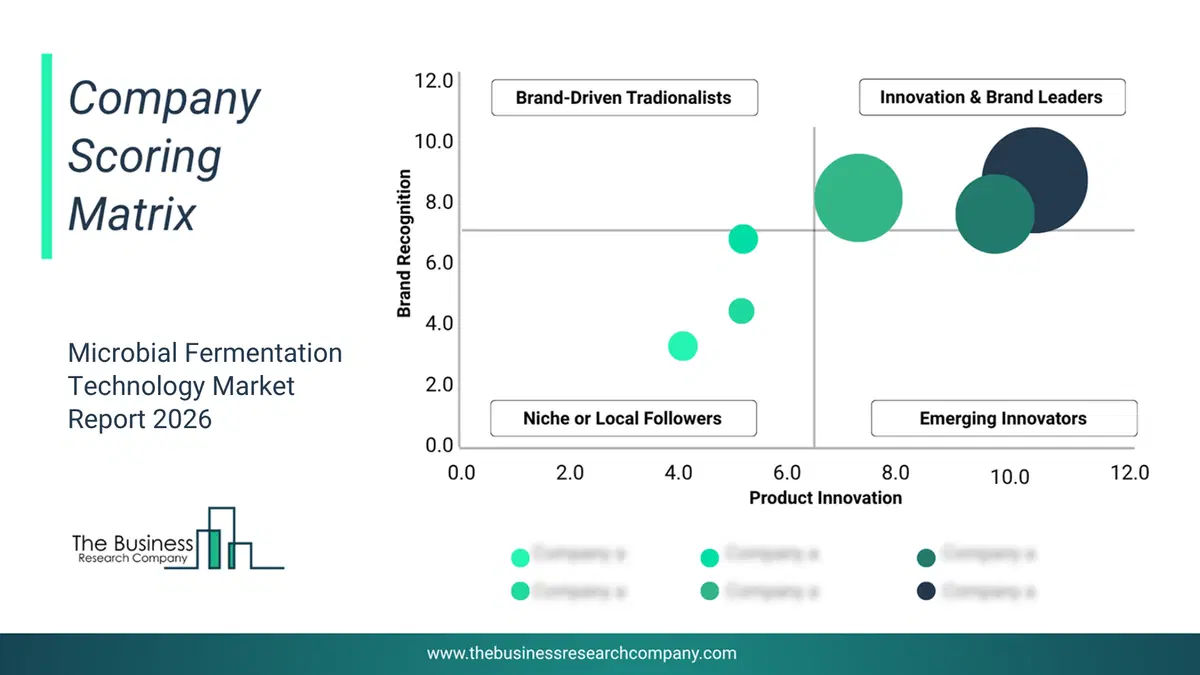
This chart maps companies by product innovation and brand strength, with bubble size indicating relative revenue, helping identify market leaders, challengers, and niche players. This is an illustrative chart; the full report provides a complete and accurate competitive analysis.
Global Microbial Fermentation Technology Market Trends and Insights
Major companies operating in the microbial fermentation technology market are focusing on forming advanced strategic partnerships to enhance research capabilities, expand fermentation-derived product pipelines, and accelerate the commercialization of next-generation bio-based materials. Strategic partnerships in microbial fermentation refer to collaborative agreements in which organizations combine expertise in strain engineering, bioprocess optimization, and scalable manufacturing to improve production efficiency and bring sustainable fermentation products to market more rapidly. For instance, in April 2023, Solvay, a Belgium-based materials and chemicals company, entered into a multi-year strategic collaboration with Ginkgo Bioworks, a U.S.-based synthetic biology company, to co-develop sustainable biopolymers produced through microbial fermentation. Designed to accelerate innovation and scale-up, the partnership leverages Ginkgo’s strain-design and bioengineering capabilities alongside Solvay’s industrial R&D infrastructure to support the development and commercialization of renewable, high-value specialty materials.What Are Latest Mergers And Acquisitions In The Microbial Fermentation Technology Market?
In June 2024, Lesaffre S.A., a France-based global leader in fermentation and microorganism technologies, acquired dsm-Firmenich’s yeast extract business for an undisclosed amount. Through this acquisition, Lesaffre aims to enhance its innovation capabilities in yeast derivative processing and expand its portfolio of savory-ingredient solutions by integrating dsm-Firmenich’s specialized processing technologies and team of 46 experts. dsm-firmenich N.V.-Firmenich is a Switzerland-based company whose yeast extract unit develops yeast-derived ingredients used in savory applications and microbial fermentation processes.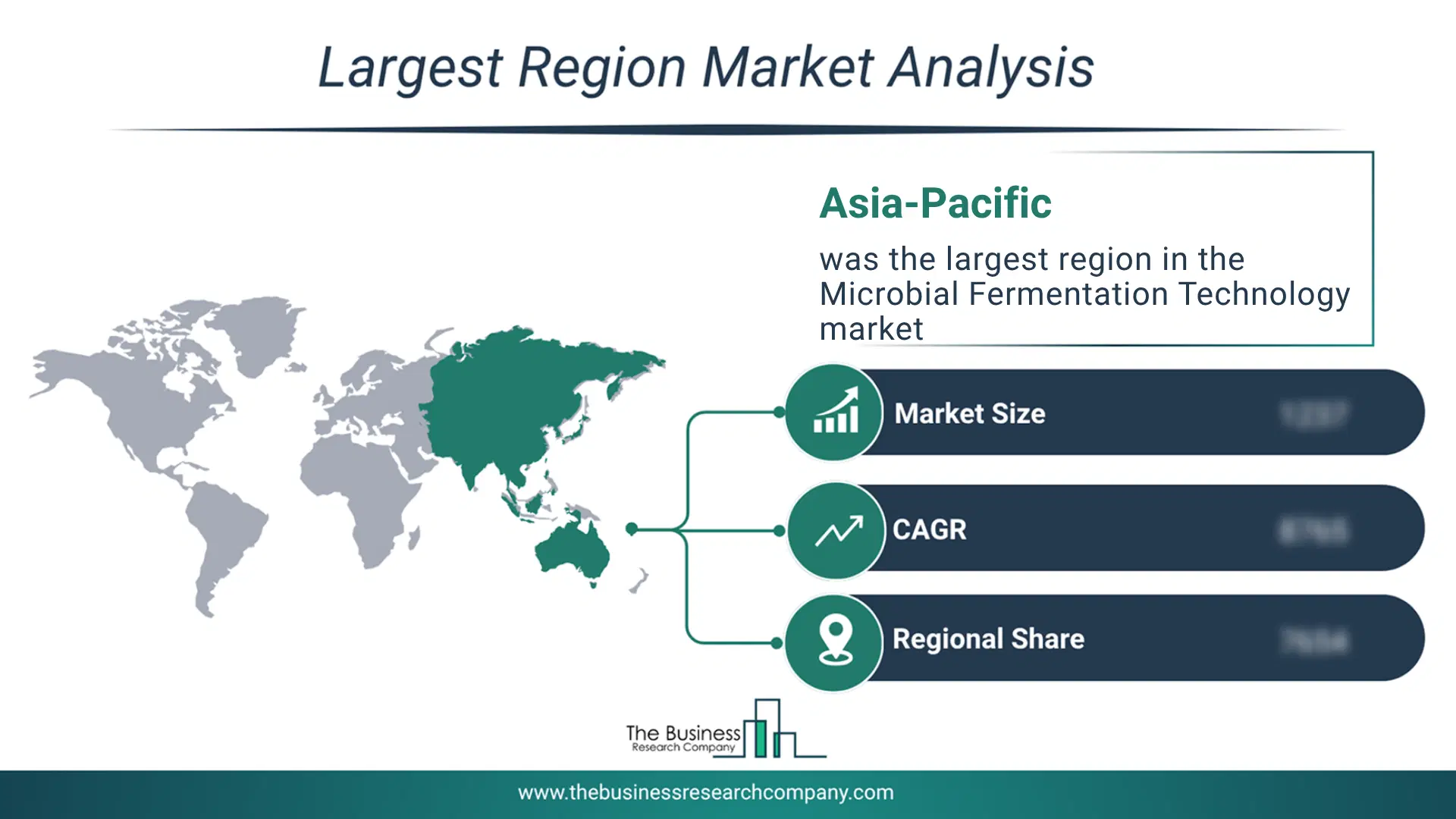
Regional Insights
Asia-Pacific was the largest region in the microbial fermentation technology market in 2025. The regions covered in this market report are Asia-Pacific, South East Asia, Western Europe, Eastern Europe, North America, South America, Middle East, Africa. The countries covered in this market report are Australia, Brazil, China, France, Germany, India, Indonesia, Japan, Taiwan, Russia, South Korea, UK, USA, Canada, Italy, Spain.What Defines the Microbial Fermentation Technology Market?
The microbial fermentation technology market consists of revenues earned by entities by providing services such as analytical and quality control services, research and development (R&D) services, equipment and bioreactor services, and data management and bioinformatics. The market value includes the value of related goods sold by the service provider or included within the service offering. The microbial fermentation technology market also includes sales of pharmaceutical products, biofuels and biochemicals, and specialty chemicals. Values in this market are ‘factory gate’ values, that is the value of goods sold by the manufacturers or creators of the goods, whether to other entities (including downstream manufacturers, wholesalers, distributors, and retailers) or directly to end customers. The value of goods in this market includes related services sold by the creators of the goods.How is Market Value Defined and Measured?
The market value is defined as the revenues that enterprises gain from the sale of goods and/or services within the specified market and geography through sales, grants, or donations in terms of the currency (in USD unless otherwise specified). The revenues for a specified geography are consumption values that are revenues generated by organizations in the specified geography within the market, irrespective of where they are produced. It does not include revenues from resales along the supply chain, either further along the supply chain or as part of other products.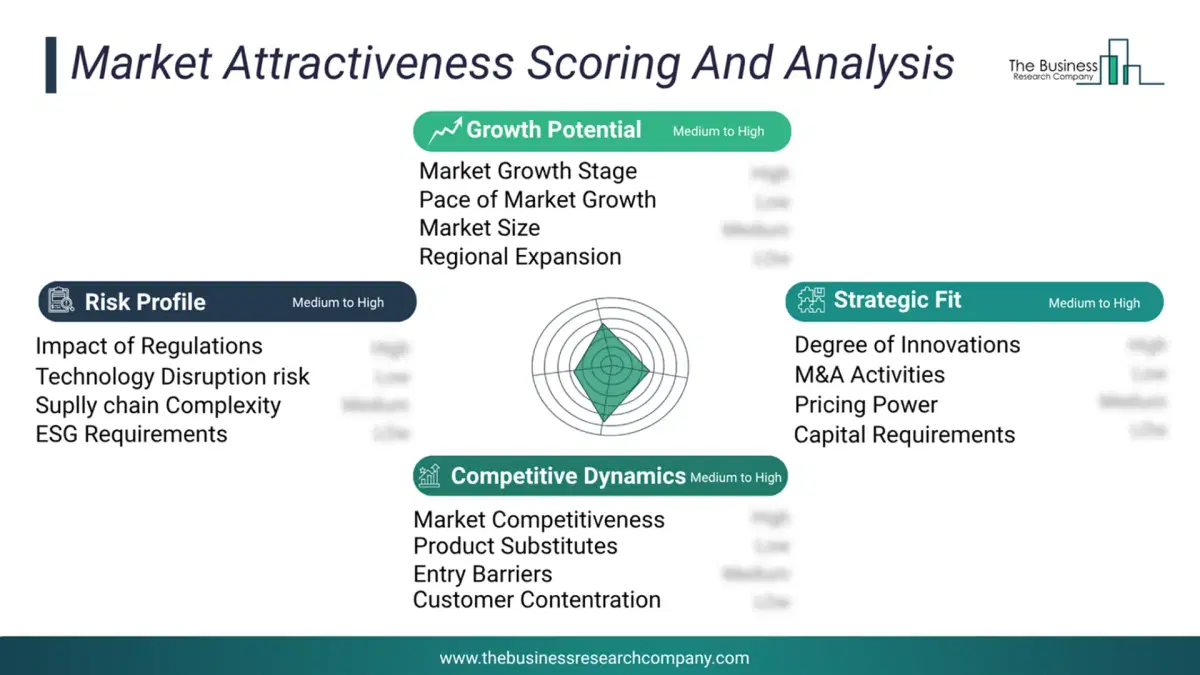
This chart presents market attractiveness based on a quantitative evaluation of growth, competition, strategic alignment, and risk, offering a clear view of opportunity areas for decision-making. This chart is for illustrative purposes; the full report contains the complete analysis.
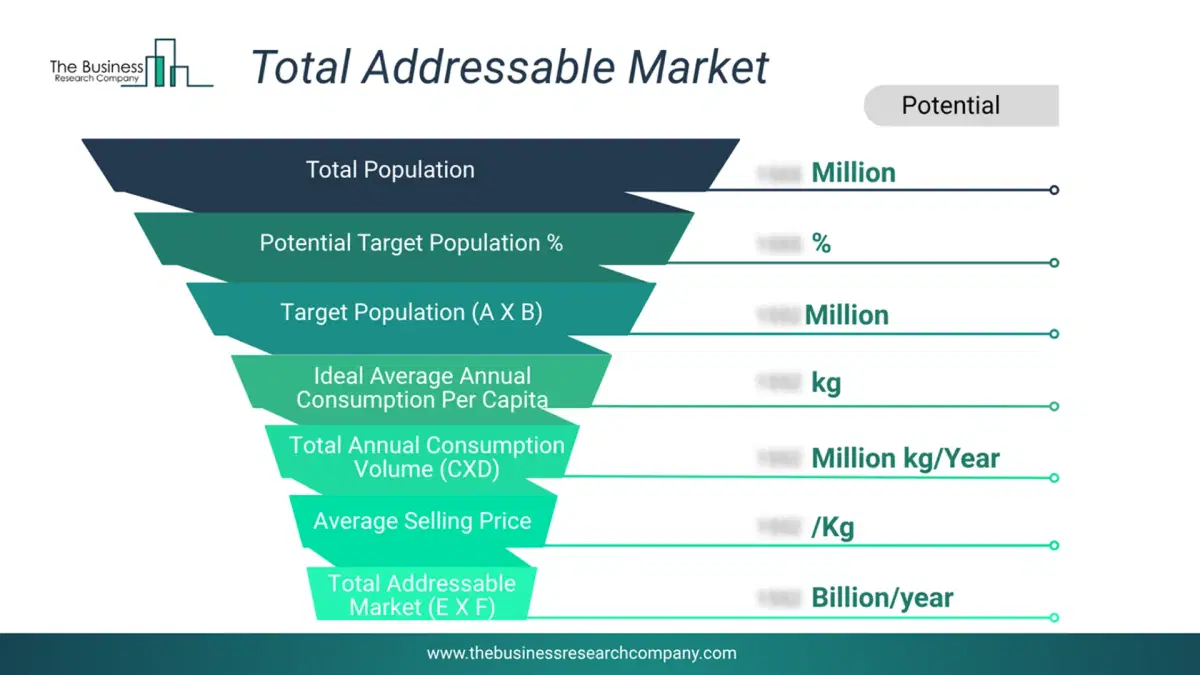
This chart highlights the Total Addressable Market (TAM) by estimating the maximum revenue opportunity using an assumption-driven approach, supporting strategic planning and opportunity sizing across markets. The chart is illustrative; the full report provides a more comprehensive analysis.
What Key Data and Analysis Are Included in the Microbial Fermentation Technology Market Report 2026?
The microbial fermentation technology market research report is one of a series of new reports from The Business Research Company that provides market statistics, including industry global market size, regional shares, competitors with the market share, detailed market segments, market trends and opportunities, and any further data you may need to thrive in the microbial fermentation technology industry. The market research report delivers a complete perspective of everything you need, with an in-depth analysis of the current and future state of the industry.Microbial Fermentation Technology Market Report Forecast Analysis
| Report Attribute | Details |
|---|---|
| Market Size Value In 2026 | $44.32 billion |
| Revenue Forecast In 2030 | $59.63 billion |
| Growth Rate | CAGR of 8.7% from 2026 to 2030 |
| Base Year For Estimation | 2025 |
| Actual Estimates/Historical Data | 2020-2025 |
| Forecast Period | 2026 - 2030 - 2035 |
| Market Representation | Revenue in USD Billion and CAGR from 2026 to 2030 |
| Segments Covered | Type, Application, End User |
| Regional Scope | Asia-Pacific, Western Europe, Eastern Europe, North America, South America, Middle East, Africa |
| Country Scope | The countries covered in the report are Australia, Brazil, China, France, Germany, India, Indonesia, Japan, Taiwan, Russia, South Korea, UK, USA, Canada, Italy, Spain. |
| Key Companies Profiled | Cargill Inc., Archer Daniels Midland Company, BASF SE, Evonik Industries AG, Royal DSM NV, Ajinomoto Co Inc., Lonza Group, Novozymes A/S, Ginkgo Bioworks Inc., Amyris Inc., Biovectra Inc., BIOZEEN, MycoTechnology Inc., Unibio A/S, Locus Fermentation Solutions, Lygos Inc., Amano Enzyme Inc., ZymoChem Inc., Conagen Inc., NovoNutrients, F. Hoffmann-La Roche AG, AGC Group, Givaudan SA |
| Customization Scope | Request for Customization |
| Pricing And Purchase Options | Explore Purchase Options |