
Oilseeds Market Report 2026
Global Outlook – By Oilseed Type (Copra, Cottonseed, Palm Kernel, Peanut, Rapeseed, Soybean, Sunflower Seed, Other Oilseed Types), By Biotech Trait (Herbicide Tolerant, Insecticide Resistant, Other Stacked Trait), By Category (Genetically Modified, Conventional), By Application (Oilseed Meal, Vegetable Oil, Other Applications), By End-Use Industry (Food Industry, Personal Care and Cosmetic, Pharmaceutical, Other End Users) – Market Size, Trends, Strategies, and Forecast to 2030
Oilseeds Market Overview
• Oilseeds market size has reached to $351.44 billion in 2025 • Expected to grow to $521.09 billion in 2030 at a compound annual growth rate (CAGR) of 8.1% • Growth Driver: Growing Utilization Of Oilseeds In Animal Feed Drives Demand For The Oilseed Market • Market Trend: Government Launches National Mission Edible Oils-Oilseeds To Boost Domestic Production • North America was the largest region in 2025 and Asia-Pacific is the fastest growing region.Market Gains By 2030 – Top Opportunities By Segment
Market Gain identifies the most promising market opportunities by highlighting the segments or products expected to generate the highest incremental revenue growth over the next five years.
What Is Covered Under Oilseeds Market?
Oilseed refers to a crop or seed that is especially produced for the purpose of extracting edible oil from seeds. Oil, a staple of our food and a significant source of fatty acids, is produced mostly from oilseed crops. Soybeans and peanuts can be viewed as oilseeds in a more general sense. The main types of oil seeds are copra, cottonseed, palm kernel, peanut, rapeseed, soybean, sunflower seed, and others. The copra oilseeds refer to the dried meaty part of the coconut, which is used for extracting oil, and the residue remaining after extraction is converted to a coconut-oil cake that is used as feed for animals. The various biotech traits include herbicide tolerant, insecticide resistant, and other stacked traits that can be divided into categories including genetically modified and conventional. Numerous applications include oilseed meal, vegetable oil, and other applications which are used by various end-use industries such as the food industry, personal care and cosmetics, pharmaceuticals, and end users.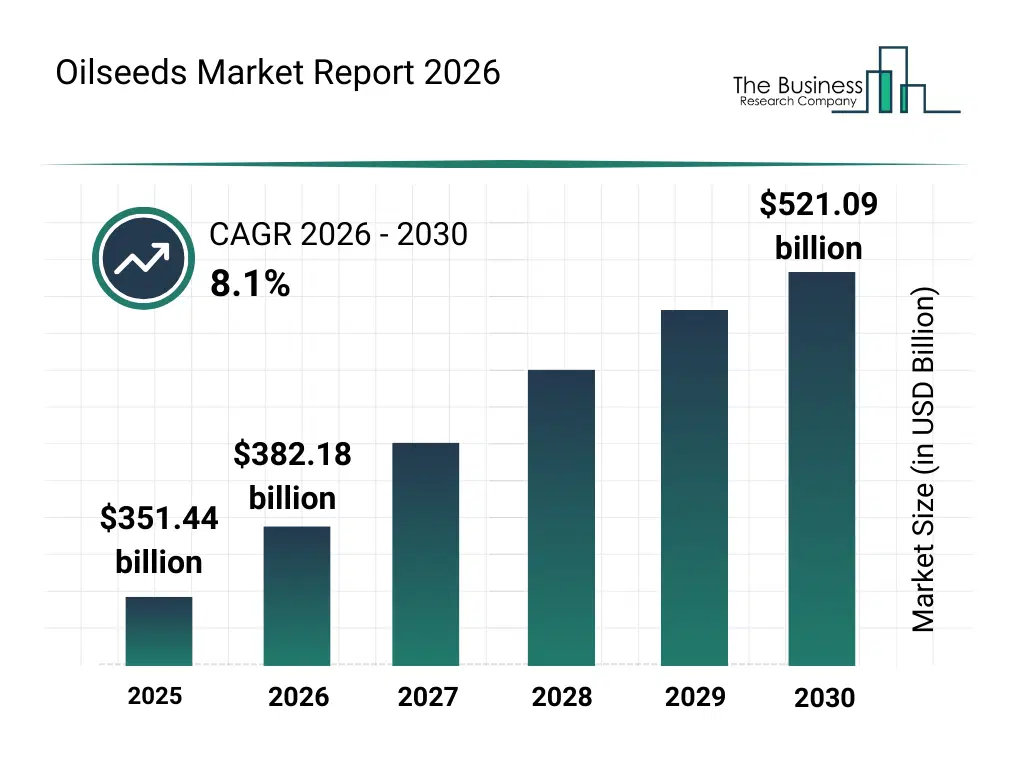
What Is The Oilseeds Market Size and Share 2026?
The oilseeds market size has grown strongly in recent years. It will grow from $351.44 billion in 2025 to $382.18 billion in 2026 at a compound annual growth rate (CAGR) of 8.7%. The growth in the historic period can be attributed to expanding global consumption of edible oils, increase in peanut and soybean cultivation, rise in oilseed meal demand for livestock feed, availability of improved oilseed varieties, growing industrial utilization of oilseed oils.What Is The Oilseeds Market Growth Forecast?
The oilseeds market size is expected to see strong growth in the next few years. It will grow to $521.09 billion in 2030 at a compound annual growth rate (CAGR) of 8.1%. The growth in the forecast period can be attributed to rising demand for organic vegetable oils, increasing adoption of gm traits, growth of biofuel production, expansion of oilseed processing capacity, rising investment in oilseed r&d. Major trends in the forecast period include growing adoption of high-oil-yield seed varieties, expansion of conventional and gm oilseed cultivation, increasing use of oilseed derivatives in food and feed applications, rising consumer demand for plant-based edible oils, growth in specialty oilseed production such as flaxseed and hemp.
Global Oilseeds Market Segmentation
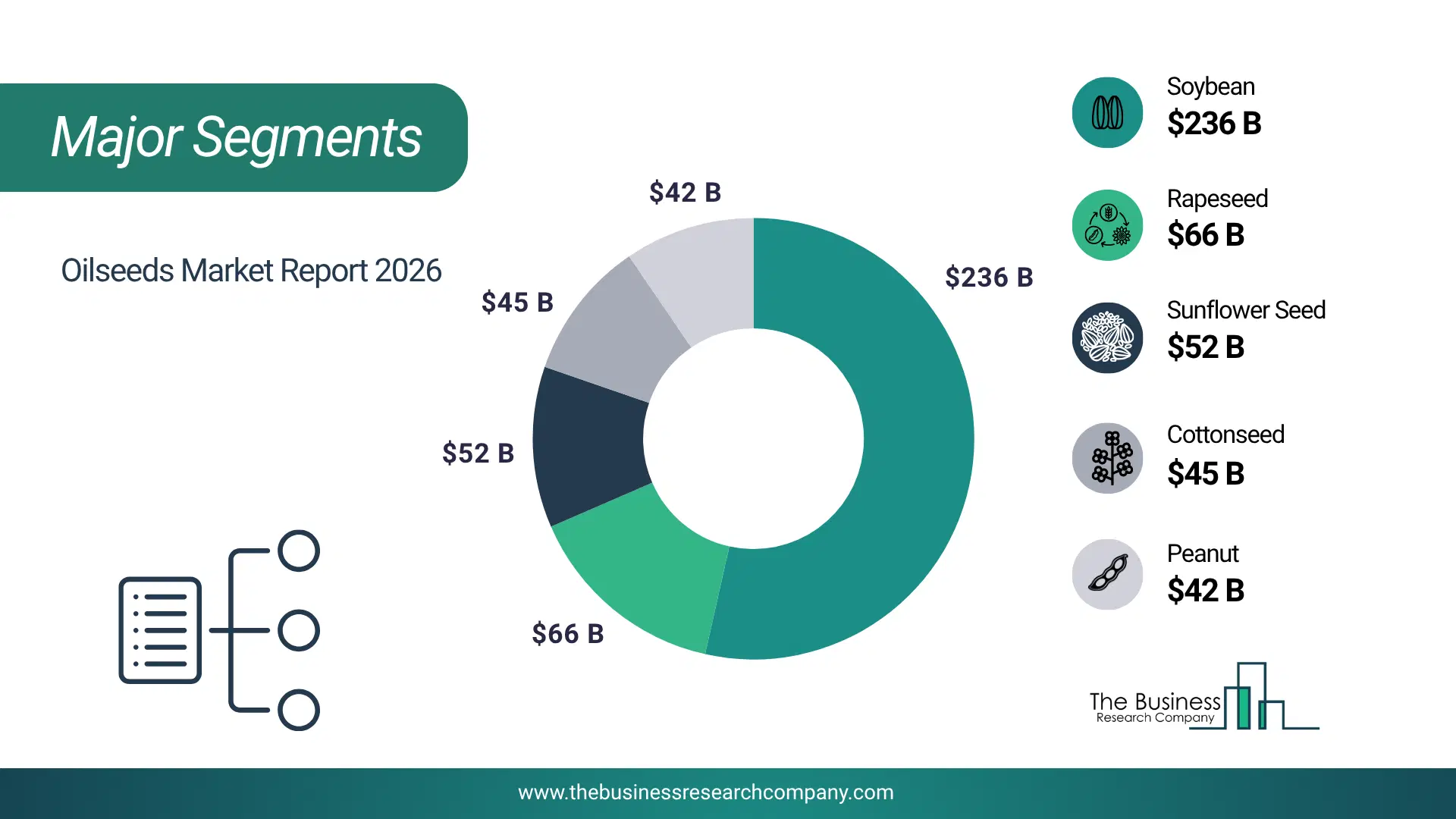
1) By Oilseed Type: Copra, Cottonseed, Palm Kernel, Peanut, Rapeseed, Soybean, Sunflower Seed, Other Oilseed Types 2) By Biotech Trait: Herbicide Tolerant, Insecticide Resistant, Other Stacked Trait 3) By Category: Genetically Modified, Conventional 4) By Application: Oilseed Meal, Vegetable Oil, Other Applications 5) By End-Use Industry: Food Industry, Personal Care and Cosmetic, Pharmaceutical, Other End Users Subsegments: 1) By Copra: Copra Meal, Copra Oil, Desiccated Coconut 2) By Cottonseed: Cottonseed Oil, Cottonseed Cake, Cottonseed Meal 3) By Palm Kernel: Palm Kernel Oil, Palm Kernel Cake 4) By Peanut: Peanut Oil, Peanut Meal, Blanched Peanuts 5) By Rapeseed: Rapeseed Oil, Rapeseed Meal 6) By Soybean: Soybean Oil, Soybean Meal, Whole Soybeans 7) By Sunflower Seed: Sunflower Oil, Sunflower Meal, Sunflower Seeds 8) By Other Oilseed Types: Safflower Seed, Flaxseed, Hemp Seed, Sesame Seed The top segments in the oilseeds market will be: • Soybean will reach $236 Billion by 2030. • Rapeseed will reach $66 Billion by 2030. • Sunflower Seed will reach $52 Billion by 2030. • Cottonseed will reach $45 Billion by 2030. • Peanut will reach $42 Billion by 2030.What Is Driver Of The Oilseeds Market?
The growing usage of oilseeds in animal feed is expected to propel the growth of the oilseed market going forward. Oilseeds are a rich source of oil, fatty acids, vitamins, minerals, protein, and fiber, all of which are often employed in the extraction of oil. Following the extraction of oil from oilseeds, the nutrient-dense pulp is transformed into oilcake or meals and fed to dairy farm animals to improve the product and quality of milk while also reducing feed requirements. For instance, in the NSW Department of Primary Industries, an Australia-based government agency, in 2023, total oilseed production reached 2,744 tonnes, a 13% decrease from the previous year’s record but still 60% above the state’s long-term average. Therefore, the growing usage of oilseeds in animal feed is driving the demand for the oilseed industry.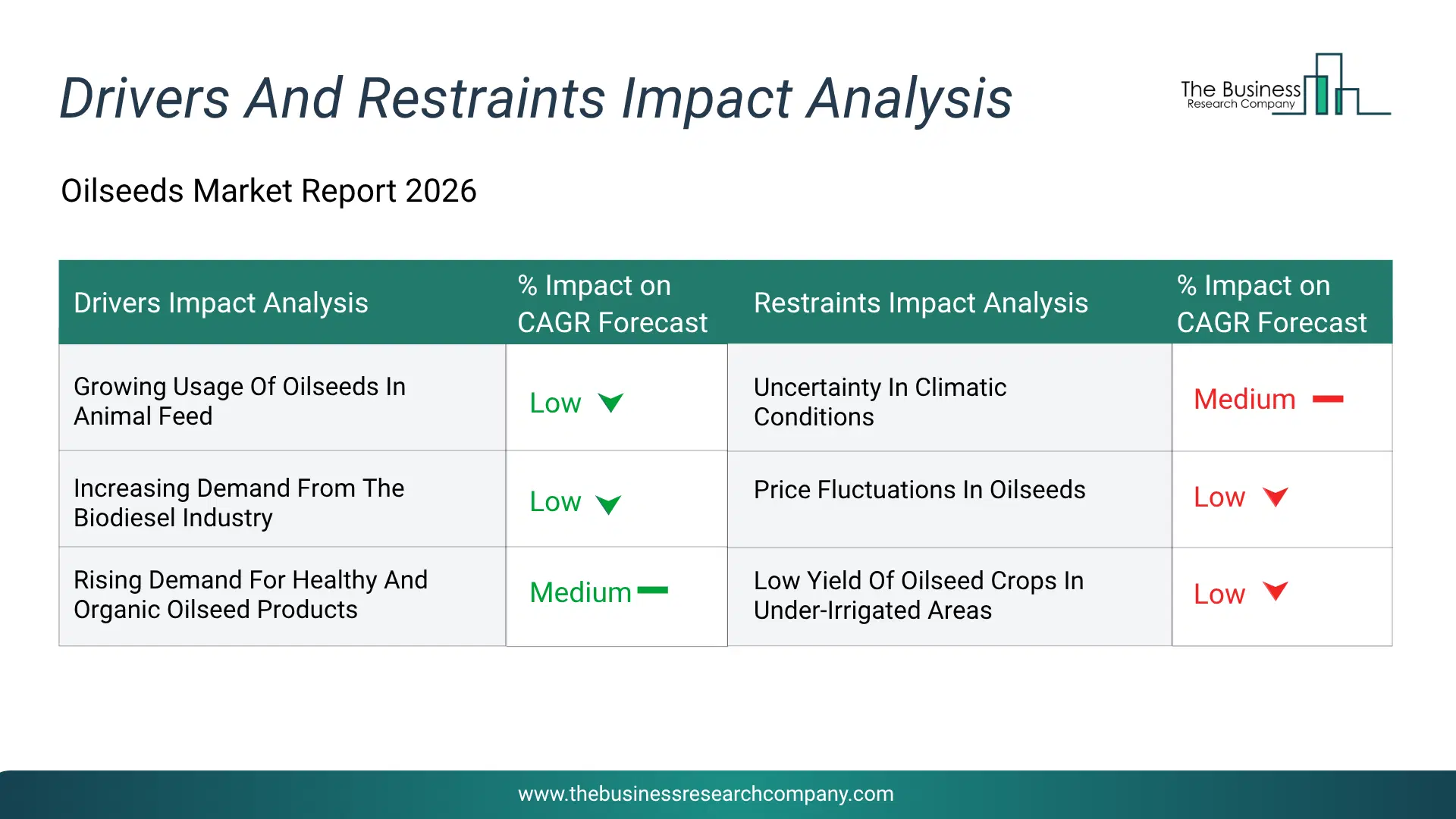
Infographic Chart Showing Key Market Drivers Analysis And Restraints For Oilseeds Market
The chart presents an impact analysis of key drivers and restraints, quantifying their relative influence on the market's growth rate and helping assess the balance between growth enablers and limiting factors. This chart offers a high-level perspective; the full report contains more detailed insights.
How Will The Drivers Impact Growth In The Global Oilseeds Market?
• Growing Usage Of Oilseeds In Animal Feed (Low) – During the forecast period, the growing usage of oilseeds in animal feed is expected to emerge as a major factor driving the expansion of the oilseeds market by 2030. oilseed meals such as soybean, rapeseed, cottonseed, and sunflower meal are widely used as high-protein feed ingredients for poultry, livestock, and aquaculture due to their balanced nutritional composition and cost-effectiveness. rising global consumption of meat, dairy, and aquaculture products is encouraging greater investment in commercial animal farming, increasing demand for oilseed cultivation, processing, and international trade. • Increasing Demand From The Biodiesel Industry (Low) – During the forecast period, the increasing demand from the biodiesel industry is expected to emerge as a major factor driving the expansion of the oilseeds market by 2030. government-backed renewable fuel mandates, biofuel blending programs, and carbon reduction initiatives are increasing the use of vegetable oils derived from soybean, rapeseed, sunflower, and other oilseed crops as biodiesel feedstocks. this growing industrial demand is encouraging farmers to expand cultivation while processors invest in additional oil extraction and crushing capacity to support the renewable energy sector. • Rising Demand For Healthy And Organic Oilseed Products (Medium) – During the forecast period, the rising demand for healthy and organic oilseed products is expected to act as a key growth catalyst for the oilseeds market by 2030. consumers are increasingly choosing edible oils and oilseed-derived ingredients that are rich in unsaturated fats, essential nutrients, and natural antioxidants while supporting clean-label, organic, and plant-based dietary preferences. food manufacturers are responding by expanding portfolios of premium edible oils, functional food ingredients, and organic products, further strengthening market demand.How Will The Restraints Impact Growth In The Global Oilseeds Market?
• Uncertainty In Climatic Conditions (Low) – During the forecast period, uncertainty In Climatic Conditions is a significant restraint for the Oilseeds Market because oilseed crops are highly dependent on favorable environmental conditions throughout their cultivation cycle. Increasing occurrences of droughts, floods, irregular rainfall patterns, prolonged heatwaves, frost events, and other climate-related disruptions directly affect crop yields, seed quality, and harvesting schedules. Climate change has made agricultural production increasingly unpredictable, resulting in lower productivity and inconsistent raw material availability for oil processors. Reduced harvest volumes often lead to supply shortages, higher production costs, and volatility in market prices. These uncertainties discourage long-term investments in cultivation and create operational challenges for farmers, processors, exporters, and food manufacturers, thereby limiting the steady growth of the global oilseeds market. • Price Fluctuations In Oilseeds (Low) – During the forecast period, price Fluctuations In Oilseeds continue to restrain the Oilseeds Market because prices are strongly influenced by weather conditions, crop yields, international trade policies, geopolitical tensions, transportation costs, currency exchange rates, and changing global demand. Since oilseeds are globally traded agricultural commodities, even minor disruptions in major producing or exporting countries can create significant price volatility. Such fluctuations increase uncertainty for farmers regarding crop profitability while making it difficult for processors and food manufacturers to manage procurement costs and production planning. Frequent price instability also affects export competitiveness, investment decisions, and supply chain efficiency, reducing overall market stability and slowing long-term industry growth. • Low Yield Of Oilseed Crops In Under-Irrigated Areas (Medium) – During the forecast period, low Yield Of Oilseed Crops In Under-Irrigated Areas is an important restraint for the Oilseeds Market because many major oilseed-producing regions still depend heavily on seasonal rainfall rather than modern irrigation systems. Insufficient water availability during critical crop growth stages reduces seed development, lowers oil content, and decreases overall agricultural productivity. Farmers operating in under-irrigated areas often face reduced harvest volumes, higher production risks, and lower profitability, limiting their ability to increase cultivation acreage. In addition, inadequate irrigation infrastructure restricts the adoption of high-yield crop varieties and advanced farming practices. These factors collectively reduce the availability of raw materials for edible oil production, animal feed manufacturing, and biodiesel processing, thereby constraining the long-term growth potential of the global oilseeds market.Key Players In The Global Oilseeds Market
Major companies operating in the oilseeds market are The Archer Daniels Midland Company, BASF SE, Burrus Seed Farm LLC, Cargill Incorporated, Corteva Agriscience, Mahyco Seeds Limited, Syngenta Group Co. Ltd., Gansu Dunhuang Seed Group Co. Ltd., Bunge Limited, Land O'Lakes Inc., Nuziveedu Seeds Limited, Ostro Organics Inc., Wilmar International Limited, Cootamundra Oilseeds Pty Ltd., Soni Soya Products Limited, Groupe Limagrain Holding SA, La Tourangelle Inc., BIO PLANÈTE Ölmühle Moog GmbH, Seed Co Limited, OPW Ingredients GmbH, Chenguang Biotech Group Co Ltd., United Genetics Seeds Co., Pioneer Hi-Bred International Inc., Delta and Pine Land Company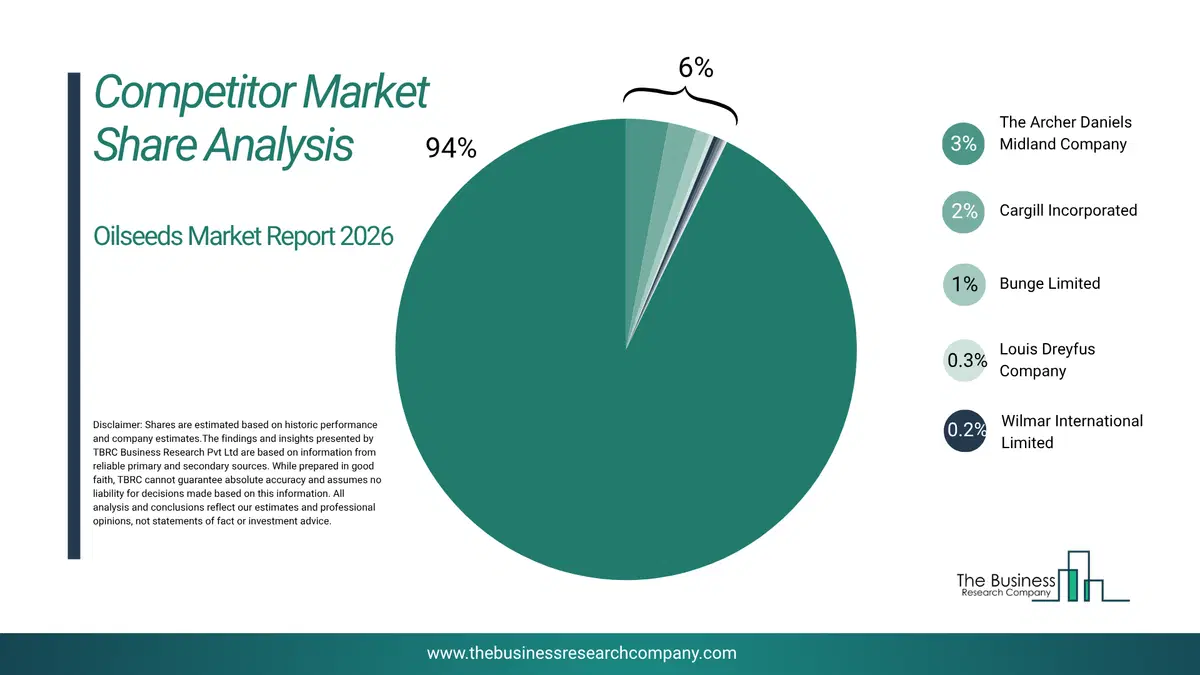
This chart is for illustrative purposes; the full report includes a detailed competitor analysis and comprehensive overview of the top 10 companies in the market.
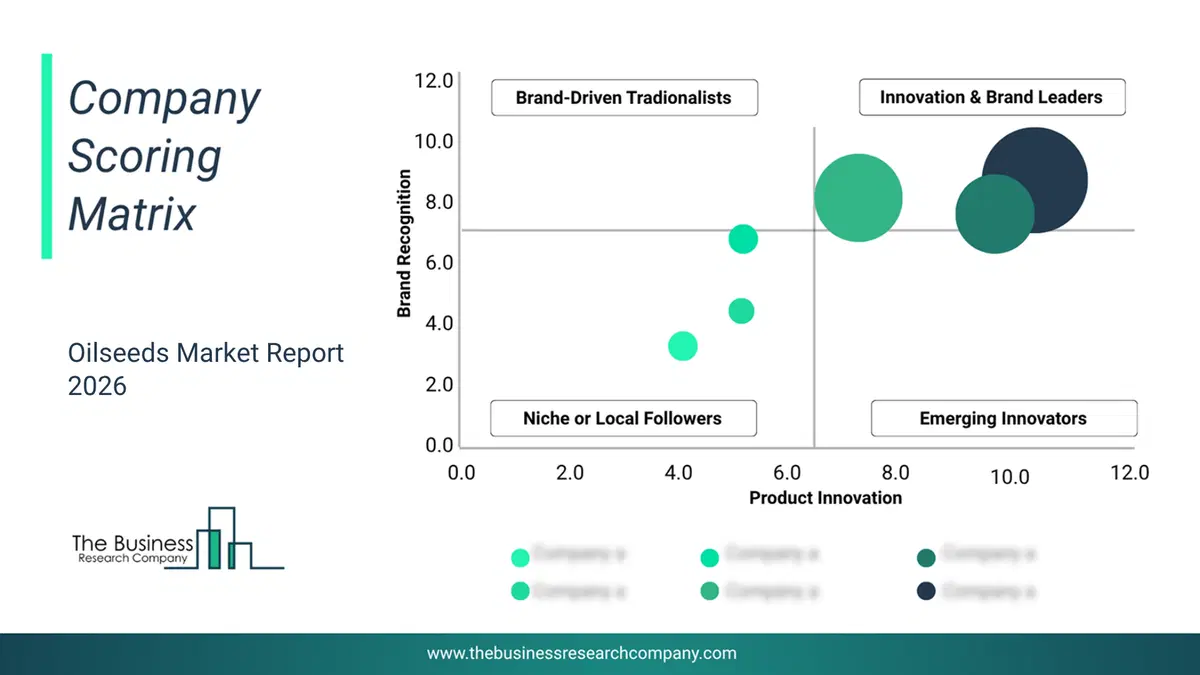
This chart maps companies by product innovation and brand strength, with bubble size indicating relative revenue, helping identify market leaders, challengers, and niche players. This is an illustrative chart; the full report provides a complete and accurate competitive analysis.
Global Oilseeds Market Trends and Insights
Major companies operating in the oilseeds market are focusing on developing technological advancement such as Edible Oils-Oilseeds to enhancing processing methods, and developing healthier oil products, to meet growing consumer demand and address environmental concerns. National Mission Edible Oils-Oilseeds aims to boost domestic production of edible oils and oilseeds, reduce import dependence, and enhance farmer livelihoods through improved cultivation practices and processing technologies. For instance, in October 2024, Government of India, launched National Mission on Edible Oils-Oilseeds (NMEO-Oilseeds) to enhance domestic oilseed production and attain self-sufficiency in edible oils. Edible oils derived from oilseeds are widely used in cooking, food processing, nutritional supplements, cosmetics, industrial applications, animal feed, and pharmaceuticals, highlighting their essential role in various sectors.What Are Latest Mergers And Acquisitions In The Oilseeds Market? Louis Dreyfus Company Acquires Grains & Oilseeds Warehouse
In October 2023, Louis Dreyfus Company (LDC) a, U.S-based company is a global merchant and processor of agricultural products, including oilseeds, grains, and other commodities acquired grains &Oilseeds warehouse for an undisclosed amount. Louis Dreyfus Company's acquisition of a grains and oilseeds warehouse aims to enhance supply chain efficiency, increase storage capacity, and strengthen its position in the local agricultural market. The Grains & Oilseeds Warehouse in a Argentina-based, serves as a critical facility for the storage and distribution of agricultural commodities.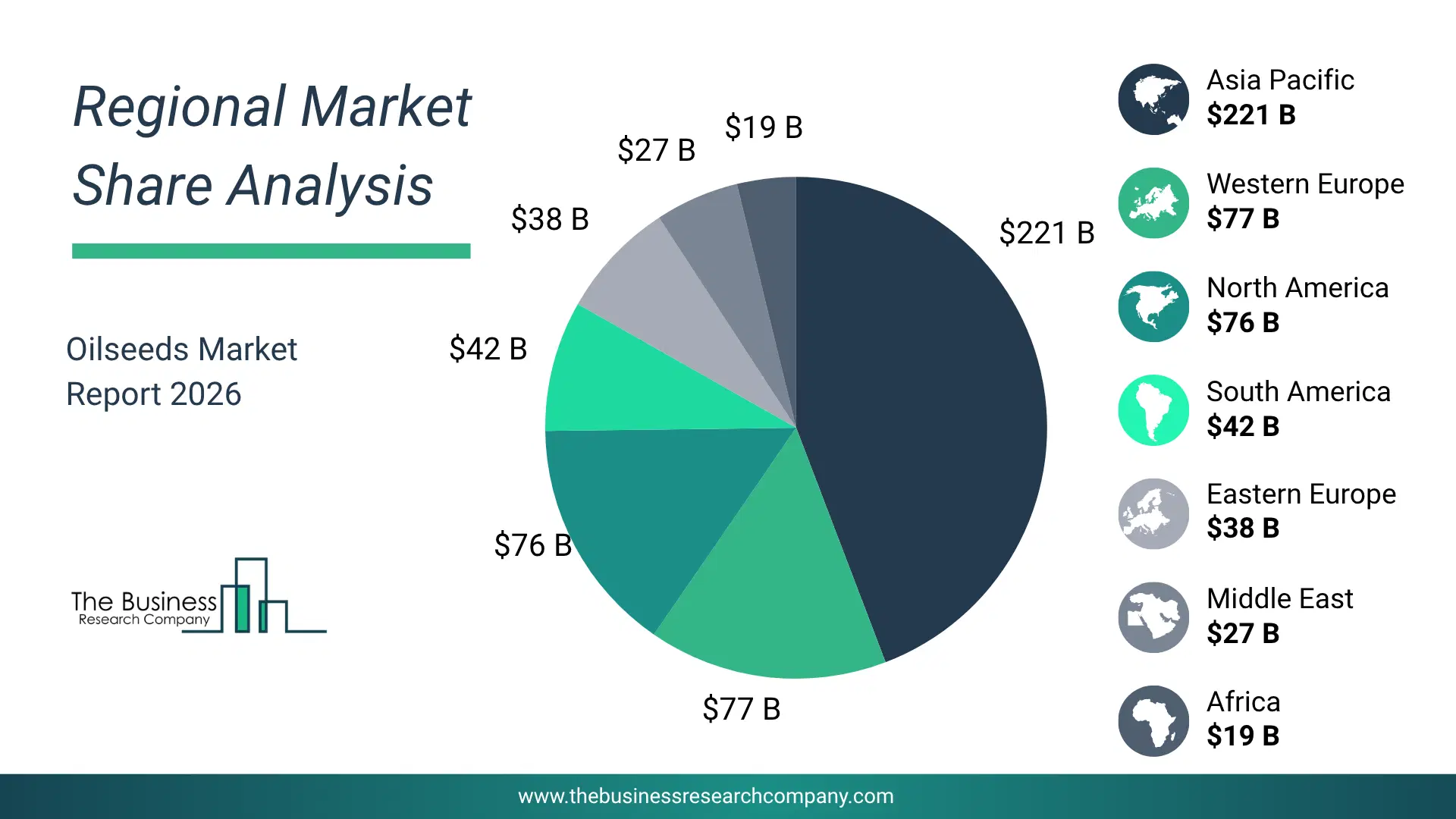
Regional Outlook
North America was the largest region in the oilseeds market in 2025.Asia-Pacific is expected to be the fastest-growing region in the forecast period. The regions covered in this market report are Asia-Pacific, South East Asia, Western Europe, Eastern Europe, North America, South America, Middle East, Africa. The countries covered in this market report are Australia, Brazil, China, France, Germany, India, Indonesia, Japan, Taiwan, Russia, South Korea, UK, USA, Canada, Italy, SpainWhat Defines the Oilseeds Market?
The oilseed market consists of sales of groundnut, rapeseed & mustard, soybean, sunflower, sesame, safflower and castor and linseed. Values in this market are ‘factory gate’ values, that is the value of goods sold by the manufacturers or creators of the goods, whether to other entities (including downstream manufacturers, wholesalers, distributors and retailers) or directly to end customers. The value of goods in this market includes related services sold by the creators of the goods.How is Market Value Defined and Measured?
The market value is defined as the revenues that enterprises gain from the sale of goods and/or services within the specified market and geography through sales, grants, or donations in terms of the currency (in USD unless otherwise specified). The revenues for a specified geography are consumption values that are revenues generated by organizations in the specified geography within the market, irrespective of where they are produced. It does not include revenues from resales along the supply chain, either further along the supply chain or as part of other products.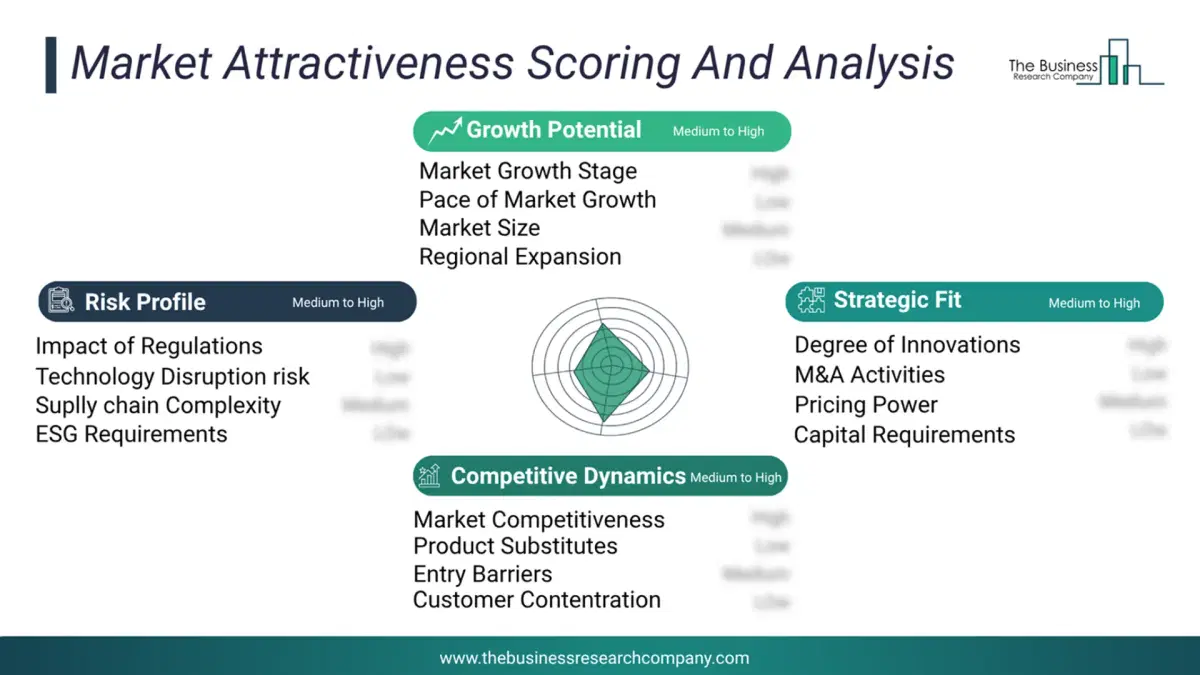
This chart presents market attractiveness based on a quantitative evaluation of growth, competition, strategic alignment, and risk, offering a clear view of opportunity areas for decision-making. This chart is for illustrative purposes; the full report contains the complete analysis.
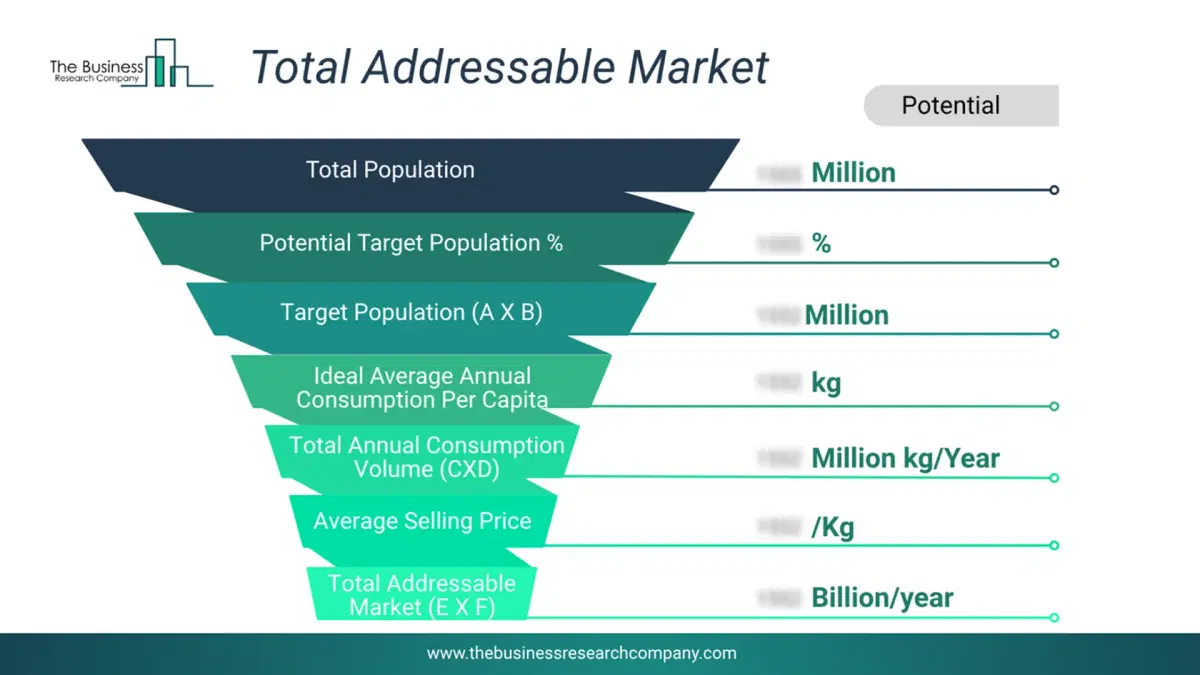
This chart highlights the Total Addressable Market (TAM) by estimating the maximum revenue opportunity using an assumption-driven approach, supporting strategic planning and opportunity sizing across markets. The chart is illustrative; the full report provides a more comprehensive analysis.
What Key Data and Analysis Are Included in the Oilseeds Market Report 2026?
The oilseeds market research report is one of a series of new reports from The Business Research Company that provides market statistics, including industry global market size, regional shares, competitors with the market share, detailed market segments, market trends and opportunities, and any further data you may need to thrive in the oilseeds industry. The market research report delivers a complete perspective of everything you need, with an in-depth analysis of the current and future state of the industry.Oilseeds Market Report Forecast Analysis
| Report Attribute | Details |
|---|---|
| Market Size Value In 2026 | $382.18 billion |
| Revenue Forecast In 2030 | $5.72 billion |
| Growth Rate | CAGR of 8.1% from 2026 to 2030 |
| Base Year For Estimation | 2025 |
| Actual Estimates/Historical Data | 2020-2025 |
| Forecast Period | 2026 - 2030 |
| Market Representation | Revenue in USD Billion and CAGR from 2026 to 2030 |
| Segments Covered | Oilseed Type, Biotech Trait, Category, Application, End-Use Industry |
| Regional Scope | Asia-Pacific, Western Europe, Eastern Europe, North America, South America, Middle East, Africa |
| Country Scope | The countries covered in the report are Australia, Brazil, China, France, Germany, India, Indonesia, Japan, Taiwan, Russia, South Korea, UK, USA, Canada, Italy, Spain. |
| Key Companies Profiled | The Archer Daniels Midland Company, BASF SE, Burrus Seed Farm LLC, Cargill Incorporated, Corteva Agriscience, Mahyco Seeds Limited, Syngenta Group Co. Ltd., Gansu Dunhuang Seed Group Co. Ltd., Bunge Limited, Land O'Lakes Inc., Nuziveedu Seeds Limited, Ostro Organics Inc., Wilmar International Limited, Cootamundra Oilseeds Pty Ltd., Soni Soya Products Limited, Groupe Limagrain Holding SA, La Tourangelle Inc., BIO PLANÈTE Ölmühle Moog GmbH, Seed Co Limited, OPW Ingredients GmbH, Chenguang Biotech Group Co Ltd., United Genetics Seeds Co., Pioneer Hi-Bred International Inc., Delta and Pine Land Company |
| Customization Scope | Request for Customization |
| Pricing And Purchase Options | Explore Purchase Options |