
Point-of-Use Water Treatment Systems Market Report 2026
Global Outlook – By Product Type (Under The Counter Filters, Counter Top Filters, Pitcher Filters, Faucet Mounted Filters), By Technology (Reverse Osmosis Systems, Ultrafiltration Systems, Distillation Systems, Chlorination, UV Radiation, Ozonation, Filtration Methods, Activated Carbon Filters, Mechanical Filters, Bio-Sand Filters), By Application (Residential, Non-Residential) – Market Size, Trends, Strategies, and Forecast to 2030
Point-of-Use Water Treatment Systems Market Overview
• Point-of-Use Water Treatment Systems market size has reached to $22.53 billion in 2025 • Expected to grow to $34.13 billion in 2030 at a compound annual growth rate (CAGR) of 8.5% • Growth Driver: Increasing Water Pollution Fuels Point-Of-Use Water Treatment Market Growth • Market Trend: DuPont Launches Multibore PRO Innovative PES In-Out Ultrafiltration Membranes for Enhanced Water Treatment Market • Asia-Pacific was the largest region and fastest growing region.Market Gains By 2030 – Top Opportunities By Segment
Market Gain identifies the most promising market opportunities by highlighting the segments or products expected to generate the highest incremental revenue growth over the next five years.
What Is Covered Under Point-of-Use Water Treatment Systems Market?
The point-of-use water treatment systems refer to an approach that involves the installation of a water treatment device on a single faucet for the purpose of eliminating contaminants in drinking water. POU devices are widely used in households to improve water quality. These devices are also installed by private well owners or public water suppliers to meet drinking water quality standards. The main product types of POU water treatment systems include under-the-counter filters, countertop filters, pitcher filters, faucet-mounted filters, and others. By technology, the market is segmented into reverse osmosis systems, ultrafiltration systems, distillation systems, disinfection methods, chlorination, UV radiation, filtration methods, activated carbon filters, mechanical filters, bio-sand filters, and ozonation. By application, the market is segmented into residential and non-residential.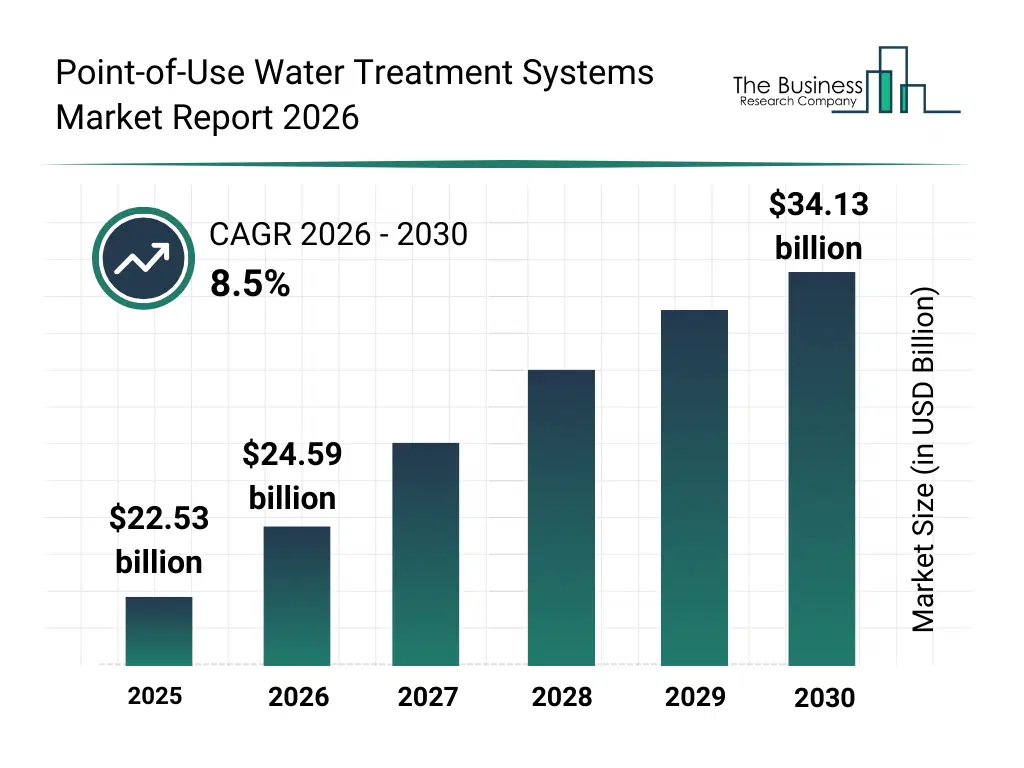
What Is The Point-of-Use Water Treatment Systems Market Size and Share 2026?
The point-of-use water treatment systems market size has grown strongly in recent years. It will grow from $22.53 billion in 2025 to $24.59 billion in 2026 at a compound annual growth rate (CAGR) of 9.1%. The growth in the historic period can be attributed to increasing household awareness of water quality, reliance on municipal drinking water systems, growth in urban residential populations, availability of affordable filtration products, expansion of retail distribution channels.What Is The Point-of-Use Water Treatment Systems Market Growth Forecast?
The point-of-use water treatment systems market size is expected to see strong growth in the next few years. It will grow to $34.13 billion in 2030 at a compound annual growth rate (CAGR) of 8.5%. The growth in the forecast period can be attributed to increasing demand for safe drinking water, rising adoption of smart and connected filtration devices, expansion of non-residential water purification needs, growing focus on convenience-based water treatment, increasing innovation in filtration materials. Major trends in the forecast period include increasing adoption of compact faucet-mounted filters, rising demand for advanced pitcher filtration systems, growing use of under-the-counter purification units, expansion of portable water filtration devices, enhanced focus on point-level contaminant removal.
Global Point-of-Use Water Treatment Systems Market Segmentation
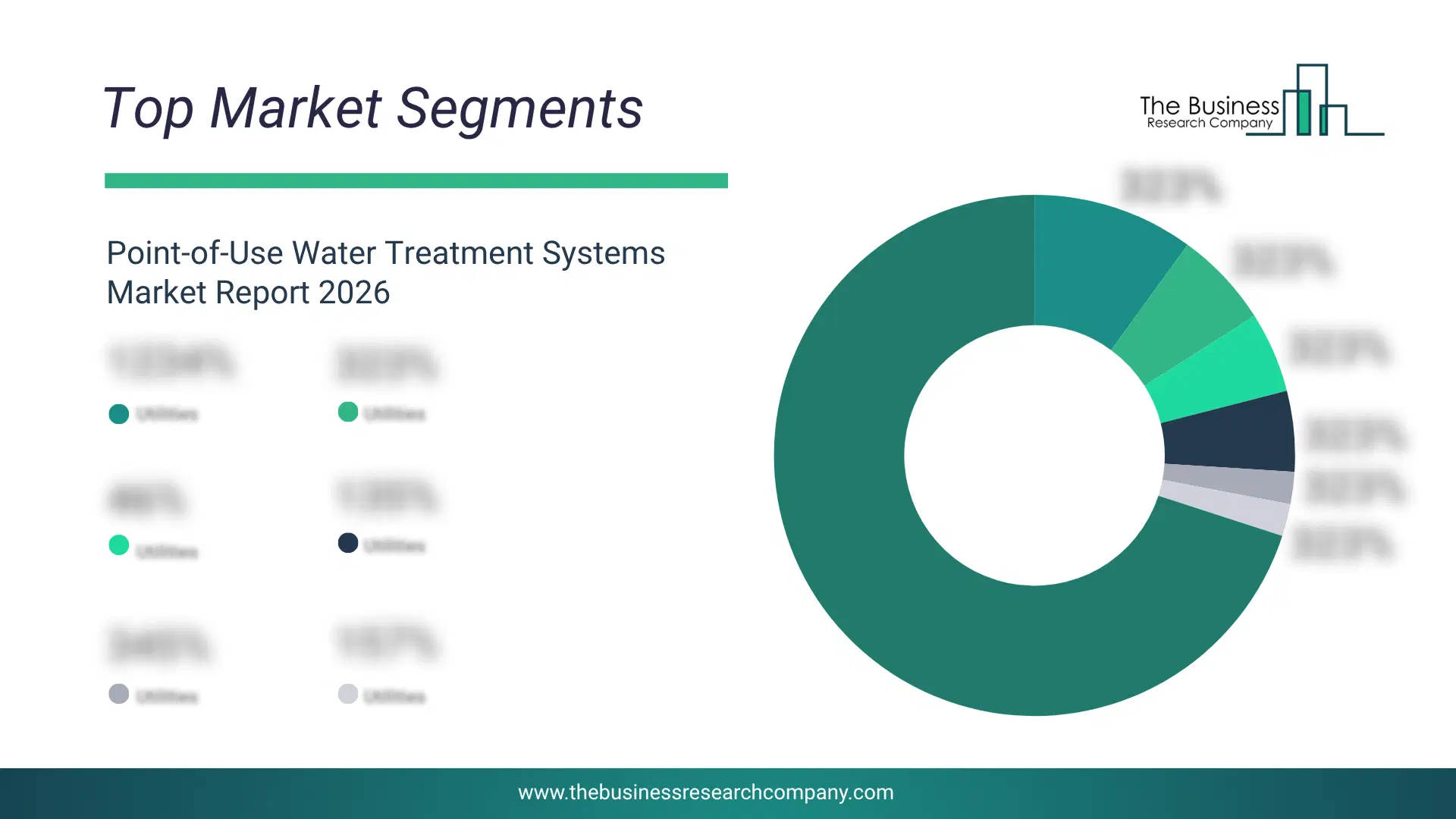
1) By Product Type: Under The Counter Filters, Counter Top Filters, Pitcher Filters, Faucet Mounted Filters 2) By Technology: Reverse Osmosis Systems, Ultrafiltration Systems, Distillation Systems, Chlorination, UV Radiation, Ozonation, Filtration Methods, Activated Carbon Filters, Mechanical Filters, Bio-Sand Filters 3) By Application: Residential, Non-Residential Subsegments: 1) By Under-The-Counter Filters: Reverse Osmosis Systems, Multi-Stage Filtration Systems, Ultrafiltration Systems 2) By Countertop Filters: Gravity-Fed Countertop Filters, Pressure-Based Countertop Filters 3) By Pitcher Filters: Standard Pitcher Filters, Advanced Filtration Pitchers 4) By Faucet-Mounted Filters: Basic Faucet-Mounted Filters, Advanced Faucet-Mounted Filters With Multi-Stage Filtration The top segments in the point-of-use water treatment systems market will be: • Under-The-Counter Filters will reach $13 Billion by 2030. • Countertop Filters will reach $8 Billion by 2030. • Pitcher Filters will reach $7 Billion by 2030. • Faucet-Mounted Filters will reach $5 Billion by 2030.What Is The Driver Of The Point-of-Use Water Treatment Systems Market?
The increasing prevalence of water pollution incidents is expected to propel the growth of the point-of-use water treatment market going forward. Water pollution refers to the contamination of water bodies, such as rivers, lakes, groundwater, and drinking water sources, with harmful substances including untreated sewage and industrial waste, which leads to environmental degradation and public health risks. The rise in water pollution incidents is due to aging infrastructure, industrial discharges, and inadequate wastewater management in several regions. Point-of-use water treatment systems help mitigate these risks by providing on-site purification solutions, ensuring access to safe and clean drinking water for households and communities. For instance, in August 2025, according to the Environment Agency, a UK-based government department In 2024, the total number of pollution incidents from sewerage and water supply assets rose by 29% compared with 2023, an increase that is considered unacceptable. Therefore, the increasing prevalence of water pollution incidents is driving the growth of the point-of-use water treatment market.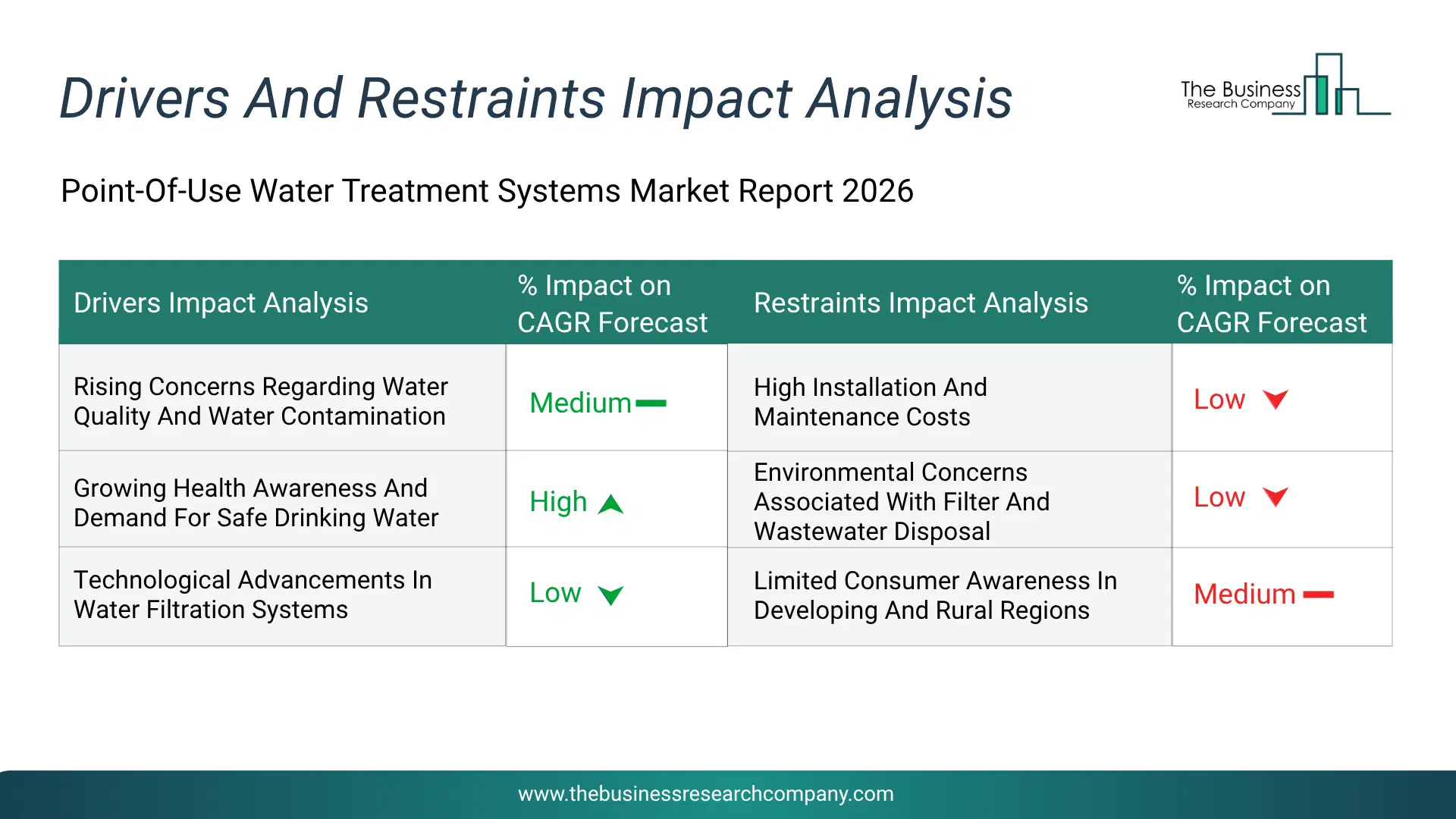
Infographic Chart Showing Key Market Drivers Analysis And Restraints For Point-Of-Use Water Treatment Systems Market
The chart presents an impact analysis of key drivers and restraints, quantifying their relative influence on the market's growth rate and helping assess the balance between growth enablers and limiting factors. This chart offers a high-level perspective; the full report contains more detailed insights.
How Will The Drivers Impact Growth In The Global Point-Of-Use Water Treatment Systems Market?
• Rising Concerns Regarding Water Quality And Water Contamination (Medium) – During the forecast period, rising concerns regarding water quality and water contamination are expected to emerge as a major factor driving the expansion of the point-of-use water treatment systems market by 2030. Increasing detection of contaminants such as heavy metals, PFAS, pesticides, microorganisms, and microplastics in drinking water is encouraging consumers to install purification systems directly at the point of consumption. These solutions effectively improve water quality, enhance taste, and reduce exposure to harmful substances, making them an increasingly preferred option for residential and commercial users. • Growing Health Awareness And Demand For Safe Drinking Water (High) – During the forecast period, growing health awareness and demand for safe drinking water are expected to emerge as a major factor driving the expansion of the point-of-use water treatment systems market by 2030. Increasing awareness of waterborne diseases, preventive healthcare, and the importance of clean drinking water is encouraging households and businesses to invest in advanced purification technologies. Higher disposable incomes and changing consumer preferences toward healthier lifestyles are further supporting the adoption of premium filtration systems across a wide range of applications. • Technological Advancements In Water Filtration Systems (Low) – During the forecast period, technological advancements in water filtration systems are expected to act as a key growth catalyst for the point-of-use water treatment systems market by 2030. Continuous innovation in reverse osmosis membranes, UV-LED purification, multi-stage filtration, IoT-enabled monitoring, and smart maintenance features is improving purification efficiency while enhancing user convenience and reducing operating costs. Ongoing research and product development are also enabling manufacturers to address emerging contaminants and deliver more reliable water treatment solutions.How Will The Restraints Impact Growth In The Global Point-Of-Use Water Treatment Systems Market?
• High Installation And Maintenance Costs (Medium) – During the forecast period, the high installation and maintenance costs remain one of the most significant barriers to wider adoption of point-of-use water treatment systems. Advanced purification technologies, particularly reverse osmosis and ultraviolet systems, require higher upfront investment compared to conventional filtration products. In addition to the initial purchase cost, consumers must regularly replace filters, membranes, UV lamps, and other consumable components to maintain purification efficiency. Professional installation and periodic servicing further increase the total cost of ownership. These recurring expenses can discourage price-sensitive households and small commercial users, particularly in developing countries where affordability remains a key purchasing consideration. Consequently, high ownership costs limit penetration into lower-income consumer segments despite increasing awareness of water quality issues. • Environmental Concerns Associated With Filter And Wastewater Disposal (High) – During the forecast period, the environmental concerns associated with filter and wastewater disposal are becoming increasingly important as governments and consumers place greater emphasis on sustainable water management practices. Many reverse osmosis systems discharge a considerable volume of wastewater during the purification process, reducing overall water-use efficiency in regions already experiencing water scarcity. Additionally, used cartridges, membranes, activated carbon filters, and other consumables generate solid waste that requires proper disposal or recycling. Increasing environmental regulations and sustainability initiatives are encouraging manufacturers to develop eco-friendly filtration technologies, but concerns regarding water wastage and disposal continue to influence purchasing decisions. These environmental challenges can slow market growth, particularly among environmentally conscious consumers and institutions pursuing sustainability goals. • Limited Consumer Awareness In Developing And Rural Regions (Low) – During the forecast period, the limited consumer awareness in developing and rural regions continues to restrict the full growth potential of the point-of-use water treatment systems market. Although water contamination is a widespread issue in many emerging economies, a significant portion of the population remains unaware of the health risks associated with untreated drinking water and the benefits of advanced purification technologies. Many consumers continue to rely on traditional purification methods such as boiling, cloth filtration, or basic sediment filters, which may not effectively remove chemical contaminants or microorganisms. Limited educational campaigns, inadequate distribution networks, lower disposable incomes, and restricted access to premium water treatment products further reduce adoption rates. Expanding consumer awareness, improving product accessibility, and increasing affordability will be essential for unlocking substantial growth opportunities in these underserved markets.Key Players In The Global Point-of-Use Water Treatment Systems Market
Major companies operating in the point-of-use water treatment systems market are Honeywell International Inc., Pentair plc, Panasonic Corporation, Eureka Forbes Limited, BWT Aktiengesellschaft, A. O. Smith Corporation, LG Electronics Inc., Kent RO Systems Ltd., Instapure Brands Inc., Helen of Troy Limited, Koninklijke Philips N. V., 3M Company, Amway Corp., Brita LP, Calgon Carbon Corporation, Coway Co. Ltd., Culligan International Company, Danaher Corporation, EcoWater Systems LLC, General Electric Company, Katadyn Group, Watts Water Technologies Inc., Aquasana Inc., Everpure LLC, Kinetico Incorporated, Enviro Water Solutions Inc., Pure & Secure LLC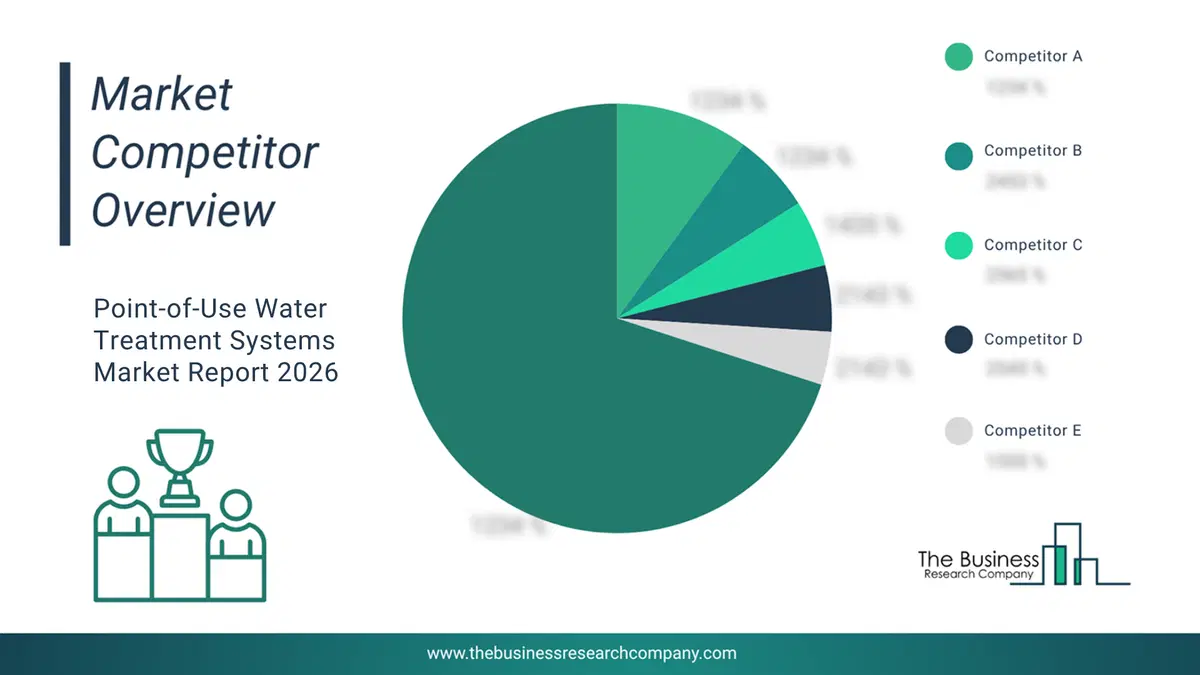
This chart is for illustrative purposes; the full report includes a detailed competitor analysis and comprehensive overview of the top 10 companies in the market.
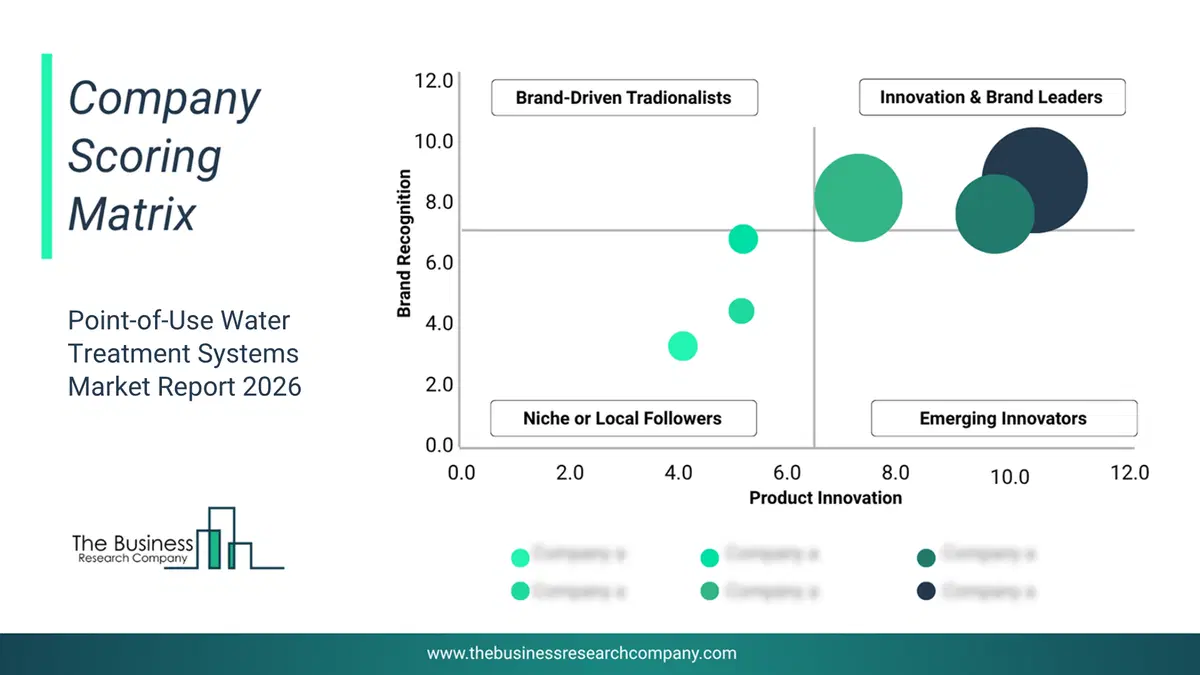
This chart maps companies by product innovation and brand strength, with bubble size indicating relative revenue, helping identify market leaders, challengers, and niche players. This is an illustrative chart; the full report provides a complete and accurate competitive analysis.
Global Point-of-Use Water Treatment Systems Market Trends and Insights
Major companies in the point-of-use water treatment systems market are innovating advanced products like PES In-Out Ultrafiltration (UF) membranes to improve water purification and enhance safety for consumers. PES In-Out Ultrafiltration (UF) membranes refer to a type of ultrafiltration membrane made from Polyethersulfone (PES), a polymer known for its chemical stability, mechanical strength, and thermal resistance. For instance, in March 2023, DuPont de Nemours, Inc., a US-based chemical company launched Multibore PRO. Multibore PRO. Multibore PRO is a next-generation multi-capillary PES In-Out Ultrafiltration (UF) membrane. This innovative product is a significant advancement in membrane technology, featuring a unique 19-capillary geometry that enhances both performance and sustainability in water treatment applications. The new design allows for a higher surface area within a single fiber, enabling customers to reduce the number of modules required for water purification systems.What Are Latest Mergers And Acquisitions In The Point-of-Use Water Treatment Systems Market?
In November 2024, A. O. Smith Corporation, a US-based water technology company, acquired Pureit business from Hindustan Unilever Limited for an $0.120 million. Through this acquisition, A. O. Smith aims to strengthen its point-of-use water treatment portfolio by expanding its range of residential water purification solutions and enhancing its presence in key emerging markets, particularly South Asia. Hindustan Unilever Limited is an India-based company that provide Point‑of‑Use (POU) water treatment systems.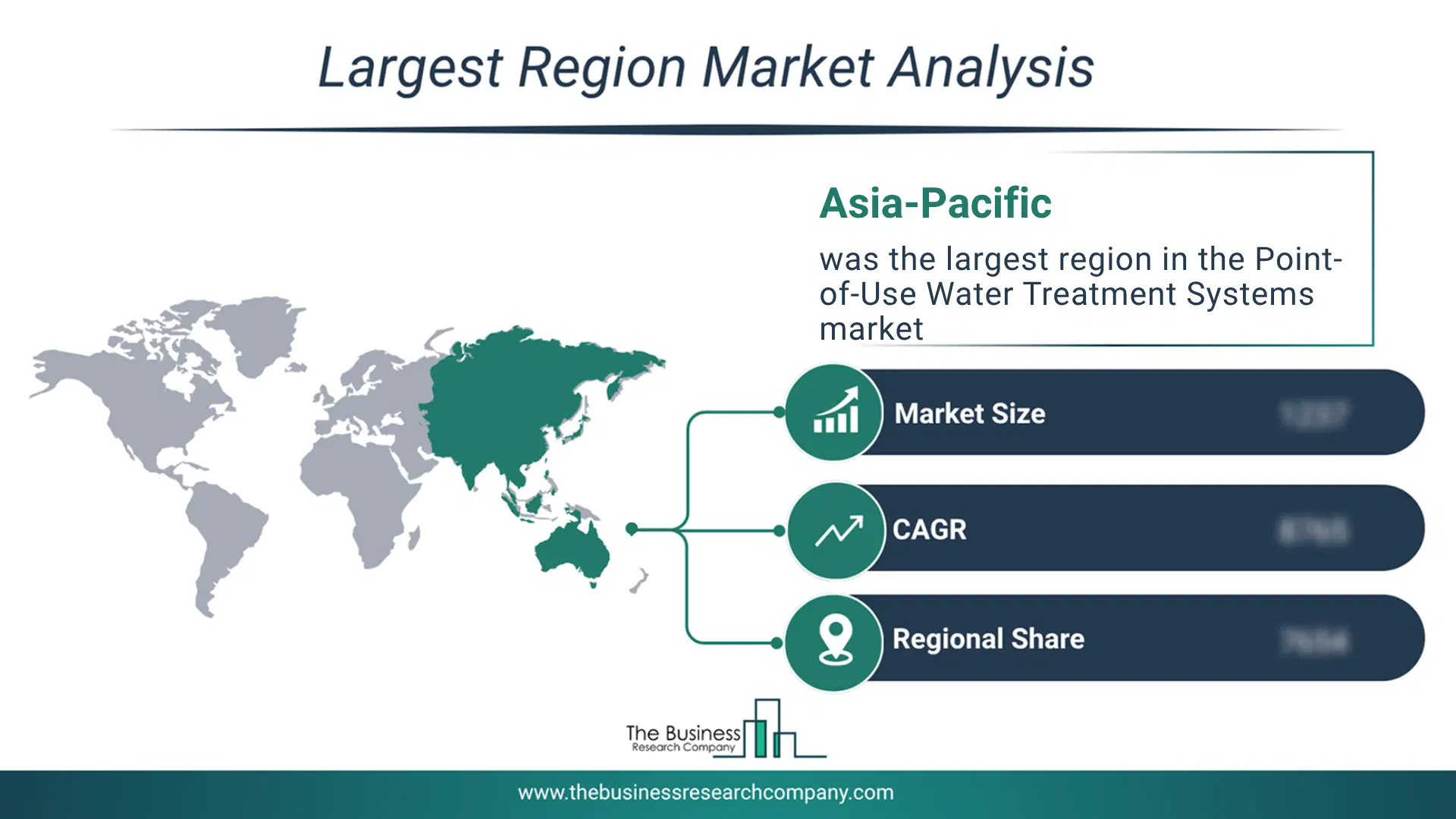
Regional Outlook
Asia-Pacific was the largest region in the point-of-use water treatment systems market in 2025.Asia-Pacific is expected to be the fastest-growing region in the point-of-use water treatment systems market share during the forecast period. The regions covered in this market report are Asia-Pacific, South East Asia, Western Europe, Eastern Europe, North America, South America, Middle East, Africa. The countries covered in this market report are Australia, Brazil, China, France, Germany, India, Indonesia, Japan, Taiwan, Russia, South Korea, UK, USA, Canada, Italy, SpainWhat Defines the Point-of-Use Water Treatment Systems Market?
The point-of-use water treatment systems market includes revenues earned by entities by providing services such as reverse osmosis systems, ultrafiltration systems, distillation systems, disinfection methods, filtration methods, and ion exchange. The market value includes the value of related goods sold by the service provider or included within the service offering. Only goods and services traded between entities or sold to end consumers are included.How is Market Value Defined and Measured?
The market value is defined as the revenues that enterprises gain from the sale of goods and/or services within the specified market and geography through sales, grants, or donations in terms of the currency (in USD unless otherwise specified). The revenues for a specified geography are consumption values that are revenues generated by organizations in the specified geography within the market, irrespective of where they are produced. It does not include revenues from resales along the supply chain, either further along the supply chain or as part of other products.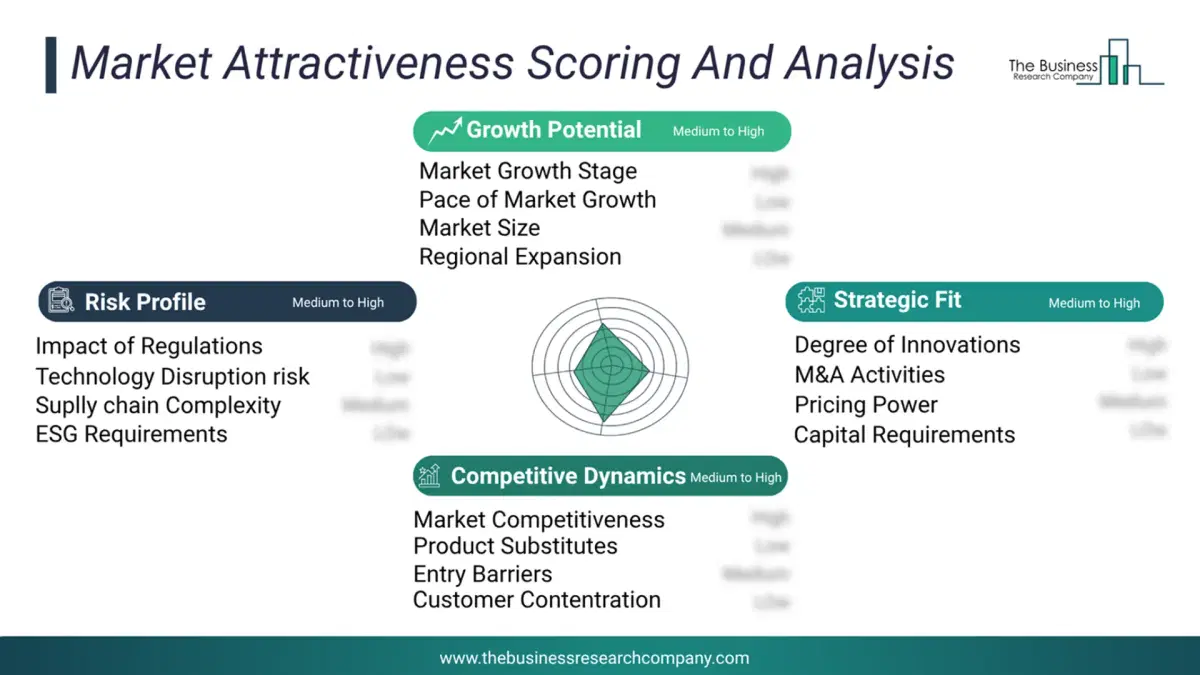
This chart presents market attractiveness based on a quantitative evaluation of growth, competition, strategic alignment, and risk, offering a clear view of opportunity areas for decision-making. This chart is for illustrative purposes; the full report contains the complete analysis.
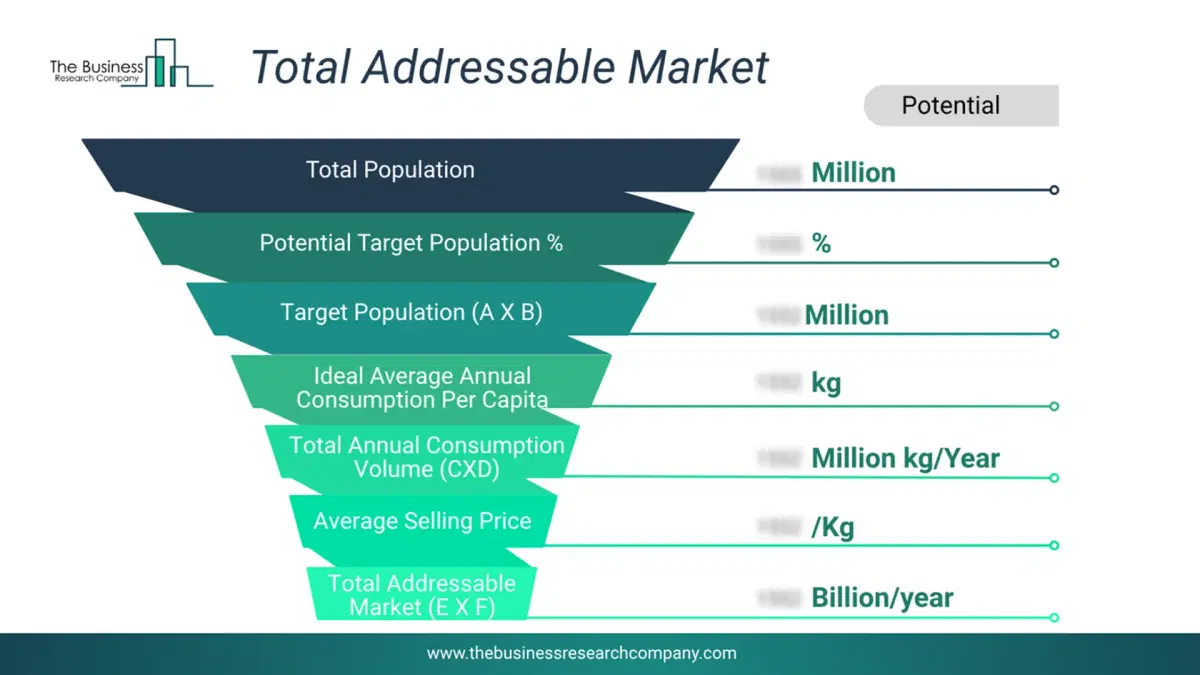
This chart highlights the Total Addressable Market (TAM) by estimating the maximum revenue opportunity using an assumption-driven approach, supporting strategic planning and opportunity sizing across markets. The chart is illustrative; the full report provides a more comprehensive analysis.
What Key Data and Analysis Are Included in the Point-of-Use Water Treatment Systems Market Report 2026?
The point-of-use water treatment systems market research report is one of a series of new reports from The Business Research Company that provides market statistics, including Market Report 2026?global market size, regional shares, competitors with the market share, detailed market segments, market trends and opportunities, and any further data you may need to thrive in the point-of-use water treatment systems Market Report 2026? The market research report delivers a complete perspective of everything you need, with an in-depth analysis of the current and future state of the Market Report 2026?Point-of-Use Water Treatment Systems Market Report Forecast Analysis
| Report Attribute | Details |
|---|---|
| Market Size Value In 2026 | $24.59 billion |
| Revenue Forecast In 2030 | $34.13 billion |
| Growth Rate | CAGR of 8.5% from 2026 to 2030 |
| Base Year For Estimation | 2025 |
| Actual Estimates/Historical Data | 2020-2025 |
| Forecast Period | 2026 - 2030 |
| Market Representation | Revenue in USD Billion and CAGR from 2026 to 2030 |
| Segments Covered | Product Type, Technology, Application |
| Regional Scope | Asia-Pacific, Western Europe, Eastern Europe, North America, South America, Middle East, Africa |
| Country Scope | The countries covered in the report are Australia, Brazil, China, France, Germany, India, Indonesia, Japan, Taiwan, Russia, South Korea, UK, USA, Canada, Italy, Spain. |
| Key Companies Profiled | Honeywell International Inc., Pentair plc, Panasonic Corporation, Eureka Forbes Limited, BWT Aktiengesellschaft, A. O. Smith Corporation, LG Electronics Inc., Kent RO Systems Ltd., Instapure Brands Inc., Helen of Troy Limited, Koninklijke Philips N. V., 3M Company, Amway Corp., Brita LP, Calgon Carbon Corporation, Coway Co. Ltd., Culligan International Company, Danaher Corporation, EcoWater Systems LLC, General Electric Company, Katadyn Group, Watts Water Technologies Inc., Aquasana Inc., Everpure LLC, Kinetico Incorporated, Enviro Water Solutions Inc., Pure & Secure LLC |
| Customization Scope | Request for Customization |
| Pricing And Purchase Options | Explore Purchase Options |