
Polycystic Ovarian Syndrome Treatment Market Report 2026
Global Outlook – By Drug Type (Oral Contraceptives, Ornithine Decarboxylase Inhibitors, Insulin-Sensitizing Agents, Anti-Depressants, Diuretics, Aromatase Inhibitors ), By Surgery Type (Ovarian Wedge Resection, Laparoscopic Ovarian Drilling ), By End User (Hospitals And Clinics, Ambulatory Surgical Centers, Diagnostic Centers, Gynecology Centers, Reproductive Health And Fertility Clinics) - Market Size, Trends, Strategies, and Forecast to 2030
Polycystic Ovarian Syndrome Treatment Market Overview
• Polycystic Ovarian Syndrome Treatment market size has reached to $5.01 billion in 2025 • Expected to grow to $7.28 billion in 2030 at a compound annual growth rate (CAGR) of 7.8% • Growth Driver: Elevated Incidence Of Genetic And Hormonal Disorders Fuels Growth In The Polycystic Ovarian Syndrome (PCOS) Treatment Market • Market Trend: Pcos Drug Program With A Focus On Ovarian Function Enhancement And Fsh Receptor Development • North America was the largest region in 2025 and Western Europe is the fastest growing region.What Is Covered Under Polycystic Ovarian Syndrome Treatment Market?
Polycystic ovarian syndrome is a disorder in which hormones are out of control for females and they have male hormones that are higher than normal, which causes them to skip menstrual periods and makes pregnancy more difficult for them. The main drug types in the polycystic ovarian syndrome treatment market are oral contraceptives, ornithine decarboxylase inhibitors, insulin-sensitizing agents, anti-depressants, diuretics, and aromatase inhibitors. Oral contraceptives are hormone-based drugs that are taken orally to prevent pregnancy. They prevent pregnancy by slowing ovulation and preventing sperm from entering the cervix. The various surgery types include ovarian wedge resection and laparoscopic ovarian drilling, which are performed in hospitals and clinics, ambulatory surgical centers, diagnostic centers, gynecology centers, and feminist health centers.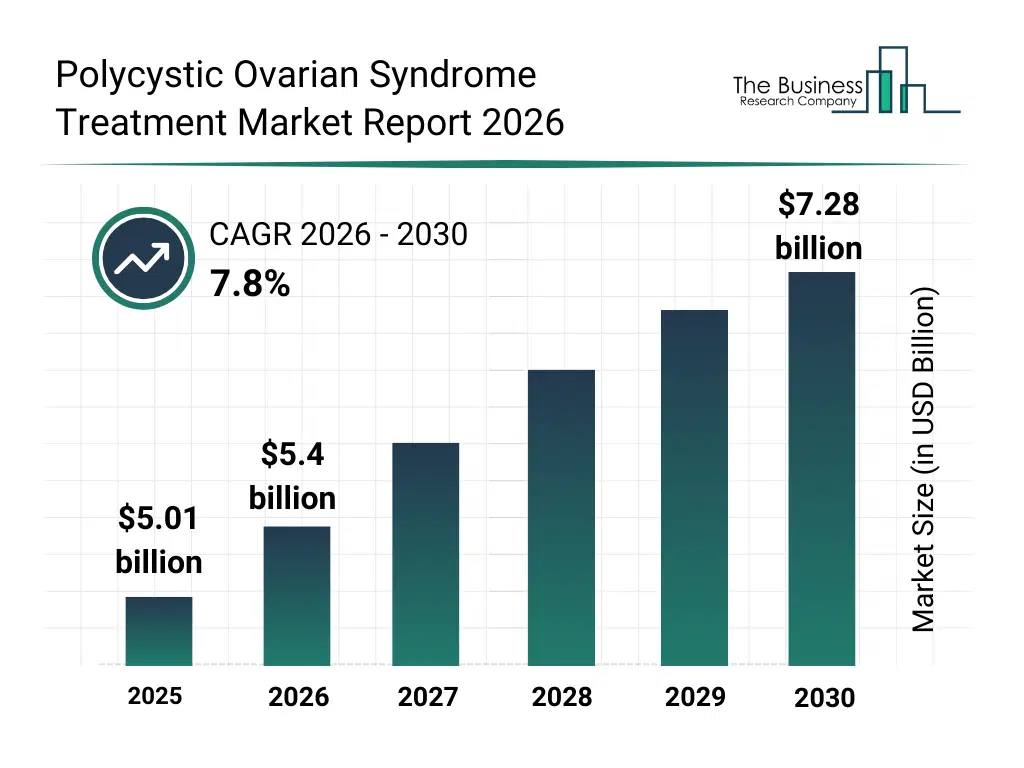
What Is The Polycystic Ovarian Syndrome Treatment Market Size and Share 2026?
The polycystic ovarian syndrome treatment market size has grown strongly in recent years. It will grow from $5.01 billion in 2025 to $5.4 billion in 2026 at a compound annual growth rate (CAGR) of 7.7%. The growth in the historic period can be attributed to increasing prevalence of hormonal disorders among women, improved diagnostic awareness of PCOS, availability of oral contraceptive therapies, expansion of gynecology care services, rising focus on fertility treatments.What Is The Polycystic Ovarian Syndrome Treatment Market Growth Forecast?
The polycystic ovarian syndrome treatment market size is expected to see strong growth in the next few years. It will grow to $7.28 billion in 2030 at a compound annual growth rate (CAGR) of 7.8%. The growth in the forecast period can be attributed to increasing demand for personalized pcos treatment plans, growing adoption of insulin-sensitizing agents, expansion of minimally invasive surgical interventions, rising focus on long-term metabolic health management, increased research into novel hormonal therapies. Major trends in the forecast period include growing use of combination drug therapies, rising adoption of lifestyle-integrated treatment approaches, increased focus on early diagnosis and screening, expanding use of hormonal regulation therapies, improved patient awareness and treatment adherence.
Global Polycystic Ovarian Syndrome Treatment Market Segmentation
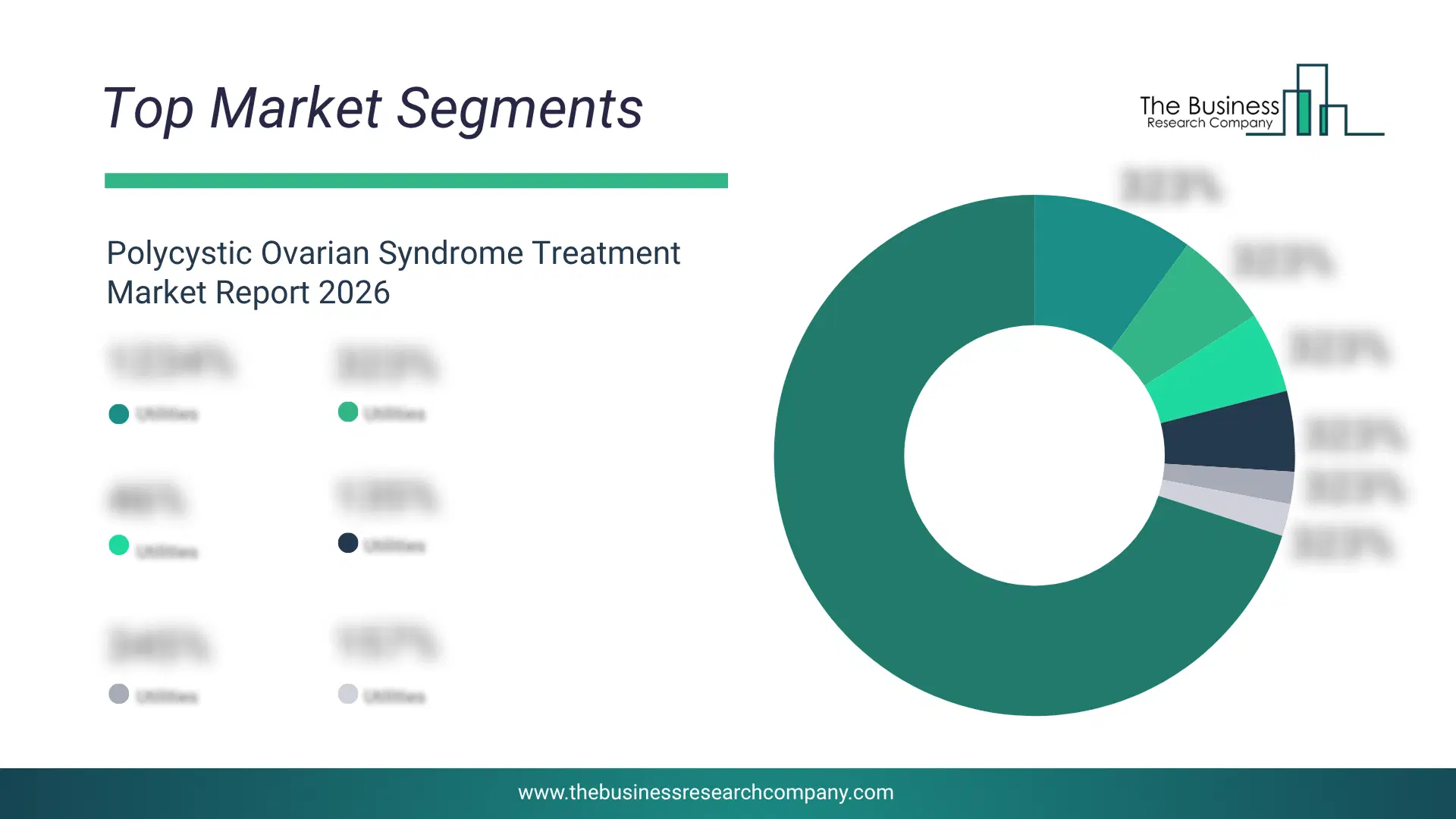
1) By Drug Type: Oral Contraceptives, Ornithine Decarboxylase Inhibitors, Insulin-Sensitizing Agents, Anti-Depressants, Diuretics, Aromatase Inhibitors 2) By Surgery Type: Ovarian Wedge Resection, Laparoscopic Ovarian Drilling 3) By End User: Hospitals And Clinics, Ambulatory Surgical Centers, Diagnostic Centers, Gynecology Centers, Reproductive Health And Fertility Clinics Subsegments: 1) By Oral Contraceptives: Combined Oral Contraceptives (COCs), Progestin-Only Pills 2) By Ornithine Decarboxylase Inhibitors: Drugs Targeting Ovarian Androgen Production, Inhibitors Targeting Polyamine Synthesis 3) By Insulin-Sensitizing Agents: Metformin, Thiazolidinediones (TZDs) 4) By Anti-Depressants: Selective Serotonin Reuptake Inhibitors (SSRIs), Serotonin-Norepinephrine Reuptake Inhibitors (SNRIs) 5) By Diuretics: Spironolactone, Furosemide 6) By Aromatase Inhibitors: Letrozole, AnastrozoleWhat Are The Drivers Of The Polycystic Ovarian Syndrome Treatment Market?
The global rise in genetic and hormonal disorders is a key factor driving the growth of the polycystic ovarian syndrome (PCOS) treatment market. PCOS is a prevalent hormonal disorder among premenopausal women worldwide, with reproductive, endocrine, and metabolic abnormalities. For instance, in November 2024, according to Public Health Wales, a UK-based national public health agency, in 2023, the level of congenital anomalies in babies born in Wales has remained stable at 4.8% of all births. Further, there are more than 380 rare childhood diseases, which are categorized according to cause. The most commonly reported genetic condition was cystic fibrosis, with 330 reported cases equating to a prevalence of 3.93 per 10,000 live births. Therefore, the rise in genetic and hormonal disorders globally is expected to increase the growth of the polycystic ovarian syndrome treatment industry. The increase in lifestyle and dietary changes is expected to propel the growth of the polycystic ovarian syndrome treatment market going forward. Lifestyle and dietary changes refer to modifications or adjustments made to one's daily routines and eating habits. Lifestyle and dietary changes play a significant role in the management and treatment of polycystic ovarian syndrome (PCOS). These changes are often used as a primary or complementary approach to improve the symptoms and overall well-being of individuals with PCOS. For instance, in 2024, according to Synadiet, a France-based professional association representing companies that manufacture and distribute dietary supplements, 61% of French adults declared having consumed a dietary supplement in the previous 24 months (as of early 2024), which is up from 59% in 2023 and 2022. Therefore, the increase in lifestyle and dietary changes is driving the growth of the polycystic ovarian syndrome treatment industry.Key Players In The Global Polycystic Ovarian Syndrome Treatment Market
Major companies operating in the polycystic ovarian syndrome treatment market are Bristol-Myer Squibb Co, Bayer AG, Pfizer Inc., Merck KGaA, Sanofi SA, AstraZeneca PLC, Novartis AG, Teva Pharmaceutical Industries Limited, Abbott Laboratories, Allergan plc, Johnson and Johnson, Ferring Pharmaceuticals Inc., Takeda Pharmaceutical Company Limited, Organon & Co, Forendo Pharma Ltd., GlaxoSmithKline plc, AbbVie Inc., Eli Lilly and Company, Mylan NV, Lupin Pharmaceuticals Inc., HRA Pharma SAS, CooperSurgical Inc., TherapeuticsMD Inc., Agile Therapeutics Inc., Aurobindo Pharma Limited, Sun Pharmaceutical Industries Ltd., Zydus Cadila Healthcare Limited, Glenmark Pharmaceuticals Limited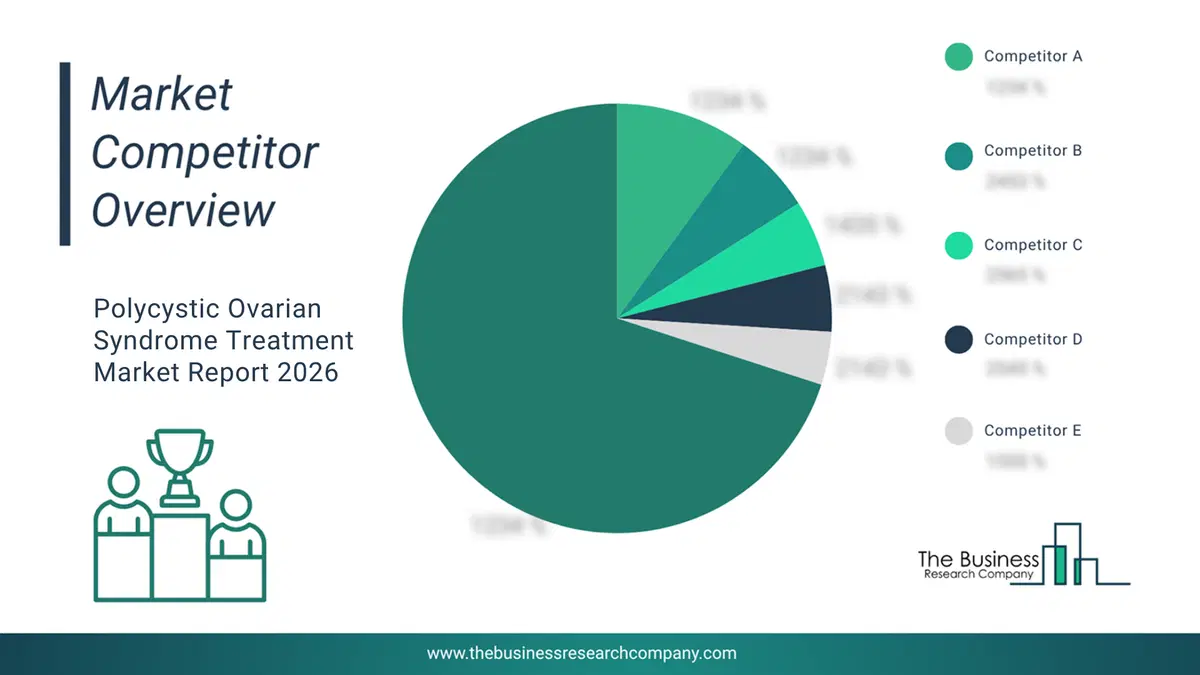
This chart is for illustrative purposes; the full report includes a detailed competitor analysis and comprehensive overview of the top 10 companies in the market.
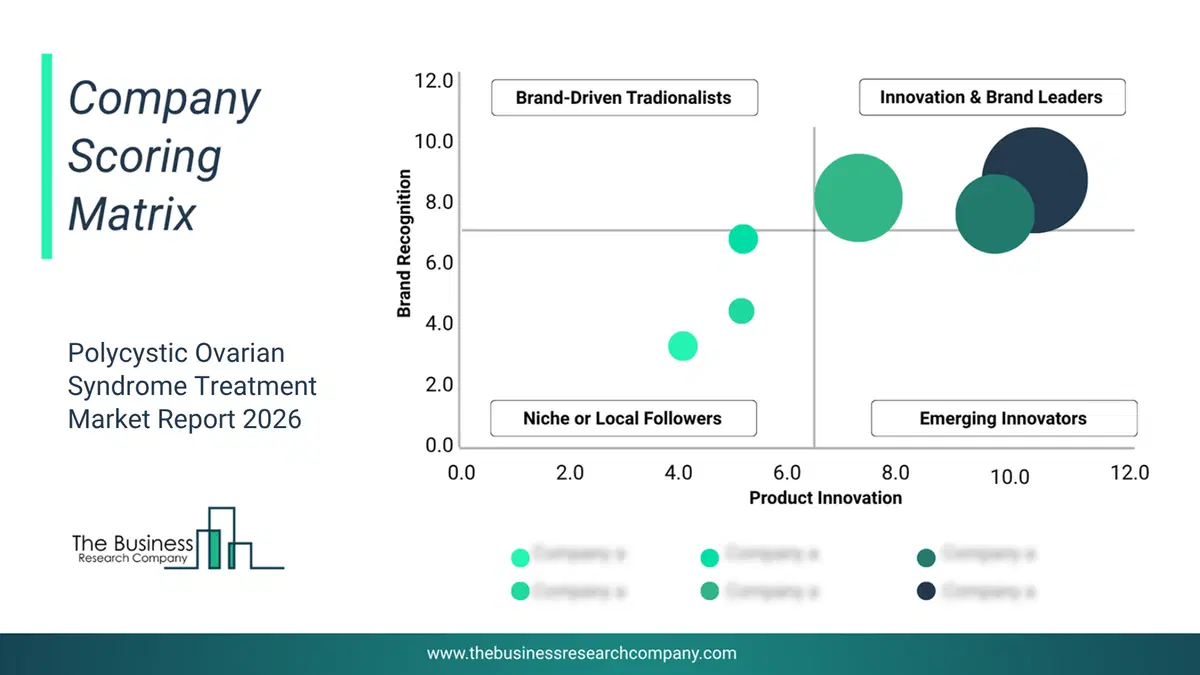
This chart maps companies by product innovation and brand strength, with bubble size indicating relative revenue, helping identify market leaders, challengers, and niche players. This is an illustrative chart; the full report provides a complete and accurate competitive analysis.
Global Polycystic Ovarian Syndrome Treatment Market Trends and Insights
Major companies operating in the polycystic ovarian syndrome treatment are introducing new programs such as the PCOS Drug Program to increase their profitability in the market. The PCOS Drug Program is a treatment plan that combines lifestyle changes and medications to manage the symptoms of Polycystic Ovary Syndrome (PCOS). For instance, in April 2023, Celmatix Inc., a US-based biotech company, launched the PCOS Drug Program. The program's main goal is to improve ovarian function by addressing the underlying cause of all PCOS symptoms. In its most recent drug program, Celmatix's PCOS medication program has discovered promising early leads that seek to create the first oral FSH receptor ever.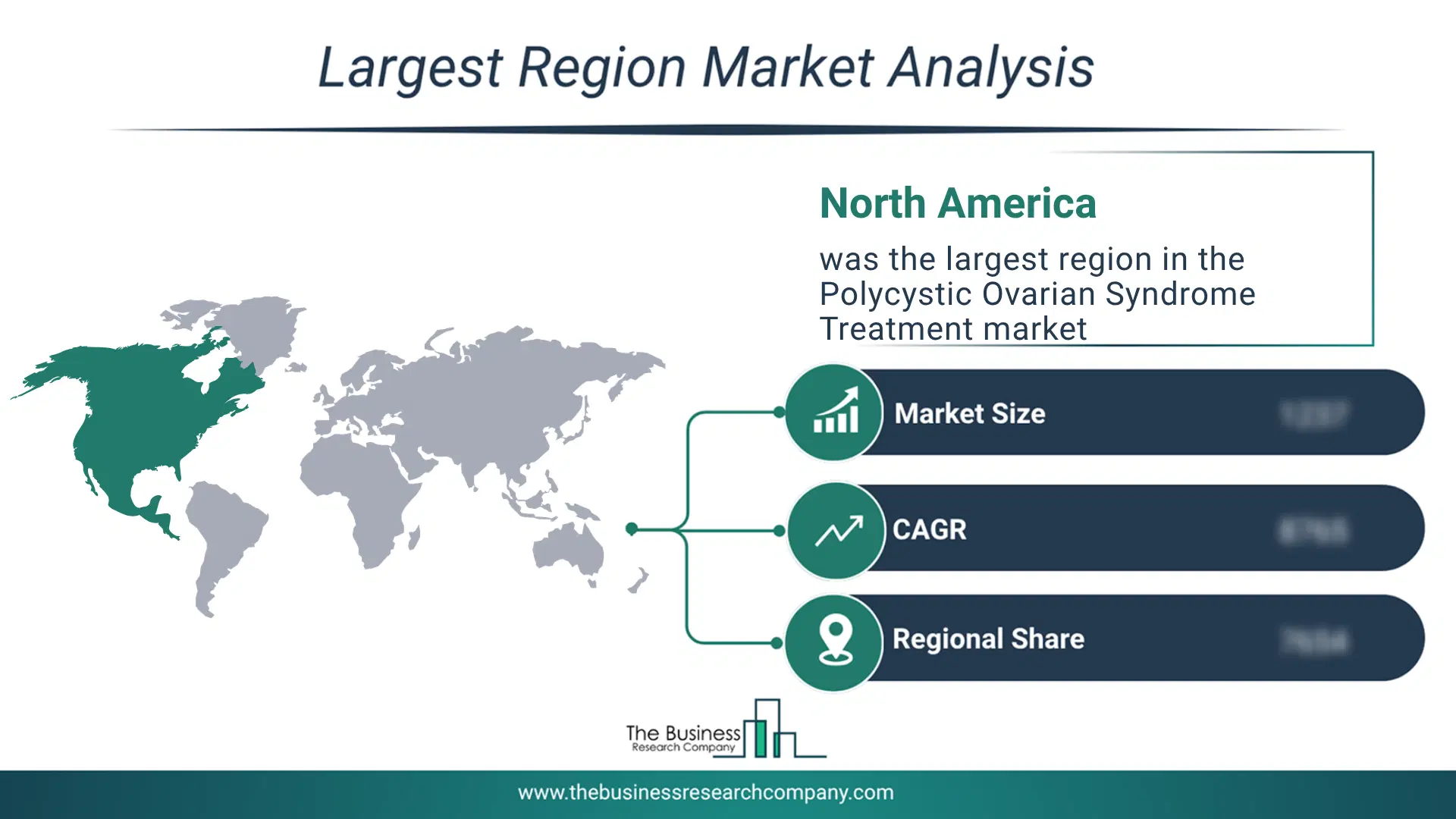
Regional Outlook
North America was the largest region in the polycystic ovarian syndrome treatment market in 2025. Western Europe was the second largest region in the polycystic ovarian syndrome treatment market. The regions covered in this market report are Asia-Pacific, South East Asia, Western Europe, Eastern Europe, North America, South America, Middle East, Africa. The countries covered in this market report are Australia, Brazil, China, France, Germany, India, Indonesia, Japan, Taiwan, Russia, South Korea, UK, USA, Canada, Italy, Spain.What Defines the Polycystic Ovarian Syndrome Treatment Market?
The polycystic ovarian syndrome treatment market includes revenue earned by first line drugs for treating hirustism, first line drugs for ovulation, and insulin sensitizing drugs. The market value includes the value of related goods sold by the service provider or included within the service offering. Only goods and services traded between entities or sold to end consumers are included.How is Market Value Defined and Measured?
The market value is defined as the revenues that enterprises gain from the sale of goods and/or services within the specified market and geography through sales, grants, or donations in terms of the currency (in USD unless otherwise specified). The revenues for a specified geography are consumption values that are revenues generated by organizations in the specified geography within the market, irrespective of where they are produced. It does not include revenues from resales along the supply chain, either further along the supply chain or as part of other products.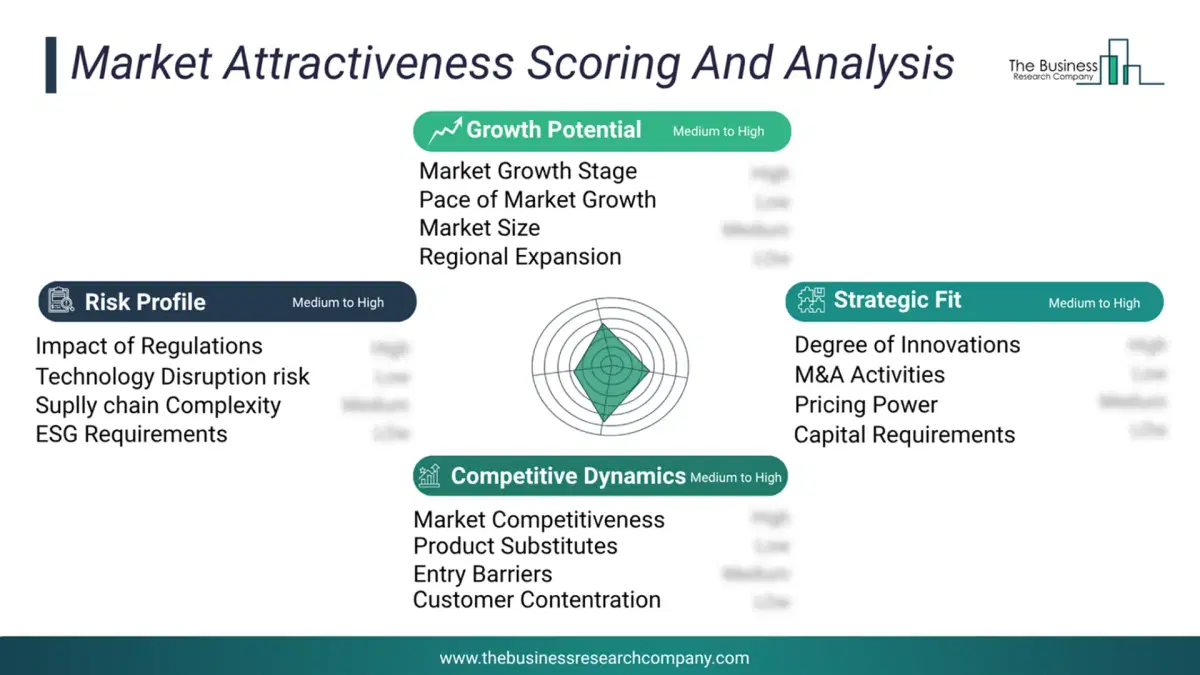
This chart presents market attractiveness based on a quantitative evaluation of growth, competition, strategic alignment, and risk, offering a clear view of opportunity areas for decision-making. This chart is for illustrative purposes; the full report contains the complete analysis.
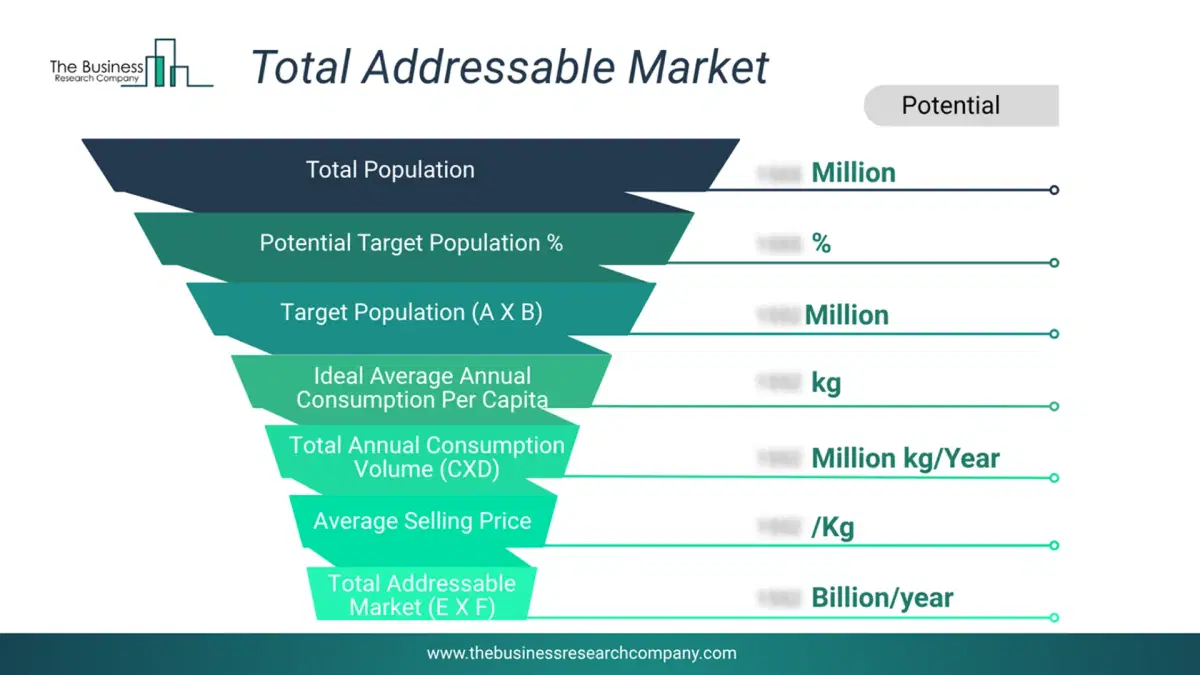
This chart highlights the Total Addressable Market (TAM) by estimating the maximum revenue opportunity using an assumption-driven approach, supporting strategic planning and opportunity sizing across markets. The chart is illustrative; the full report provides a more comprehensive analysis.
What Key Data and Analysis Are Included in the Polycystic Ovarian Syndrome Treatment Market Report 2026?
The polycystic ovarian syndrome treatment market research report is one of a series of new reports from The Business Research Company that provides market statistics, including industry global market size, regional shares, competitors with the market share, detailed market segments, market trends and opportunities, and any further data you may need to thrive in the polycystic ovarian syndrome treatment industry. The market research report delivers a complete perspective of everything you need, with an in-depth analysis of the current and future state of the industry.Polycystic Ovarian Syndrome Treatment Market Report Forecast Analysis
| Report Attribute | Details |
|---|---|
| Market Size Value In 2026 | $5.4 billion |
| Revenue Forecast In 2030 | $7.28 billion |
| Growth Rate | CAGR of 7.8% from 2026 to 2030 |
| Base Year For Estimation | 2025 |
| Actual Estimates/Historical Data | 2020-2025 |
| Forecast Period | 2026 - 2030 |
| Market Representation | Revenue in USD Billion and CAGR from 2026 to 2030 |
| Segments Covered | Drug Type, Surgery Type, End User |
| Regional Scope | Asia-Pacific, Western Europe, Eastern Europe, North America, South America, Middle East, Africa |
| Country Scope | The countries covered in the report are Australia, Brazil, China, France, Germany, India, Indonesia, Japan, Taiwan, Russia, South Korea, UK, USA, Canada, Italy, Spain |
| Key Companies Profiled | Bristol-Myer Squibb Co, Bayer AG, Pfizer Inc., Merck KGaA, Sanofi SA, AstraZeneca PLC, Novartis AG, Teva Pharmaceutical Industries Limited, Abbott Laboratories, Allergan plc, Johnson and Johnson, Ferring Pharmaceuticals Inc., Takeda Pharmaceutical Company Limited, Organon & Co, Forendo Pharma Ltd., GlaxoSmithKline plc, AbbVie Inc., Eli Lilly and Company, Mylan NV, Lupin Pharmaceuticals Inc., HRA Pharma SAS, CooperSurgical Inc., TherapeuticsMD Inc., Agile Therapeutics Inc., Aurobindo Pharma Limited, Sun Pharmaceutical Industries Ltd., Zydus Cadila Healthcare Limited, Glenmark Pharmaceuticals Limited |
| Customization Scope | Request for Customization |
| Pricing And Purchase Options | Explore Purchase Options |