
Positron Emission Tomography (PET) Scanners Market Report 2026
Global Outlook – By Modality (PET-CT (Positron Emission Tomography-Computed Tomography), PET-MRI (Positron Emission Tomography-Magnetic Resonance Imaging)), By Detector Type (Gadolinium Oxyorthosilicate, Lutetium Fine Silicate, Bismuth Germanium Oxide, Lutetium Oxyorthosilicate), By Application (Cardiology, Neurology, Oncology, Orthopedics, Urology, Gastroenterology, Other Applications), By End User (Hospitals, Diagnostic Centers, Other End-Users) – Market Size, Trends, Strategies, and Forecast to 2030
Positron Emission Tomography (PET) Scanners Market Overview
• Positron Emission Tomography (PET) Scanners market size has reached to $1.58 billion in 2025 • Expected to grow to $2.12 billion in 2030 at a compound annual growth rate (CAGR) of 6.3% • Growth Driver: Role Of Increasing Brain Disorder Cases In Driving Growth Of The Positron Emission Tomography (PET) Scanners Market • Market Trend: Revolutionizing Pet Scans With Optiso UDR Detector Technology • North America was the largest region in 2025 and Asia-Pacific is the fastest growing region.What Is Covered Under Positron Emission Tomography (PET) Scanners Market?
A positron emission tomography (PET) scanner is a medical imaging device that creates detailed three-dimensional images of the internal structures of the human body. It uses a radioactive substance to assess and detect various chronic diseases by analyzing the functions of multiple organs. PET scanners are primarily used to detect cancer and evaluate cancer treatment. The main modalities of positron emission tomography (PET) scanners are PET-CT (positron emission tomography-computed tomography) and PET-MRI (positron emission tomography-magnetic resonance imaging). PET-CT refers to a positron emission tomography-computed tomography scanner that provides functional data from PET scans and images of the body based on the detection of radiation from CT scans. The types of detectors are gadolinium oxyorthosilicate, lutetium fine silicate, bismuth germanium oxide, and lutetium oxyorthosilicate used for various applications such as cardiology, neurology, oncology, orthopedics, urology, gastroenterology, and others. The end user are hospitals, diagnostic centers, and others.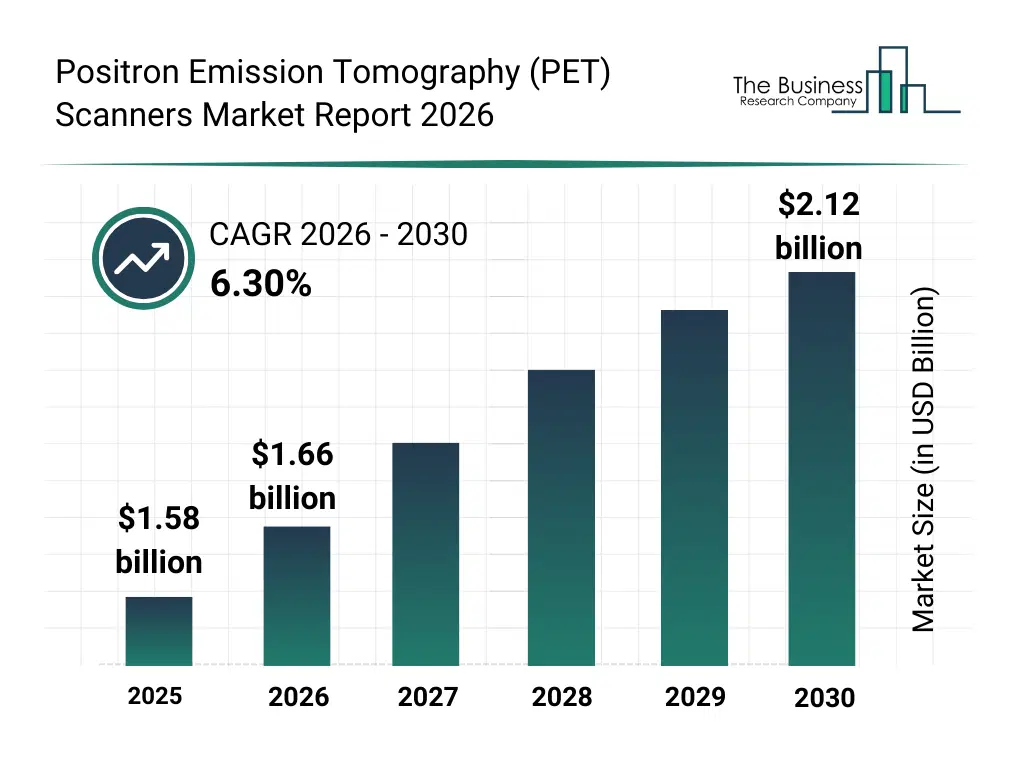
What Is The Positron Emission Tomography (PET) Scanners Market Size and Share 2026?
The positron emission tomography (pet) scanners market size has grown strongly in recent years. It will grow from $1.58 billion in 2025 to $1.66 billion in 2026 at a compound annual growth rate (CAGR) of 5.2%. The growth in the historic period can be attributed to rising incidence of cancer and chronic diseases requiring functional imaging, increasing hospital adoption of pet-ct systems for oncology diagnostics, early availability of gadolinium oxyorthosilicate and bismuth germanium oxide detector technologies, expansion of diagnostic imaging infrastructure in hospitals and specialty centers, growing clinical evidence supporting pet imaging in treatment planning.What Is The Positron Emission Tomography (PET) Scanners Market Growth Forecast?
The positron emission tomography (pet) scanners market size is expected to see strong growth in the next few years. It will grow to $2.12 billion in 2030 at a compound annual growth rate (CAGR) of 6.3%. The growth in the forecast period can be attributed to increasing demand for hybrid pet-mri and advanced pet-ct platforms, rising utilization of lutetium fine silicate and lutetium oxyorthosilicate detectors, growing application volumes in cardiology and neurology segments, expanding access to pet scanners in emerging healthcare markets, rising focus on precision imaging for personalized therapy assessment. Major trends in the forecast period include rising adoption of pet-ct and pet-mri imaging for advanced disease diagnosis and monitoring, increasing utilization of pet scanners in oncology for cancer detection and treatment evaluation, growing preference for hybrid and high-resolution pet imaging systems, expansion of pet imaging applications across cardiology neurology and gastroenterology, increasing deployment of pet scanners in hospitals and diagnostic centers.
Global Positron Emission Tomography (PET) Scanners Market Segmentation
1) By Modality: PET-CT (Positron Emission Tomography-Computed Tomography), PET-MRI (Positron Emission Tomography-Magnetic Resonance Imaging) 2) By Detector Type: Gadolinium Oxyorthosilicate, Lutetium Fine Silicate, Bismuth Germanium Oxide, Lutetium Oxyorthosilicate 3) By Application: Cardiology, Neurology, Oncology, Orthopedics, Urology, Gastroenterology, Other Applications 4) By End User: Hospitals, Diagnostic Centers, Other End-Users Subsegments: 1) By PET-CT (Positron Emission Tomography-Computed Tomography): Standalone PET-CT Systems, Hybrid PET-CT Systems 2) By PET-MRI (Positron Emission Tomography-Magnetic Resonance Imaging): Dedicated PET-MRI SystemsWhat Is The Driver Of The Positron Emission Tomography (PET) Scanners Market?
The increasing brain disorder cases is expected to propel the growth of the positron emission tomography (PET) scanners market going forward. Brain disorder is any condition that affects the brain's normal functioning caused by illness, genetics, or traumatic injury. PET scans use a radioactive material called a tracer to show both normal and abnormal metabolic activity in the brain. positron emission tomography (PET) scanners monitors brain function, disease processes, and response to treatment and diagnoses conditions that may not appear on other types of imaging. For instance, in March 2024, according to the Alzheimer's Association, a US-based non-profit organization, as of 2024, an estimated 6.9 million Americans aged 65 and older are living with Alzheimer's dementia. Further, it is expected to increase to 13.8 million by 2060. Therefore, the increasing number of brain disorder cases drives the growth of the positron emission tomography (PET) scanners industry.Key Players In The Global Positron Emission Tomography (PET) Scanners Market
Major companies operating in the positron emission tomography (pet) scanners market are Hitachi Ltd., Canon Medical Systems USA Inc., Toshiba Corporation, Siemens Healthineers, Fujifilm Holdings Corporation, Koninklijke Philips N.V., GE HealthCare, CMR Naviscan Corporation, Shimadzu Corporation, Neusoft Medical Systems Co. Ltd., Mediso Medical Imaging Systems, Cubresa Inc., Oncovision, Mediso Ltd., MR Solutions Group Ltd., MinFound Medical Systems Co. Ltd, PETsys Electronics SA, Positron Corporation, RefleXion Medical, EdgePoint Medical
This chart is for illustrative purposes; the full report includes a detailed competitor analysis and comprehensive overview of the top 10 companies in the market.
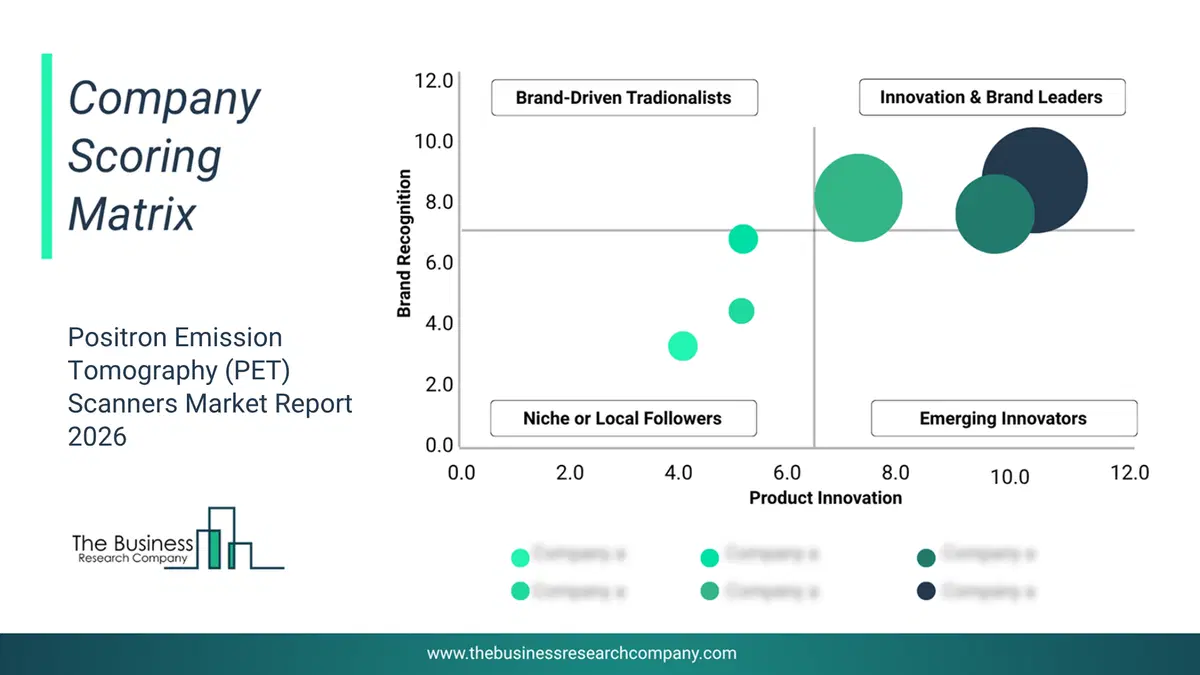
This chart maps companies by product innovation and brand strength, with bubble size indicating relative revenue, helping identify market leaders, challengers, and niche players. This is an illustrative chart; the full report provides a complete and accurate competitive analysis.
Global Positron Emission Tomography (PET) Scanners Market Trends and Insights
Major companies operating in the positron emission tomography (PET) scanner market are developing innovative products by adopting new technologies such as Optiso Ultra Dynamic Range (UDR) detector technology to provide reliable services to their customers. The Optiso Ultra Dynamic Range (UDR) detector is a new generation of PET detector that uses multiple technologies to provide optimal performance in a wide range of count rates, which improves the image quality and diagnostic accuracy of PET scans, especially for patients with high-activity tracers. For instance, in June 2023, Siemens Healthineers AG, a Germany-based provider of healthcare solutions and services, launched Biograph Vision X, a next-generation positron emission tomography/computed tomography (PET/CT) scanner. It has been developed with Optiso Ultra Dynamic Range (UDR) detector technology, which uses silicon photomultipliers (SiPMs), which enables the use of small 3.2 mm x 3.2 mm lutetium oxyorthosilicate (LSO) crystal elements to deliver higher spatial resolution than larger crystals and provides a time of flight (TOF) of 178 picoseconds (PS). The scanner achieves excellent 48-mm3 volumetric resolution and a 20% performance enhancement (TOF gain) by utilizing these incredibly tiny LSO crystals completely coated by SiPMs.What Are Latest Mergers And Acquisitions In The Positron Emission Tomography (PET) Scanners Market?
In February 2025, Cubresa, a Canada-based medical imaging company specializing in brain PET scanners, entered into a partnership with Siemens Healthineers for an undisclosed amount. With this partnership, Cubresa aims to develop and ensure compatibility of its BrainPET™ scanner with Siemens MAGNETOM MRI systems across all field strengths, enabling simultaneous PET/MR imaging for enhanced brain diagnostics. Siemens Healthineers is a Germany-based medical technology company specializing in imaging, diagnostics, and healthcare solutions.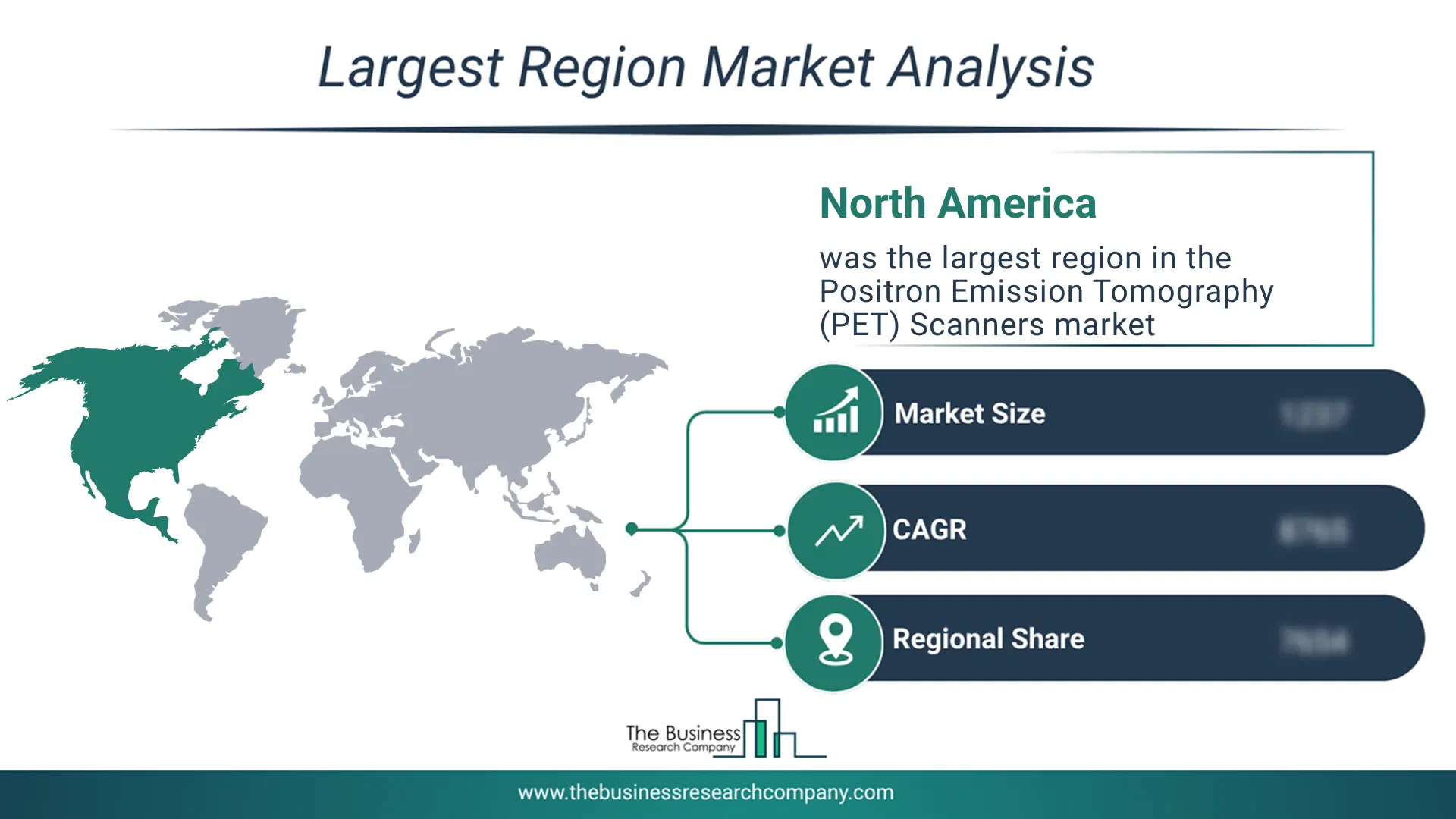
Regional Outlook
North America was the largest region in the positron emission tomography (PET) scanners market in 2025. Asia-Pacific is expected to be the fastest-growing region in the forecast period. The regions covered in this market report are Asia-Pacific, South East Asia, Western Europe, Eastern Europe, North America, South America, Middle East, Africa. The countries covered in this market report are Australia, Brazil, China, France, Germany, India, Indonesia, Japan, Taiwan, Russia, South Korea, UK, USA, Canada, Italy, SpainWhat Defines the Positron Emission Tomography (PET) Scanners Market?
The positron emission tomography (PET) scanners market consists of revenues earned by entities by providing services such as 3D imaging, detect cellular changes, diagnostic examination and nuclear medicine imaging. The market value includes the value of related goods sold by the service provider or included within the service offering. The positron emission tomography (PET) scanner market also includes sales of positron emission tomography tracers, portable PET scanners, and time-of-flight scanners. Values in this market are ‘factory gate’ values, that is the value of goods sold by the manufacturers or creators of the goods, whether to other entities (including downstream manufacturers, wholesalers, distributors and retailers) or directly to end customers. The value of goods in this market includes related services sold by the creators of the goods.How is Market Value Defined and Measured?
The market value is defined as the revenues that enterprises gain from the sale of goods and/or services within the specified market and geography through sales, grants, or donations in terms of the currency (in USD unless otherwise specified). The revenues for a specified geography are consumption values that are revenues generated by organizations in the specified geography within the market, irrespective of where they are produced. It does not include revenues from resales along the supply chain, either further along the supply chain or as part of other products.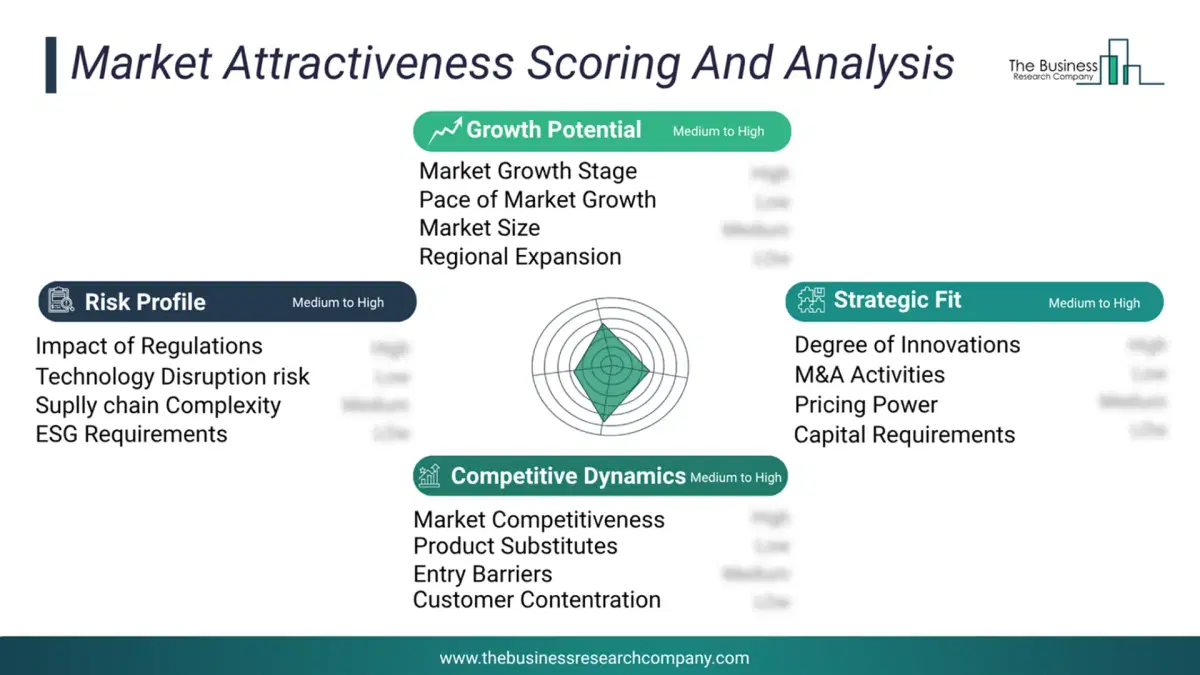
This chart presents market attractiveness based on a quantitative evaluation of growth, competition, strategic alignment, and risk, offering a clear view of opportunity areas for decision-making. This chart is for illustrative purposes; the full report contains the complete analysis.
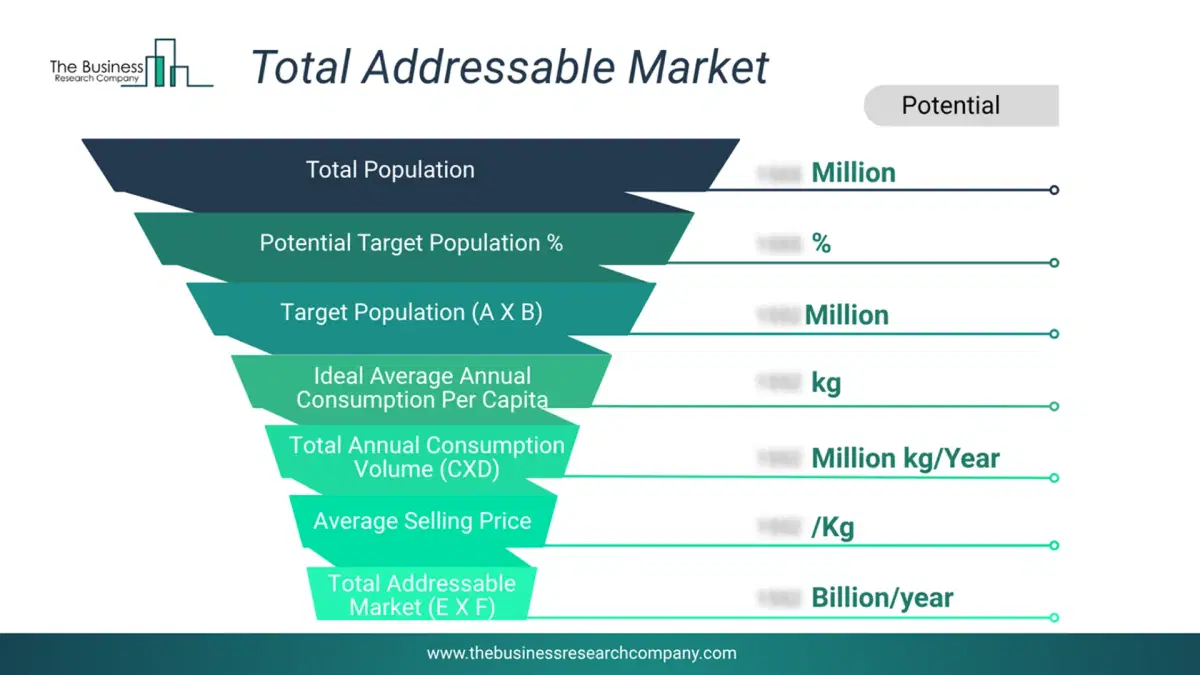
This chart highlights the Total Addressable Market (TAM) by estimating the maximum revenue opportunity using an assumption-driven approach, supporting strategic planning and opportunity sizing across markets. The chart is illustrative; the full report provides a more comprehensive analysis.
What Key Data and Analysis Are Included in the Positron Emission Tomography (PET) Scanners Market Report 2026?
The positron emission tomography (pet) scanners market research report is one of a series of new reports from The Business Research Company that provides market statistics, including industry global market size, regional shares, competitors with the market share, detailed market segments, market trends and opportunities, and any further data you may need to thrive in the positron emission tomography (pet) scanners industry. The market research report delivers a complete perspective of everything you need, with an in-depth analysis of the current and future state of the industry.Positron Emission Tomography (PET) Scanners Market Report Forecast Analysis
| Report Attribute | Details |
|---|---|
| Market Size Value In 2026 | $1.66 billion |
| Revenue Forecast In 2030 | $2.12 billion |
| Growth Rate | CAGR of 6.3% from 2026 to 2030 |
| Base Year For Estimation | 2025 |
| Actual Estimates/Historical Data | 2020-2025 |
| Forecast Period | 2026 - 2030 |
| Market Representation | Revenue in USD Billion and CAGR from 2026 to 2030 |
| Segments Covered | Modality, Detector Type, Application, End User |
| Regional Scope | Asia-Pacific, Western Europe, Eastern Europe, North America, South America, Middle East, Africa |
| Country Scope | The countries covered in the report are Australia, Brazil, China, France, Germany, India, Indonesia, Japan, Taiwan, Russia, South Korea, UK, USA, Canada, Italy, Spain. |
| Key Companies Profiled | Hitachi Ltd., Canon Medical Systems USA Inc., Toshiba Corporation, Siemens Healthineers, Fujifilm Holdings Corporation, Koninklijke Philips N.V., GE HealthCare, CMR Naviscan Corporation, Shimadzu Corporation, Neusoft Medical Systems Co. Ltd., Mediso Medical Imaging Systems, Cubresa Inc., Oncovision, Mediso Ltd., MR Solutions Group Ltd., MinFound Medical Systems Co. Ltd, PETsys Electronics SA, Positron Corporation, RefleXion Medical, EdgePoint Medical |
| Customization Scope | Request for Customization |
| Pricing And Purchase Options | Explore Purchase Options |