

Retinal Biologics Market Report 2026
Global Outlook – By Drug Class (Vascular Endothelial Growth Factor (VEGF)-A Antagonist, Tumor Necrosis Factor (TNF)-A Inhibitor), By Indication (Macular Degeneration, Diabetic Retinopathy, Uveitis, Diabetic Macular Edema, Other Indications), By Distribution Channel (Hospitals, Pharmacies, Specialty Clinics, Online Pharmacies, Other Distribution Channels) – Market Size, Trends, Strategies, and Forecast to 2030
Retinal Biologics Market Overview
• Retinal Biologics market size has reached to $28.12 billion in 2025 • Expected to grow to $49.03 billion in 2030 at a compound annual growth rate (CAGR) of 11.9% • Growth Driver: The Surge In Personalized Medicine Drives Growth In The Retinal Biologics Market • Market Trend: Retinal Biologics Market Expands With Roche's Breakthrough Vabysmo • North America was the largest region in 2025 and Asia-Pacific is the fastest growing region.What Is Covered Under Retinal Biologics Market?
Retinal biologics refers to bioengineered macromolecules that are implanted inside the eyes to heal chronic retinal diseases. They are highly precise inflammatory mediator-targeting compounds used to treat inflammatory, corneal, and retinal medical conditions. The main types of retinal biologics are vascular endothelial growth factor (VEGF)-A antagonist and tumor necrosis factor (TNF)-A inhibitor. A VEGF-A antagonist is a substance that inhibits the activity of vascular endothelial growth factor, a potent angiogenic factor, and an essential growth factor for vascular endothelial cells. They are administered for various indications, such as macular degeneration, diabetic retinopathy, uveitis, diabetic macular edema, and others. They are available in hospitals, pharmacies, specialty clinics, online pharmacies, and others.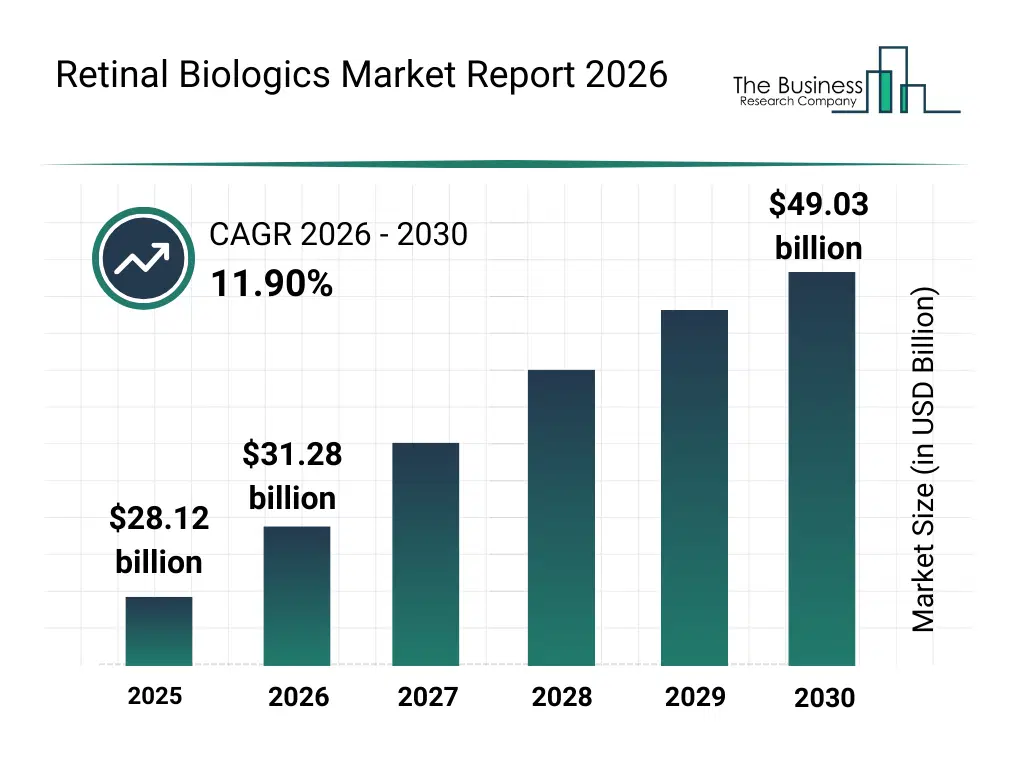
What Is The Retinal Biologics Market Size and Share 2026?
The retinal biologics market size has grown rapidly in recent years. It will grow from $28.12 billion in 2025 to $31.28 billion in 2026 at a compound annual growth rate (CAGR) of 11.2%. The growth in the historic period can be attributed to rising prevalence of age-related macular degeneration, increasing diabetic population, clinical success of monoclonal antibody therapies, growing ophthalmology healthcare expenditure, improved diagnostic imaging technologies.What Is The Retinal Biologics Market Growth Forecast?
The retinal biologics market size is expected to see rapid growth in the next few years. It will grow to $49.03 billion in 2030 at a compound annual growth rate (CAGR) of 11.9%. The growth in the forecast period can be attributed to advancements in retinal biologic drug delivery systems, expansion of pipeline biologics for retinal diseases, increasing adoption of personalized ophthalmic therapies, growth in emerging market ophthalmology infrastructure, rising demand for long-duration treatments. Major trends in the forecast period include long-acting retinal biologic formulations, increasing adoption of anti-vegf biologics, shift toward minimally invasive intraocular therapies, expansion of biologics for diabetic eye disorders, growth in specialty retina clinics.
Global Retinal Biologics Market Segmentation
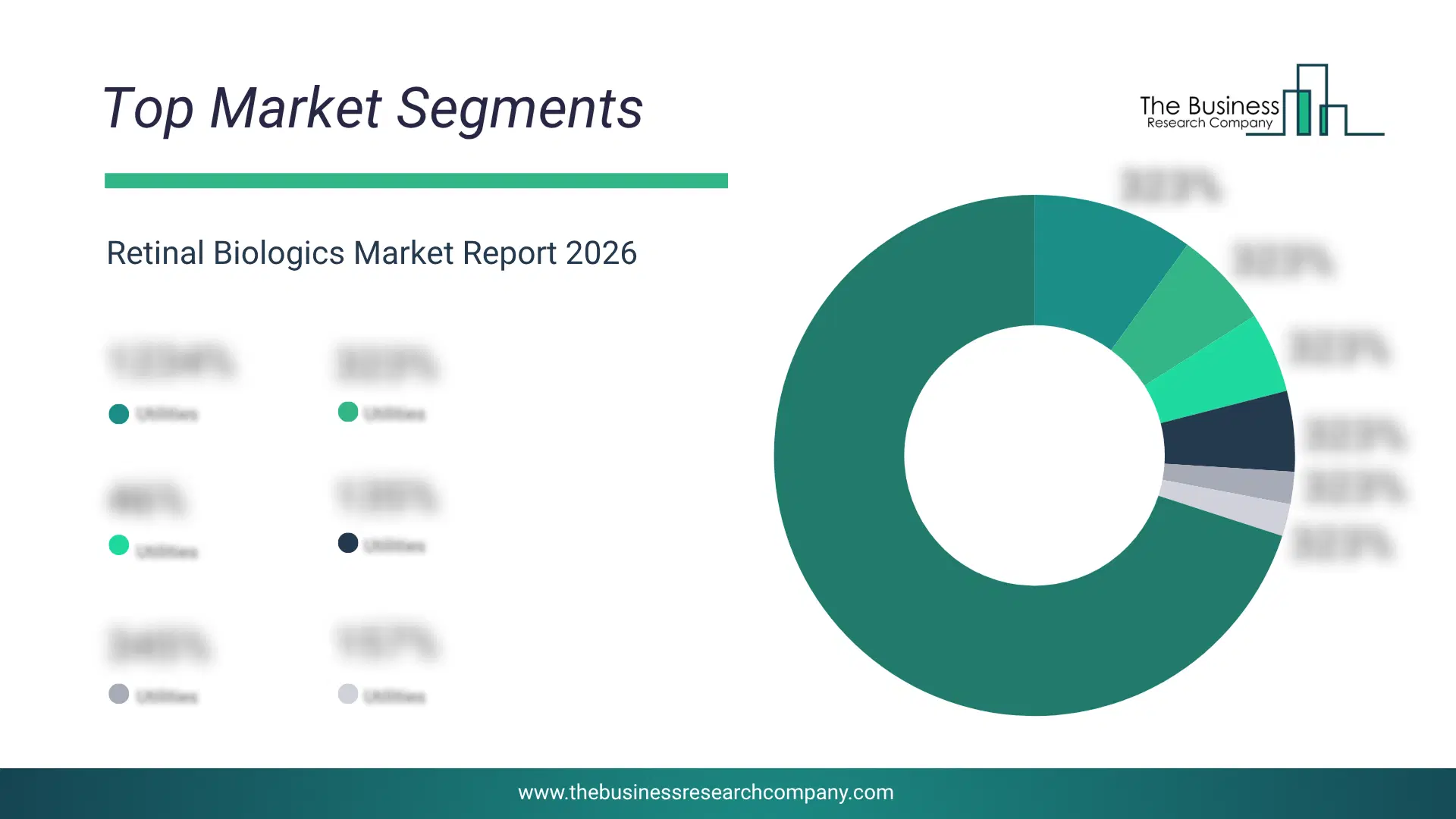
1) By Drug Class: Vascular Endothelial Growth Factor (VEGF)-A Antagonist, Tumor Necrosis Factor (TNF)-A Inhibitor 2) By Indication: Macular Degeneration, Diabetic Retinopathy, Uveitis, Diabetic Macular Edema, Other Indications 3) By Distribution Channel: Hospitals, Pharmacies, Specialty Clinics, Online Pharmacies, Other Distribution Channels Subsegments: 1) By Vascular Endothelial Growth Factor (VEGF)-A Antagonist: Monoclonal Antibodies, Small Molecule Inhibitors 2) By Tumor Necrosis Factor (TNF)-A Inhibitor: Monoclonal Antibodies, Fusion ProteinsWhat Is The Driver Of The Retinal Biologics Market?
Rising demand for personalized medicine is expected to propel the growth of the retinal biologics market going forward. Personalized medicine tailors medical treatment to an individual's unique genetic makeup, offering more effective and precise healthcare interventions. Personalized medicine is utilized in retinal biologics to tailor treatment approaches based on individual genetic and molecular profiles, optimizing efficacy and minimizing adverse effects. For instance, in February 2024, according to the Personalised Medicine Coalition, a US-based hospital and health care organization, in 2023, the FDA approved 16 new personalized treatments for rare disease patients, up from 6 in 2022. Therefore, the rising demand for personalized medicine is driving the growth of the retinal biologics industry.Key Players In The Global Retinal Biologics Market
Major companies operating in the retinal biologics market are Regeneron Pharmaceuticals Inc., AbbVie Inc., MeiraGTx Limited, Oxurion NV, Novartis AG, Spark Therapeutics Inc., Bayer AG, Santen Pharmaceutical Co. Ltd., EyePoint Pharmaceuticals Inc., Iveric Bio Inc., Kodiak Sciences Inc., Alimera Sciences Inc., Acucela Inc., Clearside Biomedical Inc., Ophthotech Corporation, Aerie Pharmaceuticals Inc., Ocular Therapeutix Inc., Fidia Farmaceutici S.p.A, Roche Holding AG, Amgen Inc., Biogen Inc., Genentech Inc., Allergan PLC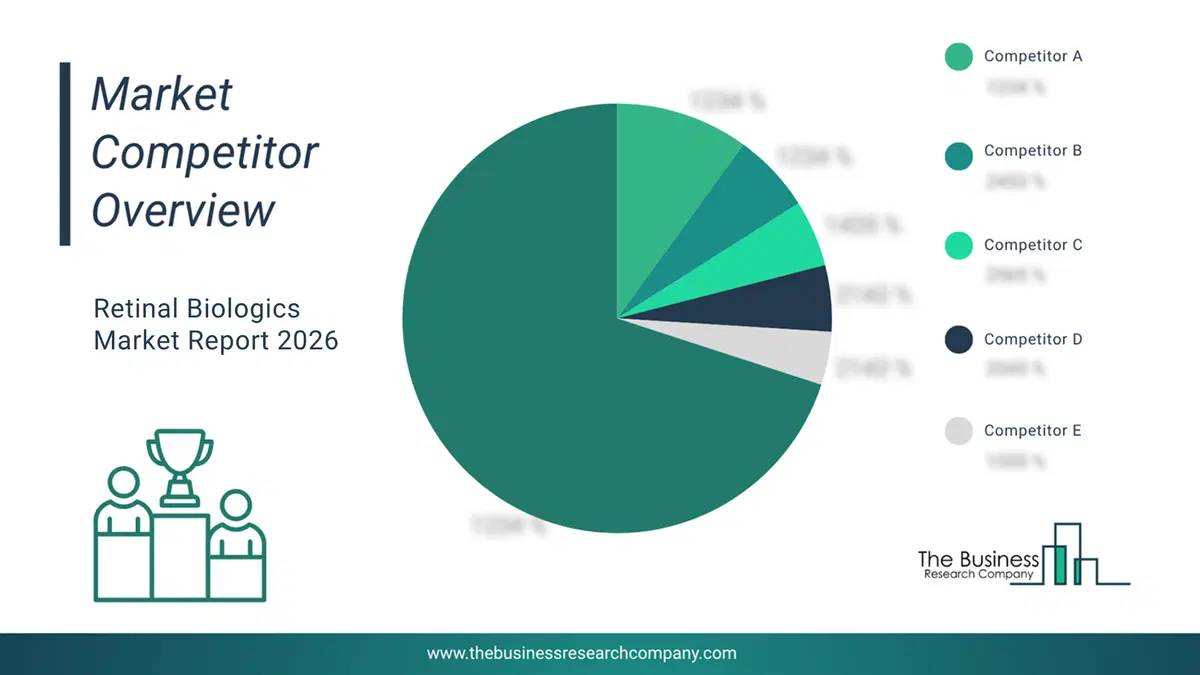
This chart is for illustrative purposes; the full report includes a detailed competitor analysis and comprehensive overview of the top 10 companies in the market.
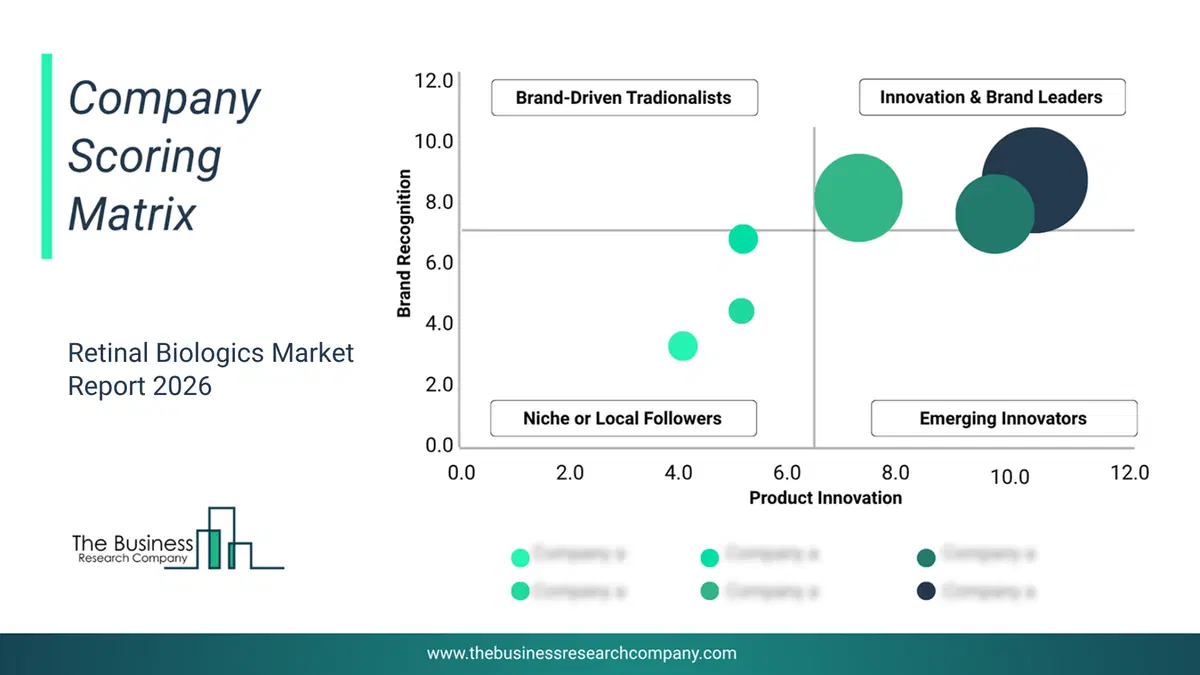
This chart maps companies by product innovation and brand strength, with bubble size indicating relative revenue, helping identify market leaders, challengers, and niche players. This is an illustrative chart; the full report provides a complete and accurate competitive analysis.
Global Retinal Biologics Market Trends and Insights
Major companies operating in the retinal biologics market are focusing on developing advanced solutions, such as bispecific antibodies, to enhance treatment efficacy, reduce retinal damage, and improve visual outcomes. Bispecific antibodies refer to biologic therapies designed to simultaneously target two different pathways involved in disease progression, offering improved therapeutic benefits. For instance, in May 2023, F. Hoffmann-La Roche Ltd., a Switzerland-based healthcare company, announced that the U.S. Food and Drug Administration had accepted the company’s supplemental biologics license application (sBLA) for Vabysmo (faricimab) for the treatment of macular edema following retinal vein occlusion (RVO). Acceptance was based on two Phase III trials that showed early and persistent visual improvement with Vabysmo, achieving the primary endpoint of non-inferiority to aflibercept. This product is the first bispecific antibody approved for the eye to treat neovascular or ‘wet’ age-related macular degeneration and diabetic macular edema. Further studies showed an absence of blood vessel leakage in the retina in Vabysmo patients compared to aflibercept patients.What Are Latest Mergers And Acquisitions In The Retinal Biologics Market?
In January 2023, Coherus BioSciences Inc., a US-based biosimilar therapeutics company, acquired exclusive commercialization rights to FYB203, a biosimilar candidate of Eylea (aflibercept), from Klinge Biopharma GmbH in the United States for an undisclosed sum. This ophthalmology-acquired product will enable Coherus to extensively target anti-VEGF medications, significantly extending its market opportunity to support mid-to-long-term growth and revenue potential. Klinge Biopharma GmbH is a Germany-based firm that offers anti-VEGF medications.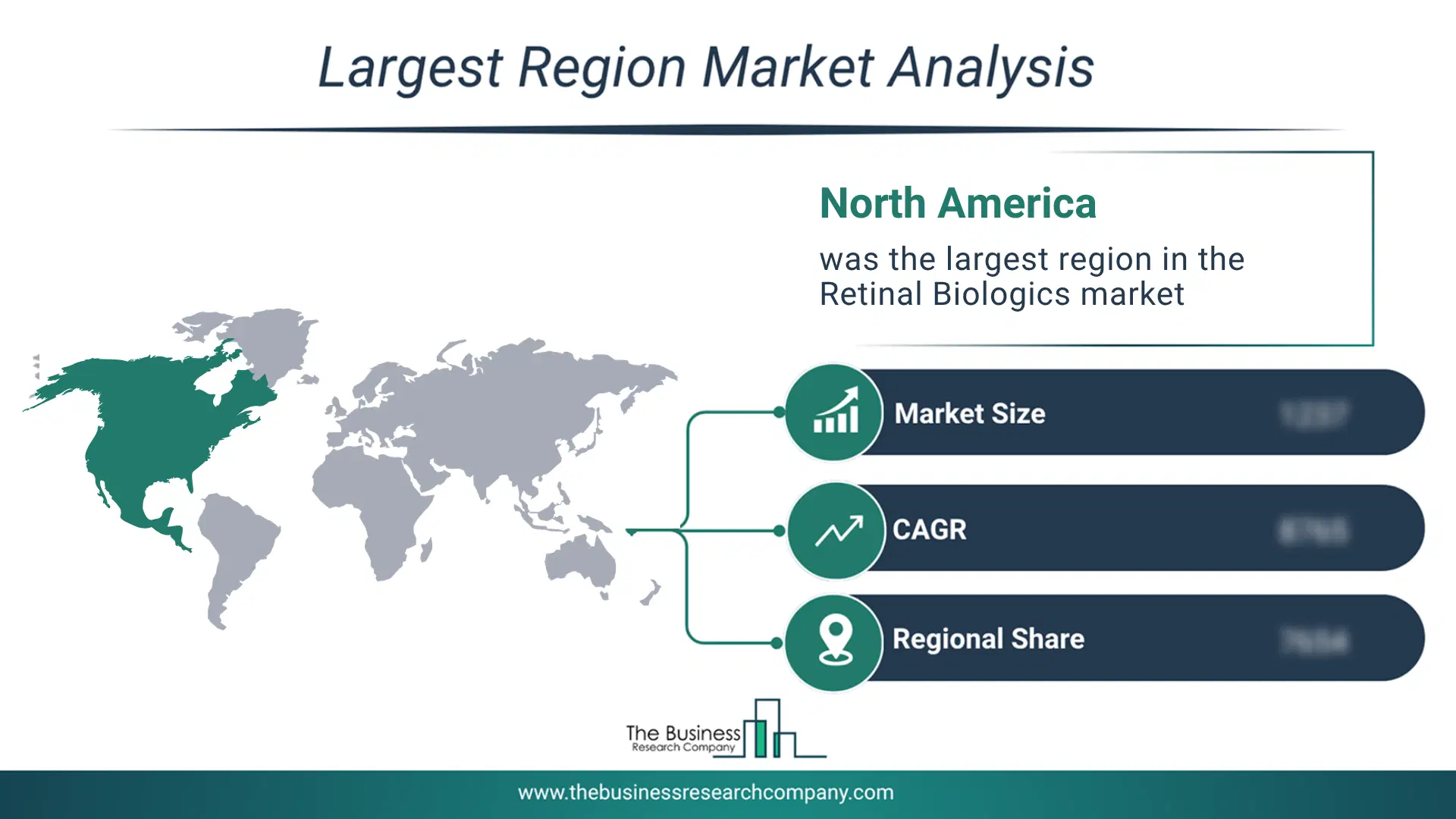
Regional Insights
North America was the largest region in the retinal biologics market in 2025. Asia-Pacific is expected to be the fastest-growing region in the forecast period. The regions covered in this market report are Asia-Pacific, South East Asia, Western Europe, Eastern Europe, North America, South America, Middle East, Africa. The countries covered in this market report are Australia, Brazil, China, France, Germany, India, Indonesia, Japan, Taiwan, Russia, South Korea, UK, USA, Canada, Italy, Spain.What Defines the Retinal Biologics Market?
The retinal biologics market consists of sales of ranibizumab, aflibercept, and brolucizumab. Values in this market are ‘factory gate’ values, that is the value of goods sold by the manufacturers or creators of the goods, whether to other entities (including downstream manufacturers, wholesalers, distributors and retailers) or directly to end customers. The value of goods in this market includes related services sold by the creators of the goods.How is Market Value Defined and Measured?
The market value is defined as the revenues that enterprises gain from the sale of goods and/or services within the specified market and geography through sales, grants, or donations in terms of the currency (in USD unless otherwise specified). The revenues for a specified geography are consumption values that are revenues generated by organizations in the specified geography within the market, irrespective of where they are produced. It does not include revenues from resales along the supply chain, either further along the supply chain or as part of other products.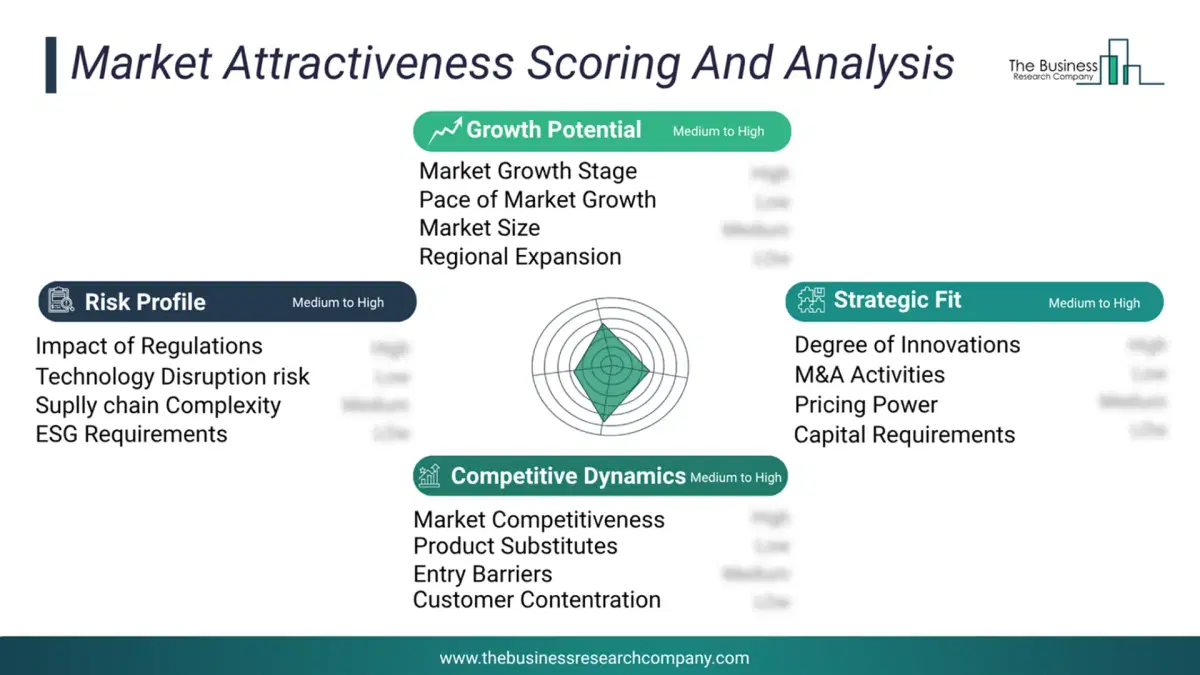
This chart presents market attractiveness based on a quantitative evaluation of growth, competition, strategic alignment, and risk, offering a clear view of opportunity areas for decision-making. This chart is for illustrative purposes; the full report contains the complete analysis.
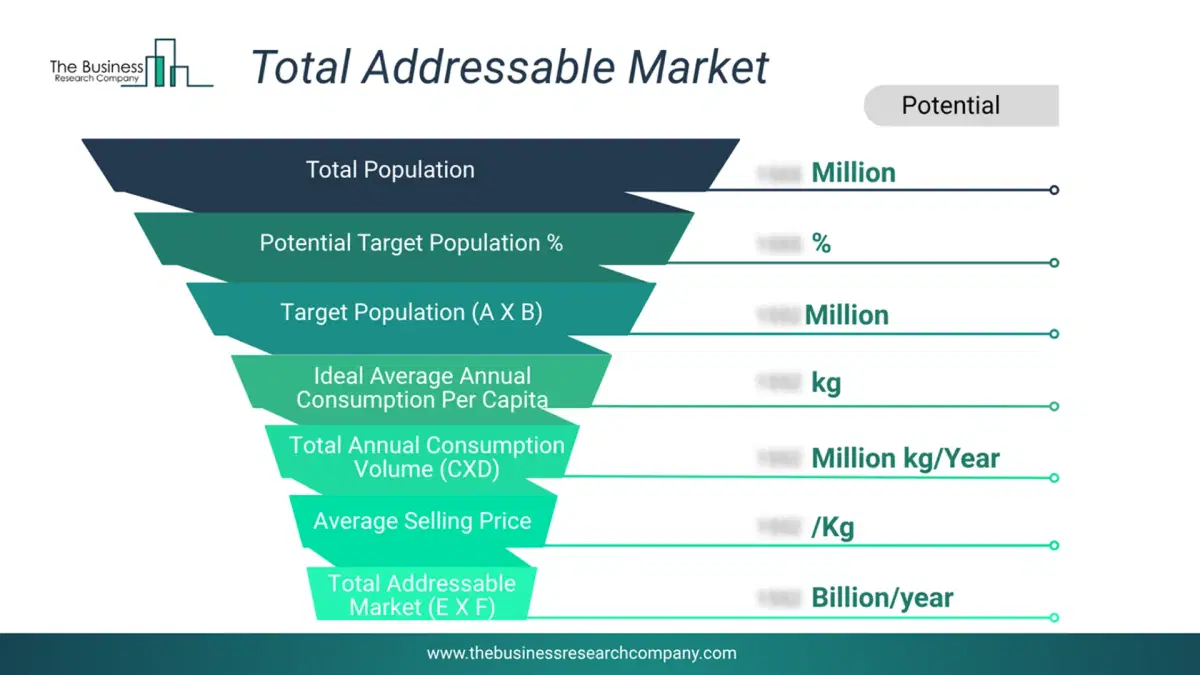
This chart highlights the Total Addressable Market (TAM) by estimating the maximum revenue opportunity using an assumption-driven approach, supporting strategic planning and opportunity sizing across markets. The chart is illustrative; the full report provides a more comprehensive analysis.
What Key Data and Analysis Are Included in the Retinal Biologics Market Report 2026?
The retinal biologics market research report is one of a series of new reports from The Business Research Company that provides market statistics, including industry global market size, regional shares, competitors with the market share, detailed market segments, market trends and opportunities, and any further data you may need to thrive in the retinal biologics industry. The market research report delivers a complete perspective of everything you need, with an in-depth analysis of the current and future state of the industry.Retinal Biologics Market Report Forecast Analysis
| Report Attribute | Details |
|---|---|
| Market Size Value In 2026 | $31.28 billion |
| Revenue Forecast In 2030 | $49.03 billion |
| Growth Rate | CAGR of 11.2% from 2026 to 2030 |
| Base Year For Estimation | 2025 |
| Actual Estimates/Historical Data | 2020-2025 |
| Forecast Period | 2026 - 2030 |
| Market Representation | Revenue in USD Billion and CAGR from 2026 to 2030 |
| Segments Covered | Drug Class, Indication, Distribution Channel |
| Regional Scope | Asia-Pacific, Western Europe, Eastern Europe, North America, South America, Middle East, Africa |
| Country Scope | The countries covered in the report are Australia, Brazil, China, France, Germany, India, Indonesia, Japan, Taiwan, Russia, South Korea, UK, USA, Canada, Italy, Spain. |
| Key Companies Profiled | Regeneron Pharmaceuticals Inc., AbbVie Inc., MeiraGTx Limited, Oxurion NV, Novartis AG, Spark Therapeutics Inc., Bayer AG, Santen Pharmaceutical Co. Ltd., EyePoint Pharmaceuticals Inc., Iveric Bio Inc., Kodiak Sciences Inc., Alimera Sciences Inc., Acucela Inc., Clearside Biomedical Inc., Ophthotech Corporation, Aerie Pharmaceuticals Inc., Ocular Therapeutix Inc., Fidia Farmaceutici S.p.A, Roche Holding AG, Amgen Inc., Biogen Inc., Genentech Inc., Allergan PLC |
| Customization Scope | Request for Customization |
| Pricing And Purchase Options | Explore Purchase Options |