
Retinal Disorder Treatment Market Report 2026
Global Outlook – By Type (Macular Degeneration, Diabetic Retinopathy, Other Types), By Dosage Form (Gels, Eye Solutions, Capsules And Tablets, Eye Drops, Ointments), By Distribution Channel (Hospital Pharmacy, Online Pharmacy, Retail Pharmacy) – Market Size, Trends, Strategies, and Forecast to 2030
Retinal Disorder Treatment Market Overview
• Retinal Disorder Treatment market size has reached to $13.69 billion in 2025 • Expected to grow to $21.27 billion in 2030 at a compound annual growth rate (CAGR) of 9.4% • Growth Driver: Diabetes Epidemic Fuels Surge In Retinal Disorder Treatment Market • Market Trend: Innovative Advancements In The Retinal Disorder Treatment Market • North America was the largest region in 2025 and Asia-Pacific is the fastest growing region.What Is Covered Under Retinal Disorder Treatment Market?
Retinal disorder treatment refers to the medical interventions and procedures used to manage or improve the symptoms and conditions associated with retinal disorders. Retinal disorders involve abnormalities or damage to the retina, the light-sensitive tissue at the back of the eye responsible for transmitting visual signals to the brain. The main types of retinal disorder treatment are macular degeneration, diabetic retinopathy, and others. Macular degeneration, frequently referred to as age-related macular degeneration (AMD), is a chronic eye condition that predominantly affects the macula, the area of the retina in the center of the eye that provides clear central vision. The various dosage forms include gels eye solutions capsules and tablets, eye drops, and ointments sold by various distribution channels including hospital pharmacies, online pharmacies, and retail pharmacies.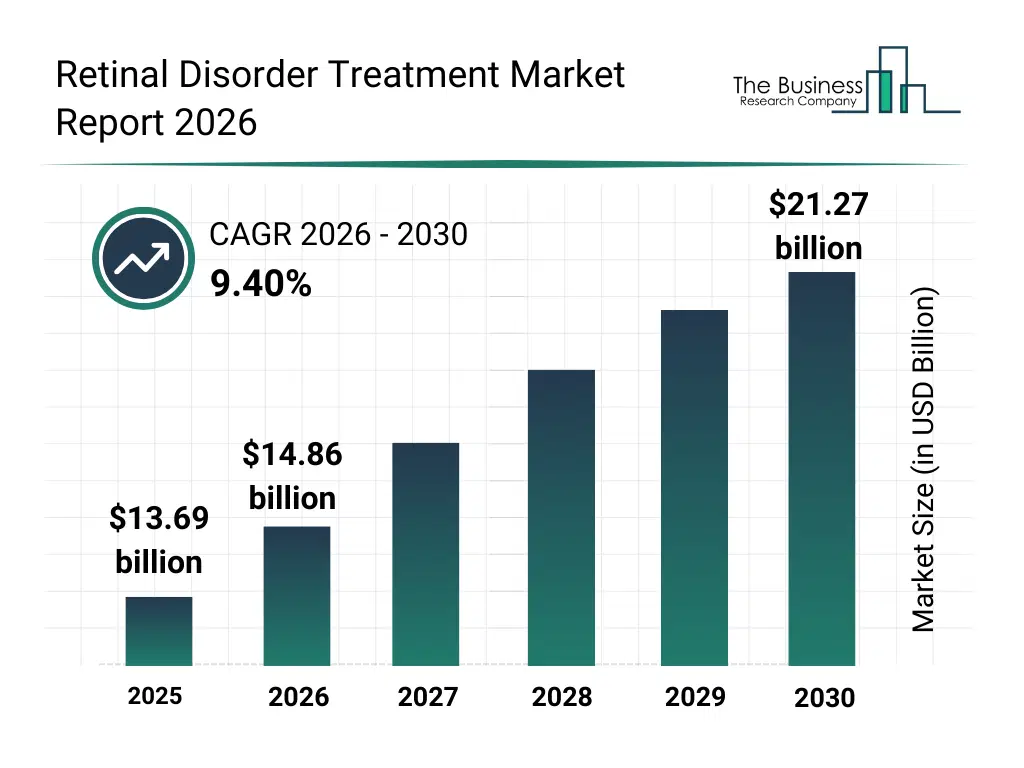
What Is The Retinal Disorder Treatment Market Size and Share 2026?
The retinal disorder treatment market size has grown strongly in recent years. It will grow from $13.69 billion in 2025 to $14.86 billion in 2026 at a compound annual growth rate (CAGR) of 8.6%. The growth in the historic period can be attributed to rising prevalence of age-related macular degeneration, increasing diabetic population globally, growth in ophthalmology clinics and specialty hospitals, advancements in retinal imaging technologies, improved awareness of retinal diseases.What Is The Retinal Disorder Treatment Market Growth Forecast?
The retinal disorder treatment market size is expected to see strong growth in the next few years. It will grow to $21.27 billion in 2030 at a compound annual growth rate (CAGR) of 9.4%. The growth in the forecast period can be attributed to development of long-acting retinal drugs, increasing approval of novel biologics and gene therapies, expanding access to eye care in emerging markets, rising investment in ophthalmic research, growing demand for personalized retinal treatments. Major trends in the forecast period include growing adoption of anti-VEGF therapies, shift toward minimally invasive retinal procedures, increasing preference for sustained-release drug formulations, expansion of combination therapy approaches, rising use of home-based vision monitoring tools.
Global Retinal Disorder Treatment Market Segmentation
1) By Type: Macular Degeneration, Diabetic Retinopathy, Other Types 2) By Dosage Form: Gels, Eye Solutions, Capsules And Tablets, Eye Drops, Ointments 3) By Distribution Channel: Hospital Pharmacy, Online Pharmacy, Retail Pharmacy Subsegments: 1) By Macular Degeneration: Dry Macular Degeneration, Wet Macular Degeneration 2) By Diabetic Retinopathy: Non-Proliferative Diabetic Retinopathy, Proliferative Diabetic Retinopathy 3) By Other Types: Retinal Detachment, Retinitis Pigmentosa, Uveitis, Other Retinal DisordersWhat Is The Driver Of The Retinal Disorder Treatment Market?
The increasing prevalence of diabetes is expected to boost the growth of the retinal disorder treatment market going forward. Diabetes is a chronic medical condition characterized by elevated levels of blood glucose (blood sugar) resulting from the body's inability to produce enough insulin or effectively utilize the insulin it produces. Diabetic retinopathy is the most common retinal disorder in people with diabetes. It is caused by damage to the blood vessels in the retina, which can lead to bleeding, fluid leakage, and the growth of new blood vessels. Retinal disorder treatment uses lasers to seal leaking blood vessels or destroy abnormal blood vessels. For instance, in June 2024, according to the National Health Service, a UK-based government department, in 2023, the NHS identified over half a million (549,000) additional individuals in England at risk of developing type 2 diabetes, bringing the total number of people with non-diabetic hyperglycemia, or pre-diabetes, registered with a GP to 3,615,330. This represents a significant increase compared to 3,065,825 in 2022. Therefore, the increasing prevalence of diabetes is driving the growth of the retinal disorder treatment industry.Key Players In The Global Retinal Disorder Treatment Market
Major companies operating in the retinal disorder treatment market are Pfizer Inc., F. Hoffmann-La Roche Ltd., AbbVie Inc., Bayer AG, Novartis AG, Regeneron Pharmaceuticals Inc., Genentech Inc., Santen Pharmaceutical Co. Ltd., Apellis Pharmaceuticals Inc., Alimera Sciences Inc., Ocular Therapeutix Inc., EyePoint Pharmaceuticals Inc., Adverum Biotechnologies Inc., Kodiak Sciences Inc., Acucela Inc., IVERIC bio Inc., Oxurion NV, Graybug Vision Inc., Clearside Biomedical Inc., Ophthotech Corporation, Opthea Limited, PanOptica Inc., ThromboGenics NV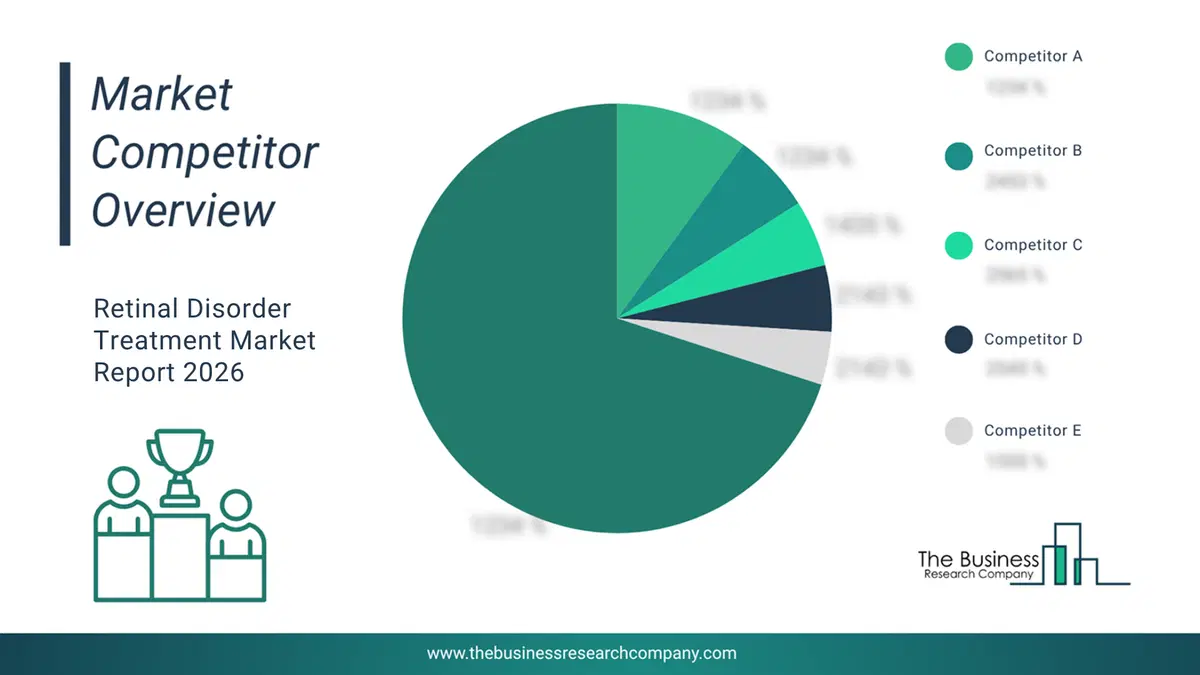
This chart is for illustrative purposes; the full report includes a detailed competitor analysis and comprehensive overview of the top 10 companies in the market.
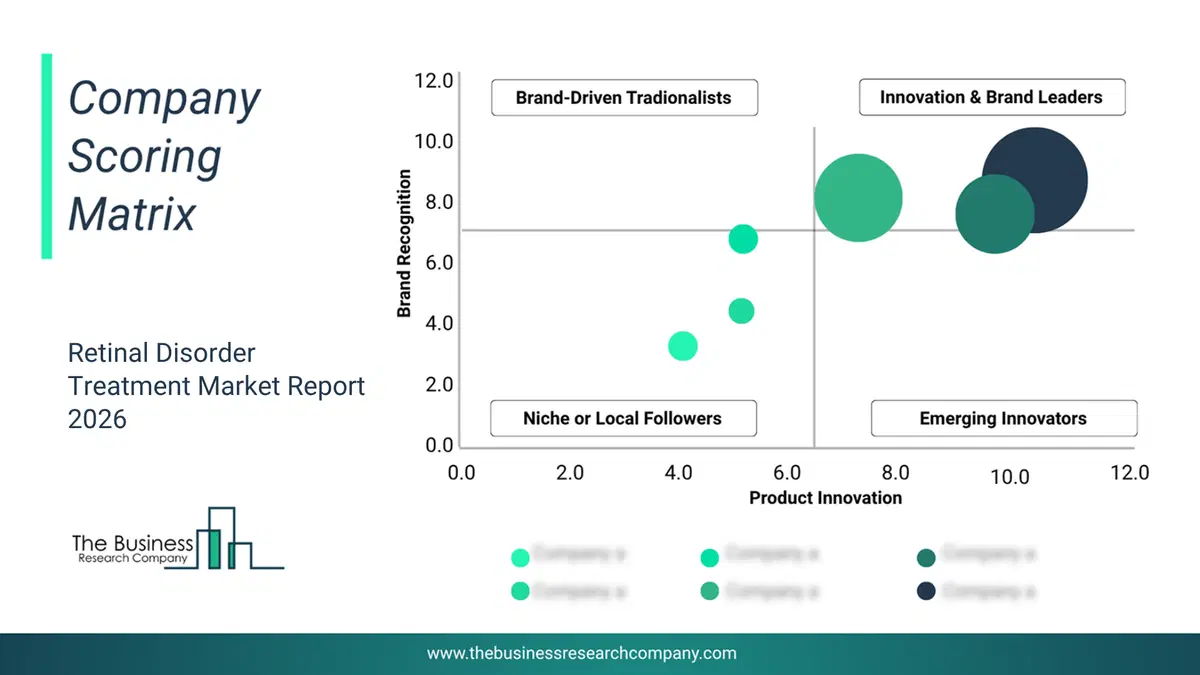
This chart maps companies by product innovation and brand strength, with bubble size indicating relative revenue, helping identify market leaders, challengers, and niche players. This is an illustrative chart; the full report provides a complete and accurate competitive analysis.
Global Retinal Disorder Treatment Market Trends and Insights
Major companies operating in the retinal disorder treatment market are developing innovative products, such as geographic atrophy treatments, to meet larger customer bases, increase sales, and increase revenue. Treatment options for geographic atrophy focus on managing symptoms, slowing disease progression, and helping individuals cope with visual impairment. For instance, in August 2023, Astellas Pharma Inc., a Japan-based pharmaceutical company, announced U.S. Food and Drug Administration (FDA) approval for IZERVAY. IZERVAY, as a novel complement C5 inhibitor, distinguishes itself as the sole approved treatment for geographic atrophy (GA) that has demonstrated a statistically significant reduction (p<0.01) in the rate of GA progression at the 12-month primary endpoint in two Phase 3 clinical trials. This unique feature solidifies IZERVAY (avacincaptad pegol intravitreal solution) as an indicated and effective therapy for GA secondary to age-related macular degeneration (AMD).What Are Latest Mergers And Acquisitions In The Retinal Disorder Treatment Market?
In July 2023, Astellas Pharma Inc., a Japan-based pharmaceutical company, acquired Iveric Bio Inc. for an undisclosed amount. With this acquisition, Astellas aims to broaden its entry into the field of ophthalmology, gain access to innovative therapies for retinal illnesses, and boost its position in the market for treating ophthalmologic conditions and vision loss. Iveric Bio Inc. is a US-based biopharmaceutical company specializing in developing and manufacturing treatments for retinal disease.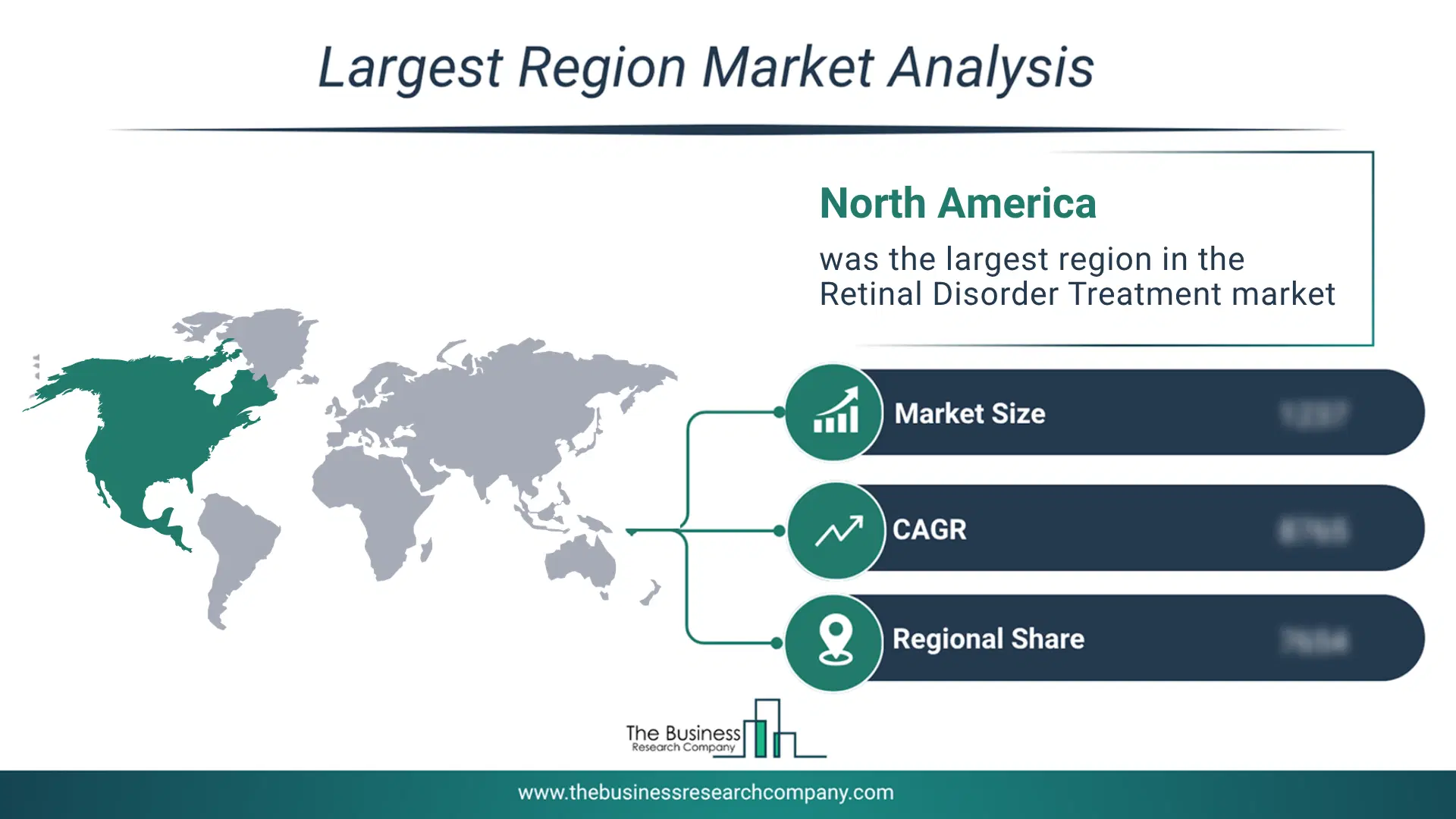
Regional Insights
North America was the largest region in the retinal disorder treatment market in 2025. Asia-Pacific is expected to be the fastest-growing region in the forecast period. The regions covered in this market report are Asia-Pacific, South East Asia, Western Europe, Eastern Europe, North America, South America, Middle East, Africa. The countries covered in this market report are Australia, Brazil, China, France, Germany, India, Indonesia, Japan, Taiwan, Russia, South Korea, UK, USA, Canada, Italy, Spain.What Defines the Retinal Disorder Treatment Market?
The retinal disorder treatment market includes revenues earned by entities by providing retinal detachment, laser treatment, genetic treatments, and photodynamic therapy. The market value includes the value of related goods sold by the service provider or included within the service offering. Only goods and services traded between entities or sold to end consumers are included.How is Market Value Defined and Measured?
The market value is defined as the revenues that enterprises gain from the sale of goods and/or services within the specified market and geography through sales, grants, or donations in terms of the currency (in USD unless otherwise specified). The revenues for a specified geography are consumption values that are revenues generated by organizations in the specified geography within the market, irrespective of where they are produced. It does not include revenues from resales along the supply chain, either further along the supply chain or as part of other products.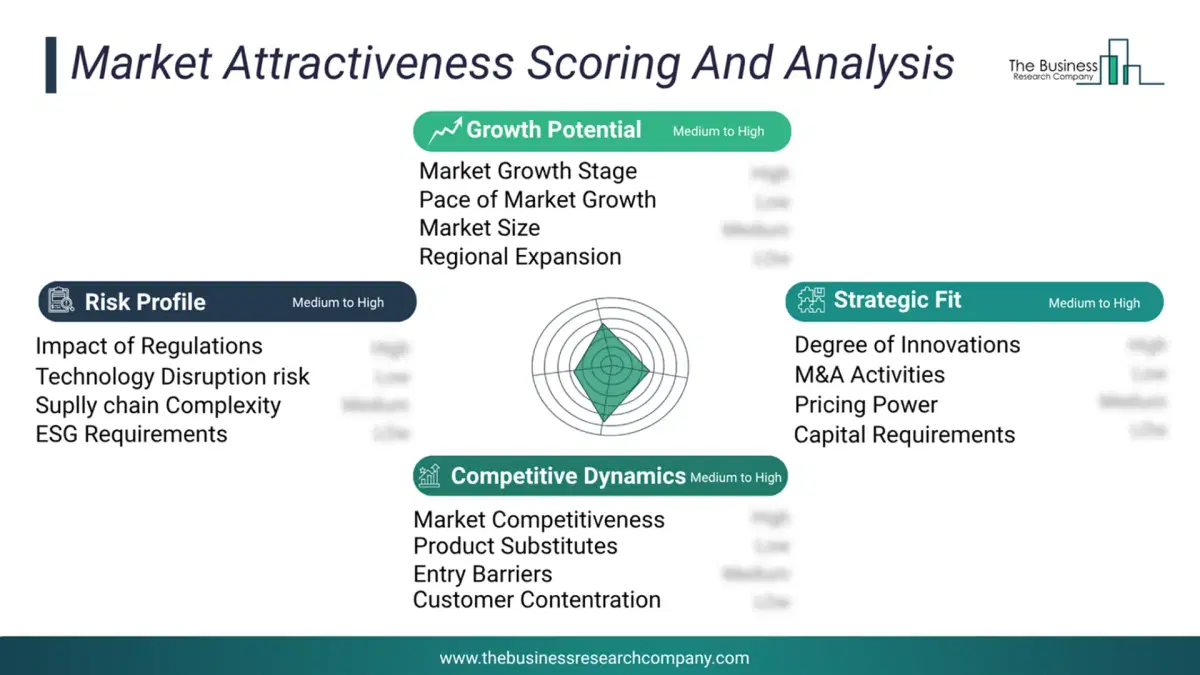
This chart presents market attractiveness based on a quantitative evaluation of growth, competition, strategic alignment, and risk, offering a clear view of opportunity areas for decision-making. This chart is for illustrative purposes; the full report contains the complete analysis.
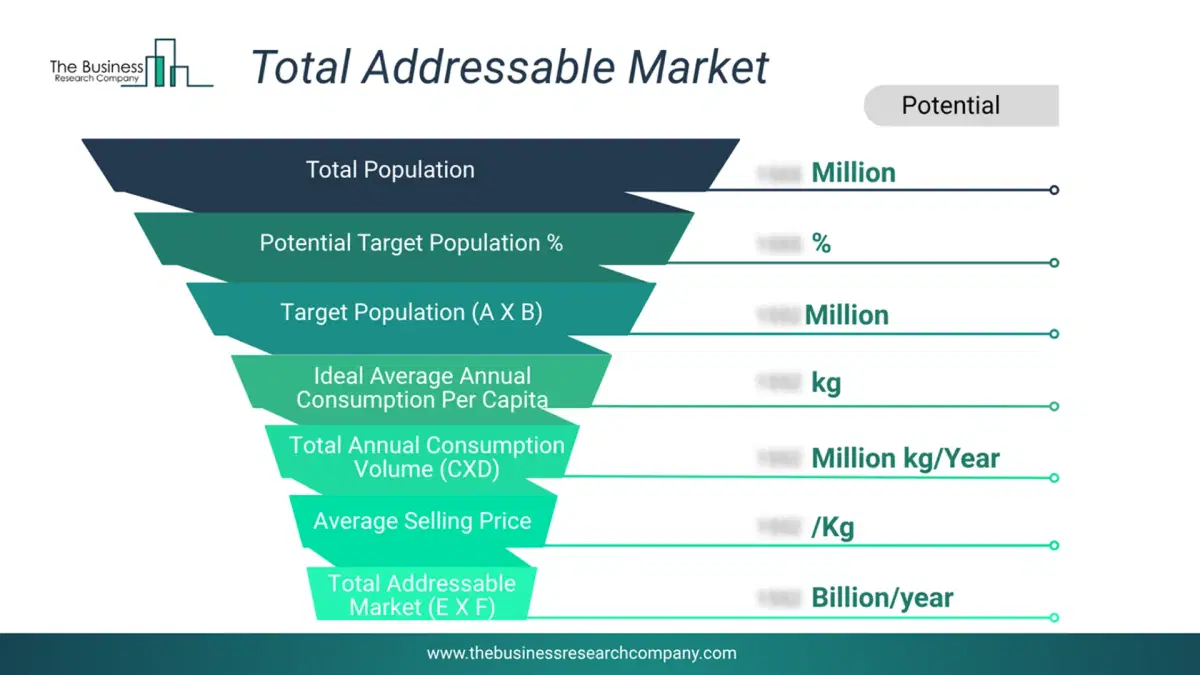
This chart highlights the Total Addressable Market (TAM) by estimating the maximum revenue opportunity using an assumption-driven approach, supporting strategic planning and opportunity sizing across markets. The chart is illustrative; the full report provides a more comprehensive analysis.
What Key Data and Analysis Are Included in the Retinal Disorder Treatment Market Report 2026?
The retinal disorder treatment market research report is one of a series of new reports from The Business Research Company that provides market statistics, including industry global market size, regional shares, competitors with the market share, detailed market segments, market trends and opportunities, and any further data you may need to thrive in the retinal disorder treatment industry. The market research report delivers a complete perspective of everything you need, with an in-depth analysis of the current and future state of the industry.Retinal Disorder Treatment Market Report Forecast Analysis
| Report Attribute | Details |
|---|---|
| Market Size Value In 2026 | $14.86 billion |
| Revenue Forecast In 2030 | $21.27 billion |
| Growth Rate | CAGR of 8.6% from 2026 to 2030 |
| Base Year For Estimation | 2025 |
| Actual Estimates/Historical Data | 2020-2025 |
| Forecast Period | 2026 - 2030 |
| Market Representation | Revenue in USD Billion and CAGR from 2026 to 2030 |
| Segments Covered | Type, Dosage Form, Distribution Channel |
| Regional Scope | Asia-Pacific, Western Europe, Eastern Europe, North America, South America, Middle East, Africa |
| Country Scope | The countries covered in the report are Australia, Brazil, China, France, Germany, India, Indonesia, Japan, Taiwan, Russia, South Korea, UK, USA, Canada, Italy, Spain. |
| Key Companies Profiled | Pfizer Inc., F. Hoffmann-La Roche Ltd., AbbVie Inc., Bayer AG, Novartis AG, Regeneron Pharmaceuticals Inc., Genentech Inc., Santen Pharmaceutical Co. Ltd., Apellis Pharmaceuticals Inc., Alimera Sciences Inc., Ocular Therapeutix Inc., EyePoint Pharmaceuticals Inc., Adverum Biotechnologies Inc., Kodiak Sciences Inc., Acucela Inc., IVERIC bio Inc., Oxurion NV, Graybug Vision Inc., Clearside Biomedical Inc., Ophthotech Corporation, Opthea Limited, PanOptica Inc., ThromboGenics NV |
| Customization Scope | Request for Customization |
| Pricing And Purchase Options | Explore Purchase Options |