
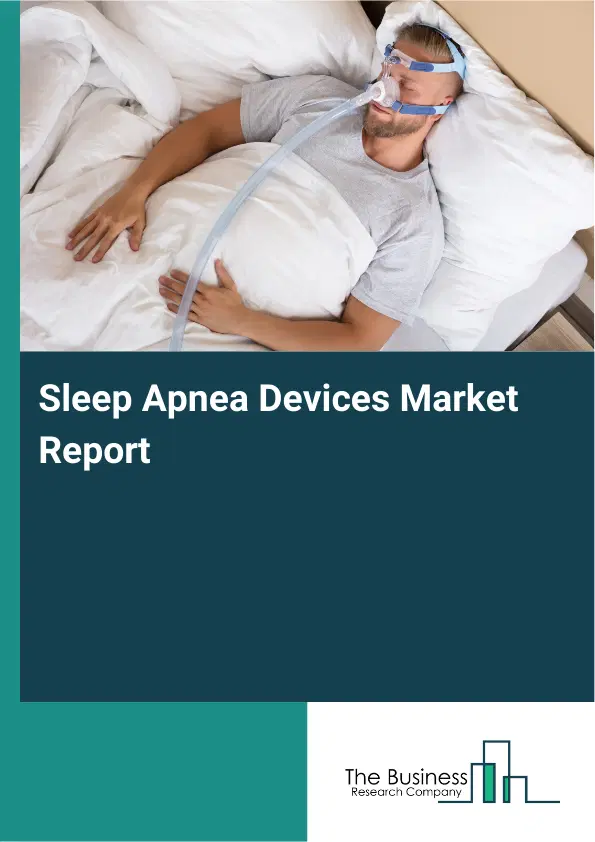
Sleep Apnea Devices Market Report 2026
Global Outlook – By Product Type (Positive Airway Pressure (PAP) Devices, Adaptive Servo-Ventilation (ASV) Devices, Oral Appliances, Sleep Apnea Diagnostic Devices, PAP Interfaces And Accessories), By Patient Type (Pediatric, Adult, Geriatric), By Disease (Obstructive Sleep Apnea Syndrome, Central Sleep Apnea Syndrome, Complex Sleep Apnea Syndrome), By End User (Hospital And Clinics, Ambulatory Care Centers, Specialty Care Center, Home Healthcare) – Market Size, Trends, Strategies, and Forecast to 2030
Sleep Apnea Devices Market Overview
• Sleep Apnea Devices market size has reached to $8.37 billion in 2025 • Expected to grow to $12.54 billion in 2030 at a compound annual growth rate (CAGR) of 8.5% • Growth Driver: Rising Global Obesity Rates Fuel Demand For Sleep Apnea Devices A Critical Nexus In Healthcare • Market Trend: Revolutionizing Sleep Apnea Care Signifier Medical Technologies' Strategic Partnership With Sunrise Advances Home-Based Diagnosis And Treatment • North America was the largest region in 2025 and Asia-Pacific is the fastest growing region.Market Gains By 2030 – Top Opportunities By Segment
Market Gain identifies the most promising market opportunities by highlighting the segments or products expected to generate the highest incremental revenue growth over the next five years.
What Is Covered Under Sleep Apnea Devices Market?
Sleep apnea devices refer to continuous positive airway pressure (CPAP) equipment that can stop snoring and prevent sleep apnea. In order to keep upper airway passages, open and avoid snoring and sleep apnea, a CPAP machine applies exactly the right amount of air pressure to a mask. The main types of products involved in sleep apnea devices are airway clearance systems, adaptive servo-ventilation (ASV), positive airway pressure (PAP) devices, oral appliances, oxygen devices, sleep screening devices, actuation systems, polysomnography (PSG) devices, and respiratory polygraphs. Airway-clearing systems refer to medical devices that help to release thick, sticky mucus so that one can cough or huff it out of the lungs. It is used to treat various diseases such as obstructive sleep apnea syndrome, central sleep apnea syndrome, and complex sleep apnea syndrome, and it treats patients based on age demographics are pediatric, adult, and geriatric. The main end-users are hospitals and clinics, diagnostic centers, ambulatory care centers, specialty care centers, and home healthcare.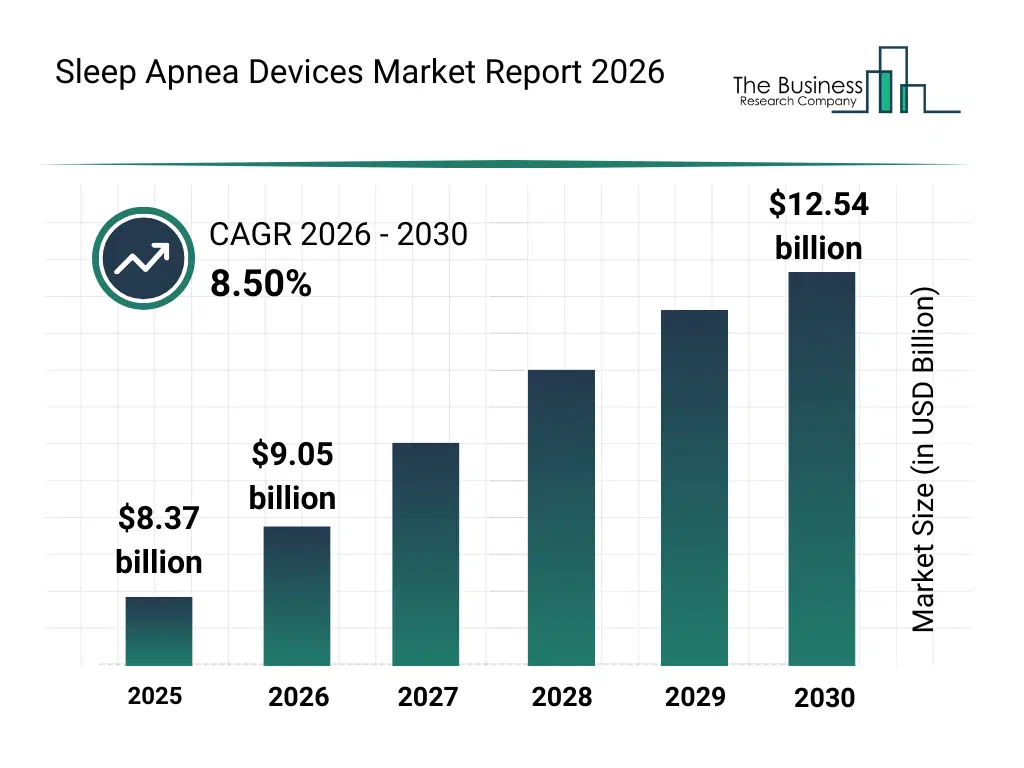
What Is The Sleep Apnea Devices Market Size and Share 2026?
The sleep apnea devices market size has grown strongly in recent years. It will grow from $8.37 billion in 2025 to $9.05 billion in 2026 at a compound annual growth rate (CAGR) of 8.0%. The growth in the historic period can be attributed to rising awareness of sleep apnea, increasing prevalence of obesity, growth of sleep laboratories, improvement in CPAP technology, expansion of healthcare insurance coverage.What Is The Sleep Apnea Devices Market Growth Forecast?
The sleep apnea devices market size is expected to see strong growth in the next few years. It will grow to $12.54 billion in 2030 at a compound annual growth rate (CAGR) of 8.5%. The growth in the forecast period can be attributed to growth of home healthcare, rising geriatric population, increasing adoption of portable sleep devices, higher healthcare spending, technological advancements in sleep monitoring. Major trends in the forecast period include home-based sleep apnea diagnosis, rising adoption of portable CPAP devices, growing preference for non-invasive oral appliances, increasing focus on patient comfort and compliance, expansion of sleep clinics and diagnostic centers.
Global Sleep Apnea Devices Market Segmentation
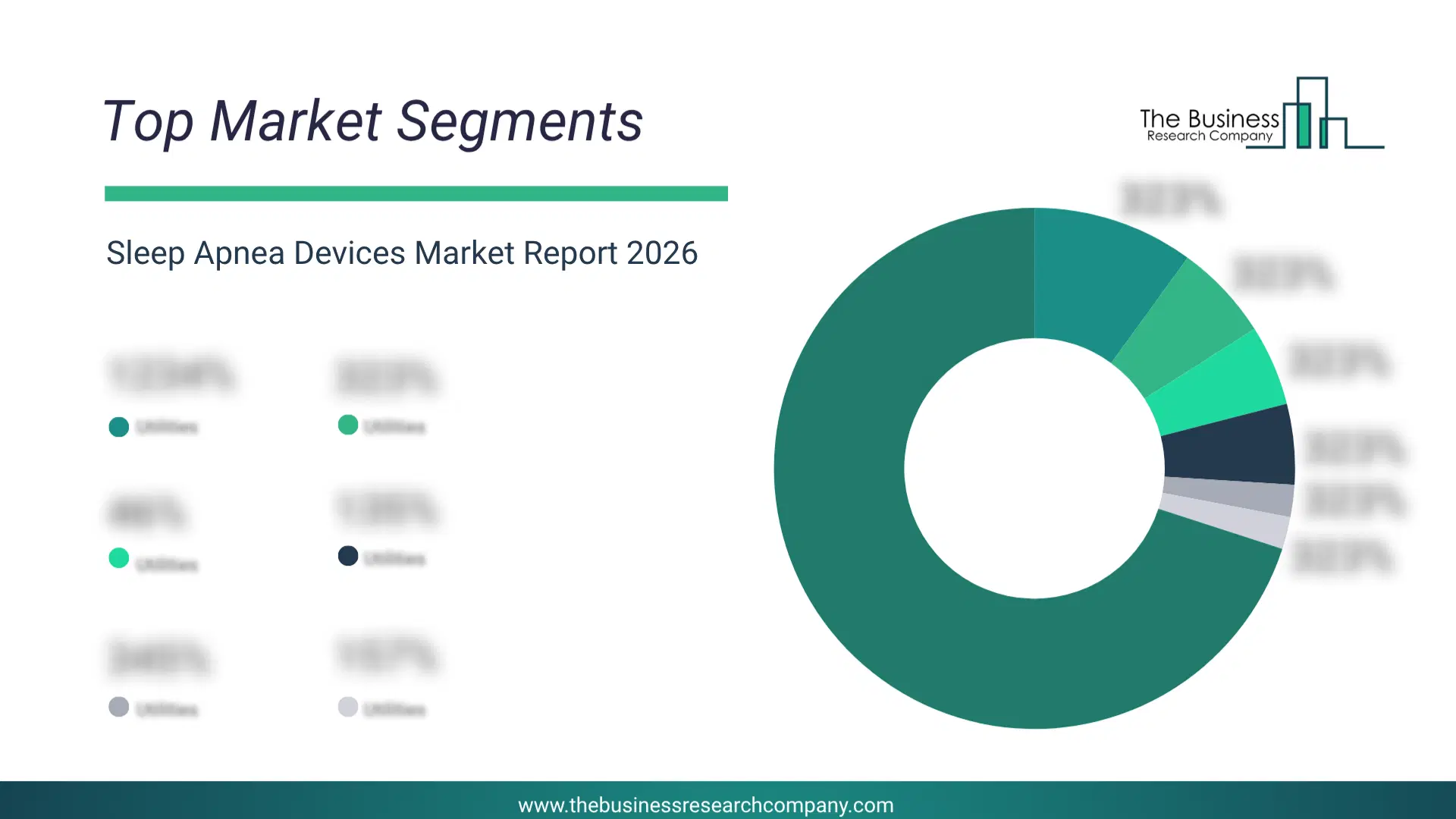
1) By Product Type: Positive Airway Pressure (PAP) Devices, Adaptive Servo-Ventilation (ASV) Devices, Oral Appliances, Sleep Apnea Diagnostic Devices, PAP Interfaces And Accessories 2) By Patient Type: Pediatric, Adult, Geriatric 3) By Disease: Obstructive Sleep Apnea Syndrome, Central Sleep Apnea Syndrome, Complex Sleep Apnea Syndrome 4) By End User: Hospital And Clinics, Ambulatory Care Centers, Specialty Care Center, Home Healthcare Subsegments: 1) By Positive Airway Pressure (PAP) Devices: Continuous Positive Airway Pressure (CPAP) Machines, Bi-Level Positive Airway Pressure (BiPAP) Machines, Auto-Adjusting Positive Airway Pressure (APAP) Machines 2) By Adaptive Servo-Ventilation (ASV) Devices: Fixed Backup Rate ASV Devices, Auto Backup Rate ASV Devices, Variable Pressure Support ASV Devices 3) By Oral Appliances: Mandibular Advancement Devices (MADs), Tongue-Retaining Devices (TRDs) 4) By Sleep Apnea Diagnostic Devices: Polysomnography (PSG) Devices, Respiratory Polygraph Devices, Home Sleep Apnea Testing (HSAT) Devices 5) By PAP Interfaces And Accessories: PAP Masks (Nasal Masks, Nasal Pillow Masks, Full-Face Masks), Headgear And Chin Straps, Tubing And Connectors, Heated Humidifiers, Filters And Disposable Accessories The top segments in the sleep apnea devices market will be: • Positive Airway Pressure (PAP) Devices will reach $5.17 Billion by 2030. • PAP Interfaces And Accessories will reach $2.99 Billion by 2030. • Sleep Apnea Diagnostic Devices will reach $2.25 Billion by 2030. • Oral Appliances will reach $1.29 Billion by 2030. • Adaptive Servo-Ventilation (ASV) Devices will reach $0.75 Billion by 2030.What Is The Driver Of The Sleep Apnea Devices Market?
The increasing obesity rates are expected to propel the growth of the sleep apnea devices market in the coming years. Obesity is a medical disorder characterized by the buildup of extra body fat to the point where it threatens an individual's health and is frequently measured using the body mass index (BMI). Obesity is a major contributory factor for sleep apnea, and the global rise in obesity rates contributes to the disorder's increased prevalence. The need for equipment that can successfully manage sleep apnea is increased by the association between obesity and illness. For instance, in May 2025, according to the Office for Health Improvement & Disparities, a UK-based government department, reflecting a continued upward trend, an estimated 64.5 percent of adults in England were overweight or living with obesity in 2023–2024, up from 64.0 percent in 2022–2023. Therefore, the increasing obesity rates are driving the sleep apnea device industry.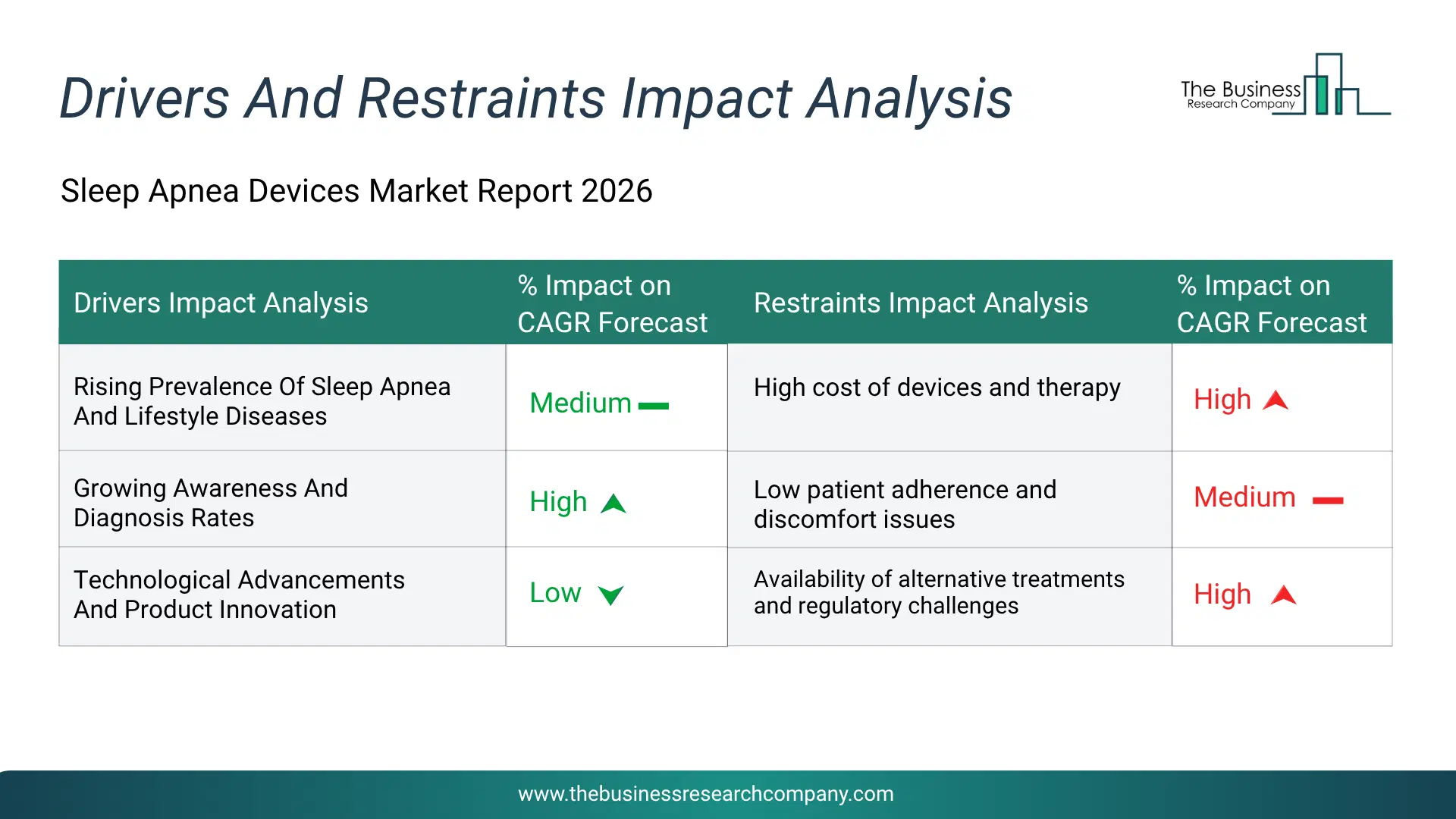
Infographic Chart Showing Key Market Drivers Analysis And Restraints For Sleep Apnea Devices Market
The chart presents an impact analysis of key drivers and restraints, quantifying their relative influence on the market's growth rate and helping assess the balance between growth enablers and limiting factors. This chart offers a high-level perspective; the full report contains more detailed insights.
How Will The Drivers Impact Growth In The Global Sleep Apnea Devices Market?
• Rising Prevalence Of Sleep Apnea And Lifestyle Diseases (Medium) – During the forecast period, the rising prevalence of sleep apnea and lifestyle-related diseases is expected to become a key growth driver for the sleep apnea devices market by 2030. Increasing incidences of obesity, cardiovascular conditions, diabetes, and sedentary lifestyles are significantly contributing to the growing patient pool suffering from sleep-disordered breathing. This expanding patient base is creating sustained demand for both diagnostic and therapeutic devices across developed and emerging markets. Healthcare providers are increasingly focusing on early identification and continuous management of sleep apnea to prevent associated comorbidities. • Growing Awareness And Diagnosis Rates (High) – During the forecast period, the growing awareness and diagnosis rates are expected to emerge as a major factor driving the expansion of the sleep apnea devices market by 2030. Increasing public health campaigns, physician education programs, and digital health platforms are improving recognition of sleep apnea symptoms and encouraging more patients to seek diagnosis and treatment. The availability of simplified home sleep testing solutions is further supporting higher diagnosis rates by reducing dependence on in-lab studies. Early diagnosis is enabling timely intervention and improving long-term patient outcomes, thereby strengthening device demand. • Technological Advancements And Product Innovation (Low) – During the forecast period, the technological advancements and product innovation are expected to act as a key growth catalyst for the sleep apnea devices market by 2030. Manufacturers are focusing on developing compact, quieter, and more user-friendly devices with enhanced connectivity features such as cloud-based monitoring and AI-driven therapy adjustments. Innovations in mask design, pressure delivery systems, and wearable diagnostic technologies are improving patient compliance and comfort. Additionally, integration of telemedicine and remote patient monitoring is enabling continuous care and therapy optimization. As innovation accelerates across the value chain, adoption rates are expected to rise steadily.How Will The Restraints Impact Growth In The Global Sleep Apnea Devices Market?
• High cost of devices and therapy (Medium) – During the forecast period, the relatively high cost of sleep apnea devices, including initial purchase and ongoing maintenance, creates a financial barrier for many patients. Limited insurance coverage in certain regions further restricts accessibility. This is particularly challenging in developing markets where affordability is a major concern. As a result, many patients remain untreated or delay therapy. These cost-related issues hinder widespread adoption and slow overall market growth. • Low patient adherence and discomfort issues (High) – During the forecast period, many patients experience discomfort while using CPAP devices due to mask fit, noise, or airflow pressure. This often leads to inconsistent usage or complete discontinuation of therapy. Poor adherence reduces the effectiveness of treatment and discourages long-term device use. Negative user experiences can also impact recommendations by healthcare providers. Consequently, low compliance rates act as a significant barrier to sustained market growth. • Availability of alternative treatments and regulatory challenges (Low) – During the forecast period, the presence of alternative treatments such as oral appliances and implantable therapies provides patients with non-CPAP options. These substitutes may be preferred due to convenience or comfort, reducing reliance on traditional devices. Additionally, regulatory complexities and approval delays can slow down product launches and innovation. Variations in healthcare infrastructure across regions further complicate market expansion. Together, these factors limit growth potential and create competitive pressure within the market.Key Players In The Global Sleep Apnea Devices Market
Major companies operating in the sleep apnea devices market are ResMed Inc., Fisher And Paykel Healthcare Corporation Limited, Koninklijke Philips N.V., BMC Medical Co. Ltd., Lowenstein Medical Technology GmbH Co. KG, DeVilbiss Healthcare LLC, Drive DeVilbiss Healthcare, APEX Medical Corp., 3B Medical Inc., HOFFRICHTER GmbH, Circadiance LLC, Sleepnet Corporation, Oventus Medical Ltd., Inspire Medical Systems Inc., Provent Sleep Therapy LLC, Bleep LLC, Natus Medical Incorporated, Compumedics Limited, Braebon Medical Corporation, Cadwell Industries Inc., Itamar Medical Ltd., Somnoware Healthcare Systems Inc.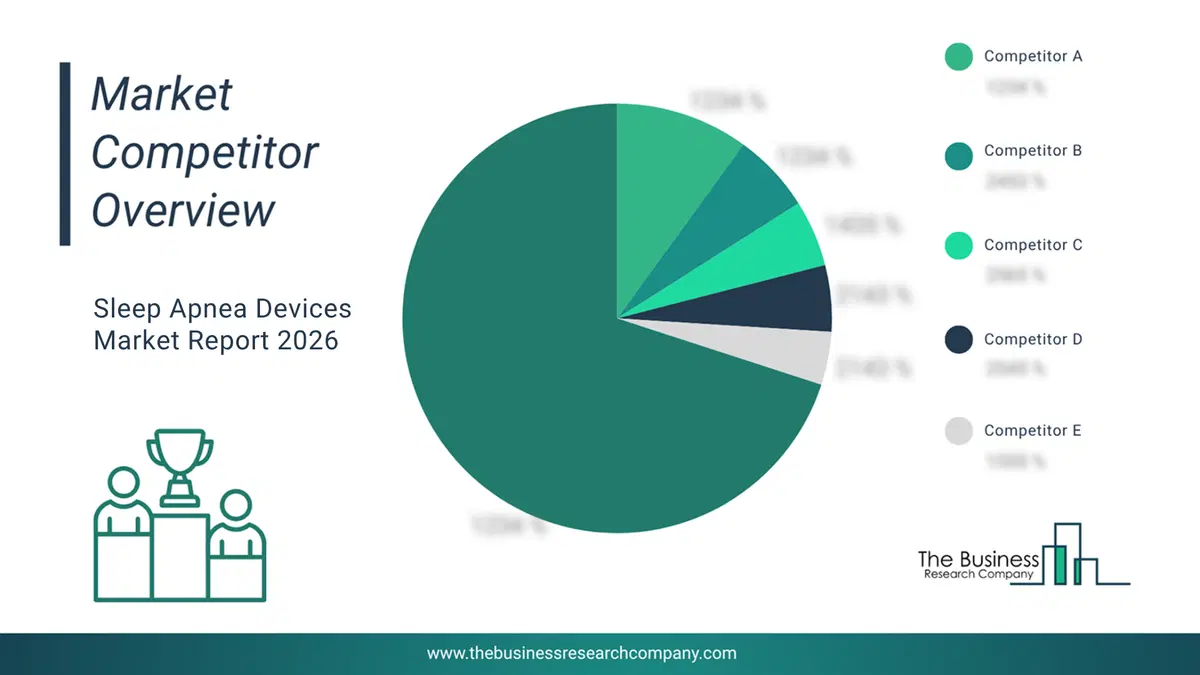
This chart is for illustrative purposes; the full report includes a detailed competitor analysis and comprehensive overview of the top 10 companies in the market.
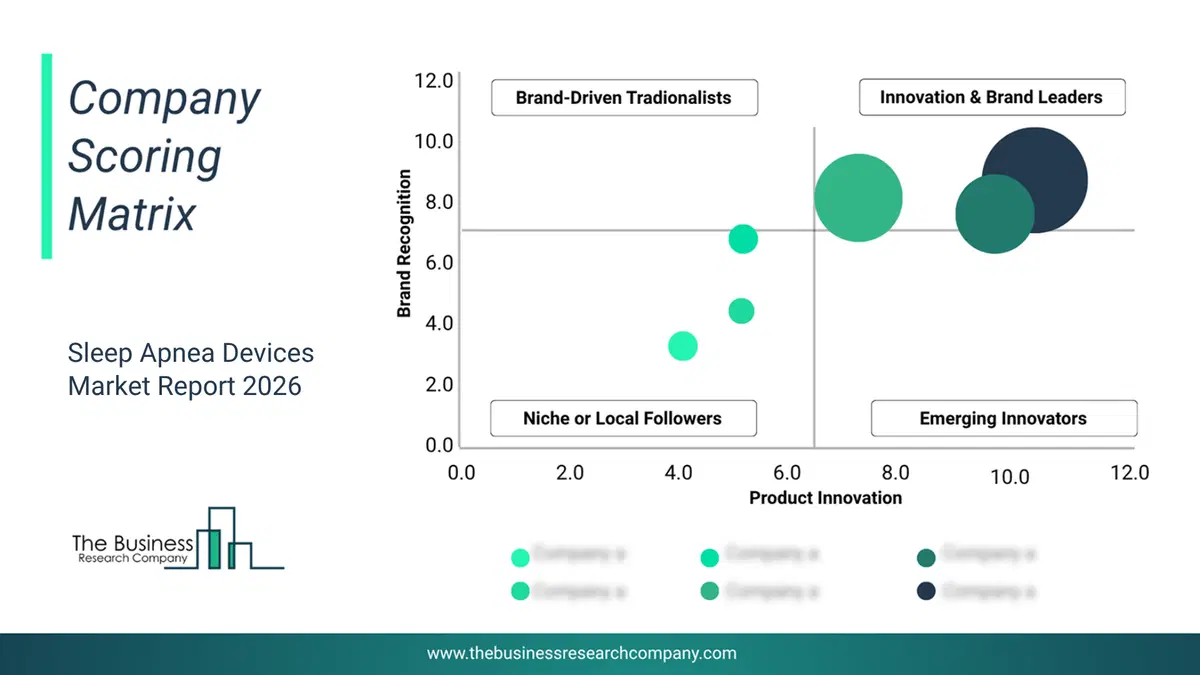
This chart maps companies by product innovation and brand strength, with bubble size indicating relative revenue, helping identify market leaders, challengers, and niche players. This is an illustrative chart; the full report provides a complete and accurate competitive analysis.
Global Sleep Apnea Devices Market Trends and Insights
Major companies operating in the sleep apnea devices market are adopting a strategic partnership approach aiming to aid in determining the presence of sleep apnea at home. Strategic partnerships refer to a process in which companies leverage each other's strengths and resources to achieve mutual benefits and success. For instance, in May 2023, Signifier Medical Technologies LLC, a US-based company that specializes in medical technology, announced a partnership with Sunrise. This collaboration integrates Sunrise's revolutionary artificial intelligence solutions with the distinctive technologies of daytime sleep apnea therapy, eXciteOSA, to enhance patient care using more efficient diagnosis and treatments. Sunrise's modified personal home sleep testing and Signifier Medical's patient management portal will allow medical professionals to collect extensive information on their patients' day-to-day clinical experiences while offering tools that better comprehend each individual's particular requirements and optimize patient outcomes. Sunrise Healthcare Technology is a Hong Kong-based healthcare technology company.What Are Latest Mergers And Acquisitions In The Sleep Apnea Devices Market?
In July 2024, EnsoData, a US-based software company, acquired sleep testing diagnostic technology from Resonea for an undisclosed amount. This acquisition aims to significantly enhance its capabilities in sleep apnea screening and diagnosis. This acquisition focuses on reducing costs and improving access to systematic screening for sleep apnea. Resonea is an Arizona-based company specializing in sleep diagnostics.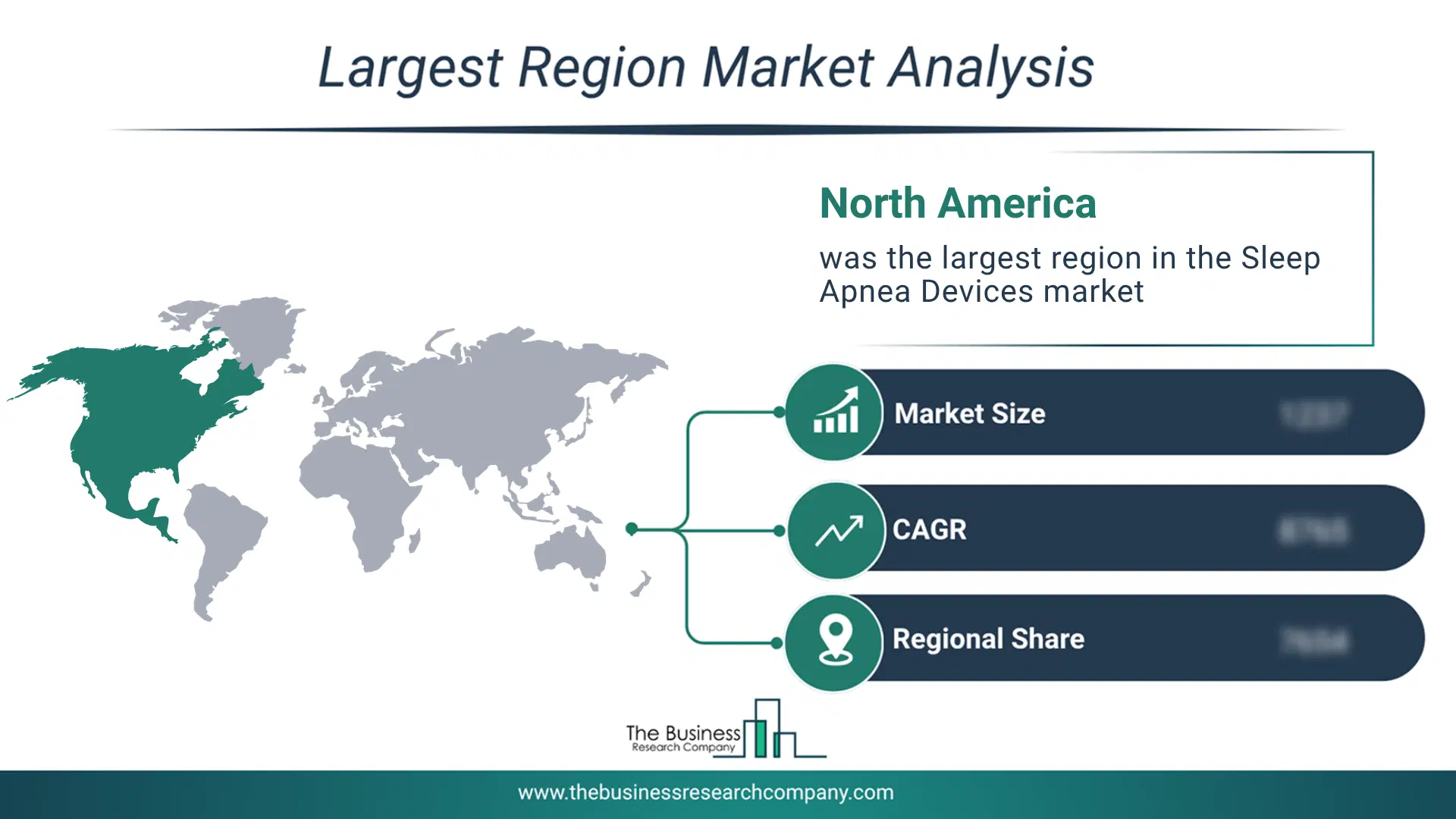
Regional Outlook
North America was the largest region in the sleep apnea devices market in 2025. Asia-Pacific is expected to be the fastest-growing region in the global sleep apnea devices market during the forecast period. The regions covered in this market report are Asia-Pacific, South East Asia, Western Europe, Eastern Europe, North America, South America, Middle East, Africa. The countries covered in this market report are Australia, Brazil, China, France, Germany, India, Indonesia, Japan, Taiwan, Russia, South Korea, UK, USA, Canada, Italy, SpainWhat Defines the Sleep Apnea Devices Market?
The sleep apnea devices market consists of sales of automatic positive airway pressure, biPAP machines, autoPAP machines, positional therapy devices, and implant systems. Values in this market are ‘factory gate’ values, that is, the value of goods sold by the manufacturers or creators of the goods, whether to other entities (including downstream manufacturers, wholesalers, distributors, and retailers) or directly to end customers. The value of goods in this market includes related services sold by the creators of the goods.How is Market Value Defined and Measured?
The market value is defined as the revenues that enterprises gain from the sale of goods and/or services within the specified market and geography through sales, grants, or donations in terms of the currency (in USD unless otherwise specified). The revenues for a specified geography are consumption values that are revenues generated by organizations in the specified geography within the market, irrespective of where they are produced. It does not include revenues from resales along the supply chain, either further along the supply chain or as part of other products.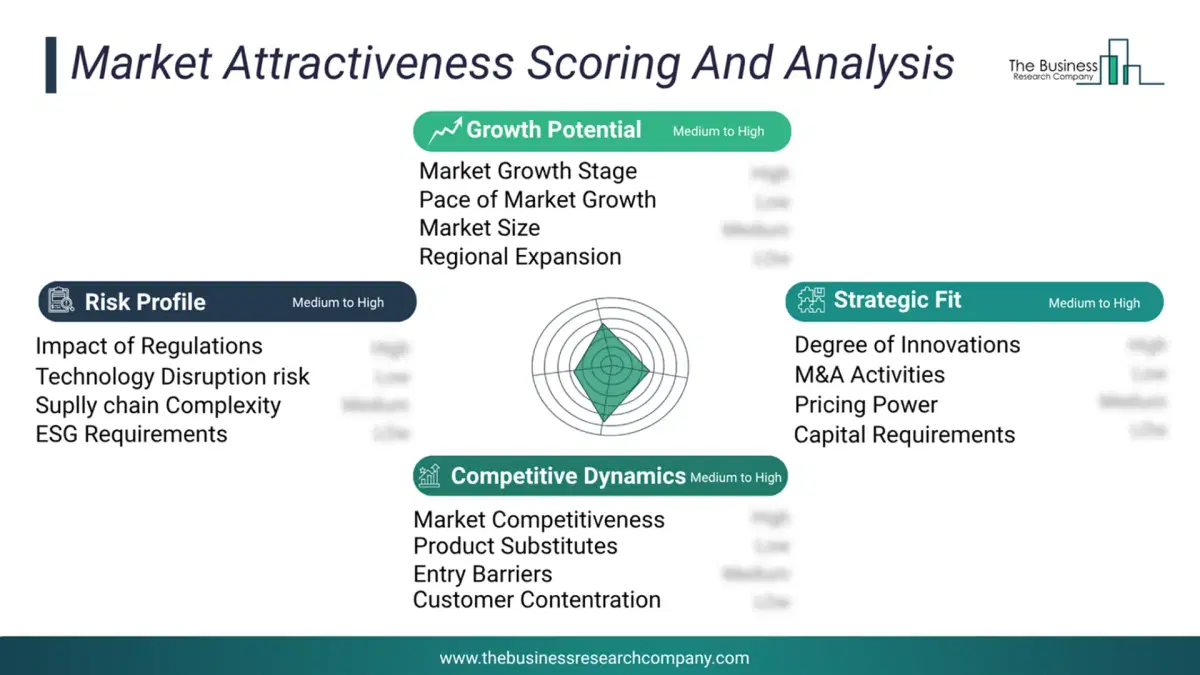
This chart presents market attractiveness based on a quantitative evaluation of growth, competition, strategic alignment, and risk, offering a clear view of opportunity areas for decision-making. This chart is for illustrative purposes; the full report contains the complete analysis.
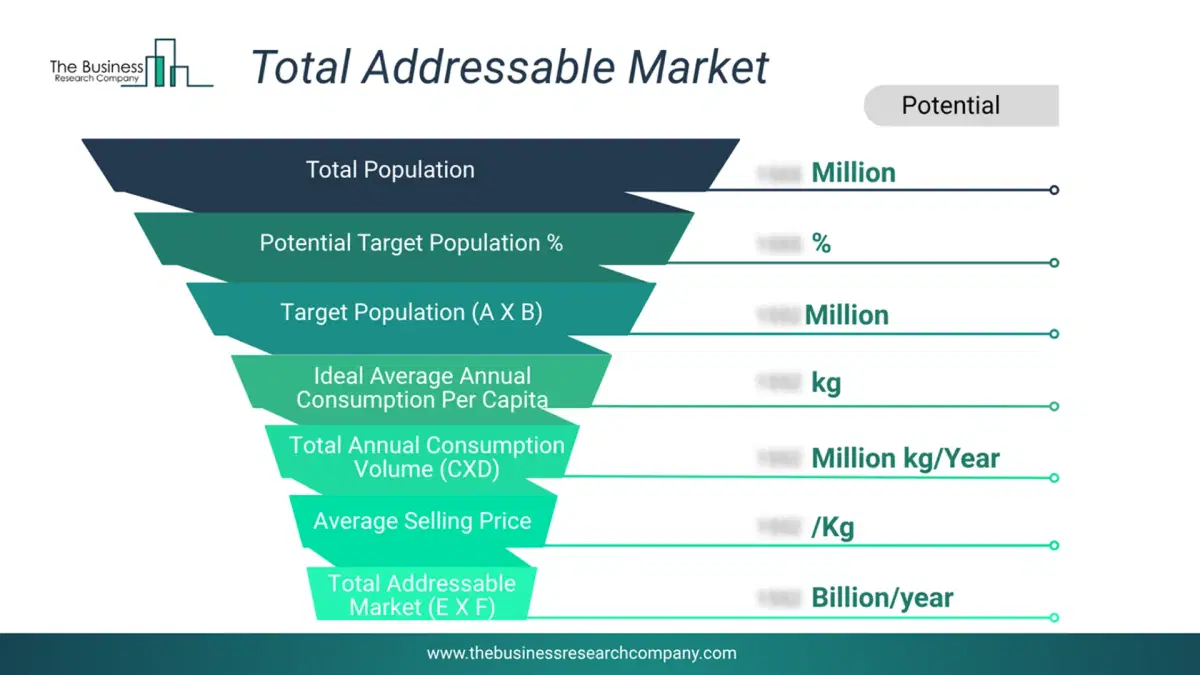
This chart highlights the Total Addressable Market (TAM) by estimating the maximum revenue opportunity using an assumption-driven approach, supporting strategic planning and opportunity sizing across markets. The chart is illustrative; the full report provides a more comprehensive analysis.
What Key Data and Analysis Are Included in the Sleep Apnea Devices Market Report 2026?
The sleep apnea devices market research report is one of a series of new reports from The Business Research Company that provides market statistics, including industry global market size, regional shares, competitors with the market share, detailed market segments, market trends and opportunities, and any further data you may need to thrive in the sleep apnea devices industry. The market research report delivers a complete perspective of everything you need, with an in-depth analysis of the current and future state of the industry.Sleep Apnea Devices Market Report Forecast Analysis
| Report Attribute | Details |
|---|---|
| Market Size Value In 2026 | $9.05 billion |
| Revenue Forecast In 2030 | $12.54 billion |
| Growth Rate | CAGR of 8.0% from 2026 to 2030 |
| Base Year For Estimation | 2025 |
| Actual Estimates/Historical Data | 2020-2025 |
| Forecast Period | 2026 - 2030 |
| Market Representation | Revenue in USD Billion and CAGR from 2026 to 2030 |
| Segments Covered | Product Type, Patient Type, Disease, End User |
| Regional Scope | Asia-Pacific, Western Europe, Eastern Europe, North America, South America, Middle East, Africa |
| Country Scope | The countries covered in the report are Australia, Brazil, China, France, Germany, India, Indonesia, Japan, Taiwan, Russia, South Korea, UK, USA, Canada, Italy, Spain. |
| Key Companies Profiled | ResMed Inc., Fisher And Paykel Healthcare Corporation Limited, Koninklijke Philips N.V., BMC Medical Co. Ltd., Lowenstein Medical Technology GmbH Co. KG, DeVilbiss Healthcare LLC, Drive DeVilbiss Healthcare, APEX Medical Corp., 3B Medical Inc., HOFFRICHTER GmbH, Circadiance LLC, Sleepnet Corporation, Oventus Medical Ltd., Inspire Medical Systems Inc., Provent Sleep Therapy LLC, Bleep LLC, Natus Medical Incorporated, Compumedics Limited, Braebon Medical Corporation, Cadwell Industries Inc., Itamar Medical Ltd., Somnoware Healthcare Systems Inc. |
| Customization Scope | Request for Customization |
| Pricing And Purchase Options | Explore Purchase Options |