
Small Molecule Active Pharmaceutical Ingredient Market Report 2026
Global Outlook – By Type (Synthetic, Chemical, Biological), By Therapeutic Type (Autoimmune Diseases, Oncology, Metabolic Diseases, Ophthalmology, Cardiovascular Diseases, Infectious Diseases, Neurology, Respiratory Disorders, Dermatology, Urology), By Manufacturing Method (In-House, Contract), By Application (Clinical, Commercial) – Market Size, Trends, Strategies, and Forecast to 2030
Small Molecule Active Pharmaceutical Ingredient Market Overview
• Small Molecule Active Pharmaceutical Ingredient market size has reached to $207.67 billion in 2025 • Expected to grow to $299.83 billion in 2030 at a compound annual growth rate (CAGR) of 7.6% • Growth Driver: Elevated Disease Prevalence Drives Growth In The Small Molecule Active Pharmaceutical Ingredient (API) Market • Market Trend: Adoption Of Model-Based Platforms To Accelerate Small-Molecule API Development • North America was the largest region in 2025 and Asia-Pacific is the fastest growing region.Market Gains By 2030 – Top Opportunities By Segment
Market Gain identifies the most promising market opportunities by highlighting the segments or products expected to generate the highest incremental revenue growth over the next five years.
What Is Covered Under Small Molecule Active Pharmaceutical Ingredient Market?
A small-molecule active pharmaceutical ingredient (API) is any substance or mixture of organic substances or compounds with a low molecular weight intended to be used as the active ingredient in the manufacture of a drug or medicinal product. A small molecule active pharmaceutical ingredient (API) is used as raw materials in the manufacturing of pharmaceutical drugs. The main types of small molecule active pharmaceutical ingredient markets are synthetic, chemical, and biological. Synthetics are engaged in the manufacturing of pharmaceutical drugs. Synthetic chemical APIs, also known as small molecules, constitute a large part of the pharmaceutical market, with many small molecule drugs commercially available in the market. The various therapeutic types are autoimmune diseases, oncology, metabolic diseases, ophthalmology, cardiovascular diseases, infectious diseases, neurology, respiratory disorders, dermatology, and urology. The manufacturing methods are in-house and contract. The applications are clinical and commercial.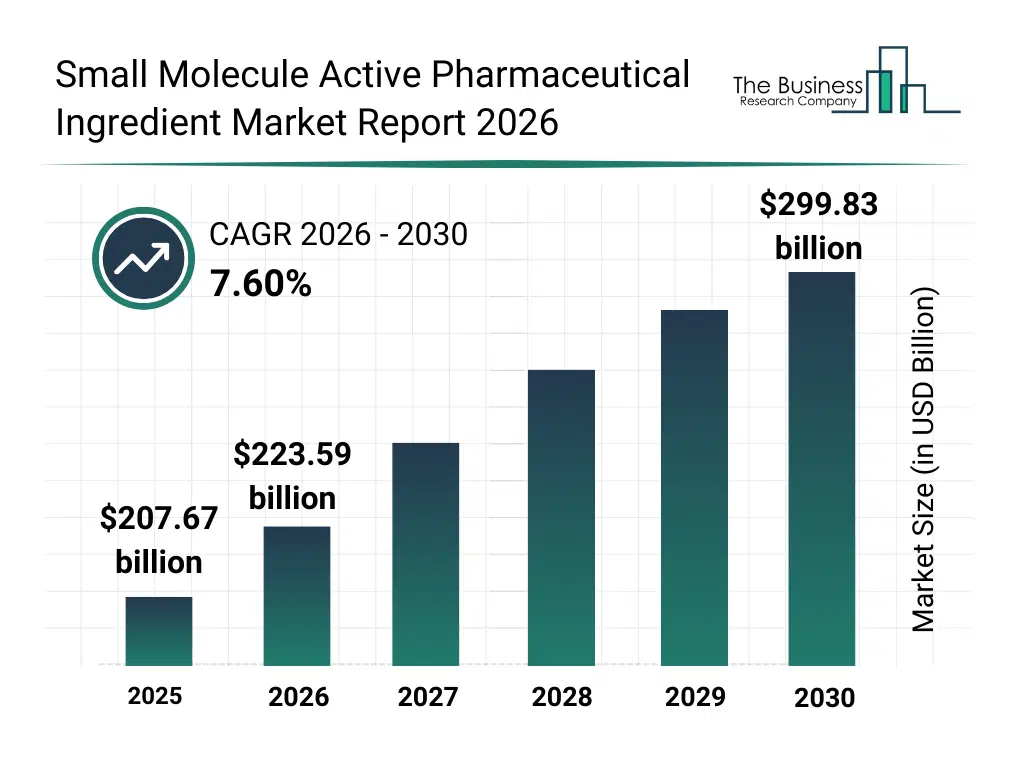
What Is The Small Molecule Active Pharmaceutical Ingredient Market Size and Share 2026?
The small molecule active pharmaceutical ingredient market size has grown strongly in recent years. It will grow from $207.67 billion in 2025 to $223.59 billion in 2026 at a compound annual growth rate (CAGR) of 7.7%. The growth in the historic period can be attributed to growth of generic drug manufacturing, patent expirations of blockbuster drugs, increasing prevalence of chronic diseases, established chemical synthesis capabilities, expansion of pharmaceutical manufacturing bases in asia.What Is The Small Molecule Active Pharmaceutical Ingredient Market Growth Forecast?
The small molecule active pharmaceutical ingredient market size is expected to see strong growth in the next few years. It will grow to $299.83 billion in 2030 at a compound annual growth rate (CAGR) of 7.6%. The growth in the forecast period can be attributed to rising demand for oncology and metabolic drugs, growth in contract api manufacturing, advancements in synthetic chemistry techniques, increasing regulatory approvals for generics, expanding pharmaceutical pipelines in emerging markets. Major trends in the forecast period include expansion of generic small molecule apis, increased outsourcing to contract manufacturing organizations, rising demand for high-purity and potent apis, process optimization for cost-efficient api production, growing focus on regulatory compliance and quality standards.
Global Small Molecule Active Pharmaceutical Ingredient Market Segmentation
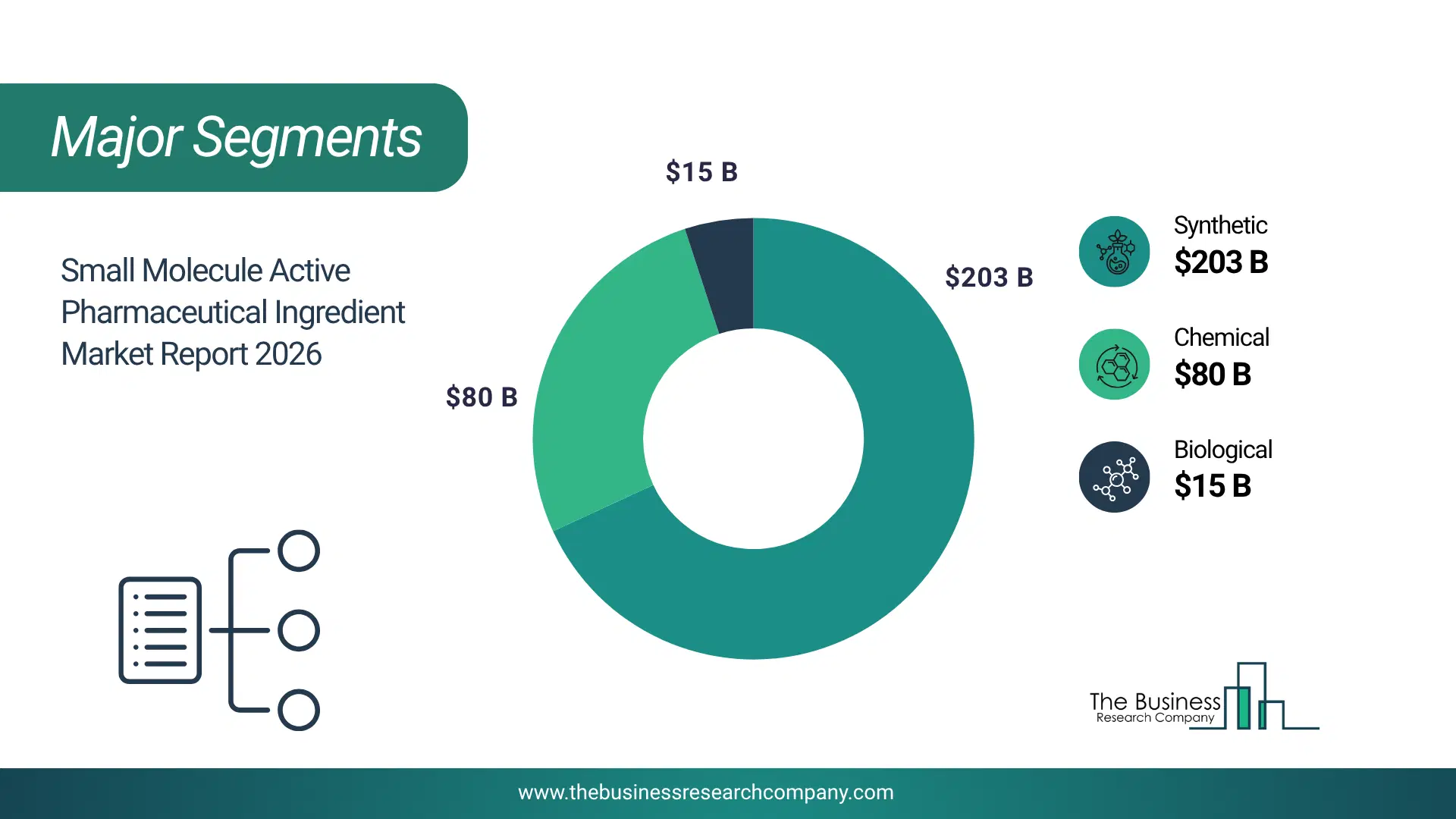
1) By Type: Synthetic, Chemical, Biological 2) By Therapeutic Type: Autoimmune Diseases, Oncology, Metabolic Diseases, Ophthalmology, Cardiovascular Diseases, Infectious Diseases, Neurology, Respiratory Disorders, Dermatology, Urology 3) By Manufacturing Method: In-House, Contract 4) By Application: Clinical, Commercial Subsegments: 1) By Synthetic: Small Molecule Drugs, Generic Drugs 2) By Chemical: Organic Compounds, Inorganic Compounds 3) By Biological: Natural Products, Semi-Synthetic Compounds The top segments in the small molecule active pharmaceutical ingredient market will be: • Synthetic will reach $203 Billion by 2030. • Chemical will reach $80 Billion by 2030. • Biological will reach $15 Billion by 2030.What Is The Driver Of The Small Molecule Active Pharmaceutical Ingredient Market?
The increasing prevalence of diseases is a major driver propelling the small molecule active pharmaceutical ingredient (API) market. A disease is a particular abnormal condition, a disorder of a structure or function, that affects the body of the patient. Active pharmaceutical ingredients (APIs) are the active components in a pharmaceutical drug that produce the required effect on the body to treat various conditions. For instance, in March 2023, according to the reports shared by the American Society of Clinical Oncology (ASCO), a US-based professional organization, it was estimated that more than 12,000 people in the US were diagnosed with neuroendocrine tumors yearly. Further, approximately 171,000 people were living with this diagnosis in 2023. Cardiovascular diseases have resulted in the deaths of 17.9 million people worldwide. Therefore, the increasing prevalence of diseases will continue to be the key driver in the small molecule API market.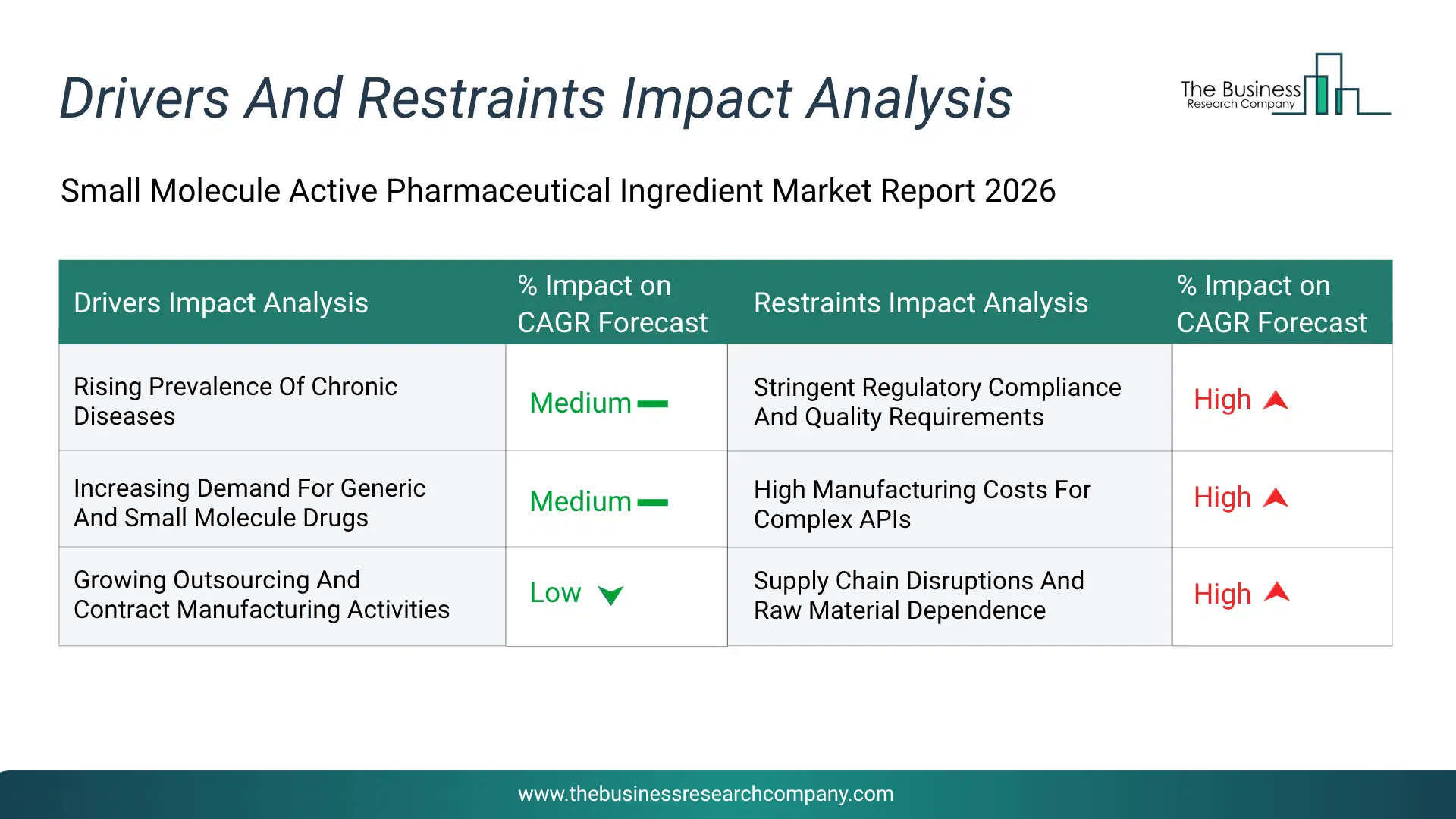
Infographic Chart Showing Key Market Drivers Analysis And Restraints For Small Molecule Active Pharmaceutical Ingredient Market
The chart presents an impact analysis of key drivers and restraints, quantifying their relative influence on the market's growth rate and helping assess the balance between growth enablers and limiting factors. This chart offers a high-level perspective; the full report contains more detailed insights.
How Will The Drivers Impact Growth In The Global Small Molecule Active Pharmaceutical Ingredient Market?
• Rising Prevalence Of Chronic Diseases (Medium) – During the forecast period, the rising prevalence of chronic diseases is expected to emerge as a major factor driving the expansion of the small molecule active pharmaceutical ingredient market by 2030. the growing incidence of cancer, cardiovascular disorders, diabetes, respiratory diseases, and neurological conditions is increasing the demand for effective pharmaceutical therapies that rely heavily on small molecule APIs. higher prescription volumes, expanding healthcare access, and continued investments in drug development are encouraging manufacturers to strengthen API production capacity to meet rising global treatment requirements. • Increasing Demand For Generic And Small Molecule Drugs (Medium) – During the forecast period, the increasing demand for generic and small molecule drugs is expected to emerge as a major factor driving the expansion of the small molecule active pharmaceutical ingredient market by 2030. patent expirations of branded medicines, government initiatives promoting affordable healthcare, and broader access to low-cost treatments are increasing the production of generic pharmaceuticals worldwide. the cost-effective manufacturing, storage, and distribution advantages of small molecule drugs are further supporting their widespread adoption, encouraging API manufacturers to expand production capabilities and improve manufacturing efficiency. • Growing Outsourcing And Contract Manufacturing Activities (Low) – During the forecast period, the growing outsourcing and contract manufacturing activities are expected to act as a key growth catalyst for the small molecule active pharmaceutical ingredient market by 2030. pharmaceutical and biotechnology companies are increasingly partnering with contract development and manufacturing organizations to leverage specialized production expertise, optimize costs, accelerate development timelines, and enhance manufacturing flexibility. the continued expansion of CDMO capabilities, particularly in Asia-Pacific manufacturing hubs, is strengthening global API supply capacity and supporting long-term market growth.How Will The Restraints Impact Growth In The Global Small Molecule Active Pharmaceutical Ingredient Market?
• Stringent Regulatory Compliance And Quality Requirements (Medium) – During the forecast period, stringent Regulatory Compliance And Quality Requirements remain a significant restraint for the Small Molecule API market because manufacturers must consistently comply with strict regulations established by authorities such as the FDA, EMA, and other national regulatory agencies. API production facilities are required to meet Good Manufacturing Practice (GMP) standards, maintain extensive documentation, validate manufacturing processes, and undergo regular inspections to ensure product safety and quality. Any regulatory observations, product quality issues, or inspection failures can lead to production delays, warning letters, product recalls, or import restrictions. Maintaining continuous compliance requires substantial investments in quality assurance systems, employee training, laboratory testing, and facility modernization, increasing operational costs and limiting profitability, particularly for smaller manufacturers. • High Manufacturing Costs For Complex APIs (Medium) – During the forecast period, high Manufacturing Costs For Complex APIs restrain market growth because the production of advanced small molecule APIs, especially highly potent active pharmaceutical ingredients (HPAPIs), requires sophisticated synthesis technologies, specialized containment equipment, high-purity raw materials, and highly skilled scientific personnel. Manufacturers must also invest heavily in research and development, process optimization, environmental safety measures, and quality control systems to achieve consistent product quality and regulatory compliance. These significant capital and operational expenditures increase the overall cost of manufacturing, reduce profit margins, and create substantial barriers for new market entrants. As pharmaceutical companies continue developing more complex and highly potent molecules, manufacturing costs are expected to remain a key challenge for market participants. • Supply Chain Disruptions And Raw Material Dependence (Low) – During the forecast period, supply Chain Disruptions And Raw Material Dependence continue to challenge the Small Molecule Active Pharmaceutical Ingredient (API) market because the industry relies heavily on globally distributed suppliers for raw materials, intermediates, and specialty chemicals. A large proportion of API manufacturing and raw material sourcing is concentrated in countries such as India and China, making the supply chain vulnerable to geopolitical tensions, trade restrictions, transportation disruptions, natural disasters, and public health emergencies. Any interruption in the supply of critical materials can delay pharmaceutical production, increase procurement costs, and create shortages of essential medicines. Consequently, manufacturers are investing in supply chain diversification, regional production facilities, and strategic inventory management; however, dependence on global sourcing remains a significant restraint on stable market growth.Key Players In The Global Small Molecule Active Pharmaceutical Ingredient Market
Major companies operating in the small molecule active pharmaceutical ingredient market are Pfizer Inc., BASF SE, Roche Holding AG, F. Hoffmann-La Roche Limited, AbbVie Inc., Allergan plc, Bayer AG, Novartis AG, Sanofi SA, Bristol Myers Squibb Company, AstraZeneca plc, Glaxo Smith Kline plc, China Resources Pharmaceutical Group Limited, Takeda Pharmaceutical Company Limited, Eli Lilly and Company, Gilead Sciences Inc., Boehringer Ingelheim International GmbH, Merck KGaA, Viatris Inc., Teva Pharmaceutical Industries Limited, Johnson Matthey plc, Astellas Pharma Inc., Albemarle Corporation, Sun Pharmaceutical Industries Limited, Aurobindo Pharma Limited, Dr Reddy’s Laboratories Limited, Siegfried Holding AG, Albany Molecular Research Inc., Cipla Inc., Cambrex Corporation, Daiichi Sankyo Company Ltd., Eisai Co Ltd., Otsuka Holdings Co Ltd.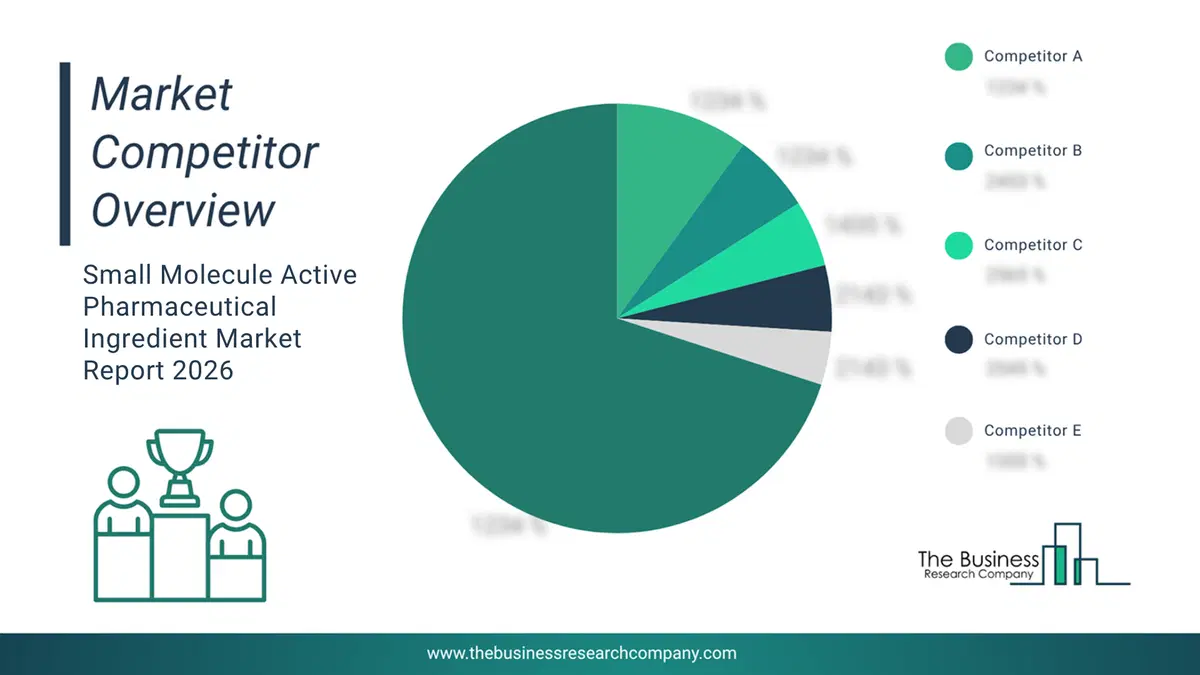
This chart is for illustrative purposes; the full report includes a detailed competitor analysis and comprehensive overview of the top 10 companies in the market.
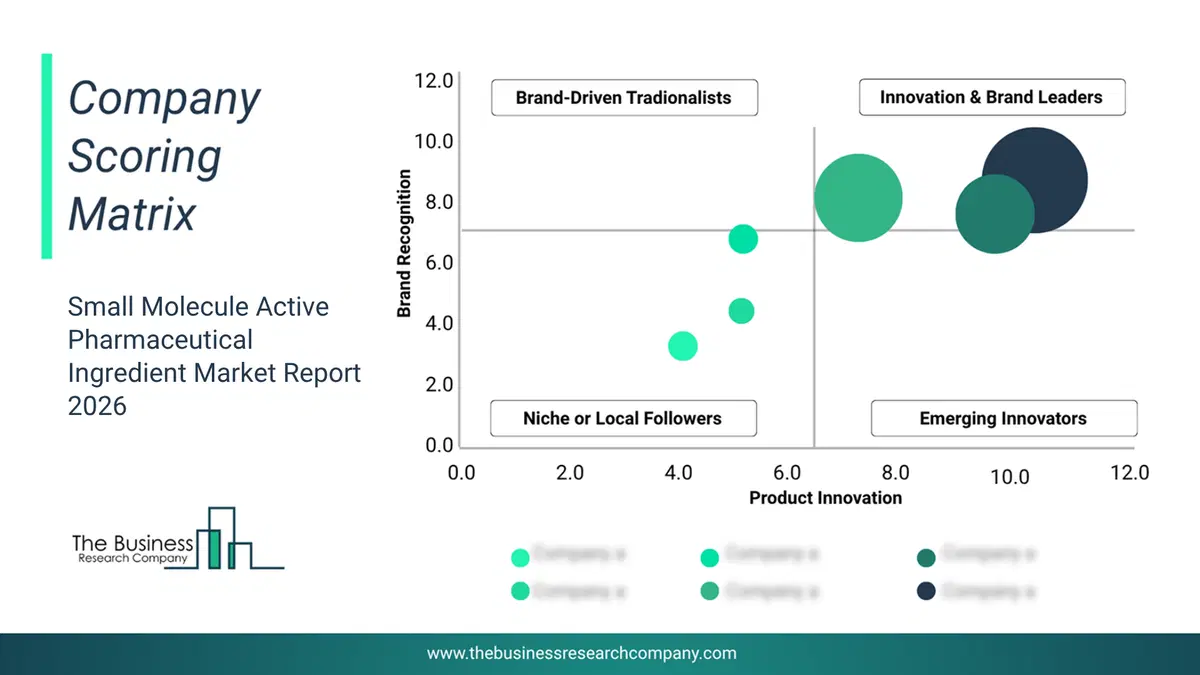
This chart maps companies by product innovation and brand strength, with bubble size indicating relative revenue, helping identify market leaders, challengers, and niche players. This is an illustrative chart; the full report provides a complete and accurate competitive analysis.
Global Small Molecule Active Pharmaceutical Ingredient Market Trends and Insights
Major companies operating in the small molecule active pharmaceutical ingredient (API) market are focusing on introducing advanced development platforms to accelerate API process design, enhance efficiency, and reduce time-to-market. These platforms aim to streamline early development, improve scalability, and support robust, cost-effective API manufacturing. For instance, in May 2025, Lonza Group AG, a Switzerland-based pharmaceutical manufacturing company, launched its Design2Optimize Platform to streamline small molecule API development. The platform integrates digital tools, data-driven process optimization, and advanced automation to accelerate route scouting, improve process robustness, and minimize development timelines. By offering end-to-end optimization capabilities, Design2Optimize™ helps drug developers enhance API quality, reduce risk, and achieve faster, more efficient scale-up for commercial manufacturing.What Are Latest Mergers And Acquisitions In The Small Molecule Active Pharmaceutical Ingredient Market?
In March 2025, HAS Healthcare Advanced Synthesis SA, a Switzerland-based CDMO specializing in high-potency active pharmaceutical ingredients (HPAPIs) and complex small molecules, acquired Cerbios-Pharma SA for an undisclosed amount. Through this acquisition, HAS Healthcare Advanced Synthesis SA aims to expand its capabilities in high-potency API manufacturing, strengthen its end-to-end development and production offerings, and broaden its global market presence in the pharmaceutical sector. Cerbios-Pharma SA is a Switzerland-based biopharmaceutical company, that offers small molecule active pharmaceutical ingredients.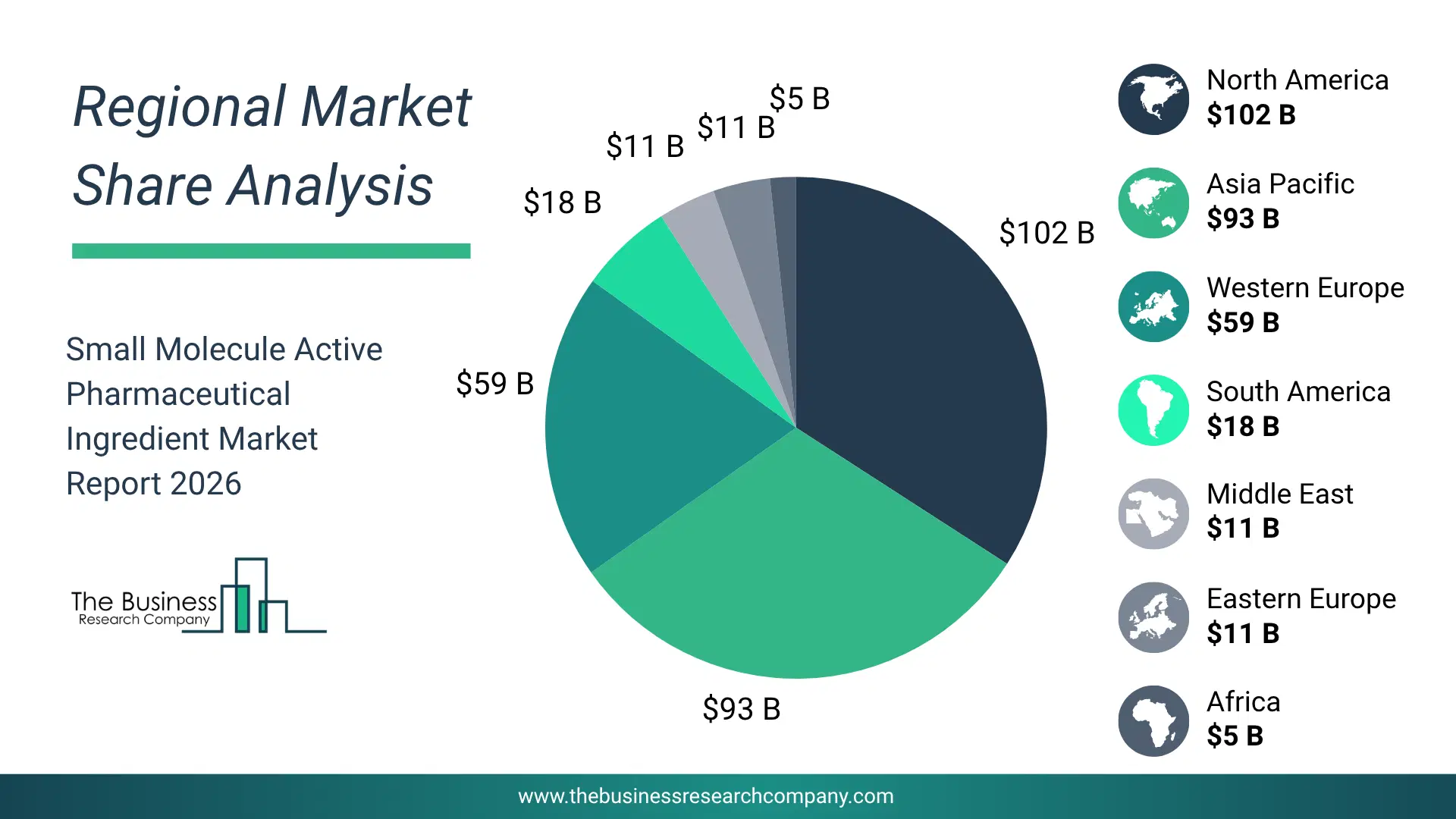
Regional Insights
North America was the largest region in the small molecule active pharmaceutical ingredient market in 2025. Asia-Pacific is expected to be the fastest-growing region in the forecast period. The regions covered in this market report are Asia-Pacific, South East Asia, Western Europe, Eastern Europe, North America, South America, Middle East, Africa. The countries covered in this market report are Australia, Brazil, China, France, Germany, India, Indonesia, Japan, Taiwan, Russia, South Korea, UK, USA, Canada, Italy, Spain.What Defines the Small Molecule Active Pharmaceutical Ingredient Market?
The small molecule active pharmaceutical ingredient market consists of sales of standard API, HPAPI (high potency active pharmaceutical ingredients), branded synthetic API, generic synthetic API, and semi-synthetic API. Values in this market are ‘factory gate’ values, that is, the value of goods sold by the manufacturers or creators of the goods, whether to other entities (including downstream manufacturers, wholesalers, distributors, and retailers) or directly to end customers. The value of goods in this market includes related services sold by the creators of the goods.How is Market Value Defined and Measured?
The market value is defined as the revenues that enterprises gain from the sale of goods and/or services within the specified market and geography through sales, grants, or donations in terms of the currency (in USD unless otherwise specified). The revenues for a specified geography are consumption values that are revenues generated by organizations in the specified geography within the market, irrespective of where they are produced. It does not include revenues from resales along the supply chain, either further along the supply chain or as part of other products.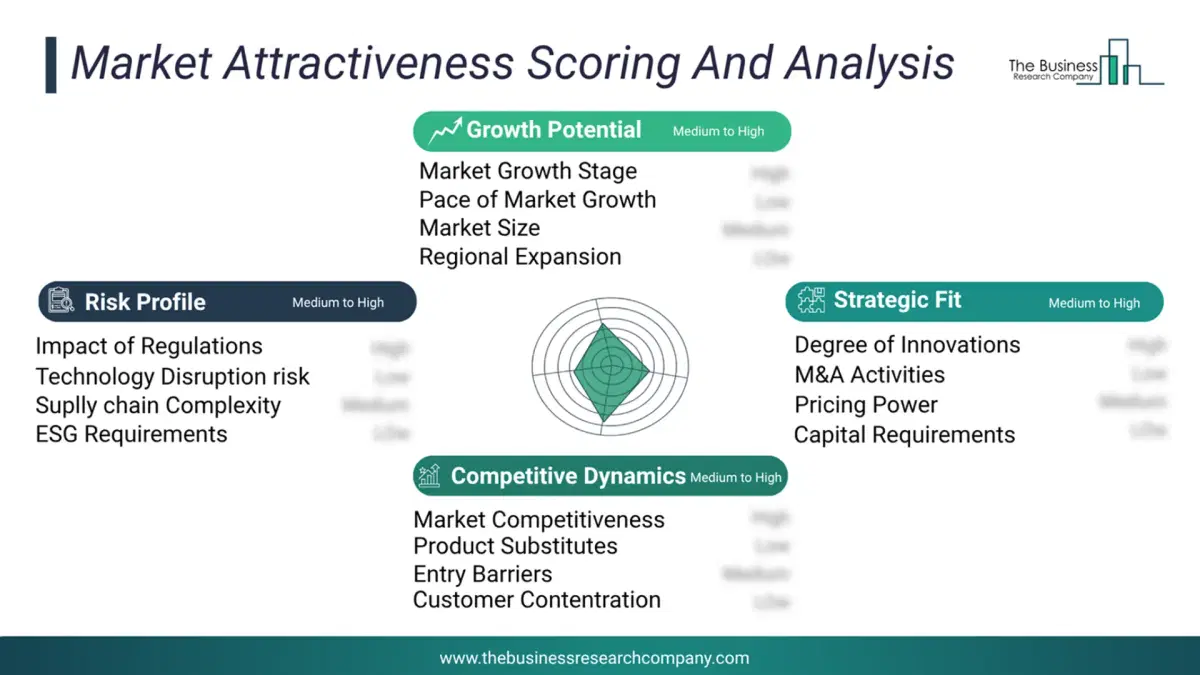
This chart presents market attractiveness based on a quantitative evaluation of growth, competition, strategic alignment, and risk, offering a clear view of opportunity areas for decision-making. This chart is for illustrative purposes; the full report contains the complete analysis.
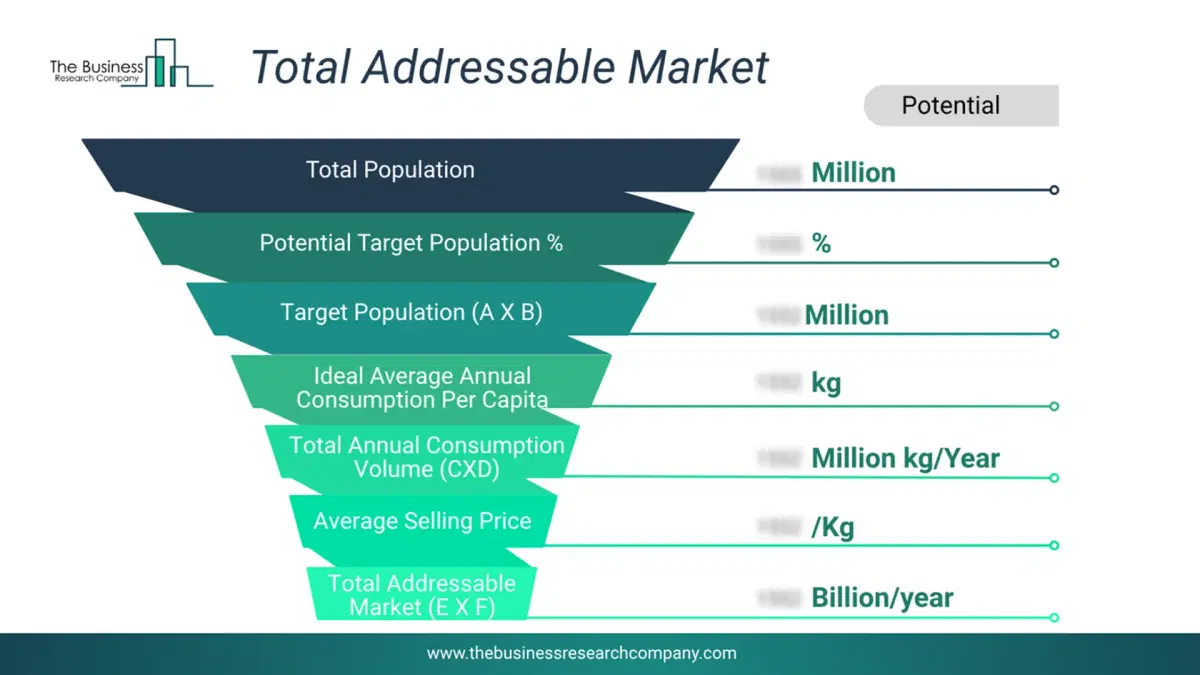
This chart highlights the Total Addressable Market (TAM) by estimating the maximum revenue opportunity using an assumption-driven approach, supporting strategic planning and opportunity sizing across markets. The chart is illustrative; the full report provides a more comprehensive analysis.
What Key Data and Analysis Are Included in the Small Molecule Active Pharmaceutical Ingredient Market Report 2026?
The small molecule active pharmaceutical ingredient market research report is one of a series of new reports from The Business Research Company that provides market statistics, including industry global market size, regional shares, competitors with the market share, detailed market segments, market trends and opportunities, and any further data you may need to thrive in the small molecule active pharmaceutical ingredient industry. The market research report delivers a complete perspective of everything you need, with an in-depth analysis of the current and future state of the industry.Small Molecule Active Pharmaceutical Ingredient Market Report Forecast Analysis
| Report Attribute | Details |
|---|---|
| Market Size Value In 2026 | $223.59 billion |
| Revenue Forecast In 2030 | $299.83 billion |
| Growth Rate | CAGR of 7.6% from 2026 to 2030 |
| Base Year For Estimation | 2025 |
| Actual Estimates/Historical Data | 2020-2025 |
| Forecast Period | 2026 - 2030 |
| Market Representation | Revenue in USD Billion and CAGR from 2026 to 2030 |
| Segments Covered | Type, Therapeutic Type, Manufacturing Method, Application |
| Regional Scope | Asia-Pacific, Western Europe, Eastern Europe, North America, South America, Middle East, Africa |
| Country Scope | The countries covered in the report are Australia, Brazil, China, France, Germany, India, Indonesia, Japan, Taiwan, Russia, South Korea, UK, USA, Canada, Italy, Spain. |
| Key Companies Profiled | Pfizer Inc., BASF SE, Roche Holding AG, F. Hoffmann-La Roche Limited, AbbVie Inc., Allergan plc, Bayer AG, Novartis AG, Sanofi SA, Bristol Myers Squibb Company, AstraZeneca plc, Glaxo Smith Kline plc, China Resources Pharmaceutical Group Limited, Takeda Pharmaceutical Company Limited, Eli Lilly and Company, Gilead Sciences Inc., Boehringer Ingelheim International GmbH, Merck KGaA, Viatris Inc., Teva Pharmaceutical Industries Limited, Johnson Matthey plc, Astellas Pharma Inc., Albemarle Corporation, Sun Pharmaceutical Industries Limited, Aurobindo Pharma Limited, Dr Reddy’s Laboratories Limited, Siegfried Holding AG, Albany Molecular Research Inc., Cipla Inc., Cambrex Corporation, Daiichi Sankyo Company Ltd., Eisai Co Ltd., Otsuka Holdings Co Ltd. |
| Customization Scope | Request for Customization |
| Pricing And Purchase Options | Explore Purchase Options |