
Urothelial Cancer Drugs Market Report 2026
Global Outlook – By Type (Urothelial Carcinoma, Squamous Cell Carcinoma, Adenocarcinoma), By Treatment (Immunotherapy, Chemotherapy, Preservation Therapy), By Distribution Channel (Hospital Pharmacies, Specialty Clinics, Cancer Institutes, Ambulatory Surgical Centers) – Market Size, Trends, Strategies, and Forecast to 2030
Urothelial Cancer Drugs Market Overview
• Urothelial Cancer Drugs market size has reached to $3.37 billion in 2025 • Expected to grow to $8.21 billion in 2030 at a compound annual growth rate (CAGR) of 19.4% • Growth Driver: Urothelial Cancer Drug Market Poised For Growth Amidst Rising Prevalence • Market Trend: Increasing Focus On Product Approvals To Provide Reliable Services To Their Customers • North America was the largest region in 2025 and Asia-Pacific is the fastest growing region.Market Gains By 2030 – Top Opportunities By Segment
Market Gain identifies the most promising market opportunities by highlighting the segments or products expected to generate the highest incremental revenue growth over the next five years.
What Is Covered Under Urothelial Cancer Drugs Market?
Urothelial cancer drugs refer to medicines and therapies that treat cancer associated with urothelial cells that line the urethra, bladder, ureters, and renal pelvis. These are used to kill tumor cells and provide non-vesical chemotherapy. The urothelial cancer drug is used to prevent and treat urothelial cancer. The main types of urothelial cancer drugs are urothelial carcinoma, squamous cell carcinoma, and adenocarcinoma. The urothelial carcinoma is used to treat epithelial tissue tumors. Urothelial carcinoma refers to transitional cell cancer that occurs near epithelial tissues. The urothelial cancer drugs are used to treat immunotherapy, chemotherapy, and preservation therapy. The urothelial cancer drugs are distributed by hospital pharmacies, specialty clinics, cancer institutes, and ambulatory surgical centers.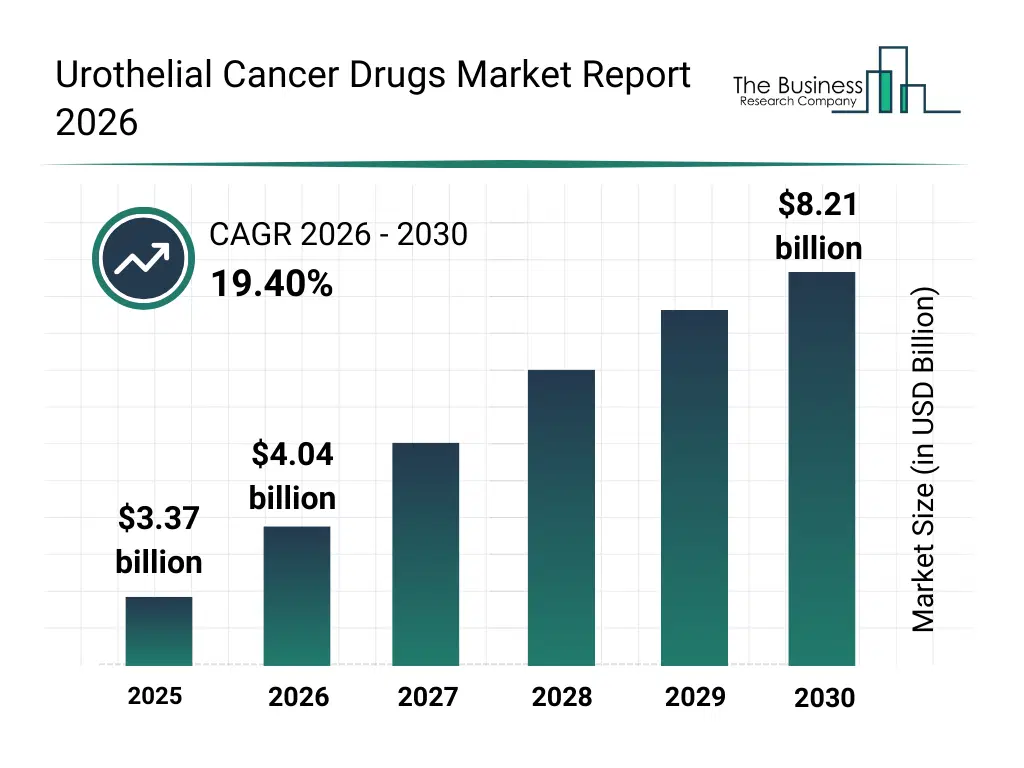
What Is The Urothelial Cancer Drugs Market Size and Share 2026?
The urothelial cancer drugs market size has grown rapidly in recent years. It will grow from $3.37 billion in 2025 to $4.04 billion in 2026 at a compound annual growth rate (CAGR) of 19.8%. The growth in the historic period can be attributed to rising prevalence of urothelial cancer, limited availability of targeted therapies, growing awareness of cancer treatment options, dependence on hospital-based chemotherapy, increasing investment in generic drugs.What Is The Urothelial Cancer Drugs Market Growth Forecast?
The urothelial cancer drugs market size is expected to see rapid growth in the next few years. It will grow to $8.21 billion in 2030 at a compound annual growth rate (CAGR) of 19.4%. The growth in the forecast period can be attributed to advancement in immunotherapy and targeted therapy, growth of precision medicine applications, expansion of specialty cancer clinics, adoption of AI-driven diagnostics, increased healthcare expenditure in emerging regions. Major trends in the forecast period include personalized urothelial cancer therapy, minimally invasive treatment options, targeted immunotherapy development, combination chemotherapy protocols, expansion of outpatient cancer care.
Global Urothelial Cancer Drugs Market Segmentation
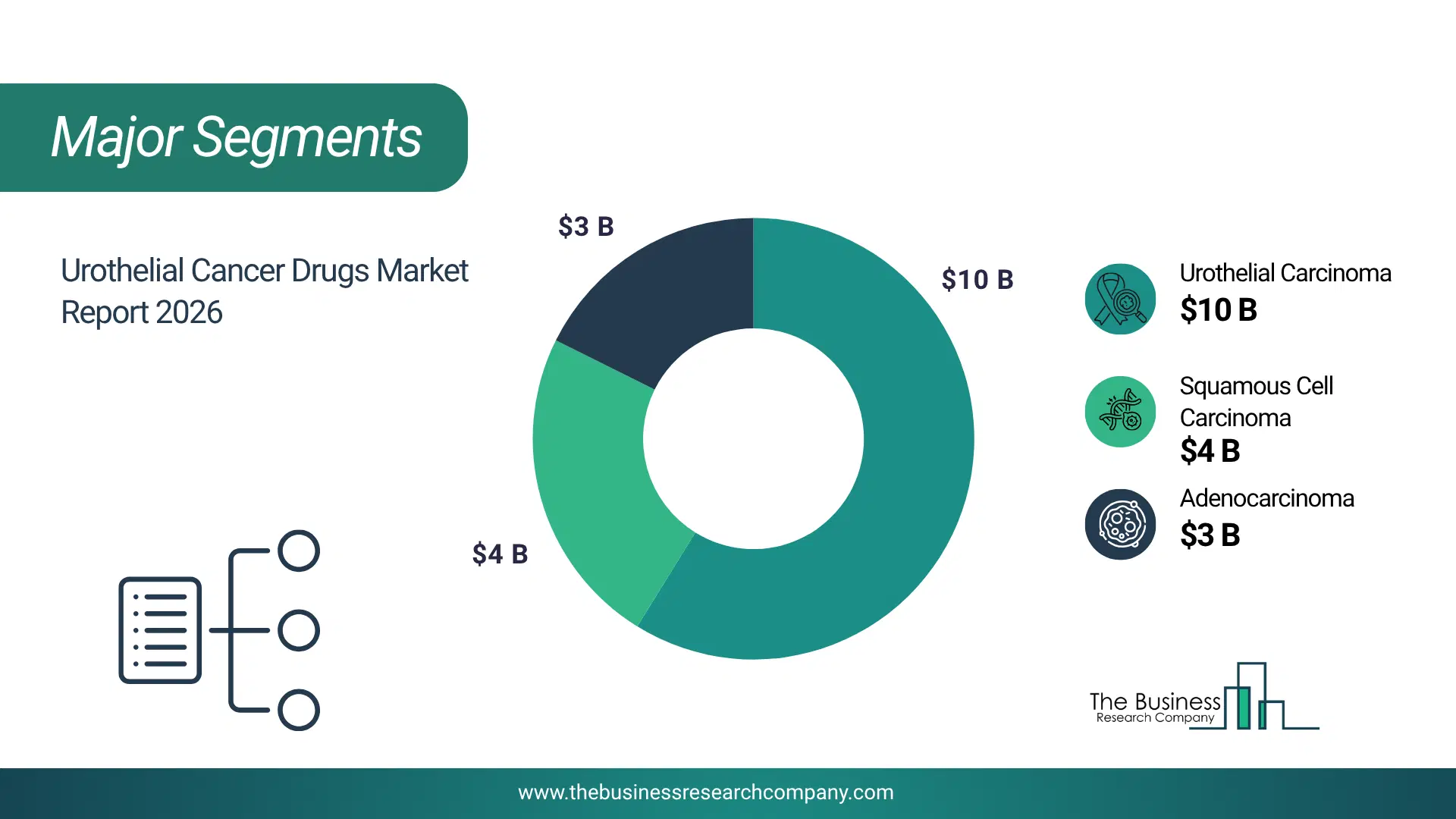
1) By Type: Urothelial Carcinoma, Squamous Cell Carcinoma, Adenocarcinoma 2) By Treatment: Immunotherapy, Chemotherapy, Preservation Therapy 3) By Distribution Channel: Hospital Pharmacies, Specialty Clinics, Cancer Institutes, Ambulatory Surgical Centers Subsegments: 1) By Urothelial Carcinoma: Chemotherapy Agents, Immunotherapy Agents, Targeted Therapy Drugs 2) By Squamous Cell Carcinoma: Chemotherapy Agents, Immunotherapy Agents, Targeted Therapy Drugs 3) By Adenocarcinoma: Chemotherapy Agents, Immunotherapy Agents, Targeted Therapy Drugs The top segments in the urothelial cancer drugs market will be: • Urothelial Carcinoma will reach $10 Billion by 2030. • Squamous Cell Carcinoma will reach $4 Billion by 2030. • Adenocarcinoma will reach $3 Billion by 2030.What Are The Drivers Of The Urothelial Cancer Drugs Market?
The rising prevalence of urothelial cancer is expected to propel the urothelial cancer drug market going forward. Urothelial cancer is associated with urothelial cells that line the urethra, bladder, ureters, renal pelvis, and some other organs. The rising prevalence of urothelial cancer requires novel urothelial cancer drugs and therapies for treatment to reduce fatalities. For instance, in January 2023, according to American Cancer Society Inc., a US-based voluntary health organization, approximately 62,420 men and 19,870 women are diagnosed with bladder cancer out of 82,290 new cases. 16,710 deaths due to bladder cancer, of which 4,550 were women and 12,160 males. Thus, the rising prevalence of urothelial cancer will drive the growth of the urothelial cancer drug industry. The increasing demand for chemotherapy is expected to propel the growth of the urothelial cancer drugs market going forward. Chemotherapy is a systemic treatment, meaning it circulates throughout the body via the bloodstream, which makes it effective against cancer cells that may have spread to distant sites. Chemotherapy is used in the management of urothelial cancer by inhibiting the growth of cancer cells to treat metastatic disease and targeting rapidly dividing cells and can be used for palliative care, which aims to relieve symptoms, improve the patient's quality of life, and prolong survival. For instance, in May 2025, according to the National Cancer Institute (NCI), a US-based federal government agency, reported that in 2025, an estimated 2,041,910 new cases of cancer will be diagnosed in the US and 618,120 people will die from the disease. Therefore, the increasing demand for chemotherapy is driving the growth of the urothelial cancer drugs industry.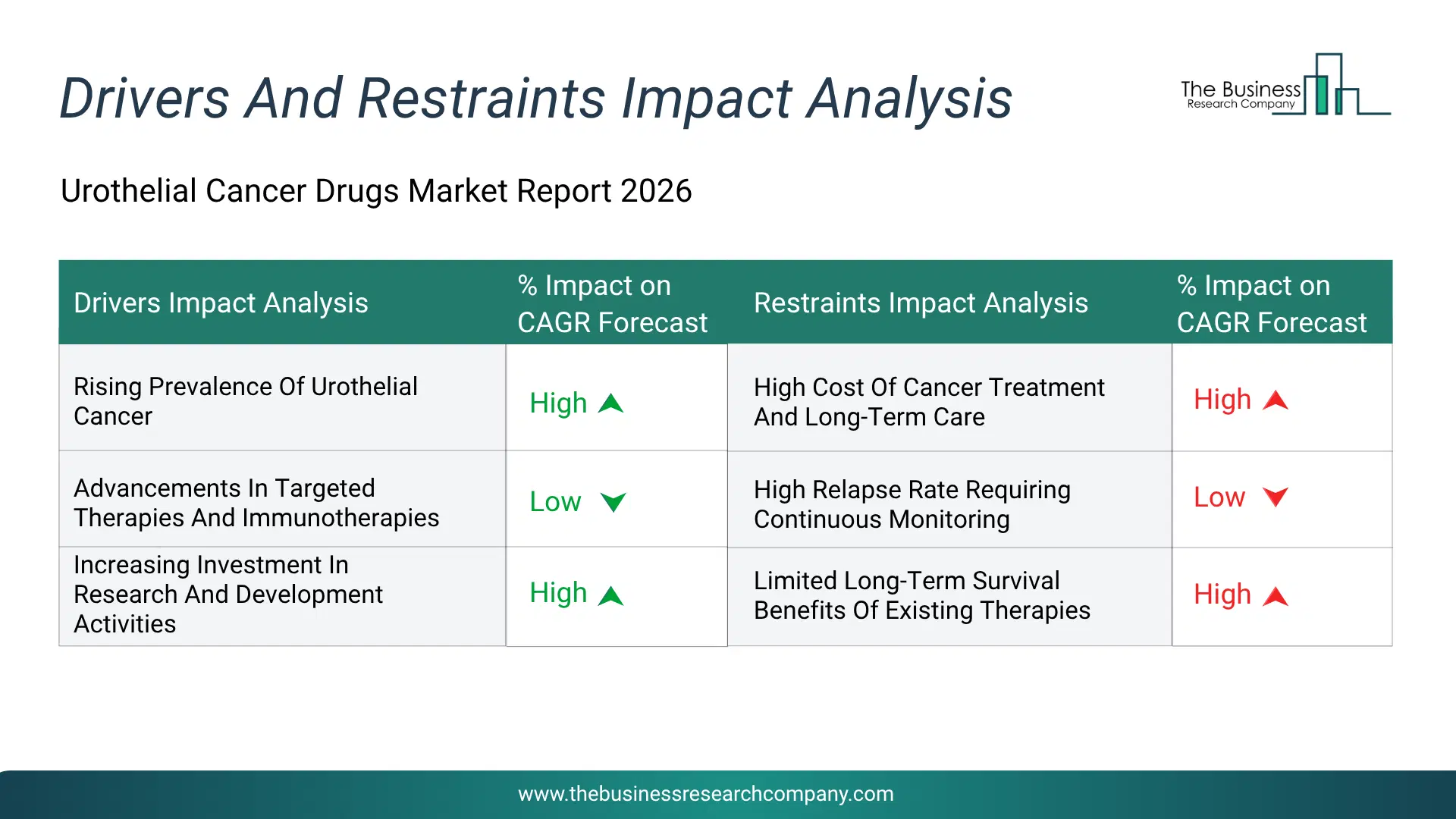
Infographic Chart Showing Key Market Drivers Analysis And Restraints For Urothelial Cancer Drugs Market
The chart presents an impact analysis of key drivers and restraints, quantifying their relative influence on the market's growth rate and helping assess the balance between growth enablers and limiting factors. This chart offers a high-level perspective; the full report contains more detailed insights.
How Will The Drivers Impact Growth In The Global Urothelial Cancer Drugs Market?
• Rising Prevalence Of Urothelial Cancer (High) – During the forecast period, the rising prevalence of urothelial cancer is expected to become a key growth driver for the urothelial cancer drugs market by 2030. The rising prevalence of urothelial cancer is a key driver for the urothelial cancer drugs market, as it directly increases the patient pool requiring diagnosis, treatment, and long-term disease management. Factors such as aging populations, higher exposure to risk elements like smoking and occupational carcinogens, and improved diagnostic capabilities are contributing to the growing incidence of the disease globally. This surge in cases leads to higher demand for therapeutic options including chemotherapy, immunotherapy, and targeted therapies, thereby expanding market revenues. Additionally, the recurrent nature of urothelial cancer, which often requires repeated treatment cycles and continuous monitoring, further amplifies drug consumption. • Advancements In Targeted Therapies And Immunotherapies (Low) – During the forecast period, the advancements in targeted therapies and immunotherapies are expected to emerge as a major factor driving the expansion of the urothelial cancer drugs market by 2030. Advancements in targeted therapies and immunotherapies are significantly driving the urothelial cancer drugs market by transforming the treatment landscape and improving clinical outcomes. Targeted therapies act on specific molecular pathways involved in tumor growth, enabling more precise and effective treatment with reduced damage to healthy cells. At the same time, immunotherapies—particularly immune checkpoint inhibitors—enhance the body’s immune response to identify and destroy cancer cells, offering durable responses even in advanced stages of Urothelial Cancer. The introduction of novel agents such as PD-1/PD-L1 inhibitors and antibody-drug conjugates has expanded treatment options beyond conventional chemotherapy, increasing adoption among clinicians and patients. • Increasing Investment In Research And Development Activities (High) – During the forecast period, the increasing investment in research and development activities is expected to act as a key growth catalyst for the urothelial cancer drugs market by 2030. Increasing investment in research and development (R&D) activities is a major driver of the urothelial cancer drugs market, as it accelerates the discovery and commercialization of innovative therapies. Pharmaceutical and biotechnology companies are allocating substantial resources toward developing novel treatment approaches such as targeted therapies, immunotherapies, and combination regimens for Urothelial Cancer. These investments support extensive clinical trials, biomarker research, and precision medicine initiatives aimed at improving treatment efficacy and patient outcomes. Additionally, rising funding from governments and private organizations is fostering collaborations, speeding up regulatory approvals, and expanding drug pipelines.How Will The Restraints Impact Growth In The Global Urothelial Cancer Drugs Market?
• High Cost Of Cancer Treatment And Long-Term Care (High) – During the forecast period, the high cost of cancer treatment and long-term care acts as a significant restraint on the urothelial cancer drugs market, as it limits patient access and affordability despite the availability of advanced therapies. Treatments for urothelial cancer often involve expensive modalities such as immunotherapies, targeted drugs, repeated diagnostic tests, and prolonged hospital care, which substantially increase the overall financial burden on patients and healthcare systems. Additionally, the recurrent nature of the disease necessitates ongoing monitoring and multiple treatment cycles, further escalating cumulative costs. In regions with limited reimbursement coverage or lower healthcare spending, these high expenses can delay or restrict treatment adoption, thereby slowing market growth. Even in developed markets, cost-containment pressures and pricing scrutiny can impact drug uptake, making affordability a key challenge for sustained expansion of the urothelial cancer drugs market. • High Relapse Rate Requiring Continuous Monitoring (Low) – During the forecast period, the high relapse rate of urothelial cancer requiring continuous monitoring is expected to restrain the growth of the urothelial cancer drugs market by increasing the clinical and economic burden associated with long-term disease management. Frequent recurrence, particularly among patients with non-muscle-invasive urothelial cancer, requires repeated diagnostic procedures, surveillance, and additional treatment cycles, which can increase the overall healthcare burden on patients and providers. Continuous monitoring through cystoscopy, imaging, and biomarker testing can also increase treatment-related costs and reduce patient compliance due to the prolonged nature of disease management. In addition, repeated treatment exposure may contribute to treatment fatigue, adverse effects, and the development of resistance in some patients, potentially limiting the effectiveness of subsequent therapies. These challenges can complicate treatment management and reduce the efficiency of existing therapeutic approaches, thereby restraining the growth of the urothelial cancer drugs market. • Limited Long-Term Survival Benefits Of Existing Therapies (High) – During the forecast period, the limited long-term survival benefits of existing therapies act as a key restraint in the urothelial cancer drugs market, as many currently available treatments provide only modest improvements in overall survival, particularly in advanced or metastatic stages of Urothelial Cancer. While chemotherapy, immunotherapy, and targeted therapies have improved response rates and delayed disease progression, their durability remains limited for a significant proportion of patients. This leads to frequent disease progression, treatment resistance, and the need for multiple lines of therapy, which can reduce overall treatment effectiveness and patient confidence. Additionally, variability in patient response and the lack of universally effective therapies hinder widespread clinical success. As a result, these limitations slow optimal treatment adoption and highlight the ongoing need for more effective, durable therapeutic innovations, thereby posing a challenge to sustained market growth.Key Players In The Global Urothelial Cancer Drugs Market
Major companies operating in the urothelial cancer drugs market are F Hoffmann La Roche AG, The Bristol-Myers Squibb Company, Merck & Co Inc., Pfizer Inc., Genentech Inc., UroGen Pharma Inc., Johnson & Johnson Inc., Astellas Pharma Inc., Sesen Bio Inc., Seagen Inc., Agensys Inc., AstraZeneca, Novartis AG, Sanofi SA, Janssen Pharmaceuticals Inc., Seattle Genetics Inc., AbbVie Inc., Millennium Pharmaceuticals Inc., Takeda Pharmaceutical Company Limited, Spectrum Pharmaceuticals Inc.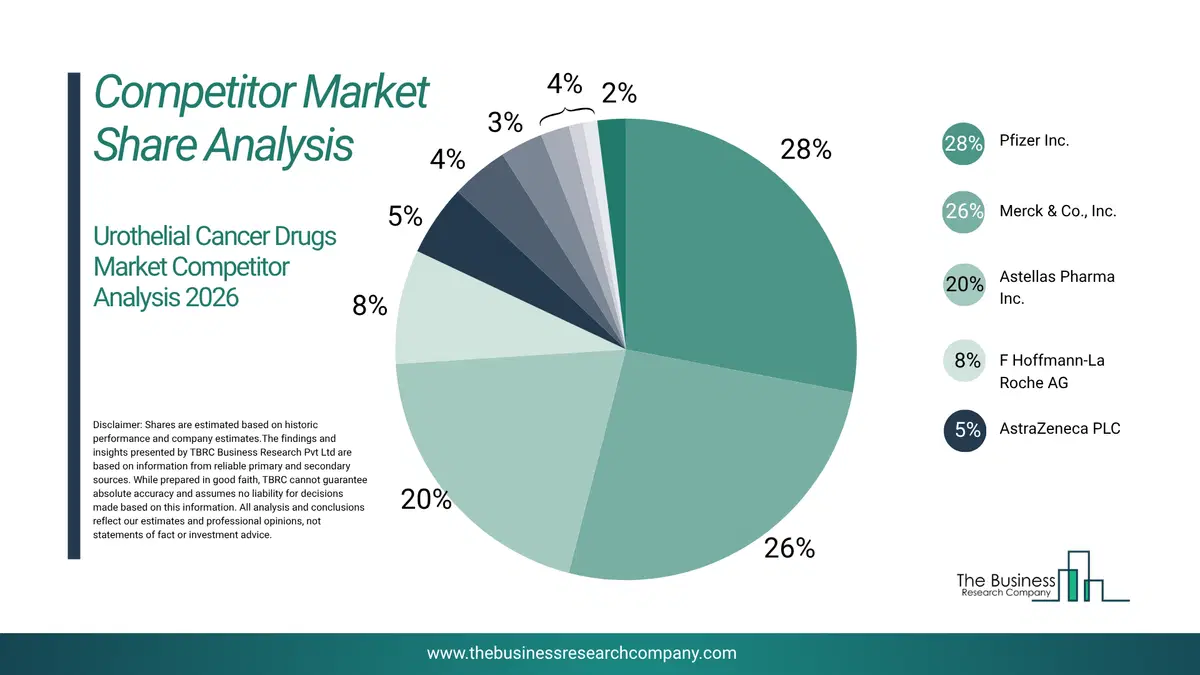
This chart is for illustrative purposes; the full report includes a detailed competitor analysis and comprehensive overview of the top 10 companies in the market.
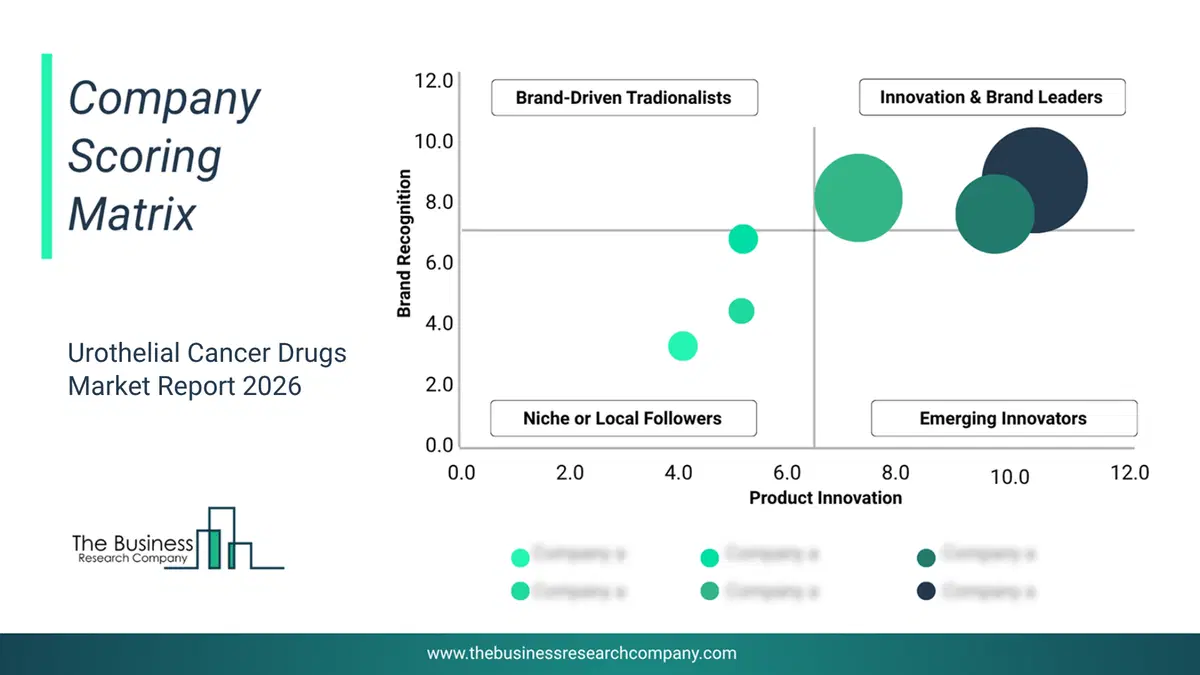
This chart maps companies by product innovation and brand strength, with bubble size indicating relative revenue, helping identify market leaders, challengers, and niche players. This is an illustrative chart; the full report provides a complete and accurate competitive analysis.
Global Urothelial Cancer Drugs Market Trends and Insights
Major companies operating in the urothelial cancer drugs market are focusing on product approvals, such as padcev with Keytruda, to drive revenues in their market. Padcev with keytruda represents a combination therapy used in the treatment of urothelial cancer. For instance, in April 2023, Astellas Pharma Inc. a Japan-based pharmaceutical company received FDA approval for padcev with Keytruda. This combination therapy is used for metastatic urothelial cancer. When cisplatin-containing chemotherapy is not an option for some patients with locally advanced or metastatic urothelial carcinoma, the combination of padcev and pembrolizumab is recommended as the initial line of treatment. In patients with advanced bladder cancer, the combination of padcev with keytruda has been demonstrated to significantly enhance overall survival and progression-free survival.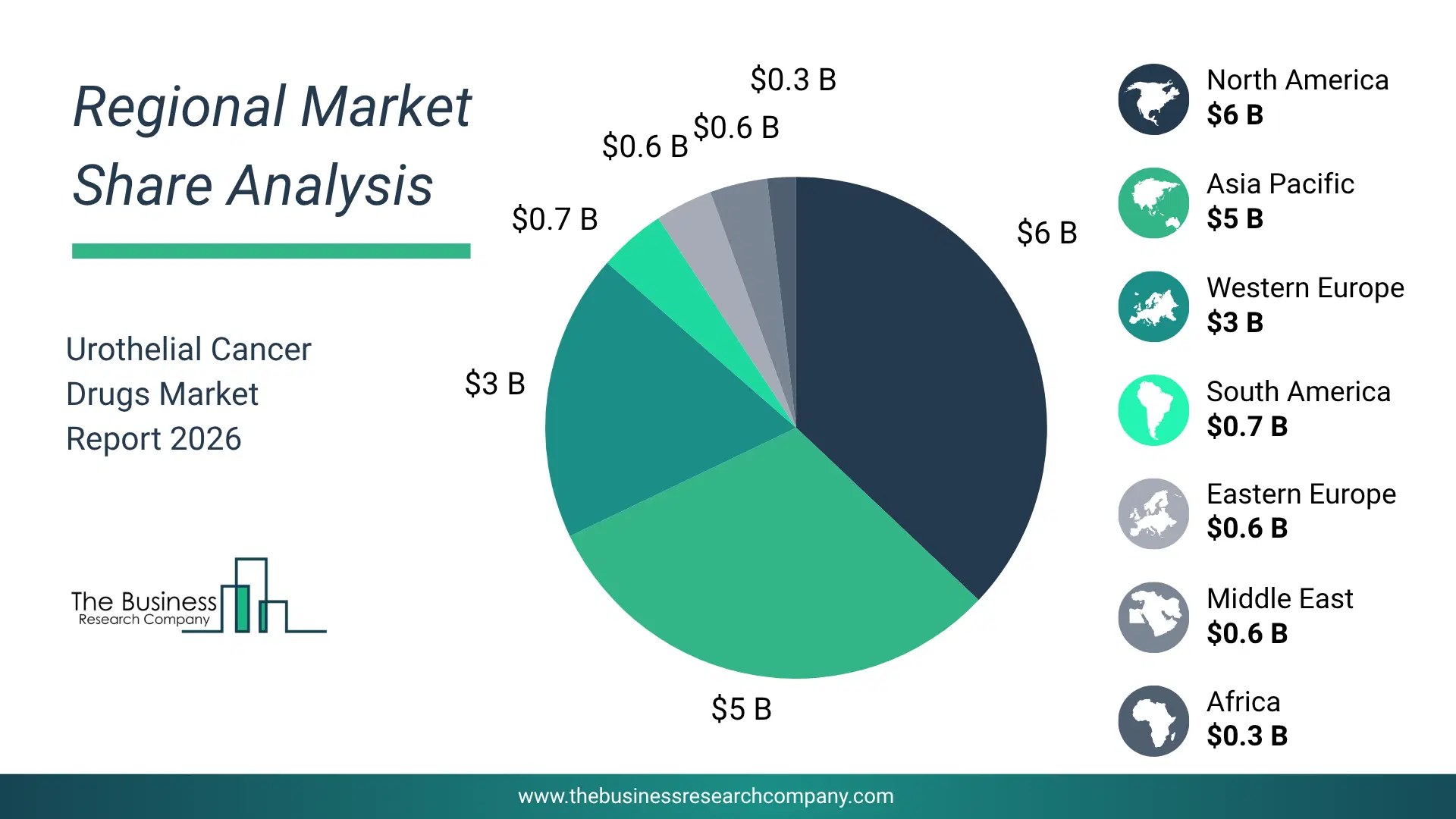
Regional Insights
North America was the largest region in the urothelial cancer drugs market share in 2025. Asia-Pacific is expected to be the fastest-growing region in the forecast period. The regions covered in this market report are Asia-Pacific, South East Asia, Western Europe, Eastern Europe, North America, South America, Middle East, Africa. The countries covered in this market report are Australia, Brazil, China, France, Germany, India, Indonesia, Japan, Taiwan, Russia, South Korea, UK, USA, Canada, Italy, Spain.What Defines the Urothelial Cancer Drugs Market?
The urothelial cancer drugs market consists of sales of targeted therapy urothelial cancer drugs and chemo therapy urothelial cancer drugs. Values in this market are ‘factory gate’ values, that is the value of goods sold by the manufacturers or creators of the goods, whether to other entities (including downstream manufacturers, wholesalers, distributors and retailers) or directly to end customers. The value of goods in this market includes related services sold by the creators of the goods.How is Market Value Defined and Measured?
The market value is defined as the revenues that enterprises gain from the sale of goods and/or services within the specified market and geography through sales, grants, or donations in terms of the currency (in USD unless otherwise specified). The revenues for a specified geography are consumption values that are revenues generated by organizations in the specified geography within the market, irrespective of where they are produced. It does not include revenues from resales along the supply chain, either further along the supply chain or as part of other products.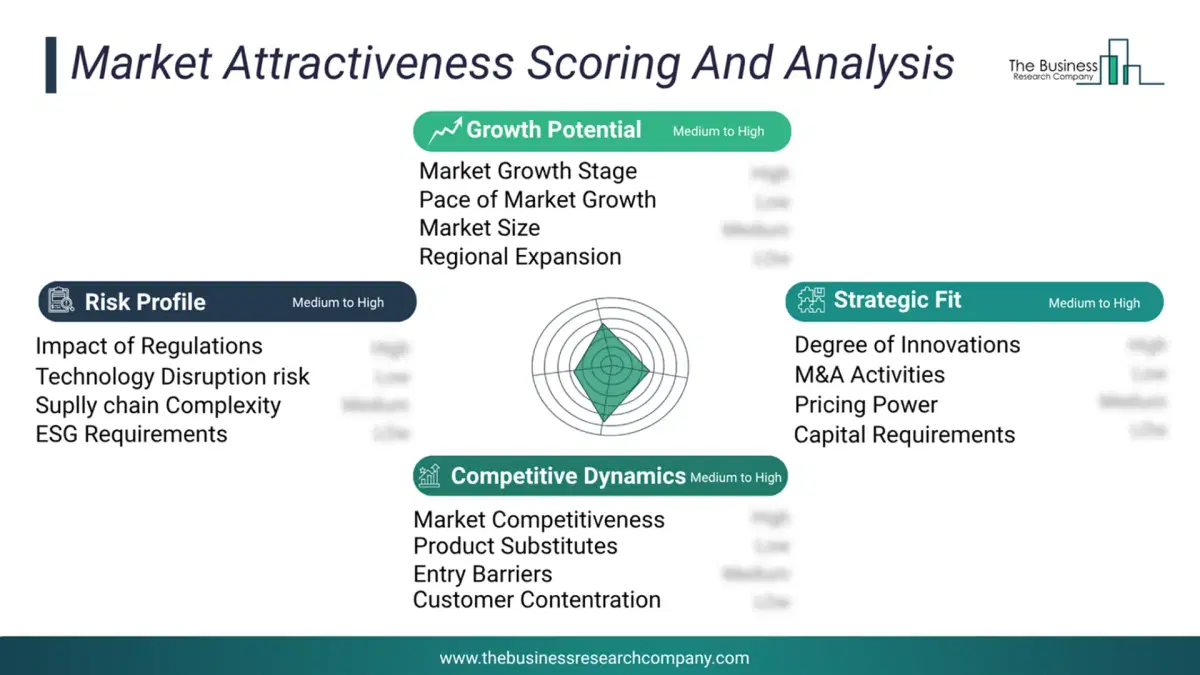
This chart presents market attractiveness based on a quantitative evaluation of growth, competition, strategic alignment, and risk, offering a clear view of opportunity areas for decision-making. This chart is for illustrative purposes; the full report contains the complete analysis.
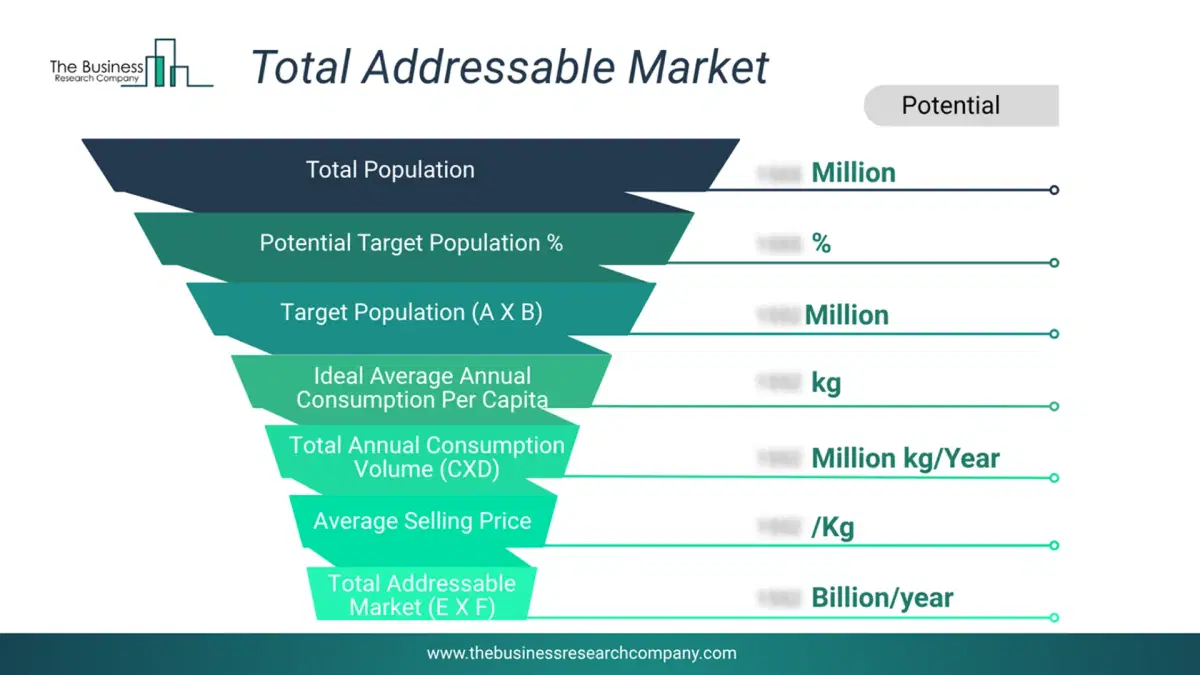
This chart highlights the Total Addressable Market (TAM) by estimating the maximum revenue opportunity using an assumption-driven approach, supporting strategic planning and opportunity sizing across markets. The chart is illustrative; the full report provides a more comprehensive analysis.
What Key Data and Analysis Are Included in the Urothelial Cancer Drugs Market Report 2026?
The urothelial cancer drugs market research report is one of a series of new reports from The Business Research Company that provides market statistics, including industry global market size, regional shares, competitors with the market share, detailed market segments, market trends and opportunities, and any further data you may need to thrive in the urothelial cancer drugs industry. The market research report delivers a complete perspective of everything you need, with an in-depth analysis of the current and future state of the industry.Urothelial Cancer Drugs Market Report Forecast Analysis
| Report Attribute | Details |
|---|---|
| Market Size Value In 2026 | $4.04 billion |
| Revenue Forecast In 2030 | $8.21 billion |
| Growth Rate | CAGR of 19.4% from 2026 to 2030 |
| Base Year For Estimation | 2025 |
| Actual Estimates/Historical Data | 2020-2025 |
| Forecast Period | 2026 - 2030 |
| Market Representation | Revenue in USD Billion and CAGR from 2026 to 2030 |
| Segments Covered | Type, Treatment, Distribution Channel |
| Regional Scope | Asia-Pacific, Western Europe, Eastern Europe, North America, South America, Middle East, Africa |
| Country Scope | The countries covered in the report are Australia, Brazil, China, France, Germany, India, Indonesia, Japan, Taiwan, Russia, South Korea, UK, USA, Canada, Italy, Spain. |
| Key Companies Profiled | F Hoffmann La Roche AG, The Bristol-Myers Squibb Company, Merck & Co Inc., Pfizer Inc., Genentech Inc., UroGen Pharma Inc., Johnson & Johnson Inc., Astellas Pharma Inc., Sesen Bio Inc., Seagen Inc., Agensys Inc., AstraZeneca, Novartis AG, Sanofi SA, Janssen Pharmaceuticals Inc., Seattle Genetics Inc., AbbVie Inc., Millennium Pharmaceuticals Inc., Takeda Pharmaceutical Company Limited, Spectrum Pharmaceuticals Inc. |
| Customization Scope | Request for Customization |
| Pricing And Purchase Options | Explore Purchase Options |