

Vacuum Cleaner Market Report 2026
Global Outlook – By Product ( Canister, Central, Drum, Robotic, Upright, Wet and Dry, Other Products), By Application ( Industrial, Residential, Commercial), By Distribution Channel ( Online, Offline) – Market Size, Trends, Strategies, and Forecast to 2030
Vacuum Cleaner Market Overview
• Vacuum Cleaner market size has reached to $10.91 billion in 2025 • Expected to grow to $16.26 billion in 2030 at a compound annual growth rate (CAGR) of 8.3% • Growth Driver: E-Commerce Expansion Fuels Growth In The Vacuum Cleaner Market • Market Trend: Innovative Vacuum Cleaners In The Market Driving Revenue Growth • Asia-Pacific was the largest region and fastest growing region.Market Gains By 2030 – Top Opportunities By Segment
Market Gain identifies the most promising market opportunities by highlighting the segments or products expected to generate the highest incremental revenue growth over the next five years.
What Is Covered Under Vacuum Cleaner Market?
A vacuum cleaner is an electronic tool that uses electricity to collect dirt from surfaces. Vacuuming is the practice of cleaning with a vacuum cleaner to maintain floors and fabrics by removing dirt, soil, debris, and bad odors. The main product types of vacuum cleaners are canister, central, drum, robotic, upright, wet-dry, and others. The canister is used to clean floors and other smaller surfaces. Canister vacuum cleaners are smaller and lighter vacuum cleaners that consist of long cleaning wands that help in cleaning under furniture. The different applications include industrial, residential, and commercial ones that are distributed through online and offline channels.
What Is The Vacuum Cleaner Market Size 2026 And Growth Rate?
The vacuum cleaner market size has grown strongly in recent years. It will grow from $10.91 billion in 2025 to $11.81 billion in 2026 at a compound annual growth rate (CAGR) of 8.3%. The growth in the historic period can be attributed to increasing use of traditional household vacuums, adoption of industrial floor cleaning systems, expansion of commercial cleaning operations, early emergence of robotic vacuums, shift from manual to electric cleaning tools.What Is The Vacuum Cleaner Market Growth Forecast?
The vacuum cleaner market size is expected to see strong growth in the next few years. It will grow to $16.26 billion in 2030 at a compound annual growth rate (CAGR) of 8.3%. The growth in the forecast period can be attributed to rising demand for smart connected vacuums, expansion of commercial automated cleaning, increasing adoption of cordless and lightweight designs, growth in sustainable and low-noise devices, development of advanced filtration and suction technologies. Major trends in the forecast period include adoption of AI-driven robotic cleaning systems, expansion of autonomous vacuum navigation, development of IoT-enabled home cleaning solutions, advancement of smart industrial cleaning equipment, growth of sustainable low-energy vacuum designs.
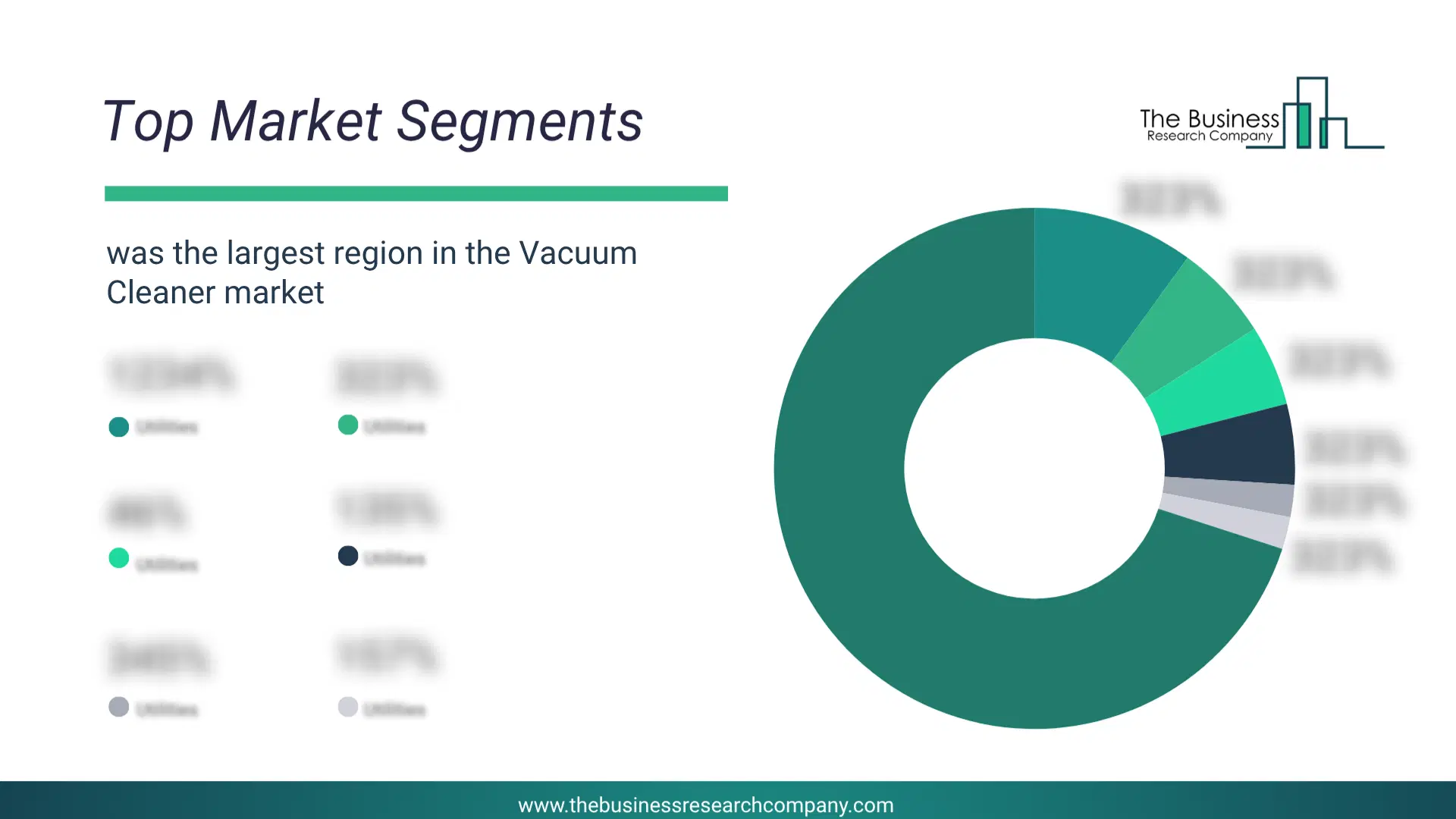
Global Vacuum Cleaner Market Segmentation
1) By Product: Canister, Central, Drum, Robotic, Upright, Wet and Dry, Other Products 2) By Application: Industrial, Residential, Commercial 3) By Distribution Channel: Online, Offline Subsegments: 1) By Canister: Bagged Canister, Bagless Canister, 2) By Central: Built-In Central Vacuums, Portable Central Vacuums 3) By Drum: Standard Drum Vacuums, Industrial Drum Vacuums 4) By Robotic: Smart Robotic Vacuums, Basic Robotic Vacuums 5) By Upright: Bagged Upright, Bagless Upright 6) By Wet And Dry: Portable Wet And Dry Vacuums, Stationary Wet And Dry Vacuums 7) By Other Products: Handheld Vacuums, Stick Vacuums, Backpack Vacuum The top segments in the vacuum cleaner market will be: • Other Products will reach $4 Billion by 2030. • Central will reach $3 Billion by 2030. • Canister will reach $3 Billion by 2030. • Wet And Dry will reach $2 Billion by 2030. • Drum will reach $2 Billion by 2030.What Is The Driver Of The Vacuum Cleaner Market?
The expansion of the E-commerce industry is expected to propel the growth of the vacuum cleaner market going forward. E-commerce is the buying and selling of goods and services, as well as the transmission of funds and data, over an electronic network, primarily the Internet. E-commerce plays an important role in the vacuum cleaner market by providing a convenient platform for consumers to compare products, read reviews, and make online purchases, contributing to the industry's growth and accessibility. For instance, in May 2024, according to the United States Census Bureau, a US-based government agency, the first quarter of 2024 e-commerce estimate increased 8.5 percent from the first quarter of 2023, while total retail sales increased 2.8 percent in the same period. Therefore, the expansion of the E-commerce industry is driving the growth of the vacuum cleaner industry.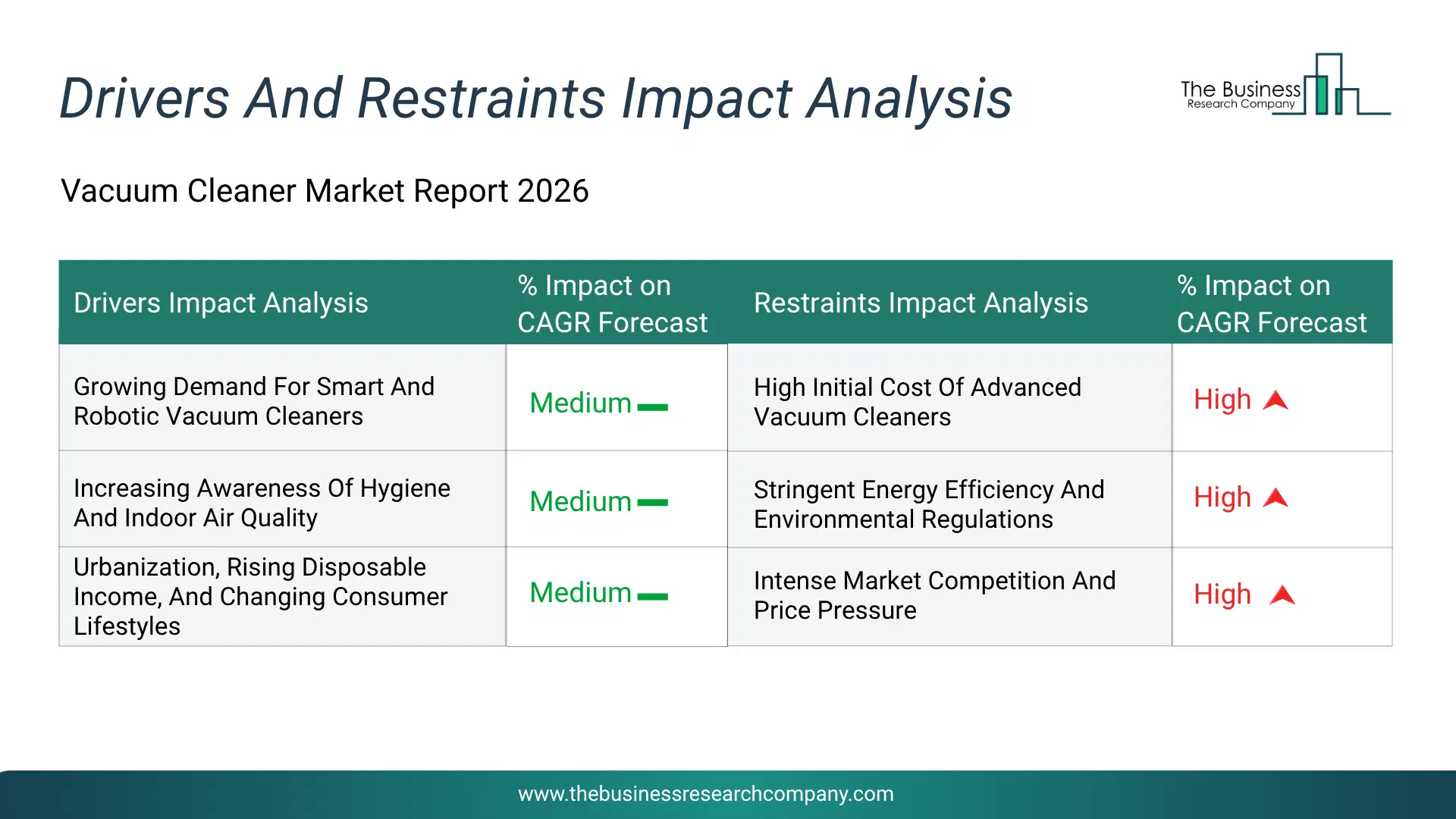
Infographic Chart Showing Key Market Drivers Analysis And Restraints For Vacuum Cleaner Market
The chart presents an impact analysis of key drivers and restraints, quantifying their relative influence on the market's growth rate and helping assess the balance between growth enablers and limiting factors. This chart offers a high-level perspective; the full report contains more detailed insights.
How Will The Drivers Impact Growth In The Global Vacuum Cleaner Market?
• Growing Demand For Smart And Robotic Vacuum Cleaners (Medium) – During the forecast period, the growing demand for smart and robotic vacuum cleaners is expected to emerge as a major factor driving the expansion of the vacuum cleaner market by 2030. consumers are increasingly adopting intelligent cleaning solutions featuring AI-powered navigation, LiDAR mapping, obstacle detection, self-charging capabilities, and smartphone-based controls to reduce manual effort and improve convenience. integration with voice assistants, self-emptying systems, and adaptive cleaning technologies is further enhancing product appeal, encouraging greater adoption of premium automated cleaning appliances. • Increasing Awareness Of Hygiene And Indoor Air Quality (Medium) – During the forecast period, the increasing awareness of hygiene and indoor air quality is expected to emerge as a major factor driving the expansion of the vacuum cleaner market by 2030. rising concerns regarding dust, allergens, bacteria, pet dander, and airborne particles are encouraging consumers and commercial establishments to invest in high-performance vacuum cleaners equipped with HEPA filters, sealed airflow systems, and advanced multi-stage filtration technologies. growing emphasis on maintaining healthier indoor environments across homes, hospitals, hotels, educational institutions, and offices is further strengthening product demand. • Urbanization, Rising Disposable Income, And Changing Consumer Lifestyles (Medium) – During the forecast period, the urbanization, rising disposable income, and changing consumer lifestyles are expected to act as a key growth catalyst for the vacuum cleaner market by 2030. expanding urban populations, increasing numbers of dual-income households, and higher spending on household appliances are encouraging consumers to purchase efficient cleaning solutions that save time and improve convenience. broader product availability through e-commerce platforms and organized retail channels is also expanding market reach while supporting the adoption of cordless, multifunctional, and premium vacuum cleaners.How Will The Restraints Impact Growth In The Global Vacuum Cleaner Market?
• High Initial Cost Of Advanced Vacuum Cleaners (Medium) – During the forecast period, high Initial Cost Of Advanced Vacuum Cleaners remains one of the most significant restraints limiting market growth, particularly in price-sensitive developing economies. Premium robotic, cordless, and smart vacuum cleaners incorporate sophisticated technologies such as AI processors, LiDAR sensors, intelligent navigation systems, high-capacity lithium-ion batteries, Wi-Fi connectivity, and automatic dust disposal systems, substantially increasing manufacturing costs and retail prices. These products often require a considerably higher upfront investment than conventional vacuum cleaners, making them less affordable for middle- and lower-income consumers. Additionally, maintenance expenses, battery replacement costs, software updates, and repair charges further increase the total cost of ownership, discouraging wider adoption and slowing market penetration in several emerging markets. • Stringent Energy Efficiency And Environmental Regulations (Medium) – During the forecast period, stringent Energy Efficiency And Environmental Regulations pose a significant challenge for vacuum cleaner manufacturers operating in global markets. Governments and regulatory agencies are implementing increasingly strict standards related to electricity consumption, motor efficiency, product recyclability, noise emissions, hazardous material usage, and environmental sustainability. Compliance with these regulations requires manufacturers to continuously redesign products, improve energy-efficient motor technologies, reduce material waste, and incorporate recyclable components without compromising cleaning performance. These additional research, development, testing, and certification requirements increase production costs and extend product development cycles. Smaller manufacturers often face greater financial pressure in meeting regulatory compliance, while frequent updates to international environmental standards create additional uncertainty for long-term product planning. • Intense Market Competition And Price Pressure (Medium) – During the forecast period, intense Market Competition And Price Pressure continue to restrain profitability across the global vacuum cleaner industry. The market is highly fragmented, with numerous multinational companies, regional manufacturers, and local brands competing through aggressive pricing strategies, frequent product launches, technological innovation, and promotional campaigns. The rapid expansion of e-commerce platforms has also increased price transparency, enabling consumers to compare products easily and intensifying price-based competition. In addition, the growing availability of low-cost private-label and unbranded vacuum cleaners places downward pressure on premium manufacturers, forcing them to reduce margins while increasing spending on research and development, digital marketing, branding, after-sales services, and distribution networks. This competitive environment makes it challenging for companies to sustain profitability despite growing market demand.Key Players In The Global Vacuum Cleaner Market
Major companies operating in the vacuum cleaner market are Haier Group Corp., Electrolux AB, Samsung Electronics Co. Ltd., LG Electroncis Inc., Dyson Ltd., iRobot Corporation, Bissell Inc., Koninklijke Philips N.V., Panasonic Corporation, Techtronic Industries, Miele & Cie. KG, Oreck Corporation, Josef Kränzle GmbH & Co. KG, Stanley Black & Decker Inc, American Vacuum Company, Debus GmbH, Ghibli & Wirbel SpA, Pullman-Ermator, Goodway Technologies, VAC-U-MAX, CS Unitec Inc., SharkNinja, TTI Floor Care, SEB Group, Eureka Forbes, Numatic International, Quirepace Limited, Delfin Industrial Vacuums, Hoover Commercial, Polivac International Pty. Ltd.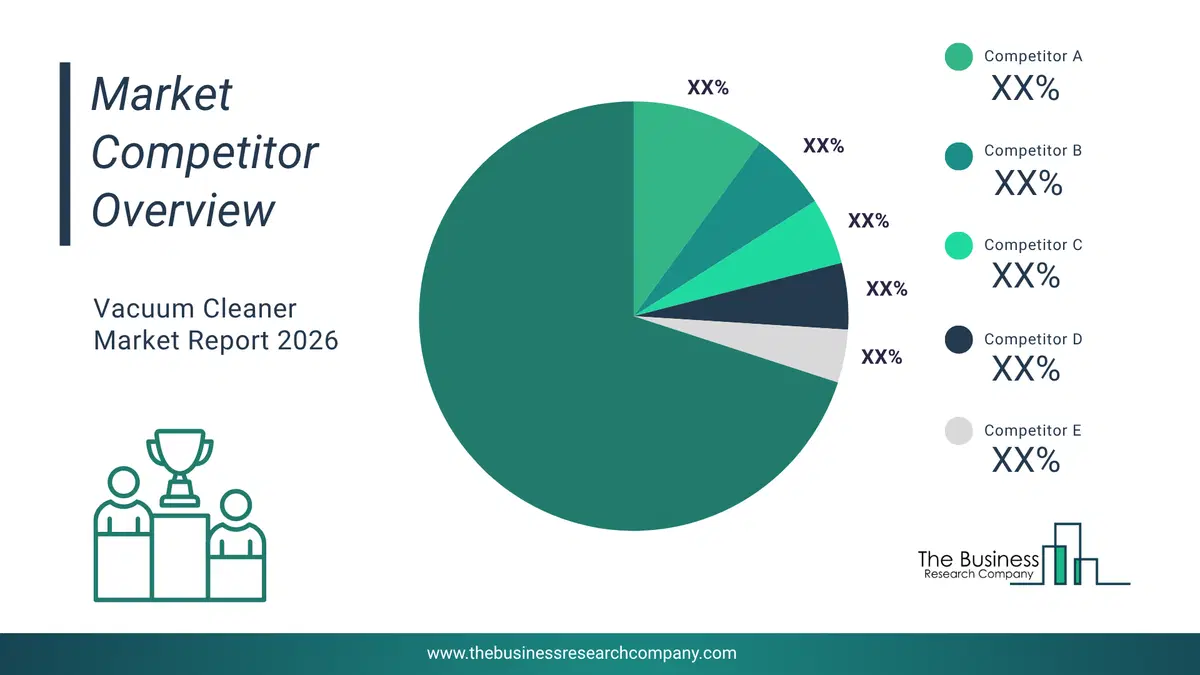
This chart is for illustrative purposes; the full report includes a detailed competitor analysis and comprehensive overview of the top 10 companies in the market.
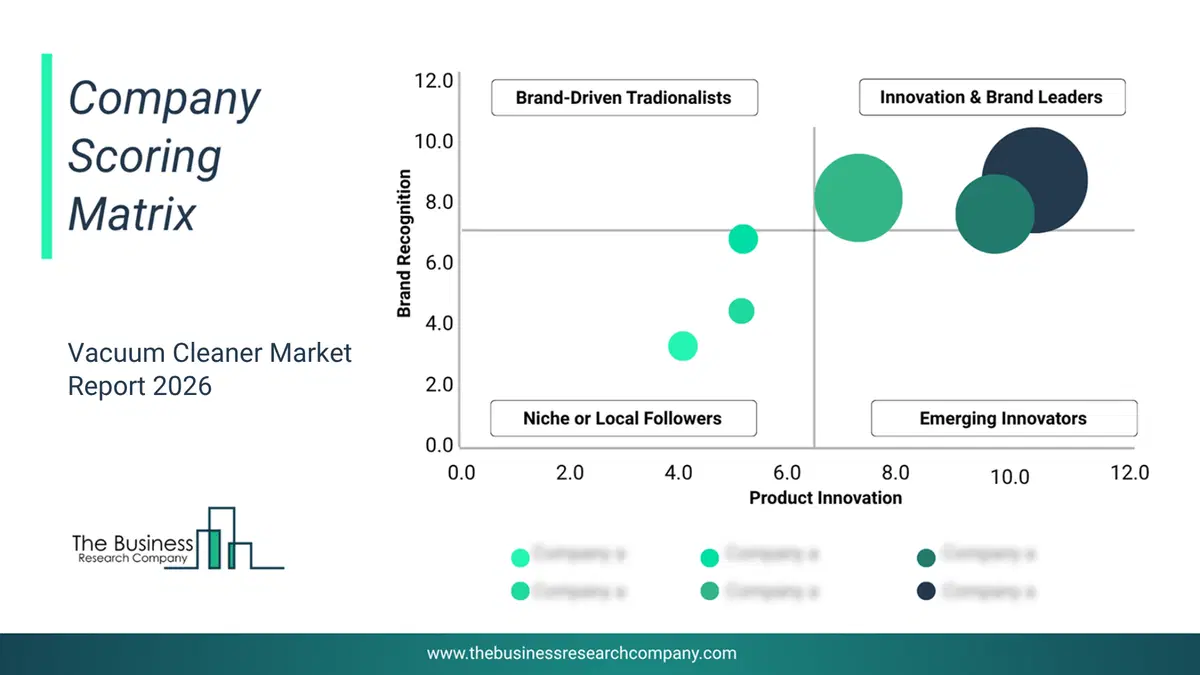
This chart maps companies by product innovation and brand strength, with bubble size indicating relative revenue, helping identify market leaders, challengers, and niche players. This is an illustrative chart; the full report provides a complete and accurate competitive analysis.
Global Vacuum Cleaner Market Trends and Insights
Major companies operating in the vacuum cleaner market are increasing their focus on introducing advanced vacuum cleaners, such as Dyson V15s Detect Submarine, to maximize their revenue in the market. Innovative vacuum cleaners are cutting-edge cleaning devices that incorporate advanced technology and features to enhance efficiency, convenience, and performance in removing dirt and debris from various surfaces. For instance, in September 2023, Dayson, a Singapore-based consumer electronics company, launched its first all-in-one wet-and-dry cordless vacuum cleaner, the Dyson V15s Detect Submarine. The wet roller head of the Dyson Submarine has been engineered to provide the ideal amount of water for effectively removing stains, spills, and small dry debris such as crumbs. The motorized wet roller of the Dyson Submarine picks up liquids, debris, and tough stains, which are continuously extracted from the roller with each rotation, while the wet roller head technology washes hard floors with clean water from start to finish.What Are Latest Mergers And Acquisitions In The Vacuum Cleaner Market?
In February 2024, AxFlow Group, a Sweden-based provider of fluid handling solutions, partnered with Atlas Copco Industrial Vacuum for an undisclosed amount. The partnership aims to enhance customer value by integrating resources from both companies, resulting in a comprehensive offering that includes an expanded product portfolio and improved services. This collaboration will provide optimized solutions specifically designed for processing industries that depend on fluid handling and vacuum technology. Atlas Copco Industrial Vacuum is a Sweden-based manufacturer of vacuum pumps.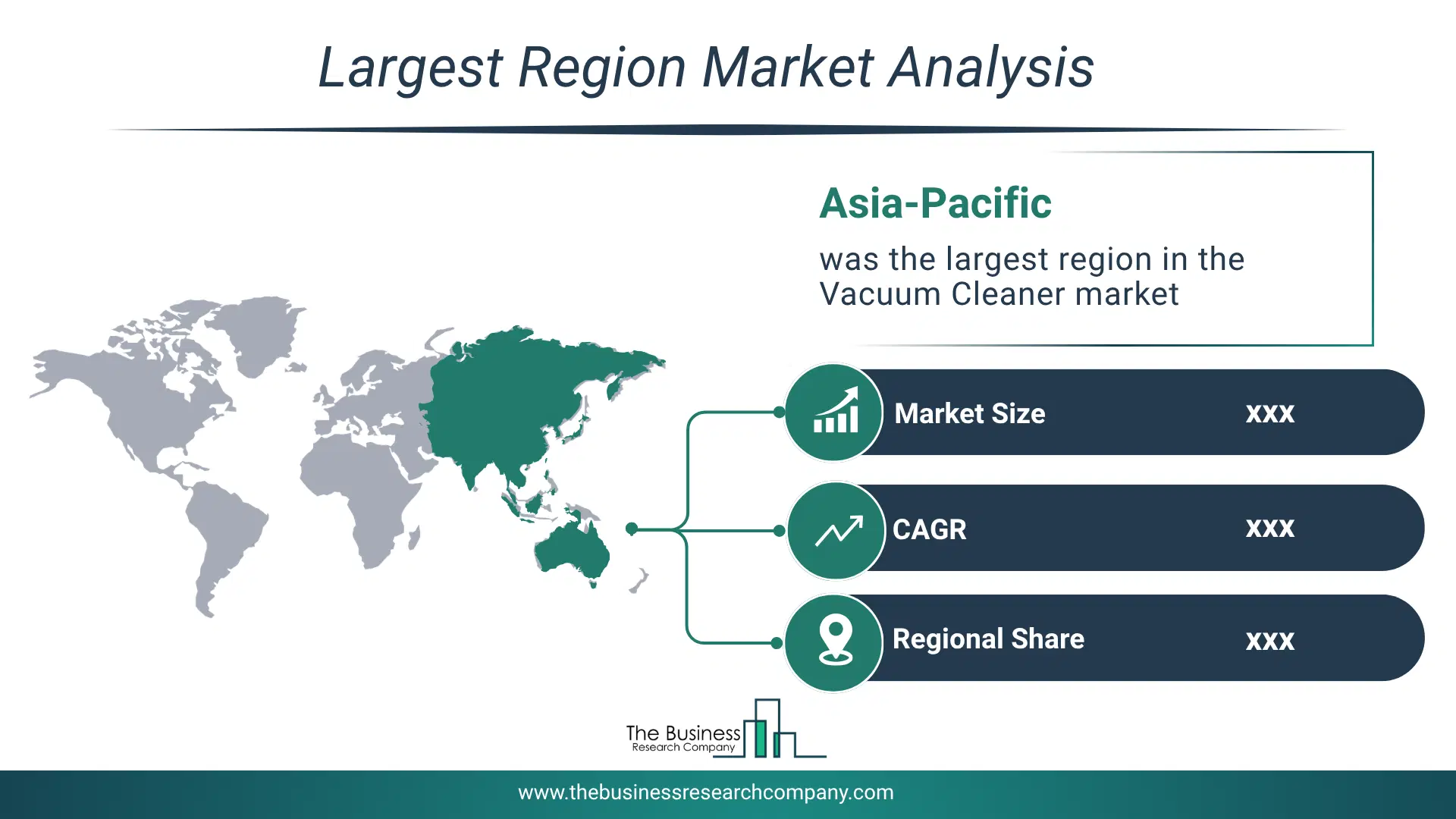
Regional Outlook
Asia-Pacific was the largest region in the vacuum cleaner market share in 2025. Asia-Pacific is expected to be the fastest-growing region in the forecast period. The regions covered in this market report are Asia-Pacific, South East Asia, Western Europe, Eastern Europe, North America, South America, Middle East, Africa. The countries covered in this market report are Australia, Brazil, China, France, Germany, India, Indonesia, Japan, Taiwan, Russia, South Korea, UK, USA, Canada, Italy, Spain.What Defines the Vacuum Cleaner Market?
The vacuum cleaner market consists of sales of high-pressure cleaners, window or surface vacuum cleaners, floor scrubbers, walk-behind vacuum cleaners, commercial vacuum cleaners, continuous-duty vacuums, explosion-proof vacuums, HEPA vacuum cleaners, shop-vacuum cleaners, stationary vacuum systems, and truck mounted vacuum cleaners. Values in this market are ‘factory gate’ values, that is the value of goods sold by the manufacturers or creators of the goods, whether to other entities (including downstream manufacturers, wholesalers, distributors, and retailers) or directly to end customers. The value of goods in this market includes related services sold by the creators of the goods.How is Market Value Defined and Measured?
The market value is defined as the revenues that enterprises gain from the sale of goods and/or services within the specified market and geography through sales, grants, or donations in terms of the currency (in USD unless otherwise specified). The revenues for a specified geography are consumption values that are revenues generated by organizations in the specified geography within the market, irrespective of where they are produced. It does not include revenues from resales along the supply chain, either further along the supply chain or as part of other products.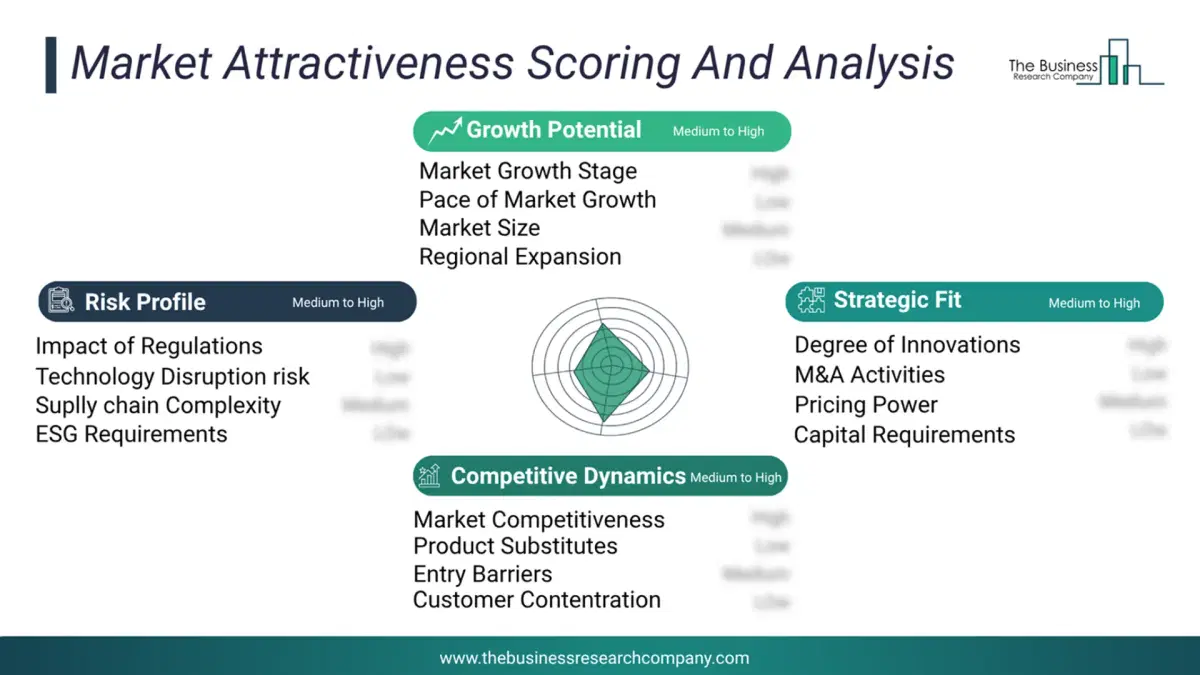
This chart presents market attractiveness based on a quantitative evaluation of growth, competition, strategic alignment, and risk, offering a clear view of opportunity areas for decision-making. This chart is for illustrative purposes; the full report contains the complete analysis.
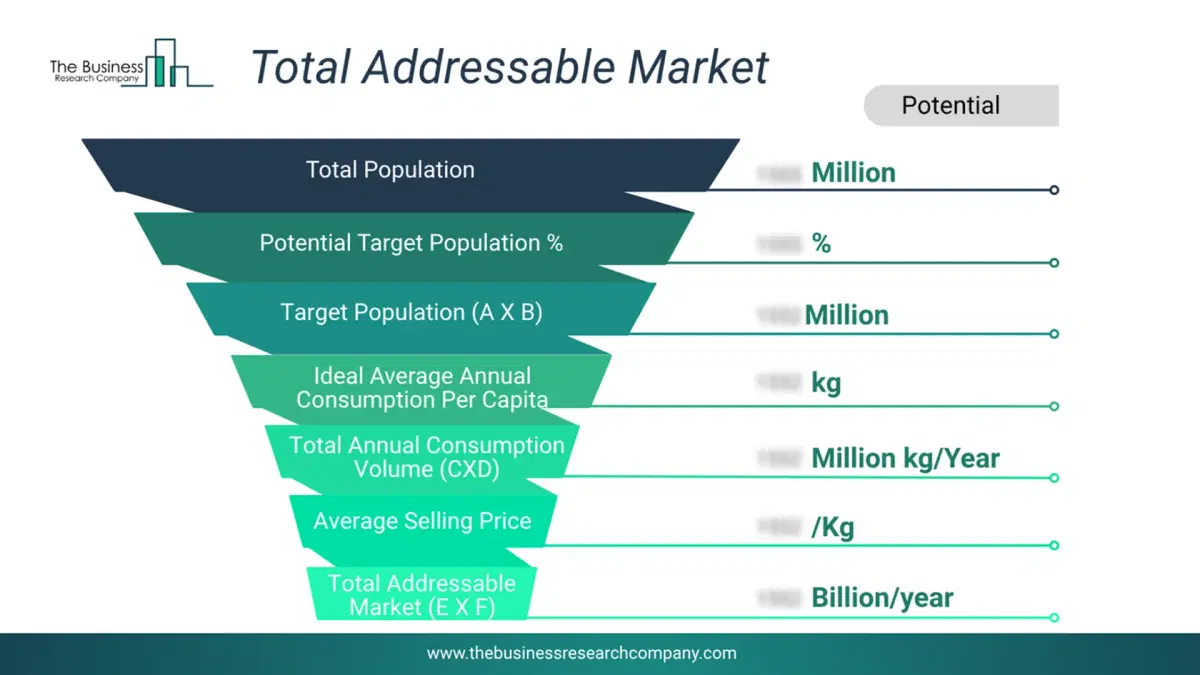
This chart highlights the Total Addressable Market (TAM) by estimating the maximum revenue opportunity using an assumption-driven approach, supporting strategic planning and opportunity sizing across markets. The chart is illustrative; the full report provides a more comprehensive analysis.
What Key Data and Analysis Are Included in the Vacuum Cleaner Market Report 2026?
The vacuum cleaner market research report is one of a series of new reports from The Business Research Company that provides market statistics, including industry global market size, regional shares, competitors with the market share, detailed market segments, market trends and opportunities, and any further data you may need to thrive in the vacuum cleaner industry. The market research report delivers a complete perspective of everything you need, with an in-depth analysis of the current and future state of the industry.Vacuum Cleaner Market Report 2026 Market Report Forecast Analysis
| Report Attribute | Details |
|---|---|
| Market Size Value In 2026 | $11.81 billion |
| Revenue Forecast In 2030 | $16.26 billion |
| Growth Rate | CAGR of 8.3% from 2026 to 2030 |
| Base Year For Estimation | 2025 |
| Actual Estimates/Historical Data | 2020-2025 |
| Forecast Period | 2026 - 2030 |
| Market Representation | Revenue in USD Billion and CAGR from 2026 to 2030 |
| Segments Covered | Product, Application, Distribution Channel |
| Regional Scope | Asia-Pacific, Western Europe, Eastern Europe, North America, South America, Middle East, Africa |
| Country Scope | The countries covered in the report are Australia, Brazil, China, France, Germany, India, Indonesia, Japan, Taiwan, Russia, South Korea, UK, USA, Canada, Italy, Spain. |
| Key Companies Profiled | Haier Group Corp., Electrolux AB, Samsung Electronics Co. Ltd., LG Electroncis Inc., Dyson Ltd., iRobot Corporation, Bissell Inc., Koninklijke Philips N.V., Panasonic Corporation, Techtronic Industries, Miele & Cie. KG, Oreck Corporation, Josef Kränzle GmbH & Co. KG, Stanley Black & Decker Inc, American Vacuum Company, Debus GmbH, Ghibli & Wirbel SpA, Pullman-Ermator, Goodway Technologies, VAC-U-MAX, CS Unitec Inc., SharkNinja, TTI Floor Care, SEB Group, Eureka Forbes, Numatic International, Quirepace Limited, Delfin Industrial Vacuums, Hoover Commercial, Polivac International Pty. Ltd. |
| Customization Scope | Request for Customization |
| Pricing And Purchase Options | Explore Purchase Options |