
Wearable Injectors Market Report 2026
Global Outlook – By Type (On-Body Injectors, Off-Body Injectors), By End-User (Hospitals, Clinics, Homecare setting), By Application (Immuno-Oncology, Diabetes, Cardiovascular Diseases, Other Applications) – Market Size, Trends, Strategies, and Forecast to 2030
Wearable Injectors Market Overview
• Wearable Injectors market size has reached to $9.84 billion in 2025 • Expected to grow to $19.77 billion in 2030 at a compound annual growth rate (CAGR) of 15% • Growth Driver: Surge In Diabetic And Chronic Disease Patients Fuels Growth Of The Wearable Injectors Market • Market Trend: Advancing Wearable Injectors For Enhanced Patient Care • North America was the largest region in 2025 and Western Europe is the fastest growing region.What Is Covered Under Wearable Injectors Market?
Wearable injectors are drug delivery devices that adhere to the body while the drug is administered subcutaneously over a preset time period. These devices allow for controlled, continuous dosing, improving patient adherence and reducing the need for frequent manual injections. The main types of wearable injectors are on-body injectors and off-body injectors. On-body injectors are drug delivery devices that are applied directly to the patient’s skin, in the abdominal region or the back of the patient’s arm. The various applications include immuno-oncology, diabetes, cardiovascular diseases, and others that are used by various end-users such as hospitals, clinics, and home care settings.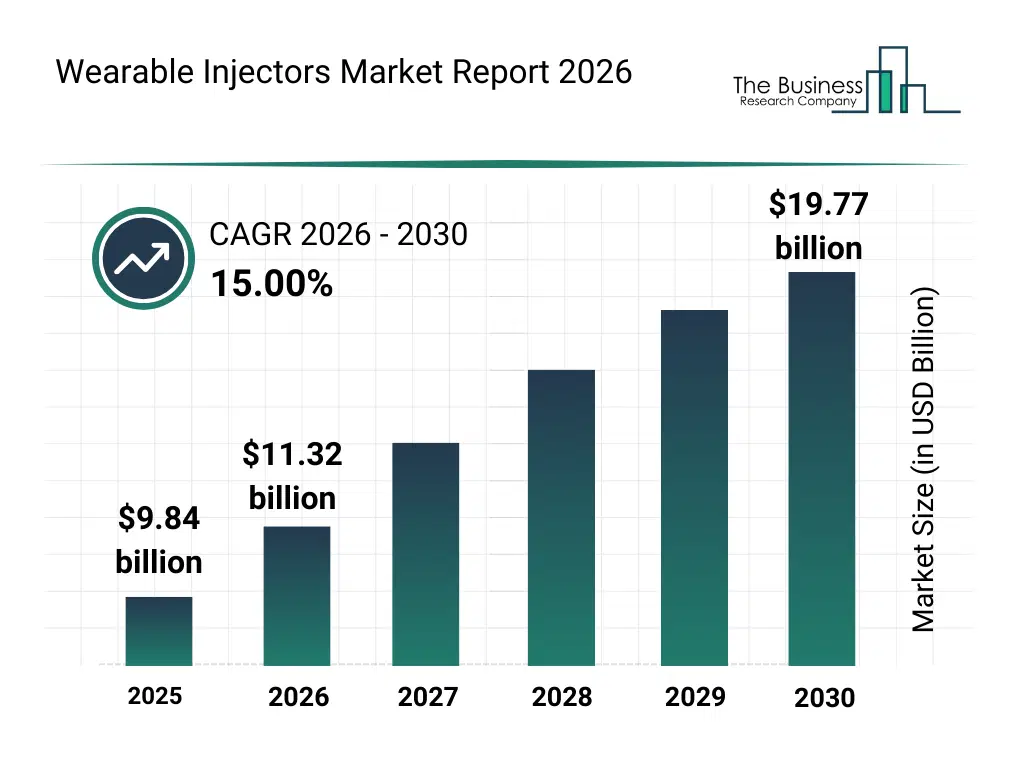
What Is The Wearable Injectors Market Size and Share 2026?
The wearable injectors market size has grown rapidly in recent years. It will grow from $9.84 billion in 2025 to $11.32 billion in 2026 at a compound annual growth rate (CAGR) of 15.0%. The growth in the historic period can be attributed to increasing prevalence of chronic diseases, rising biologics and large-molecule drug usage, expansion of self-administration therapies, advancements in drug formulation technologies, growing acceptance of wearable drug delivery devices.What Is The Wearable Injectors Market Growth Forecast?
The wearable injectors market size is expected to see rapid growth in the next few years. It will grow to $19.77 billion in 2030 at a compound annual growth rate (CAGR) of 15.0%. The growth in the forecast period can be attributed to increasing adoption of personalized medicine, rising focus on home healthcare delivery, expansion of connected drug delivery platforms, growing demand for long-duration injectors, increasing integration of digital health ecosystems. Major trends in the forecast period include increasing adoption of on-body drug delivery systems, rising demand for controlled and continuous drug administration, growing integration of smart connectivity features, expansion of home-based injectable therapies, enhanced focus on patient adherence solutions.
Global Wearable Injectors Market Segmentation
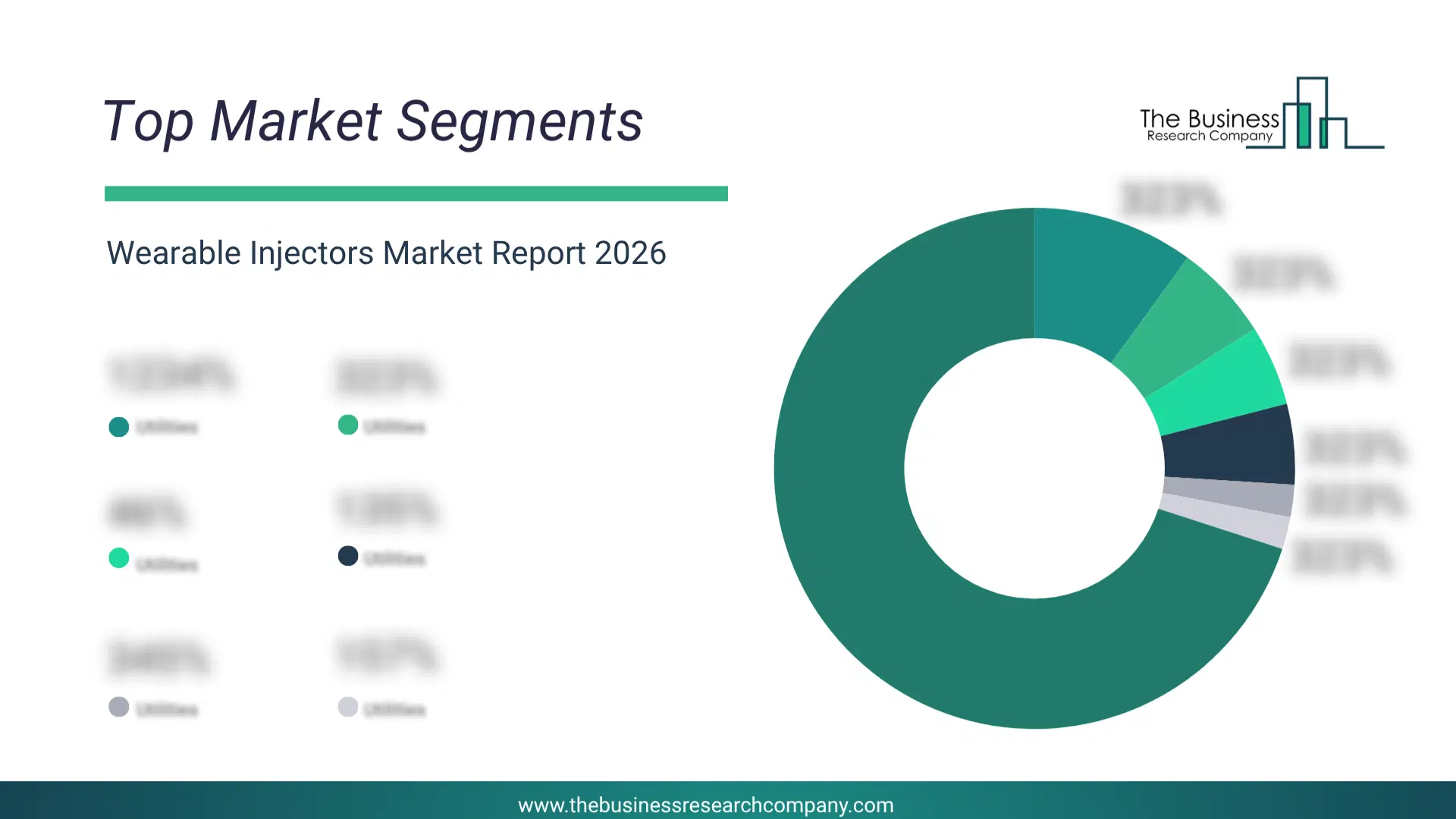
1) By Type: On-Body Injectors, Off-Body Injectors 2) By End-User: Hospitals, Clinics, Homecare setting 3) By Application: Immuno-Oncology, Diabetes, Cardiovascular Diseases, Other Applications Subsegments: 1) By On-Body Injectors: Patch-Based Injectors, Adhesive-Based Injectors, Needle-Based Injectors, Needle-Free Injectors 2) By Off-Body Injectors: Belt-Based Injectors, Off-Body Continuous Delivery Injectors, Clip-Based InjectorsWhat Is The Driver Of The Wearable Injectors Market?
The increasing prevalence of chronic conditions such as diabetes, cardiovascular diseases, and cancer is expected to propel the growth of the wearable injectors market going forward. Chronic conditions refer to long-lasting, progressive health disorders that require ongoing medical management, continuous monitoring, and sustained drug therapy. The prevalence of chronic diseases is rising due to aging populations, sedentary lifestyles, poor dietary habits, and increasing rates of obesity and metabolic disorders, resulting in a greater need for long-term, self-administered treatments. Wearable injectors support the management of chronic conditions by enabling painless, controlled, and convenient drug delivery outside clinical settings, improving treatment adherence and reducing healthcare burden. For instance, in April 2023, the British Diabetic Association, a UK-based diabetes charity, reported that approximately 4.3 million people in the UK were diagnosed with diabetes, of which nearly 90% had type 2 diabetes, 8% had type 1 diabetes, and the remaining 2% had other forms of the disease. Therefore, the increasing prevalence of chronic conditions is expected to drive the growth of the wearable injectors industry.Key Players In The Global Wearable Injectors Market
Major companies operating in the wearable injectors market are Amgen Inc., Becton Dickinson and Company (BD), Enable Injections LLC, Insulet Corporation, Ypsomed Holding AG, Medtronic MiniMed Inc., Tandem Diabetes Care Inc., Valeritas Inc., West Pharmaceutical Services Inc., Sensile Medical AG, Gerresheimer AG, Consort Medical plc, Debiotech SA, Cellnovo Group, EoFlow Co. Ltd., CeQur SA, Haselmeier AG, Johnson & Johnson, kaleo Inc., Mylan N.V., Nemera Development S.A., F. Hoffmann-La Roche Ltd, Zosano Pharma Corporation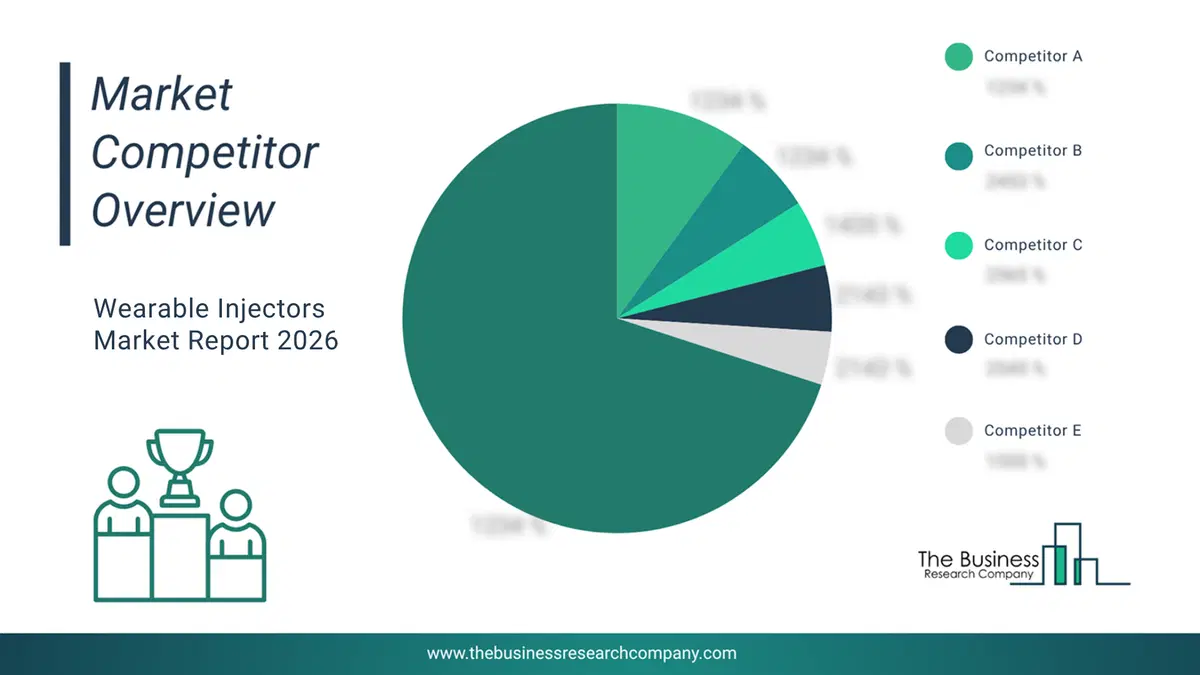
This chart is for illustrative purposes; the full report includes a detailed competitor analysis and comprehensive overview of the top 10 companies in the market.
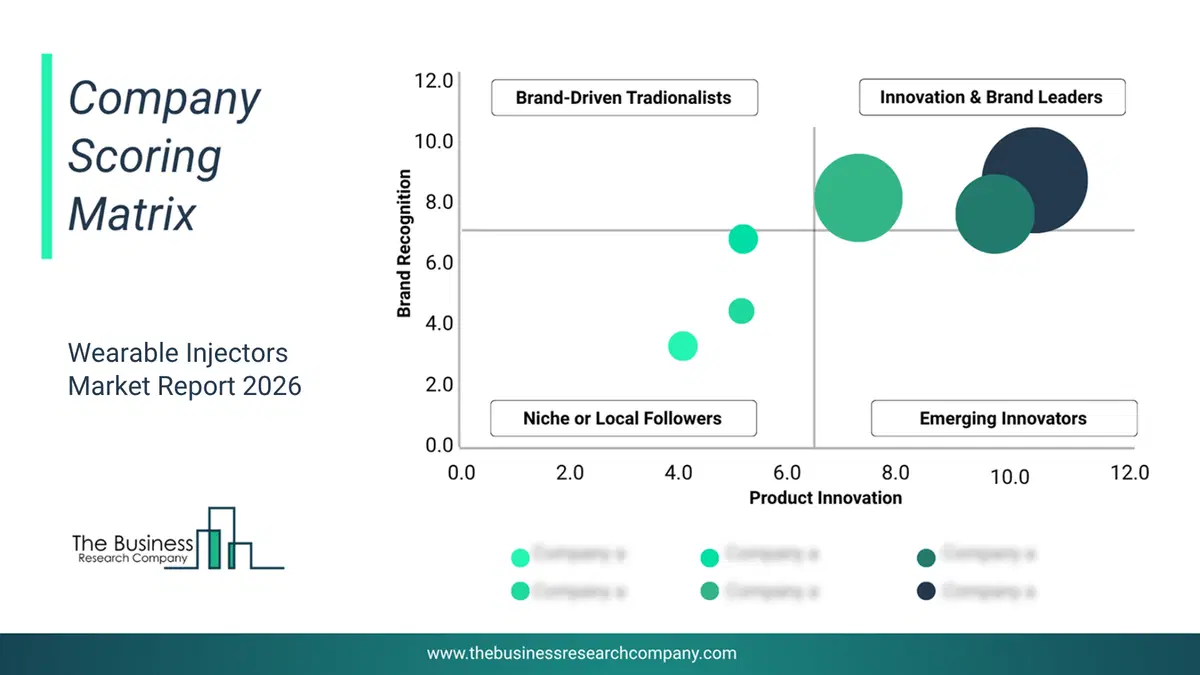
This chart maps companies by product innovation and brand strength, with bubble size indicating relative revenue, helping identify market leaders, challengers, and niche players. This is an illustrative chart; the full report provides a complete and accurate competitive analysis.
Global Wearable Injectors Market Trends and Insights
Many companies in the wearable injectors manufacturing market are focusing on developing advanced products such as on-body injector (OBI), to enhance patient convenience, improve adherence to prescribed treatments, and address the growing demand for self-administration of biologics. An On-Body Injector (OBI) is a wearable drug delivery device designed to administer medications subcutaneously over a specified period, offering convenience for patients requiring large-volume or timed-dose injections. For instance, in February 2024, Coherus BioSciences Inc., a US-based biotechnology company, launched UDENYCA. It is an advanced drug delivery device using the LTS Sorrel wearable platform, specifically designed for administering pegfilgrastim-cbqv, a biosimilar pegfilgrastim. This medication is used the day after chemotherapy to lower the risk of febrile neutropenia, a condition characterized by fever and low white blood cell count caused by infections. The OBI ensures precise dosing and convenience for patients by enabling at-home administration, eliminating the need for additional clinic visits.What Are Latest Mergers And Acquisitions In The Wearable Injectors Market?
In June 2023, LTS LOHMANN Therapie-Systeme AG, a Germany-based pharmaceutical company, acquired the Sorrel wearable injection device business from Eitan Medical for an undisclosed amount. The acquisition is expected to help expand LTS LOHMANN Therapie-Systeme AG's portfolio of drug delivery platforms and expand its offerings in the fields of large molecules and biologics. Eitan Medical Ltd. is an Israel-based medical device company that specializes in the development of innovative drug delivery solutions, including wearable injectors.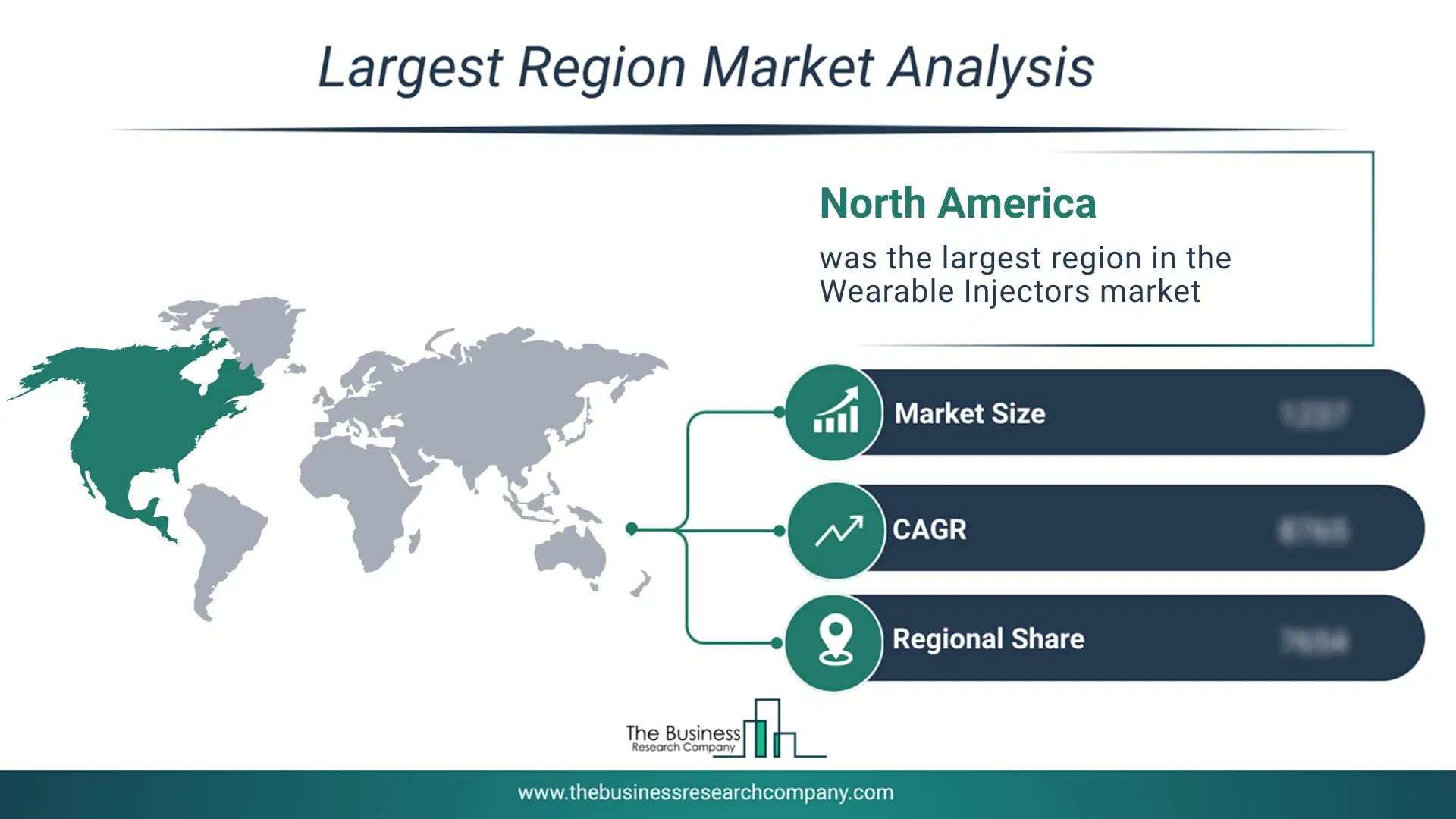
Regional Outlook
North America was the largest region in the wearable injectors market in 2025. Western Europe was the second-largest region in the wearable injectors market analysis. The regions covered in this market report are Asia-Pacific, South East Asia, Western Europe, Eastern Europe, North America, South America, Middle East, Africa. The countries covered in this market report are Australia, Brazil, China, France, Germany, India, Indonesia, Japan, Taiwan, Russia, South Korea, UK, USA, Canada, Italy, SpainWhat Defines the Wearable Injectors Market?
The wearable injectors market consists of sales of instruments such as on-body injectors and off-body injectors. Values in this market are factory gate values, that is the value of goods sold by the manufacturers or creators of the goods, whether to other entities (including downstream manufacturers, wholesalers, distributors and retailers) or directly to end customers. The value of goods in this market includes related services sold by the creators of the goods.How is Market Value Defined and Measured?
The market value is defined as the revenues that enterprises gain from the sale of goods and/or services within the specified market and geography through sales, grants, or donations in terms of the currency (in USD unless otherwise specified). The revenues for a specified geography are consumption values that are revenues generated by organizations in the specified geography within the market, irrespective of where they are produced. It does not include revenues from resales along the supply chain, either further along the supply chain or as part of other products.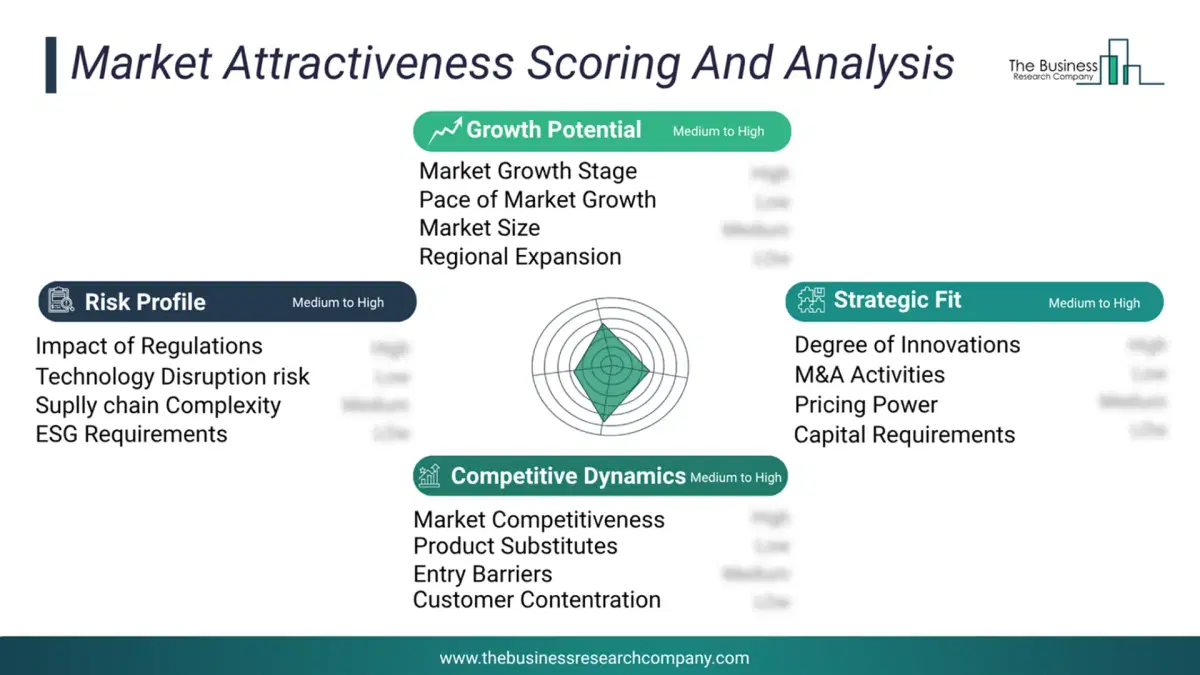
This chart presents market attractiveness based on a quantitative evaluation of growth, competition, strategic alignment, and risk, offering a clear view of opportunity areas for decision-making. This chart is for illustrative purposes; the full report contains the complete analysis.
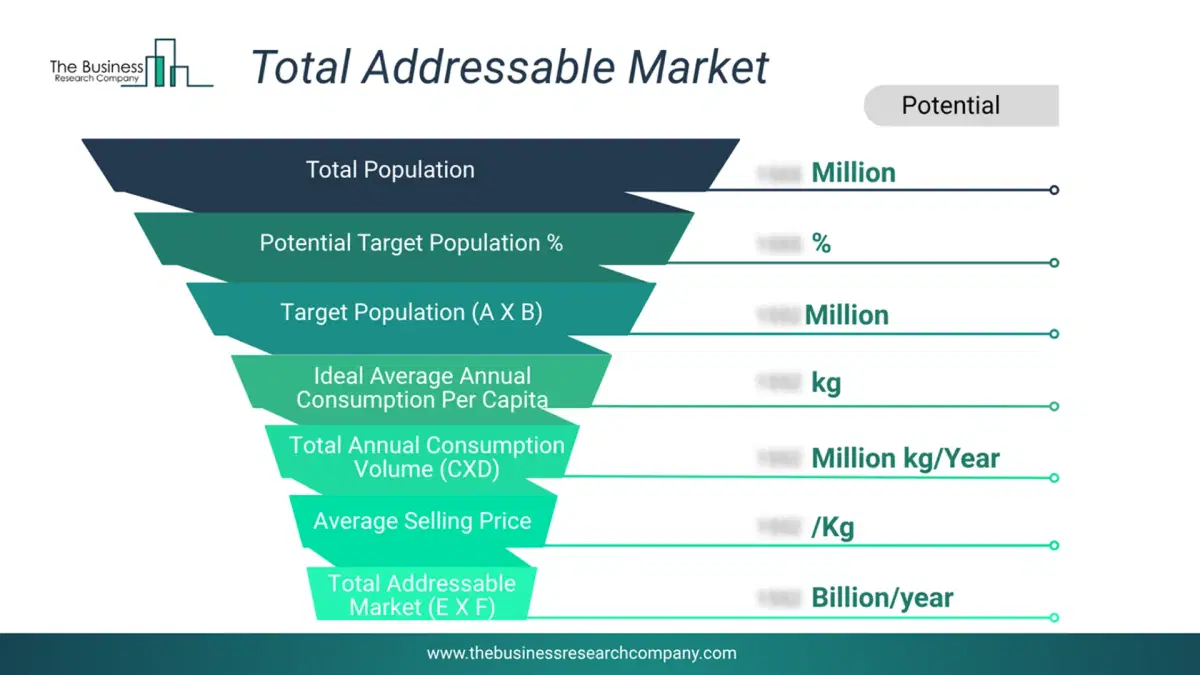
This chart highlights the Total Addressable Market (TAM) by estimating the maximum revenue opportunity using an assumption-driven approach, supporting strategic planning and opportunity sizing across markets. The chart is illustrative; the full report provides a more comprehensive analysis.
What Key Data and Analysis Are Included in the Wearable Injectors Market Report 2026?
The wearable injectors market research report is one of a series of new reports from The Business Research Company that provides market statistics, including industry global market size, regional shares, competitors with the market share, detailed market segments, market trends and opportunities, and any further data you may need to thrive in the wearable injectors industry. The market research report delivers a complete perspective of everything you need, with an in-depth analysis of the current and future state of the industry.Wearable Injectors Market Report Forecast Analysis
| Report Attribute | Details |
|---|---|
| Market Size Value In 2026 | $11.32 billion |
| Revenue Forecast In 2030 | $19.77 billion |
| Growth Rate | CAGR of 15% from 2026 to 2030 |
| Base Year For Estimation | 2025 |
| Actual Estimates/Historical Data | 2020-2025 |
| Forecast Period | 2026 - 2030 |
| Market Representation | Revenue in USD Billion and CAGR from 2026 to 2030 |
| Segments Covered | Type, End-User, Application |
| Regional Scope | Asia-Pacific, Western Europe, Eastern Europe, North America, South America, Middle East, Africa |
| Country Scope | The countries covered in the report are Australia, Brazil, China, France, Germany, India, Indonesia, Japan, Taiwan, Russia, South Korea, UK, USA, Canada, Italy, Spain. |
| Key Companies Profiled | Amgen Inc., Becton Dickinson and Company (BD), Enable Injections LLC, Insulet Corporation, Ypsomed Holding AG, Medtronic MiniMed Inc., Tandem Diabetes Care Inc., Valeritas Inc., West Pharmaceutical Services Inc., Sensile Medical AG, Gerresheimer AG, Consort Medical plc, Debiotech SA, Cellnovo Group, EoFlow Co. Ltd., CeQur SA, Haselmeier AG, Johnson & Johnson, kaleo Inc., Mylan N.V., Nemera Development S.A., F. Hoffmann-La Roche Ltd, Zosano Pharma Corporation |
| Customization Scope | Request for Customization |
| Pricing And Purchase Options | Explore Purchase Options |