
Environmental Monitoring Market Report 2026
Global Outlook – By Component (Particulate Detection, Chemical Detection, Biological Detection, Temperature Sensing, Moisture Detection, Noise Measurement), By Sampling Method (Continuous Monitoring, Active Monitoring, Passive Monitoring, Intermittent Monitoring), By Application (Air Pollution, Water Pollution, Soil Pollution, Noise Pollution), By End-User (Government, Consumer Electronics, Retail, Medical) – Market Size, Trends, Strategies, and Forecast to 2030
Environmental Monitoring Market Overview
• Environmental Monitoring market size has reached to $18.68 billion in 2025 • Expected to grow to $24.36 billion in 2030 at a compound annual growth rate (CAGR) of 5.4% • Growth Driver: Increasing Level Of Air Pollution Fuels Growth In The Environmental Monitoring Market • Market Trend: Advanced Environmental Monitoring Systems Transforming The Market • North America was the largest region in 2025 and Asia-Pacific is the fastest growing region.What Is Covered Under Environmental Monitoring Market?
Environmental monitoring refers to the systematic process of observing, measuring, and assessing various environmental factors to understand and manage the condition of ecosystems, natural resources, and the overall environment. Environmental monitoring protects ecosystems, human health, and overall environmental quality by providing essential data for informed decision-making and proactive ecological management strategies. The main types of environmental monitoring are particulate detection, chemical detection, biological detection, temperature sensing, moisture detection, and noise measurement. Particulate detection refers to the identification and measurement of solid or liquid particles suspended in a medium. The sampling methods used are continuous monitoring, active monitoring, passive monitoring, and intermittent monitoring. These are used in various applications, including air pollution, water pollution, soil pollution, and noise pollution, and are used by various end-users, including the government, consumer electronics, retail, and medical.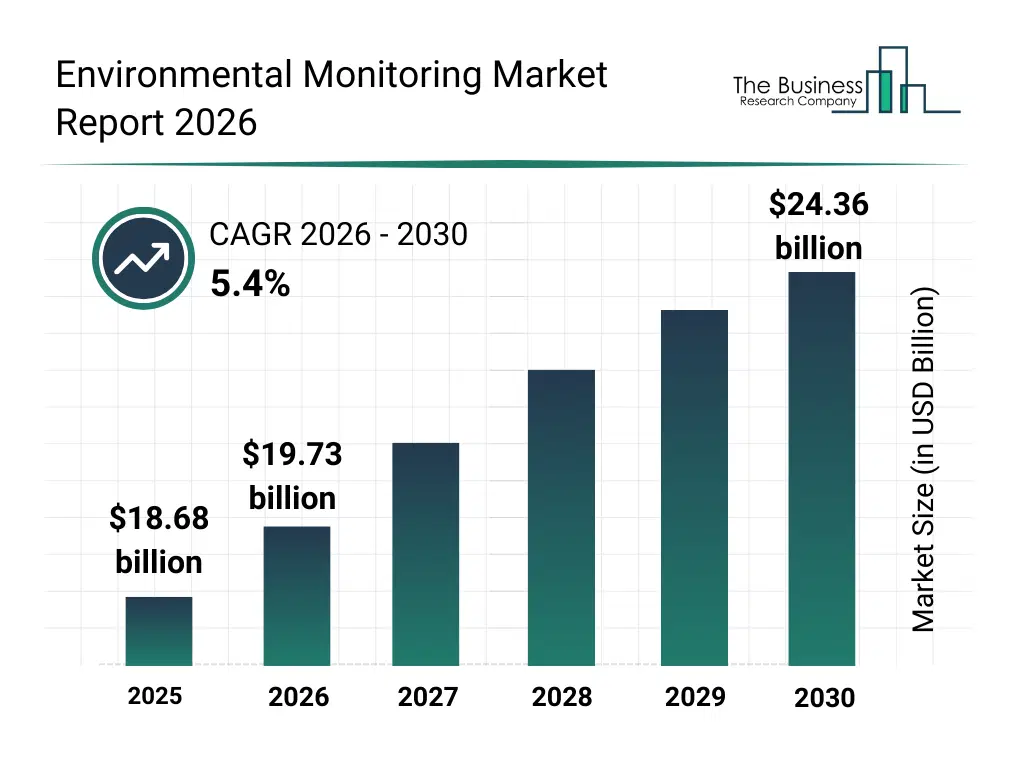
What Is The Environmental Monitoring Market Size and Share 2026?
The environmental monitoring market size has grown strongly in recent years. It will grow from $18.68 billion in 2025 to $19.73 billion in 2026 at a compound annual growth rate (CAGR) of 5.6%. The growth in the historic period can be attributed to growing industrialization and urbanization, increasing environmental awareness, advancements in sensor technologies, government regulations on pollution, rising incidents of environmental disasters.What Is The Environmental Monitoring Market Growth Forecast?
The environmental monitoring market size is expected to see strong growth in the next few years. It will grow to $24.36 billion in 2030 at a compound annual growth rate (CAGR) of 5.4%. The growth in the forecast period can be attributed to integration of AI and iot in monitoring systems, expansion of smart cities initiatives, demand for real-time environmental data, adoption of automated monitoring solutions, increasing public-private collaborations for sustainability. Major trends in the forecast period include real-time environmental data acquisition, remote sensing technologies, predictive environmental analytics, smart sensor integration, automated compliance monitoring.
Global Environmental Monitoring Market Segmentation
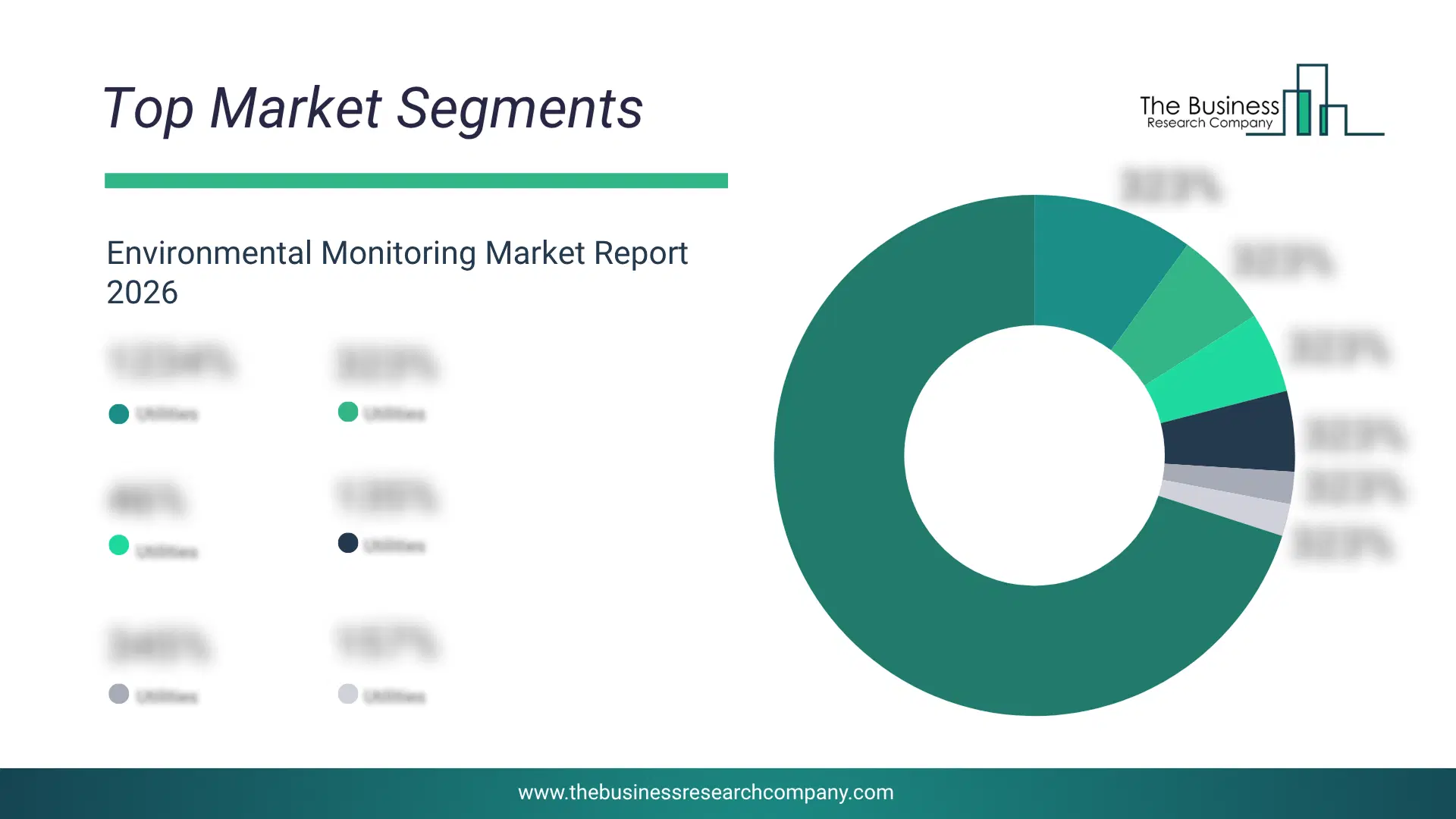
1) By Component: Particulate Detection, Chemical Detection, Biological Detection, Temperature Sensing, Moisture Detection, Noise Measurement 2) By Sampling Method: Continuous Monitoring, Active Monitoring, Passive Monitoring, Intermittent Monitoring 3) By Application: Air Pollution, Water Pollution, Soil Pollution, Noise Pollution 4) By End-User: Government, Consumer Electronics, Retail, Medical Subsegments: 1) By Particulate Detection: PM2.5 Detection, PM10 Detection, Dust Detection 2) By Chemical Detection: Gas Detection (CO2, CO, VOCs), Hazardous Chemical Detection, Air Quality Sensors 3) By Biological Detection: Pathogen Detection, Bioterrorism Agent Detection, Microbial Contamination Sensors 4) By Temperature Sensing: Ambient Temperature Sensors, High-Temperature Sensors, Infrared Temperature Sensors 5) By Moisture Detection: Humidity Sensors, Water Leak Detection, Soil Moisture Sensors 6) By Noise Measurement: Sound Level Meters, Acoustic Monitoring Sensors, Noise Pollution Monitoring SystemsWhat Is The Driver Of The Environmental Monitoring Market?
The rising level of air pollution is expected to propel the growth of the environmental monitoring market going forward. Air pollution refers to the presence of harmful or excessive quantities of substances in the Earth's atmosphere, which can pose risks to human health, the environment, and the overall quality of life. Air pollution is increasing due to the escalating emissions of pollutants from industrial activities, vehicular exhaust, and other human sources. Environmental monitoring is used to track the levels and trends of air pollution over time, identify sources of pollution, assess compliance with regulatory standards, and inform policy decisions to safeguard public health and the environment against the detrimental impacts of air pollution. For instance, in February 2024, according to the Government of New South Wales, an Australia-based governing body of New South Wales, the state saw an increase in particle pollution, with particulate matter (PM10 and PM2.5) rising by about 30% in 2023 compared to the previous year. Furthermore, in February 2024, according to the World Health Organization, a Switzerland-based intergovernmental organization, approximately 7 million premature deaths occur annually due to the association of ambient air pollution and household air pollution. Therefore, the rising level of air pollution is driving the growth of the environment monitoring market.Key Players In The Global Environmental Monitoring Market
Major companies operating in the environmental monitoring market are Siemens AG; General Electric Company; Thermo Fisher Scientific Inc.; Honeywell International Inc.; 3M Company; Danaher Corporation; Texas Instruments Inc.; TE Connectivity Ltd.; Emerson Electric Co.; Agilent Technologies Inc.; Teledyne Technologies Incorporated; AMS AG; Shimadzu Corporation; PerkinElmer Inc.; HORIBA Ltd.; Spectris plc; Forbes Marshall; Environmental Sensors Inc.; Vaisala Oyj; SGX Sensortech Ltd.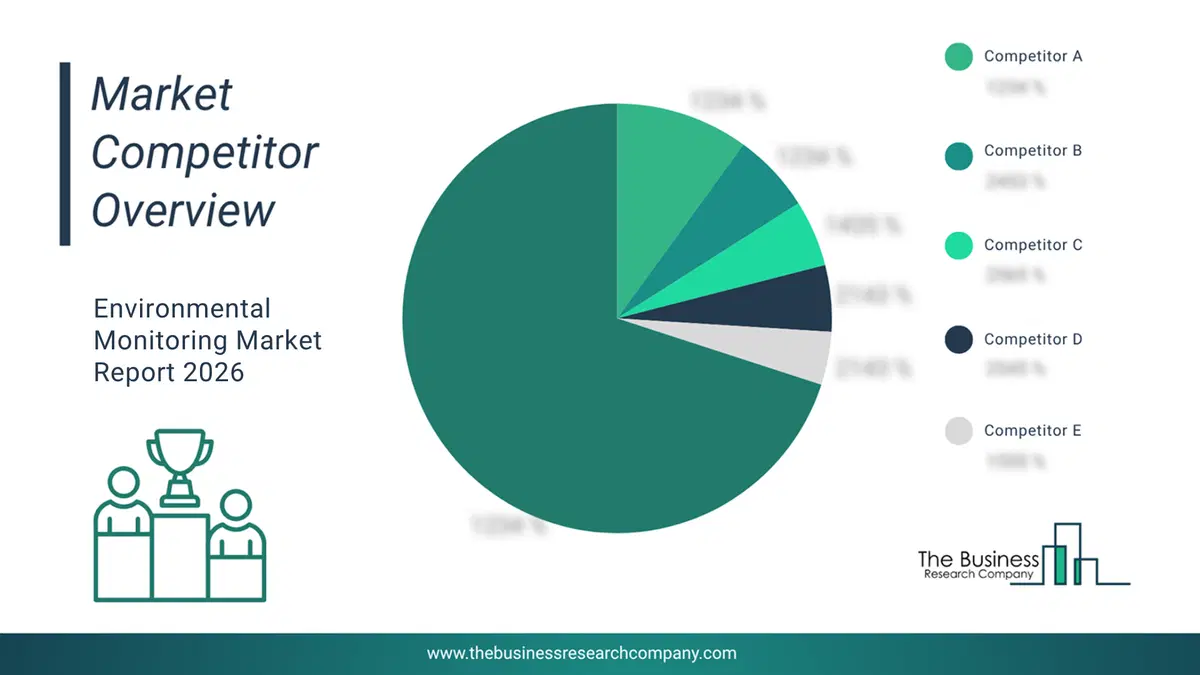
This chart is for illustrative purposes; the full report includes a detailed competitor analysis and comprehensive overview of the top 10 companies in the market.
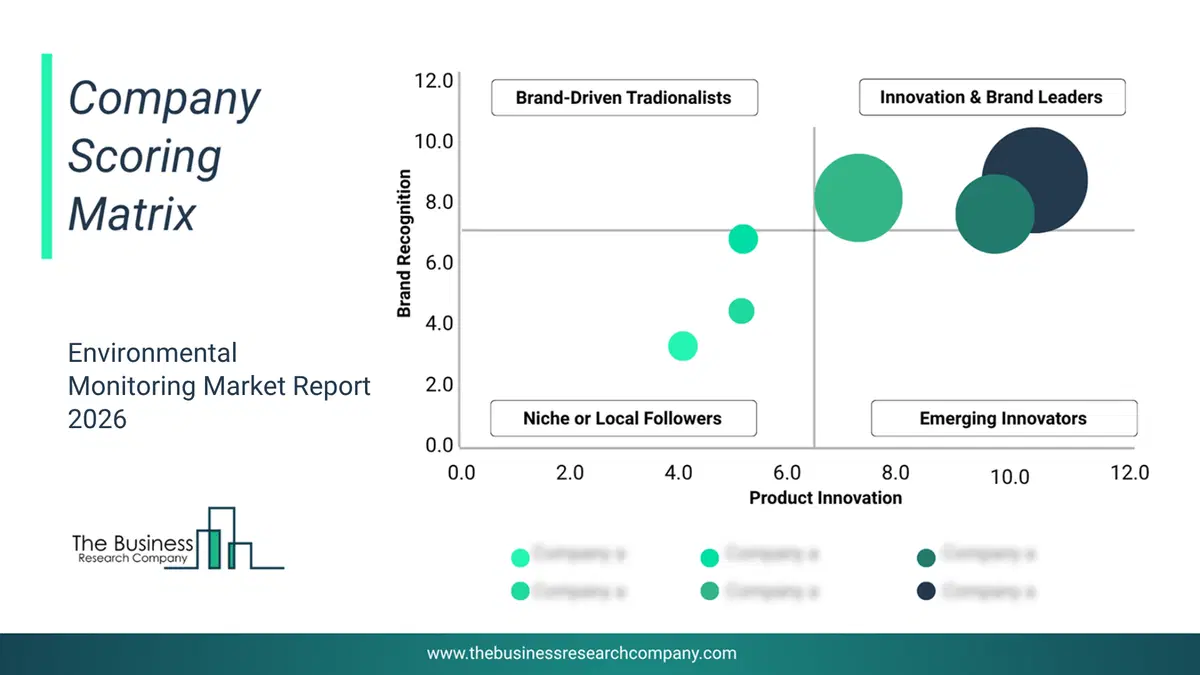
This chart maps companies by product innovation and brand strength, with bubble size indicating relative revenue, helping identify market leaders, challengers, and niche players. This is an illustrative chart; the full report provides a complete and accurate competitive analysis.
Global Environmental Monitoring Market Trends and Insights
Major companies operating in the environmental monitoring market are developing innovative solutions, such as ASIO environmental monitoring systems, to gain a competitive edge in the market. ASIO environmental monitoring systems refer to integrated networks of sensors, instruments, and technologies designed to measure and track various environmental parameters such as air quality, water quality, soil conditions, weather patterns, and biodiversity. For instance, in June 2023, BIRD Aerosystems, an Israel-based defense technology and solutions company, launched the ASIO environmental monitoring system, a cutting-edge solution for detecting and addressing maritime pollution, particularly oil spills. Integrating advanced technology such as the SEA EYE sensor, this innovative system offers real-time detection and classification of oil and organic substances on the water's surface, allowing for swift response and mitigation efforts. With AI capabilities and prediction tools, the ASIO system enables authorities to manage environmental crises effectively, minimizing ecological and economic impacts while ensuring efficient cleanup operations.What Are Latest Mergers And Acquisitions In The Environmental Monitoring Market?
In October 2024, Senseca, a Germany-based company specializing in environmental monitoring and measurement technology, acquired Biral for an undisclosed amount. Through this acquisition, Senseca aims to strengthen its leadership in environmental sensor technology and expand its portfolio of precision weather monitoring solutions for sectors such as renewable energy, aviation, marine, infrastructure, and road safety. Biral is a UK-based company providing high-precision meteorological sensors for visibility, present weather conditions, and thunderstorm detection.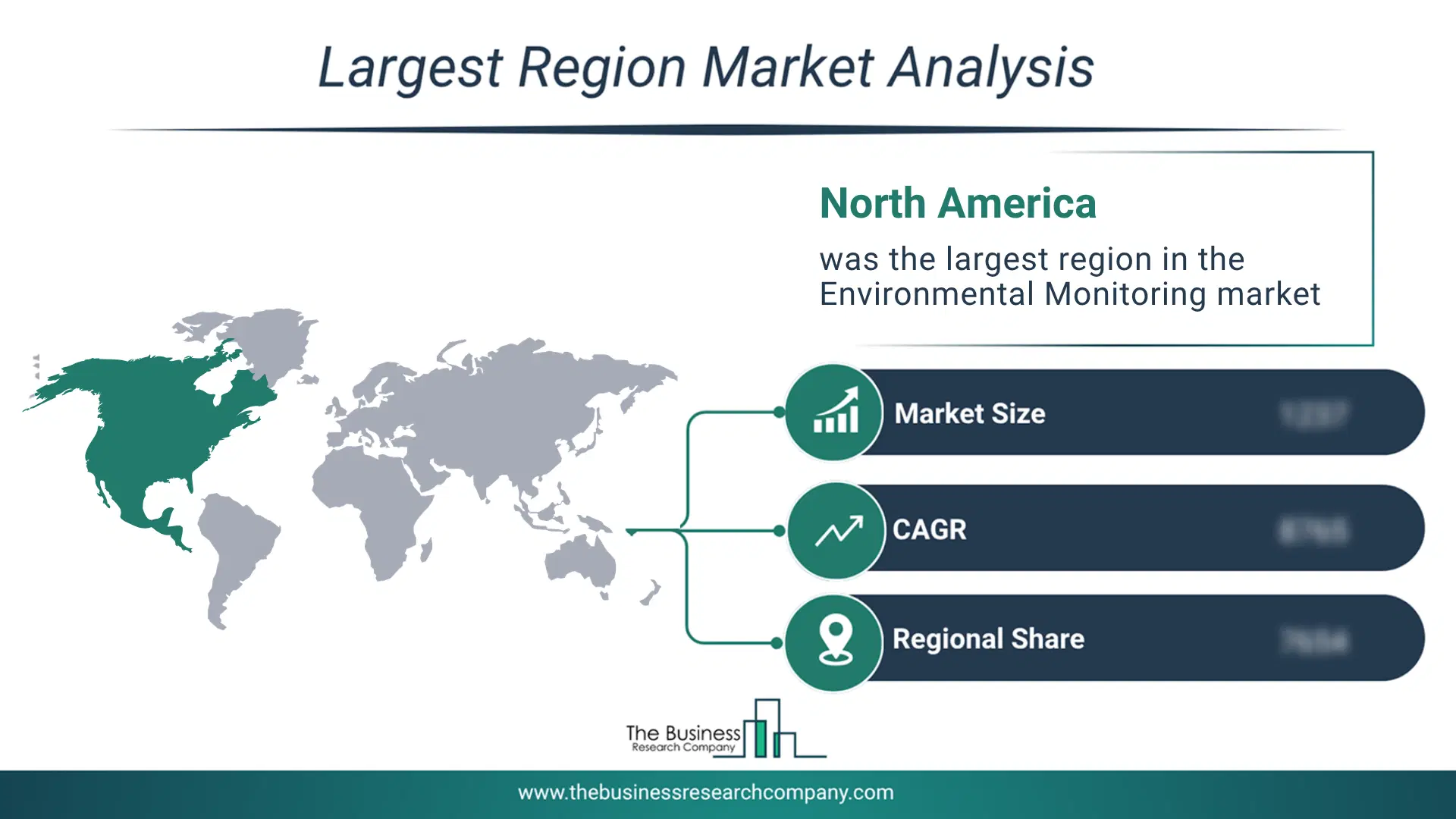
Regional Insights
North America was the largest region in the environmental monitoring market in 2025. Asia-Pacific is expected to be the fastest-growing region in the forecast period. The regions covered in this market report are Asia-Pacific, South East Asia, Western Europe, Eastern Europe, North America, South America, Middle East, Africa. The countries covered in this market report are Australia, Brazil, China, France, Germany, India, Indonesia, Japan, Taiwan, Russia, South Korea, UK, USA, Canada, Italy, SpainWhat Defines the Environmental Monitoring Market?
The environmental monitoring market consists of revenues earned by entities by providing services such as air quality monitoring services, water quality monitoring services, remote sensing, and geographic information system (GIS) services. The market value includes the value of related goods sold by the service provider or included within the service offering. The environmental monitoring market also includes sales of sensors, analytical instruments, data loggers, and recorders. Values in this market are ‘factory gate’ values, that is the value of goods sold by the manufacturers or creators of the goods, whether to other entities (including downstream manufacturers, wholesalers, distributors and retailers) or directly to end customers. The value of goods in this market includes related services sold by the creators of the goods.How is Market Value Defined and Measured?
The market value is defined as the revenues that enterprises gain from the sale of goods and/or services within the specified market and geography through sales, grants, or donations in terms of the currency (in USD unless otherwise specified). The revenues for a specified geography are consumption values that are revenues generated by organizations in the specified geography within the market, irrespective of where they are produced. It does not include revenues from resales along the supply chain, either further along the supply chain or as part of other products.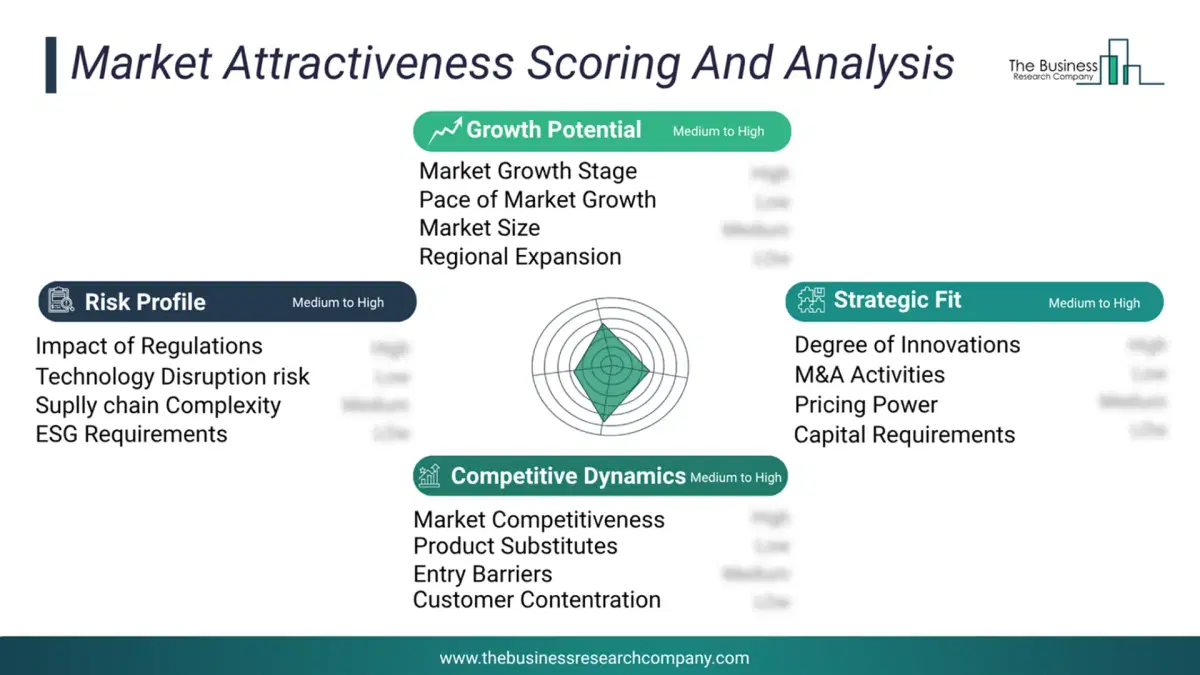
This chart presents market attractiveness based on a quantitative evaluation of growth, competition, strategic alignment, and risk, offering a clear view of opportunity areas for decision-making. This chart is for illustrative purposes; the full report contains the complete analysis.
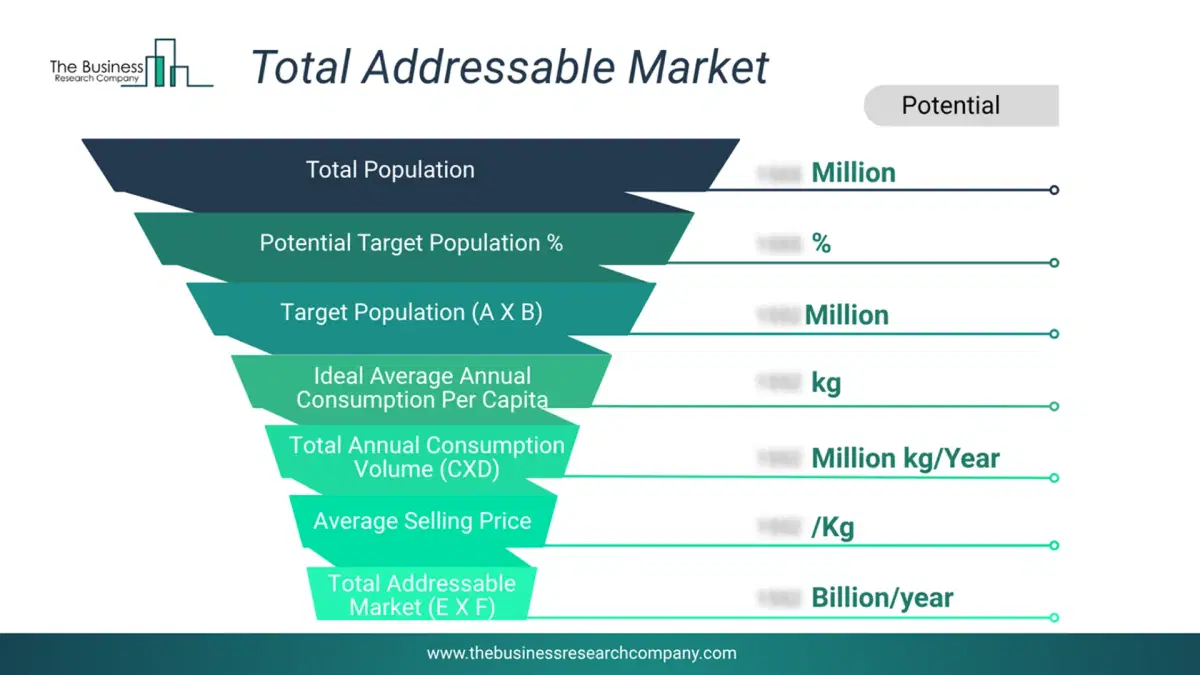
This chart highlights the Total Addressable Market (TAM) by estimating the maximum revenue opportunity using an assumption-driven approach, supporting strategic planning and opportunity sizing across markets. The chart is illustrative; the full report provides a more comprehensive analysis.
What Key Data and Analysis Are Included in the Environmental Monitoring Market Report 2026?
The environmental monitoring market research report is one of a series of new reports from The Business Research Company that provides market statistics, including industry global market size, regional shares, competitors with the market share, detailed market segments, market trends and opportunities, and any further data you may need to thrive in the environmental monitoring industry. The market research report delivers a complete perspective of everything you need, with an in-depth analysis of the current and future state of the industry.Environmental Monitoring Market Report Forecast Analysis
| Report Attribute | Details |
|---|---|
| Market Size Value In 2026 | $19.73 billion |
| Revenue Forecast In 2030 | $24.36 billion |
| Growth Rate | CAGR of 5.4% from 2026 to 2030 |
| Base Year For Estimation | 2025 |
| Actual Estimates/Historical Data | 2020-2025 |
| Forecast Period | 2026 - 2030 |
| Market Representation | Revenue in USD Billion and CAGR from 2026 to 2030 |
| Segments Covered | Component, Sampling Method, Application, End-User |
| Regional Scope | Asia-Pacific, Western Europe, Eastern Europe, North America, South America, Middle East, Africa |
| Country Scope | The Countries Covered In This Market Report Are Australia, Brazil, China, France, Germany, India, Indonesia, Japan, Taiwan, Russia, South Korea, Uk, Usa, Canada, Italy, Spain. |
| Key Companies Profiled | Siemens AG, General Electric Company, Thermo Fisher Scientific Inc., Honeywell International Inc., 3M Company, Danaher Corporation, Texas Instruments Inc., TE Connectivity Ltd., Emerson Electric Co., Agilent Technologies Inc., Teledyne Technologies Incorporated, AMS AG, Shimadzu Corporation, PerkinElmer Inc., HORIBA Ltd., Spectris plc, Forbes Marshall, Environmental Sensors Inc., Vaisala Oyj, SGX Sensortech Ltd. |
| Customization Scope | Request for Customization |
| Pricing And Purchase Options | Explore Purchase Options |