

Oral Care Market Report 2026
Global Outlook – By Product Type (Toothpaste, Mouth Wash And Rinse, Teeth Whitening, Dental Floss, Tooth Brush, Orthodontic Wax), By Distribution Channel (Store-Based, Non-Store-Based), By End User (Hospitals, Dental Clinics) - Market Size, Trends, Strategies, and Forecast to 2030
Oral Care Market Overview
• Oral Care market size has reached to $54.68 billion in 2025 • Expected to grow to $81.9 billion in 2030 at a compound annual growth rate (CAGR) of 8.3% • Growth Driver: Rising Awareness Of Oral Health Fuels Growth In The Oral Care Market • Market Trend: Wavelength Technology Revolutionizes Teeth Whitening Products • Asia-Pacific was the largest region in 2025.Market Gains By 2030 – Top Opportunities By Segment
Market Gain identifies the most promising market opportunities by highlighting the segments or products expected to generate the highest incremental revenue growth over the next five years.
What Is Covered Under Oral Care Market?
Oral care is crucial for maintaining good oral health, lowering the risk of infection and inflammation in the oral cavity, and preventing systemic infection from the oral cavity. The main product types of oral care are toothpaste, mouth wash and rinse, teeth whitening, dental floss, toothbrush, and orthodontic wax. Toothpaste is used to clean, maintain, and improve the appearance and health of teeth. Toothpaste is a paste or gel dentifrice used to remove food particles and dental plaque from the teeth, control halitosis, and supply active chemicals that fight tooth decay and gum disease. The oral care products are distributed through stores and non-store based. These products are used by hospitals and dental clinics.
What Is The Oral Care Market Size and Share 2026?
The oral care market size has grown strongly in recent years. It will grow from $54.68 billion in 2025 to $59.54 billion in 2026 at a compound annual growth rate (CAGR) of 8.9%. The growth in the historic period can be attributed to increasing prevalence of dental caries and gum diseases, rising urban population and lifestyle changes, growing penetration of basic oral care products, expansion of retail and store-based distribution, increasing recommendations from dental professionals.What Is The Oral Care Market Growth Forecast?
The oral care market size is expected to see strong growth in the next few years. It will grow to $81.9 billion in 2030 at a compound annual growth rate (CAGR) of 8.3%. The growth in the forecast period can be attributed to growing demand for premium and specialized oral care products, increasing focus on preventive healthcare spending, rising popularity of electric and battery-operated toothbrushes, expanding non-store-based and e-commerce channels, increasing oral health awareness programs in emerging economies. Major trends in the forecast period include rising awareness of preventive oral hygiene practices, increasing demand for herbal and natural oral care products, growing consumption of whitening and cosmetic dental products, rising adoption of daily oral care routines across all age groups, increasing focus on sensitivity and gum care solutions.
Global Oral Care Market Segmentation
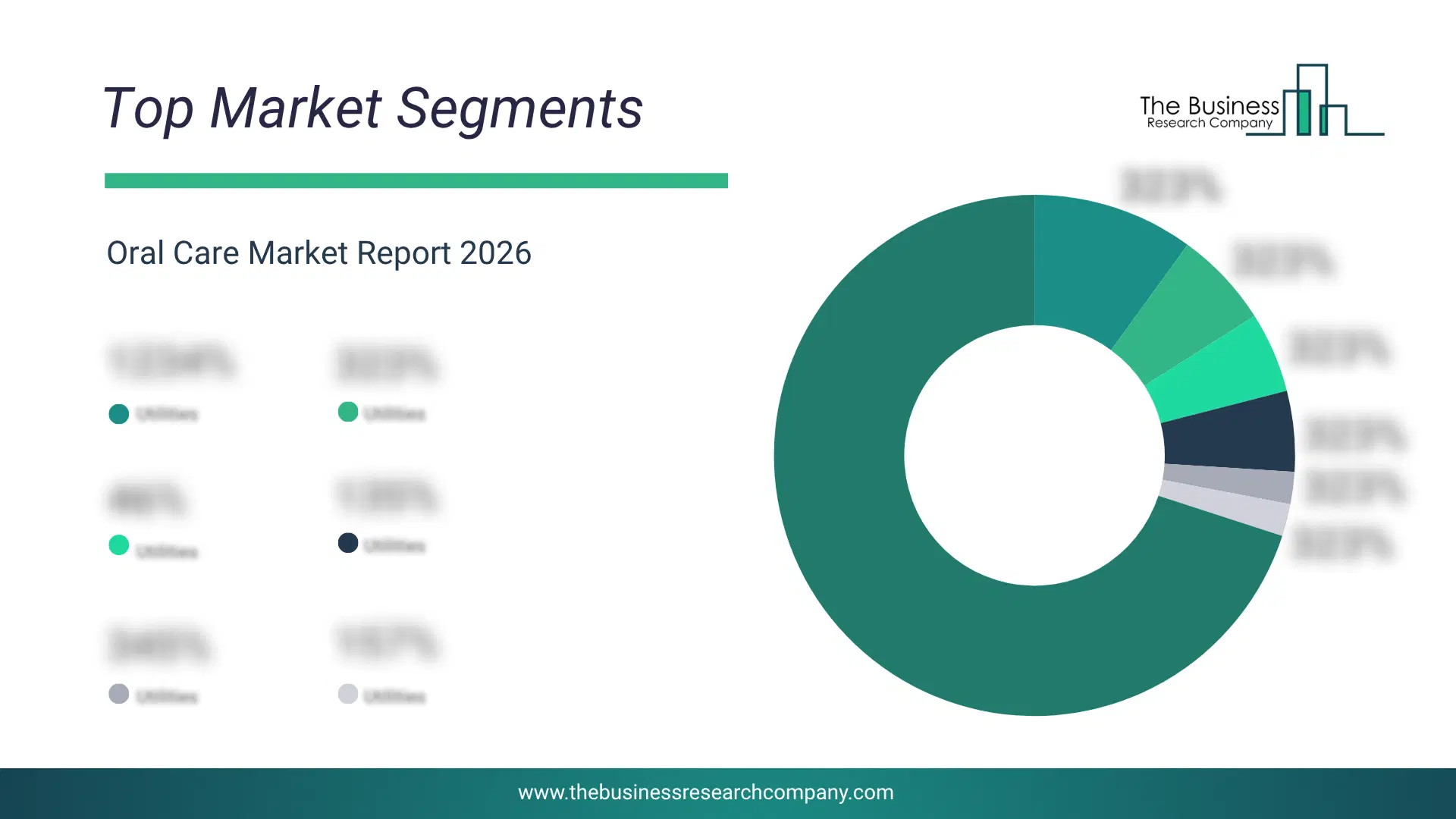
1) By Product Type: Toothpaste, Mouth Wash And Rinse, Teeth Whitening, Dental Floss, Tooth Brush, Orthodontic Wax 2) By Distribution Channel: Store-Based, Non-Store-Based 3) By End User: Hospitals, Dental Clinics Subsegments: 1) By Toothpaste: Whitening Toothpaste, Sensitive Toothpaste, Herbal Toothpaste, Fluoride Toothpaste, Children’s Toothpaste 2) By Mouth Wash And Rinse: Antiseptic Mouthwash, Cosmetic Mouthwash, Fluoride Rinse, Herbal Mouthwash 3) By Teeth Whitening: Whitening Strips, Whitening Gels, Whitening Kits, Whitening Toothpaste 4) By Dental Floss: Waxed Floss, Unwaxed Floss, Floss Picks, Dental Tape 5) By Tooth Brush: Manual Toothbrush, Electric Toothbrush, Battery-Operated Toothbrush, Children’s Toothbrush 6) By Orthodontic Wax: Mint-Flavored Wax, Unflavored Wax, Colored Orthodontic Wax The top segments in the oral care market will be: • Toothpaste will reach $31 Billion by 2030. • Tooth Brush will reach $20 Billion by 2030. • Mouth Wash and Rinse will reach $13 Billion by 2030. • Teeth Whitening will reach $8 Billion by 2030. • Dental Floss will reach $7 Billion by 2030.What Are The Drivers Of The Oral Care Market?
Increased awareness of dental health care is significantly contributing to the growth of the oral care market. Dental or oral health includes the teeth, gums, and mouth and aims to keep the mouth healthy and avoid gum disease and tooth decay. Various factors, including sugar consumption, cigarette use, alcohol use, and poor oral hygiene, are the root causes of oral diseases. Oral care helps to maintain hygiene and keep the mouth disease-free. For instance, in August 2025, according to NHS, U.K-based public funded health care system reported that, in 2024-2025, there were 35 million courses of treatment (COTs) delivered, 4% more than 2023-2024. Further, in 2024-2025, COTs for adult patients increased by 2% to 23 million, and by 7% for child patients to 12 million. Therefore, awareness of dental health care drives the growth of the oral care industry. Increased demand for dental treatments is expected to propel the growth of the oral care market going forward. Dental treatments refer to medical procedures and interventions performed by dental professionals to address oral health issues and conditions. Dental treatments are an integral component of oral care, focusing on the diagnosis, prevention, and management of oral health issues. For instance, in May 2023, according to the report released by the National Health Service, a UK-based publicly funded healthcare system, 18.1 million adults were seen by an NHS dentist in the 24 months up to 30 June 2023, an increase of 1.7 million (10%) when compared to the previous year. Therefore, increased demand for dental treatments will drive the growth of the oral care industry.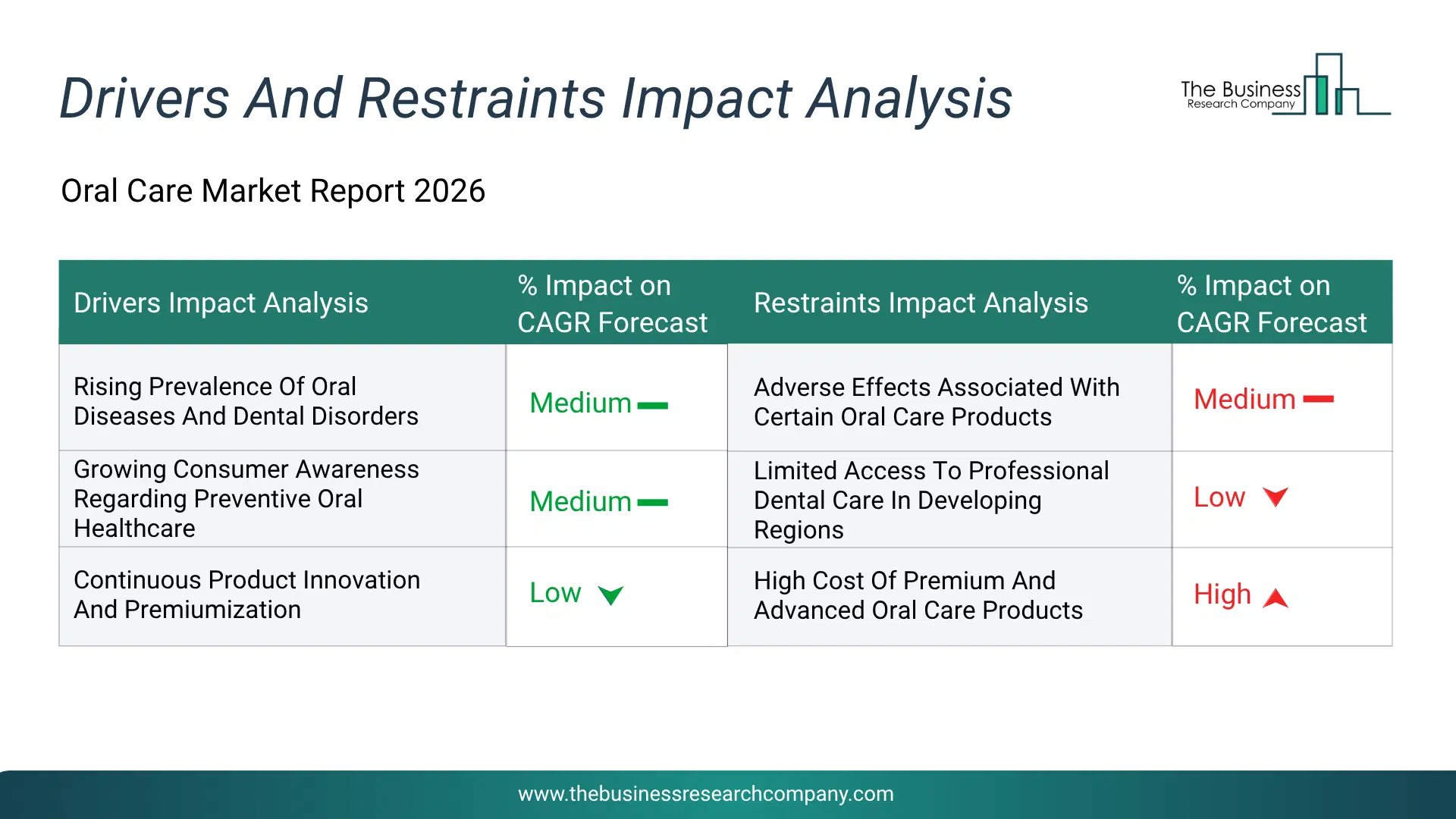
Infographic Chart Showing Key Market Drivers Analysis And Restraints For Oral Care Market
The chart presents an impact analysis of key drivers and restraints, quantifying their relative influence on the market's growth rate and helping assess the balance between growth enablers and limiting factors. This chart offers a high-level perspective; the full report contains more detailed insights.
How Will The Drivers Impact Growth In The Global Oral Care Market?
• Rising Prevalence Of Oral Diseases And Dental Disorders (Medium) – During the forecast period, the rising prevalence of oral diseases and dental disorders is expected to emerge as a major factor driving the expansion of the oral care market by 2030. increasing incidences of dental caries, gum disease, tooth sensitivity, enamel erosion, and other oral health conditions are encouraging consumers to adopt daily preventive hygiene practices and regularly purchase oral care products. growing recommendations from dental professionals for routine brushing, flossing, mouth rinsing, and preventive care are further supporting recurring demand across both developed and emerging markets. • Growing Consumer Awareness Regarding Preventive Oral Healthcare (Medium) – During the forecast period, the growing consumer awareness regarding preventive oral healthcare is expected to emerge as a major factor driving the expansion of the oral care market by 2030. increasing recognition of the relationship between oral hygiene and overall health is encouraging consumers to invest in comprehensive oral care routines that include specialized products for gum care, whitening, sensitivity relief, and interdental cleaning. educational campaigns, digital health platforms, and greater access to oral health information are also expanding adoption of preventive oral care solutions across all age groups. • Continuous Product Innovation And Premiumization (Low) – During the forecast period, the continuous product innovation and premiumization are expected to act as a key growth catalyst for the oral care market by 2030. manufacturers are introducing technologically advanced products such as smart electric toothbrushes, water flossers, enamel repair formulations, herbal oral care products, biodegradable toothbrushes, and AI-enabled brushing solutions to improve consumer experience and treatment effectiveness. growing consumer preference for premium, convenient, and clinically validated products is further increasing product adoption and average spending.How Will The Restraints Impact Growth In The Global Oral Care Market?
• Adverse Effects Associated With Certain Oral Care Products (Medium) – During the forecast period, adverse Effects Associated With Certain Oral Care Products continue to restrain market growth because some oral care formulations may cause undesirable side effects when used frequently or incorrectly. Highly abrasive whitening toothpaste, peroxide-based whitening treatments, alcohol-containing mouthwashes, and products containing strong chemical ingredients may lead to tooth sensitivity, gum irritation, enamel damage, dry mouth, allergic reactions, or altered taste sensations. These concerns have made many consumers more cautious when selecting oral care products, particularly those with sensitive teeth or existing dental conditions. In addition, increasing consumer preference for clean-label, natural, fluoride-free, and herbal products has created challenges for manufacturers of conventional oral care products. Regulatory agencies are also strengthening product safety standards and ingredient disclosures, increasing compliance costs and extending product approval timelines. These safety concerns can reduce consumer confidence, slow product adoption, and limit the sales growth of certain premium oral care categories despite ongoing product innovation. • Limited Access To Professional Dental Care In Developing Regions (Medium) – During the forecast period, limited Access To Professional Dental Care In Developing Regions remains a significant challenge for the oral care market because millions of people living in rural and economically disadvantaged regions continue to have inadequate access to qualified dental professionals, dental clinics, and preventive oral healthcare services. Many developing countries experience shortages of dentists, poor healthcare infrastructure, limited insurance coverage, and high out-of-pocket treatment costs, making routine dental visits unaffordable for a large portion of the population. Without regular dental consultations, consumers often remain unaware of preventive oral hygiene practices and are less likely to purchase specialized oral care products such as therapeutic toothpaste, interdental cleaning devices, mouth rinses, or gum-care products. Furthermore, lower educational levels regarding oral health and insufficient government investment in public dental health programs further restrict market penetration. These structural healthcare limitations reduce the adoption of advanced oral care products and slow overall market growth, particularly across emerging economies where disease prevalence remains high but preventive product usage remains comparatively low. • High Cost Of Premium And Advanced Oral Care Products (Low) – During the forecast period, high Cost Of Premium And Advanced Oral Care Products acts as an important restraint because many technologically advanced oral care products remain unaffordable for consumers in price-sensitive markets. Premium electric toothbrushes, smart brushing systems, water flossers, specialized whitening kits, enamel-repair toothpaste, orthodontic care products, eco-friendly oral care solutions, and dentist-recommended therapeutic formulations are often priced significantly higher than conventional oral hygiene products. While higher-income consumers may willingly invest in these premium offerings, middle- and lower-income households frequently prioritize essential daily expenses over expensive oral care products. Inflationary pressures and rising living costs have further increased consumer price sensitivity, encouraging many individuals to continue using lower-cost alternatives rather than upgrading to premium solutions. This affordability gap restricts the widespread adoption of innovative oral care technologies, particularly in emerging economies, thereby limiting the full revenue potential of the global oral care market despite increasing product availability and continuous technological advancements.Key Players In The Global Oral Care Market
Major companies operating in the oral care market are Procter & Gamble Co., Johnson & Johnson Services Inc., GlaxoSmithKline Plc, Church & Dwight Co. Inc., Colgate Palmolive Co., Ranir a Perrigo Company, Sunstar Group, The Clorox Company, Unilever plc, Water Pik Inc., Haleon plc, Lion Corporation, Henkel AG & Co. KGaA, Amway Corporation, GC Corporation, Dabur India Ltd., The Himalaya Drug Company, Quip, Burst, Hismile, TePe, Bite, Dr Fresh LLC, Forever Living Products International Inc., Curaprox, TePe, Oral Care AB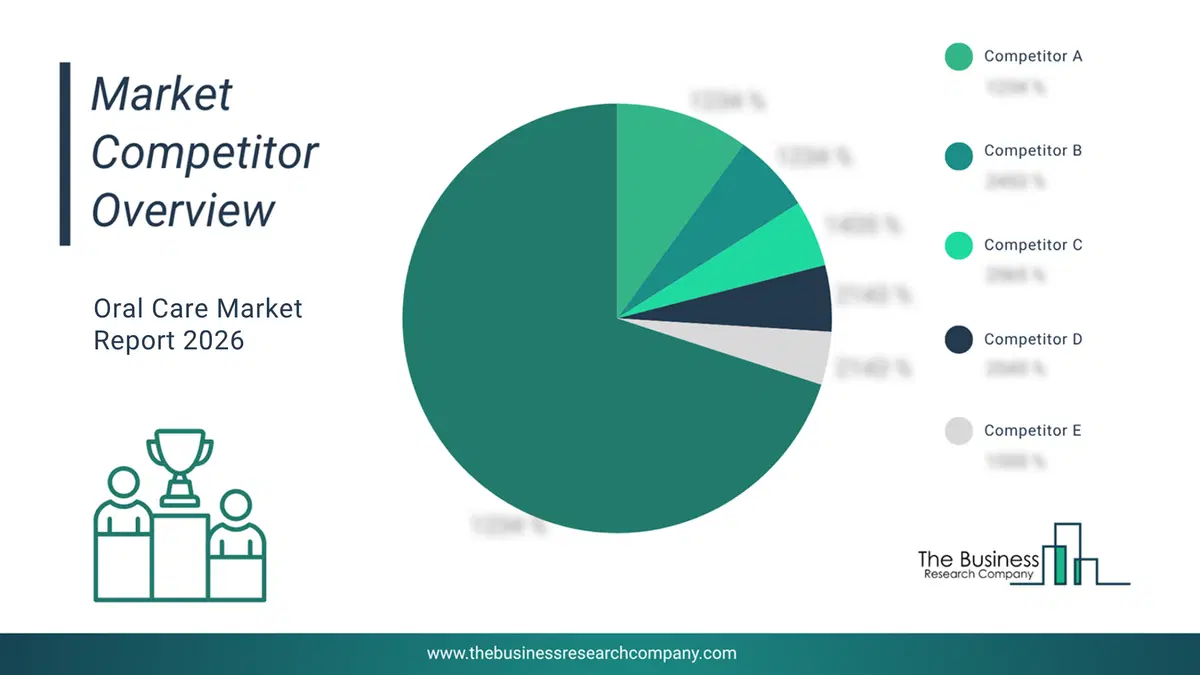
This chart is for illustrative purposes; the full report includes a detailed competitor analysis and comprehensive overview of the top 10 companies in the market.
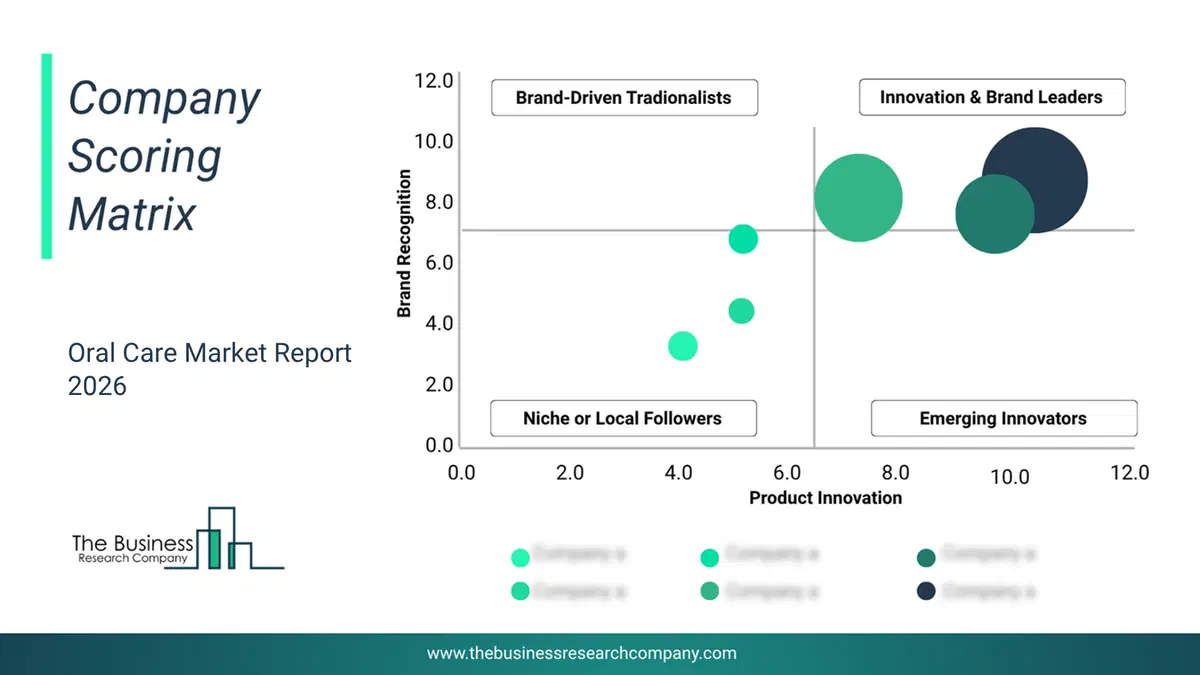
This chart maps companies by product innovation and brand strength, with bubble size indicating relative revenue, helping identify market leaders, challengers, and niche players. This is an illustrative chart; the full report provides a complete and accurate competitive analysis.
Global Oral Care Market Trends and Insights
Major companies operating in the oral care market are developing technologically advanced products, such as the ComfortFit LED Teeth Whitening Kit and Express Teeth Whitening Pen, to gain a competitive advantage in the market. ComfortFit LED Teeth Whitening Kit with Wavelength Technology and Express Teeth Whitening Pen use specific wavelengths of light, such as the blue or violet spectrum, to enhance the effectiveness of teeth whitening treatments. For instance, in February 2023, Colgate-Palmolive Company, a US-based dental and personal-care product company, launched the Colgate Optic White ComfortFit LED Teeth Whitening Kit with wavelength technology. The kit is specifically developed to enhance the user experience by focusing on comfort, uniformity in whitening, ease of use, efficacy, and speed. The kit utilizes wavelength technology to apply a thin layer of whitening serum to the teeth using the provided LED device for 10 minutes daily over a 10-day period that removes stains quickly. This kit includes a flexible LED whitening light and a teeth whitening pen, and it can be conveniently powered by your smartphone, compatible with both iPhone and Android devices.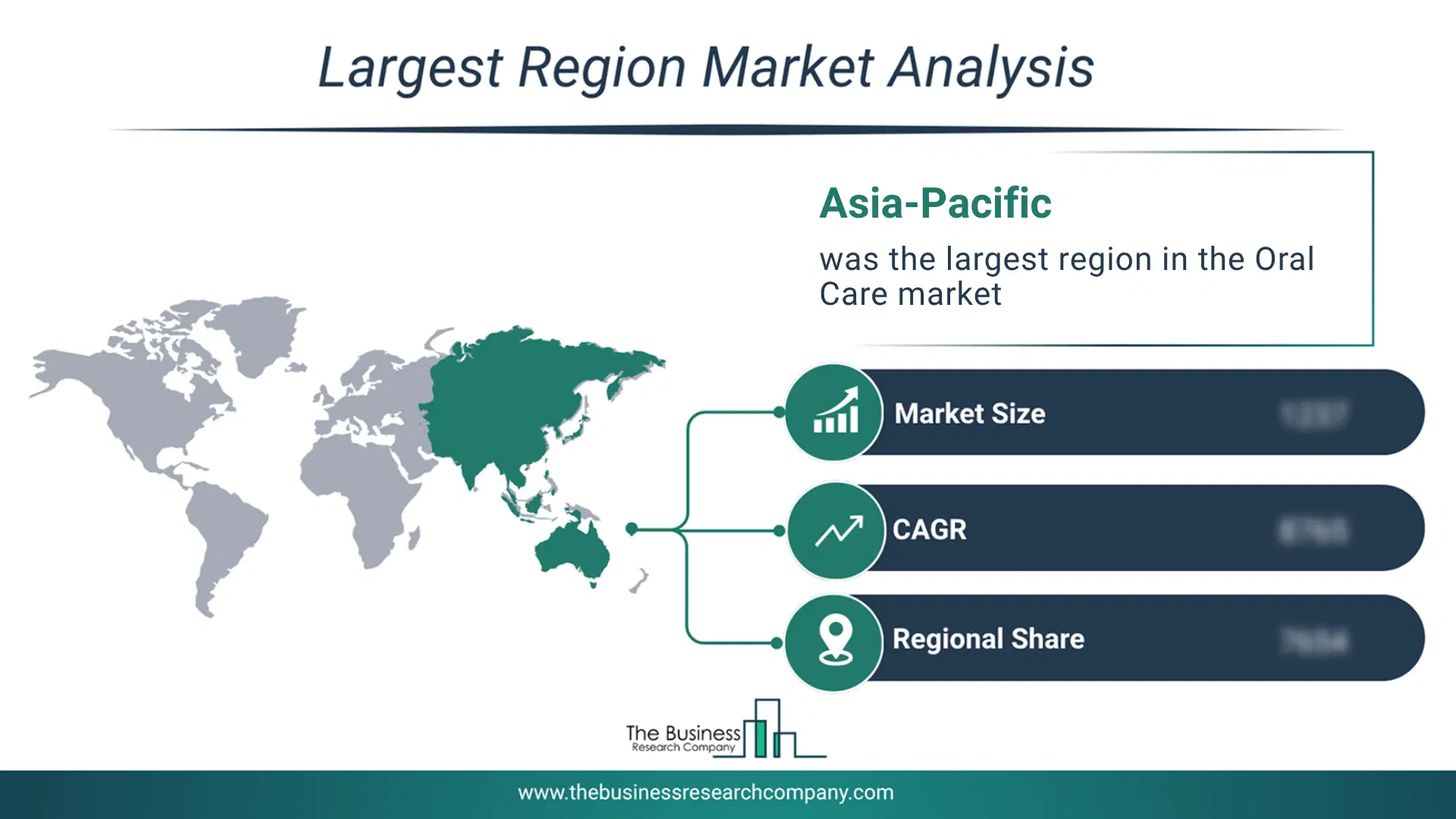
Regional Outlook
Asia-Pacific was the largest region in the oral care market in 2025. The regions covered in this market report are Asia-Pacific, South East Asia, Western Europe, Eastern Europe, North America, South America, Middle East, Africa. The countries covered in this market report are Australia, Brazil, China, France, Germany, India, Indonesia, Japan, Taiwan, Russia, South Korea, UK, USA, Canada, Italy, Spain.What Defines the Oral Care Market?
The oral care market includes revenues earned by entities by tooth-whitening products and denture care materials. The market value includes the value of related goods sold by the service provider or included within the service offering. Only goods and services traded between entities or sold to end consumers are included.How is Market Value Defined and Measured?
The market value is defined as the revenues that enterprises gain from the sale of goods and/or services within the specified market and geography through sales, grants, or donations in terms of the currency (in USD unless otherwise specified). The revenues for a specified geography are consumption values that are revenues generated by organizations in the specified geography within the market, irrespective of where they are produced. It does not include revenues from resales along the supply chain, either further along the supply chain or as part of other products.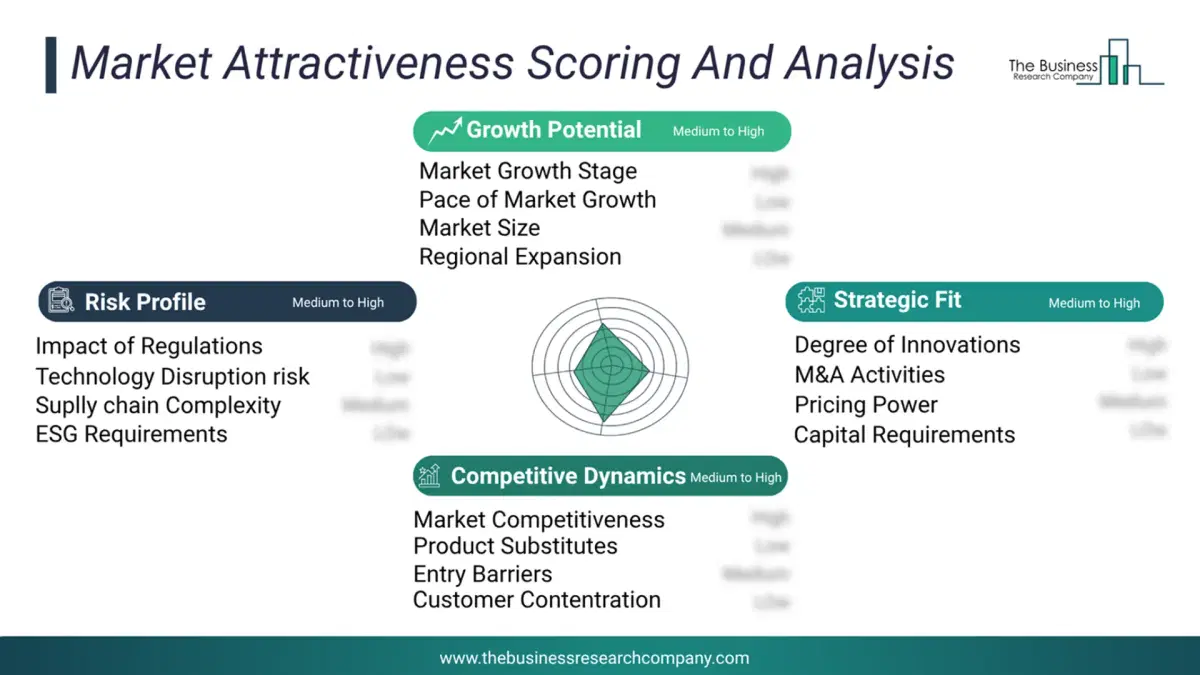
This chart presents market attractiveness based on a quantitative evaluation of growth, competition, strategic alignment, and risk, offering a clear view of opportunity areas for decision-making. This chart is for illustrative purposes; the full report contains the complete analysis.
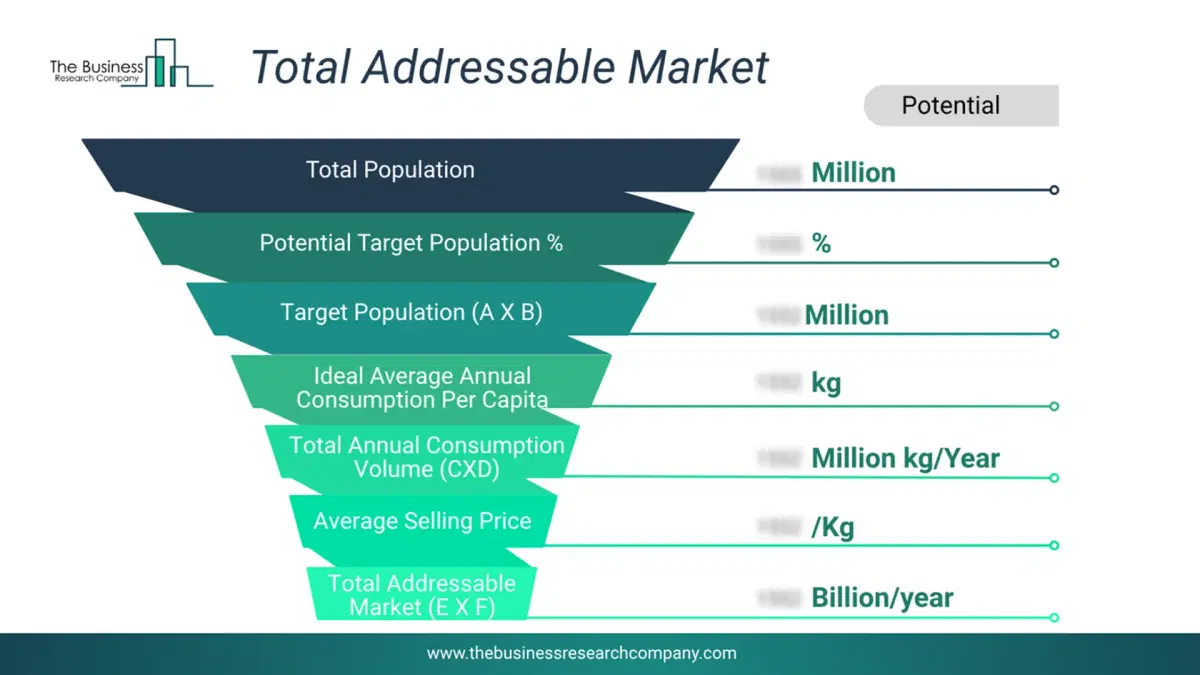
This chart highlights the Total Addressable Market (TAM) by estimating the maximum revenue opportunity using an assumption-driven approach, supporting strategic planning and opportunity sizing across markets. The chart is illustrative; the full report provides a more comprehensive analysis.
What Key Data and Analysis Are Included in the Oral Care Market Report 2026?
The oral care market research report is one of a series of new reports from The Business Research Company that provides market statistics, including industry global market size, regional shares, competitors with the market share, detailed market segments, market trends and opportunities, and any further data you may need to thrive in the oral care industry. The market research report delivers a complete perspective of everything you need, with an in-depth analysis of the current and future state of the industry.Oral Care Market Report Forecast Analysis
| Report Attribute | Details |
|---|---|
| Market Size Value In 2026 | $59.54 billion |
| Revenue Forecast In 2030 | $81.9 billion |
| Growth Rate | CAGR of 8.3% from 2026 to 2030 |
| Base Year For Estimation | 2025 |
| Actual Estimates/Historical Data | 2020-2025 |
| Forecast Period | 2026 - 2030 |
| Market Representation | Revenue in USD Billion and CAGR from 2026 to 2030 |
| Segments Covered | Product Type, Distribution Channel, End User |
| Regional Scope | Asia-Pacific, Western Europe, Eastern Europe, North America, South America, Middle East, Africa |
| Country Scope | The countries covered in the report are Australia, Brazil, China, France, Germany, India, Indonesia, Japan, Taiwan, Russia, South Korea, UK, USA, Canada, Italy, Spain. |
| Key Companies Profiled | Procter & Gamble Co., Johnson & Johnson Services Inc., GlaxoSmithKline Plc, Church & Dwight Co. Inc., Colgate Palmolive Co., Ranir a Perrigo Company, Sunstar Group, The Clorox Company, Unilever plc, Water Pik Inc., Haleon plc, Lion Corporation, Henkel AG & Co. KGaA, Amway Corporation, GC Corporation, Dabur India Ltd., The Himalaya Drug Company, Quip, Burst, Hismile, TePe, Bite, Dr Fresh LLC, Forever Living Products International Inc., Curaprox, TePe, Oral Care AB |
| Customization Scope | Request for Customization |
| Pricing And Purchase Options | Explore Purchase Options |