
PD-1 and PDL1 Inhibitors/ Immune Checkpoint Inhibitors Market Report 2026
Global Outlook – By Product (Nivolumab, Pembrolizumab, Atezolizumab, Avelumab, Durvalumab), By Distribution Channel (Hospital pharmacies, Retail pharmacies, Online pharmacies), By Application (Lung Cancer, Bladder Cancer, Melanoma, Hodgkin Lymphoma, Colorectal Cancer, Other Applications), By End-Users (Hospitals, Specialty Clinics, Academic and Research Institutions) – Market Size, Trends, Strategies, and Forecast to 2030
PD-1 and PDL1 Inhibitors/ Immune Checkpoint Inhibitors Market Overview
• PD-1 and PDL1 Inhibitors/ Immune Checkpoint Inhibitors market size has reached to $52.49 billion in 2025 • Expected to grow to $103.27 billion in 2030 at a compound annual growth rate (CAGR) of 14.6% • Growth Driver: Rising Cancer Prevalence Drives Surge In Pd-1 And Pd-L1 Inhibitors Market • Market Trend: Innovations In Immune Checkpoint Inhibitors Enhance Efficacy And Broaden Clinical Indications • North America was the largest region in 2025.Market Gains By 2030 – Top Opportunities By Segment
Market Gain identifies the most promising market opportunities by highlighting the segments or products expected to generate the highest incremental revenue growth over the next five years.
What Is Covered Under PD-1 and PDL1 Inhibitors/ Immune Checkpoint Inhibitors Market?
PD-1 and PDL1 Inhibitors/ Immune checkpoint inhibitors are types of immunotherapy drugs used in cancer treatment, they work by targeting the immune system to help recognize and attack cancer cells. It is commonly used in the treatment of various cancer diseases. The main products of PD-1 and PDL1 inhibitors/ immune checkpoint inhibitors are nivolumab, pembrolizumab, atezolizumab, avelumab, and durvalumab. Nivolumab is a PD-1 inhibitor that works by blocking the PD-1 receptor found on T cells, thus preventing cancer cells from evading the immune system's attack. The PD-1 and PDL1 inhibitors/ immune checkpoint inhibitors are used to treat lung cancer, bladder cancer, melanoma, Hodgkin lymphoma, colorectal cancer, and others. These are sold in hospital pharmacies, retail pharmacies, and online pharmacies and are used in hospitals, specialty clinics, and academic and research institutions.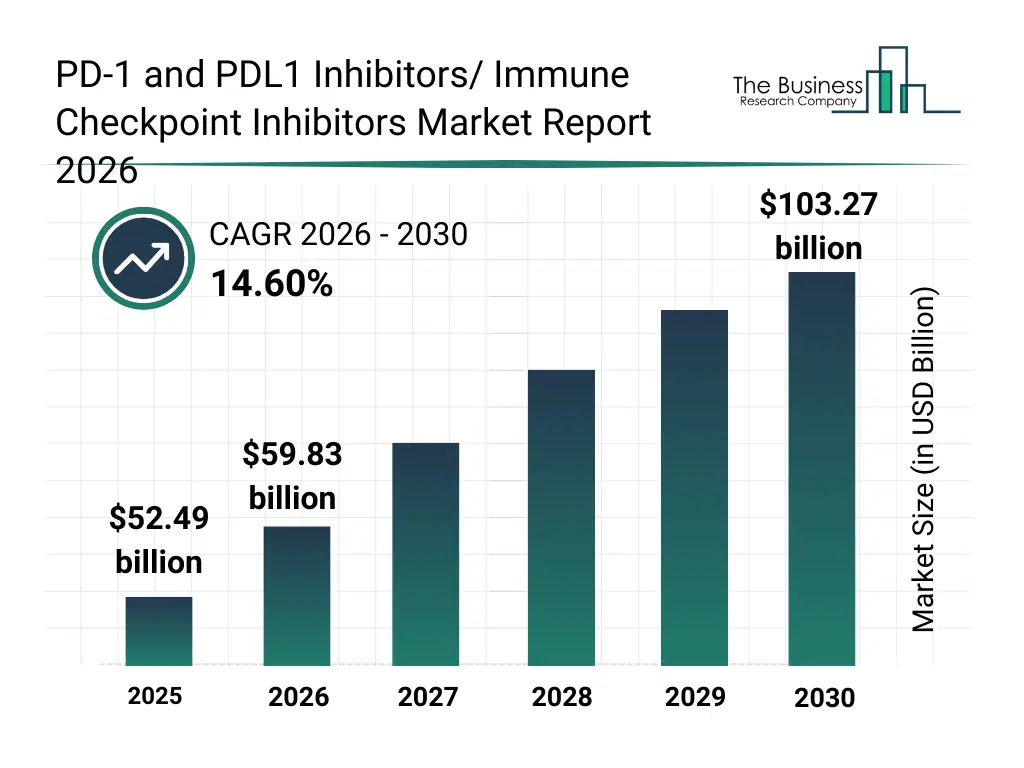
What Is The PD-1 and PDL1 Inhibitors/ Immune Checkpoint Inhibitors Market Size and Share 2026?
The pd-1 and pdl1 inhibitors/ immune checkpoint inhibitors market size has grown rapidly in recent years. It will grow from $52.49 billion in 2025 to $59.83 billion in 2026 at a compound annual growth rate (CAGR) of 14.0%. The growth in the historic period can be attributed to increasing global cancer prevalence, early clinical success of PD-1 and PDL1 inhibitors, strong investment in oncology R&D, regulatory approvals for first-generation checkpoint inhibitors, rising healthcare expenditure on cancer therapies.What Is The PD-1 and PDL1 Inhibitors/ Immune Checkpoint Inhibitors Market Growth Forecast?
The pd-1 and pdl1 inhibitors/ immune checkpoint inhibitors market size is expected to see rapid growth in the next few years. It will grow to $103.27 billion in 2030 at a compound annual growth rate (CAGR) of 14.6%. The growth in the forecast period can be attributed to growing demand for personalized cancer treatment, expanding clinical trials for combination therapies, increasing approvals in emerging markets, improved patient survival outcomes, rising adoption in solid and hematological malignancies. Major trends in the forecast period include expansion of combination immunotherapy regimens, growing use of biomarker-based patient selection, increasing approvals across multiple cancer indications, rising adoption in earlier lines of cancer treatment, strong pipeline of next-generation checkpoint inhibitors.
Global PD-1 and PDL1 Inhibitors/ Immune Checkpoint Inhibitors Market Segmentation
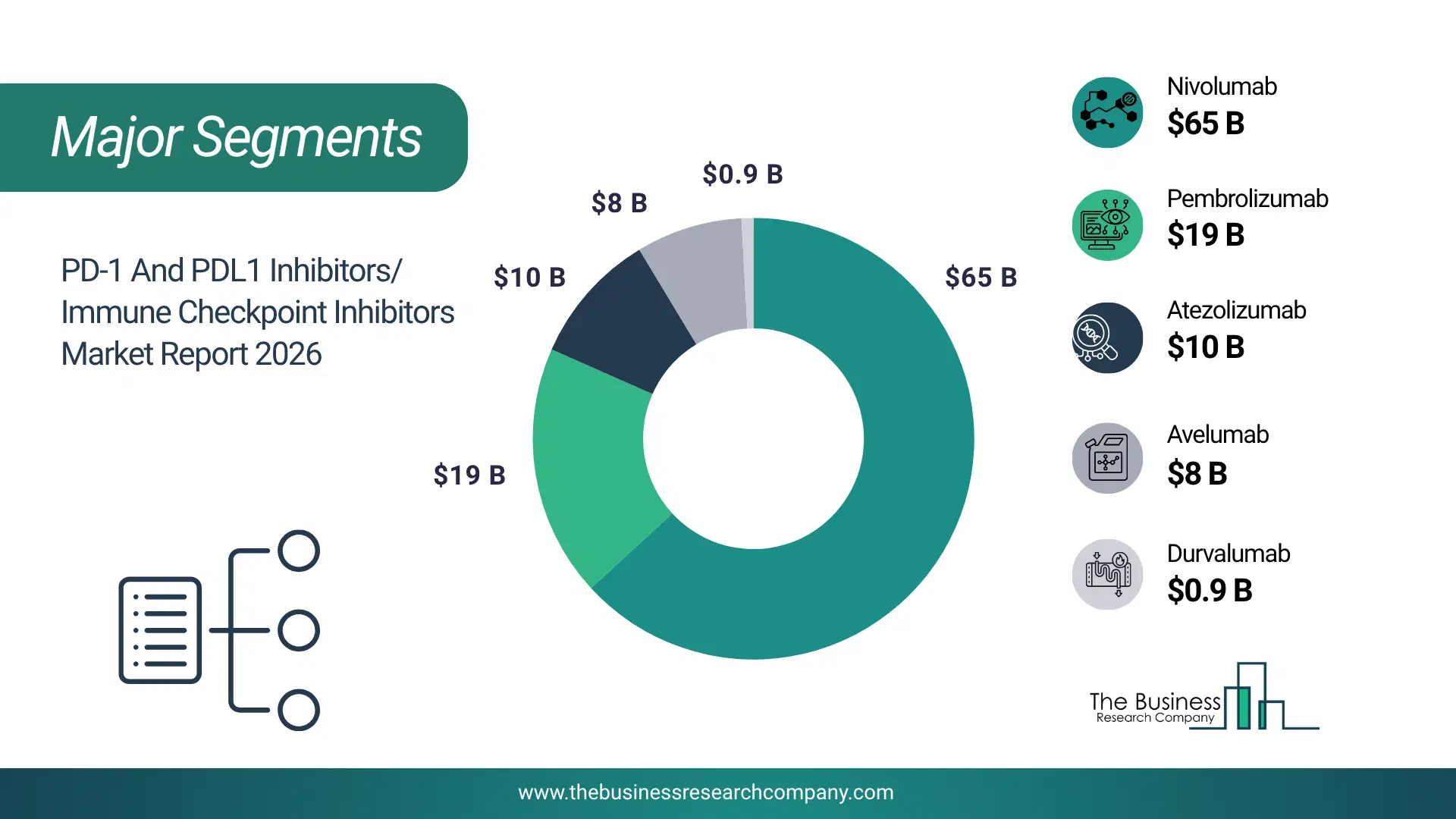
1) By Product: Nivolumab, Pembrolizumab, Atezolizumab, Avelumab, Durvalumab 2) By Distribution Channel: Hospital pharmacies, Retail pharmacies, Online pharmacies 3) By Application: Lung Cancer, Bladder Cancer, Melanoma, Hodgkin Lymphoma, Colorectal Cancer, Other Applications 4) By End-Users : Hospitals, Specialty Clinics, Academic and Research Institutions The top segments in the pd-1 and pdl1 inhibitors/ immune checkpoint inhibitors market will be: • Nivolumab will reach $64.69 Billion by 2030. • Pembrolizumab will reach $19.19 Billion by 2030. • Atezolizumab will reach $9.6 Billion by 2030. • Avelumab will reach $8.23 Billion by 2030. • Durvalumab will reach $0.94 Billion by 2030.What Is The Driver Of The PD-1 and PDL1 Inhibitors/ Immune Checkpoint Inhibitors Market?
The rising prevalence of cancer cases is expected to propel the growth of the PD-1 and PDL1 Inhibitors/ Immune checkpoint inhibitors market going forward. Cancer is a condition in which some cells develop uncontrollably and spread to other body parts. PD-1 and PD-L1 inhibitors help to treat cancer by harnessing the body's immune system to fight cancer cells. Hence, the rising cancer cases contribute to the growth of the PD-1 and PDL1 Inhibitors/ Immune checkpoint inhibitors market. For instance, in February 2024, according to the World Health Organization, a Switzerland-based intergovernmental organization, by 2050, over 35 million new cancer cases are projected, representing a 77% increase compared to the estimated 20 million cases in 2022. Therefore, the rise in the prevalence of cancer cases will fuel the growth of the PD-1 and PDL1 Inhibitors/ Immune checkpoint inhibitors industry.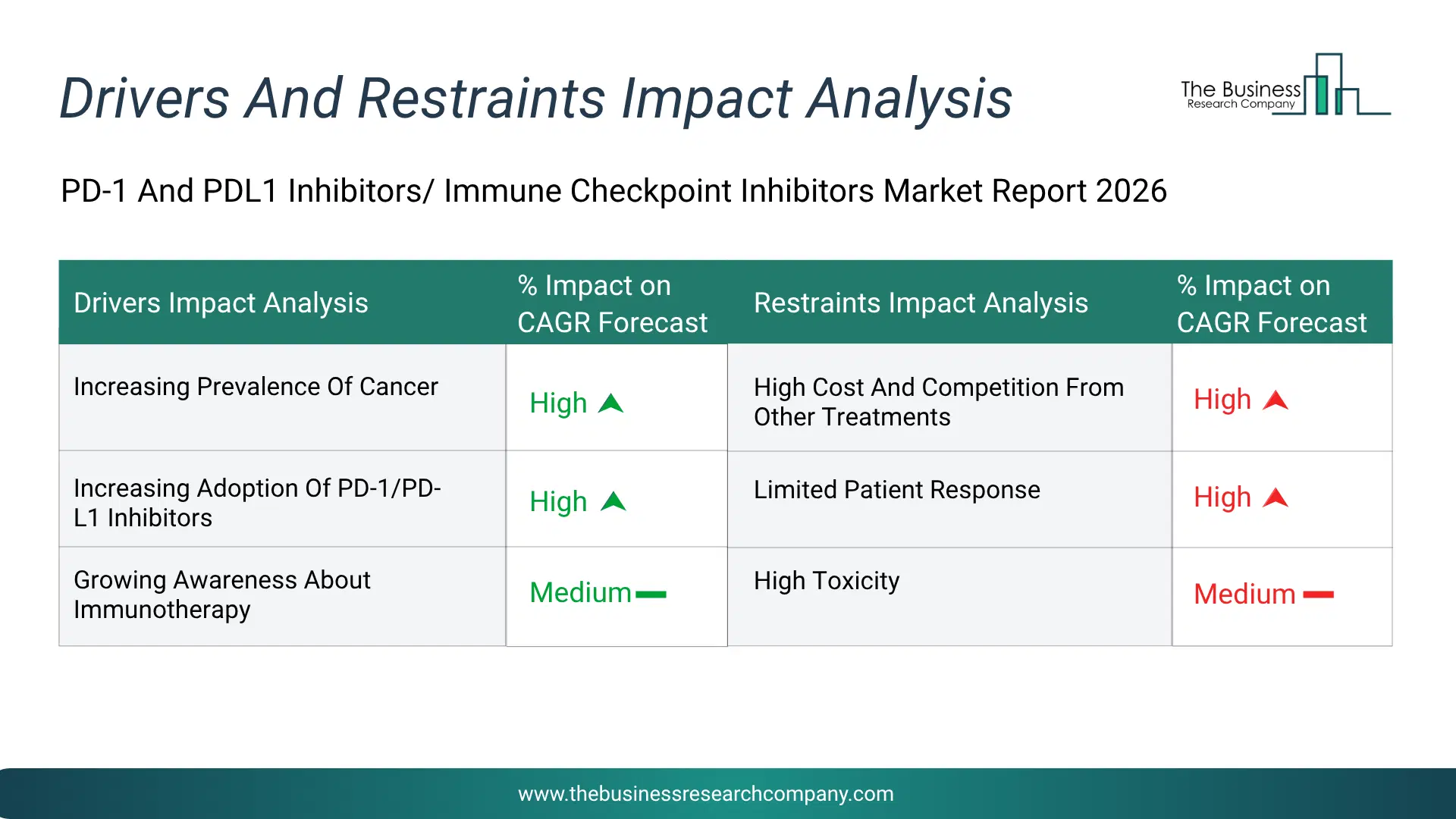
Infographic Chart Showing Key Market Drivers Analysis And Restraints For Pd-1 And Pdl1 Inhibitors/ Immune Checkpoint Inhibitors Market
The chart presents an impact analysis of key drivers and restraints, quantifying their relative influence on the market's growth rate and helping assess the balance between growth enablers and limiting factors. This chart offers a high-level perspective; the full report contains more detailed insights.
How Will The Drivers Impact Growth In The Global PD-1 And PDL1 Inhibitors/ Immune Checkpoint Inhibitors Market?
• Increasing Prevalence Of Cancer (High) – During the forecast period, the increasing prevalence of cancer is expected to become a key growth driver for the PD-1 and PD-L1 inhibitors/immune checkpoint inhibitors market by 2030. Rising incidence rates of lung cancer, melanoma, bladder cancer, and other malignancies are expanding the patient population eligible for immune checkpoint therapies. Aging demographics, changing lifestyles, and growing exposure to cancer risk factors are further increasing the global disease burden. Healthcare providers are increasingly incorporating immunotherapy into standard treatment pathways to improve long-term patient outcomes and survival rates. This expanding oncology patient base is reinforcing sustained demand for checkpoint inhibitor therapies. • Increasing Adoption Of PD-1/PD-L1 Inhibitors (High) – During the forecast period, the increasing adoption of PD-1/PD-L1 inhibitors is expected to emerge as a major factor driving the expansion of the PD-1 and PD-L1 inhibitors/immune checkpoint inhibitors market by 2030. Growing clinical acceptance of these therapies across multiple cancer indications is supporting broader utilization in oncology practice. Physicians are increasingly prescribing checkpoint inhibitors due to their ability to deliver durable responses and improved survival benefits compared to conventional treatment approaches. Expanding treatment guidelines and favorable outcomes from ongoing clinical studies are further strengthening adoption across healthcare systems. • Growing Awareness About Immunotherapy (Medium) – During the forecast period, the growing awareness about immunotherapy is expected to act as a key growth catalyst for the PD-1 and PD-L1 inhibitors/immune checkpoint inhibitors market by 2030. Educational initiatives by healthcare organizations, patient advocacy groups, and oncology specialists are improving understanding of immunotherapy benefits among patients and caregivers. Greater awareness is encouraging earlier diagnosis, timely treatment initiation, and increased willingness to consider advanced therapeutic options. Improvements in healthcare communication channels and access to cancer care information are also supporting wider acceptance of immuno-oncology treatments.How Will The Restraints Impact Growth In The Global PD-1 And PDL1 Inhibitors/ Immune Checkpoint Inhibitors Market?
• High Cost And Competition From Other Treatments (High) – During the forecast period, the high cost of PD-1 and PD-L1 inhibitors acts as a major restraint on market growth by limiting patient accessibility, particularly in price-sensitive regions. These therapies are often significantly more expensive than conventional treatments, placing a financial burden on both patients and healthcare systems. In many developing markets, limited reimbursement coverage further restricts their adoption. At the same time, strong competition from alternative treatment options such as chemotherapy, targeted therapy, and combination regimens creates pricing pressure and slows market penetration. Physicians may opt for more affordable or established therapies depending on patient affordability and clinical suitability. Additionally, biosimilars and emerging novel therapies are intensifying competition within the oncology landscape. As a result, cost constraints combined with competitive alternatives hinder the widespread adoption of these inhibitors. • Limited Patient Response (High) – During the forecast period, the limited patient response to PD-1 and PD-L1 inhibitors presents a significant challenge to market expansion, as not all patients benefit equally from these therapies. Variability in tumor biology and immune system interactions can result in low or no response in certain patient groups. This unpredictability reduces physician confidence in prescribing these treatments as a universal solution. Biomarker-based patient selection, although improving outcomes, also narrows the eligible population. Consequently, the overall addressable market becomes restricted despite increasing cancer prevalence. Ongoing research is required to better understand resistance mechanisms and improve response rates. Until consistent efficacy across broader populations is achieved, limited patient response will continue to restrain market growth. • High Toxicity (Medium) – During the forecast period, the high toxicity associated with PD-1 and PD-L1 inhibitors acts as a restraint by raising concerns regarding patient safety and treatment tolerability. Although generally considered safer than traditional chemotherapy, these therapies can still cause immune-related adverse effects that may impact multiple organs. Severe side effects can lead to treatment discontinuation or require additional medical intervention, increasing the overall cost of care. This risk makes healthcare providers cautious, particularly when treating patients with pre-existing conditions or weaker immune systems. Managing these toxicities also requires specialized expertise, which may not be available in all healthcare settings. Furthermore, negative patient experiences can affect overall acceptance of immunotherapy. As a result, safety concerns related to toxicity can limit broader adoption and slow market growth.Key Players In The Global PD-1 and PDL1 Inhibitors/ Immune Checkpoint Inhibitors Market
Major companies operating in the pd-1 and pdl1 inhibitors/ immune checkpoint inhibitors market are Bristol-Myers Squibb Company, Merck and Company, F. Hoffmann-La Roche AG, Amgen Inc., AstraZeneca plc, Pfizer Inc., Regeneron Pharmaceuticals Inc., BeiGene Ltd, Shanghai Jhunsi Biosciences Ltd., Akeso Inc., Alphamab Oncology, Eli Lilly and Company, Xencor Inc., Jiangsu Alphamab Biopharmaceuticals Co. Ltd, Laekna Therapeutics, Genentech Inc., Tracon Pharmaceuticals Inc., Hangzhou Sumgen Co. Ltd, Agenus Inc., Celldex Therapeutics Inc., CytomX Therapeutics Inc.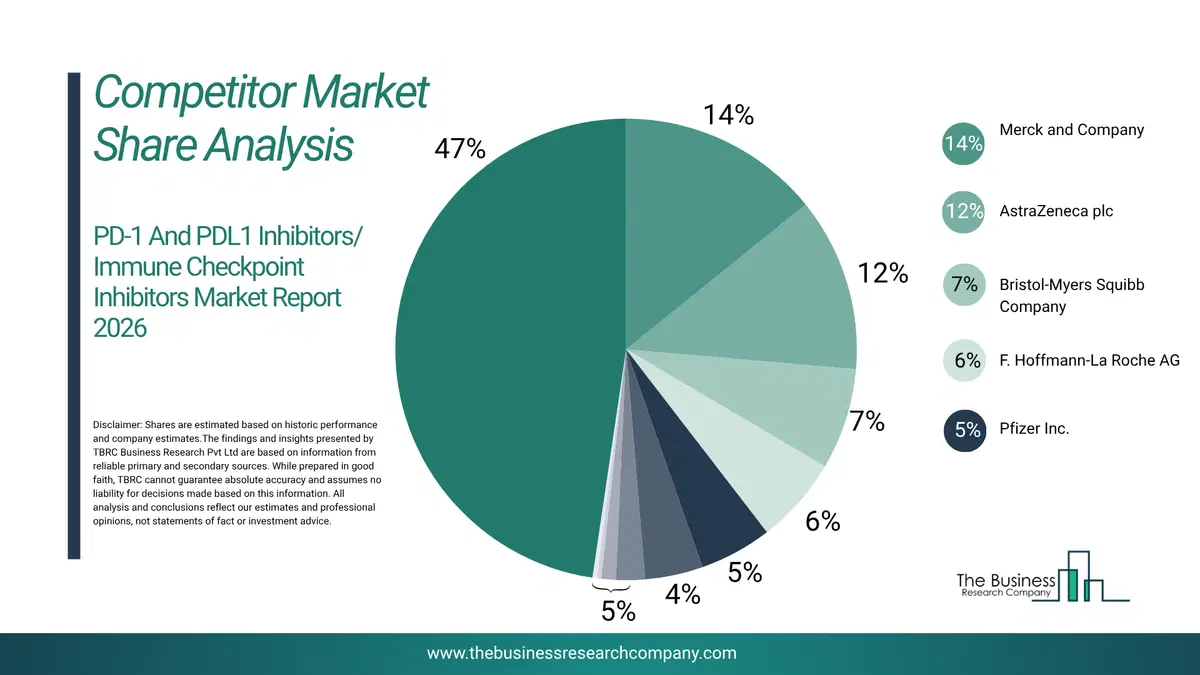
This chart is for illustrative purposes; the full report includes a detailed competitor analysis and comprehensive overview of the top 10 companies in the market.
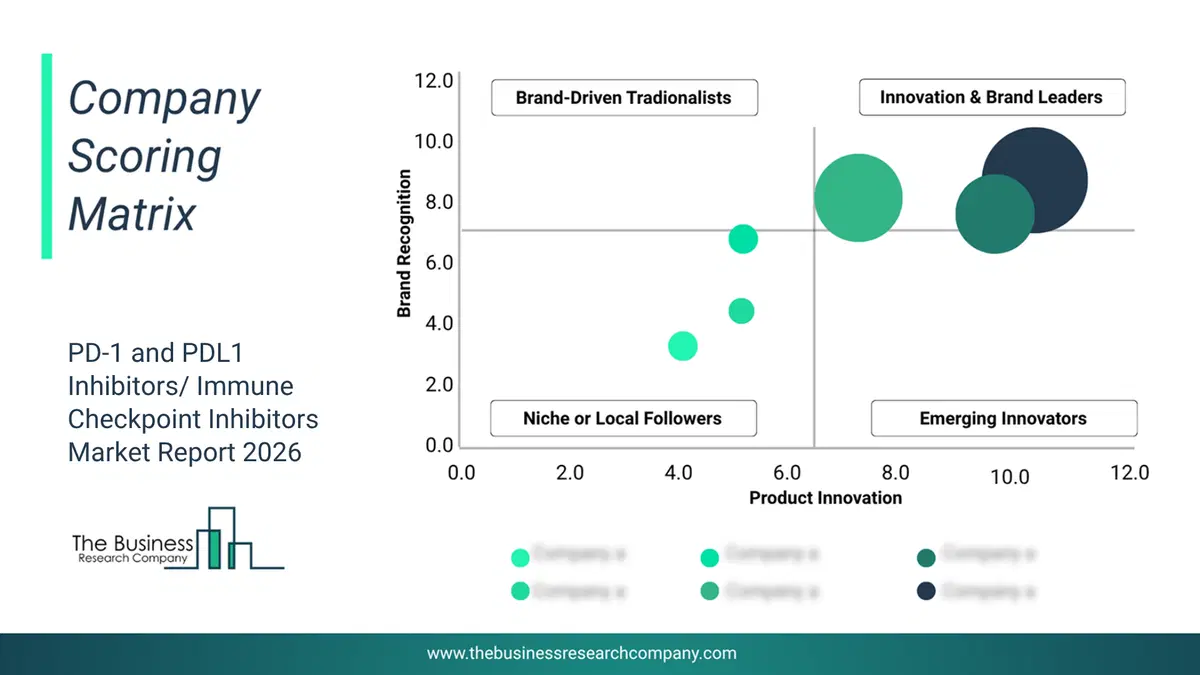
This chart maps companies by product innovation and brand strength, with bubble size indicating relative revenue, helping identify market leaders, challengers, and niche players. This is an illustrative chart; the full report provides a complete and accurate competitive analysis.
Global PD-1 and PDL1 Inhibitors/ Immune Checkpoint Inhibitors Market Trends and Insights
Major companies operating in the PD-1 and PDL1 inhibitors/immune checkpoint inhibitors market are focusing on developing advanced immuno-oncology solutions to enhance treatment efficacy and broaden patient accessibility. Immuno-oncology solutions use the body’s immune system to target and destroy cancer cells while reducing damage to healthy tissues. For instance, in September 2023, BeiGene, a China-based oncology company, regained full rights to the PD-1 inhibitor tislelizumab from Novartis and launched it in Europe under the brand Tevimbra for previously treated esophageal squamous cell carcinoma. The therapy demonstrates potential in both first-line and second-line indications and allows BeiGene full control over pricing and market strategy. Tislelizumab continues ongoing clinical trials, including a phase 3 study combining it with ociperlimab and chemotherapy for metastatic non-small cell lung cancer and a midstage study with a LAG-3 agent in colorectal cancer, highlighting the growing emphasis on combination therapies and scalable commercialization strategies in the competitive immune checkpoint inhibitor landscape.What Are Latest Mergers And Acquisitions In The PD-1 and PDL1 Inhibitors/ Immune Checkpoint Inhibitors Market?
In June 2023, Coherus BioSciences, a U.S.-based leader in biopharmaceuticals focused on cancer therapeutics, acquired Surface Oncology for $65 million. This acquisition expands Coherus' portfolio by adding novel immuno-oncology therapies, including Surface's IL-27-targeted antibody (SRF388) and CCR8-targeted antibody (SRF114). Through this acquisition, Coherus can now offer a diversified suite of clinical-stage immunotherapies aimed at enhancing the immune response against tumors, including applications in lung and liver cancer. Surface Oncology is a U.S.-based company involved in developing PD-1 and PD-L1 inhibitors, which are critical components of immune checkpoint therapy for cancer treatment.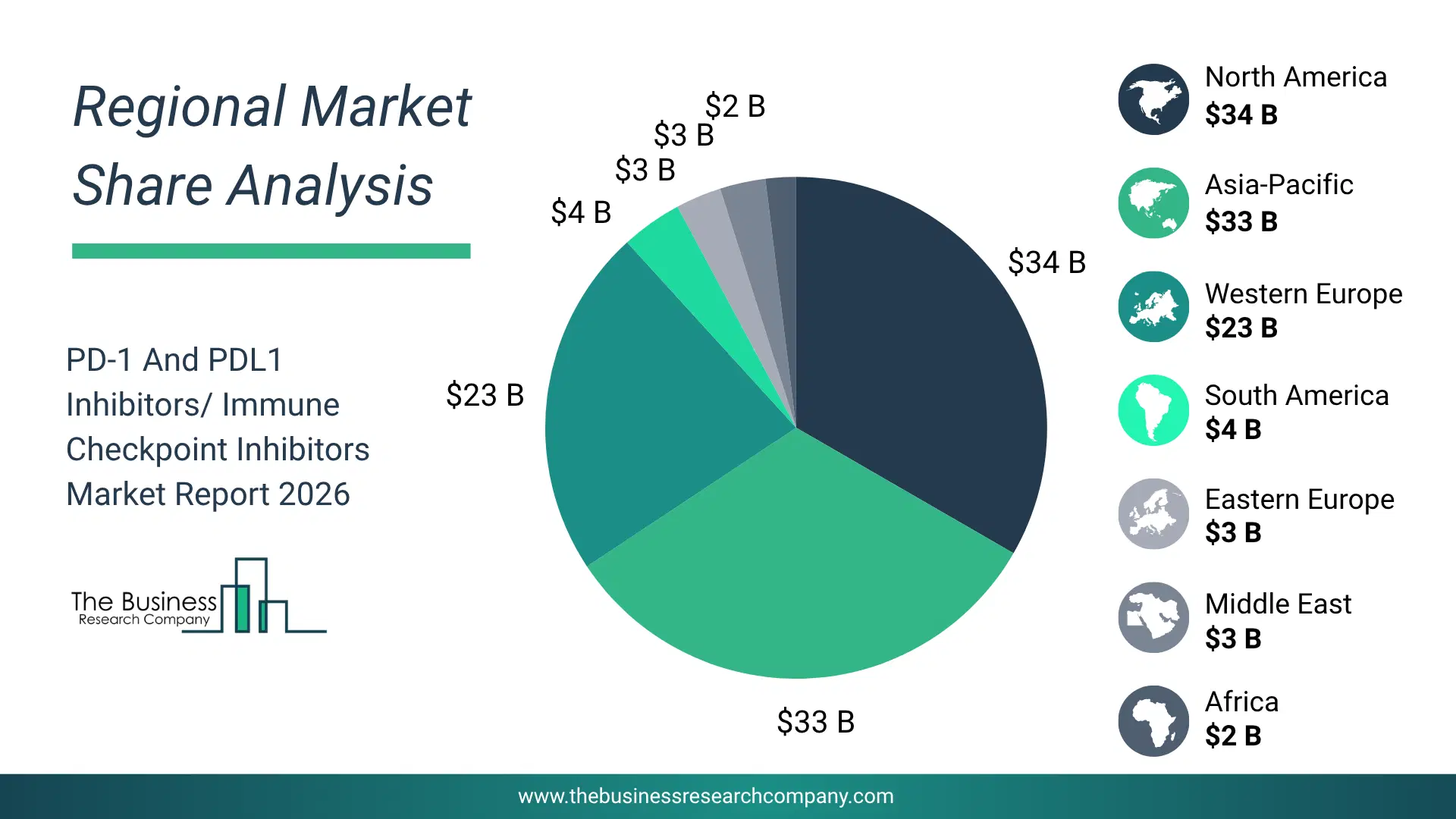
Regional Insights
North America was the largest region in the PD-1 and PDL1 inhibitors market in 2025. The regions covered in this market report are Asia-Pacific, South East Asia, Western Europe, Eastern Europe, North America, South America, Middle East, Africa. The countries covered in this market report are Australia, Brazil, China, France, Germany, India, Indonesia, Japan, Taiwan, Russia, South Korea, UK, USA, Canada, Italy, Spain.What Defines the PD-1 and PDL1 Inhibitors/ Immune Checkpoint Inhibitors Market?
The PD-1 and PDL1 Inhibitors/ Immune checkpoint inhibitors market consists of sales of various inhibitors such as cemiplimab, sintilimab, and camrelizumab. Values in this market are ‘factory gate’ values, that is the value of goods sold by the manufacturers or creators of the goods, whether to other entities (including downstream manufacturers, wholesalers, distributors, and retailers) or directly to end customers. The value of goods in this market includes related services sold by the creators of the goods.How is Market Value Defined and Measured?
The market value is defined as the revenues that enterprises gain from the sale of goods and/or services within the specified market and geography through sales, grants, or donations in terms of the currency (in USD unless otherwise specified). The revenues for a specified geography are consumption values that are revenues generated by organizations in the specified geography within the market, irrespective of where they are produced. It does not include revenues from resales along the supply chain, either further along the supply chain or as part of other products.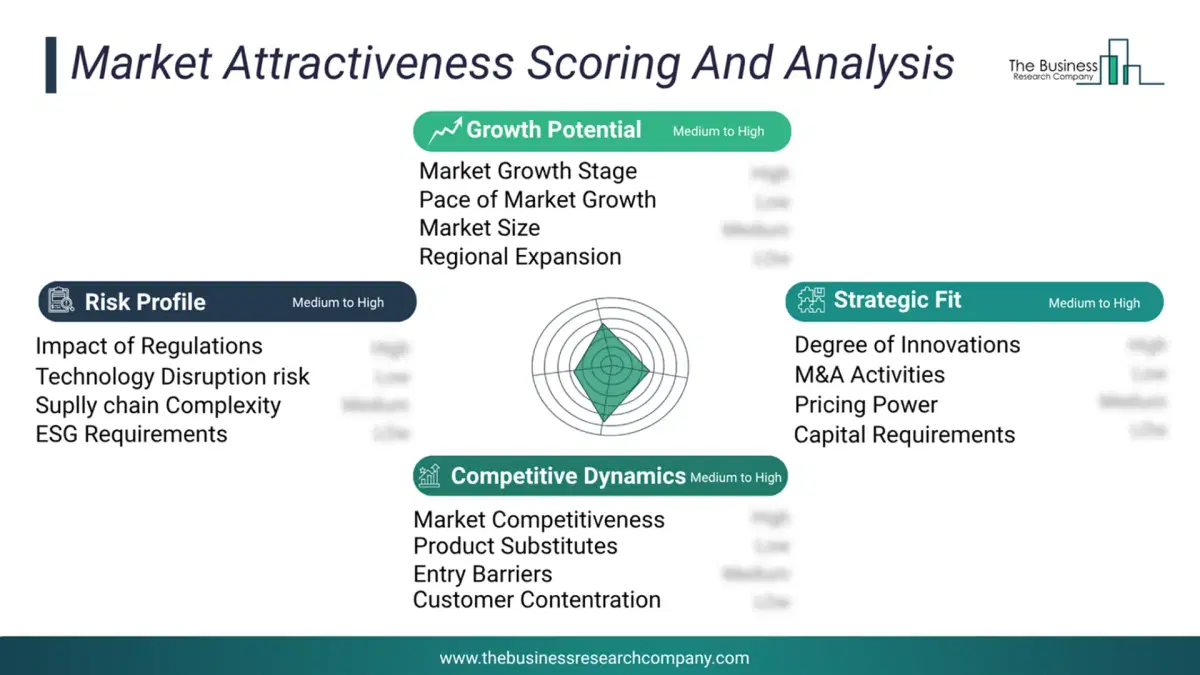
This chart presents market attractiveness based on a quantitative evaluation of growth, competition, strategic alignment, and risk, offering a clear view of opportunity areas for decision-making. This chart is for illustrative purposes; the full report contains the complete analysis.
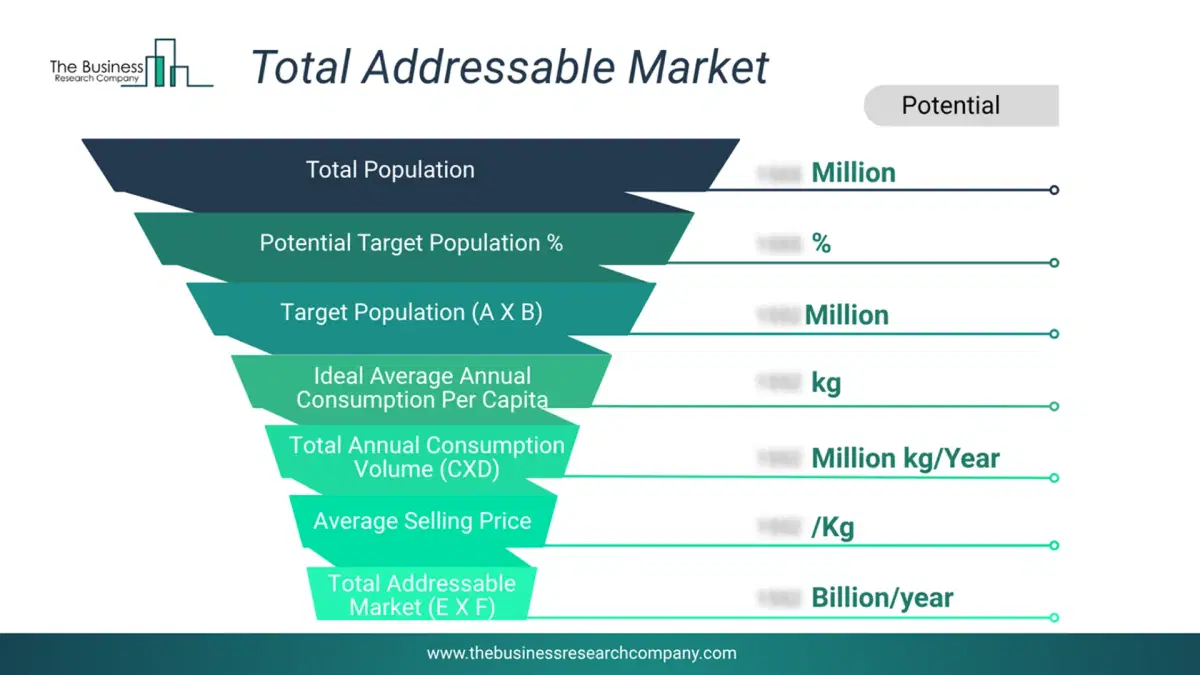
This chart highlights the Total Addressable Market (TAM) by estimating the maximum revenue opportunity using an assumption-driven approach, supporting strategic planning and opportunity sizing across markets. The chart is illustrative; the full report provides a more comprehensive analysis.
What Key Data and Analysis Are Included in the PD-1 and PDL1 Inhibitors/ Immune Checkpoint Inhibitors Market Report 2026?
The pd-1 and pdl1 inhibitors/ immune checkpoint inhibitors market research report is one of a series of new reports from The Business Research Company that provides market statistics, including industry global market size, regional shares, competitors with the market share, detailed market segments, market trends and opportunities, and any further data you may need to thrive in the pd-1 and pdl1 inhibitors/ immune checkpoint inhibitors industry. The market research report delivers a complete perspective of everything you need, with an in-depth analysis of the current and future state of the industry.PD-1 and PDL1 Inhibitors/ Immune Checkpoint Inhibitors Market Report Forecast Analysis
| Report Attribute | Details |
|---|---|
| Market Size Value In 2026 | $59.83 billion |
| Revenue Forecast In 2030 | $103.27 billion |
| Growth Rate | CAGR of 14.0% from 2026 to 2030 |
| Base Year For Estimation | 2025 |
| Actual Estimates/Historical Data | 2020-2025 |
| Forecast Period | 2026 - 2030 |
| Market Representation | Revenue in USD Billion and CAGR from 2026 to 2030 |
| Segments Covered | Product, Distribution Channel, Application, End-Users |
| Regional Scope | Asia-Pacific, Western Europe, Eastern Europe, North America, South America, Middle East, Africa |
| Country Scope | The countries covered in the report are Australia, Brazil, China, France, Germany, India, Indonesia, Japan, Taiwan, Russia, South Korea, UK, USA, Canada, Italy, Spain. |
| Key Companies Profiled | Bristol-Myers Squibb Company, Merck and Company, F. Hoffmann-La Roche AG, Amgen Inc., AstraZeneca plc, Pfizer Inc., Regeneron Pharmaceuticals Inc., BeiGene Ltd, Shanghai Jhunsi Biosciences Ltd., Akeso Inc., Alphamab Oncology, Eli Lilly and Company, Xencor Inc., Jiangsu Alphamab Biopharmaceuticals Co. Ltd, Laekna Therapeutics, Genentech Inc., Tracon Pharmaceuticals Inc., Hangzhou Sumgen Co. Ltd, Agenus Inc., Celldex Therapeutics Inc., CytomX Therapeutics Inc. |
| Customization Scope | Request for Customization |
| Pricing And Purchase Options | Explore Purchase Options |