
Peptide Therapeutics Market Report 2026
Global Outlook – By Type (Generic, Branded), By Route of Administration (Parenteral, Mucosal, Oral, Transdermal), By Application (Cancer, Cardiovascular Diseases, Central Nervous Systems, Metabolic Disorders, Infections, Hematological Disorders, Gastrointestinal Disorders, Dermatology, Respiratory Disorders, Acromegaly, Other Applications) – Market Size, Trends, Strategies, and Forecast to 2030
Peptide Therapeutics Market Overview
• Peptide Therapeutics market size has reached to $49.21 billion in 2025 • Expected to grow to $83.57 billion in 2030 at a compound annual growth rate (CAGR) of 11.2% • Growth Driver: Rising Prevalence Of Chronic Diseases Propels Growth In The Peptide Therapeutics Market • Market Trend: Evonik Breakthrough Cqrex Kc Redefines Cell Culture Processes In The Peptide Therapeutics Market • North America was the largest region in 2025 and Asia-Pacific is the fastest growing region.Market Gains By 2030 – Top Opportunities By Segment
Market Gain identifies the most promising market opportunities by highlighting the segments or products expected to generate the highest incremental revenue growth over the next five years.
What Is Covered Under Peptide Therapeutics Market?
Peptide therapeutics refer to a therapeutic approach that uses peptides as medications. Peptides are a distinct family of pharmacological substances that are molecularly situated in between proteins and tiny molecules. Peptides that are found in nature serve a variety of purposes, including those of hormones, growth factors, neurotransmitters, ion channel ligands, and anti-infectives. Consequently, using peptides as treatments offers a way to target a variety of cells and control their response. The main types of peptide therapeutics are generic and branded. The branded peptide therapeutics are drugs sold under the brand names of large pharma companies that own the patent for these drugs. These are more expensive than generic drugs as they maintain a distinct brand. The peptide therapeutics are administered in several routes such as parenteral, mucosal, oral, and transdermal. They are used for treating cancer, cardiovascular diseases, central nervous systems, metabolic disorders, infections, hematological disorders, gastrointestinal disorders, dermatology, respiratory disorders, and acromegaly.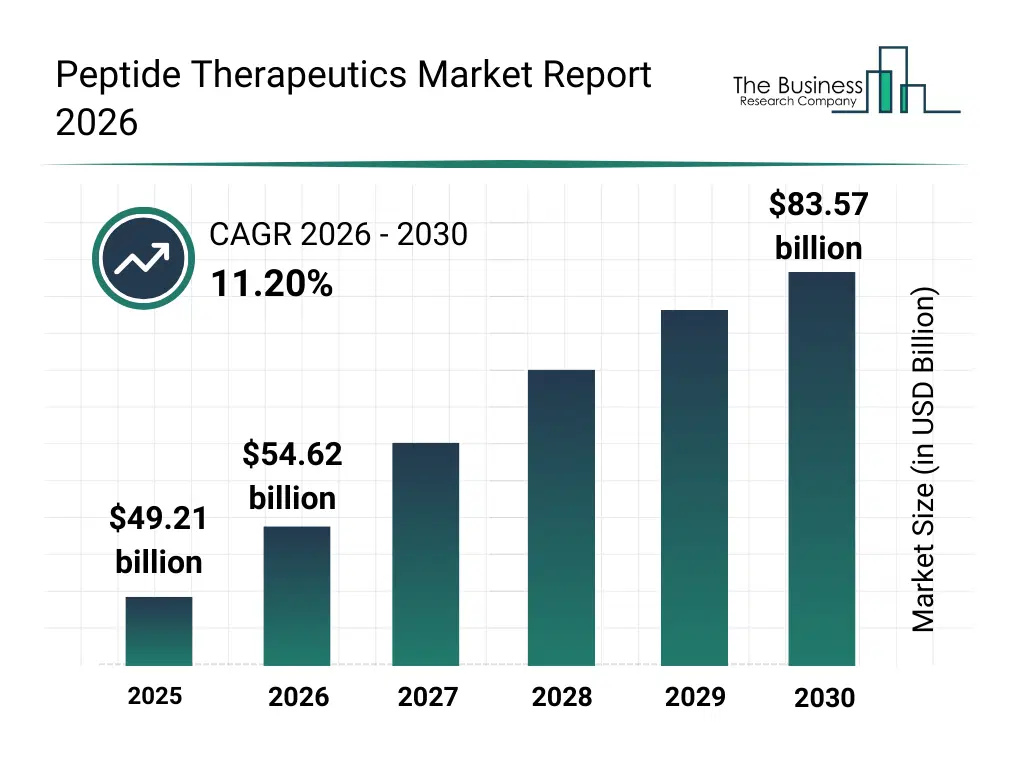
What Is The Peptide Therapeutics Market Size and Share 2026?
The peptide therapeutics market size has grown rapidly in recent years. It will grow from $49.21 billion in 2025 to $54.62 billion in 2026 at a compound annual growth rate (CAGR) of 11.0%. The growth in the historic period can be attributed to early adoption of peptide drugs, development of peptide synthesis techniques, increasing incidence of chronic and rare diseases, advances in pharmacology and biochemistry, growth of contract research organizations.What Is The Peptide Therapeutics Market Growth Forecast?
The peptide therapeutics market size is expected to see rapid growth in the next few years. It will grow to $83.57 billion in 2030 at a compound annual growth rate (CAGR) of 11.2%. The growth in the forecast period can be attributed to rise of personalized medicine, increasing investment in peptide-based therapeutics, integration of AI in drug discovery, expansion of biologics manufacturing, growth in emerging markets for healthcare solutions. Major trends in the forecast period include targeted peptide drug development, peptide drug delivery innovations, multi-functional peptide therapeutics, natural peptide extraction & synthesis, combination therapies with peptides.
Global Peptide Therapeutics Market Segmentation
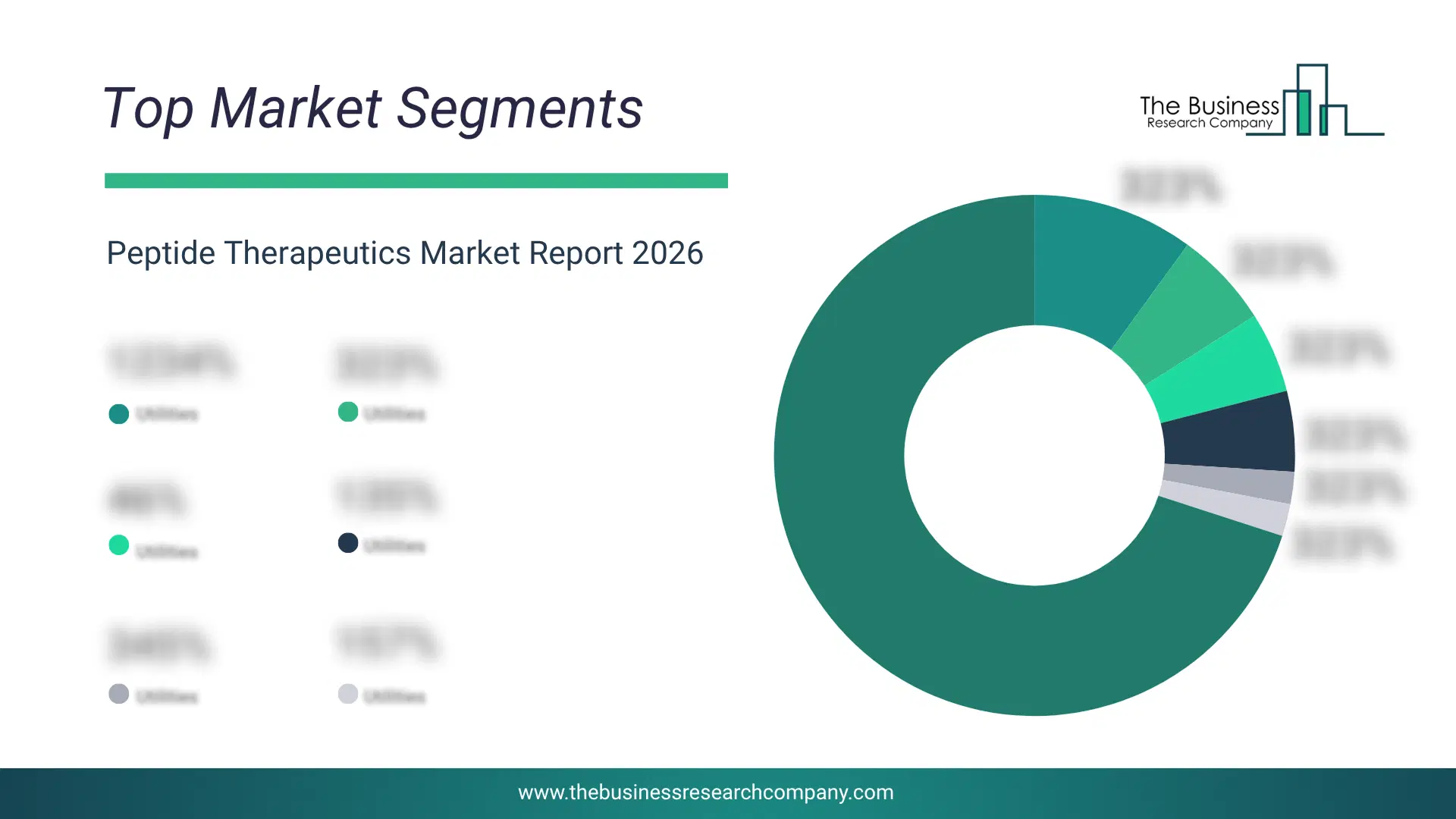
1) By Type: Generic, Branded 2) By Route of Administration: Parenteral, Mucosal, Oral, Transdermal 3) By Application: Cancer, Cardiovascular Diseases, Central Nervous Systems, Metabolic Disorders, Infections, Hematological Disorders, Gastrointestinal Disorders, Dermatology, Respiratory Disorders, Acromegaly, Other Applications Subsegments: 1) By Generic: Generic Peptide Drugs, Biosimilars 2) By Branded: Innovative Peptide Drugs, Patent-Protected Peptides The top segments in the peptide therapeutics market will be: • Branded will reach $198.44 Billion by 2030. • Generic will reach $24.05 Billion by 2030.What Is The Driver Of The Peptide Therapeutics Market?
An increase in the prevalence of chronic diseases is expected to propel the growth of the peptide therapeutics market. Chronic diseases are long-lasting sickness that often cannot be healed, however, they are occasionally curable and controllable. Chronic diseases are increasing due to increased use of tobacco products, poor nutrition, physical inactivity, excessive alcohol use, and others. The use of peptide therapeutics aids in the prevention and treatment of certain chronic diseases. For instance, in January 2023, according to the National Library of Medicine, a US-based agency, the number of people in the US aged 50 and older who have at least one chronic condition would increase by 99.5%, that is 142.66 million, by 2050. Therefore, the increase in the prevalence of chronic diseases is expected to drive the peptide therapeutics industry during the forecast period.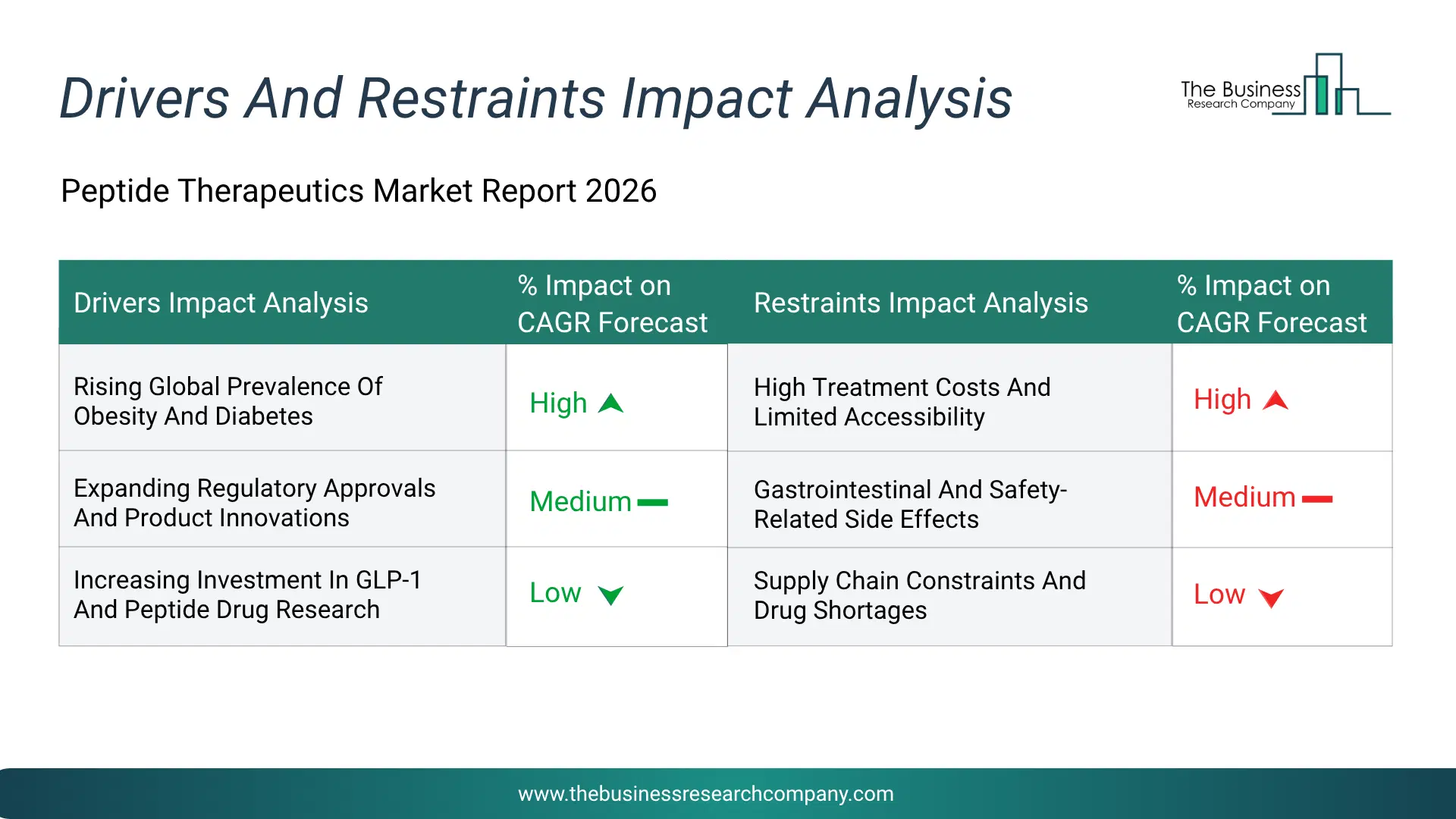
Infographic Chart Showing Key Market Drivers Analysis And Restraints For Peptide Therapeutics Market
The chart presents an impact analysis of key drivers and restraints, quantifying their relative influence on the market's growth rate and helping assess the balance between growth enablers and limiting factors. This chart offers a high-level perspective; the full report contains more detailed insights.
How Will The Drivers Impact Growth In The Global Peptide Therapeutics Market?
• Rising Global Prevalence Of Obesity And Diabetes (High) – During the forecast period, the rising global prevalence of obesity and diabetes is expected to become a key growth driver for the peptide therapeutics market by 2030. Increasing incidence of metabolic disorders is accelerating demand for peptide-based treatments that offer targeted mechanisms of action and improved clinical outcomes. Healthcare systems are expanding therapeutic interventions to address long-term disease burden, while pharmaceutical companies continue developing peptide candidates focused on weight management and glycemic control. Growing awareness regarding early disease management is further strengthening treatment adoption across developed and emerging healthcare markets. • Expanding Regulatory Approvals And Product Innovations (Medium) – During the forecast period, the expanding regulatory approvals and product innovations are expected to emerge as a major factor driving the expansion of the peptide therapeutics market by 2030. Regulatory agencies are supporting broader commercialization of advanced peptide therapies across multiple disease indications, creating favorable pathways for market penetration. Simultaneously, manufacturers are introducing improved peptide formulations with enhanced stability, efficacy, and patient convenience. Continuous innovation in peptide engineering and formulation technologies is expanding treatment possibilities and strengthening product pipelines. • Increasing Investment In GLP-1 And Peptide Drug Research (Low) – During the forecast period, the increasing investment in GLP-1 and peptide drug research is expected to act as a key growth catalyst for the peptide therapeutics market by 2030. Biopharmaceutical companies are increasing funding toward peptide discovery platforms and clinical development programs targeting metabolic diseases and additional therapeutic applications. Research efforts are accelerating advancements in peptide optimization technologies, enabling improved therapeutic performance and broader treatment potential. Strategic partnerships and pipeline expansion activities are also supporting long-term innovation across peptide development ecosystems.How Will The Restraints Impact Growth In The Global Peptide Therapeutics Market?
• High Treatment Costs And Limited Accessibility (High) – During the forecast period, the high cost of peptide-based metabolic disorder therapeutics remains a major restraint for market expansion, particularly in low- and middle-income economies. Advanced GLP-1 receptor agonists and peptide drugs often require long-term administration, creating substantial financial burdens for patients and healthcare systems. Limited reimbursement coverage and insurance restrictions further reduce accessibility for many eligible individuals. High manufacturing complexity and cold-chain storage requirements also contribute to elevated product pricing. In several regions, healthcare infrastructure limitations restrict consistent access to advanced metabolic therapies. Despite growing demand, affordability concerns continue to prevent widespread adoption among economically disadvantaged populations. These financial barriers may slow the market’s full growth potential during the forecast period. • Gastrointestinal And Safety-Related Side Effects (Medium) – During the forecast period, the peptide-based metabolic therapies are associated with several gastrointestinal and safety-related adverse effects that can limit patient adherence and long-term treatment continuation. Common side effects include nausea, vomiting, diarrhea, abdominal discomfort, and appetite-related complications. Some patients may discontinue therapy due to intolerance or concerns regarding long-term safety outcomes. Regulatory agencies continue monitoring potential risks linked with GLP-1 therapies, including pancreatitis and other metabolic complications. Safety concerns may discourage certain healthcare providers from prescribing these medications extensively. In addition, patients with pre-existing medical conditions may require careful monitoring before initiating peptide therapy. These clinical limitations can reduce overall treatment adoption and slow broader market penetration. • Supply Chain Constraints And Drug Shortages (Low) – During the forecast period, the increasing global demand for peptide-based obesity and diabetes drugs has created significant supply chain pressures and product shortages. Rapid adoption of GLP-1 therapies has exceeded manufacturing capacities in several markets, limiting product availability for patients. Pharmaceutical manufacturers are facing challenges related to production scaling, raw material procurement, and distribution logistics. Drug shortages can interrupt patient treatment continuity and reduce physician confidence in long-term prescribing. Regulatory authorities have also highlighted concerns regarding compounded or unauthorized peptide products entering the market during shortages. Limited manufacturing infrastructure for peptide therapeutics continues to hinder stable supply across global regions. These constraints may negatively impact market expansion despite strong clinical demand.Key Players In The Global Peptide Therapeutics Market
Major companies operating in the peptide therapeutics market are Pfizer Inc., Jhonson & Jhonson, Abbvie Inc., Novartis AG, Bristol-Myers Squibb Company, AstraZeneca plc, Sanofi SA, GlaxoSmithKline plc, Takeda Pharmaceutical Company Limited, Eli Lilly and Company, Amgen Inc., Novo Nordisk AS, Teva Pharmaceuticals Industries Ltd., Bachem Holding AG, PolyPeptide Laboratories BV, Arcus Biosciences Inc., Pepscan Therapeutics, Peptech Inc., Peptide Logic Inc., SELLAS Life Sciences Group, Ever Neuro Pharma GmbH, Zealand Pharma AG, PepGen Inc., Pepticom S.A., Peptide Technologies Corporation, SynPeptide Inc., Peptimmune Inc., Merck & Co Inc.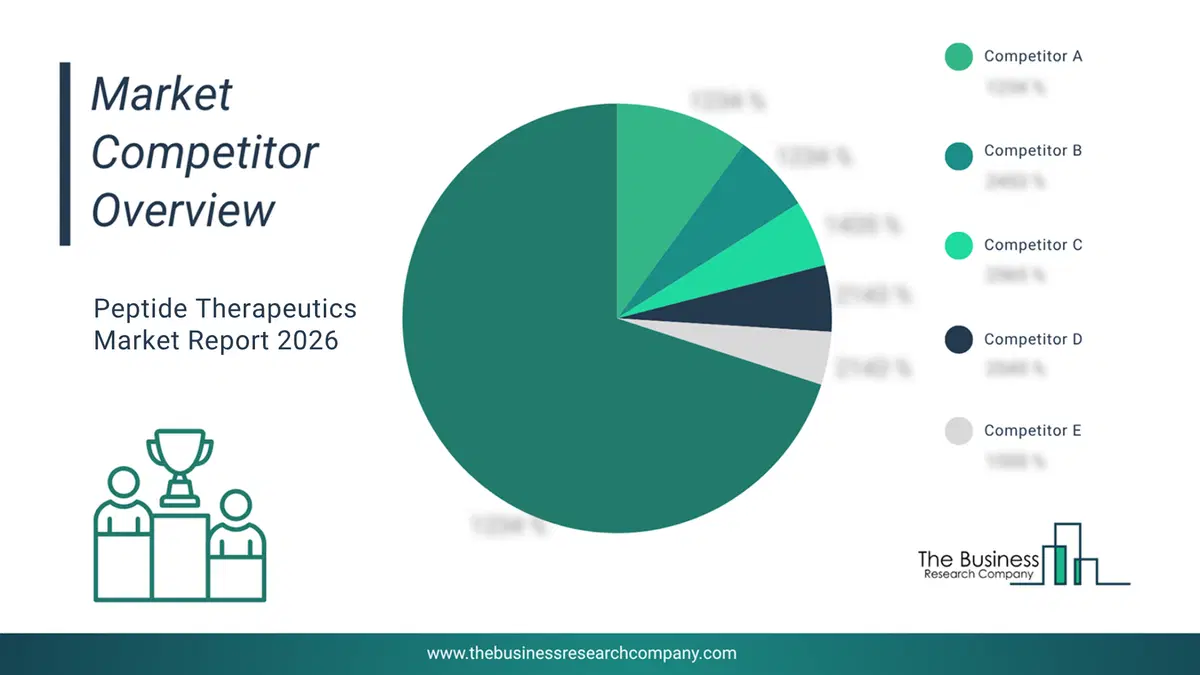
This chart is for illustrative purposes; the full report includes a detailed competitor analysis and comprehensive overview of the top 10 companies in the market.
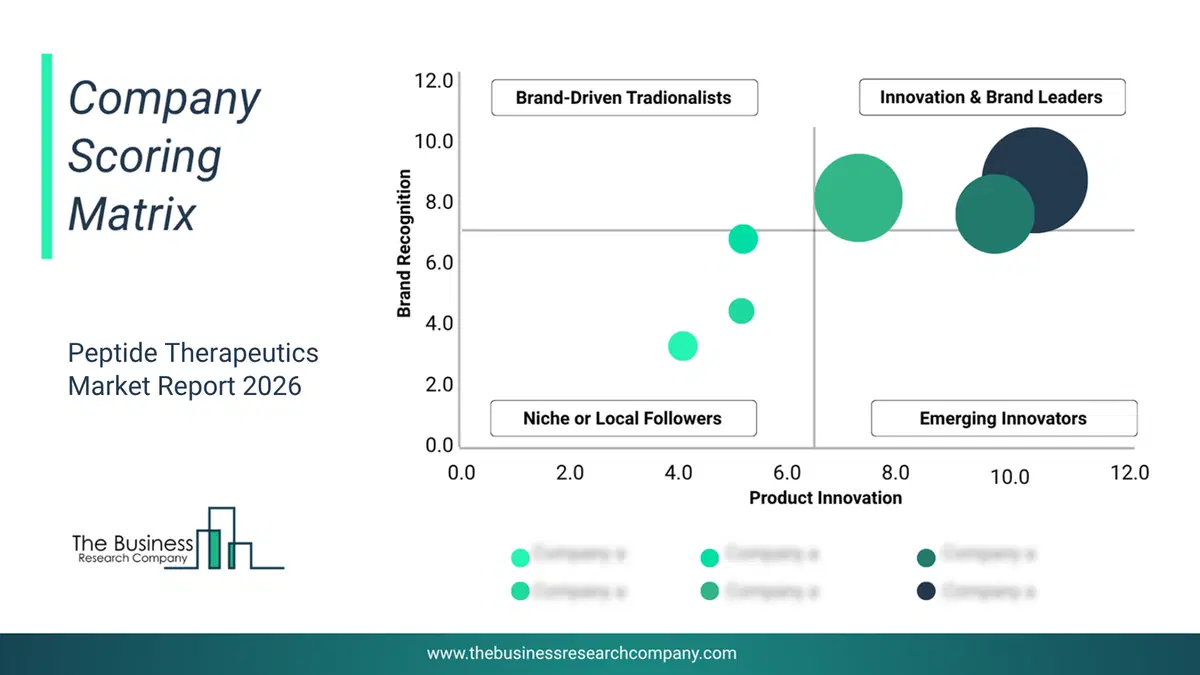
This chart maps companies by product innovation and brand strength, with bubble size indicating relative revenue, helping identify market leaders, challengers, and niche players. This is an illustrative chart; the full report provides a complete and accurate competitive analysis.
Global Peptide Therapeutics Market Trends and Insights
Major companies operating in the peptide therapeutics market are focused on introducing advanced solutions, such as cell culture process, to gain a competitive edge in the market. Cell culture process is the process of growing cells outside of their natural environment, under controlled conditions which involves isolating cells of interest from living tissue and subsequently maintaining them. For instance, in June 2023, Evonik Industries AG, a German-based specialty chemicals company launched cQrex KC. cQrex KC is next-generation peptide for biopharma applications designed for cell culture process used in the manufacture of biological drugs. It enables cell culture process developers to optimize cystine supply and increase cell culture productivity. cQrex KC supports the development of vaccines, viral vectors, and cell therapies.What Are Latest Mergers And Acquisitions In The Peptide Therapeutics Market?
In July 2024, AstraZeneca plc, an England-based pharmaceutical and biotechnology company, acquired Amolyt Pharma for $1.05 billion. This acquisition aligns with AstraZeneca's broader strategy to strengthen its capabilities in rare diseases and expand its therapeutic offerings in high-need areas. Amolyt Pharma is a France-based clinical-stage biotechnology company that specializes in developing therapeutic peptides aimed at treating rare endocrine and metabolic diseases.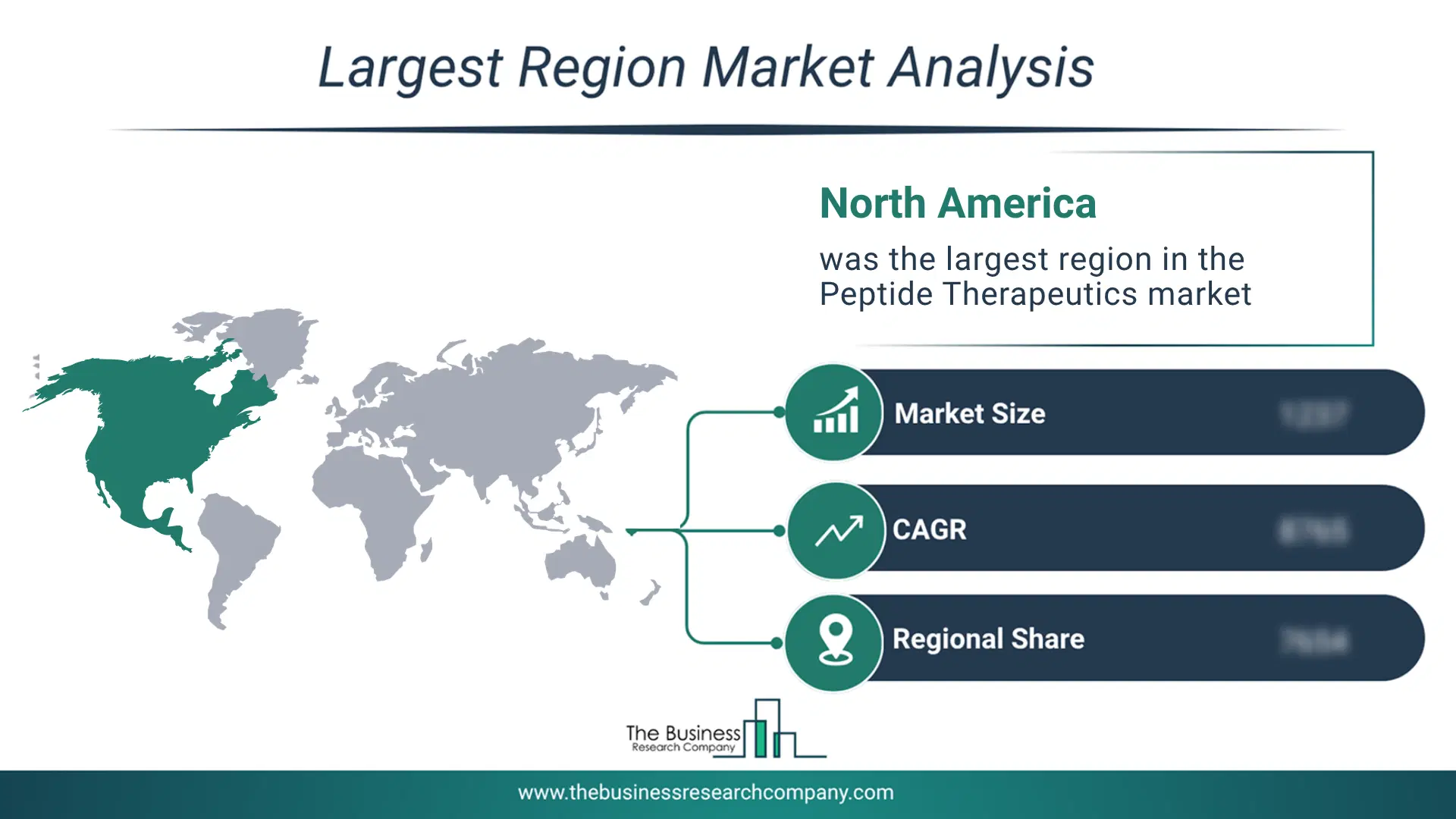
Regional Insights
North America was the largest region in the peptide therapeutics market in 2025. Asia-Pacific is expected to be the fastest-growing region in the forecast period. The regions covered in this market report are Asia-Pacific, South East Asia, Western Europe, Eastern Europe, North America, South America, Middle East, Africa. The countries covered in this market report are Australia, Brazil, China, France, Germany, India, Indonesia, Japan, Taiwan, Russia, South Korea, UK, USA, Canada, Italy, Spain.What Defines the Peptide Therapeutics Market?
The peptide therapeutics market includes revenues earned by entities by creating drugs to treat a variety of diseases. The market value includes the value of related goods sold by the service provider or included within the service offering. Only goods and services traded between entities or sold to end consumers are included.How is Market Value Defined and Measured?
The market value is defined as the revenues that enterprises gain from the sale of goods and/or services within the specified market and geography through sales, grants, or donations in terms of the currency (in USD unless otherwise specified). The revenues for a specified geography are consumption values that are revenues generated by organizations in the specified geography within the market, irrespective of where they are produced. It does not include revenues from resales along the supply chain, either further along the supply chain or as part of other products.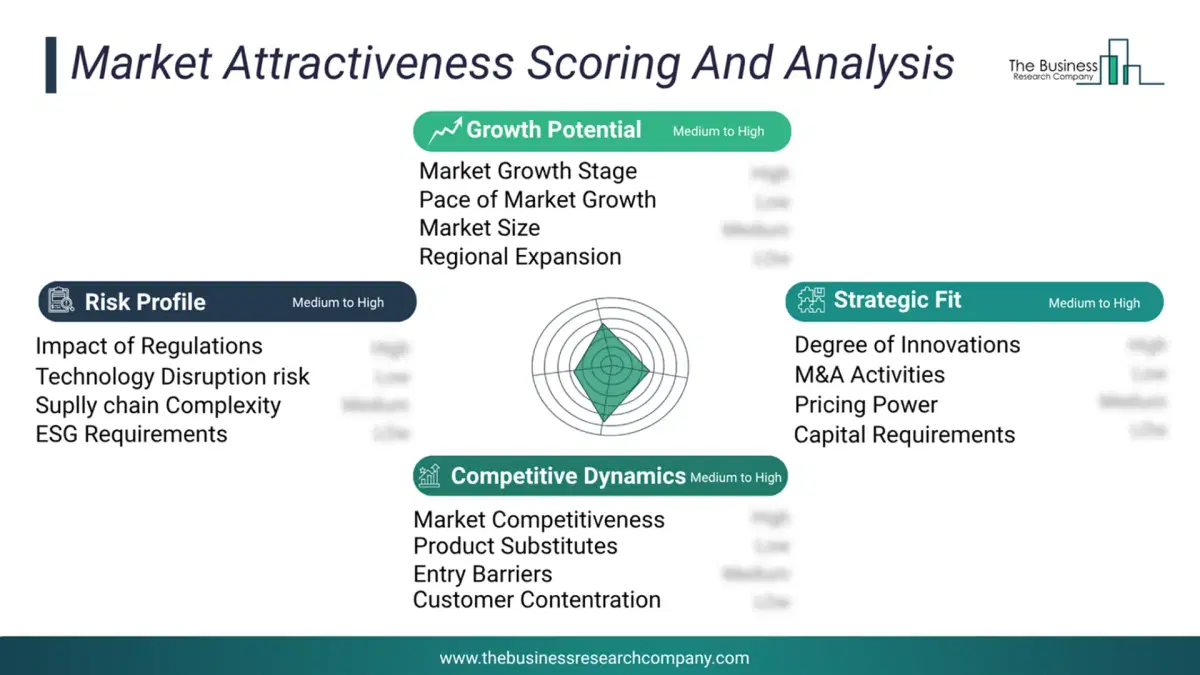
This chart presents market attractiveness based on a quantitative evaluation of growth, competition, strategic alignment, and risk, offering a clear view of opportunity areas for decision-making. This chart is for illustrative purposes; the full report contains the complete analysis.
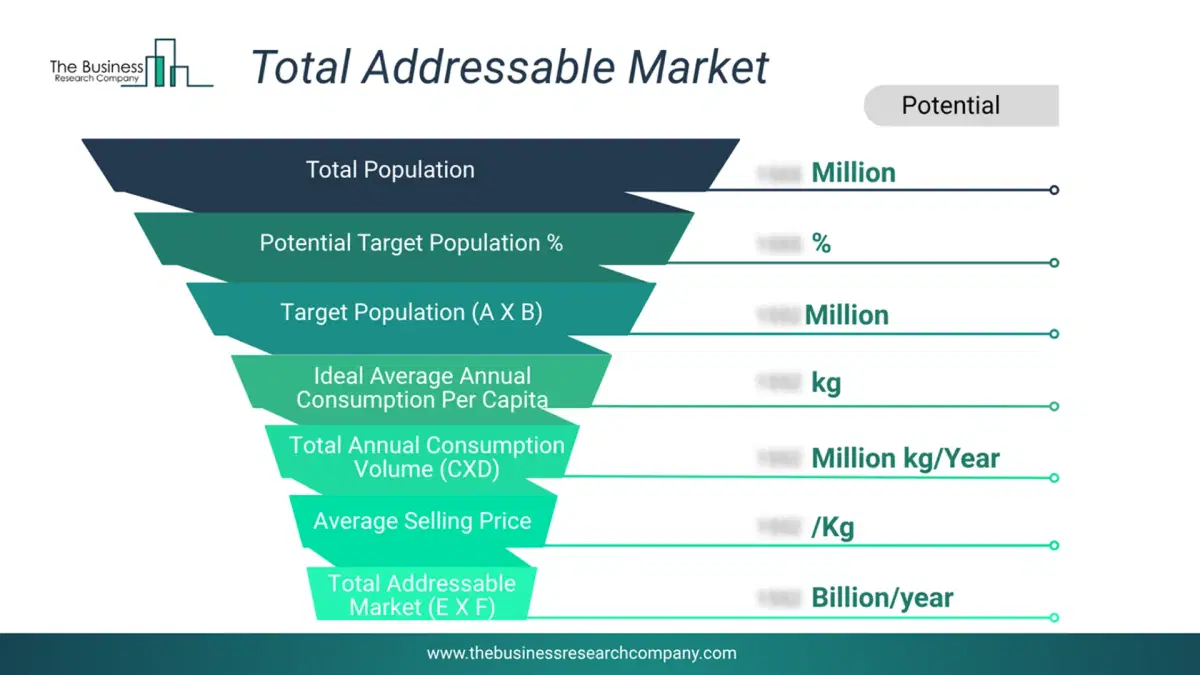
This chart highlights the Total Addressable Market (TAM) by estimating the maximum revenue opportunity using an assumption-driven approach, supporting strategic planning and opportunity sizing across markets. The chart is illustrative; the full report provides a more comprehensive analysis.
What Key Data and Analysis Are Included in the Peptide Therapeutics Market Report 2026?
The peptide therapeutics market research report is one of a series of new reports from The Business Research Company that provides market statistics, including industry global market size, regional shares, competitors with the market share, detailed market segments, market trends and opportunities, and any further data you may need to thrive in the peptide therapeutics industry. The market research report delivers a complete perspective of everything you need, with an in-depth analysis of the current and future state of the industry.Peptide Therapeutics Market Report Forecast Analysis
| Report Attribute | Details |
|---|---|
| Market Size Value In 2026 | $54.62 billion |
| Revenue Forecast In 2030 | $83.57 billion |
| Growth Rate | CAGR of 11.0% from 2026 to 2030 |
| Base Year For Estimation | 2025 |
| Actual Estimates/Historical Data | 2020-2025 |
| Forecast Period | 2026 - 2030 |
| Market Representation | Revenue in USD Billion and CAGR from 2026 to 2030 |
| Segments Covered | Type, Route of Administration, Application |
| Regional Scope | Asia-Pacific, Western Europe, Eastern Europe, North America, South America, Middle East, Africa |
| Country Scope | The countries covered in the report are Australia, Brazil, China, France, Germany, India, Indonesia, Japan, Taiwan, Russia, South Korea, UK, USA, Canada, Italy, Spain. |
| Key Companies Profiled | Pfizer Inc., Jhonson & Jhonson, Abbvie Inc., Novartis AG, Bristol-Myers Squibb Company, AstraZeneca plc, Sanofi SA, GlaxoSmithKline plc, Takeda Pharmaceutical Company Limited, Eli Lilly and Company, Amgen Inc., Novo Nordisk AS, Teva Pharmaceuticals Industries Ltd., Bachem Holding AG, PolyPeptide Laboratories BV, Arcus Biosciences Inc., Pepscan Therapeutics, Peptech Inc., Peptide Logic Inc., SELLAS Life Sciences Group, Ever Neuro Pharma GmbH, Zealand Pharma AG, PepGen Inc., Pepticom S.A., Peptide Technologies Corporation, SynPeptide Inc., Peptimmune Inc., Merck & Co Inc. |
| Customization Scope | Request for Customization |
| Pricing And Purchase Options | Explore Purchase Options |