

Urology Devices Market Report 2026
Global Outlook – By Product (Urology Endoscopes, Robotic Surgical Systems, Laser Systems, Lithotripters, Brachytherapy Systems, High-Intensity Focused Ultrasound (HIFU) Systems, Urodynamic Systems, Urology Consumables), By Disease (Kidney Diseases, Urological Cancer And BPH, Pelvic Organ Prolapse, Other Diseases), By Technology (Minimally Invasive Surgery, Robotic Surgery, Other Technologies), By End User (Hospitals And Clinics, Dialysis Centers, Other End Users) – Market Size, Trends, Strategies, and Forecast to 2030
Urology Devices Market Overview
• Urology Devices market size has reached to $40.39 billion in 2025 • Expected to grow to $56.39 billion in 2030 at a compound annual growth rate (CAGR) of 7% • Growth Driver: Rising Incidence Of Urologic Conditions Fuels Growth In The Urology Devices Market • Market Trend: Innovative Urology Cameras Revolutionizing Prostate Care With Enhanced Imaging • North America was the largest region in 2025.Market Gains By 2030 – Top Opportunities By Segment
Market Gain identifies the most promising market opportunities by highlighting the segments or products expected to generate the highest incremental revenue growth over the next five years.
What Is Covered Under Urology Devices Market?
Urology devices refer to instruments or devices used to diagnose or treat diseases in urology. It offers patients with many potential advantages with diseases of the urinary tract such as kidney, bladder, and ureters in men and women. The main product types of urology devices are urology endoscopes, robotic surgical systems, laser systems, lithotripters, brachytherapy systems, high-intensity focused ultrasound systems, urodynamic systems, and urology consumables. A urology endoscope refers to a device with a light attached to it used to visualize the urethra and bladder (urethrocystoscopy) and ureter or renal pelvis and calyces (ureterorenoscopy). Urology devices are used in various diseases such as kidney diseases, urological cancer and Benign prostatic hyperplasia (BPH), pelvic organ prolapse, and other diseases. The various technology involves in urology devices are minimally invasive surgery, robotic surgery, and other technologies. These devices are used by various end-users such as hospitals and clinics, dialysis centers, and others.
What Is The Urology Devices Market Size and Share 2026?
The urology devices market size has grown strongly in recent years. It will grow from $40.39 billion in 2025 to $43.05 billion in 2026 at a compound annual growth rate (CAGR) of 6.6%. The growth in the historic period can be attributed to increasing incidence of kidney and urinary tract diseases, expansion of hospital-based urology departments, rising availability of endoscopic procedures, growth in aging population, improved access to specialized urology care.What Is The Urology Devices Market Growth Forecast?
The urology devices market size is expected to see strong growth in the next few years. It will grow to $56.39 billion in 2030 at a compound annual growth rate (CAGR) of 7.0%. The growth in the forecast period can be attributed to increasing investments in robotic surgery platforms, rising focus on precision urology treatments, expansion of outpatient surgical centers, growing demand for advanced diagnostic accuracy, increasing healthcare technology adoption. Major trends in the forecast period include increasing adoption of minimally invasive urology procedures, rising use of robotic-assisted surgical systems, growing demand for advanced laser lithotripsy devices, expansion of urology consumables utilization, enhanced integration of imaging and diagnostic technologies.
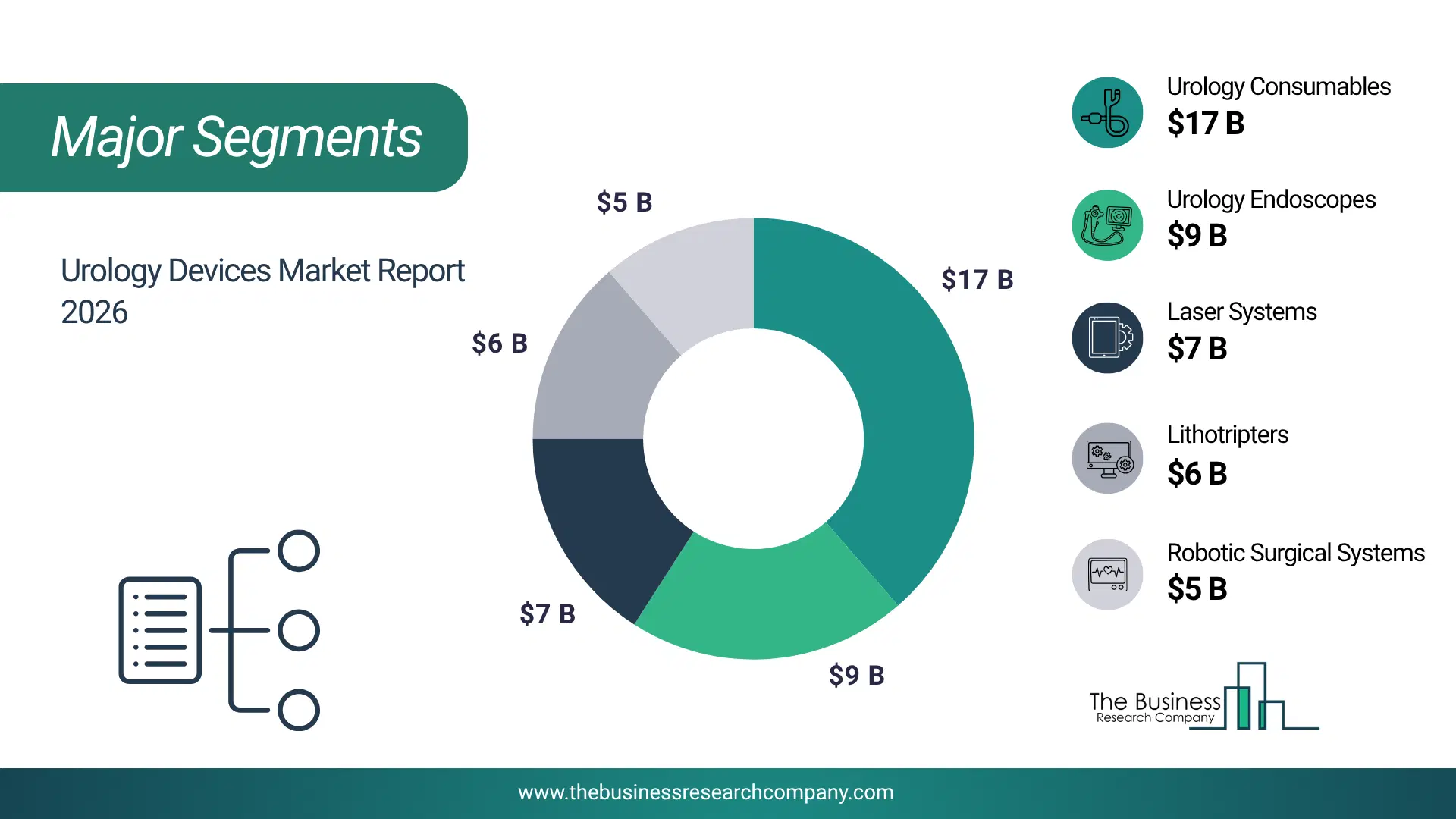
Global Urology Devices Market Segmentation
1) By Product: Urology Endoscopes, Robotic Surgical Systems, Laser Systems, Lithotripters, Brachytherapy Systems, High-Intensity Focused Ultrasound (HIFU) Systems, Urodynamic Systems, Urology Consumables 2) By Disease: Kidney Diseases, Urological Cancer And BPH, Pelvic Organ Prolapse, Other Diseases 3) By Technology: Minimally Invasive Surgery, Robotic Surgery, Other Technologies 4) By End User: Hospitals And Clinics, Dialysis Centers, Other End Users Subsegments: 1) By Urology Endoscopes: Rigid Endoscopes, Flexible Endoscopes, Video Endoscopes 2) By Robotic Surgical Systems: Robotic-Assisted Surgical Systems, Robotic Instruments 3) By Laser Systems: Holmium Laser Systems, Thulium Laser Systems, Diode Laser Systems 4) By Lithotripters: Extracorporeal Shock Wave Lithotripters (ESWL), Laser Lithotripters 5) By Brachytherapy Systems: Seed Implantation Systems, Afterloading Systems 6) By High-Intensity Focused Ultrasound (HIFU) Systems: HIFU Devices For Prostate Treatment, HIFU Devices For Kidney Treatment 7) By Urodynamic Systems: Urodynamic Measurement Systems, Portable Urodynamic Systems 8) By Urology Consumables: Catheters, Biopsy Needles, Surgical Instruments The top segments in the urology devices market will be: • Urology Consumables will reach $17 Billion by 2030. • Urology Endoscopes will reach $9 Billion by 2030. • Laser Systems will reach $7 Billion by 2030. • Lithotripters will reach $6 Billion by 2030. • Robotic Surgical Systems will reach $5 Billion by 2030.What Is The Driver Of The Urology Devices Market?
The high incidence of urologic conditions is expected to propel the growth of the urology devices market going forward. Urologic conditions refer to the diseases that affect the urinary tract, such as urinary tract infections, bladder control problems, kidney stones, prostate problems, and others. As the global population continues to age and the prevalence of chronic diseases such as diabetes and obesity increases, the incidence of urological conditions is expected to rise. Urology devices and relevant equipment are required by the urologist for the proper diagnosis and treatment of these urological conditions, such as erectile dysfunction, kidney stones, prostate cancer, bladder cancer, and others, as a result, the high incidence of urological conditions increases the demand for urology devices market. For instance, in October 2023, according to the National Health Service (NHS) England, a UK-based government department, in 2022-23, hospitals recorded 147,285 admissions with a primary diagnosis of urinary tract infection (UTI). Individuals aged over 65 accounted for 56% of these cases, totaling 82,392 admissions. Thus, the high incidence of urologic conditions is expected to drive the urology devices industry.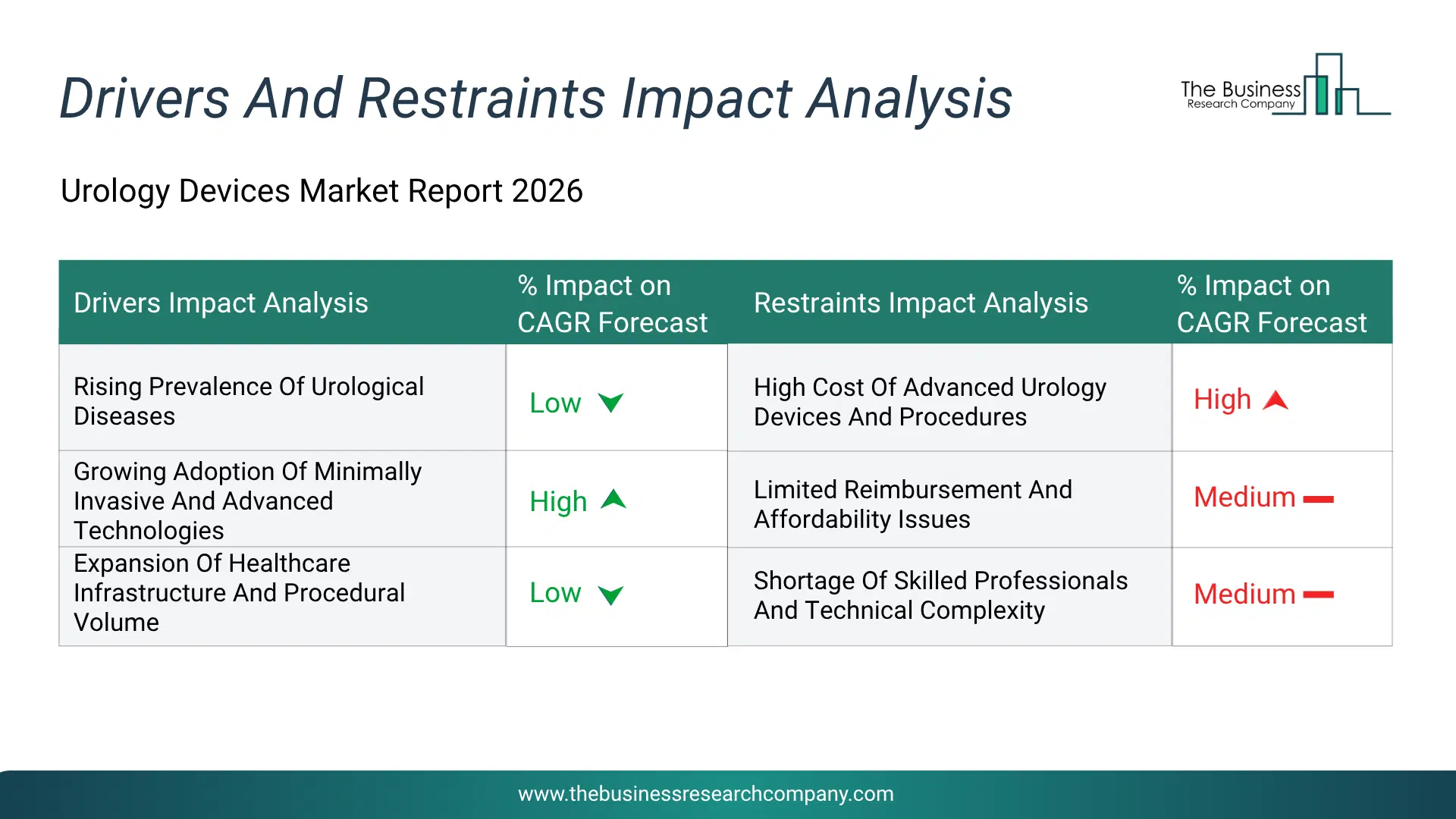
Infographic Chart Showing Key Market Drivers Analysis And Restraints For Urology Devices Market
The chart presents an impact analysis of key drivers and restraints, quantifying their relative influence on the market's growth rate and helping assess the balance between growth enablers and limiting factors. This chart offers a high-level perspective; the full report contains more detailed insights.
How Will The Drivers Impact Growth In The Global Urology Devices Market?
• Rising Prevalence Of Urological Diseases (Low) – During the forecast period, the rising prevalence of urological diseases is expected to become a major growth driver for the urology devices market by 2030. Increasing incidences of kidney stones, urinary incontinence, benign prostatic hyperplasia (BPH), bladder cancer, and other urinary tract disorders are significantly increasing the demand for diagnostic and therapeutic procedures worldwide. As the number of patients continues to grow, hospitals and specialty clinics are investing in advanced urology devices such as endoscopes, lithotripters, laser systems, and urodynamic equipment to improve treatment efficiency and clinical outcomes. The aging global population, which is more susceptible to chronic urological disorders, further strengthens long-term demand for these devices. Rising awareness, improved screening programs, and earlier diagnosis are also contributing to higher procedural volumes. • Growing Adoption Of Minimally Invasive And Advanced Technologies (High) – During the forecast period, the growing adoption of minimally invasive and advanced technologies is expected to emerge as a key factor driving the expansion of the urology devices market by 2030. Healthcare providers are increasingly utilizing robotic-assisted surgery, laser lithotripsy, flexible ureteroscopy, and advanced endoscopic procedures due to their ability to reduce surgical trauma, shorten hospital stays, minimize complications, and accelerate patient recovery. These technologies also provide greater procedural precision and improved treatment outcomes, making them the preferred choice for both clinicians and patients. Continuous technological innovations in imaging, digital endoscopy, and robotic platforms are further enhancing the effectiveness of urological interventions. Consequently, healthcare facilities are expanding investments in next-generation urology equipment to improve operational efficiency and patient care. • Expansion Of Healthcare Infrastructure And Procedural Volume (Low) – During the forecast period, the expansion of healthcare infrastructure and procedural volume is expected to act as another key growth catalyst for the urology devices market by 2030. Increasing investments in hospitals, specialty urology centers, ambulatory surgical centers, and diagnostic facilities are improving patient access to advanced urological care across both developed and emerging economies. The growing availability of specialized healthcare facilities is enabling a higher number of diagnostic and surgical procedures for kidney stones, prostate disorders, urinary tract diseases, and bladder conditions. As procedural volumes continue to rise, healthcare providers require larger volumes of urology devices including endoscopes, lithotripters, laser systems, and urodynamic equipment to support efficient treatment delivery. Furthermore, expanding healthcare coverage and improving medical infrastructure in emerging markets are bringing more patients into the treatment ecosystem.How Will The Restraints Impact Growth In The Global Urology Devices Market?
• High Cost Of Advanced Urology Devices And Procedures (Low) – During the forecast period, the high cost of advanced urology devices such as robotic surgical systems, laser equipment, and specialized endoscopes significantly limits their adoption, particularly in cost-sensitive and developing markets. These systems require substantial upfront capital investment along with ongoing maintenance and operational expenses, making them less accessible for smaller hospitals and clinics. Additionally, the high cost of procedures using these technologies increases the financial burden on patients, reducing treatment uptake in regions with limited insurance coverage. Budget constraints within healthcare systems further restrict procurement of advanced equipment. As a result, the overall market growth is hindered due to slower adoption and limited accessibility. • Limited Reimbursement And Affordability Issues (High) – During the forecast period, the limited reimbursement policies for urology procedures reduce the financial incentives for both healthcare providers and patients to adopt advanced devices. In many regions, partial or отсутствующий insurance coverage increases out-of-pocket expenses, making treatments less affordable and leading to delayed or avoided procedures. This directly lowers the utilization rate of high-cost technologies such as robotic systems and laser-based treatments. Additionally, hospitals may hesitate to invest in expensive urology equipment when reimbursement returns are uncertain or insufficient. As a result, constrained affordability and weak reimbursement frameworks significantly restrict market penetration and growth. • Shortage Of Skilled Professionals And Technical Complexity (Low) – During the forecast period, the shortage of skilled professionals trained in advanced urology procedures limits the effective utilization of sophisticated devices such as robotic surgical systems, laser technologies, and endoscopic equipment. These technologies require specialized expertise and continuous training, which is not widely available across all healthcare settings, especially in emerging markets. Additionally, the technical complexity associated with operating and maintaining these devices increases the risk of procedural errors and inefficiencies when adequate expertise is lacking. Hospitals may also delay adoption due to the additional costs and time required for staff training. As a result, limited skilled workforce availability and operational complexity hinder widespread adoption and slow overall market growth.Key Players In The Global Urology Devices Market
Major companies operating in the urology devices market are Boston Scientific Corporation, Cook Medical Incorporated, Stryker Corporation, Intuitive Surgical Inc., Karl Storz SE & Co. KG, Medtronic PLC, Olympus Corporation, B. Braun Melsungen AG, Dornier Med Tech, Becton Dickinson and Company, Coloplast Corp., STERIS Corporation, Integer Holdings Corporation, Healthtronics Inc., EDAP TMS, Lumenis, NeoTract Inc., NIKKISO CO. LTD, Procept BioRobotics, Promedon GmbH, PSS Urology Inc., Teleflex Incorporated, Urologix LLC, UroMems, Urotech GmbH, Zenflow Inc.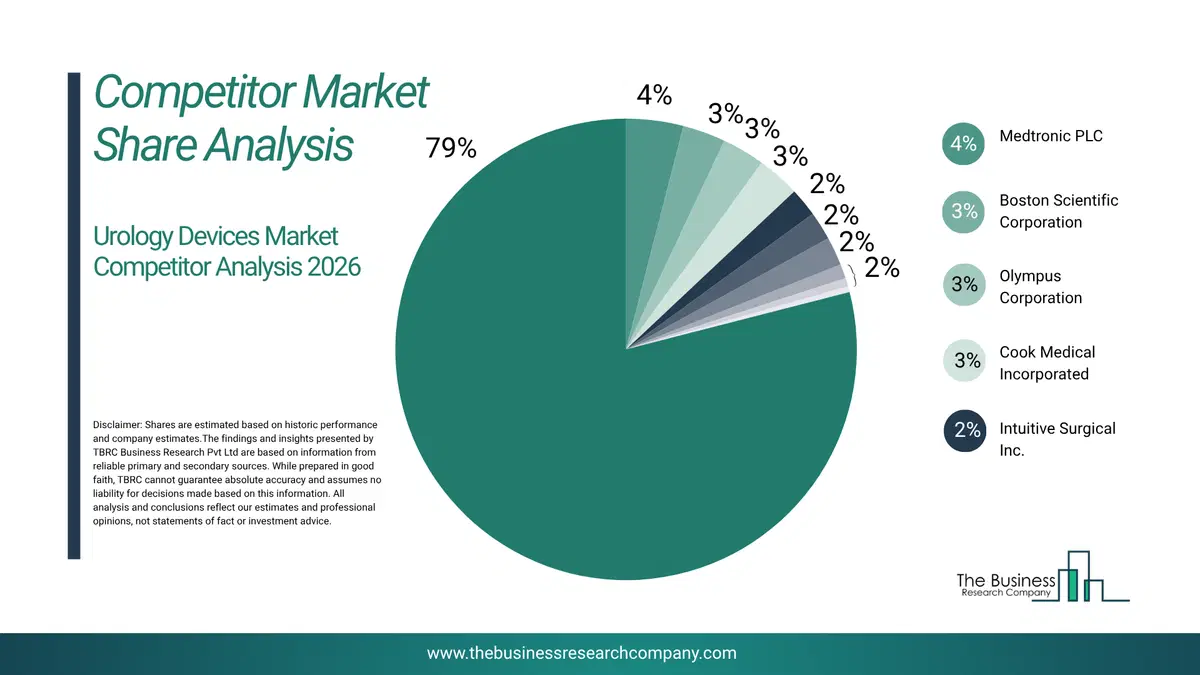
This chart is for illustrative purposes; the full report includes a detailed competitor analysis and comprehensive overview of the top 10 companies in the market.
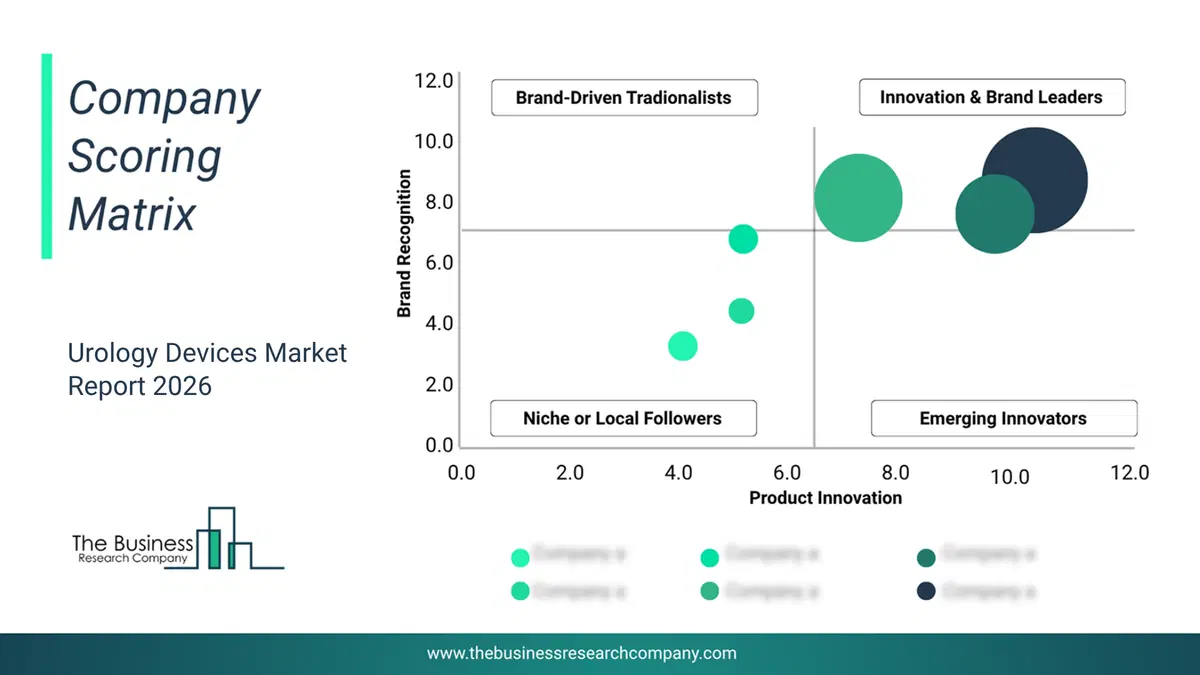
This chart maps companies by product innovation and brand strength, with bubble size indicating relative revenue, helping identify market leaders, challengers, and niche players. This is an illustrative chart; the full report provides a complete and accurate competitive analysis.
Global Urology Devices Market Trends and Insights
Major companies operating in the urology device industry are increasingly focusing on innovative solutions such as urology cameras to enhance prostate care. Urology cameras are specialized medical imaging devices used in urological procedures to capture high-resolution visuals of the urinary tract, bladder, urethra, and related structures. For instance, in September 2024, Olympus Corporation, a Japan-based optical technology company, launched its new 4K camera head, the CH-S700-08-LB, specifically tailored for urological and gynecological endoscopy procedures. This camera head delivers four times the pixel resolution of standard HD camera heads, offering superior imaging quality with 4K white light imaging and 4K Narrow Band Imaging (NBI). This advanced visualization enhances the ability to observe mucosal structures and capillary patterns, which is particularly important for diagnosing conditions such as bladder cancer.What Are Latest Mergers And Acquisitions In The Urology Devices Market?
In October 2023, Laborie Medical Technologies, a US-based medical technology company focused on diagnostic and therapeutic solutions, acquired Urotronic, Inc. for an undisclosed amount. Through this acquisition, Laborie aims to expand its presence in interventional urology and globally commercialize innovative minimally invasive therapies. Urotronic Inc. is a US-based medical device company providing the Optilume drug-coated balloon technology for the treatment of urethral strictures and benign prostatic hyperplasia (BPH).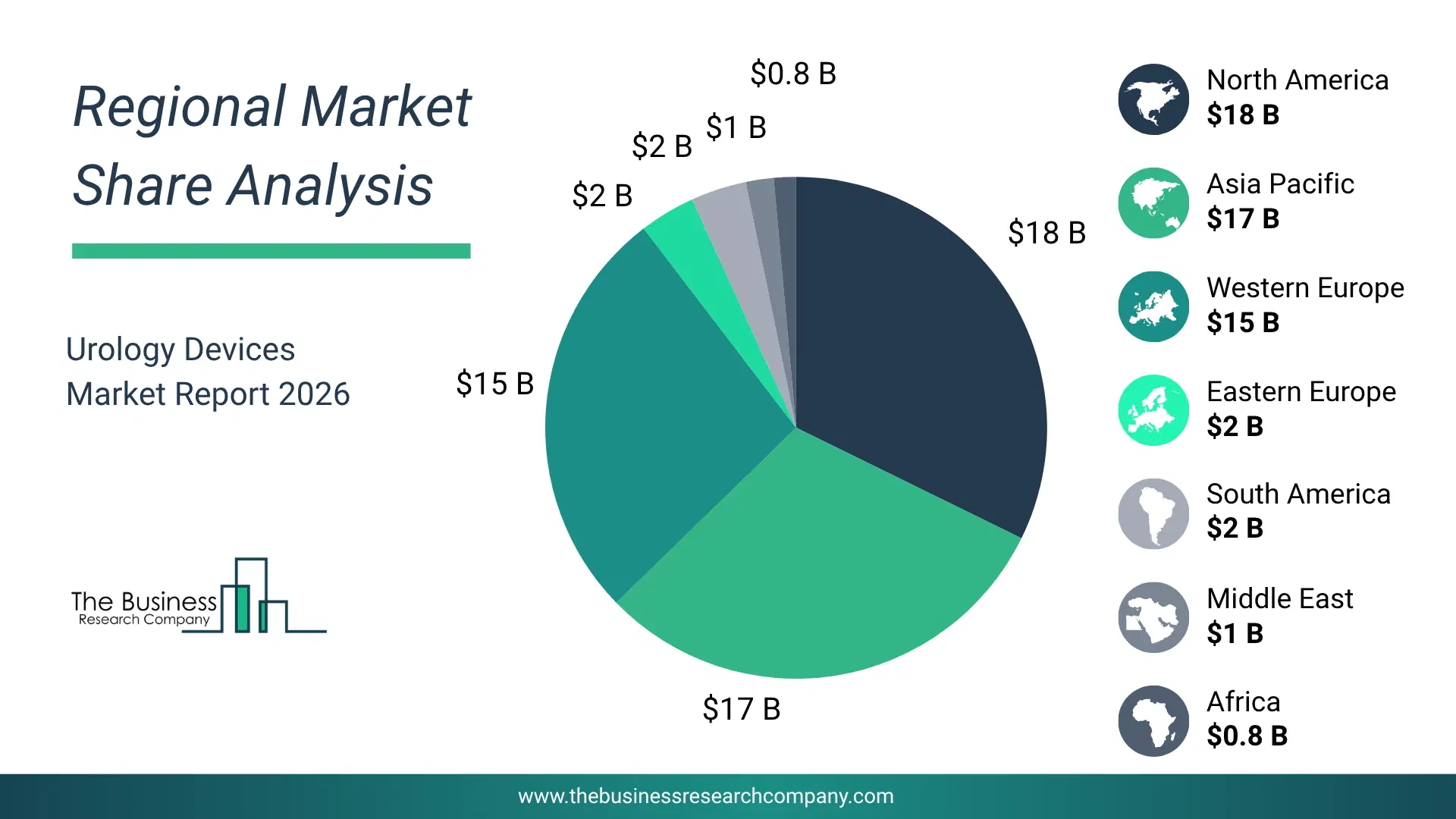
Regional Outlook
North America was the largest region in the urology devices market in 2025. The regions covered in this market report are Asia-Pacific, South East Asia, Western Europe, Eastern Europe, North America, South America, Middle East, Africa. The countries covered in this market report are Australia, Brazil, China, France, Germany, India, Indonesia, Japan, Taiwan, Russia, South Korea, UK, USA, Canada, Italy, SpainWhat Defines the Urology Devices Market?
The urology devices market consists of sales of instruments, consumables, accessories, dialysis machines, envision devices, and imaging devices. Values in this market are ‘factory gate’ values, that is, the value of goods sold by the manufacturers or creators of the goods, whether to other entities (including downstream manufacturers, wholesalers, distributors, and retailers) or directly to end customers. The value of goods in this market includes related services sold by the creators of the goods.How is Market Value Defined and Measured?
The market value is defined as the revenues that enterprises gain from the sale of goods and/or services within the specified market and geography through sales, grants, or donations in terms of the currency (in USD unless otherwise specified). The revenues for a specified geography are consumption values that are revenues generated by organizations in the specified geography within the market, irrespective of where they are produced. It does not include revenues from resales along the supply chain, either further along the supply chain or as part of other products.
This chart presents market attractiveness based on a quantitative evaluation of growth, competition, strategic alignment, and risk, offering a clear view of opportunity areas for decision-making. This chart is for illustrative purposes; the full report contains the complete analysis.
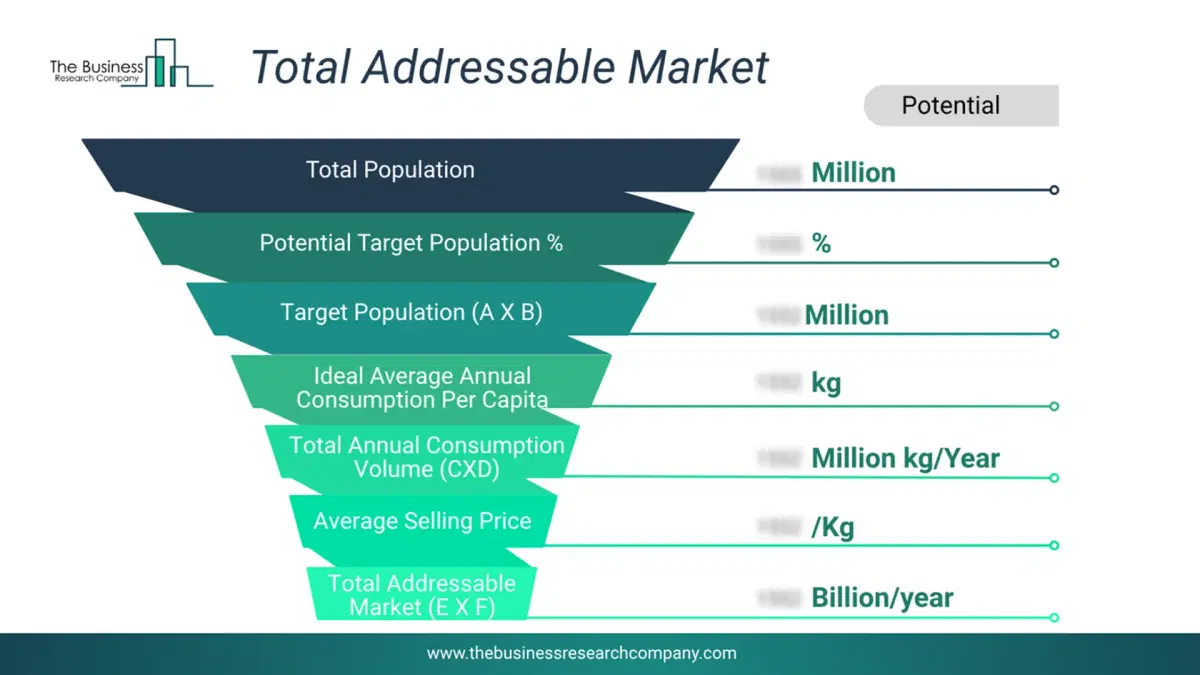
This chart highlights the Total Addressable Market (TAM) by estimating the maximum revenue opportunity using an assumption-driven approach, supporting strategic planning and opportunity sizing across markets. The chart is illustrative; the full report provides a more comprehensive analysis.
What Key Data and Analysis Are Included in the Urology Devices Market Report 2026?
The urology devices market research report is one of a series of new reports from The Business Research Company that provides market statistics, including industry global market size, regional shares, competitors with the market share, detailed market segments, market trends and opportunities, and any further data you may need to thrive in the urology devices industry. The market research report delivers a complete perspective of everything you need, with an in-depth analysis of the current and future state of the industry.Urology Devices Market Report Forecast Analysis
| Report Attribute | Details |
|---|---|
| Market Size Value In 2026 | $43.05 billion |
| Revenue Forecast In 2030 | $56.39 billion |
| Growth Rate | CAGR of 7% from 2026 to 2030 |
| Base Year For Estimation | 2025 |
| Actual Estimates/Historical Data | 2020-2025 |
| Forecast Period | 2026 - 2030 |
| Market Representation | Revenue in USD Billion and CAGR from 2026 to 2030 |
| Segments Covered | Product, Disease, Technology, End User |
| Regional Scope | Asia-Pacific, Western Europe, Eastern Europe, North America, South America, Middle East, Africa |
| Country Scope | The countries covered in the report are Australia, Brazil, China, France, Germany, India, Indonesia, Japan, Taiwan, Russia, South Korea, UK, USA, Canada, Italy, Spain. |
| Key Companies Profiled | Boston Scientific Corporation, Cook Medical Incorporated, Stryker Corporation, Intuitive Surgical Inc., Karl Storz SE & Co. KG, Medtronic PLC, Olympus Corporation, B. Braun Melsungen AG, Dornier Med Tech, Becton Dickinson and Company, Coloplast Corp., STERIS Corporation, Integer Holdings Corporation, Healthtronics Inc., EDAP TMS, Lumenis, NeoTract Inc., NIKKISO CO. LTD, Procept BioRobotics, Promedon GmbH, PSS Urology Inc., Teleflex Incorporated, Urologix LLC, UroMems, Urotech GmbH, Zenflow Inc. |
| Customization Scope | Request for Customization |
| Pricing And Purchase Options | Explore Purchase Options |