
Contraceptives Market Report 2026
Global Outlook – By Product (Oral Contraceptive Pills, Topical Contraceptives, Injectables, Diaphragms, Vaginal Rings, Condoms, Contraceptive Sponges, Subdermal Implants, Intra-Uterine Devices), By Age Group (15-24 Years, 25-34 Years, 35-44 Years, 44 Years), By Distribution Channel (Hospital Pharmacies, Independent Pharmacies, Online Pharmacies, Clinics, Other Distribution Channels) – Market Size, Trends, Strategies, and Forecast to 2030
Contraceptives Market Overview
• Contraceptives market size has reached to $29.74 billion in 2025 • Expected to grow to $43.09 billion in 2030 at a compound annual growth rate (CAGR) of 7.7% • Growth Driver: Population Growth Fueling The Contraceptive Market Addressing Global Population Rise Through Contraceptive Solution • Market Trend: Revolutionizing Access Perrigo's Opill The First Non-Prescription Progestin-Only Daily Oral Contraceptive In The Us • North America was the largest region in 2025 and Asia-Pacific is the fastest growing region.Market Gains By 2030 – Top Opportunities By Segment
Market Gain identifies the most promising market opportunities by highlighting the segments or products expected to generate the highest incremental revenue growth over the next five years.
What Is Covered Under Contraceptives Market?
Contraceptive refers to a method or act that involves the use of a variety of medicines, sexual behaviors, chemicals, medications, or surgical procedures to intentionally prevent conception. Contraceptive is any method, measure, or action designed to keep a woman from getting pregnant. The main product types of contraceptives include oral contraceptive pills, topical contraceptives, injectables, diaphragms, vaginal rings, condoms, contraceptive sponges, subdermal implants, and intra-uterine devices. Oral contraceptive pills are contraceptive tablets or birth control pills to prevent pregnancy. It includes hormones that prevent eggs from being released from the ovaries. The contraceptives are used by a wide range of age groups, ranging from 15–24 years, 25–34 years, 35–44 years, and over 44 years. The contraceptives are distributed by clinics, hospitals, independent pharmacies, and other locations.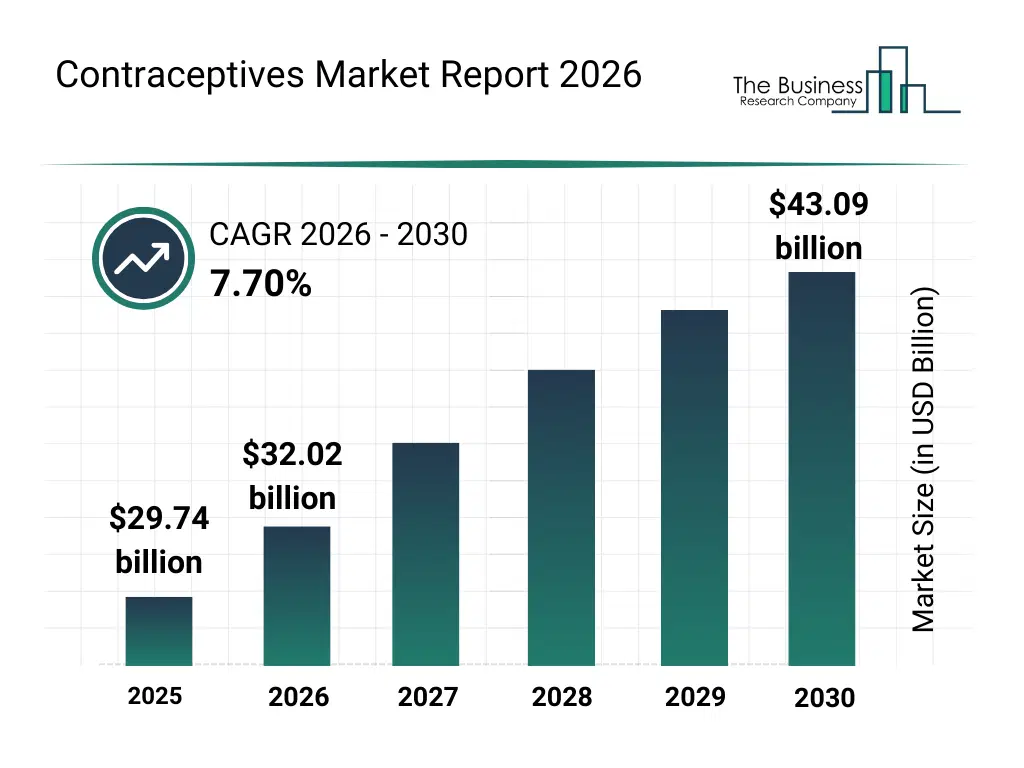
What Is The Contraceptives Market Size and Share 2026?
The contraceptives market size has grown strongly in recent years. It will grow from $29.74 billion in 2025 to $32.02 billion in 2026 at a compound annual growth rate (CAGR) of 7.7%. The growth in the historic period can be attributed to government-led family planning initiatives, increased availability of oral contraceptive pills, rising urban female workforce participation, public health campaigns on population control, expansion of hospital and clinic-based contraceptive services.What Is The Contraceptives Market Growth Forecast?
The contraceptives market size is expected to see strong growth in the next few years. It will grow to $43.09 billion in 2030 at a compound annual growth rate (CAGR) of 7.7%. The growth in the forecast period can be attributed to growth in non-hormonal and male contraceptive innovation, rising penetration of online pharmacies, increasing reproductive health awareness among adolescents, technological advancements in implantable devices, supportive regulatory approvals for novel contraceptives. Major trends in the forecast period include rising adoption of long-acting reversible contraceptives, increasing preference for non-hormonal contraceptive options, growing demand for female-controlled contraceptive methods, expansion of over-the-counter and self-administered products, increasing focus on adolescent and young adult contraceptive awareness.
Global Contraceptives Market Segmentation
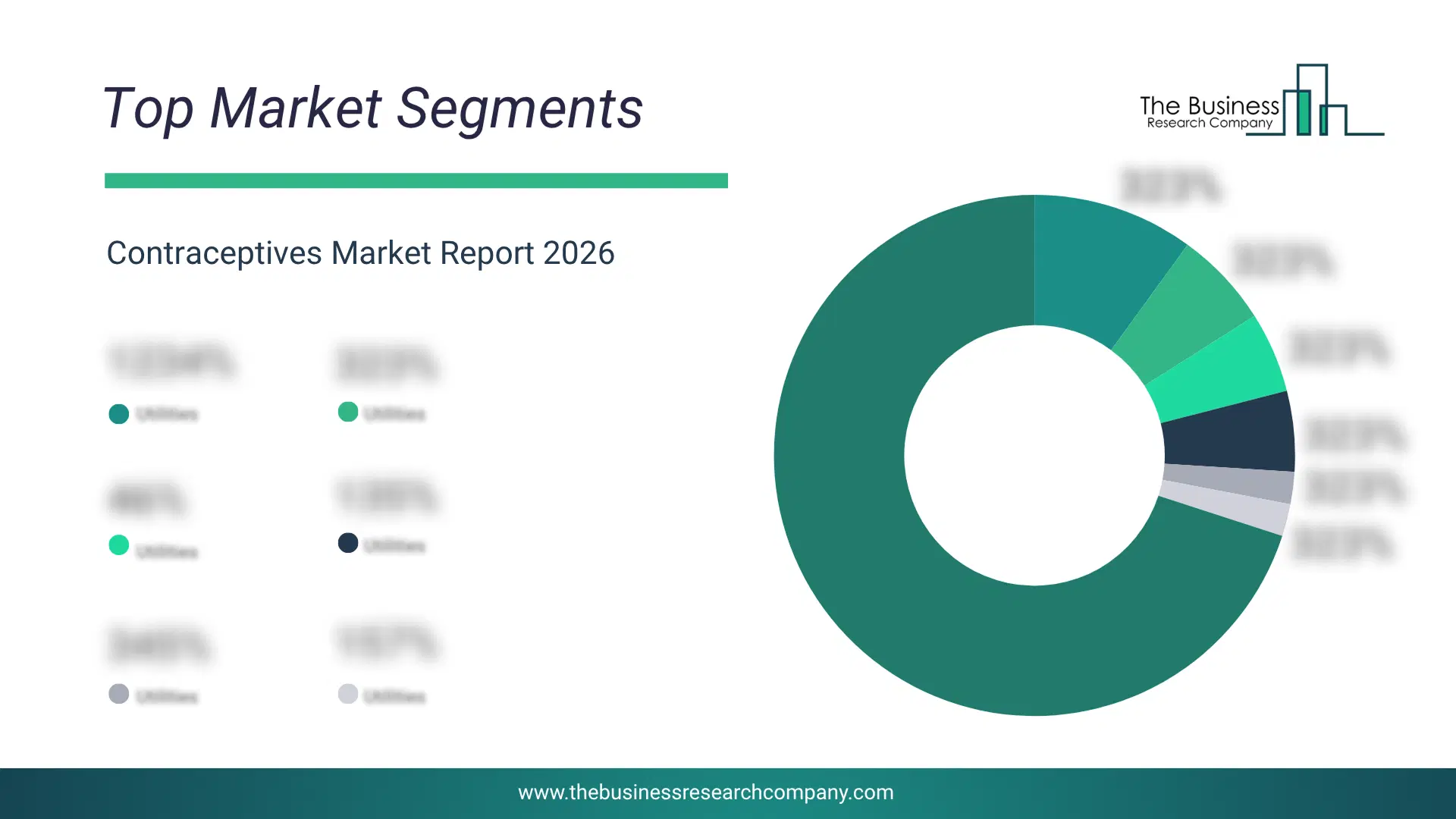
1) By Product: Oral Contraceptive Pills, Topical Contraceptives, Injectables, Diaphragms, Vaginal Rings, Condoms, Contraceptive Sponges, Subdermal Implants, Intra-Uterine Devices 2) By Age Group: 15-24 Years, 25-34 Years, 35-44 Years, 44 Years 3) By Distribution Channel: Hospital Pharmacies, Independent Pharmacies, Online Pharmacies, Clinics, Other Distribution Channels Subsegments: 1) By Oral Contraceptive Pills: Combination Pills, Progestin-Only Pills 2) By Topical Contraceptives: Transdermal Patches, Gel Applications 3) By Injectables: Hormonal Injectables, Non-Hormonal Injectables 4) By Diaphragms: Silicone Diaphragms, Latex Diaphragms 5) By Vaginal Rings: Hormonal Rings, Non-Hormonal Rings 6) By Condoms: Male Condoms, Female Condoms 7) By Contraceptive Sponges: Non-Hormonal Sponges, Hormonal Sponges 8) By Subdermal Implants: Hormonal Implants, Non-Hormonal Implants 9) By Intra-Uterine Devices (IUDs): Hormonal IUDs, Copper IUDs The top segments in the contraceptives market will be: • Intra-Uterine Devices will reach $12 Billion by 2030. • Condoms will reach $11 Billion by 2030. • Oral Contraceptive Pills will reach $10 Billion by 2030. • Subdermal Implants will reach $3 Billion by 2030. • Injectables will reach $3 Billion by 2030.What Is The Driver Of The Contraceptives Market?
The global rise in population rates is expected to propel the growth of the contraceptive market in the coming years. Population refers to the overall number of individuals, species, or people living in a certain geographic region, country, or the entire planet. Contraceptives play a significant part in decreasing population by allowing couples and individuals to regulate and plan their household size and child spacing. For instance, in December 2024, according to the United States Census Bureau, a US-based federal agency, the U.S. population reached 340.1 million as of July 1, 2024, reflecting a 0.98% increase from 336.8 million in 2023 the highest annual growth rate recorded. Therefore, the global rise in population rates is driving the contraceptive industry.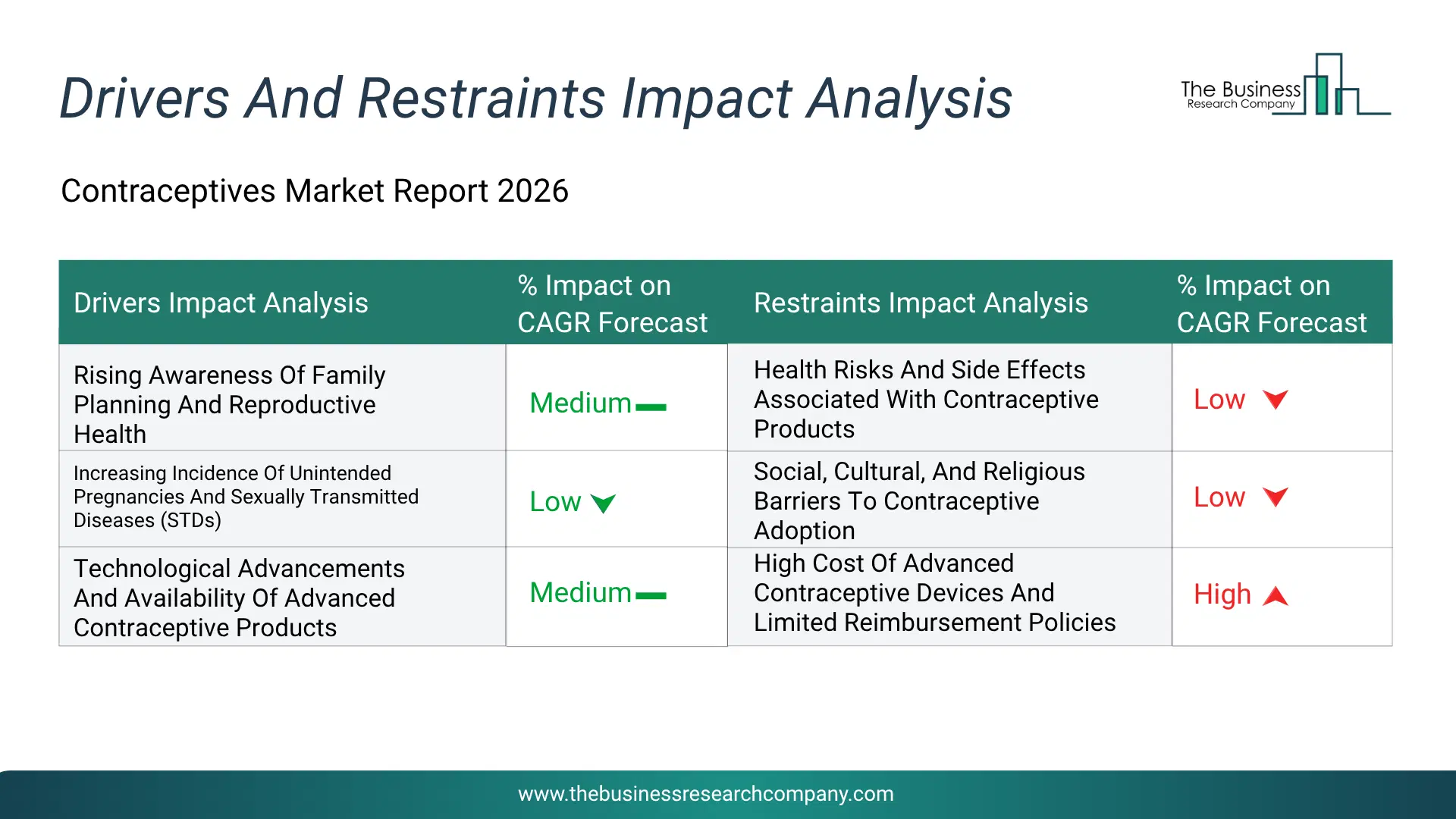
Infographic Chart Showing Key Market Drivers Analysis And Restraints For Contraceptives Market
The chart presents an impact analysis of key drivers and restraints, quantifying their relative influence on the market's growth rate and helping assess the balance between growth enablers and limiting factors. This chart offers a high-level perspective; the full report contains more detailed insights.
How Will The Drivers Impact Growth In The Global Contraceptives Market?
• Rising Awareness Of Family Planning And Reproductive Health (Medium) – During the forecast period, the rising awareness of family planning and reproductive health is expected to emerge as a major factor driving the expansion of the contraceptives market by 2030. governments, healthcare organizations, and educational institutions are strengthening reproductive health initiatives through awareness campaigns, community outreach programs, and sex education that encourage informed decision-making regarding birth control and planned pregnancies. greater understanding of reproductive rights and maternal health is increasing the adoption of modern contraceptive methods among both women and men. • Increasing Incidence Of Unintended Pregnancies And Sexually Transmitted Diseases (STDs) (Low) – During the forecast period, the increasing incidence of unintended pregnancies and sexually transmitted diseases (STDs) is expected to emerge as a major factor driving the expansion of the contraceptives market by 2030. growing public health concerns regarding fertility management and disease prevention are encouraging wider use of effective contraceptive products, particularly barrier methods that provide dual protection. national family planning programs, subsidized healthcare services, and increasing physician recommendations for long-acting contraceptive methods are further supporting product adoption across global markets. • Technological Advancements And Availability Of Advanced Contraceptive Products (Medium) – During the forecast period, the technological advancements and availability of advanced contraceptive products are expected to act as a key growth catalyst for the contraceptives market by 2030. continuous innovation in hormone-releasing intrauterine devices, contraceptive implants, vaginal rings, transdermal patches, self-administered injectables, and low-dose hormonal formulations is improving product effectiveness, convenience, and patient satisfaction. expanding product availability through hospitals, clinics, pharmacies, and online distribution channels is further accelerating the adoption of modern contraceptive solutions.How Will The Restraints Impact Growth In The Global Contraceptives Market?
• Health Risks And Side Effects Associated With Contraceptive Products (Medium) – During the forecast period, health Risks And Side Effects Associated With Contraceptive Products remain one of the most significant restraints limiting the growth of the contraceptives market. Although modern contraceptive methods are generally considered safe and highly effective, many hormonal products may cause side effects including nausea, headaches, breast tenderness, mood changes, irregular menstrual bleeding, weight fluctuations, and reduced libido. In certain high-risk individuals, prolonged hormonal contraceptive use may increase the likelihood of blood clots, hypertension, or cardiovascular complications, requiring careful medical supervision. Fear of these adverse effects often discourages women from initiating or continuing contraceptive use, leading many to rely on less effective traditional methods or avoid contraception altogether. In addition, misinformation spread through social media and inadequate healthcare counseling further increases public concerns regarding product safety. These factors collectively reduce consumer confidence and limit the adoption of advanced contraceptive methods, thereby restraining overall market growth. • Social, Cultural, And Religious Barriers To Contraceptive Adoption (Low) – During the forecast period, social, Cultural, And Religious Barriers To Contraceptive Adoption continue to pose significant challenges to the global contraceptives market, particularly across developing and conservative societies. In many regions, cultural traditions and religious beliefs discourage the use of modern contraceptive methods or promote large family sizes, limiting acceptance of family planning services. Social stigma surrounding discussions of sexual and reproductive health often prevents adolescents and unmarried individuals from seeking contraceptive information or healthcare services. Furthermore, women in certain communities may lack the autonomy to make independent reproductive decisions due to gender inequality or family influence. These barriers reduce awareness, delay healthcare access, and lower contraceptive utilization despite increasing product availability. As a result, manufacturers and healthcare providers face difficulties expanding market penetration in regions where social acceptance of contraception remains limited. • High Cost Of Advanced Contraceptive Devices And Limited Reimbursement Policies (Medium) – During the forecast period, high Cost Of Advanced Contraceptive Devices And Limited Reimbursement Policies acts as an important restraint by reducing affordability and accessibility, particularly in low- and middle-income countries. Advanced contraceptive technologies such as hormonal intrauterine devices, contraceptive implants, vaginal rings, and certain injectable formulations involve relatively high upfront costs compared to conventional methods. In addition to product expenses, these devices often require trained healthcare professionals for insertion, follow-up, and removal, increasing overall treatment costs. Many countries also lack comprehensive insurance coverage or reimbursement policies for modern contraceptive products, forcing patients to bear significant out-of-pocket expenses. Limited healthcare infrastructure and unequal access to reproductive health services further restrict the availability of advanced contraceptive options in rural and underserved areas. These financial and accessibility barriers discourage widespread adoption of premium contraceptive technologies and slow the overall growth potential of the contraceptives market.Key Players In The Global Contraceptives Market
Major companies operating in the contraceptives market are Merck & Co. Inc., Bayer AG, Church & Dwight Co. Inc., Cipla Inc., Reckitt Benckiser Group plc, Agile Therapeutics Inc., Allergan Ltd., Aurobindo Pharma Limited, Famy Care Ltd., Glenmark Pharmaceuticals Limited, HLL Lifecare Limited, Johnson & Johnson, Laboratoire HRA Pharma SAS, Lupin Limited, Mankind Pharma Ltd., Mayer Laboratories Inc., Mithra Pharmaceuticals SA, Mylan NV, Okamoto Industries Inc., Pfizer Inc., Pregna International Ltd., Syncom Pharmaceuticals, Teva Pharmaceutical Industries Ltd., The Population Council, Veru Inc., Zydus Cadila, Shanghai Dahua Pharmaceutical Co. Ltd., Sichuan Kangdi Pharmaceutical Co. Ltd., Beijing Zhengyuan Pharmaceutical Co. Ltd., Zhejiang Huahai Pharmaceutical Co. Ltd., Chongqing Pharmaceutical Group Co. Ltd.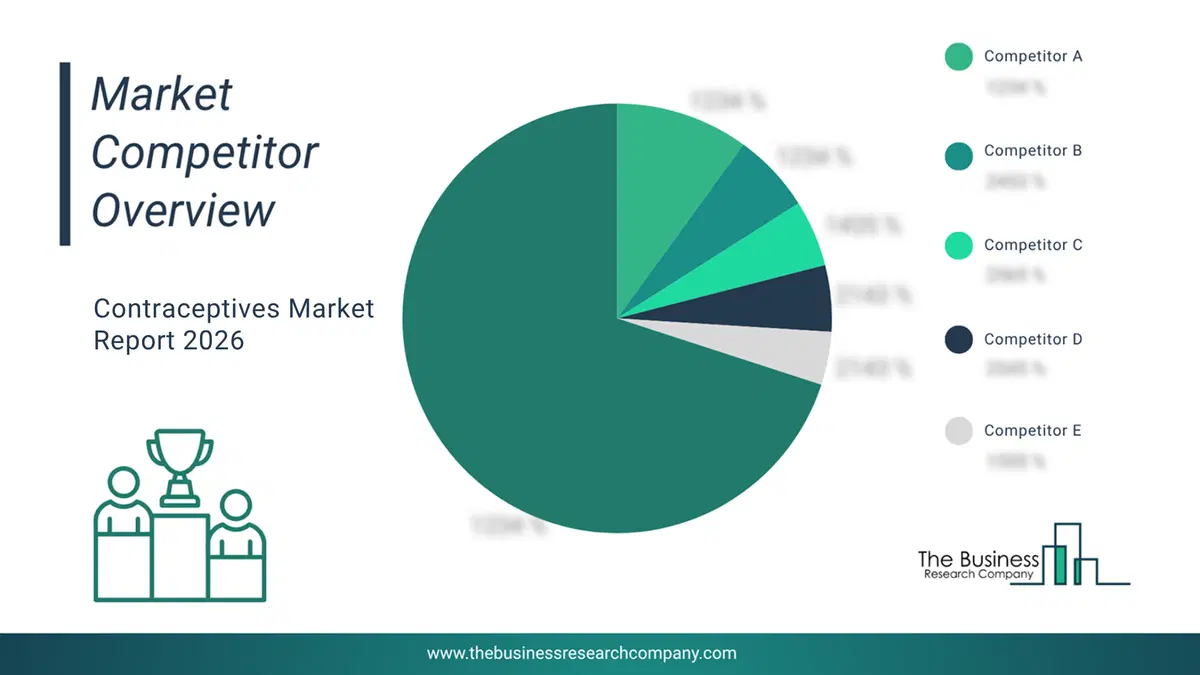
This chart is for illustrative purposes; the full report includes a detailed competitor analysis and comprehensive overview of the top 10 companies in the market.
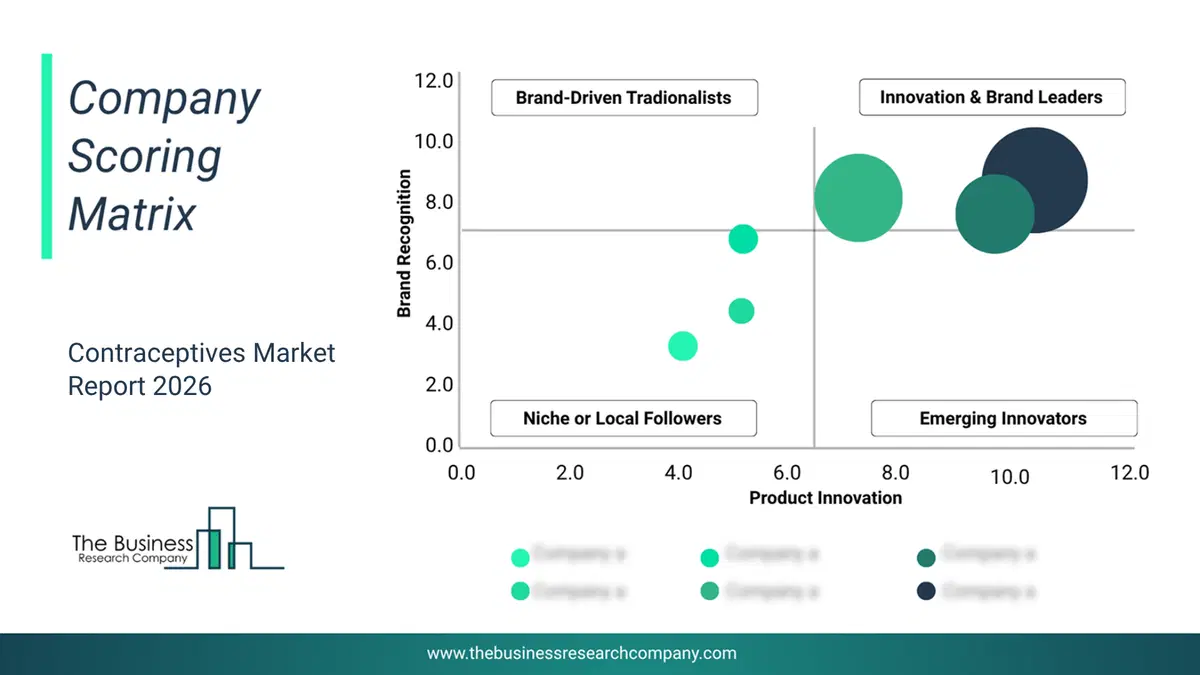
This chart maps companies by product innovation and brand strength, with bubble size indicating relative revenue, helping identify market leaders, challengers, and niche players. This is an illustrative chart; the full report provides a complete and accurate competitive analysis.
Global Contraceptives Market Trends and Insights
Major companies operating in the contraceptives market are focusing on innovative products, such as Opill, progestin-only daily oral contraceptives, to better meet the needs of their existing consumers. Opill progestin-only daily oral contraceptives, often known as the mini-pill, are a kind of birth control pill that includes just progestin, a synthetic version of the hormone progesterone. For instance, in July 2023, Perrigo Company plc, an Ireland-based manufacturing company of over-the-counter pharmaceuticals, announced U. S. Food and Drug Administration (FDA) approval for Opill progestin-only daily oral contraceptives. Opill is the very first birth control pill available without a prescription in the United States. Opill can significantly improve women's availability of contraceptives and is a genuine testament to Perrigo's constant dedication to delivering meaningful solutions that improve people's lives.What Are Latest Mergers And Acquisitions In The Contraceptives Market?
In March 2024, Insud Pharma, a Spain-based company that manufactures pharmaceuticals acquired oral and injectable contraceptives, from Viatris for an undisclosed amount. With this acquisition, Insud Pharma aims to enhance its product portfolio in women's health by integrating Viatris' oral and injectable contraceptives, thereby expanding its market presence and providing a broader range of reproductive healthcare solutions to meet the growing demand for contraceptive options. Viatris is a US-based company that manufactures pharmaceuticals.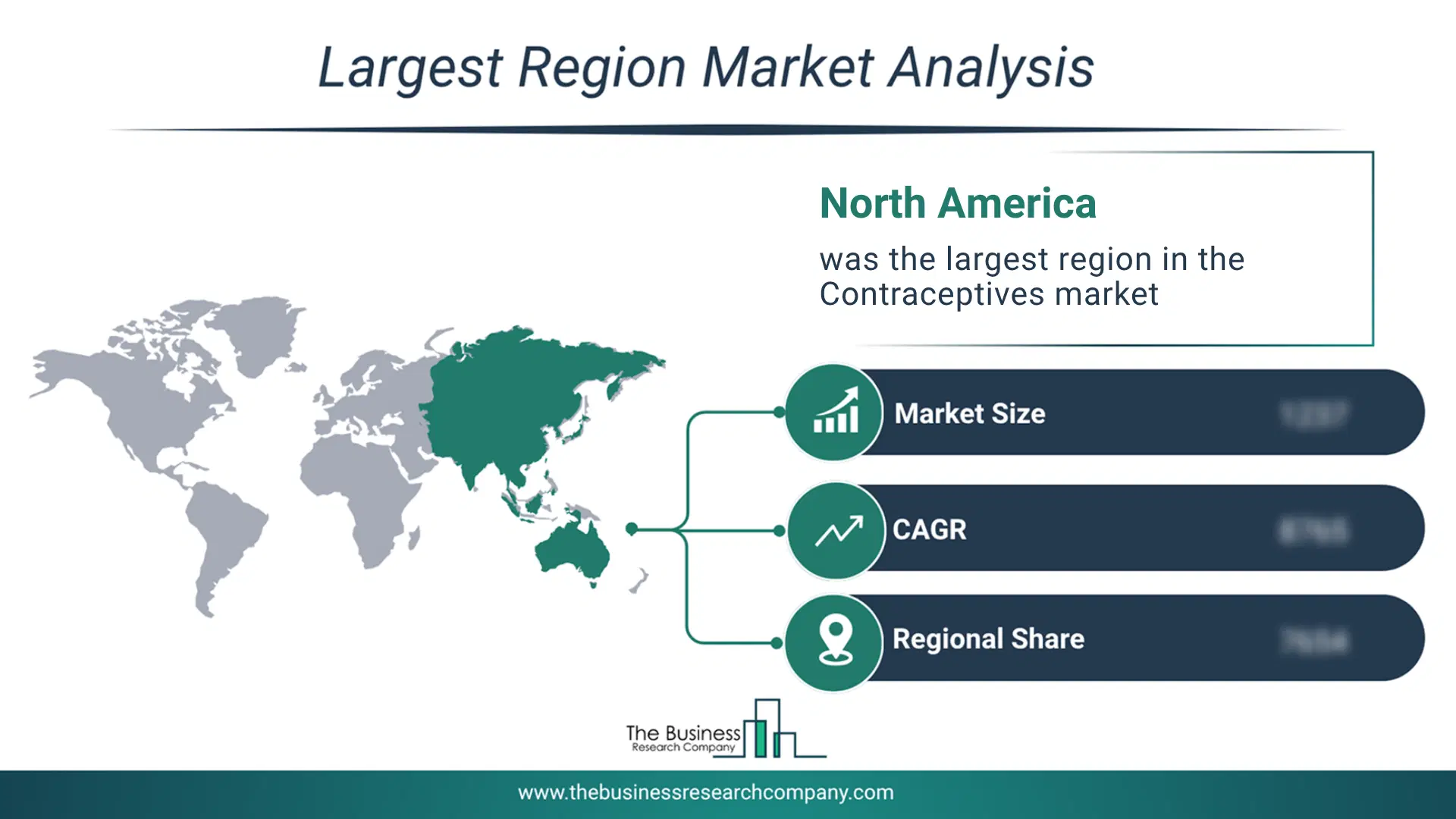
Regional Insights
North America was the largest region in the contraceptives market in 2025. Asia-Pacific is expected to be the fastest-growing region in the forecast period. The regions covered in this market report are Asia-Pacific, South East Asia, Western Europe, Eastern Europe, North America, South America, Middle East, Africa. The countries covered in this market report are Australia, Brazil, China, France, Germany, India, Indonesia, Japan, Taiwan, Russia, South Korea, UK, USA, Canada, Italy, Spain.What Defines the Contraceptives Market?
The contraceptive market consists of sales of combined pills, Contraceptive patch, and female condoms. Values in this market are ‘factory gate’ values, that is the value of goods sold by the manufacturers or creators of the goods, whether to other entities (including downstream manufacturers, wholesalers, distributors and retailers) or directly to end customers. The value of goods in this market includes related services sold by the creators of the goods.How is Market Value Defined and Measured?
The market value is defined as the revenues that enterprises gain from the sale of goods and/or services within the specified market and geography through sales, grants, or donations in terms of the currency (in USD unless otherwise specified). The revenues for a specified geography are consumption values that are revenues generated by organizations in the specified geography within the market, irrespective of where they are produced. It does not include revenues from resales along the supply chain, either further along the supply chain or as part of other products.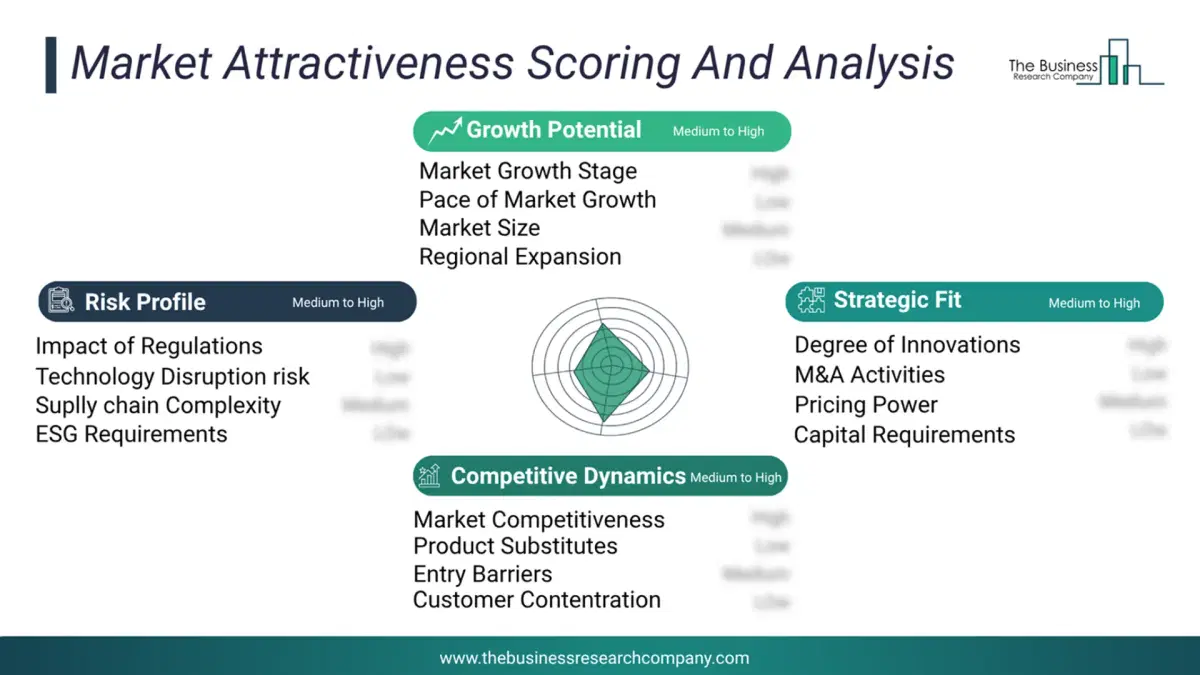
This chart presents market attractiveness based on a quantitative evaluation of growth, competition, strategic alignment, and risk, offering a clear view of opportunity areas for decision-making. This chart is for illustrative purposes; the full report contains the complete analysis.
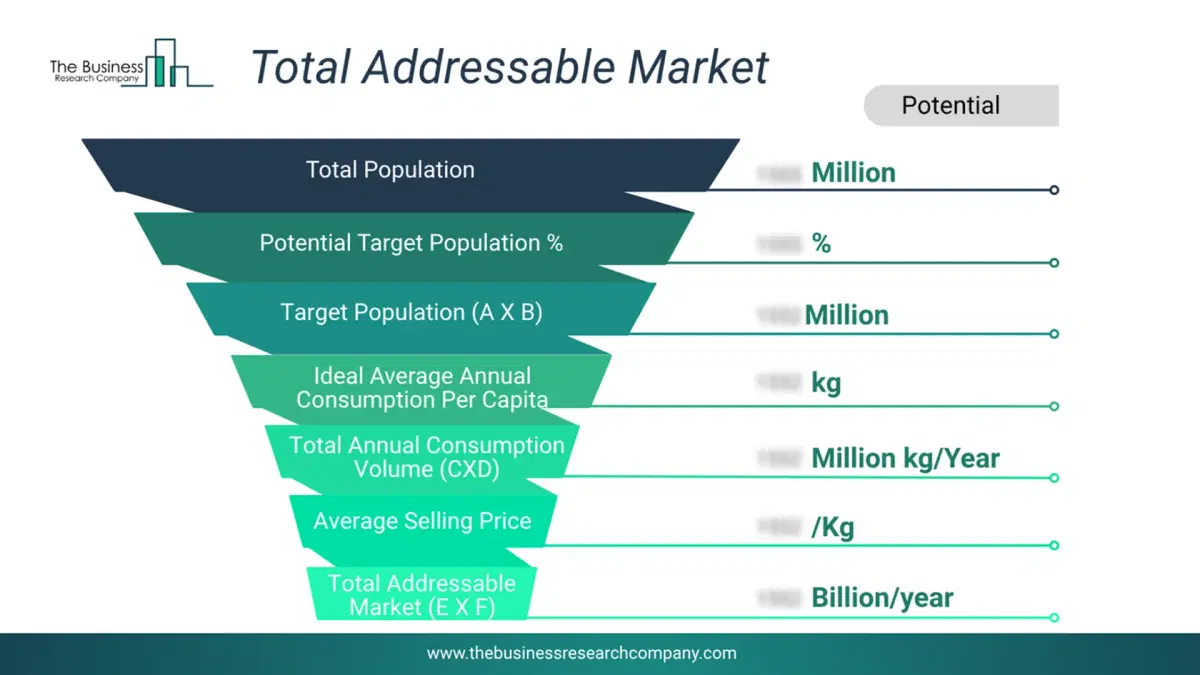
This chart highlights the Total Addressable Market (TAM) by estimating the maximum revenue opportunity using an assumption-driven approach, supporting strategic planning and opportunity sizing across markets. The chart is illustrative; the full report provides a more comprehensive analysis.
What Key Data and Analysis Are Included in the Contraceptives Market Report 2026?
The contraceptives market research report is one of a series of new reports from The Business Research Company that provides market statistics, including industry global market size, regional shares, competitors with the market share, detailed market segments, market trends and opportunities, and any further data you may need to thrive in the contraceptives industry. The market research report delivers a complete perspective of everything you need, with an in-depth analysis of the current and future state of the industry.Contraceptives Market Report Forecast Analysis
| Report Attribute | Details |
|---|---|
| Market Size Value In 2026 | $32.02 billion |
| Revenue Forecast In 2030 | $43.09 billion |
| Growth Rate | CAGR of 7.7% from 2026 to 2030 |
| Base Year For Estimation | 2025 |
| Actual Estimates/Historical Data | 2020-2025 |
| Forecast Period | 2026 - 2030 |
| Market Representation | Revenue in USD Billion and CAGR from 2026 to 2030 |
| Segments Covered | Product, Age Group, Distribution Channel |
| Regional Scope | Asia-Pacific, Western Europe, Eastern Europe, North America, South America, Middle East, Africa |
| Country Scope | The countries covered in the report are Australia, Brazil, China, France, Germany, India, Indonesia, Japan, Taiwan, Russia, South Korea, UK, USA, Canada, Italy, Spain. |
| Key Companies Profiled | Merck & Co. Inc., Bayer AG, Church & Dwight Co. Inc., Cipla Inc., Reckitt Benckiser Group plc, Agile Therapeutics Inc., Allergan Ltd., Aurobindo Pharma Limited, Famy Care Ltd., Glenmark Pharmaceuticals Limited, HLL Lifecare Limited, Johnson & Johnson, Laboratoire HRA Pharma SAS, Lupin Limited, Mankind Pharma Ltd., Mayer Laboratories Inc., Mithra Pharmaceuticals SA, Mylan NV, Okamoto Industries Inc., Pfizer Inc., Pregna International Ltd., Syncom Pharmaceuticals, Teva Pharmaceutical Industries Ltd., The Population Council, Veru Inc., Zydus Cadila, Shanghai Dahua Pharmaceutical Co. Ltd., Sichuan Kangdi Pharmaceutical Co. Ltd., Beijing Zhengyuan Pharmaceutical Co. Ltd., Zhejiang Huahai Pharmaceutical Co. Ltd., Chongqing Pharmaceutical Group Co. Ltd. |
| Customization Scope | Request for Customization |
| Pricing And Purchase Options | Explore Purchase Options |