
Defense IT Spending Market Report 2026
Global Outlook – By Type (Services, Hardware, Software), By Force (Defense Forces, Civilian Forces), By Application (IT Infrastructure, Cybersecurity, Defense Cloud Computing, Data Analytics, IT Application, Logistics And Assets Management, Other Applications) – Market Size, Trends, Strategies, and Forecast to 2030
Defense IT Spending Market Overview
• Defense IT Spending market size has reached to $96.12 billion in 2025 • Expected to grow to $137.48 billion in 2030 at a compound annual growth rate (CAGR) of 7.4% • Growth Driver: Surging Global Military Expenditure Fuels Expansion Of The Defense It Spending Market • Market Trend: Innovation In Tactical-Edge IT Systems For Mission-Critical Defense Operations • North America was the largest region in 2025.Market Gains By 2030 – Top Opportunities By Segment
Market Gain identifies the most promising market opportunities by highlighting the segments or products expected to generate the highest incremental revenue growth over the next five years.
What Is Covered Under Defense IT Spending Market?
Defense IT spending is the expenditure of any collection of computers, software, and networks of defense systems. It is the money spent by a government to provide its military with various technologies and infrastructure. The main types of defense IT spending are services, hardware and software. Hardware refers to the physical parts of a computer and related devices. The forces are defense forces and civilian forces. It has various applications involved such as IT infrastructure, cybersecurity, defense cloud computing, data analytics, IT application, logistics and assets management and others.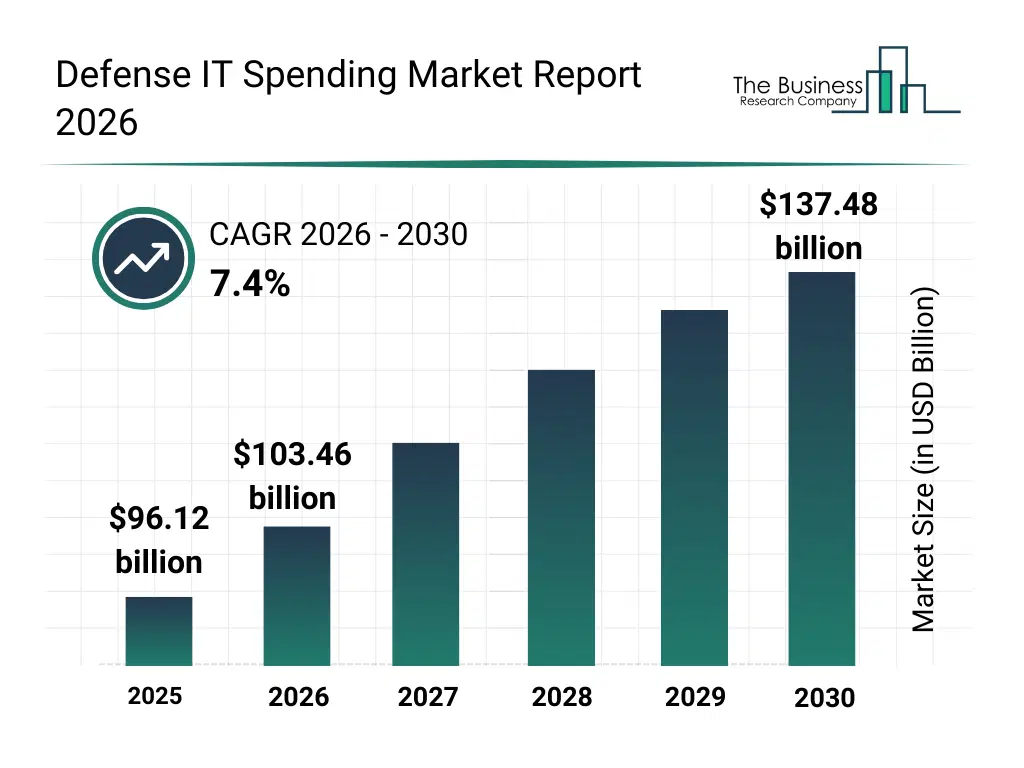
What Is The Defense IT Spending Market Size and Share 2026?
The defense it spending market size has grown strongly in recent years. It will grow from $96.12 billion in 2025 to $103.46 billion in 2026 at a compound annual growth rate (CAGR) of 7.6%. The growth in the historic period can be attributed to increasing defense modernization programs, expansion of military communication networks, rising adoption of digital command systems, growth in defense data generation, increasing reliance on network-centric warfare.What Is The Defense IT Spending Market Growth Forecast?
The defense it spending market size is expected to see strong growth in the next few years. It will grow to $137.48 billion in 2030 at a compound annual growth rate (CAGR) of 7.4%. The growth in the forecast period can be attributed to increasing demand for ai-enabled defense analytics, rising investments in cyber defense capabilities, expansion of cloud-based defense platforms, growing integration of autonomous systems, increasing focus on data-driven military operations. Major trends in the forecast period include increasing investments in cybersecurity infrastructure, rising adoption of defense cloud computing platforms, growing use of data analytics for mission planning, expansion of integrated defense it systems, enhanced focus on secure network modernization.
Global Defense IT Spending Market Segmentation
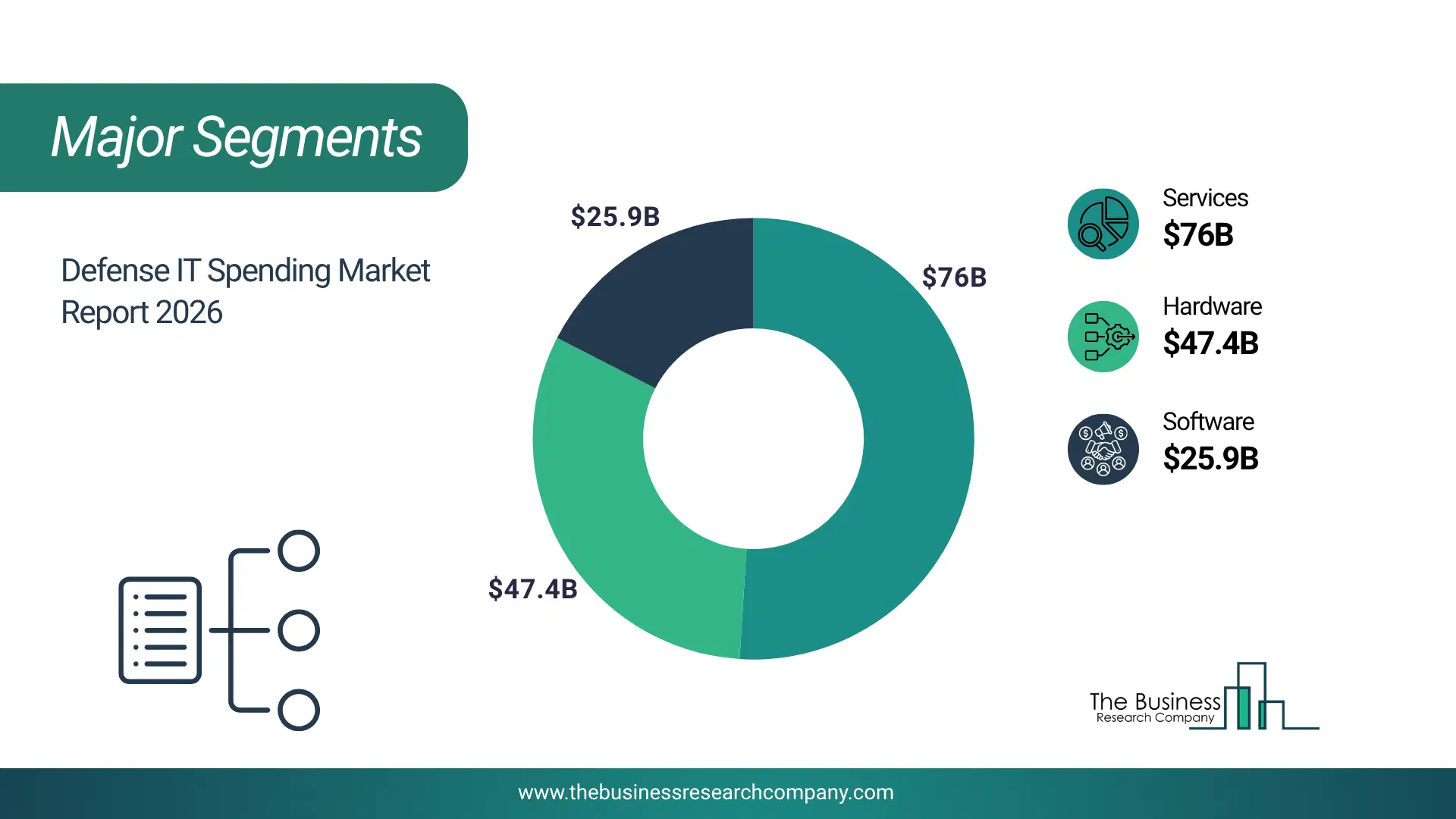
1) By Type: Services, Hardware, Software 2) By Force: Defense Forces, Civilian Forces 3) By Application: IT Infrastructure, Cybersecurity, Defense Cloud Computing, Data Analytics, IT Application, Logistics And Assets Management, Other Applications Subsegments: 1) By Services: Consulting Services, System Integration Services, Managed IT Services, Cybersecurity Services 2) By Hardware: Servers And Storage Solutions, Networking Equipment, Communication Devices, Specialized Defense Equipment 3) By Software: Defense Management Software, Cybersecurity Software, Simulation And Training Software, Data Analytics Software The top segments in the defense it spending market will be: • Services will reach $75.97 billion by 2030. • Hardware will reach $47.35 billion by 2030. • Software will reach $25.87 billion by 2030.What Is The Driver Of The Defense IT Spending Market?
Rising military expenditure is expected to propel the growth of the defense IT spending market going forward. Military expenditure is the financial resources allocated by a government or a nation to fund its military forces, defense infrastructure, and related activities. Military expenditure plays a crucial role in defense IT spending by funding the development, deployment, and maintenance of advanced technologies, cybersecurity measures, and information systems essential for national security and military operations. For instance, in April 2024, according to the Stockholm International Peace Research Institute, a Sweden-based specialized institute, global military spending rose to $2,443 billion in 2023, marking a 6.8% increase in real terms compared to 2022. Therefore, rising military expenditure is driving the growth of the defense IT spending industry.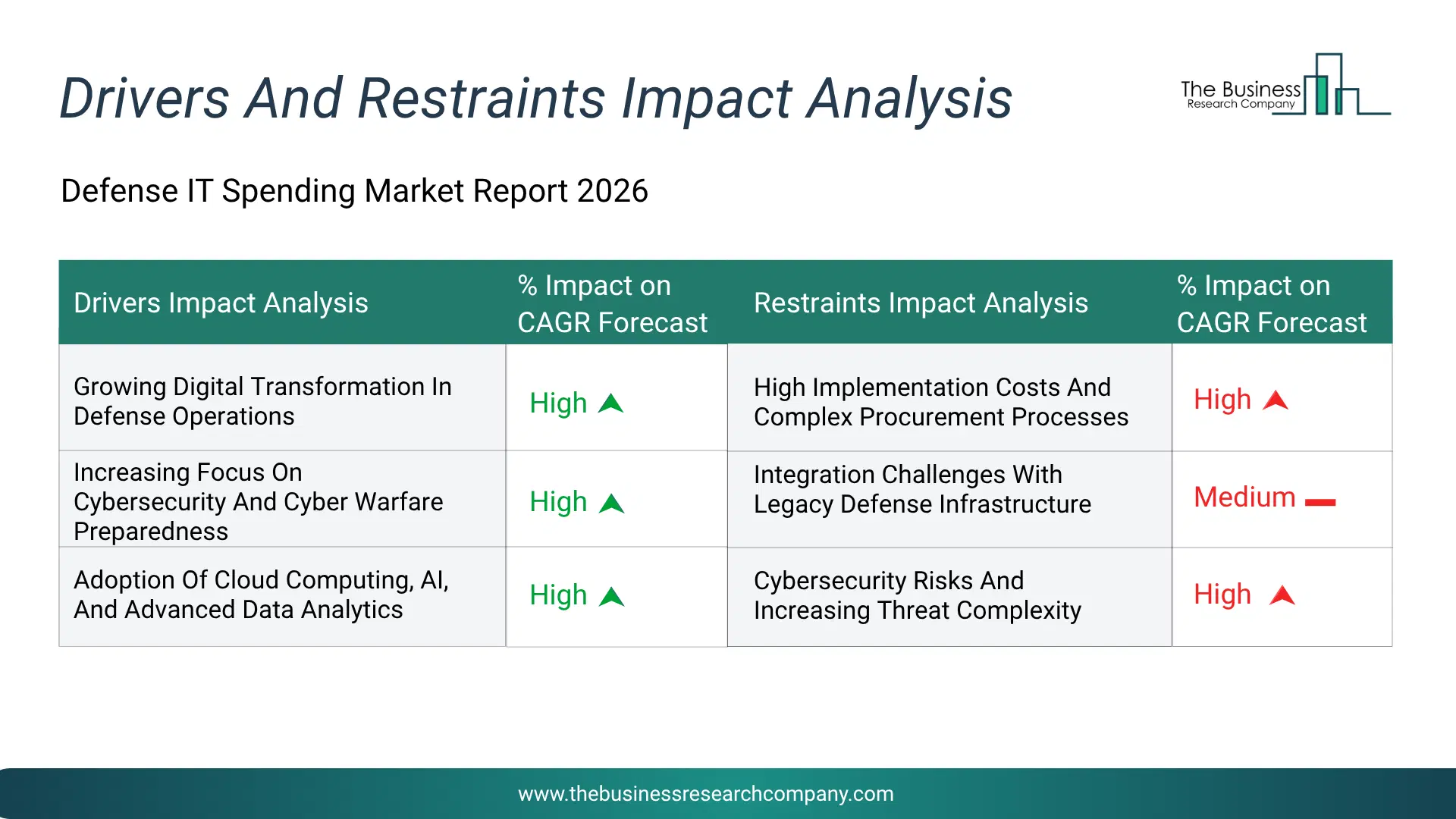
Infographic Chart Showing Key Market Drivers Analysis And Restraints For Defense It Spending Market
The chart presents an impact analysis of key drivers and restraints, quantifying their relative influence on the market's growth rate and helping assess the balance between growth enablers and limiting factors. This chart offers a high-level perspective; the full report contains more detailed insights.
How Will The Drivers Impact Growth In The Global Defense IT Spending Market?
• Growing Digital Transformation In Defense Operations (High) – During the forecast period, the increasing digital transformation across defense operations is expected to emerge as a key driver supporting the growth of the defense it spending market by 2030. Expanding digital modernization initiatives within defense organizations are significantly accelerating demand for advanced it capabilities. Military forces are upgrading legacy infrastructure and implementing modern technologies such as cloud computing, big data analytics, and ai -powered decision -support systems. These solutions enhance operational effectiveness, strengthen data management capabilities, and enable real -time battlefield intelligence. As armed forces increasingly shift toward network -centric warfare and digitally integrated command systems, defense agencies are expanding investments in advanced it platforms. • Increasing Focus On Cybersecurity And Cyber Warfare Preparedness (High) – During the forecast period, the growing emphasis on cybersecurity and cyber warfare readiness is expected to become a major driver supporting the expansion of the defense it spending market by 2030. Increasing cyber threats targeting military systems and critical defense infrastructure are significantly boosting investments in defense it capabilities. As modern warfare increasingly includes cyber operations, defense agencies require advanced cyber defense solutions to safeguard sensitive data, secure communication networks, and protect operational technologies. Governments are therefore allocating higher budgets to enhance cyber resilience through sophisticated threat detection systems, encryption technologies, and continuous security monitoring platforms. • Adoption Of Cloud Computing, AI, And Advanced Data Analytics (High) – During the forecast period, the growing integration of cloud computing, artificial intelligence, and advanced data analytics is expected to act as a major growth catalyst for the defense it spending market by 2030. Defense organizations are increasingly implementing secure cloud infrastructures and advanced analytics platforms to manage and analyze vast volumes of intelligence and operational data. These technologies support faster and more informed decision-making, enable predictive analysis, and enhance mission planning capabilities. As defense strategies become increasingly data-driven, investments in advanced it systems continue to rise worldwide.How Will The Restraints Impact Growth In The Global Defense IT Spending Market?
• High Implementation Costs And Complex Procurement Processes (High) – During the forecast period, the high implementation costs and complex procurement processes act as major restraints in the defense it spending market. Deploying large-scale it infrastructure requires substantial investment in hardware, software, cybersecurity, and skilled personnel. Additionally, defense procurement procedures are often lengthy due to strict regulatory compliance and security requirements. These factors can delay project timelines and limit rapid adoption of advanced it technologies. • Integration Challenges With Legacy Defense Infrastructure (Medium) – During the forecast period, the integration challenges with legacy defense systems also restrain market expansion. Many military organizations still operate older it infrastructure that may not easily integrate with modern digital platforms. Upgrading or replacing legacy systems requires significant time, technical expertise, and financial resources. These compatibility issues can slow the deployment of next-generation it solutions across defense networks. • Cybersecurity Risks And Increasing Threat Complexity (High) – During the forecast period, the cybersecurity risks and increasing threat complexity act as a restraint for the defense it spending market by requiring continuous and costly investment in advanced security solutions. As defense networks become more digitized and interconnected, they become more vulnerable to sophisticated cyberattacks, data breaches, and espionage attempts. Ensuring robust protection demands constant system upgrades, real-time monitoring, and deployment of advanced encryption and threat detection tools. These requirements significantly increase operational costs and strain defense budgets. Overall, rising cyber threats slow down seamless adoption and expansion of defense it infrastructure.Key Players In The Global Defense IT Spending Market
Major companies operating in the defense it spending market are Leidos Holdings Inc.; Accenture PLC; International Business Machines Corporation; General Dynamics Corporation; BAE Systems PLC; DXC Technology Company; Dell Inc.; Northrop Grumman Corporation; Unisys Corporation; Atos SE; Capgemini SE; Fujitsu Limited; Oracle Corporation; SAP SE; Microsoft Corporation; Amazon Inc.; AT&T Intellectual Property; CACI International Inc.; Atkins; Raytheon Technologies Corp.; Lockheed Martin Corporation; Aerojet Rocketdyne Holdings Inc.; L3Harris Technologies Inc; Science Applications International Corporation; Kratos Defense & Security Solutions Inc.; Mercury Systems Inc.; Cubic Corporation; Parsons Corporation; Hewlett Packard Enterprise Development LP; Viasat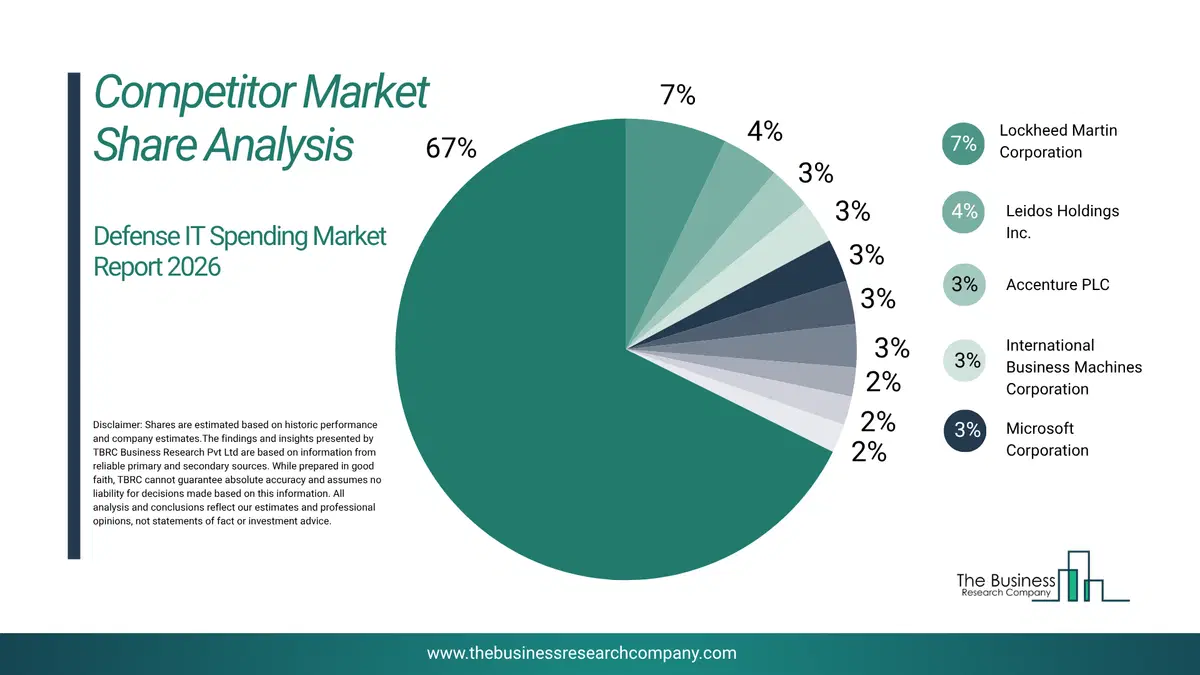
This chart is for illustrative purposes; the full report includes a detailed competitor analysis and comprehensive overview of the top 10 companies in the market.
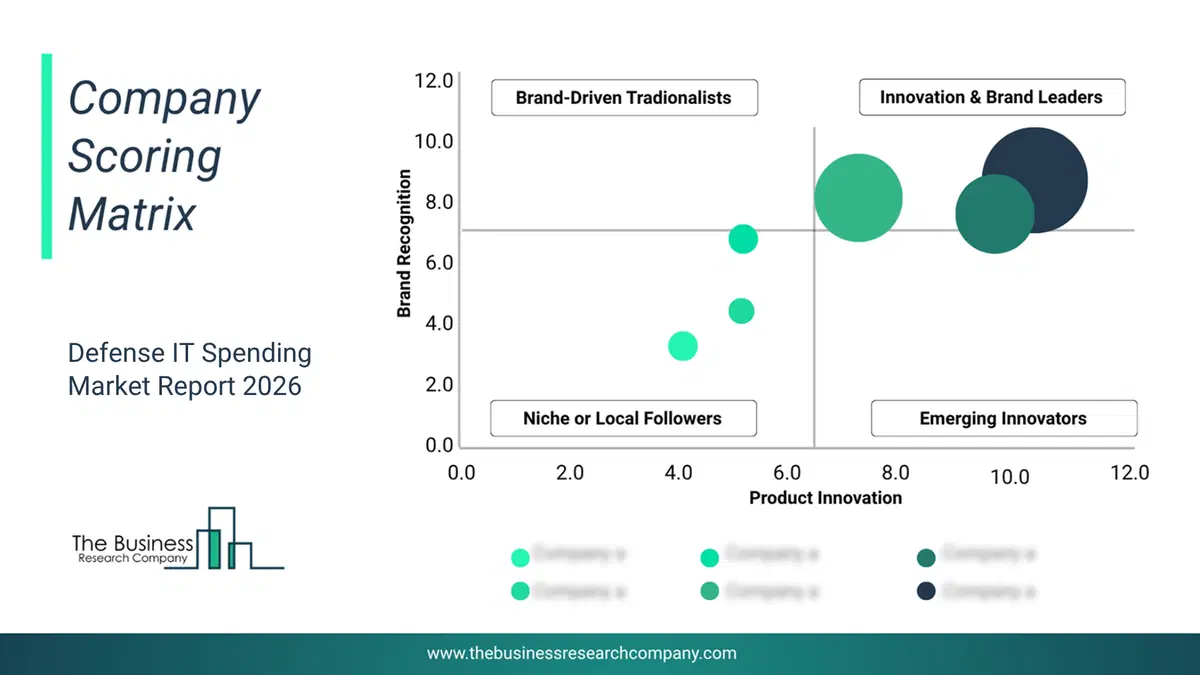
This chart maps companies by product innovation and brand strength, with bubble size indicating relative revenue, helping identify market leaders, challengers, and niche players. This is an illustrative chart; the full report provides a complete and accurate competitive analysis.
Global Defense IT Spending Market Trends and Insights
Major companies operating in the defense IT spending market are focusing on developing tactical‑edge ruggedised IT systems coupled with software‑defined deployment platforms to meet the rising demand for mission‑critical communications. These systems combine durable, field‑hardened hardware with software frameworks that allow rapid setup, remote management and mission‑specific configuration. For instance, in August 2023, MilDef Group AB, a Sweden‑based provider of tactical IT hardware, software and services, launched a new generation of panel PC technology, a mini‑series of computers and switches, and its OneCIS battle‑station software solution designed for rapid deployment at the tactical edge. The product suite features detachable screen modules that dock with compute units, Android‑based devices for dismounted soldier systems, and network switches designed for extreme field conditions. It enables rapid deployment of IT services at the front line, supports seamless integration across land, cyber, electromagnetic, sea and air domains, and accelerates the digitalisation of vital information streams in challenging environments.What Are Latest Mergers And Acquisitions In The Defense IT Spending Market?
In June 2024, Cognizant, a US- based information technology company, acquired Belcan LLC for a deal of $1.3 billion. The acquisition will greatly enhance Cognizant's engineering, research, and development (ER&D) capabilities, strengthening its leadership in the Internet of Things (IoT) and Digital Engineering sectors. Belcan LLC is a US-based provider of information technology (IT) services to customers in the aerospace, defense, automotive, industrial and government sectors.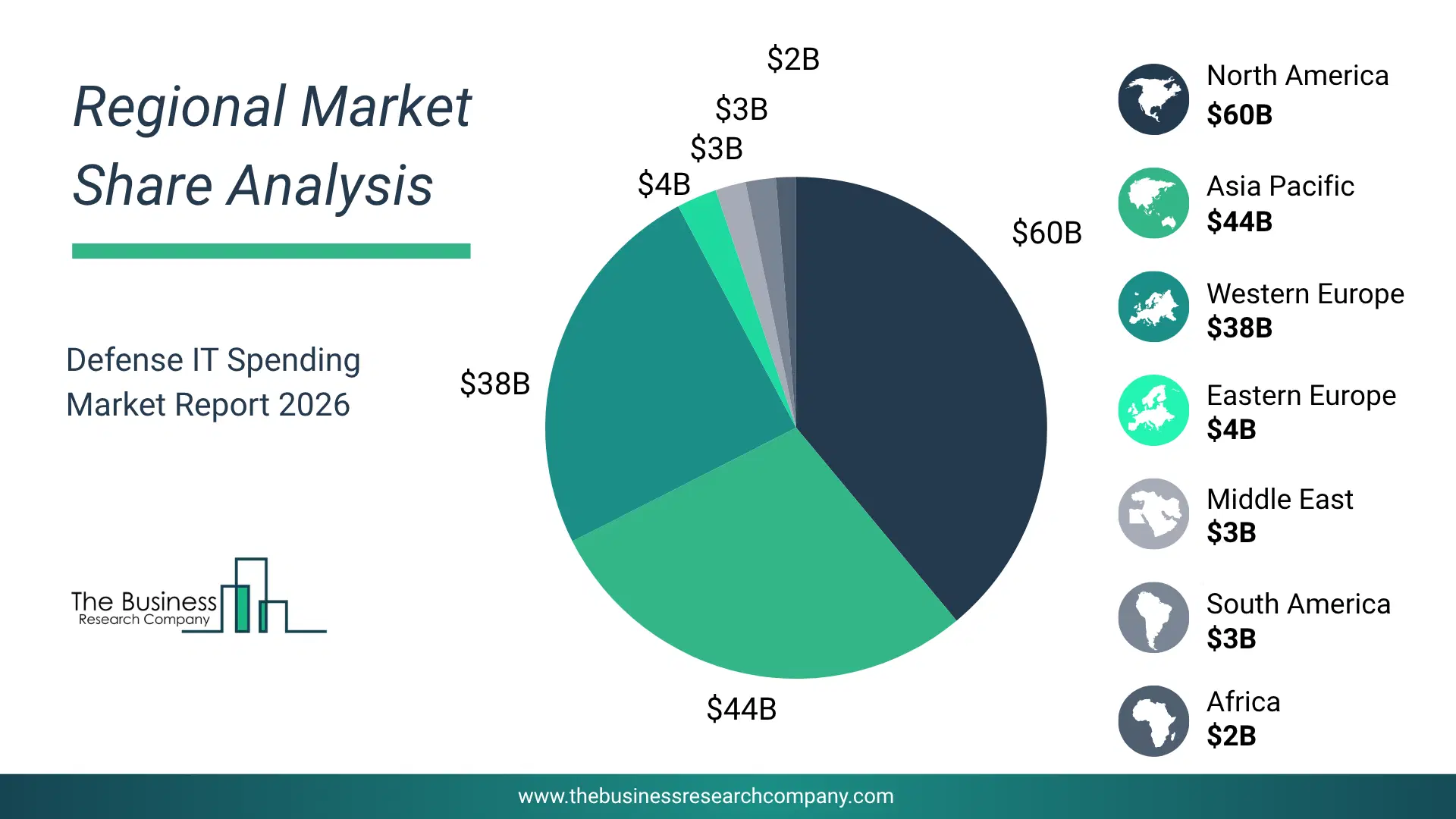
Regional Insights
North America was the largest region in the defense IT spending market in 2025. The regions covered in this market report are Asia-Pacific, South East Asia, Western Europe, Eastern Europe, North America, South America, Middle East, Africa. The countries covered in this market report are Australia, Brazil, China, France, Germany, India, Indonesia, Japan, Taiwan, Russia, South Korea, UK, USA, Canada, Italy, SpainWhat Defines the Defense IT Spending Market?
The defense IT spending market consists of sales of defense material handling, enabling cost-savings and a competitive edge to the army, naval, and space domain. The market value includes the value of related goods sold by the service provider or included within the service offering. The defense IT spending market also includes sales of spending on defense equipment such as weapons, aircraft, and gear or personal equipment. Values in this market are ‘factory gate’ values, that is the value of goods sold by the manufacturers or creators of the goods, whether to other entities (including downstream manufacturers, wholesalers, distributors, and retailers) or directly to end customers. The value of goods in this market includes related services sold by the creators of the goods.How is Market Value Defined and Measured?
The market value is defined as the revenues that enterprises gain from the sale of goods and/or services within the specified market and geography through sales, grants, or donations in terms of the currency (in USD unless otherwise specified). The revenues for a specified geography are consumption values that are revenues generated by organizations in the specified geography within the market, irrespective of where they are produced. It does not include revenues from resales along the supply chain, either further along the supply chain or as part of other products.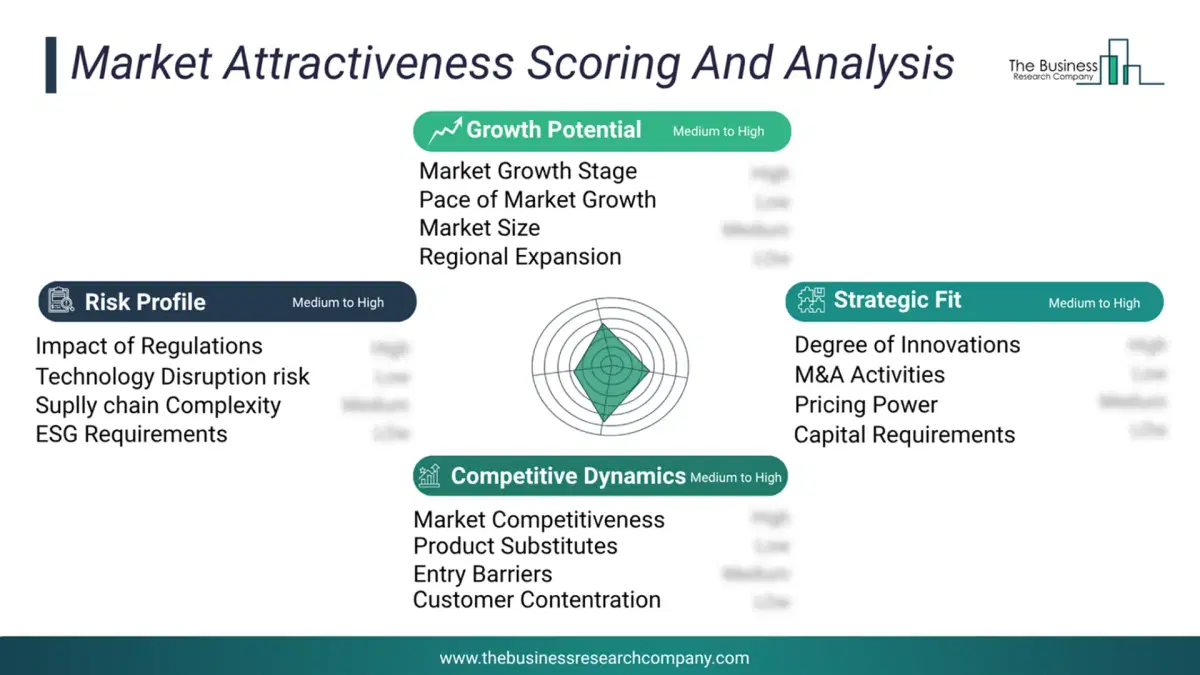
This chart presents market attractiveness based on a quantitative evaluation of growth, competition, strategic alignment, and risk, offering a clear view of opportunity areas for decision-making. This chart is for illustrative purposes; the full report contains the complete analysis.
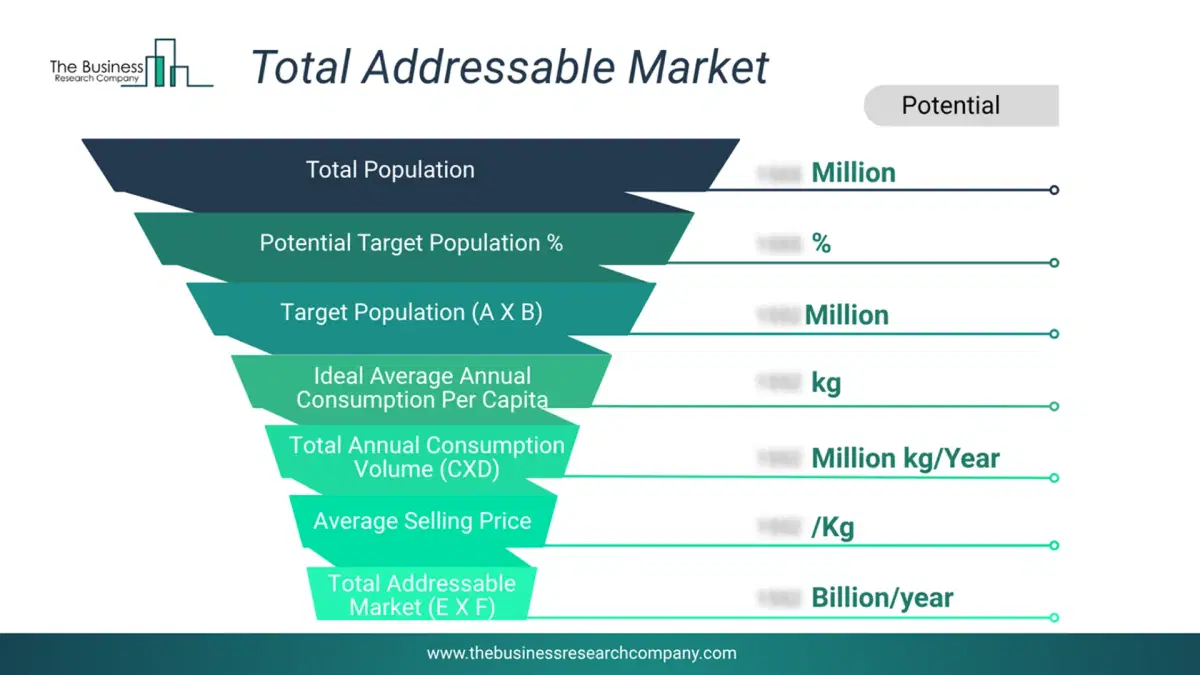
This chart highlights the Total Addressable Market (TAM) by estimating the maximum revenue opportunity using an assumption-driven approach, supporting strategic planning and opportunity sizing across markets. The chart is illustrative; the full report provides a more comprehensive analysis.
What Key Data and Analysis Are Included in the Defense IT Spending Market Report 2026?
The defense it spending market research report is one of a series of new reports from The Business Research Company that provides market statistics, including industry global market size, regional shares, competitors with the market share, detailed market segments, market trends and opportunities, and any further data you may need to thrive in the defense it spending industry. The market research report delivers a complete perspective of everything you need, with an in-depth analysis of the current and future state of the industry.Defense IT Spending Market Report Forecast Analysis
| Report Attribute | Details |
|---|---|
| Market Size Value In 2026 | $103.46 billion |
| Revenue Forecast In 2030 | $137.48 billion |
| Growth Rate | CAGR of 7.4% from 2026 to 2030 |
| Base Year For Estimation | 2025 |
| Actual Estimates/Historical Data | 2020-2025 |
| Forecast Period | 2026 - 2030 |
| Market Representation | Revenue in USD Billion and CAGR from 2026 to 2030 |
| Segments Covered | Type, Force, Application |
| Regional Scope | Asia-Pacific, Western Europe, Eastern Europe, North America, South America, Middle East, Africa |
| Country Scope | The countries covered in the report are Australia, Brazil, China, France, Germany, India, ... |
| Key Companies Profiled | Leidos Holdings Inc.; Accenture PLC; International Business Machines Corporation; General Dynamics Corporation; BAE Systems PLC; DXC Technology Company; Dell Inc.; Northrop Grumman Corporation; Unisys Corporation; Atos SE; Capgemini SE; Fujitsu Limited; Oracle Corporation; SAP SE; Microsoft Corporation; Amazon Inc.; AT&T Intellectual Property; CACI International Inc.; Atkins; Raytheon Technologies Corp.; Lockheed Martin Corporation; Aerojet Rocketdyne Holdings Inc.; L3Harris Technologies Inc; Science Applications International Corporation; Kratos Defense & Security Solutions Inc.; Mercury Systems Inc.; Cubic Corporation; Parsons Corporation; Hewlett Packard Enterprise Development LP; Viasat |
| Customization Scope | Request for Customization |
| Pricing And Purchase Options | Explore Purchase Options |