

Degenerative Disc Disease Treatment Market Report 2026
Global Outlook – By Type (Conventional Drugs, Novel Therapies), By Route Of Administration (Oral, Injectable), By End User (Hospitals, Ambulatory Surgical Centers, Orthopedic Center) – Market Size, Trends, Strategies, and Forecast to 2030
Degenerative Disc Disease Treatment Market Overview
• Degenerative Disc Disease Treatment market size has reached to $28.79 billion in 2025 • Expected to grow to $39.89 billion in 2030 at a compound annual growth rate (CAGR) of 6.7% • Growth Driver: Rising Sports And Back Injuries Drive Growth In Degenerative Disc Disease Treatment Market • Market Trend: Injectable Disc Cell Therapy (IDCT) Advances With FDA Designation • North America was the largest region in 2025.Market Gains By 2030 – Top Opportunities By Segment
Market Gain identifies the most promising market opportunities by highlighting the segments or products expected to generate the highest incremental revenue growth over the next five years.
What Is Covered Under Degenerative Disc Disease Treatment Market?
Degenerative disc disease treatment refers to various medical approaches aimed at alleviating symptoms and improving function in individuals with degenerative disc disease, a condition where the spinal discs lose their cushioning ability over time. Treatments may include physical therapy, pain management with medications, lifestyle modifications, and, in some cases, surgical interventions such as discectomy or spinal fusion to relieve pressure on nerves and stabilize the spine. The main types of degenerative disc disease treatment are conventional drugs and novel therapies. Conventional drugs are standard medications used to manage symptoms of degenerative disc disease, including pain relievers and anti-inflammatory drugs. The routes of administration are oral and injectable, and they are used by various end users, such as hospitals, ambulatory surgical centers, and orthopedic centers.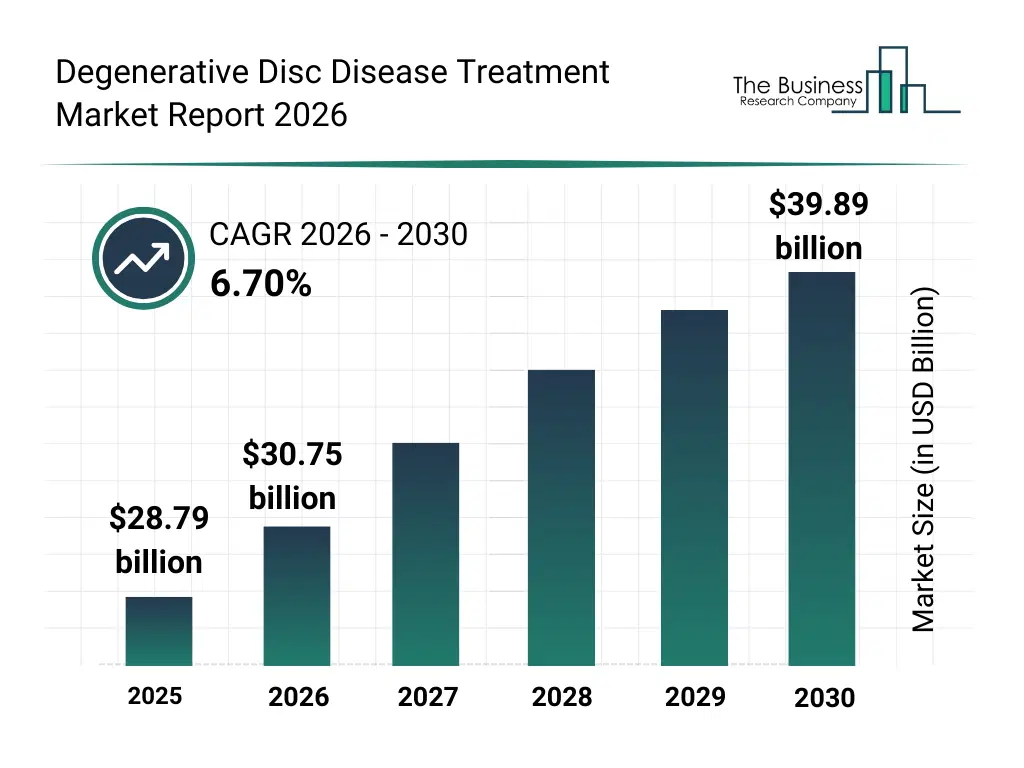
What Is The Degenerative Disc Disease Treatment Market Size and Share 2026?
The degenerative disc disease treatment market size has grown strongly in recent years. It will grow from $28.79 billion in 2025 to $30.75 billion in 2026 at a compound annual growth rate (CAGR) of 6.8%. The growth in the historic period can be attributed to increasing prevalence of lower back pain, growth in sedentary lifestyles, rising geriatric population, improved access to pain management therapies, expansion of orthopedic care facilities.What Is The Degenerative Disc Disease Treatment Market Growth Forecast?
The degenerative disc disease treatment market size is expected to see strong growth in the next few years. It will grow to $39.89 billion in 2030 at a compound annual growth rate (CAGR) of 6.7%. The growth in the forecast period can be attributed to growing demand for long-term pain relief solutions, rising awareness of spinal health, increasing diagnosis rates of degenerative spine disorders, expansion of ambulatory surgical centers, rising healthcare expenditure on musculoskeletal disorders. Major trends in the forecast period include rising preference for non-surgical pain management, growing use of combination drug therapies, increasing focus on early-stage conservative treatment, shift toward outpatient spine care, rising adoption of minimally invasive spine procedures.
Global Degenerative Disc Disease Treatment Market Segmentation
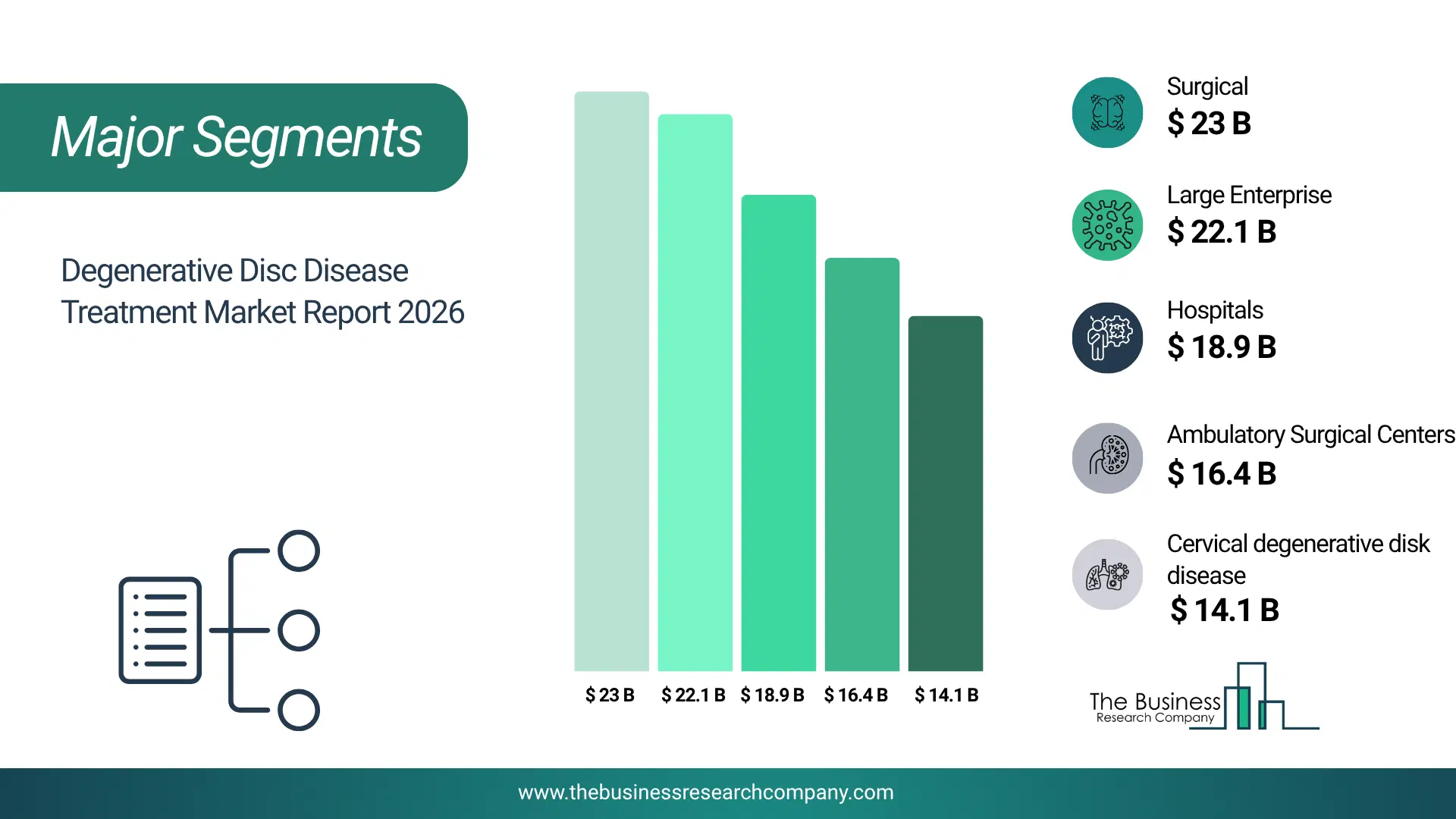
1) By Type: Conventional Drugs, Novel Therapies 2) By Route Of Administration: Oral, Injectable 3) By End User: Hospitals, Ambulatory Surgical Centers, Orthopedic Center Subsegments: 1) By Conventional Drugs: Non-Steroidal Anti-Inflammatory Drugs (NSAIDs), Opioids, Muscle Relaxants, Corticosteroids, Antidepressants 2) By Novel Therapies: Gene Therapy, Stem Cell Therapy, Platelet-Rich Plasma (PRP) Therapy, Biologic Agents, Regenerative Medicine, Cell-Based Therapies, Growth Factor Therapies The top segments in the degenerative disc disease treatment market will be: • Lumbar degenerative disk disease will reach $22092.59 Million by 2030. • Surgical will reach $23069.37 Million by 2030. • Hospitals will reach $18893.07 Million by 2030. • Ambulatory Surgical Centers will reach $16448.33 Million by 2030. • Cervical degenerative disk disease will reach $14148.5 Million by 2030.What Is The Driver Of The Degenerative Disc Disease Treatment Market?
Rising sports injuries are expected to propel the growth of the degenerative disc disease treatment market going forward. Sports injuries refer to physical damage or trauma sustained by athletes or individuals engaging in physical activities, often resulting from sudden impacts, overuse, or improper techniques. The increase in sports injuries is often attributed to factors such as higher participation rates, more intense training regimens, and a greater emphasis on competitive performance. Degenerative disc disease treatment is used in sports injuries to manage chronic spinal pain and restore function when disc degeneration impacts athletes' performance and mobility. For instance, in November 2023, according to the Howden Group Holdings Ltd, a UK-based insurance intermediary company, in October 2022, recorded injuries resulted in players being sidelined for an average of 11.35 days before tournaments, rising to 19.41 days by January 2023.Therefore, the rising sports injuries are driving the growth of the degenerative disc disease treatment industry.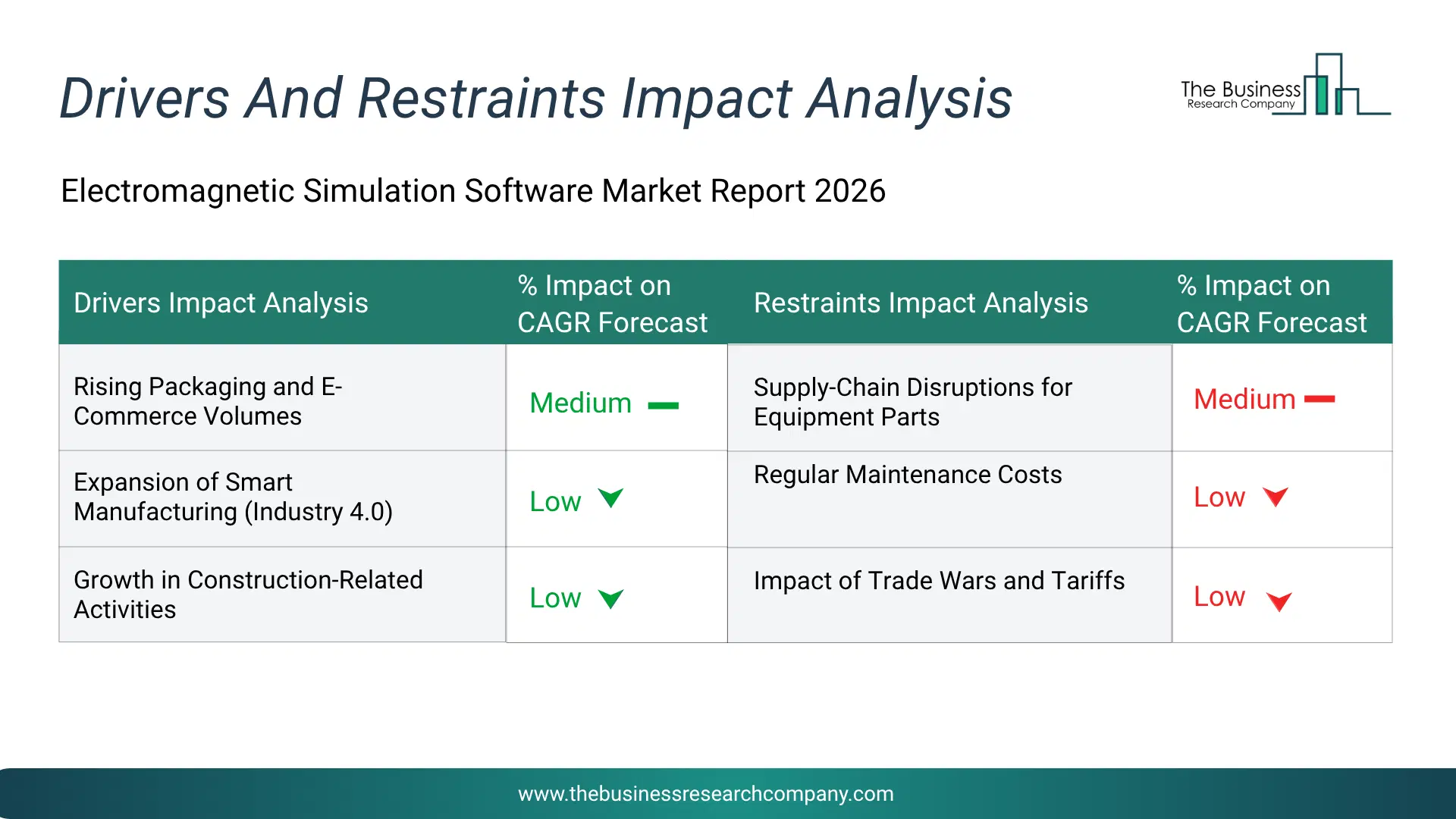
Infographic Chart Showing Key Market Drivers Analysis And Restraints For Degenerative Disc Disease Treatment Market
The chart presents an impact analysis of key drivers and restraints, quantifying their relative influence on the market's growth rate and helping assess the balance between growth enablers and limiting factors. This chart offers a high-level perspective; the full report contains more detailed insights.
How Will The Drivers Impact Growth In The Global Degenerative Disc Disease Treatment Market?
• Increasing Geriatric Population (Medium) – During the forecast period, the increasing geriatric population is expected to propel the growth of the degenerative disc disease treatment market. aging is closely associated with spinal degeneration, reduced disc elasticity, and a higher incidence of chronic back pain, making older adults the primary patient group for ddd therapies. as life expectancy increases globally, the number of individuals seeking medical intervention for age-related spinal disorders continues to rise. this trend is encouraging higher utilization of pain management solutions, minimally invasive procedures, and surgical interventions. from a business perspective, the expanding elderly demographic creates sustained demand, supports long-term revenue growth, and attracts investment in innovative treatment technologies and healthcare infrastructure. therefore, the increasing geriatric population will drive the growth of the degenerative disc disease treatment market. as a result, the increasing geriatric population is anticipated to contributing to a is 1.5% annual growth in the market. • Rising Prevalence of Chronic Diseases (Low) – During the forecast period, the rising prevalence of chronic diseases is expected to propel the growth of the degenerative disc disease treatment market. conditions such as obesity, diabetes, arthritis, and osteoporosis increase the risk of spinal degeneration and chronic back pain, leading to a higher incidence of ddd. patients with long-term health conditions often require continuous pain management, physical therapy, and, in advanced cases, surgical intervention. as chronic diseases become more widespread due to sedentary lifestyles and aging populations, demand for effective and long-term ddd treatment solutions is increasing. from a business standpoint, this trend supports consistent patient inflow, expands treatment adoption, and drives investment in advanced therapeutic technologies and specialized care services. consequently, the rising prevalence of chronic diseases is projected to contributing to a 1.0% annual growth in the market. • Rise in Sedentary Lifestyles (Low) – During the forecast period, the rise in sedentary lifestyles is expected to propel the growth of the degenerative disc disease treatment market. prolonged sitting, limited physical activity, and poor posture common in desk-based work and digital lifestyles contribute to spinal stress, disc degeneration, and chronic back pain. as these habits become more widespread across working-age and urban populations, the incidence of ddd is rising steadily. this trend is leading to higher demand for diagnostic services, conservative therapies, pain management solutions, and surgical interventions. from a business perspective, the growing patient base linked to lifestyle-related spinal disorders supports sustained market expansion and encourages innovation in preventive and therapeutic treatment offerings. therefore, the rise in sedentary lifestyles is projected to contributing to a 0.8% annual growth in the market. • Rising Rates of Musculoskeletal Disorders (Low) – During the forecast period, the rising rates of musculoskeletal disorders accelerating the adoption of degenerative disc disease treatment. conditions such as chronic back pain, osteoarthritis, spinal stenosis, and posture-related disorders increase stress on spinal discs and accelerate degeneration. as musculoskeletal disorders become more common due to aging populations, occupational strain, and lifestyle factors, the demand for early diagnosis and long-term treatment of ddd is increasing. patients often require a combination of pain management, physical therapy, and surgical interventions, driving utilization of specialized healthcare services. from a business standpoint, this growing clinical burden supports sustained market demand, higher treatment adoption rates, and continued investment in advanced spinal care solutions. the rising rates of musculoskeletal disorders growth contribution during the forecast period in 2025 is 0.5%.How Will The Restraints Impact Growth In The Global Degenerative Disc Disease Treatment Market?
• Inadequate Health Insurance Coverage and Reimbursement Policies (Medium) – During the forecast period, the inadequate health insurance coverage and reimbursement policies remains a significant barrier to market expansion. many degenerative disc disease (ddd) treatments, including advanced diagnostics, long-term therapies, and surgical procedures, involve high out-of-pocket expenses when insurance coverage is insufficient. this can discourage patients from seeking timely or comprehensive care, leading to delayed treatment or reliance on conservative alternatives. limited reimbursement also places financial pressure on healthcare providers, restricting their ability to adopt advanced technologies and treatment options. from a business perspective, these affordability challenges reduce treatment uptake, slow market penetration of innovative solutions, and constrain overall revenue growth. growth affected by inadequate health insurance coverage and reimbursement policies during the forecast period in 2025 is -1.5%. • Regulatory Complexity and Delays (Low) – During the forecast period, the regulatory complexity and delays a significant barrier to market expansion. stringent regulatory requirements for medical devices, implants, and novel therapies often result in extended clinical trials, higher compliance costs, and longer time-to-market. these challenges can delay product launches, limit innovation, and increase development risks for manufacturers. smaller companies may face barriers to entry, while existing players may experience slower portfolio expansion. in addition, prolonged approval timelines can restrict patient access to advanced treatment options. from a business perspective, regulatory delays reduce revenue realization, discourage investment, and slow the overall adoption of new and improved ddd treatment technologies. growth affected by regulatory complexity and delays during the forecast period in 2025 is -1.0%. • Trade War and Tariffs (Low) – During the forecast period, the trade war and tariffs remains a significant barrier to market expansion by increasing the cost of imported medical devices, implants, raw materials, and advanced components used in spinal therapies. many advanced ddd treatments rely on globally sourced components and specialized manufacturing, making them vulnerable to tariff-related price increases. higher costs can strain healthcare provider budgets, raise treatment prices, and limit patient access to advanced therapies. in addition, supply chain disruptions caused by geopolitical tensions may delay product availability and slow market expansion. from a business perspective, these challenges can reduce profit margins, hinder investment decisions, and constrain the adoption of innovative ddd treatment solutions across key regions. growth affected by trade war and tariffs during the forecast period in 2025 is -0.3%.Key Players In The Global Degenerative Disc Disease Treatment Market
Major companies operating in the degenerative disc disease treatment market are Pfizer Inc., Johnson And Johnson, Sanofi S.A., Novartis AG, GlaxoSmithKline PLC, Medtronic plc, Amgen Inc., Zimmer Biomet Holdings Inc., Arthrex Inc., Biocon Limited, Integra LifeSciences Holdings Corporation, NuVasive Inc., Globus Medical Inc., Orthofix Medical Inc., RTI Surgical Holdings Inc., LifeNet Health, Stryker Corporation, K2M Group Holdings Inc., SeaSpine Holdings Corporation, Amedica Corporation, Camber Spine Inc.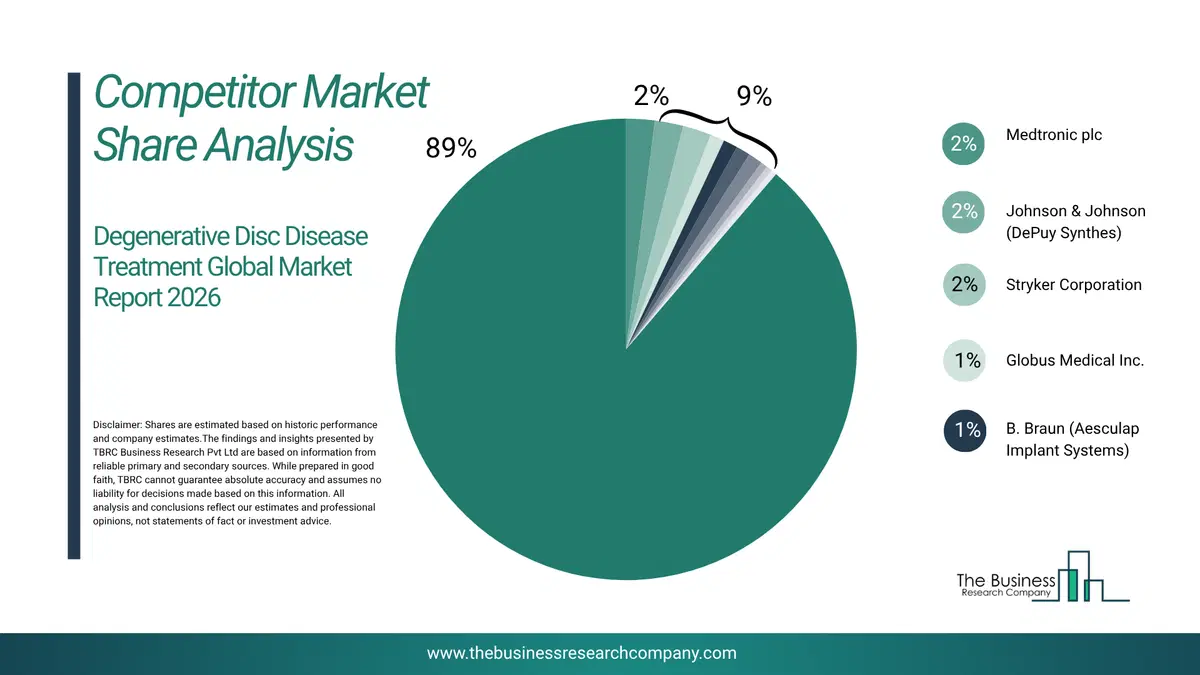
This chart is for illustrative purposes; the full report includes a detailed competitor analysis and comprehensive overview of the top 10 companies in the market.
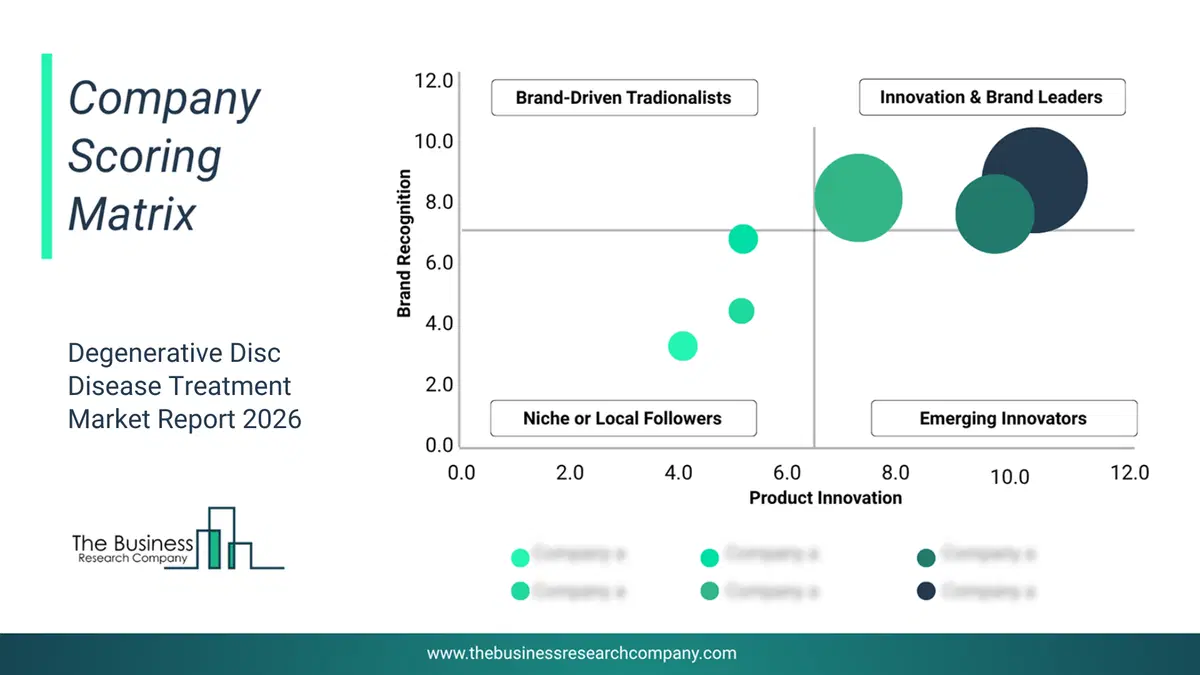
This chart maps companies by product innovation and brand strength, with bubble size indicating relative revenue, helping identify market leaders, challengers, and niche players. This is an illustrative chart; the full report provides a complete and accurate competitive analysis.
Global Degenerative Disc Disease Treatment Market Trends and Insights
Major companies operating in the degenerative disc disease treatment market are focusing on developing novel therapies, such as injectable disc cell therapy (IDCT), to improve patient outcomes by increasing disc volume, alleviating low back pain, and reducing dependence on pain medications. The regenerative treatment, injectable disc cell therapy (IDCT), targets symptomatic lumbar degenerative disc disease. For instance, in February 2023, DiscGenics Inc., a US-based biopharmaceutical company, received FDA regenerative medicine advanced therapy designation for its injectable disc cell therapy (IDCT), aimed at treating symptomatic lumbar degenerative disc disease. This innovative therapy uses a live progenitor cell population derived from donated adult human intervertebral disc tissue. IDCT has the potential to increase disc volume, alleviate low back pain, and reduce the need for pain medication in affected patients.What Are Latest Mergers And Acquisitions In The Degenerative Disc Disease Treatment Market?
In January 2023, Companion Spine LLC, a US-based spine care company, acquired Backbone SAS for an undisclosed amount. The acquisition aims to expand Companion's portfolio of medical implants dedicated to treating spine and back pain. Backbone SAS is a France-based company that develops and manufactures medical devices for treating spine and back pain.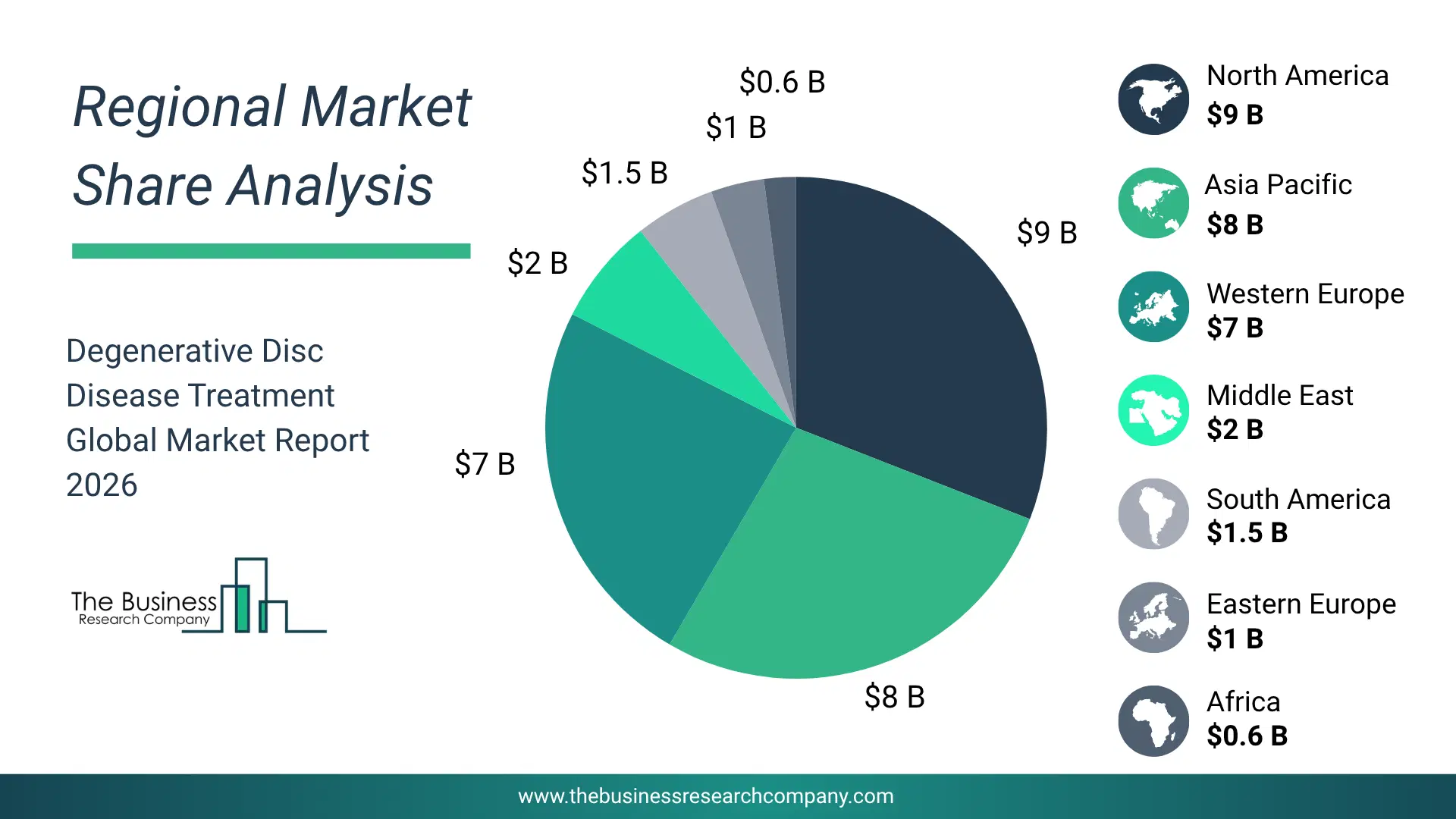
Regional Outlook
North America was the largest region in the degenerative disc disease treatment market in 2025. The regions covered in this market report are Asia-Pacific, South East Asia, Western Europe, Eastern Europe, North America, South America, Middle East, Africa. The countries covered in this market report are Australia, Brazil, China, France, Germany, India, Indonesia, Japan, Taiwan, Russia, South Korea, UK, USA, Canada, Italy, SpainWhat Defines the Degenerative Disc Disease Treatment Market?
The degenerative disc disease treatment market consists of revenues earned by entities by providing services such as medical consultations, surgical procedures, and post-treatment rehabilitation. The market value includes the value of related goods sold by the service provider or included within the service offering. The degenerative disc disease treatment market also includes sales of spinal implants, orthopedic braces, pain relief medications, physical therapy equipment, and diagnostic imaging tools. Values in this market are ‘factory gate’ values, that is, the value of goods sold by the manufacturers or creators of the goods, whether to other entities (including downstream manufacturers, wholesalers, distributors, and retailers) or directly to end customers. The value of goods in this market includes related services sold by the creators of the goods.How is Market Value Defined and Measured?
The market value is defined as the revenues that enterprises gain from the sale of goods and/or services within the specified market and geography through sales, grants, or donations in terms of the currency (in USD unless otherwise specified). The revenues for a specified geography are consumption values that are revenues generated by organizations in the specified geography within the market, irrespective of where they are produced. It does not include revenues from resales along the supply chain, either further along the supply chain or as part of other products.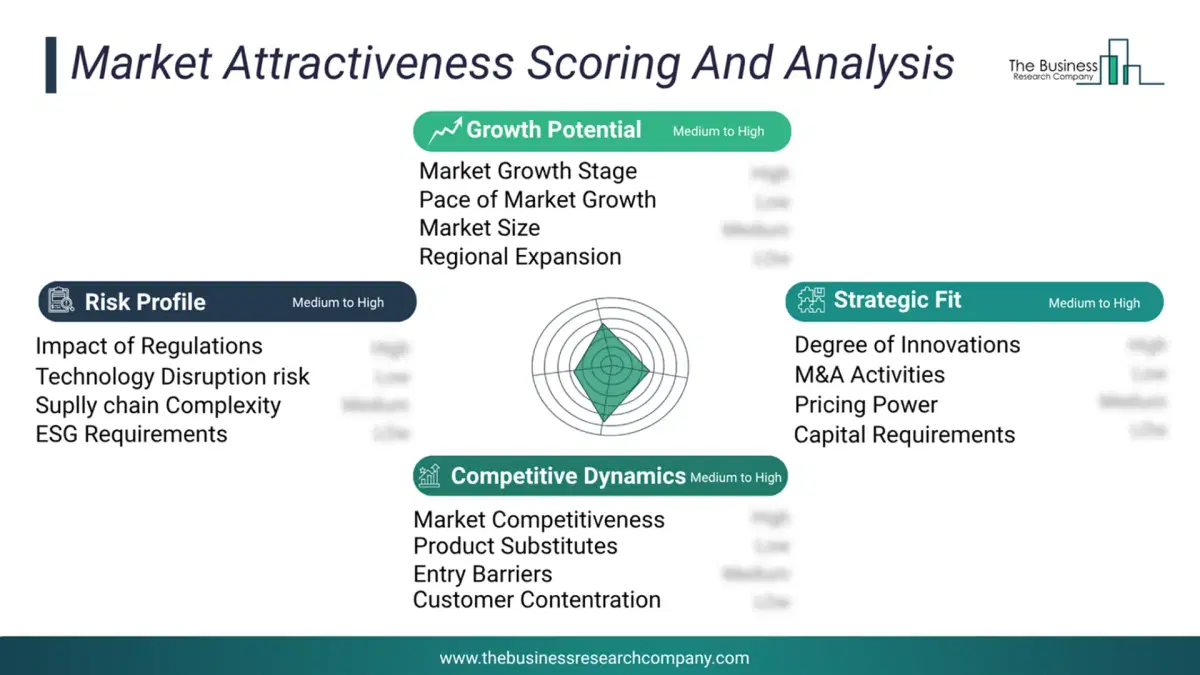
This chart presents market attractiveness based on a quantitative evaluation of growth, competition, strategic alignment, and risk, offering a clear view of opportunity areas for decision-making. This chart is for illustrative purposes; the full report contains the complete analysis.
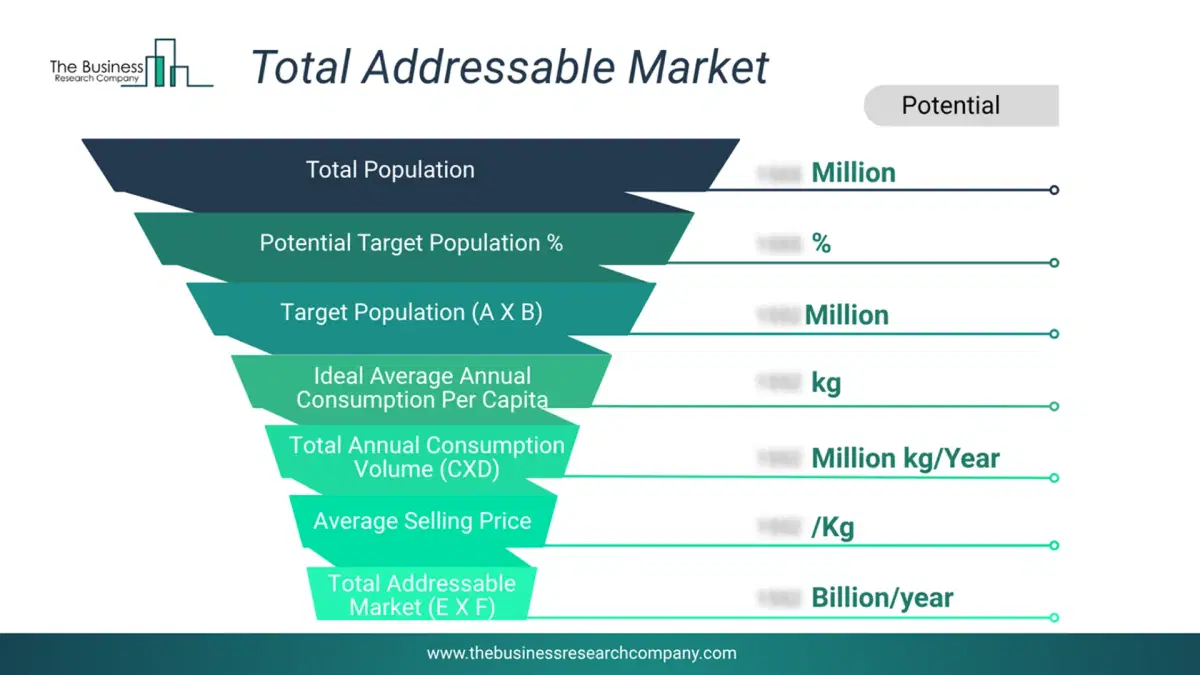
This chart highlights the Total Addressable Market (TAM) by estimating the maximum revenue opportunity using an assumption-driven approach, supporting strategic planning and opportunity sizing across markets. The chart is illustrative; the full report provides a more comprehensive analysis.
What Key Data and Analysis Are Included in the Degenerative Disc Disease Treatment Market Report 2026?
The degenerative disc disease treatment market research report is one of a series of new reports from The Business Research Company that provides market statistics, including industry global market size, regional shares, competitors with the market share, detailed market segments, market trends and opportunities, and any further data you may need to thrive in the degenerative disc disease treatment industry. The market research report delivers a complete perspective of everything you need, with an in-depth analysis of the current and future state of the industry.Degenerative Disc Disease Treatment Market Report Forecast Analysis
| Report Attribute | Details |
|---|---|
| Market Size Value In 2026 | $30.75 billion |
| Revenue Forecast In 2030 | $39.89 billion |
| Growth Rate | CAGR of 6.8% from 2026 to 2030 |
| Base Year For Estimation | 2025 |
| Actual Estimates/Historical Data | 2020-2025 |
| Forecast Period | 2026 - 2030 - 2035 |
| Market Representation | Revenue in USD Billion and CAGR from 2026 to 2030 |
| Segments Covered | Type, Route Of Administration, End User |
| Regional Scope | Asia-Pacific, Western Europe, Eastern Europe, North America, South America, Middle East, Africa |
| Country Scope | The countries covered in the report are Australia, Brazil, China, France, Germany, India, Indonesia, Japan, Taiwan, Russia, South Korea, UK, USA, Canada, Italy, Spain. |
| Key Companies Profiled | Pfizer Inc., Johnson And Johnson, Sanofi S.A., Novartis AG, GlaxoSmithKline PLC, Medtronic plc, Amgen Inc., Zimmer Biomet Holdings Inc., Arthrex Inc., Biocon Limited, Integra LifeSciences Holdings Corporation, NuVasive Inc., Globus Medical Inc., Orthofix Medical Inc., RTI Surgical Holdings Inc., LifeNet Health, Stryker Corporation, K2M Group Holdings Inc., SeaSpine Holdings Corporation, Amedica Corporation, Camber Spine Inc. |
| Customization Scope | Request for Customization |
| Pricing And Purchase Options | Explore Purchase Options |