

Digital Human Market Report 2026
Global Outlook – By Product Type (Interactive Digital Human Avatar, Non-Interactive Digital Human Avatar), By Technology (3D Scanning, 3D Modelling, Natural Language Processing, Natural Language Generation, Artificial Intelligence (AI)), By Application (Virtual Agents, Virtual Assistants, Virtual Influencers, Virtual Companions, Virtual Characters), By Industry (Gaming, Entertainment, Banking, financial services and insurance (BFSI), Information Technology (IT) And Telecommunication, Education, Automotive, Advertisement, Health And Sports, Other Industries) – Market Size, Trends, Strategies, and Forecast to 2030
Digital Human Market Overview
• Digital Human market size has reached to $47.72 billion in 2025 • Expected to grow to $258.15 billion in 2030 at a compound annual growth rate (CAGR) of 40.1% • Growth Driver: Robotics In Industrial Applications Driving Expansion Of The Digital Human Market • Market Trend: Innovative AI-Powered Technology In The Digital Human Market • North America was the largest region in 2025 and Asia Pacific is the fastest growing region.Market Gains By 2030 – Top Opportunities By Segment
Market Gain identifies the most promising market opportunities by highlighting the segments or products expected to generate the highest incremental revenue growth over the next five years.
What Is Covered Under Digital Human Market?
A digital human is a software-based representation of a human being, often incorporating artificial intelligence and advanced 3D modeling techniques to simulate human-like behavior, facial expressions, and movements. They are created using advanced technologies such as computer graphics, machine learning, and natural language understanding to simulate human-like communication and engagement. The digital human is used in various applications to enhance user experiences, provide personalized interactions, and streamline processes. The main product types of the digital human market are interactive digital human avatars and non-interactive digital human avatars. An interactive digital human avatar is a virtual representation of a human being that can communicate and interact with users in real time. The various technologies include 3D scanning, 3D modeling, natural language processing, natural language generation, and artificial intelligence (AI). These are used in various applications such as virtual agents, virtual assistants, virtual influencers, virtual companions, and virtual characters and also by various industries that include gaming, entertainment, banking, financial services and insurance (BFSI), information technology (IT) and telecommunication, education, automotive, advertisement, health and sports, and other industries.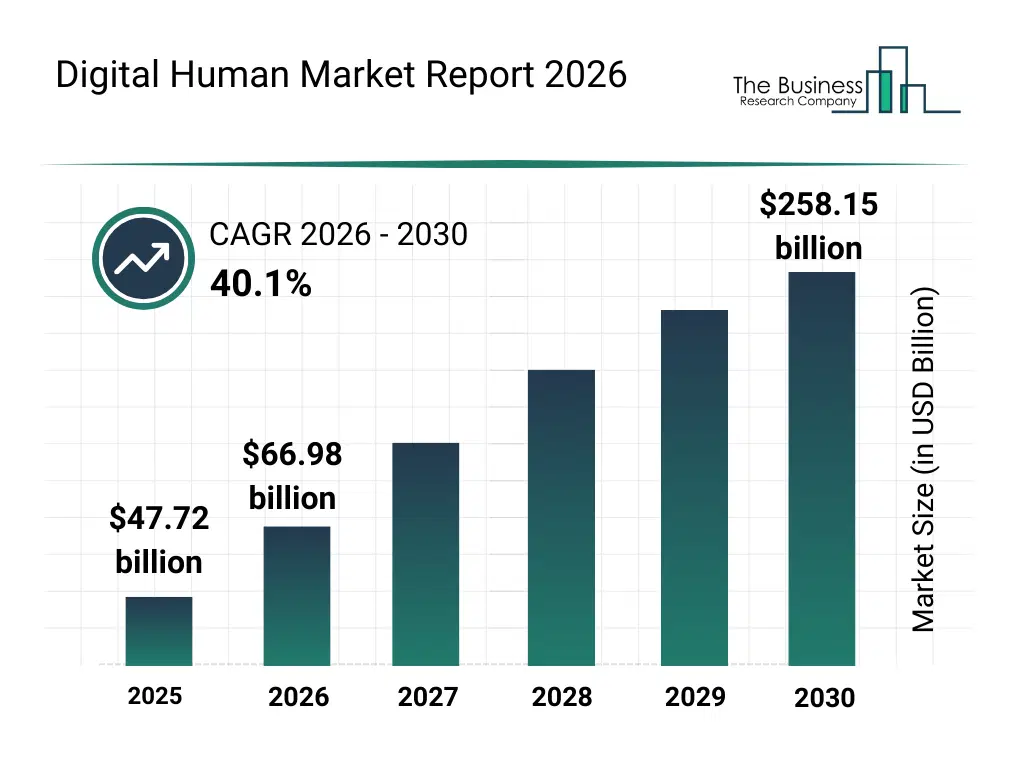
What Is The Digital Human Market Size and Share 2026?
The digital human market size has grown exponentially in recent years. It will grow from $47.72 billion in 2025 to $66.98 billion in 2026 at a compound annual growth rate (CAGR) of 40.3%. The growth in the historic period can be attributed to advancement in 3D modeling technologies, early adoption of virtual assistants, growth in gaming and entertainment sectors, development of natural language processing tools, increasing demand for immersive user experiences.What Is The Digital Human Market Growth Forecast?
The digital human market size is expected to see exponential growth in the next few years. It will grow to $258.15 billion in 2030 at a compound annual growth rate (CAGR) of 40.1%. The growth in the forecast period can be attributed to integration of AI with real-time animation, expansion of virtual influencers and companions, adoption in banking and bfsis for customer engagement, growth in healthcare and education applications, enhanced personalization through predictive AI algorithms. Major trends in the forecast period include ai-driven interactive digital avatars, real-time emotion recognition and response, personalized virtual companions, cloud-based digital human platforms, ai-powered customer engagement avatars.
Global Digital Human Market Segmentation
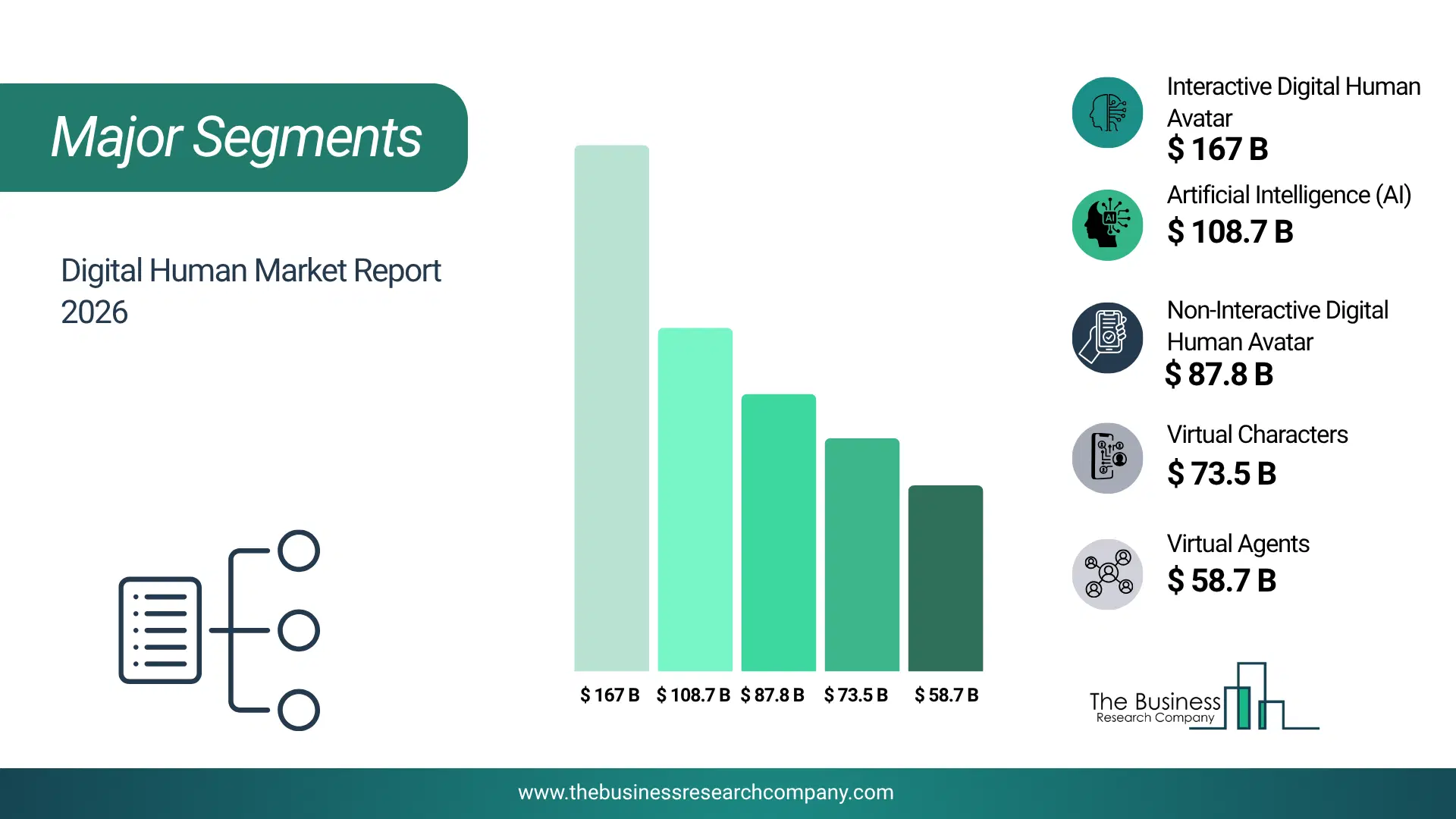
1) By Product Type: Interactive Digital Human Avatar, Non-Interactive Digital Human Avatar 2) By Technology: 3D Scanning, 3D Modelling, Natural Language Processing, Natural Language Generation, Artificial Intelligence (AI) 3) By Application: Virtual Agents, Virtual Assistants, Virtual Influencers, Virtual Companions, Virtual Characters 4) By Industry: Gaming, Entertainment, Banking, financial services and insurance (BFSI), Information Technology (IT) And Telecommunication, Education, Automotive, Advertisement, Health And Sports, Other Industries Subsegments: 1) By Interactive Digital Human Avatar: AI-Powered Avatars, Virtual Assistants, Customer Service Avatars, Training And Simulation Avatars 2) By Non-Interactive Digital Human Avatar: Pre-Rendered Avatars, Animation-Only Avatars, Promotional And Advertising Avatars The top segments in the digital human market will be: • Interactive Digital Human Avatar will reach $166993.17 Million by 2030. • Artificial Intelligence (AI) will reach $108700.38 Million by 2030. • Non-Interactive Digital Human Avatar will reach $87850.86 Million by 2030. • Virtual Characters will reach $73546.73 Million by 2030. • Virtual Agents will reach $58699.93 Million by 2030.What Is The Driver Of The Digital Human Market?
The rise in the use of robots in industrial applications is expected to propel the growth of the digital human market going forward. Robots in industrial applications refer to automated machines designed to perform tasks traditionally carried out by humans in manufacturing and other industrial settings. Robotics use in industrial applications is significantly increasing due to Industry 4.0 and automation trends, performance improvement, safety enhancement, cost reduction, and application expansion. Digital humans complement robots in industrial applications by improving communication, training, interface design, data visualization, and customer interaction. For instance, in September 2025, according to the International Federation of Robotics, a Germany-based non-profit organization, the total number of industrial robots in operation reached 4,664,000 units in 2024, marking a 9% increase compared to 2023. Therefore, the rise in the use of robots in industrial applications is driving the growth of the digital human industry.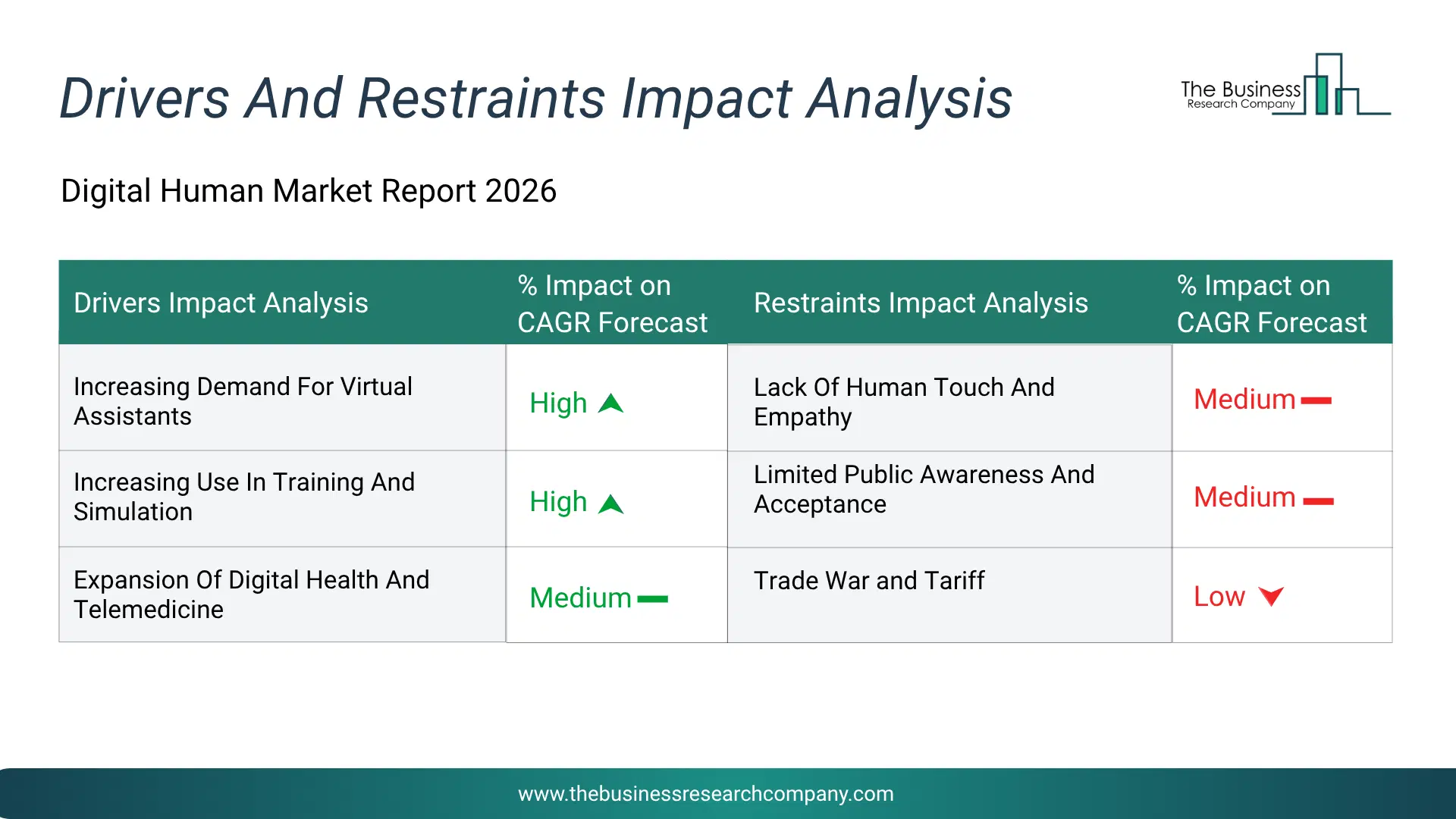
Infographic Chart Showing Key Market Drivers Analysis And Restraints For Digital Human Market
The chart presents an impact analysis of key drivers and restraints, quantifying their relative influence on the market's growth rate and helping assess the balance between growth enablers and limiting factors. This chart offers a high-level perspective; the full report contains more detailed insights.
How Will The Drivers Impact Growth In The Global Digital Human Market?
• Increasing Demand For Virtual Assistants (High) – During the forecast period, the increasing demand for virtual assistants is expected to propel the growth of the digital human market. Digital humans, powered by AI, offer a more engaging and lifelike alternative to traditional chatbots by combining voice, facial expressions and real-time interaction. They are being widely adopted in industries such as customer service, banking and education to provide personalized and efficient support. This growing reliance on intelligent virtual assistants is driving the integration of digital humans into various business operations, fueling market expansion. The increasing demand for virtual assistants’ growth during the forecast period. The growth in increasing demand for virtual assistants’ growth contribution during the forecast period in 2025 is 5.4%. • Increasing Use In Training And Simulation (High) – During the forecast period, the increasing use in training and simulation is expected to propel the growth of the digital human market going forward. digital humans are being leveraged to create realistic, interactive learning environments for industries such as healthcare, defense, aviation and corporate training. they enhance the effectiveness of training by simulating real-life scenarios, offering consistent feedback and enabling safe, repeatable practice. as organizations prioritize immersive and cost-effective training solutions, the demand for digital humans in simulation-based learning is set to rise significantly. the increasing use in training and simulation growth contributes during the forecast period. the growth in increasing use in training and simulation growth contribution during the forecast period in 2025 is 2.0%. • Expansion Of Digital Health And Telemedicine (Medium) – During the forecast period, the expansion of digital health and telemedicine is expected to propel the growth of the digital human market. Digital humans can serve as virtual health assistants, providing patients with real-time support, symptom checks and mental health guidance. Their ability to simulate empathetic human interaction makes them valuable in remote healthcare settings, especially where human resources are limited. As the demand for accessible and efficient healthcare grows, digital humans are increasingly being integrated into telemedicine platforms to enhance patient engagement and care delivery. The expansion of digital health and telemedicine growth contributed during the forecast period. The growth in expansion of digital health and telemedicine growth contribution during the forecast period in 2025 is 1.8%. • Increasing Retail Industry (Medium) – During the forecast period, increasing retail industry is expected to propel the growth of the digital human market going forward. as retailers seek more engaging and personalized customer experiences, digital humans offer interactive solutions for virtual shopping assistants, product demonstrations and customer service. these ai-powered avatars can operate 24/7, handle multiple queries simultaneously and provide consistent, human-like interactions that enhance customer satisfaction and brand loyalty. consequently, the rising adoption of digital technologies in retail is accelerating the demand for digital human solutions. the increasing retail industry supports growth contribution during the forecast period. the growth in increasing retail industry growth contribution during the forecast period in 2025 is 1.0%.How Will The Restraints Impact Growth In The Global Digital Human Market?
• Lack Of Human Touch And Empathy (High) – During the forecast period, lack of human touch and empathy restrained the growth of the digital human market going forward. despite advancements in ai and animation, digital humans still struggle to replicate the deep emotional understanding and subtle social cues that come naturally to humans. this gap can reduce user trust and engagement, particularly in emotionally sensitive interactions like mental health support or customer complaints. consequently, industries requiring high levels of emotional intelligence have been slower to adopt digital human technologies. growth affected by lack of human touch and empathy during the forecast period. growth affected by lack of human touch and empathy during the forecast period in 2025 is -1.5%. • Limited Public Awareness And Acceptance (High) – During forecast period, the limited public awareness and acceptance restrained the growth of the digital human market. Many potential users remained skeptical about the realism and reliability of digital humans, which hindered widespread adoption. Moreover, challenges such as high development costs and concerns over data privacy further slowed market expansion. However, ongoing technological advancements and increased integration across industries are expected to boost acceptance and fuel future growth. Growth is affected by limited public awareness and acceptance during the forecast period. Growth affected by limited public awareness and acceptance during the forecast period in 2025 is -1.0%. • Trade War and Tariff (Medium) – During the forecast period, the trade wars and tariffs is expected to restrict the growth of the digital human market during the forecast period by increasing the cost of critical hardware components, such as high-performance gpus (graphics processing unit), sensors and computing infrastructure, which are often sourced internationally. heightened trade tensions, especially between major economies like the us and china, can disrupt global supply chains, delay production timelines and limit access to advanced technologies necessary for developing realistic and responsive digital humans. additionally, retaliatory tariffs and protectionist policies may discourage cross-border collaborations and investment in ai innovation, particularly in emerging markets, thereby slowing the pace of market expansion and adoption across industries such as retail, healthcare and entertainment. growth affected by trade war and tariff during the forecast period. growth affected by impact of trade war and tariff during the forecast period in 2025 is -0.2%.Key Players In The Global Digital Human Market
Major companies operating in the digital human market are Samsung Electronics Co. Ltd.; Microsoft Corporation; Meta Platforms Inc.; Tencent Holdings Limited; Nvidia Corporation; iFLYTEK Corporation; Epic Games Inc.; Digital Domain; Inworld AI; Didimo Inc.; Genies; Xsens Technologies B.V.; Reallusion Inc.; HOUR ONE AI; Soul Machines; Synthesia Ltd.; DeepBrain AI; Daz Production Inc.; Wolf3D; Offbeat Media Group; UneeQ; DeepMotion; Ziva Dynamics; Virtually Human Studio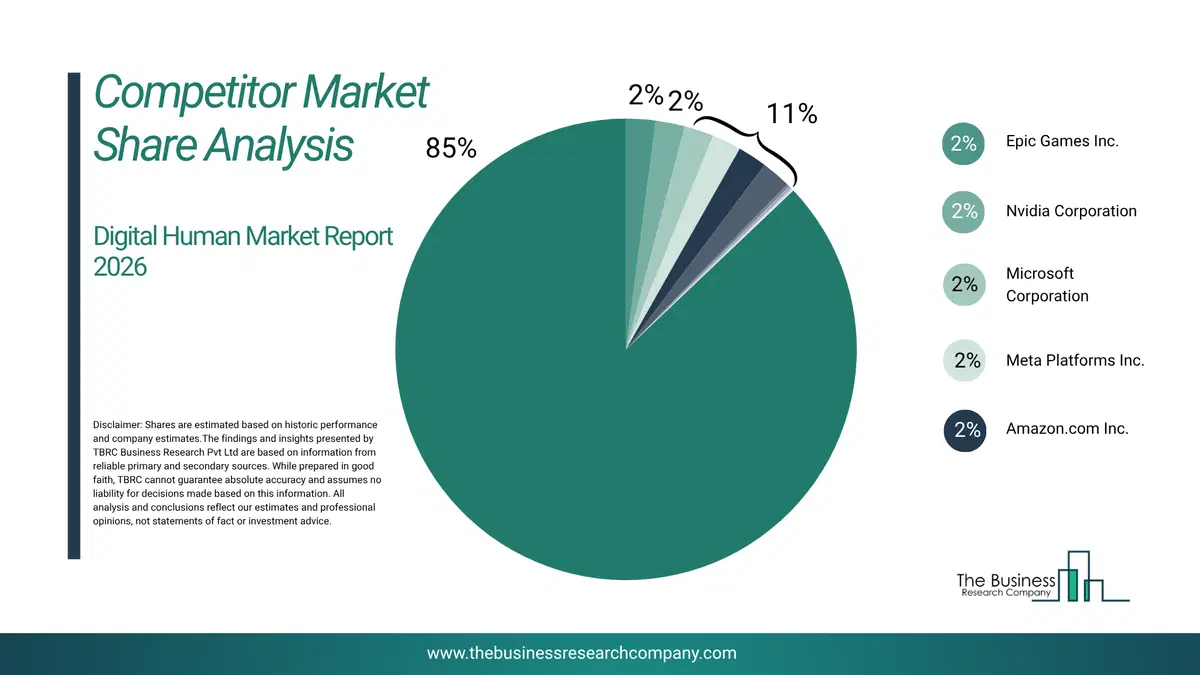
This chart is for illustrative purposes; the full report includes a detailed competitor analysis and comprehensive overview of the top 10 companies in the market.
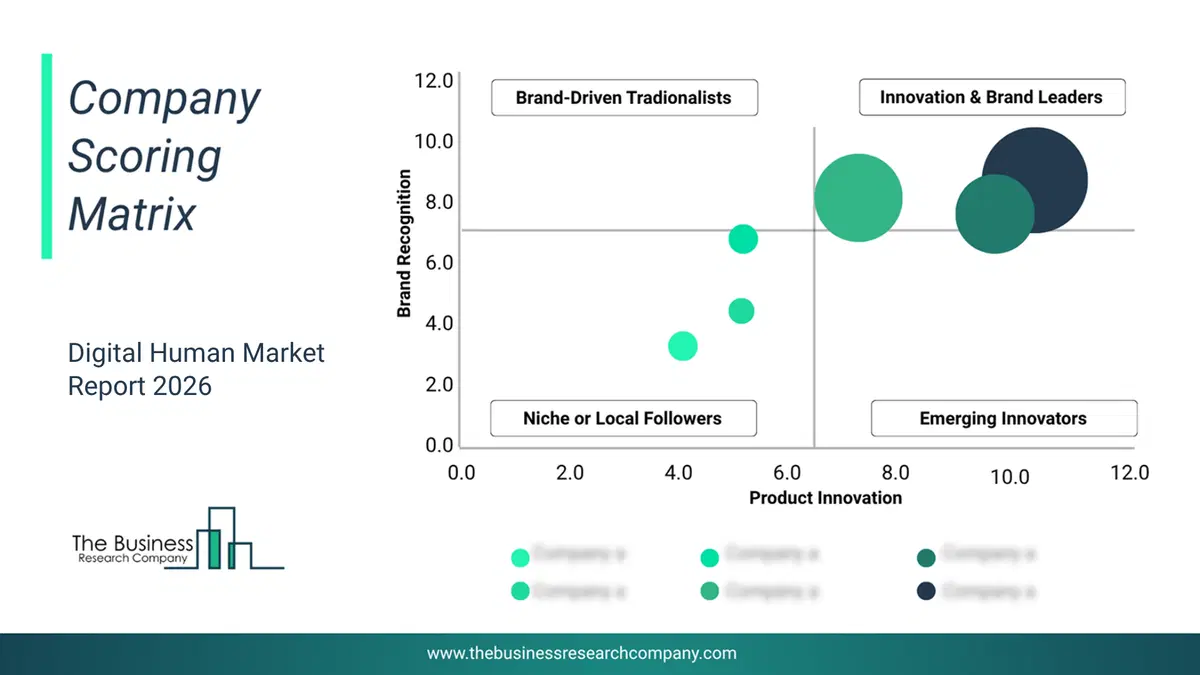
This chart maps companies by product innovation and brand strength, with bubble size indicating relative revenue, helping identify market leaders, challengers, and niche players. This is an illustrative chart; the full report provides a complete and accurate competitive analysis.
Global Digital Human Market Trends and Insights
Major companies operating in the digital human market are developing innovative technologies such as digital human SDK (software development kit) with AI-powered technology, to serve customers with advanced features better. The digital human SDK is a software development kit designed to reduce time-to-value and alleviate challenges for development teams. It empowers brands to forge deeper connections with their customers, enhancing web conversion rates, improving customer experience, and fostering brand loyalty. For instance, in July 2023, UneeQ Digital Humans, a New Zealand-based software company, announced the launch of its first digital human SDK. The new SDK allows enterprises to quickly deploy AI-powered digital human experiences into digital environments, including augmented and virtual reality applications such as Apple's Vision Pro. This technology enables brands to integrate AI-powered digital humans into their AR or VR applications, bringing life into their virtual worlds and providing a more immersive and interactive customer experience.What Are Latest Mergers And Acquisitions In The Digital Human Market?
In October 2025, Rapport, a US-based provider of real-time AI-powered digital humans and immersive communication solutions, acquired Aquifer Motion for an undisclosed amount. With this acquisition, Rapport aims to enhance its technological capability in real-time full-body animation and strengthen its position as a leader in lifelike AI avatar experiences. Aquifer Motion is a US-based provider of advanced 3D animation technology that enables the creation of digital humans with realistic facial expressions, body movements, and voice synchronization for high-quality virtual content.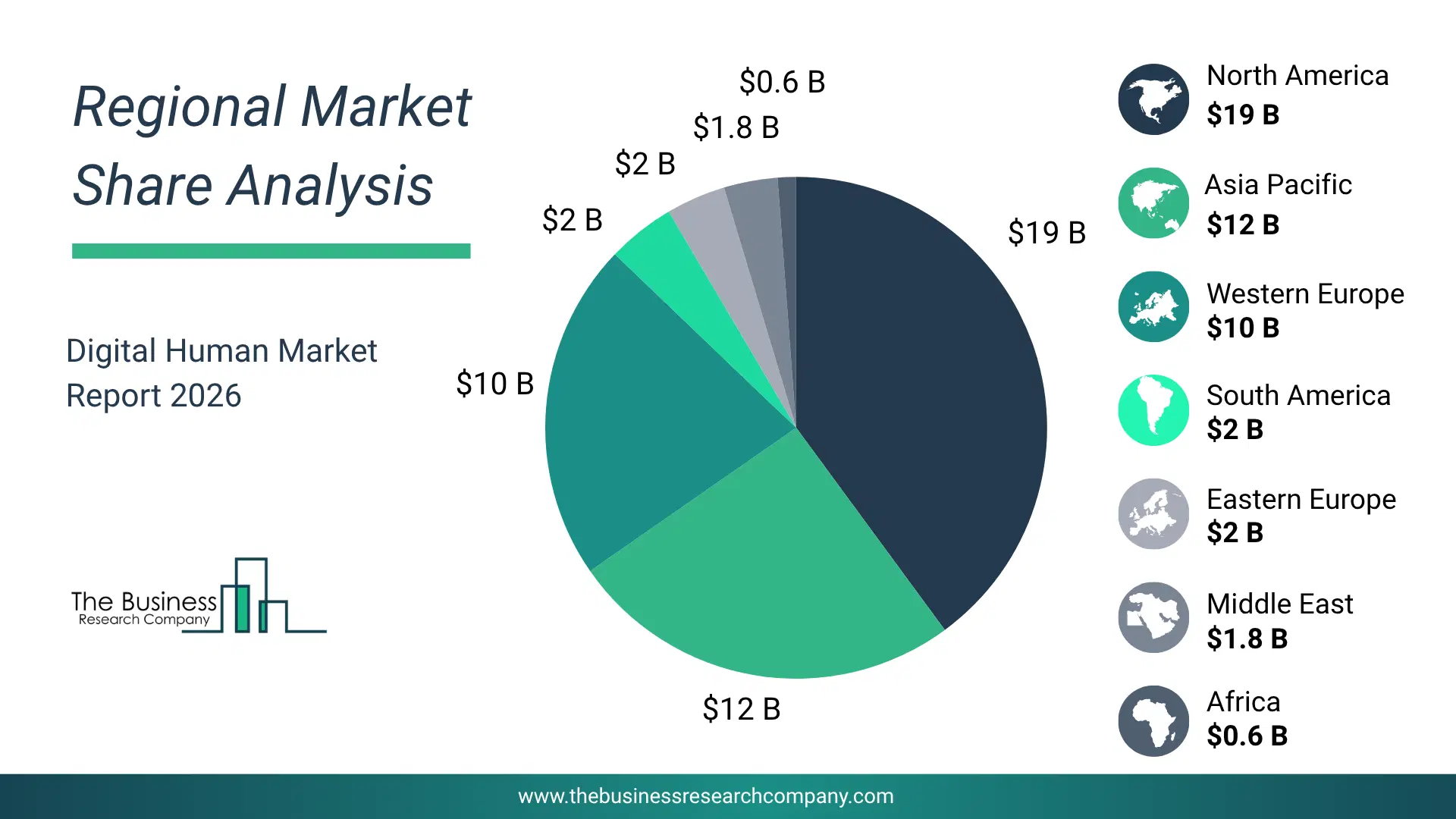
Regional Insights
North America was the largest region in the digital human market in 2025. Asia Pacificis expected to be the fastest-growing region in the forecast period. The regions covered in this market report are Asia-Pacific, South East Asia, Western Europe, Eastern Europe, North America, South America, Middle East, Africa. The countries covered in this market report are Australia, Brazil, China, France, Germany, India, Indonesia, Japan, Taiwan, Russia, South Korea, UK, USA, Canada, Italy, SpainWhat Defines the Digital Human Market?
The digital human market consists of revenues earned by providing services such as consulting services, advisory services, and support and maintenance services. The market value includes the value of related goods sold by the service provider or included within the service offering. The digital human market also includes sales of AI components, audio components, camera components, light components, movement components, and navigation components. Values in this market are ‘factory gate’ values, that is the value of goods sold by the manufacturers or creators of the goods, whether to other entities (including downstream manufacturers, wholesalers, distributors, and retailers) or directly to end customers. The value of goods in this market includes related services sold by the creators of the goods.How is Market Value Defined and Measured?
The market value is defined as the revenues that enterprises gain from the sale of goods and/or services within the specified market and geography through sales, grants, or donations in terms of the currency (in USD unless otherwise specified). The revenues for a specified geography are consumption values that are revenues generated by organizations in the specified geography within the market, irrespective of where they are produced. It does not include revenues from resales along the supply chain, either further along the supply chain or as part of other products.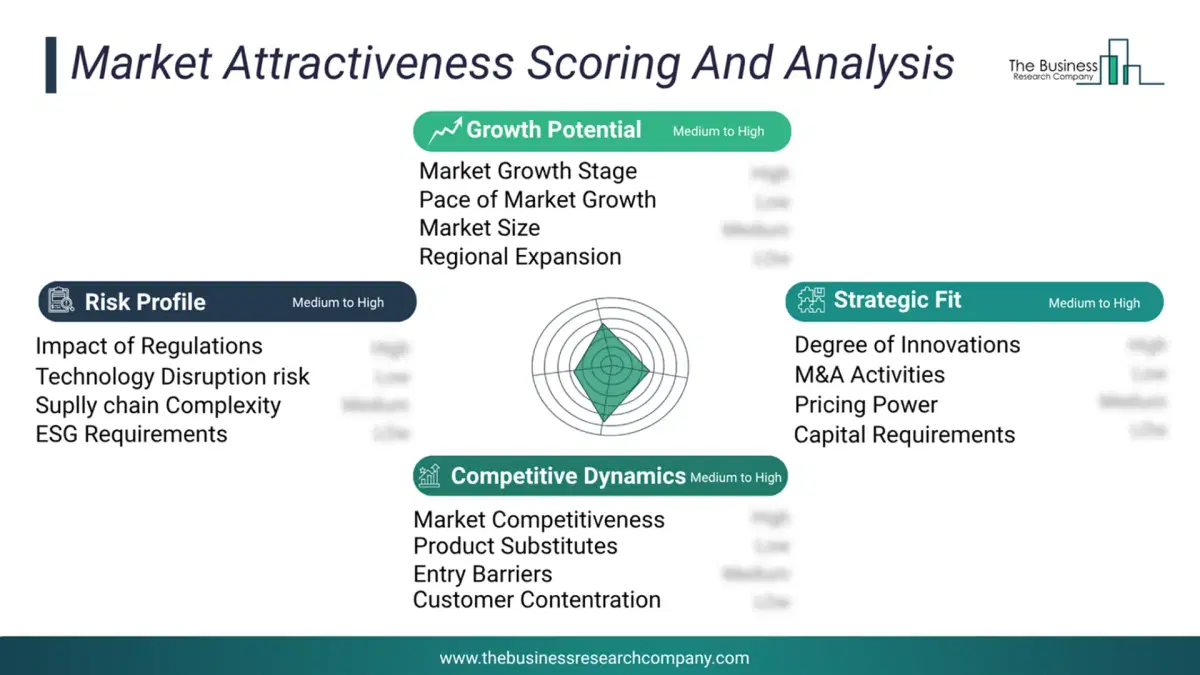
This chart presents market attractiveness based on a quantitative evaluation of growth, competition, strategic alignment, and risk, offering a clear view of opportunity areas for decision-making. This chart is for illustrative purposes; the full report contains the complete analysis.
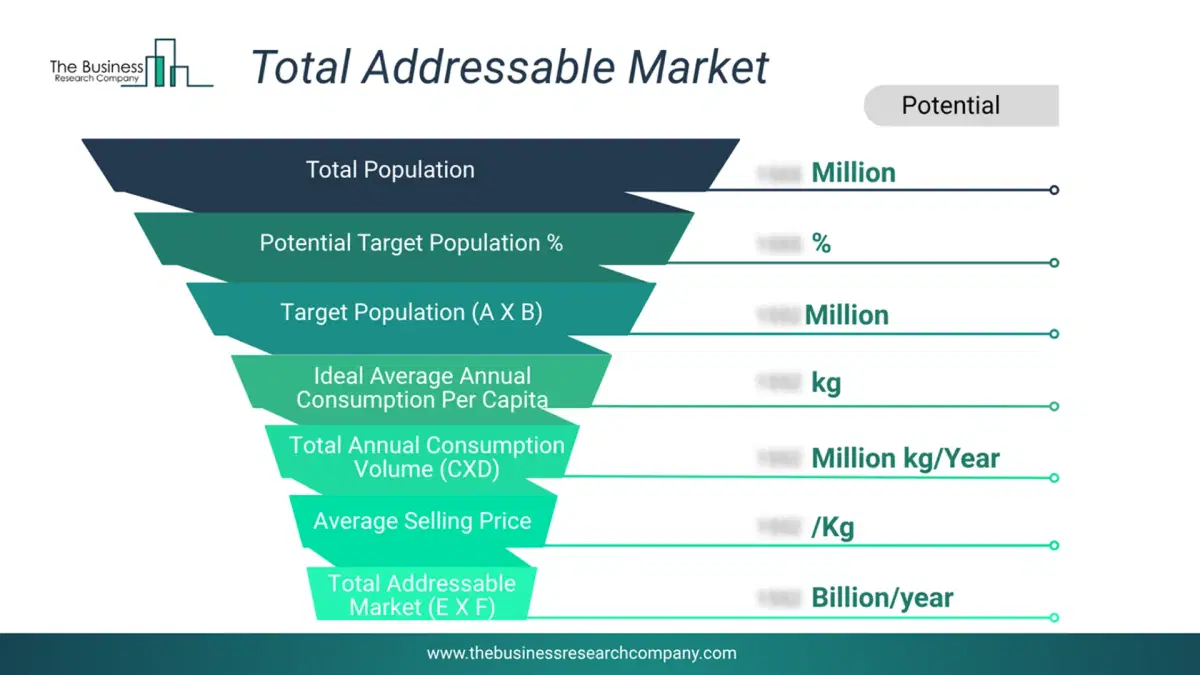
This chart highlights the Total Addressable Market (TAM) by estimating the maximum revenue opportunity using an assumption-driven approach, supporting strategic planning and opportunity sizing across markets. The chart is illustrative; the full report provides a more comprehensive analysis.
What Key Data and Analysis Are Included in the Digital Human Market Report 2026?
The digital human market research report is one of a series of new reports from The Business Research Company that provides market statistics, including industry global market size, regional shares, competitors with the market share, detailed market segments, market trends and opportunities, and any further data you may need to thrive in the digital human industry. The market research report delivers a complete perspective of everything you need, with an in-depth analysis of the current and future state of the industry.Digital Human Market Report Forecast Analysis
| Report Attribute | Details |
|---|---|
| Market Size Value In 2026 | $66.98 billion |
| Revenue Forecast In 2030 | $258.15 billion |
| Growth Rate | CAGR of 40.3% from 2026 to 2030 |
| Base Year For Estimation | 2025 |
| Actual Estimates/Historical Data | 2020-2025 |
| Forecast Period | 2026 - 2030 - 2035 |
| Market Representation | Revenue in USD Billion and CAGR from 2026 to 2030 |
| Segments Covered | Product Type, Technology, Application, Industry |
| Regional Scope | Asia-Pacific, Western Europe, Eastern Europe, North America, South America, Middle East, Africa |
| Country Scope | The countries covered in the report are Australia, Brazil, China, France, Germany, India, Indonesia, Japan, Taiwan, Russia, South Korea, UK, USA, Canada, Italy, Spain. |
| Key Companies Profiled | Samsung Electronics Co. Ltd.; Microsoft Corporation; Meta Platforms Inc.; Tencent Holdings Limited; Nvidia Corporation; iFLYTEK Corporation; Epic Games Inc.; Digital Domain; Inworld AI; Didimo Inc.; Genies; Xsens Technologies B.V.; Reallusion Inc.; HOUR ONE AI; Soul Machines; Synthesia Ltd.; DeepBrain AI; Daz Production Inc.; Wolf3D; Offbeat Media Group; UneeQ; DeepMotion; Ziva Dynamics; Virtually Human Studio |
| Customization Scope | Request for Customization |
| Pricing And Purchase Options | Explore Purchase Options |