
Pulmonary Arterial Hypertension Market Report 2026
Global Outlook – By Drug Class (Endothelin Receptor Antagonists (ERAs), PDE-5 Inhibitors, Prostacyclin and Prostacyclin Analogs, SGC Stimulators), By Route Of Administration (Oral, Intravenous Or subcutaneous, Inhalational), By Distribution channel (Retail, Online) – Market Size, Trends, Strategies, and Forecast to 2030
Pulmonary Arterial Hypertension Market Overview
• Pulmonary Arterial Hypertension market size has reached to $9.15 billion in 2025 • Expected to grow to $13.75 billion in 2030 at a compound annual growth rate (CAGR) of 8.5% • Growth Driver: Elevated Clinical Trials Activity Fuels Growth In The Pulmonary Arterial Hypertension Market • Market Trend: Johnson & Johnson Launches OPSYNVI To Enhance Treatment Options For Pulmonary Arterial Hypertension • North America was the largest region in 2025.Market Gains By 2030 – Top Opportunities By Segment
Market Gain identifies the most promising market opportunities by highlighting the segments or products expected to generate the highest incremental revenue growth over the next five years.
What Is Covered Under Pulmonary Arterial Hypertension Market?
Pulmonary arterial hypertension refers to a form of excessive blood pressure that harms the right side of the heart and the arteries in the lungs. The lungs' artery walls become constricted and rigid due to this long-lasting, incurable condition. The pulmonary arterial hypertension drugs relax the muscles in the walls of the blood vessels, increase the blood flow through the lungs, or reverse the effect of the substance in the walls of blood vessels that causes them to narrow. The main types of pulmonary arterial hypertension drug classes are endothelin receptor antagonists (ERAS), PDE-5 inhibitors, prostacyclin and prostacyclin analogs, and SGC stimulators. Endothelin receptor antagonists (ERAs) are a form of targeted medication that is used to treat pulmonary hypertension in patients (PH). Targeted medicines can help to reduce the course of PH and potentially reverse some of the heart and lung damage. The drugs are administered through oral, intravenous/subcutaneous, and inhalational modes and distributed through retail and online channels.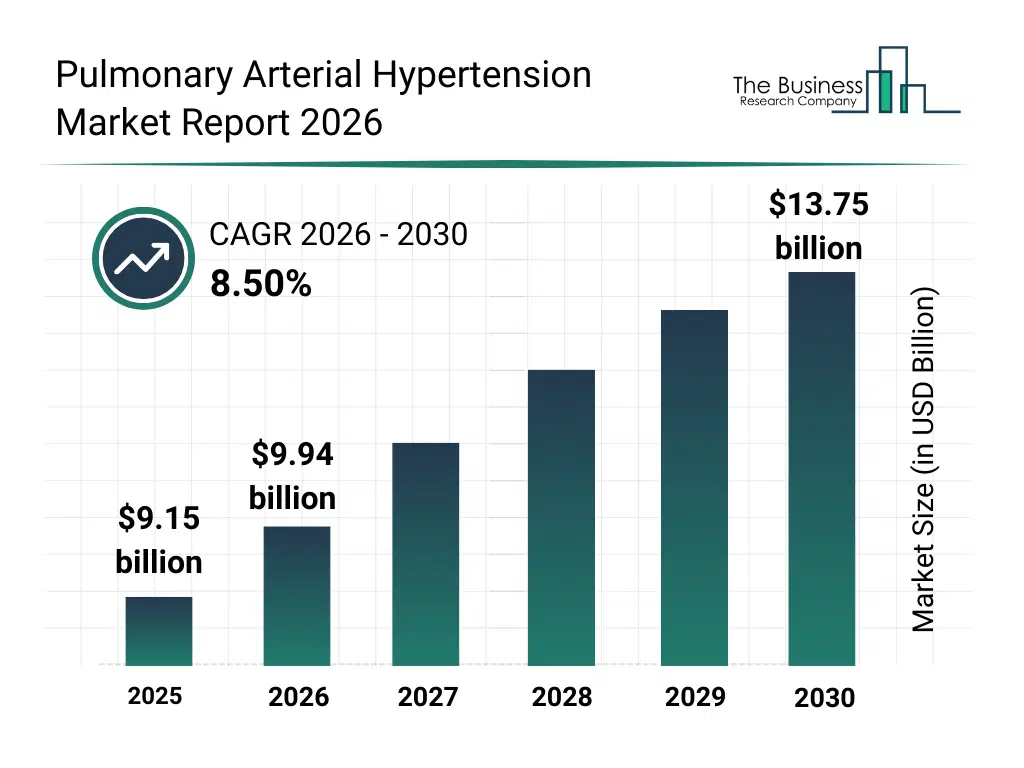
What Is The Pulmonary Arterial Hypertension Market Size and Share 2026?
The pulmonary arterial hypertension market size has grown strongly in recent years. It will grow from $9.15 billion in 2025 to $9.94 billion in 2026 at a compound annual growth rate (CAGR) of 8.6%. The growth in the historic period can be attributed to rising prevalence of pulmonary arterial hypertension, limited early diagnosis capabilities, high unmet medical needs, availability of conventional drugs, growing awareness among healthcare professionals.What Is The Pulmonary Arterial Hypertension Market Growth Forecast?
The pulmonary arterial hypertension market size is expected to see strong growth in the next few years. It will grow to $13.75 billion in 2030 at a compound annual growth rate (CAGR) of 8.5%. The growth in the forecast period can be attributed to development of novel therapies, expansion of telemedicine, increasing government healthcare initiatives, rising adoption of combination therapies, growth in specialized treatment centers. Major trends in the forecast period include personalized pulmonary hypertension therapies, advanced drug delivery systems, combination therapy development, telehealth and remote patient monitoring, emerging regional treatment centers.
Global Pulmonary Arterial Hypertension Market Segmentation
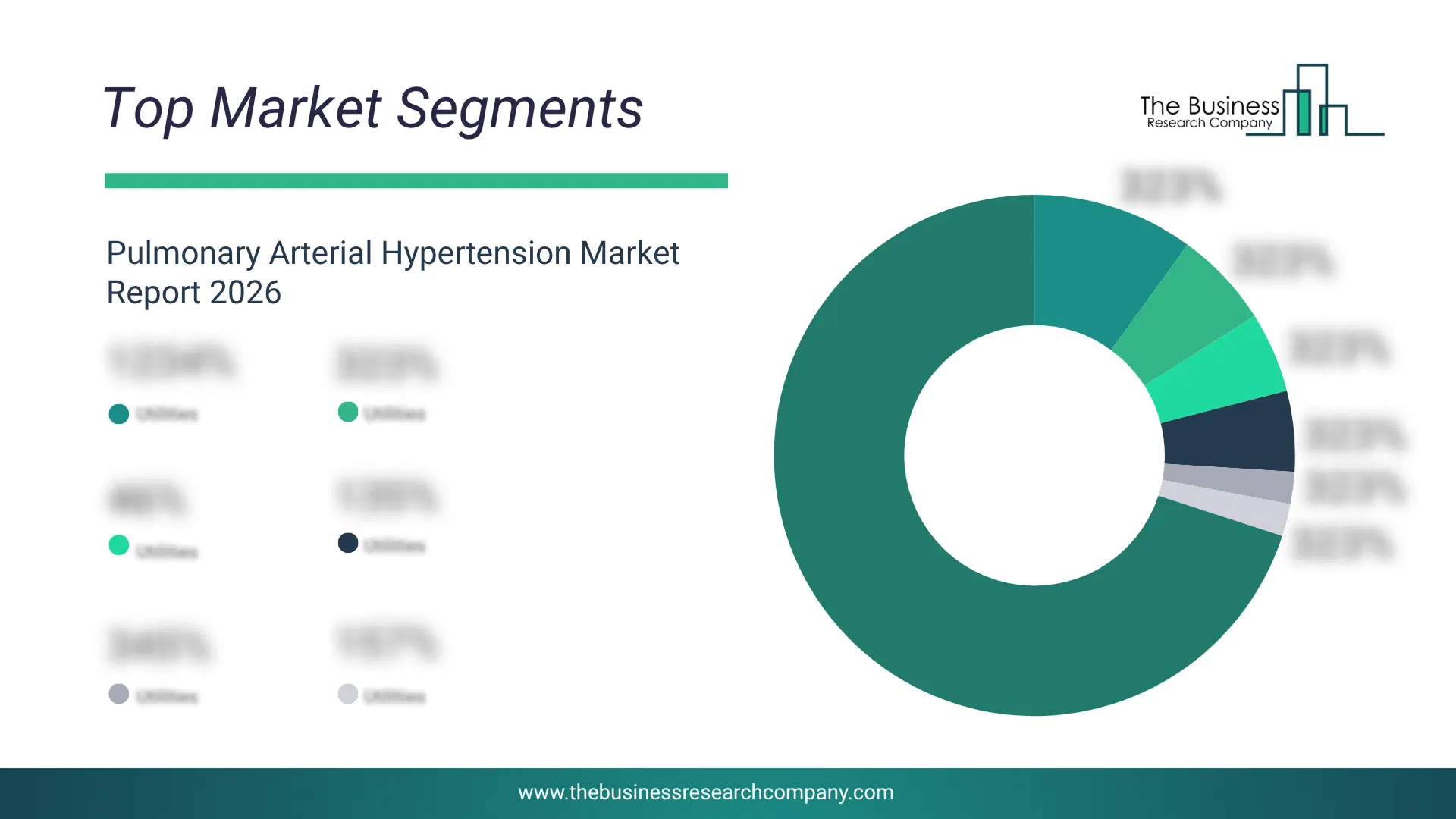
1) By Drug Class: Endothelin Receptor Antagonists (ERAs), PDE-5 Inhibitors, Prostacyclin and Prostacyclin Analogs, SGC Stimulators 2) By Route Of Administration: Oral, Intravenous Or subcutaneous, Inhalational 3) By Distribution channel: Retail, Online Subsegments: 1) By Endothelin Receptor Antagonists (ERAs): Bosentan, Ambrisentan, Macitentan 2) By PDE-5 Inhibitors: Sildenafil, Tadalafil 3) By Prostacyclin And Prostacyclin Analogs: Epoprostenol, Treprostinil, Iloprost 4) By SGC Stimulators: Riociguat, Vericiguat The top segments in the pulmonary arterial hypertension market will be: • Prostacyclin and Prostacyclin Analogs will reach $5.85 Billion by 2030. • Endothelin Receptor Antagonists (ERAs) will reach $5.21 Billion by 2030. • PDE-5 Inhibitors will reach $1.84 Billion by 2030. • SGC Stimulators will reach $0.77 Billion by 2030.What Is The Driver Of The Pulmonary Arterial Hypertension Market?
Th rising clinical trials for drug development is expected to propel the growth of the pulmonary arterial hypertension market going forward. Clinical trials for drug development are research studies conducted to evaluate the safety, efficacy, and potential side effects of a new drug or treatment in humans. Clinical trials for drug development of pulmonary arterial hypertension can lead to the development of new and more effective treatments, improving the quality of life, enhancing safety and efficacy, and early access, and helping identify cost-effective treatments. For instance, in May 2023, according to Xtalks, a Canada-based company specializing in providing life science webinars and virtual events, there are 452,604 clinical studies that have been registered on ClinicalTrials. gov as of May 17, 2023. 64,838 studies out of the total number that have been registered are actively seeking participants which is an increase of 365,000 registered trials in 2021. Therefore, the rising clinical trials for drug development is driving the growth of the pulmonary arterial hypertension industry.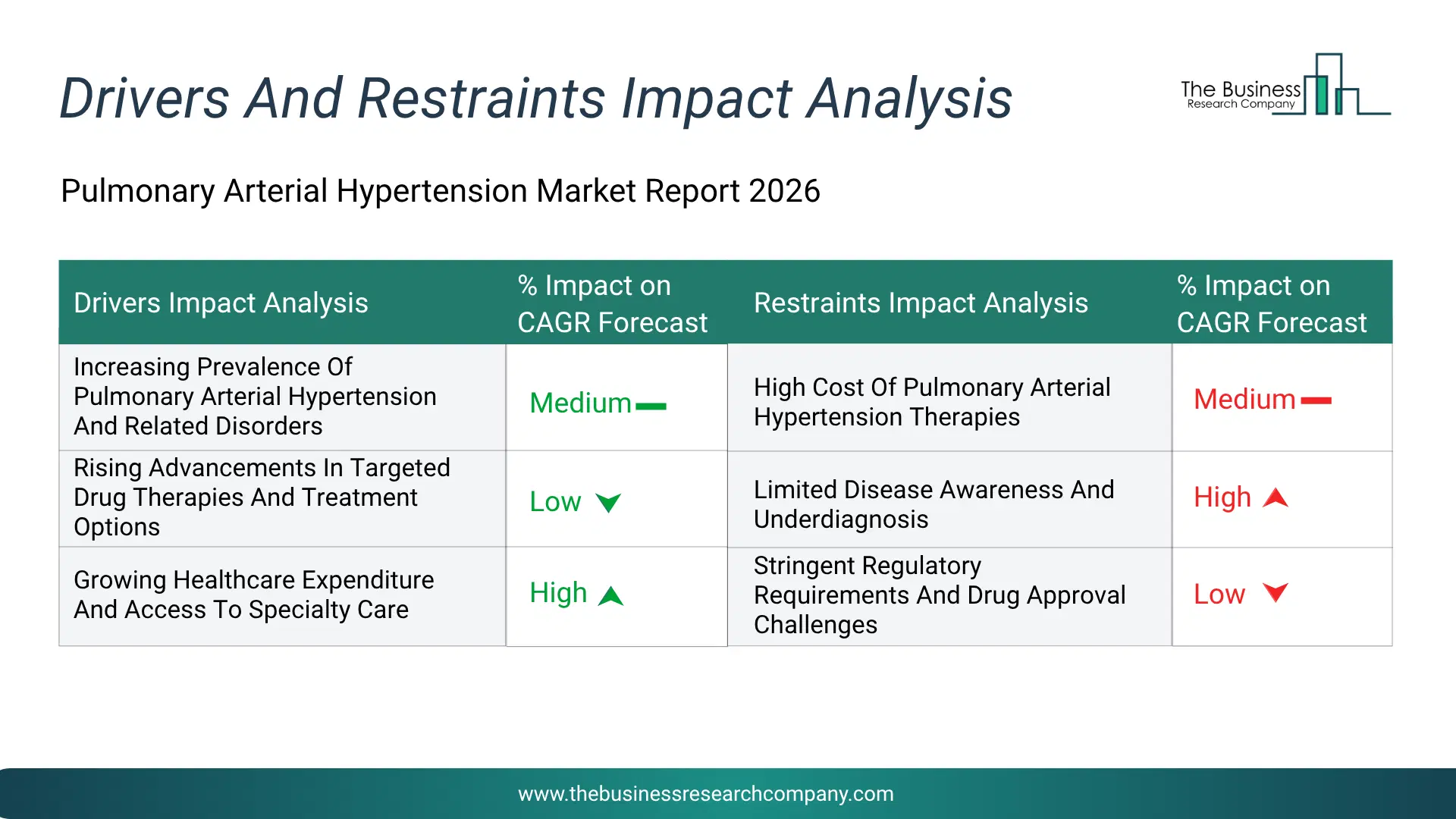
Infographic Chart Showing Key Market Drivers Analysis And Restraints For Pulmonary Arterial Hypertension Market
The chart presents an impact analysis of key drivers and restraints, quantifying their relative influence on the market's growth rate and helping assess the balance between growth enablers and limiting factors. This chart offers a high-level perspective; the full report contains more detailed insights.
How Will The Drivers Impact Growth In The Global Pulmonary Arterial Hypertension Market?
• Increasing Prevalence Of Pulmonary Arterial Hypertension And Related Disorders (Medium) – During the forecast period, the increasing prevalence of pulmonary arterial hypertension and related disorders is expected to become a key growth driver for the pulmonary arterial hypertension market by 2030. The rising incidence of pulmonary arterial hypertension (PAH), along with associated conditions such as connective tissue diseases and congenital heart disorders, is a major driver of the market. As more patients are diagnosed globally, the demand for effective drug therapies increases significantly. Improved screening programs and awareness initiatives are also contributing to earlier and more frequent diagnosis. This expanding patient pool directly boosts the need for long-term pharmacological management. Consequently, pharmaceutical companies are experiencing sustained demand growth for PAH treatments. • Rising Advancements In Targeted Drug Therapies And Treatment Options (Low) – During the forecast period, the rising advancements in targeted drug therapies and treatment options is expected to emerge as a major factor driving the expansion of the pulmonary arterial hypertension market by 2030. Continuous innovation in targeted therapies, such as endothelin receptor antagonists, phosphodiesterase inhibitors, and prostacyclin analogs, is accelerating market expansion. These advanced treatments improve patient outcomes by addressing the underlying disease mechanisms more effectively. Pharmaceutical companies are heavily investing in R&D to develop novel drugs with improved efficacy and fewer side effects. The introduction of combination therapies further enhances treatment success rates. As a result, technological and therapeutic advancements are significantly driving adoption and market growth. • Growing Healthcare Expenditure And Access To Specialty Care (High) – During the forecast period, the growing healthcare expenditure and access to specialty care is expected to act as a key growth catalyst for the pulmonary arterial hypertension market by 2030. Increasing healthcare spending across both developed and emerging economies is facilitating better access to specialized treatments for rare diseases like PAH. Governments and private insurers are expanding coverage for high-cost orphan drugs, making therapies more accessible to patients. Additionally, the development of specialized pulmonary and cardiovascular care centers supports timely diagnosis and treatment. Improved healthcare infrastructure enables broader distribution and availability of advanced drugs. This financial and systemic support plays a crucial role in driving the overall growth of the PAH market.How Will The Restraints Impact Growth In The Global Pulmonary Arterial Hypertension Market?
• High Cost Of Pulmonary Arterial Hypertension Therapies (Medium) – During the forecast period, the treatment of pulmonary arterial hypertension involves expensive, long-term drug regimens, including combination therapies and specialty medications. These high costs limit affordability, especially in low- and middle-income regions where insurance coverage is limited. Even in developed markets, reimbursement complexities can restrict patient access to advanced therapies. As a result, many patients delay or avoid treatment, reducing overall drug adoption rates. This financial burden directly slows market expansion and restricts revenue growth potential. • Limited Disease Awareness And Underdiagnosis (Low) – During the forecast period, the pulmonary arterial hypertension is a rare and often misdiagnosed condition due to its non-specific symptoms such as fatigue and shortness of breath. Lack of awareness among both patients and primary healthcare providers leads to delayed or incorrect diagnosis. This results in a smaller treated patient population than the actual disease prevalence. Consequently, the demand for PAH drugs remains lower than its potential. This gap between actual and diagnosed cases acts as a significant restraint on market growth. • Stringent Regulatory Requirements And Drug Approval Challenges (High) – During the forecast period, the development and approval of PAH drugs involve rigorous clinical trials and strict regulatory scrutiny due to safety concerns and the complexity of the disease. These lengthy approval timelines increase development costs and delay product launches. Additionally, failure rates in late-stage trials can discourage investment in new therapies. Regulatory barriers also limit the entry of smaller pharmaceutical players into the market. This slows innovation and reduces the pace of new drug availability, thereby restraining overall market growth.Key Players In The Global Pulmonary Arterial Hypertension Market
Major companies operating in the pulmonary arterial hypertension market are United Therapeutics Corporation, Acceleron Pharma Inc., Actelion Pharmaceuticals US Inc., Bayer AG, Eli Lilly and Company, Gilead Sciences Inc., GlaxoSmithKline plc, Johnson & Johnson, Liquidia Technologies Inc., Lupin Pharmaceuticals Inc., Natco Pharma Ltd., Pfizer Inc., Sandoz AG, Teva Pharmaceutical Industries Ltd., Zydus Pharmaceutical USA Inc., Merck KGaA, Novartis International AG, Bristol-Myers Squibb Company, AstraZeneca plc, Daiichi Sankyo Company Limited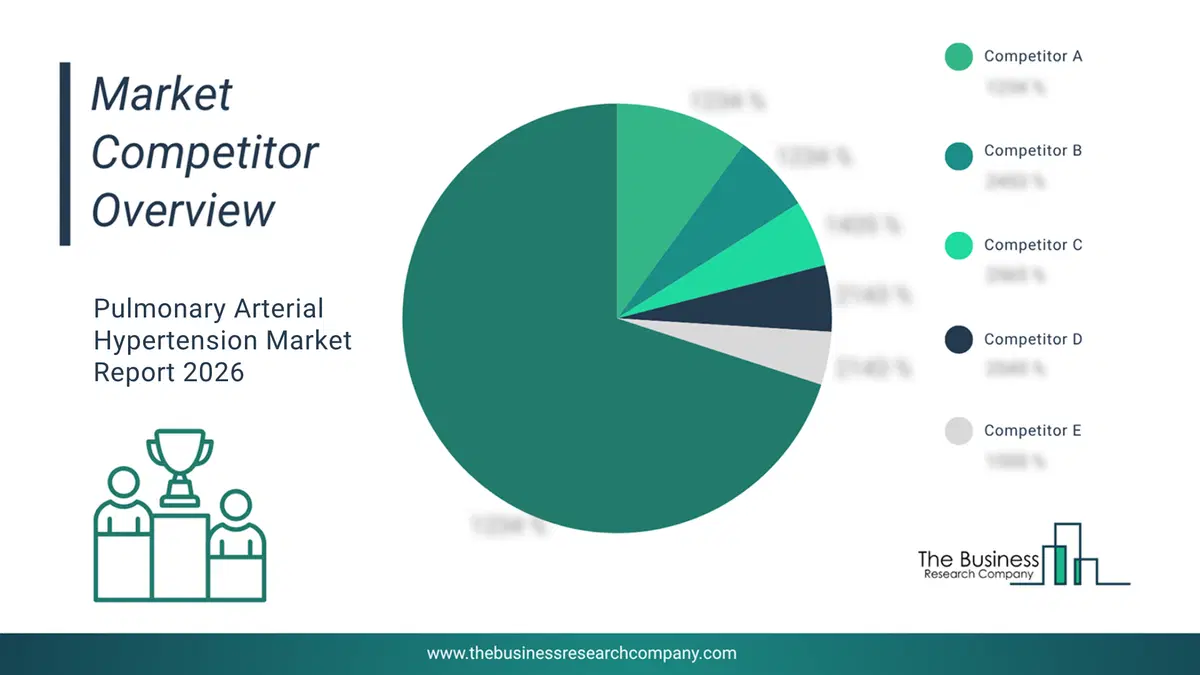
This chart is for illustrative purposes; the full report includes a detailed competitor analysis and comprehensive overview of the top 10 companies in the market.
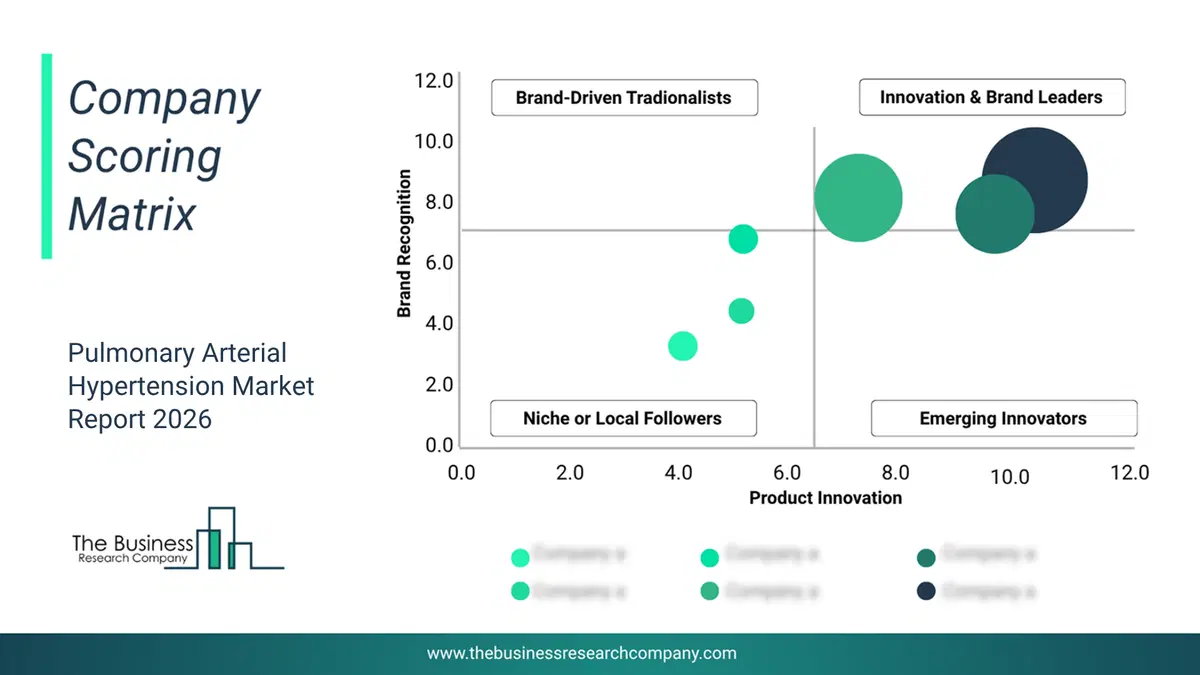
This chart maps companies by product innovation and brand strength, with bubble size indicating relative revenue, helping identify market leaders, challengers, and niche players. This is an illustrative chart; the full report provides a complete and accurate competitive analysis.
Global Pulmonary Arterial Hypertension Market Trends and Insights
Major companies operating in the pulmonary arterial hypertension market are innovating advanced products, such as OPSYNVI, to provide improved treatment options that enhance patient outcomes and quality of life for individuals suffering from this serious condition. For instance, In March 2024, Johnson & Johnson, a US-based multinational company specializing in pharmaceuticals, biotechnology, and medical technologies, launched OPSYNVI for the chronic treatment of adults with pulmonary arterial hypertension. OPSYNVI can be used for patients with pulmonary arterial hypertension (PAH) who are either new to treatment or already taking an endothelin receptor antagonist (ERA) or PDE5 inhibitor, or both. It is also suitable for those on stable doses of macitentan 10 mg and tadalafil 40 mg, administered as separate tablets.What Are Latest Mergers And Acquisitions In The Pulmonary Arterial Hypertension Market?
In May 2024, Gossamer Bio, US-based biopharmaceutical company that provides treatment for Pulmonary Arterial Hypertension (PAH) partnered with Chiesi Farmaceutici S.p.A. With this partnership, both companies are combining their strengths to improve the treatment of pulmonary arterial hypertension (PAH) and speed up the development of products for pulmonary hypertension linked to interstitial lung disease (PH-ILD). Chiesi Farmaceutici S.p.A, Italy-based pharmaceutical company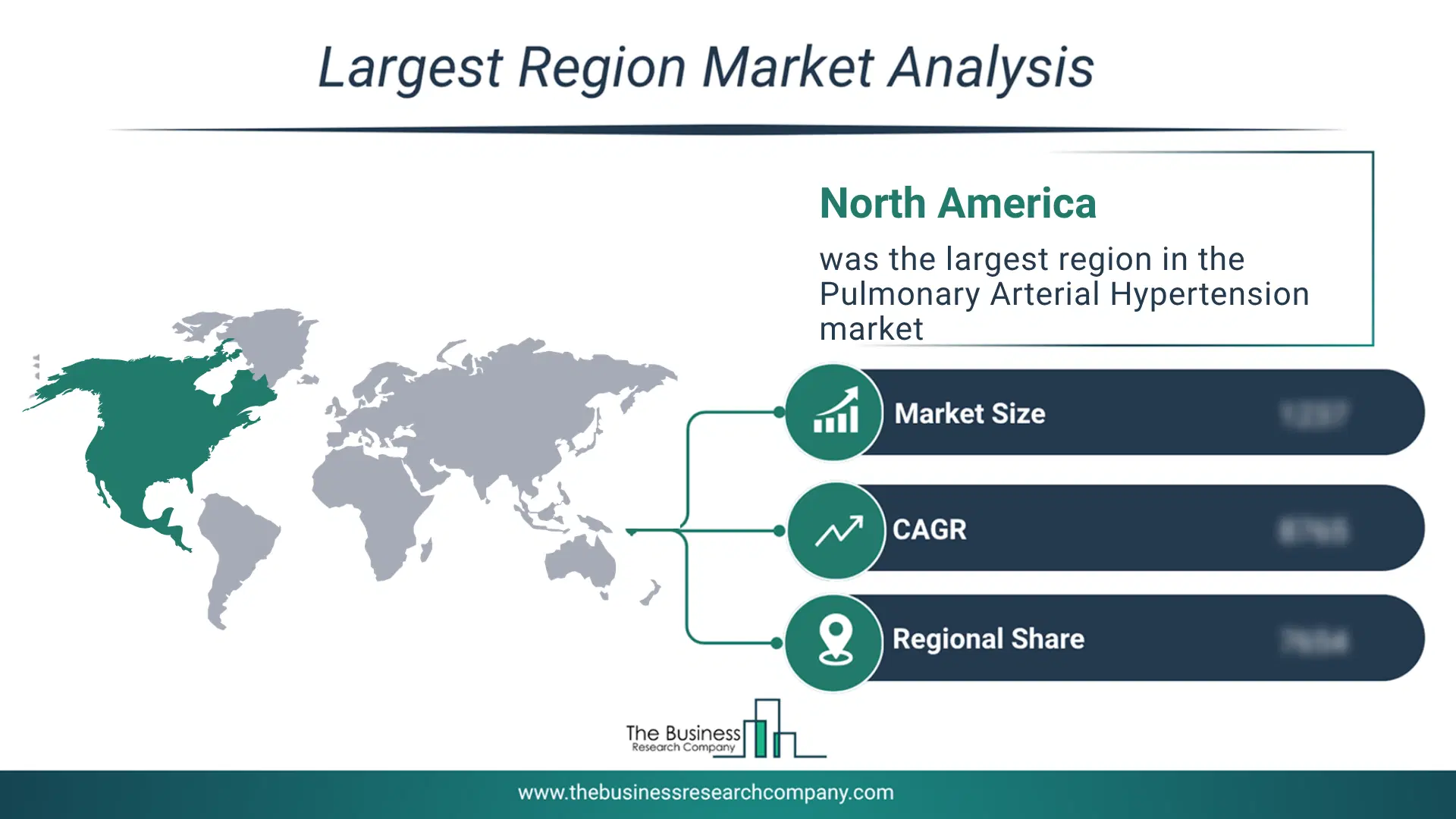
Regional Insights
North America was the largest region in the pulmonary arterial hypertension market in 2025. The regions covered in this market report are Asia-Pacific, South East Asia, Western Europe, Eastern Europe, North America, South America, Middle East, Africa. The countries covered in this market report are Australia, Brazil, China, France, Germany, India, Indonesia, Japan, Taiwan, Russia, South Korea, UK, USA, Canada, Italy, Spain.What Defines the Pulmonary Arterial Hypertension Market?
The pulmonary arterial hypertension market includes revenues earned by entities by idiopathic, heritable, and drug and toxin-induced. The market value includes the value of related goods sold by the service provider or included within the service offering. Only goods and services traded between entities or sold to end consumers are included.How is Market Value Defined and Measured?
The market value is defined as the revenues that enterprises gain from the sale of goods and/or services within the specified market and geography through sales, grants, or donations in terms of the currency (in USD unless otherwise specified). The revenues for a specified geography are consumption values that are revenues generated by organizations in the specified geography within the market, irrespective of where they are produced. It does not include revenues from resales along the supply chain, either further along the supply chain or as part of other products.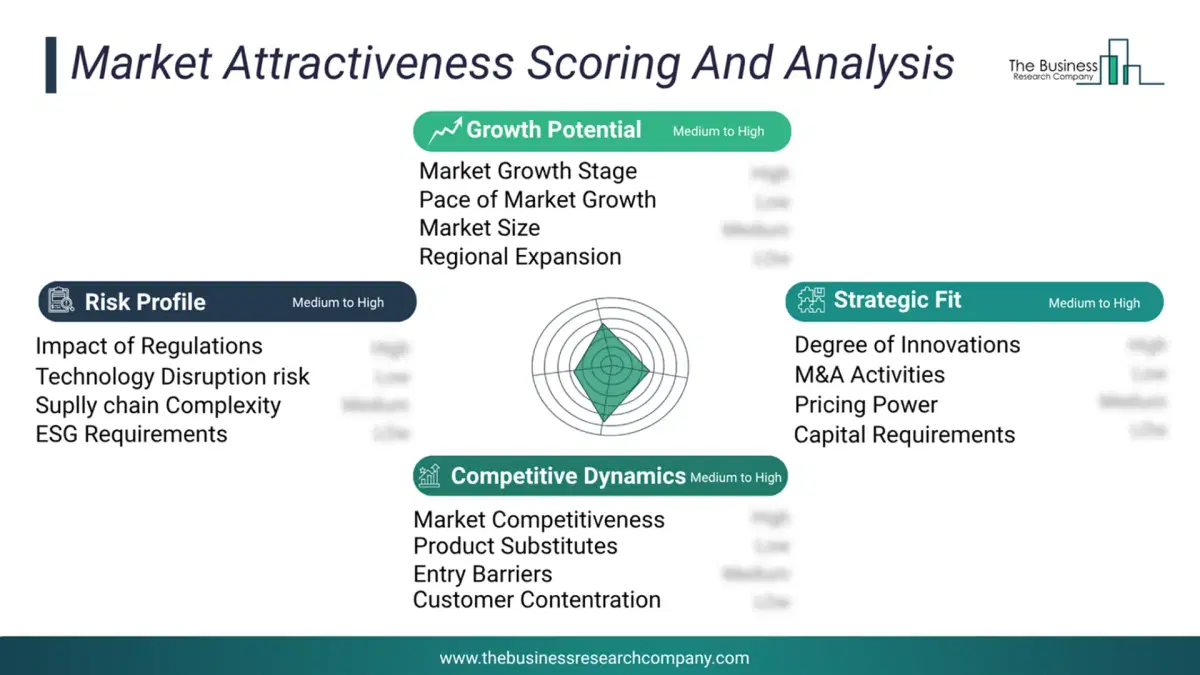
This chart presents market attractiveness based on a quantitative evaluation of growth, competition, strategic alignment, and risk, offering a clear view of opportunity areas for decision-making. This chart is for illustrative purposes; the full report contains the complete analysis.
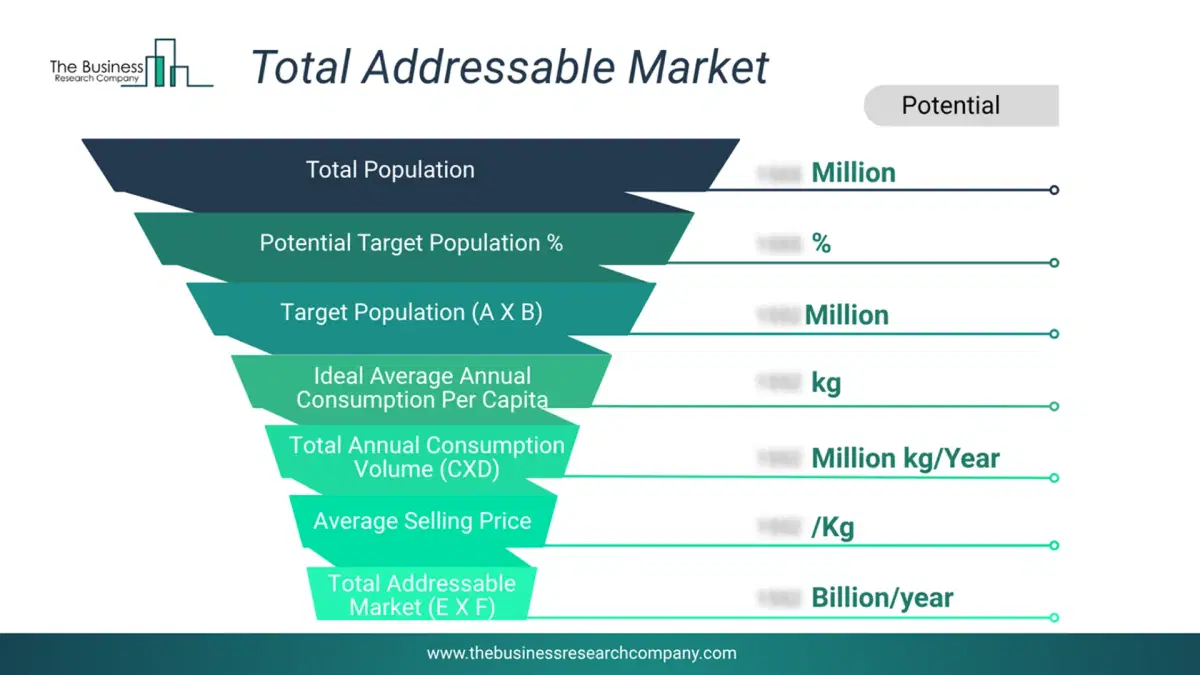
This chart highlights the Total Addressable Market (TAM) by estimating the maximum revenue opportunity using an assumption-driven approach, supporting strategic planning and opportunity sizing across markets. The chart is illustrative; the full report provides a more comprehensive analysis.
What Key Data and Analysis Are Included in the Pulmonary Arterial Hypertension Market Report 2026?
The pulmonary arterial hypertension market research report is one of a series of new reports from The Business Research Company that provides market statistics, including industry global market size, regional shares, competitors with the market share, detailed market segments, market trends and opportunities, and any further data you may need to thrive in the pulmonary arterial hypertension industry. The market research report delivers a complete perspective of everything you need, with an in-depth analysis of the current and future state of the industry.Pulmonary Arterial Hypertension Market Report Forecast Analysis
| Report Attribute | Details |
|---|---|
| Market Size Value In 2026 | $9.94 billion |
| Revenue Forecast In 2030 | $13.75 billion |
| Growth Rate | CAGR of 8.6% from 2026 to 2030 |
| Base Year For Estimation | 2025 |
| Actual Estimates/Historical Data | 2020-2025 |
| Forecast Period | 2026 - 2030 |
| Market Representation | Revenue in USD Billion and CAGR from 2026 to 2030 |
| Segments Covered | Drug Class, Route Of Administration, Distribution channel |
| Regional Scope | Asia-Pacific, Western Europe, Eastern Europe, North America, South America, Middle East, Africa |
| Country Scope | The countries covered in the report are Australia, Brazil, China, France, Germany, India, Indonesia, Japan, Taiwan, Russia, South Korea, UK, USA, Canada, Italy, Spain. |
| Key Companies Profiled | United Therapeutics Corporation, Acceleron Pharma Inc., Actelion Pharmaceuticals US Inc., Bayer AG, Eli Lilly and Company, Gilead Sciences Inc., GlaxoSmithKline plc, Johnson & Johnson, Liquidia Technologies Inc., Lupin Pharmaceuticals Inc., Natco Pharma Ltd., Pfizer Inc., Sandoz AG, Teva Pharmaceutical Industries Ltd., Zydus Pharmaceutical USA Inc., Merck KGaA, Novartis International AG, Bristol-Myers Squibb Company, AstraZeneca plc, Daiichi Sankyo Company Limited |
| Customization Scope | Request for Customization |
| Pricing And Purchase Options | Explore Purchase Options |